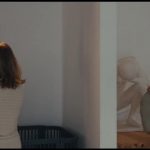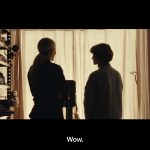
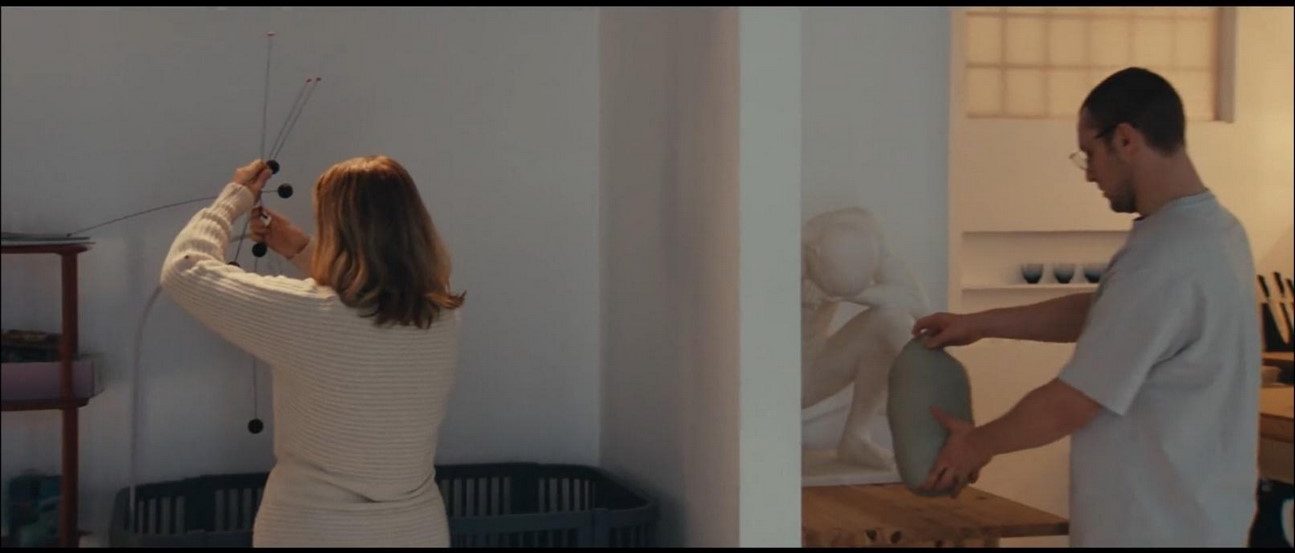
Architektin is a brutal confrontation with architecture. The series deals with the everyday dilemma of architects’ choices for them or for their client. This series flashes light on the architect’s daily life struggles and turns these struggles into a cinematic experience. The series strips the illusion of architectural ethics to the reality of needs. Architects always have dreams for their clients, as well as dreams for themselves. Architecture is very subjective and never neutral. The architectural series emphasizes the connection between power, people, and politics. It’s a compelling narrative of a failing architect who continues to work as an intern in order to survive in an unfair environment. Her colleague is employed as an architect and treats.
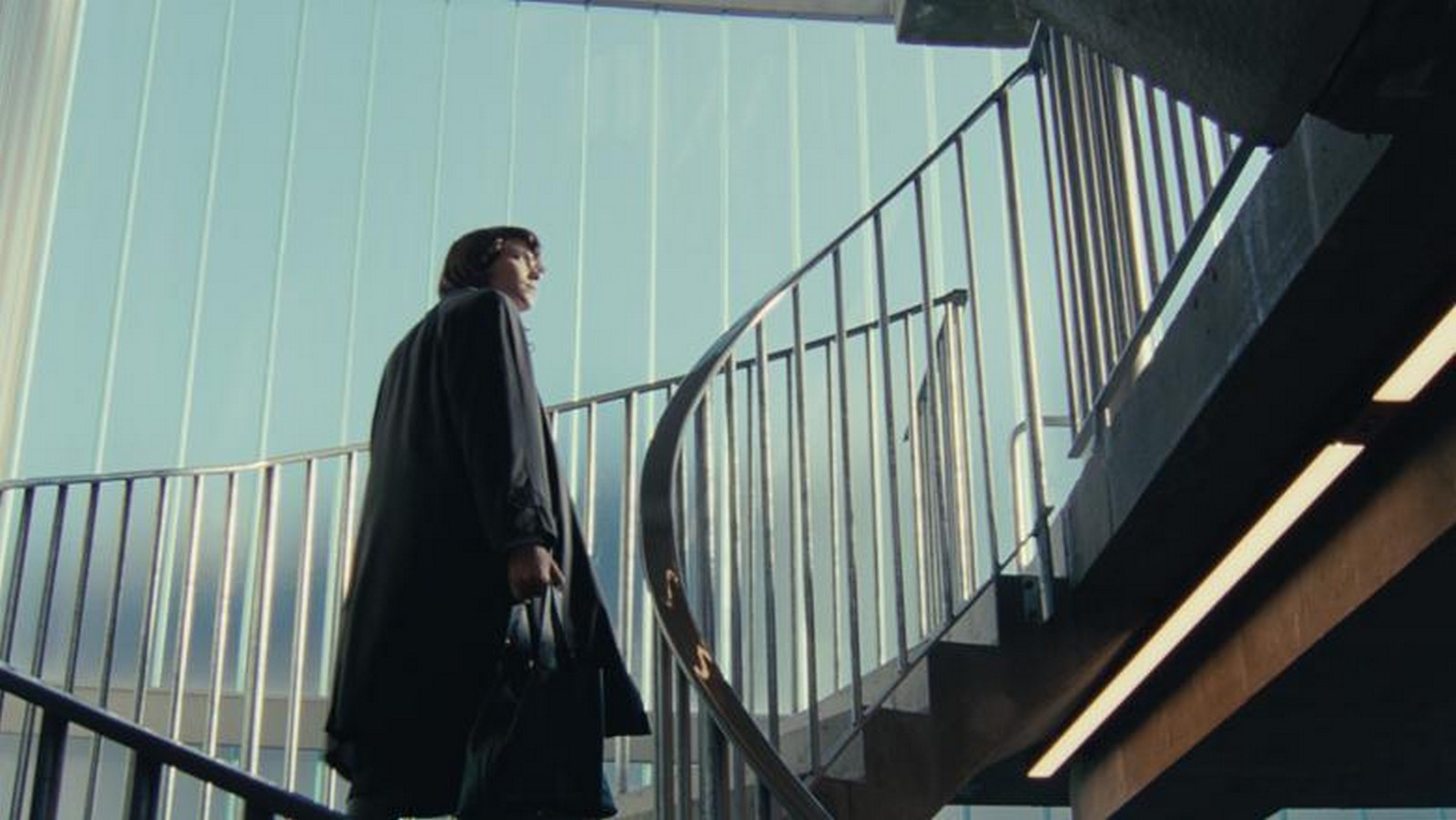
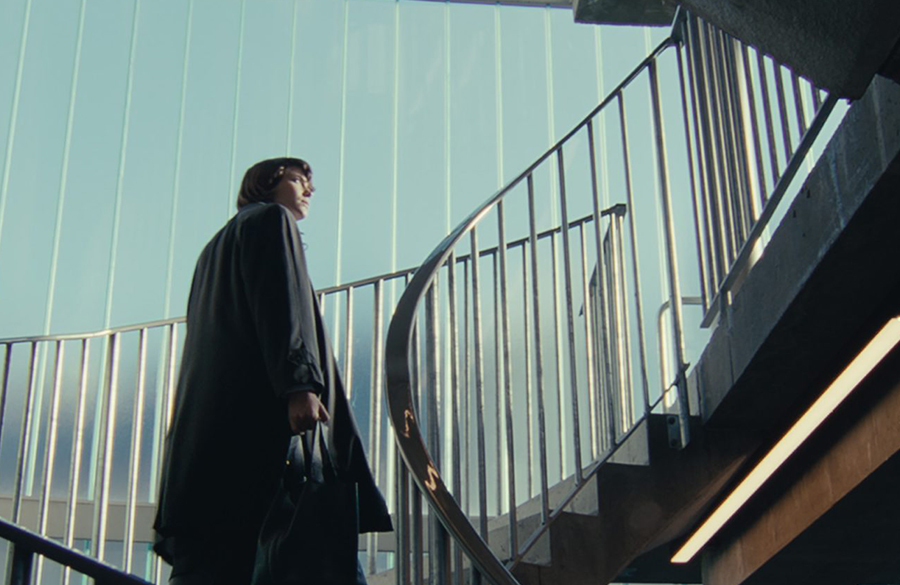
The color pallet in the scenes is quite frigid and unpleasant. Their depiction captures the dead implications of space. The entire cinematography is basic and bold. The series was inspired by the writer’s own struggle, who was looking for an apartment that fit their budget but ended up with just false hope and despair.
Politics of Space
Most of the time, market-driven prices are unjust and do not provide for the affordability element. In the series, the architect’s design was inspired by her own life experience, which served as a live case study. She began with a creative mini house that needed living features such as sunshine and windows. This proposal was first rejected owing to a lack of privileges for the types of locations she was developing. There was no means to go above ground other than to use the unoccupied parking spaces in the underground parking lots. Changes in market standards are also influenced by space politics, as having a window is a luxury. So, they came up with an idea of a pseudo window to have a look and feel of sunlight.
The four curtain walls in the parking garage signify the openness of the layout, which she eventually doesn’t find in the option to live in. Walls made of cloth are less attractive, but with power, their meaning is lost on the user. It’s ironic how the open layout defines the community and relationships even though the basic necessity is being compromised.
Red color has been significantly used to define the power of the elements in the scenes.
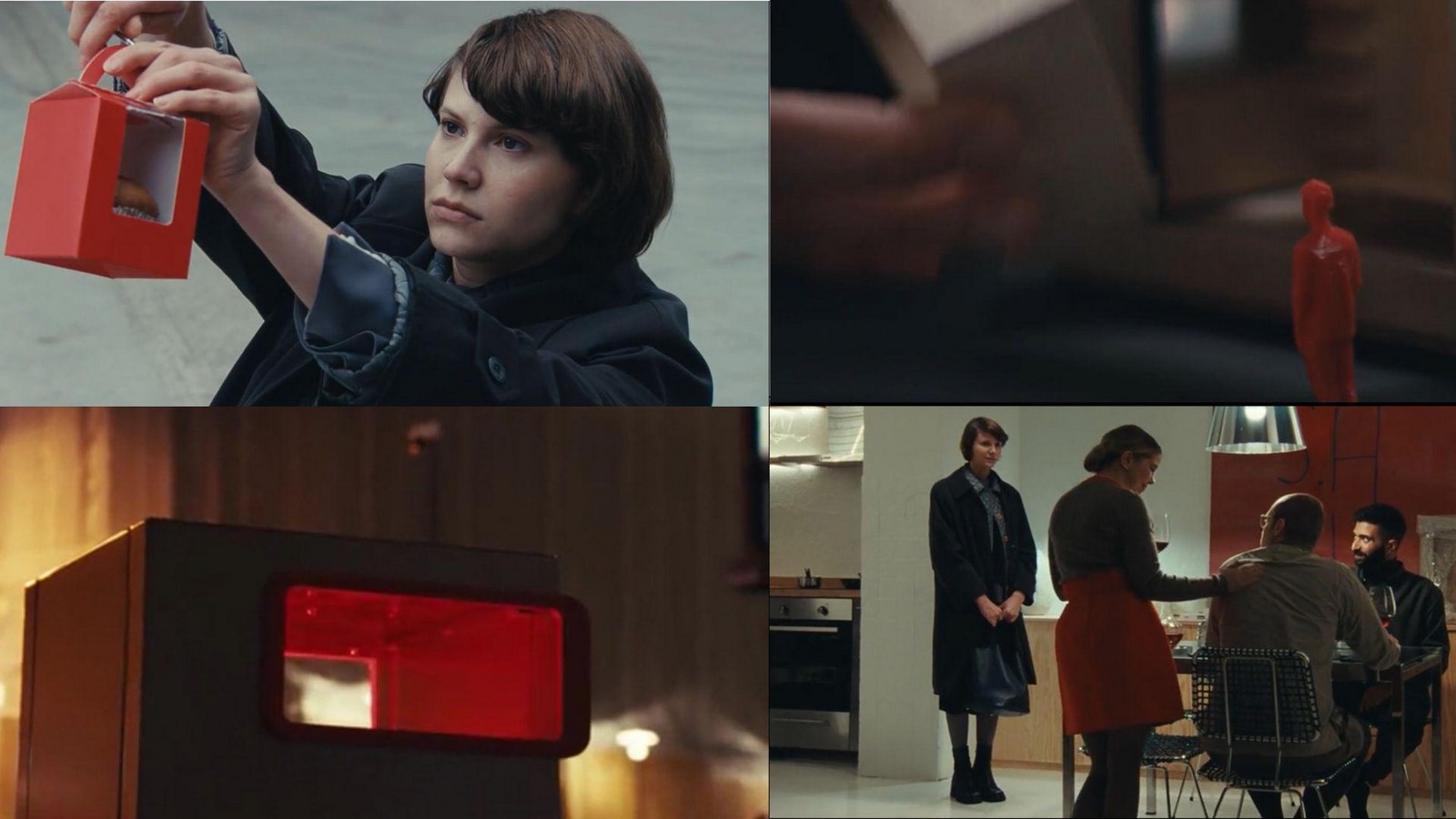
From Idea to survival living
The architecture competition at the center of the series is flawed and so are the characters, who spend much of their time justifying choices made under pressure. Through them, the series projects both present and future dilemmas: a city where the only residents left are the underpaid and the homeless, where housing has become so commodified that basic living is nearly impossible. This is a world where design intent is valued more than actual human need in the built environment. It is a world where one cannot simply sit in public without first buying a coffee. The series scatters small but telling references to this condition: a Danish lamp as a status symbol, a distorted park bench redesigned to prevent it from being used as a bed. Each object reveals how shallow and exclusionary design can become when capital dictates purpose.
In both reel and real life, design decisions are driven less by ideals than by economics. Julie’s choice to remain an intern rather than take on the full role of an architect is not framed as ambition, but as survival, a decision that reflects the harsh conditions of today’s architectural labor market. The unsettling suggestion is that some struggles will remain unchanged even in the future: the profession continues to negotiate dignity against necessity, and survival often wins.
Architectural Reflections
This term “GLASS IS VERY EXPENSIVE” has been used at least thrice in the whole series which depicts the power of materials as well.
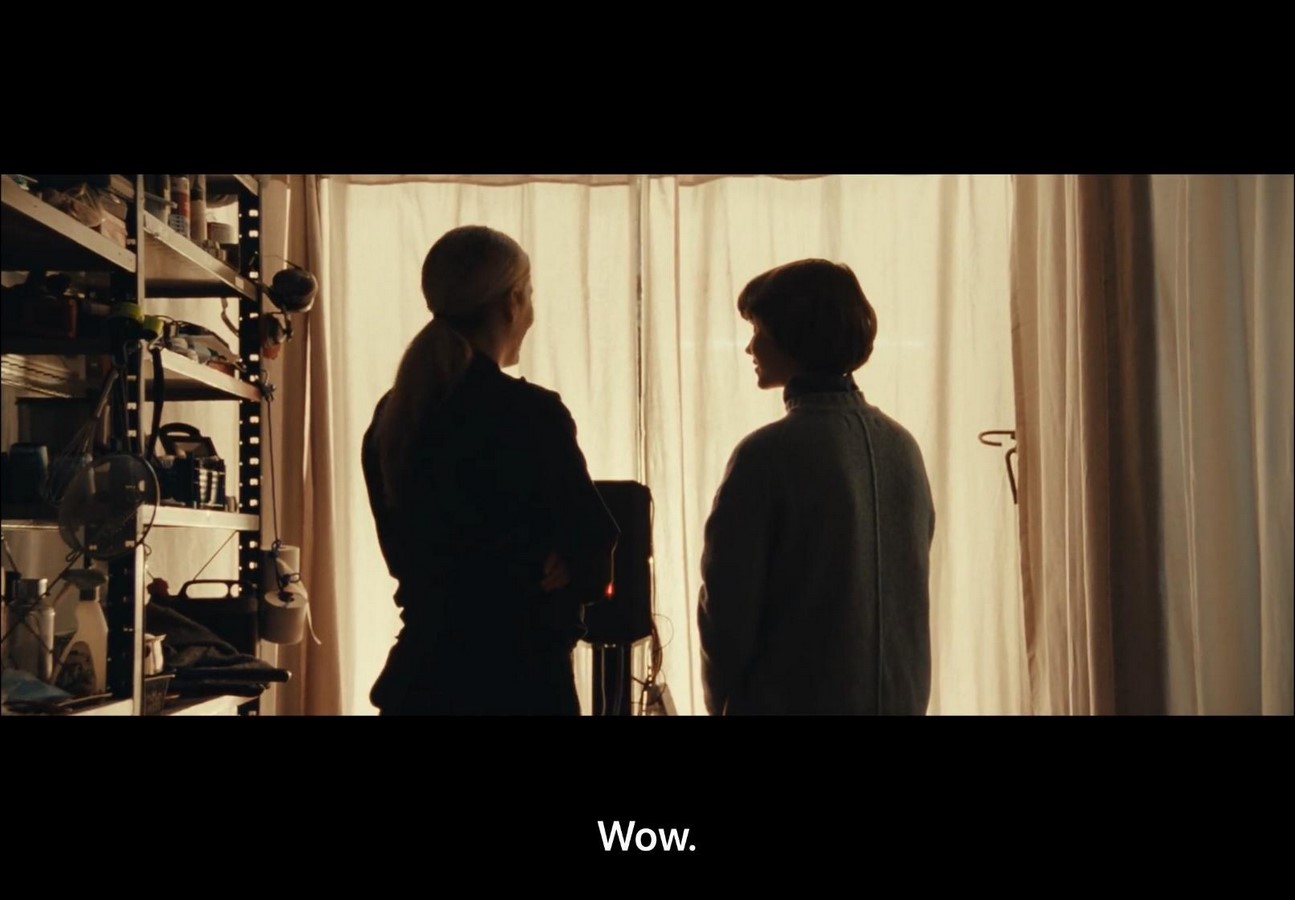
The character Julie herself is showcased neither as a hero nor as a villain. Her personal ethics and professional values do not align throughout the series. Architecture is all about compromises and driven by power, capital and politics. People or users come in the last position. This raises critical questions. When architects design under the rules of the market, are they resisting inequality or reinforcing it? Where is the line between pragmatic adaptation and complicity? The series does not offer answers but instead leaves these questions open, pressing on the conscience of the viewer. With each frame, every time the camera zooms in, a question remains unanswered.
For architects, this makes the series essential viewing. It does not inspire in the conventional sense; it provokes. It demands reflection on what kind of world is being built and for whom. Julie’s journey may be fictional, but the questions it raises are painfully real: Who gets sunlight? Who gets air? Who is pushed underground? And how far can architects go before their ideals dissolve into compromise? The series ends with a provoking yet beautiful message that it does not tell architects what to do, but it dares them to decide what they must stand for.
References:
https://www.sbs.com.au/whats-on/article/acclaimed-series-the-architect-envisions-a-young-womans-dramatic-answer-to-the-housing-crisis/g76k8sln8
https://www.world-architects.com/en/architecture-news/insight/the-architect-a-norwegian-dystopia
https://variety.com/2023/tv/global/kerren-lumer-klabbers-viaplay-the-architect-1235528992/
https://nordiskfilmogtvfond.com/news/stories/the-architects-kerren-lumer-klabbers-on-creating-a-heightened-sci-fi-world-within-set-boundaries