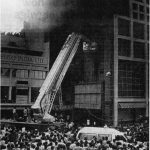
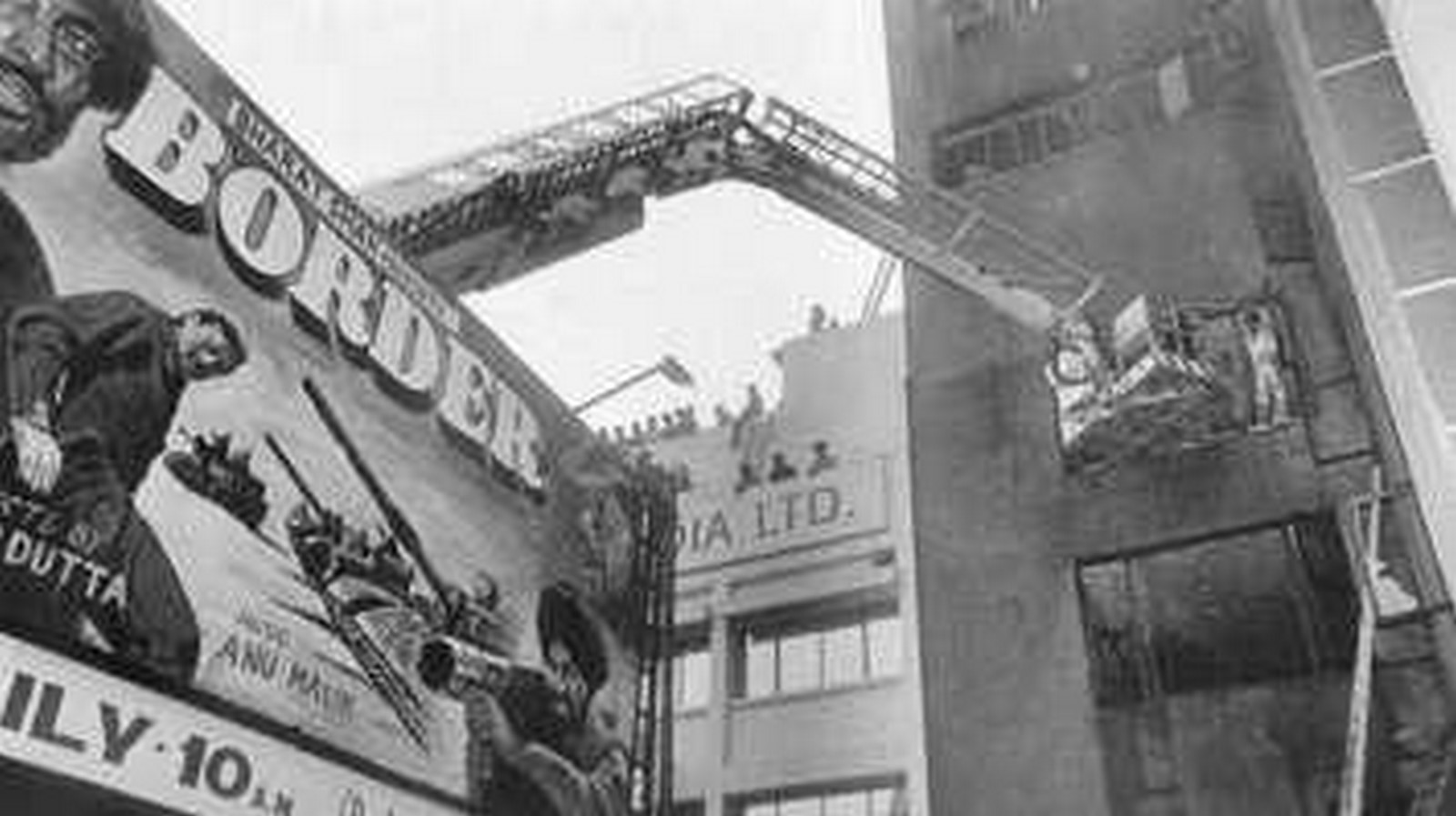
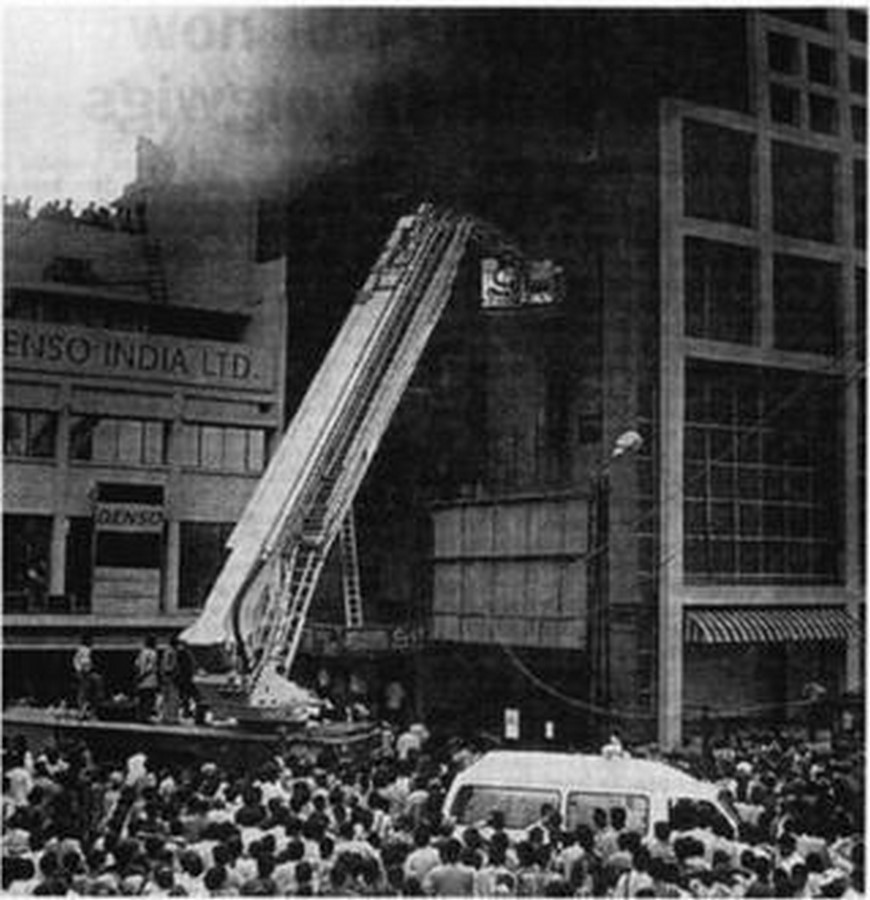
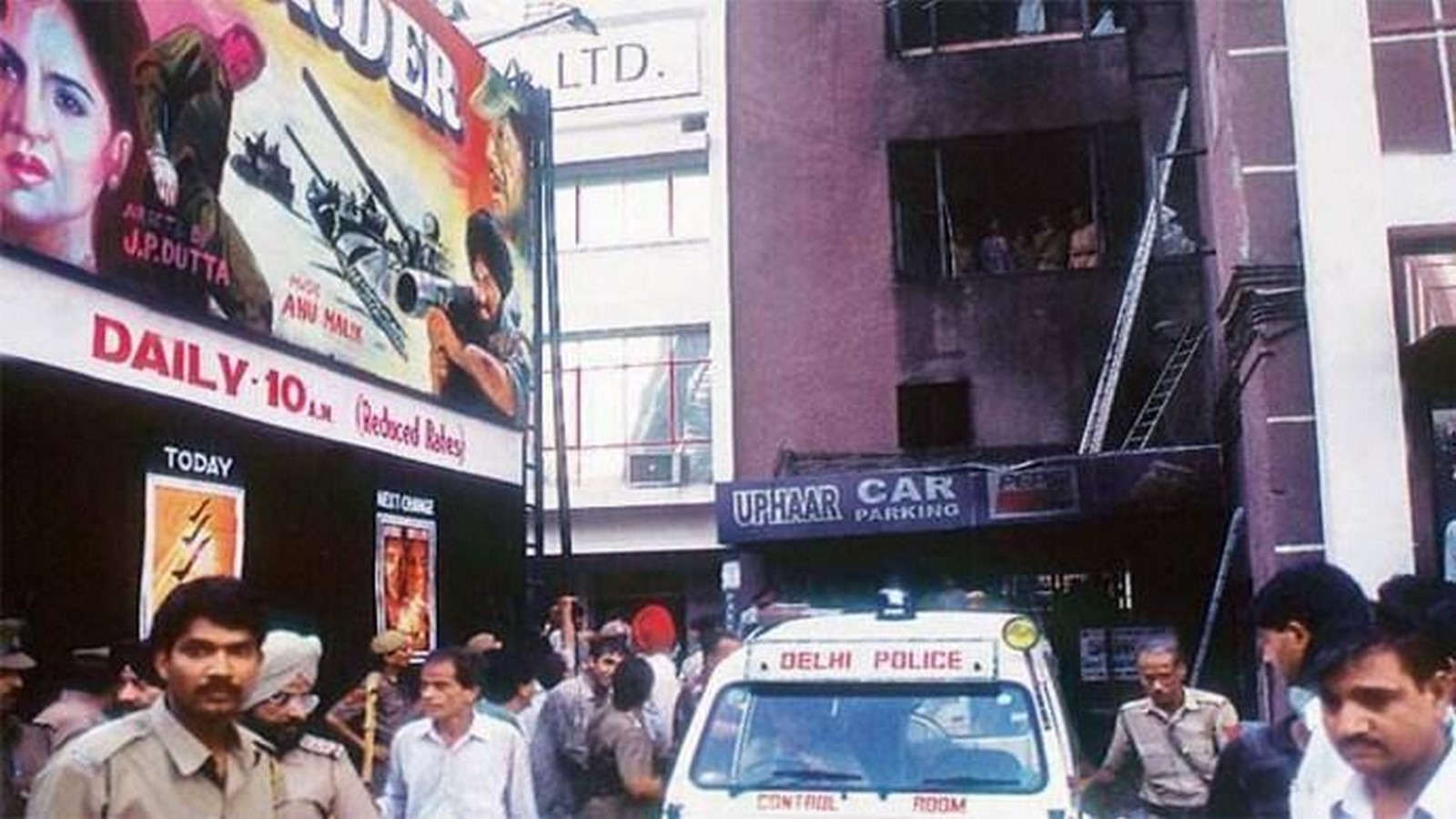
Architecture in cinema is often relegated to a silent backdrop, merely framing the action and mood. However, in the story of Trial by Fire, architecture emerges as a central figure rather than just scenery. The Hindi series, based on the 1997 Uphaar Cinema fire in Delhi, positions the building and its tragic failure as primary characters. This architectural review aims to analyse how design, regulations, and professional responsibility intersect—highlighting what architects, design consultants, policymakers, and authorities must learn from the tragedy.
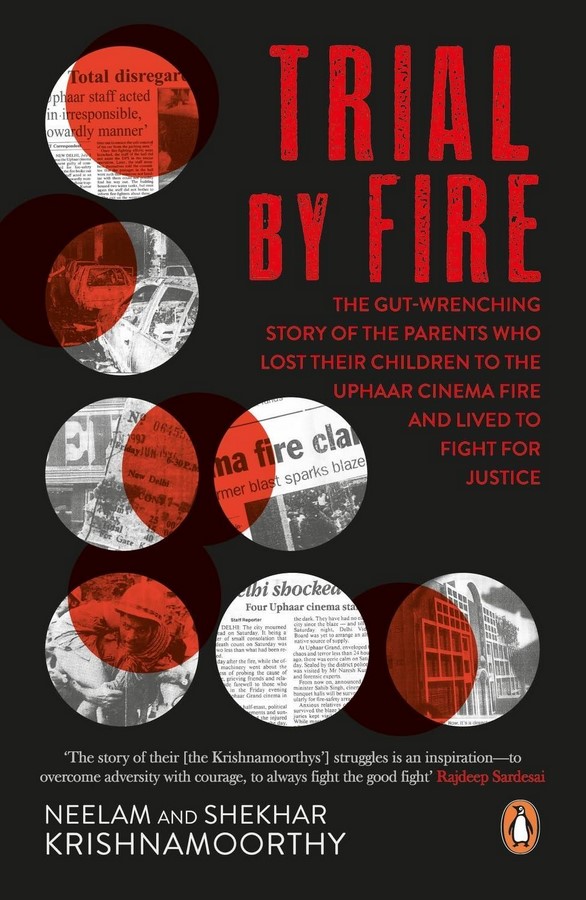

Architecture as the main character
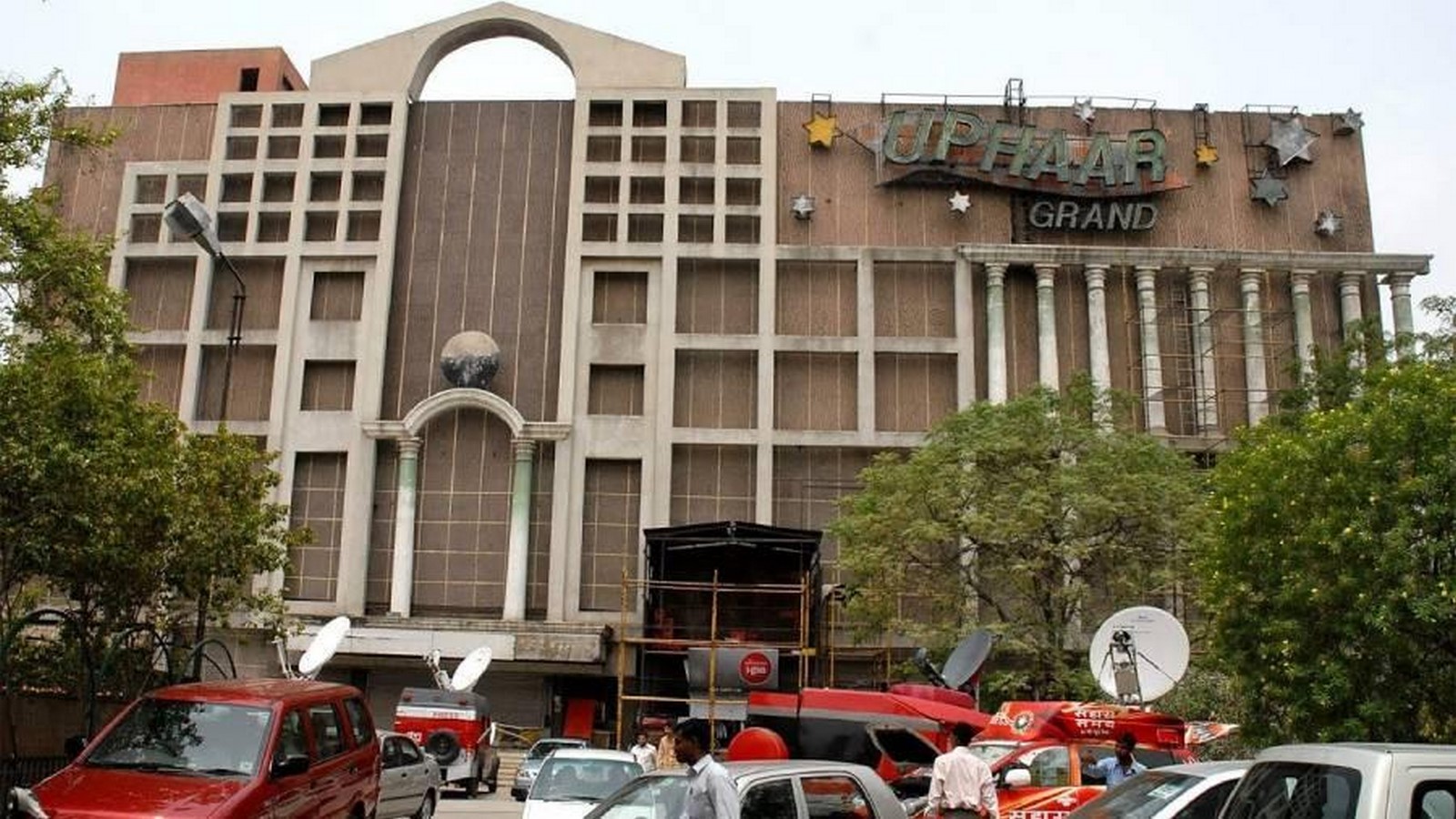
In Trial by Fire, the Uphaar Cinema is not just a setting but takes on a pivotal narrative role. It stands as protagonist, antagonist, and witness, embodying how architecture can directly influence events. The series foregrounds design flaws and misuse—including blocked exits, poor ventilation, and inadequate safety measures—arguing that these architectural shortcomings were key factors in the disaster. This underscores the core argument: that architecture not only shapes environments but can profoundly affect life and death.
From the seat layout to fire safety equipment, all carry a consequence which is beyond just aesthetics and economics of a business. The Cinema Hall, a place designed for leisure, became compromised through negligence. This perspective is valuable in today’s time on how every design impacts its surroundings.
Recreating the space through immersive design sets
To recreate the tragedy with authenticity, the production team of the series worked carefully on the visualisation tools. The special effects were created using the Unreal Engine pre-visualisation tool. Where it simulates fire and smoke with realistic behaviour and dynamic lighting.
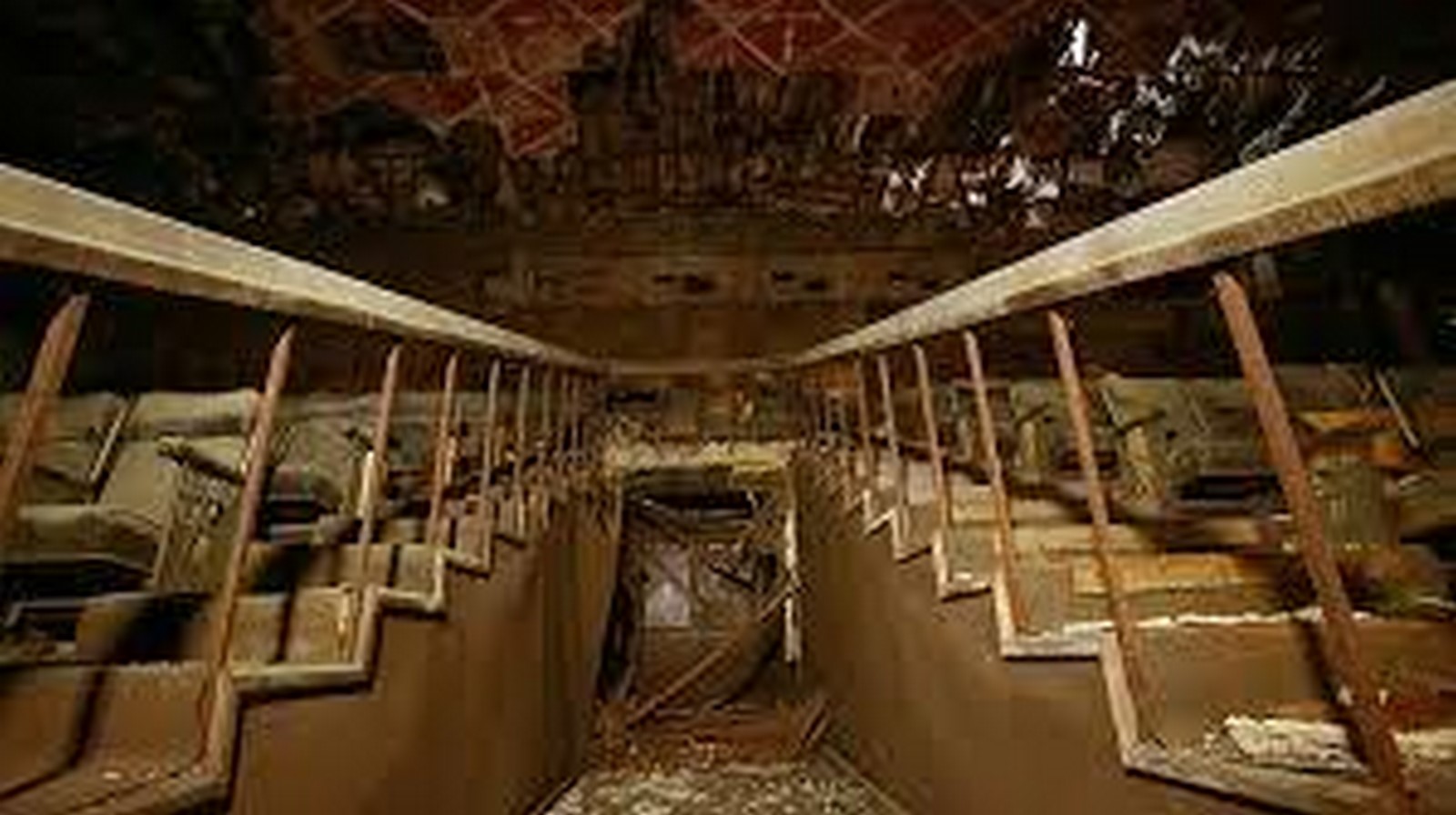
Architecturally, the visuals are striking. It showed the buildings are not mere static. They breathe and confine. It also reminded us that poor design can become death traps.
Spatial Awareness shown through cinematography
The cinematographer and the set designer made sure that through architecture, the emotions are conveyed. The creation of a claustrophobic and tense environment through smoke-filled rooms and stairwells shows the physical confinement and the management’s neglect of the locked doors at the other end. Such moments show that designing without human safety can turn and amplify into a disaster.
These oppressive spaces are also shown throughout the series, Such as the home, the government offices and the courtrooms. These spaces collectively show the spatial juxtapositions that architecture shapes not only the moment of crisis but also the aftermath in the form of grief, resistance and bureaucracy.
Takeaways for Architects, Urban Planners and Regulatory bodies
- Safety and Compliance as a primary design principle
The tragedy shows that the function can never be secondary to aesthetics or a cost-saving factor. This case study shows that neglecting fire safety norms can turn public space into a hazard..
- Maintaining exit integrity
The core failure shown in the series was the obstruction and locking of emergency exits. A minor modification of adding an extra row of seats to increase revenue can compromise the safety route and alter the evacuation plan. Designers must make sure that there are abundant exits that are clear and accessible and make sure these elements are non-negotiable.
- Retrofitting and regular audits
Buildings often outlive the compliance with which it was initially planned and designed. With the change in time, regular safety audits, retrofitting and compliance checks can ensure that a structure is adaptive and meets the new standards and remains safe.
- Public Architecture is a responsibility
The Uphaar cinema hall wasn’t just a private building but a public space. Thus, demanding a higher accountability in design, operation and compliance.
- User awareness and spatial communication
As there is a cultural ritual with advertisement screenings, there will also be a screening with safety instructions that are understandable to all the users and visually rehearsed as well.
Architecture as evidence
This series, “Trial by Fire,” uses architecture as a legal testimony. The court revisits the drawings like floor plans and seating layout and checks against the compliance building code. In this, the built structure becomes evidence and a silent witness of negligence. This shows the drawings are not just an artifact but a tool of accountability that will be used in times of crisis.
Reflection in today’s time
The series explores how the building carries a memory. Even after the tragic event at Uphaar Cinema, it remains an architectural monument of loss, it is beyond design. The families affected can only see the trauma in the aftermath, exposed concrete and steel. A take would be from this is that buildings carry memory with it in the user’s consciousness and not just the functional space. The series realism makes every designer understand the impact of the built environment on society.
The series is described by the crique and newsroom as “urgent & intimate” and “an eye-opening account.” On various digital forums, various comments related to the series were about how accurately the architectural recreation of fire is captured. While some were commenting on it as “a chaptered narrative of victims, villains and systems.”
Such responses show that the series is engaging for professionals and also for general viewers. Thus, reinforcing their idea of how the built form is never neutral but a collective memory.
The Trail by Fire showcases a tragic event that could have been easily avoided. It showcases a powerful case study for architects and designers to understand how a space, especially an everyday space, carries a profound responsibility. It reinforces the non-negotiable design factors related to human safety. It shows that functionality, cost and aesthetics mean nothing if the structure fails its user. It reminds us that every building is a contract of trust with its occupants and failing in it can lead to a tragic event or a disaster.
References:
- Sharma, D. (2023) Trial by fire review: Netflix show on Uphaar Cinema Fire is both urgent and intimate, News9live. Available at: https://www.news9live.com/entertainment/ott/trial-by-fire-review-netflix-show-on-uphaar-cinema-fire-is-both-urgent-and-intimate-au1918-2023583 (Accessed: 24 August 2025).
- trial by fire review: Eye-opening account of a disaster Delhi is unlikely to forget (2023) NDTV. Available at: https://www.ndtv.com/entertainment/trial-by-fire-review-eye-opening-account-of-a-disaster-delhi-is-unlikely-to-forget-4-stars-3688949 (Accessed: 24 August 2025).
- Gahlot, D. (2023) ‘trial by fire’ review: A moving chronicle of courage in the face of Terrible tragedy, Scroll.in. Available at: https://scroll.in/reel/1041447/trial-by-fire-review-a-moving-chronicle-of-courage-in-the-face-of-terrible-tragedy?utm_source=chatgpt.com (Accessed: 24 August 2025).
- Watch trial by fire: Netflix official site (2023) Watch Trial by Fire | Netflix Official Site. Available at: https://www.netflix.com/in/title/81224775 (Accessed: 24 August 2025).
- Trial by fire review: Netflix series based on 1997 uphaar tragedy is a triumphant reminder of the cost of resilience (2023) Hindustan Times. Available at: https://www.hindustantimes.com/entertainment/web-series/trial-by-fire-review-netflix-series-based-on-1997-uphaar-tragedy-is-a-triumphant-reminder-of-the-cost-of-resilience-101673784235834.html (Accessed: 24 August 2025).