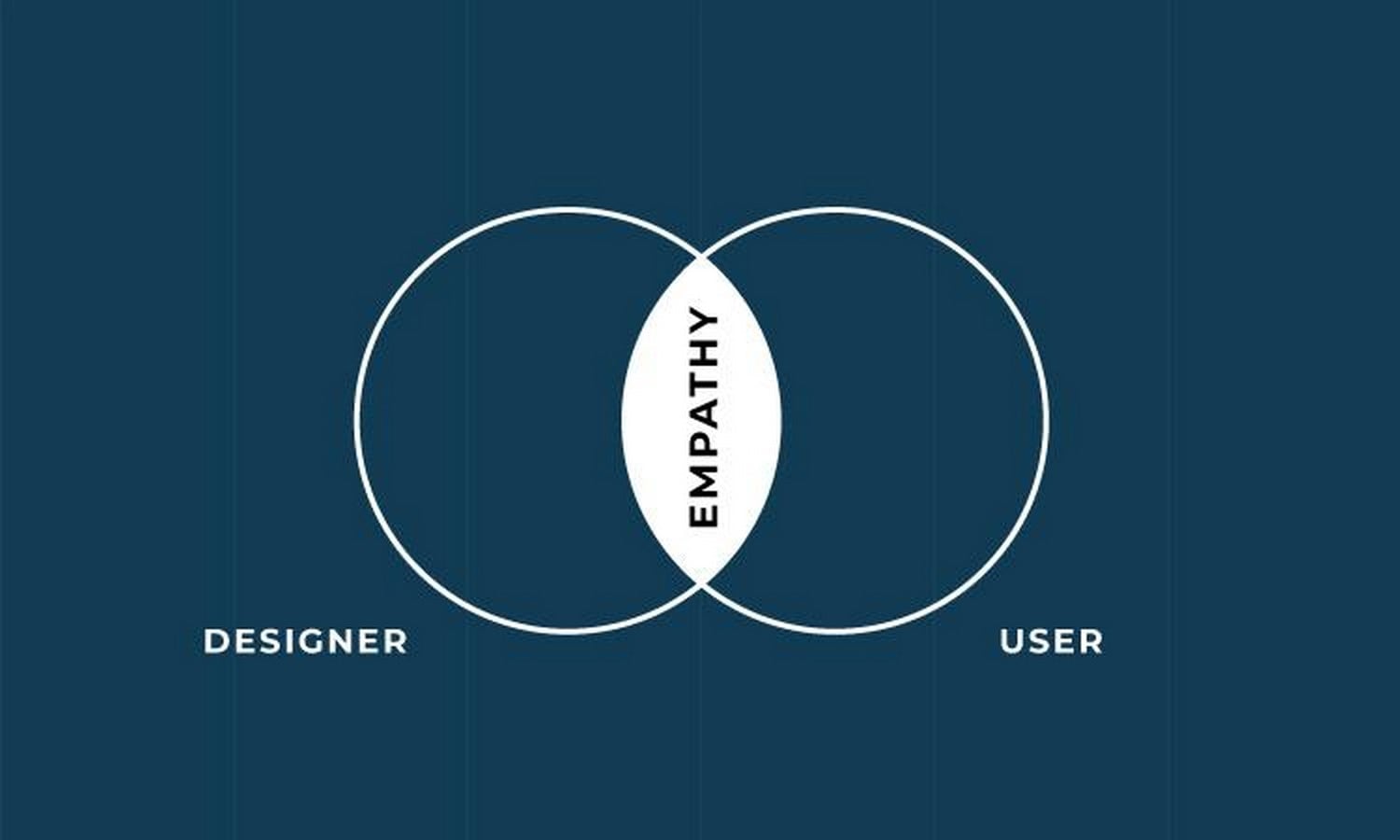
Many schools are built without collaborative zones or with long corridors lacking natural light and ventilation. Similarly, public housing blocks often have ramps or lifts added later as a mere formality, without addressing the deeper needs of accessibility or community living. This is not a mistake on the part of the users; it’s a reflection of poor design choices. Architects and Designers always focus on form, function, services, or other aspects of spaces, but tend to forget that there will be real individuals inhabiting that space. Empathy and sympathy are the two major aspects beyond the functionality and aesthetics of a space. Empathy refers to stepping into the shoes of the users and understanding their needs and experiences, whereas sympathy refers to responding to the users with care and support. Empathy is basically knowing what the user’s desires are, and sympathy is about responding to them. Together, they help in creating an impact on users, those who are going to use that space. They address their cultural, social, and emotional needs. On a broader scale, they impact the community, environment, and overall well-being of their users.
Why Empathy Matters in Architecture?
A group of people are going to directly use a space, some will visit occasionally, and others are not even going to use it; however, the space is integral to their community and well-being. They all are going to be influenced by it directly or indirectly. Empathy is about designing for users’ needs, belonging to all communities. An inclusive design is accessible and inviting to all by incorporating universal design principles. Maybe one can design an office terrace which can be utilized for breaks, gatherings, a pergola with a charging port for convenient working, or even a small piece of furniture which can be used for sitting and enjoying in the shade. These seemingly minor additions can lead to significant transformations. This shows how one can feel what users are going to feel in those particular areas, what their needs are, and what something one can provide them without asking. Being sensitive towards people, their needs, and, in general, the environment is very crucial. Even Juhani Pallasmaa’s architectural philosophy is mentioned in his writings, The Eyes of the Skin: Architecture and the Senses (1996), which criticizes the idea of modern architecture not responding to the sensory and tactile experiences that a space can create and leave an imprint on the users’ memory.
Sympathy as a Social Responsibility
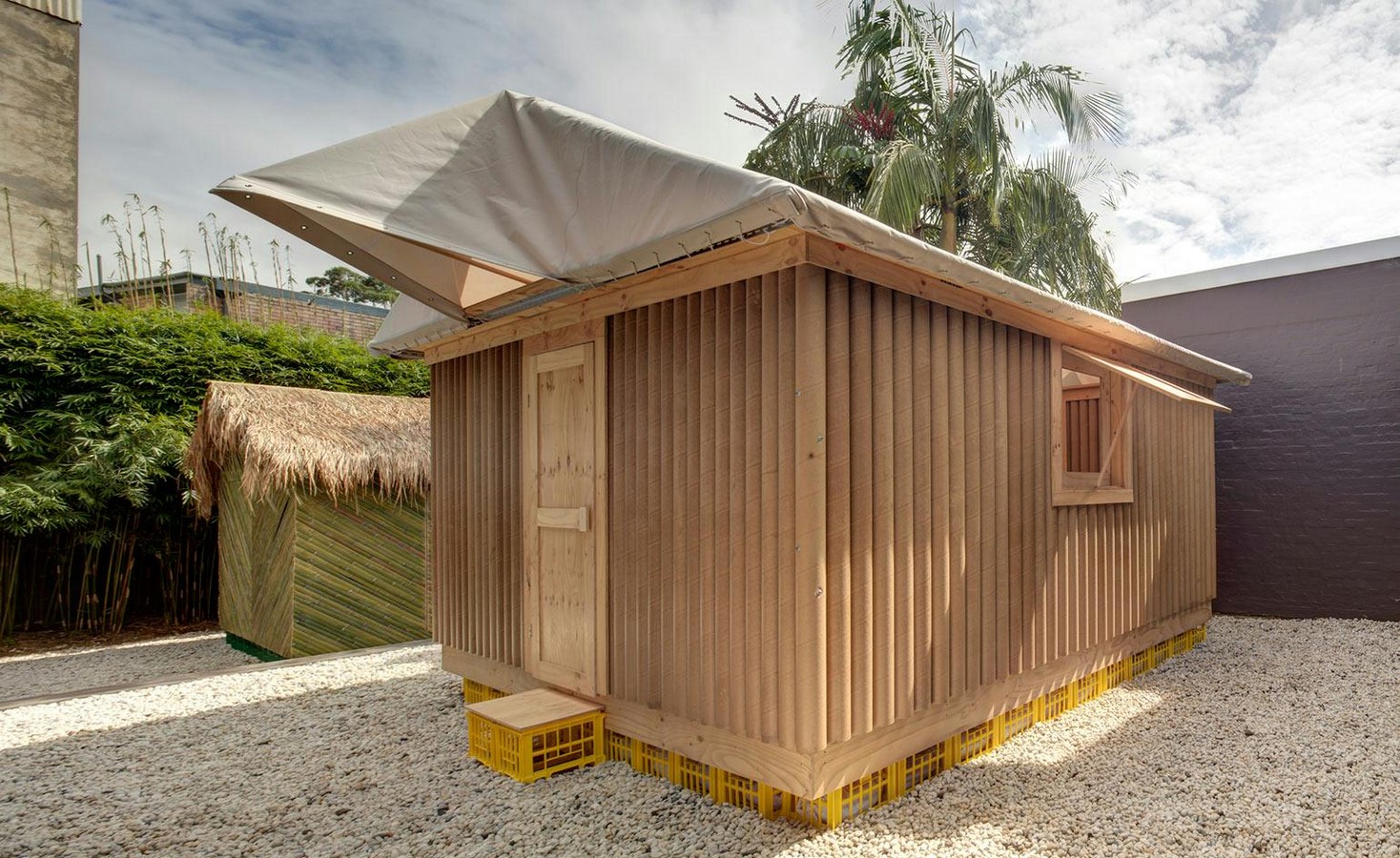
Sympathy depicts the social responsibility of a designer to be responsive to collective trauma, crisis, or inequality in society. It responds to the reactions of anything vulnerable by creating supportive spaces and environments. It is about feeling human suffering and responding to it with urgency, compassion, and care by providing dignified spaces that can restore a sense of security and belongingness. Disaster relief shelters, refugee camps, and low-income groups are the most powerful examples of showing sympathy in design. They are built under limited time, resources, and extreme conditions, but act as a symbol of hope in times of crisis. A notable example can be Shigeru Ban’s Paper Tube Shelters, which were designed for the victims of the Kobe Earthquake. In which they used recyclable paper tubes and inexpensive, locally available materials. They tried assembling quick, cost-effective structures that respond to the needs and emotions of the people. Sympathetic design is a kind of healing through architecture by responding to various emotional aspects and rebuilding lives.
Case Studies: Empathy and Sympathy in Practice
Maggie’s Centres, UK
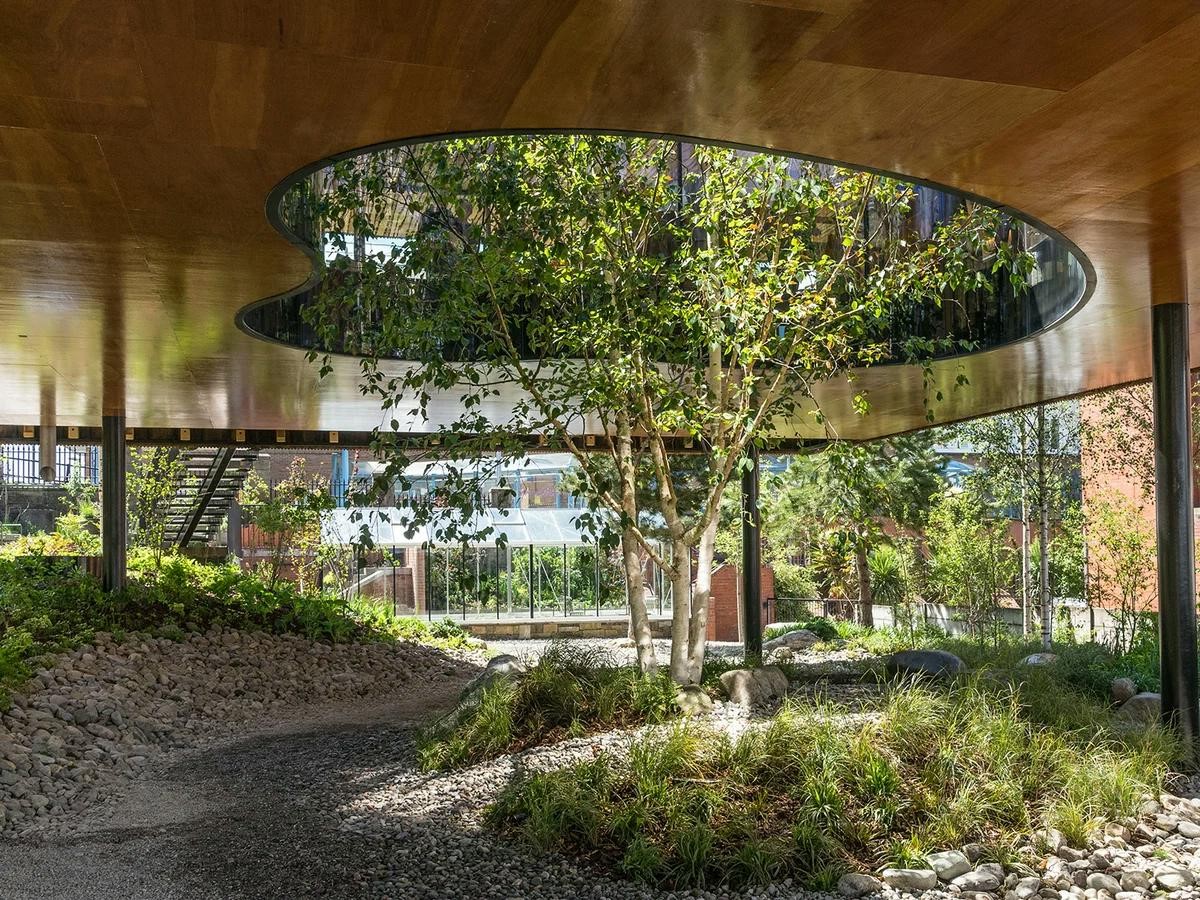
These centers were founded by Maggie Keswick and designed by many renowned architects like Zaha Hadid, Norman Foster, and Frank Gehry. These centers provide cancer care facilities but have completely redefined the idea of healing spaces in healthcare. Instead of going for compact, dark, and sterile environments, they designed spaces filled with natural light, gardens, open kitchens, and homely furniture. They tried to understand the psychology of patients and tried to make them happy and filled with hope to regain health and the courage to fight.
Sangath, Ahmedabad
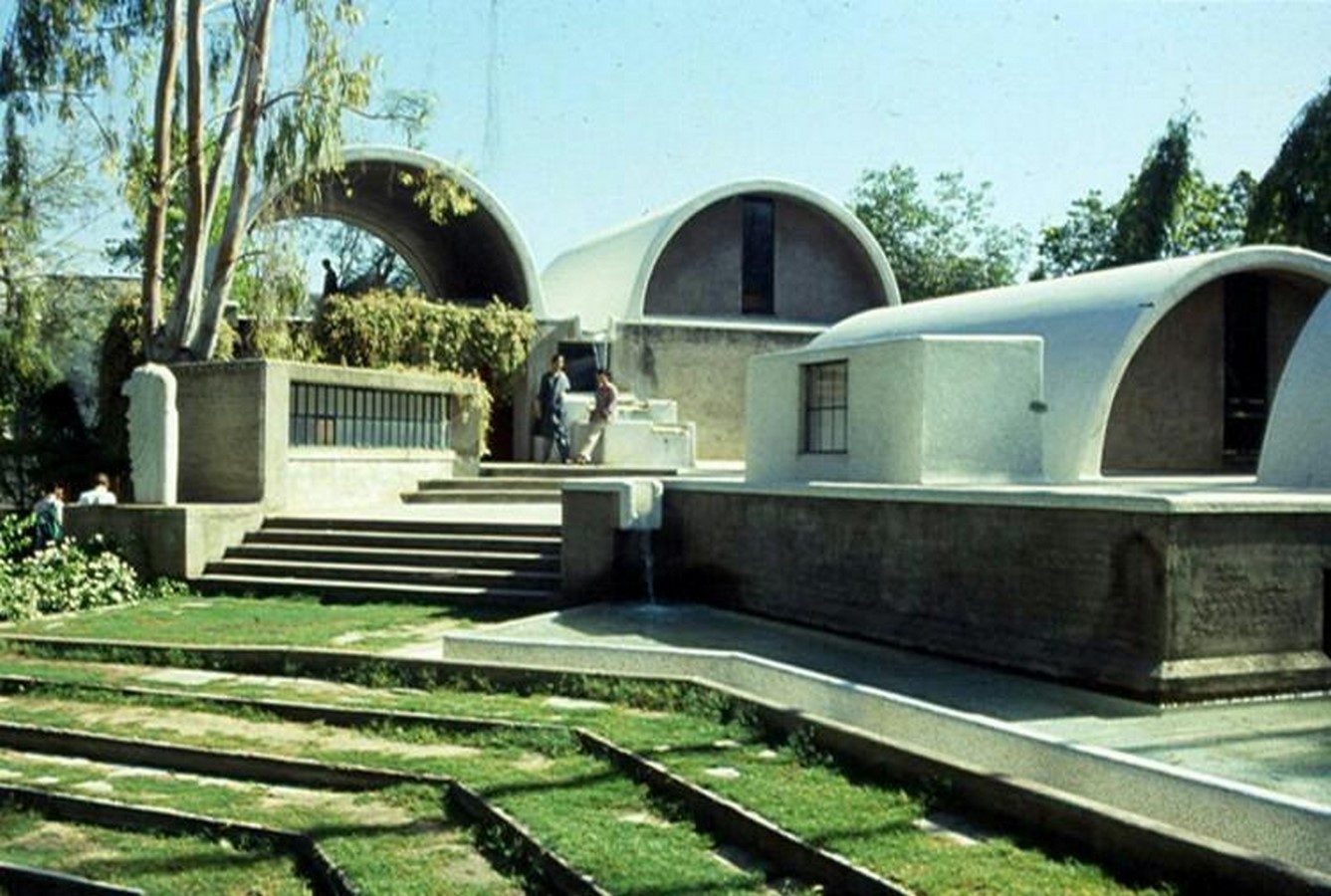
Sangath is an office space for Balkrishna Doshi Design Studio. It is built partially underground, having vaulted roofs, mosaics used in finishing, and garden areas. It prioritizes collaboration and community-centric design rather than hierarchy in the spaces. There are spaces designed for informal discussions, learning, and sharing experiences. It is more than an office space but an empathetic workplace that blurs the boundaries between architect and community.
Inclusive Playgrounds, Scandinavia
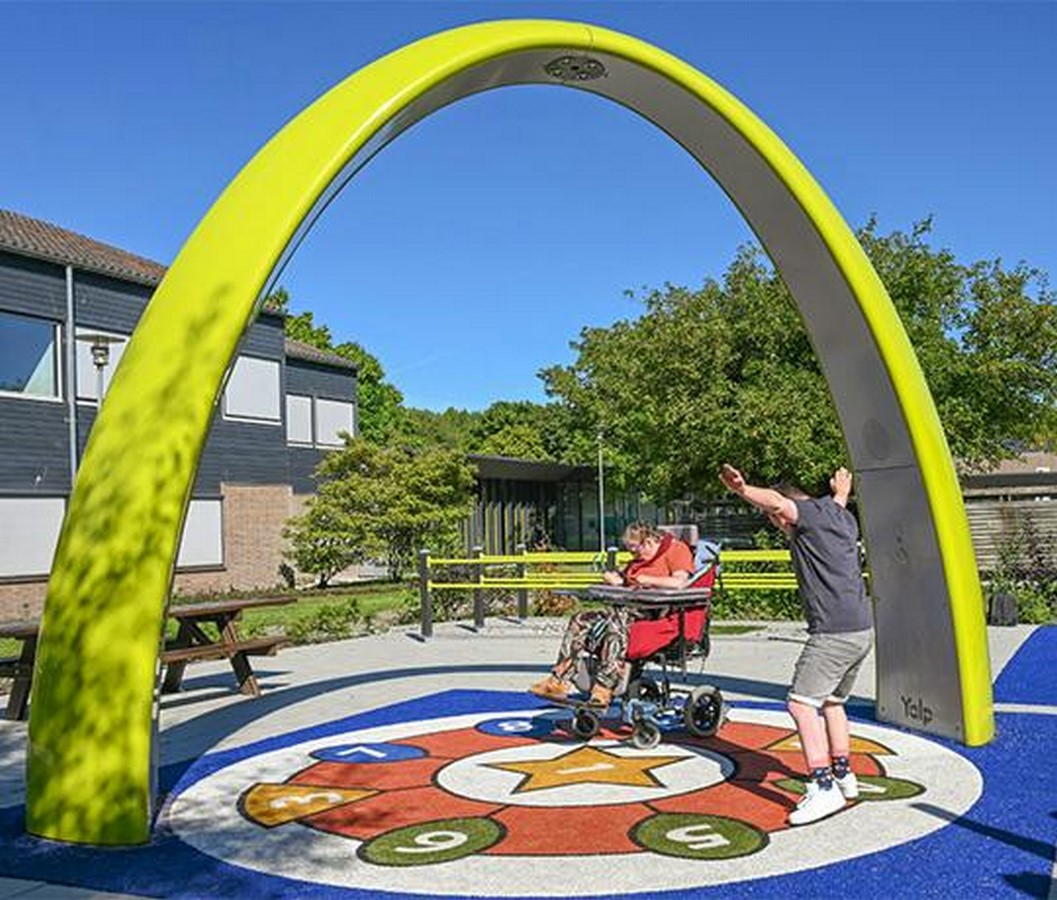
Scandinavian cities have incorporated empathy-driven playgrounds that challenge the traditional idea of play being designed only for normal children, rather than accommodating diversity in terms of physical aspects. These spaces are designed with universal accessibility, integrating ramps, tactile surfaces, sensory experiences, and equipment that can be used by children with different abilities. This empathetic approach not only ensures inclusivity but also allows children to play together, fostering social acceptance and equality from an early age.
Empathy and sympathy are not just additional elements but equally essential as other design aspects. They are the foundations of a space or a design to be felt humane. They are difficult to implement as this is not something measurable in design terms, but to understand them requires emotional intelligence and sensitivity towards users. These aspects add soul and life to the spaces rather than focusing on form and functional aspects. Architecture must be seen as the caretaker of emotions and experiences. There is a need for architects to act as listeners and feelers, not just the creators. Spaces are not just built but are felt by the soul and foster life.