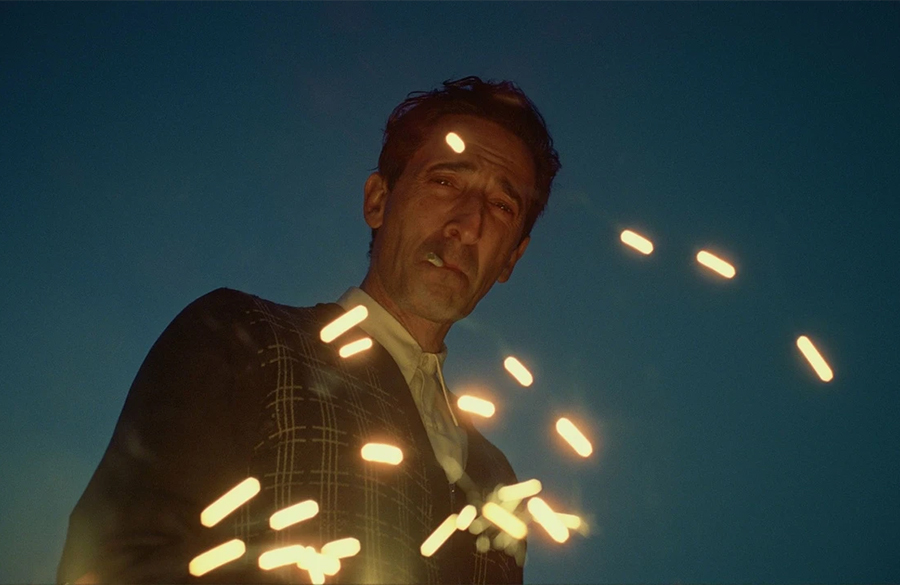
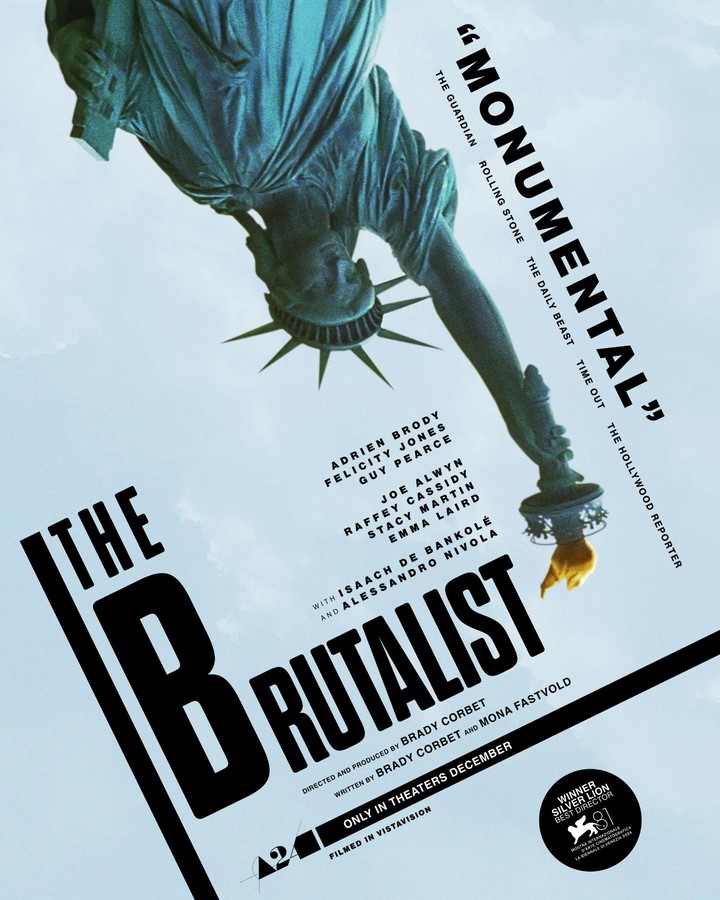
The Brutalist (2024) is more than just a survival story; it explores how buildings shape our character and memories. A Holocaust survivor rebuilds his life in post-war America through architecture. The Brutalist shows how buildings aren’t just backgrounds, but play an active role in the protagonist’s journey. Concrete, light, and form reflect the past’s scars while hinting at new beginnings. The Brutalist is both a drama and a thought-provoking look at how architecture influences human lives, making it a unique cinematic experience that lingers with viewers. The Brutalist stays with you.
Brutalism as Cinematic Language
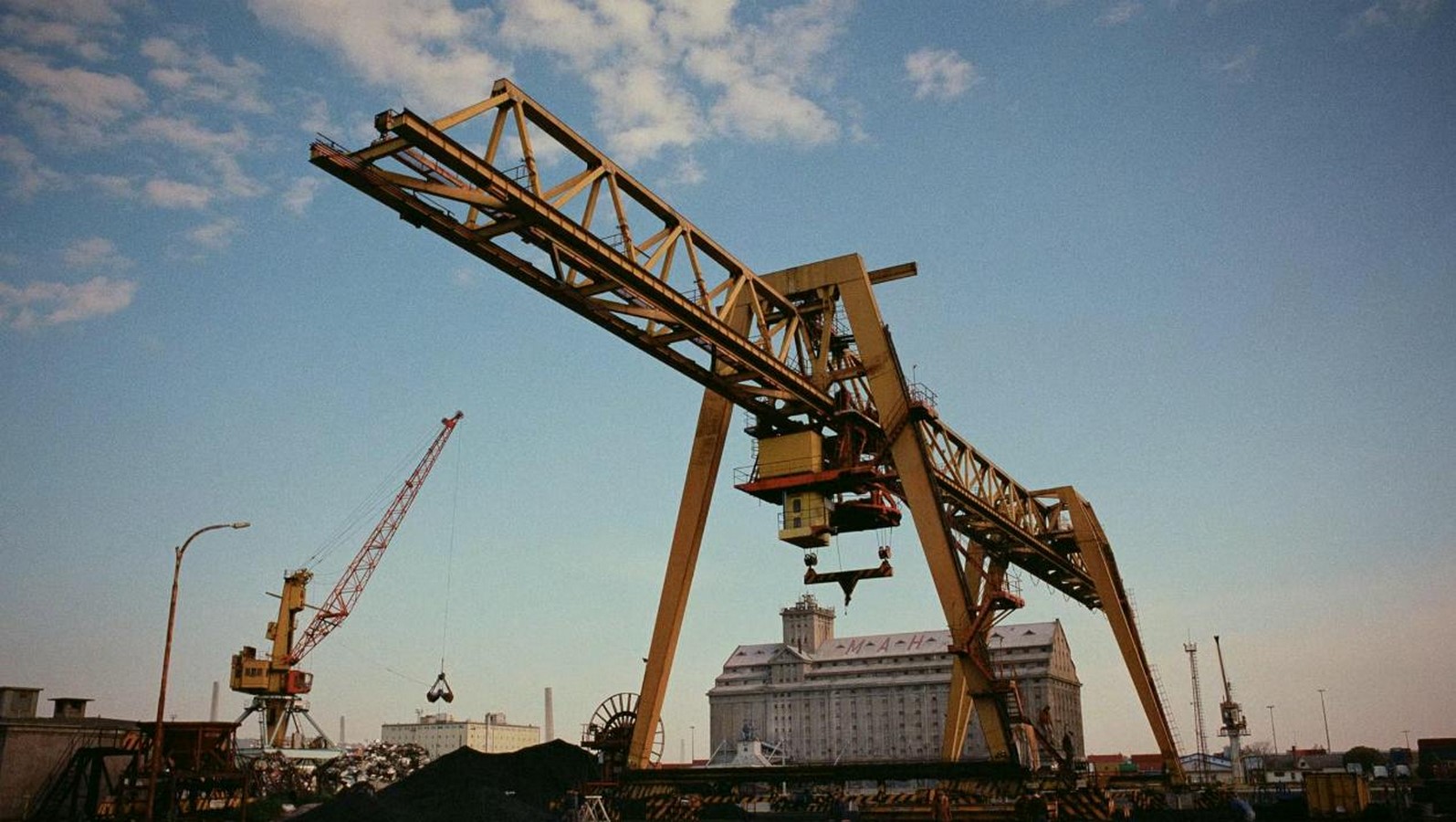
The Brutalist’s title fits perfectly with its story and look. Concrete buildings in the film represent both stability and isolation. Despite Brutalism’s reputation for being harsh, here it shows strength and resilience, mirroring the main character’s survival. The Brutalist makes us rethink this architectural style, highlighting its ability to convey memory and continuity after loss. The Brutalist uses architecture to express trauma and endurance, visually emphasising themes of displacement and rebuilding, creating a powerful narrative that explores the human experience through built environments and personal struggles.
Architecture as Backdrop and Character
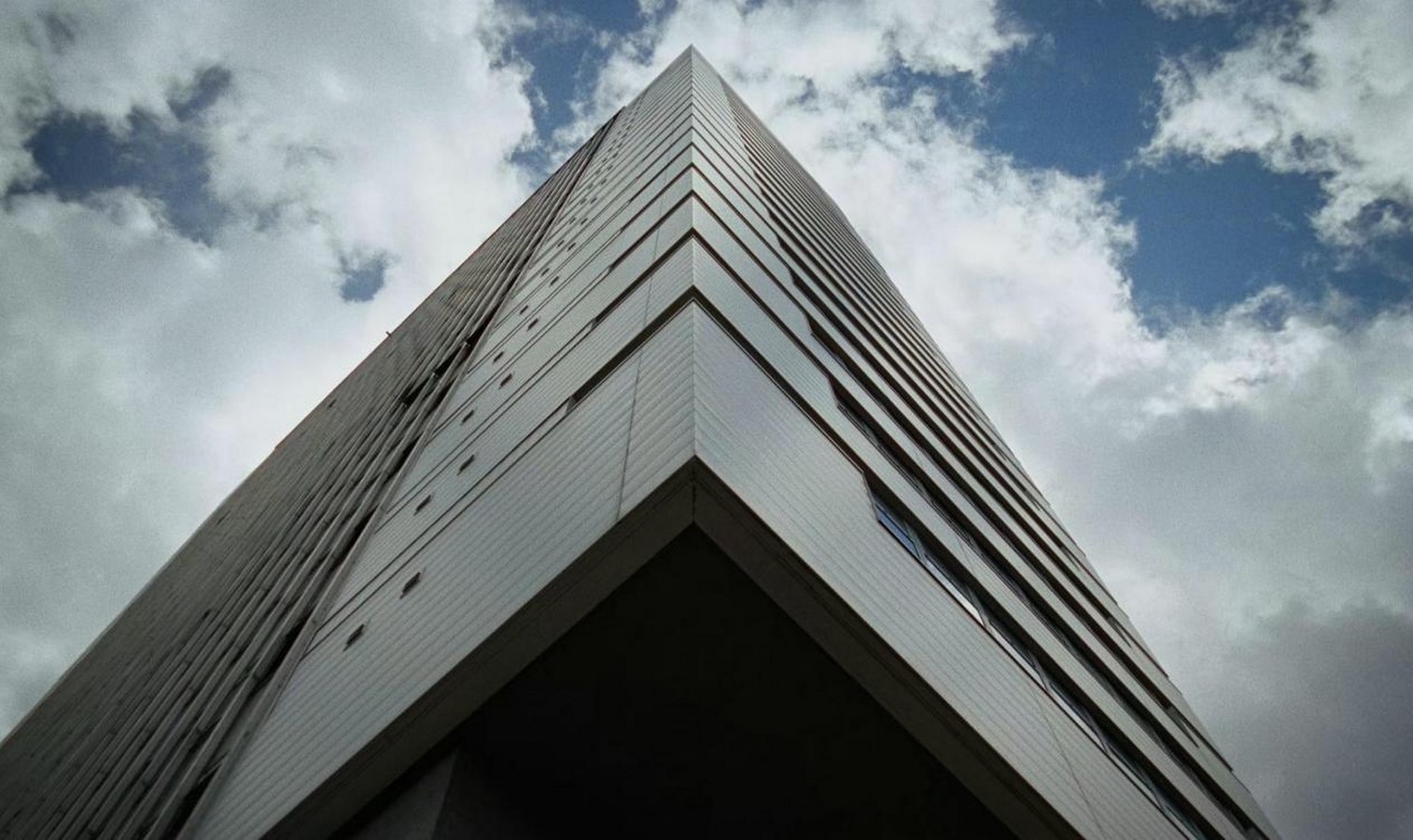
The Brutalist stands out because architecture plays a key role, almost like a character. The main character’s buildings mirror his inner struggles – harsh, unyielding, and sometimes isolating. The camera focuses on these structures, suggesting they hold emotional weight. The Brutalist shows how designing buildings is both a release and a burden for the survivor. By doing so, the film highlights how architecture can reflect a person’s life story, turning personal memories into public spaces that others can experience. The Brutalist effectively explores this unique intersection of architecture and human emotion.
Memory, Trauma, and the Built Form
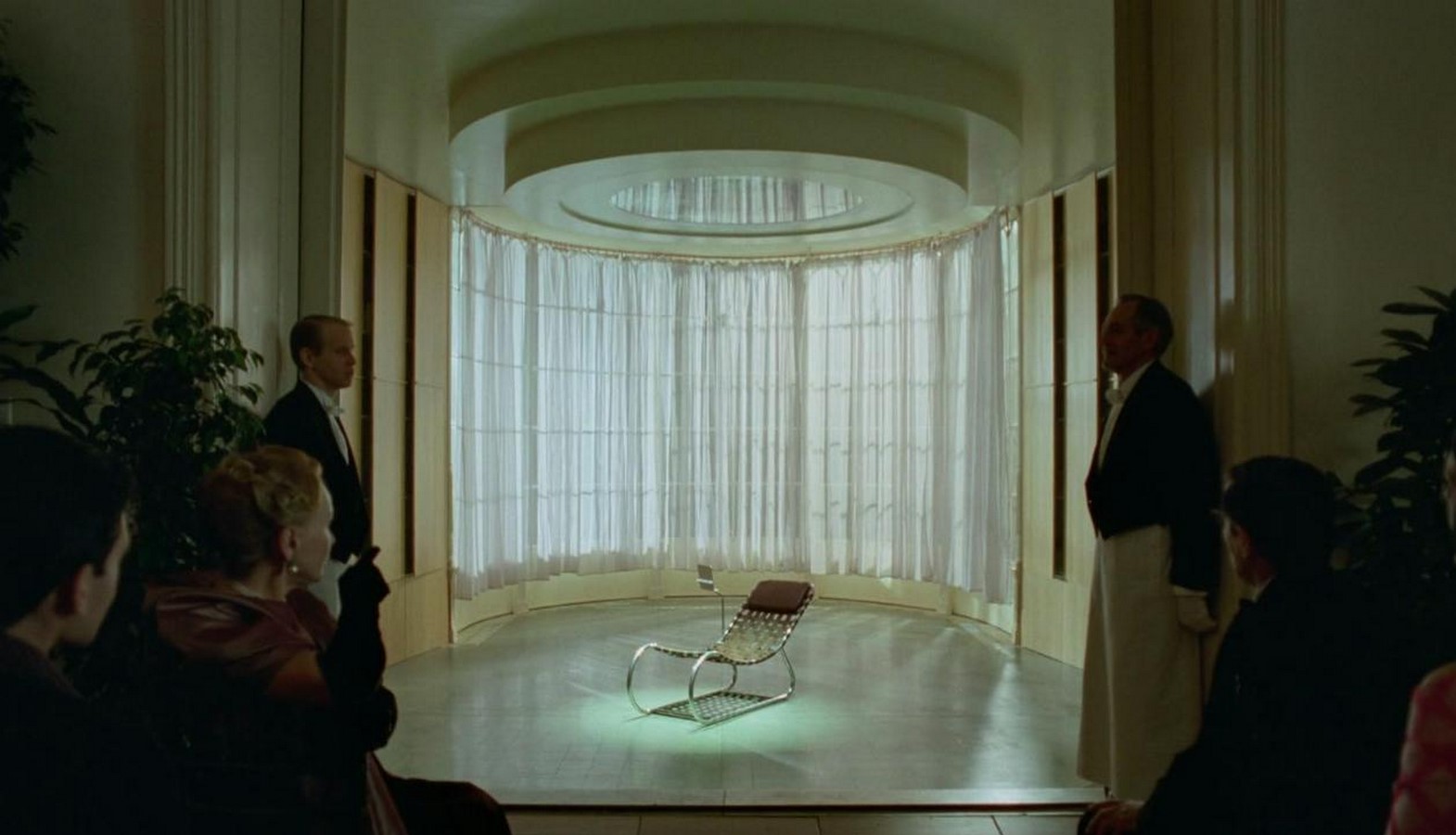
The film powerfully shows how buildings hold memories. For immigrants in post-war America, these structures weren’t just functional; they carried unseen traumas. The Brutalist style, with its harsh lines and heavy forms, represents both the weight of the past and the strength to endure. Through its portrayal of Brutalism, the film reveals architecture as a silent keeper of human experience. The protagonist’s buildings hold traces of pain, loss, and survival. The Brutalist effectively conveys how architecture can embody the complexities of human history and the resilience of the human spirit. The Brutalist leaves a lasting impact.
Aesthetics and Alienation
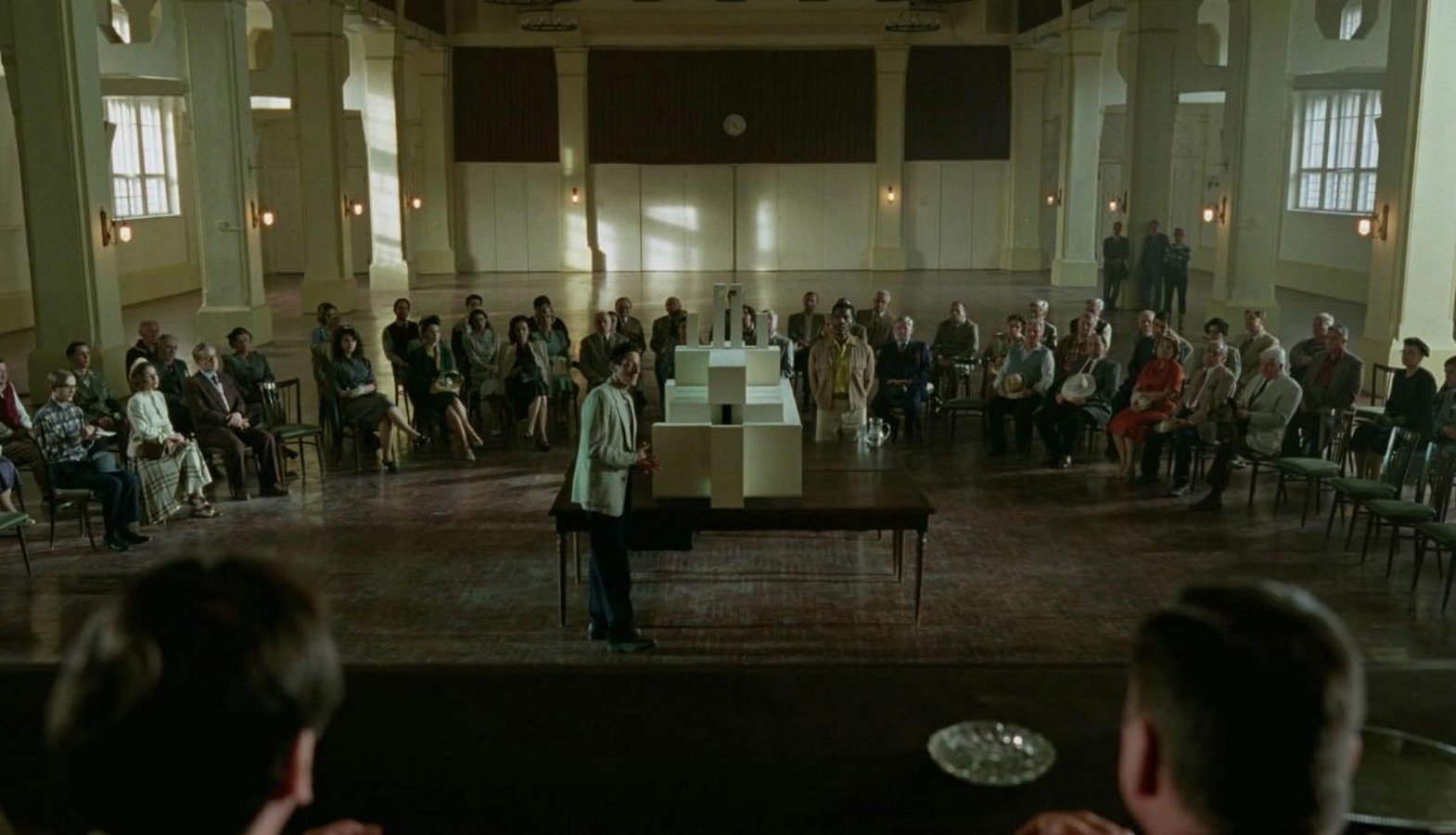
The Brutalist poses a tough question: can strong architecture also be humane? The protagonist’s designs are admired by architects but often rejected by clients and communities. This mirrors real-life reactions to Brutalism, where professionals praise it but the public criticises it. The Brutalist highlights this divide, questioning whether architecture can balance personal creativity with public approval. The film reminds us that buildings affect how communities feel about their spaces, making it a social issue. The Brutalist encourages us to think about the impact of architecture on people’s lives and the importance of considering both form and function.
Architecture as Healing and Burden
The Brutalist (2024) powerfully shows how architecture can be both healing and a burden. The main character’s buildings reflect his survival story and inner struggles. For architects and film fans, the film teaches that architecture is more than just design – it’s deeply human. The Brutalist treats buildings as characters, holding memories, trauma, and identity. The film is a strong example of architectural storytelling, where concrete structures tell a story of resilience. The Brutalist reminds us that design can be a powerful tool for expressing human experience and shaping our lives. The Brutalist leaves a lasting impression.
Citations:
- Banham, R. (1966) The New Brutalism: Ethic or Aesthetic? London: Architectural Press.
- Colomina, B. (2001) Privacy and Publicity: Modern Architecture as Mass Media. Cambridge: MIT Press.
- Forty, A. (2000) Words and Buildings: A Vocabulary of Modern Architecture. London: Thames & Hudson.
- Harwood, E. (2015) Space, Hope and Brutalism: English Architecture, 1945–1975. New Haven: Yale University Press.
- Pallasmaa, J. (2005) The Eyes of the Skin: Architecture and the Senses. Chichester: Wiley.
- Vidler, A. (1992) The Architectural Uncanny: Essays in the Modern Unhomely. Cambridge: MIT Press.

The Brutalist_©The Brutalist (2024) 
The Brutalist_©The Brutalist (2024) 
The Brutalist_©The Brutalist (2024) 
The Brutalist_©The Brutalist (2024) 
The Brutalist_©The Brutalist (2024)