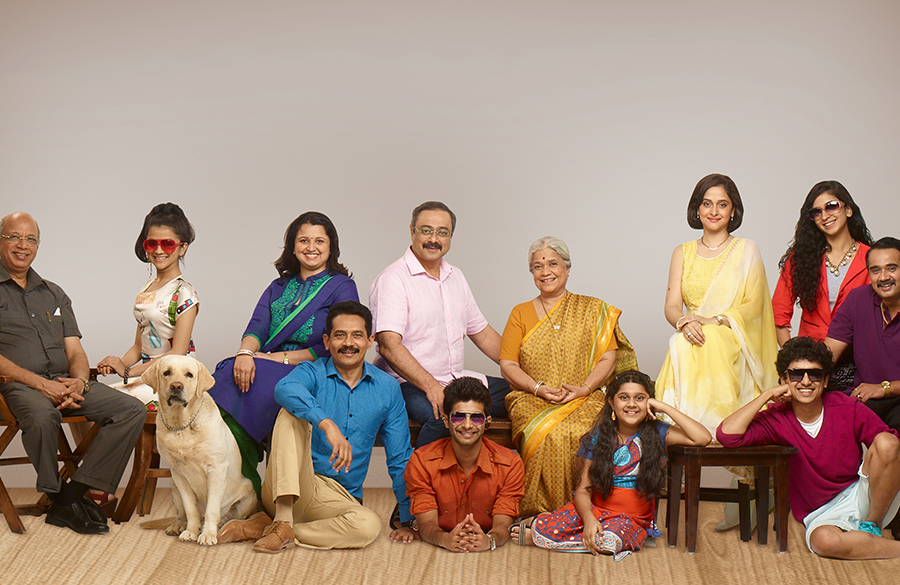
What truly defines a home? Is it the four walls that you grew up in? The place you have grown up in ?, or a place that lets you be you?. Is it the ancestral walls that hold generations of history, or the personal freedom to build a new life? Sachin Kundalkar’s poignant Marathi family drama “Rajwade and Sons” masterfully explores this question through the lens of a wealthy Punekar family caught in a tug of war between tradition and modernity. While the movie delves into the emotional journeys of the Rajwade family, the Director uses architecture as a silent narrator. The settings of the movie are more than just mere backdrops. They provide spaces that echo the character’s unspoken struggles, regrets, and hopes.
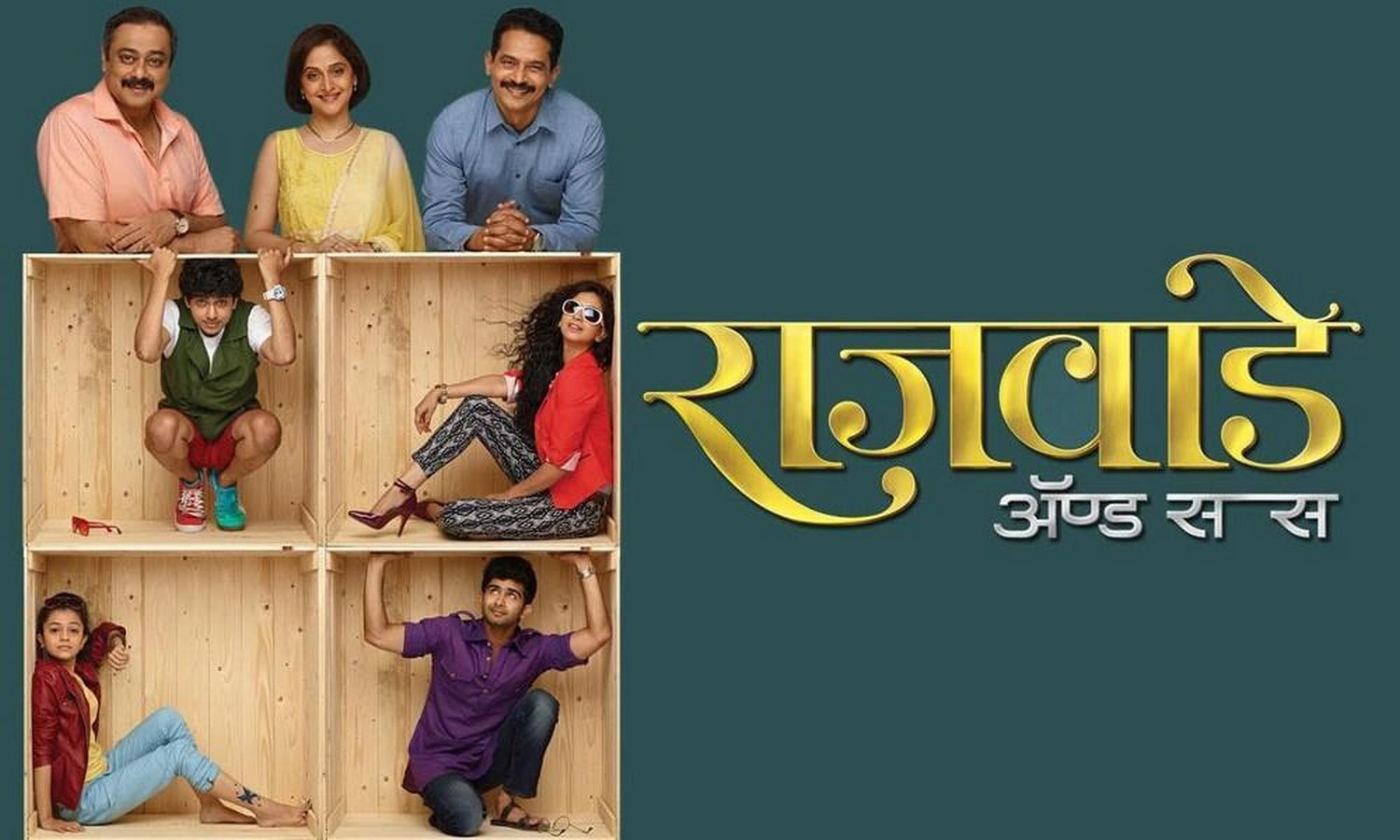
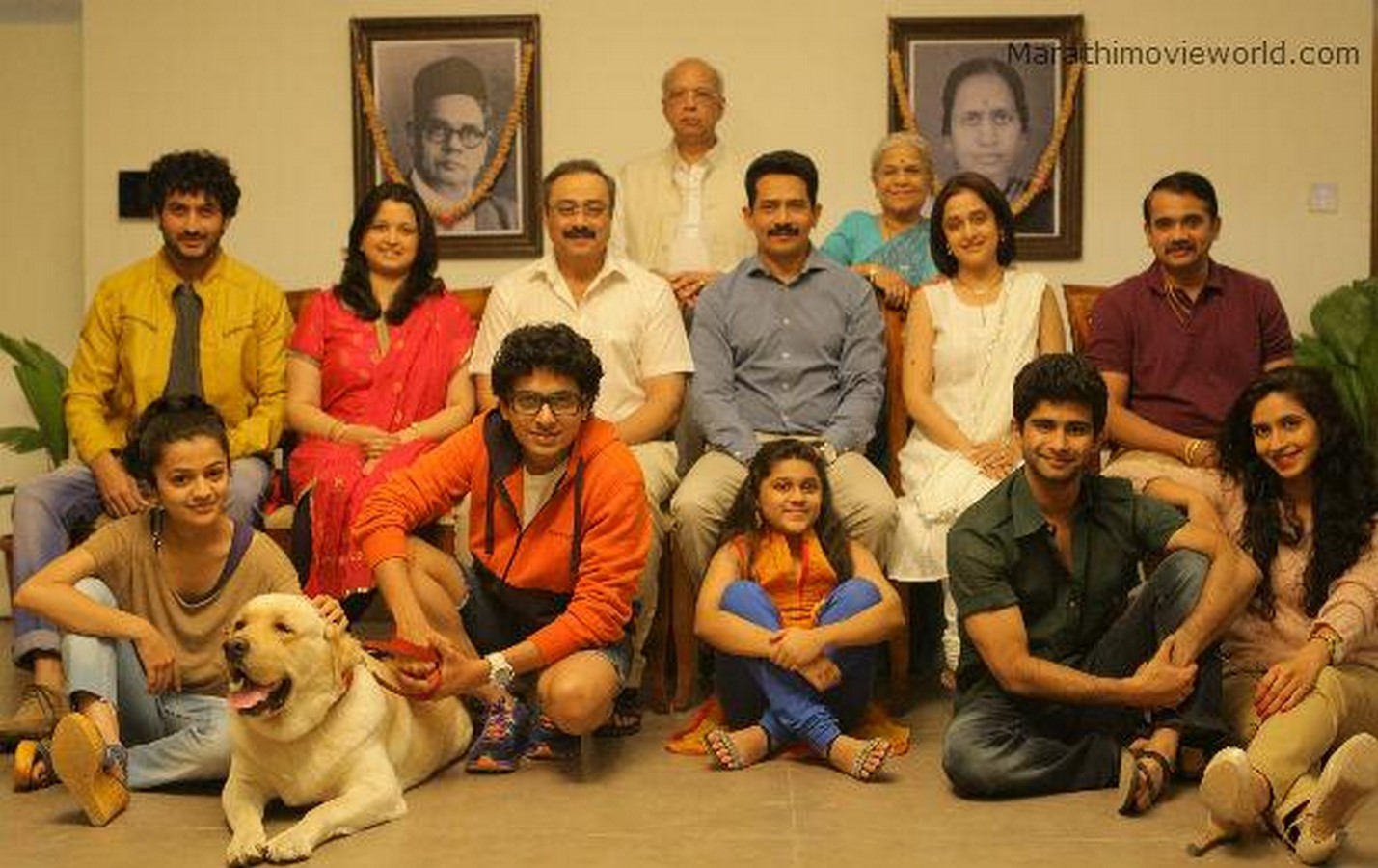
The Story and Its Setting
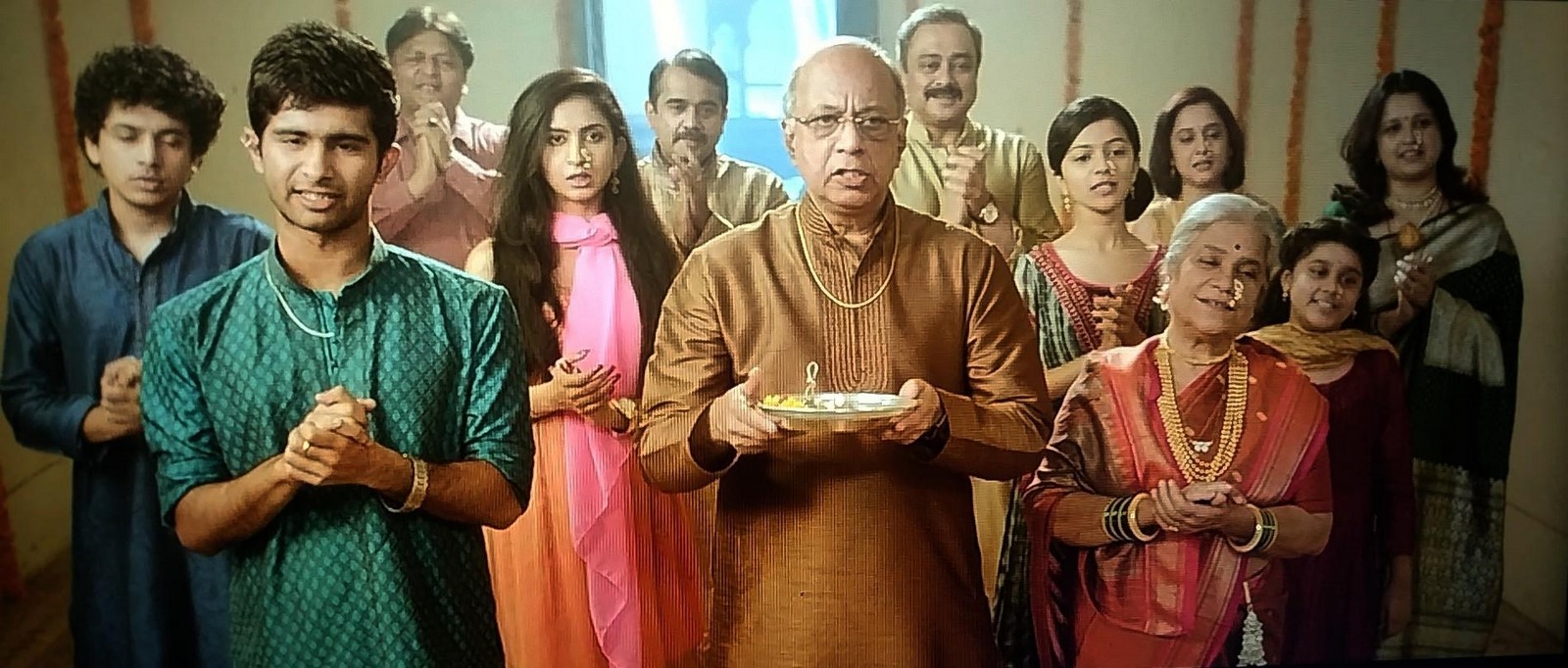
The movie revolves around the Rajwade family, a prosperous and traditional business family living in a grand ancestral home, a ‘Wada’. The patriarch, a stern and controlling figure, dictates the lives of his children and grandchildren. The younger generation, however, yearns for freedom and individuality, leading to a clash of values. When the family is temporarily forced to relocate to a modern apartment building, the underlying tensions are further fueled. The story is as much about the family’s internal struggles as it is about the changing face of Pune, a city caught between its historic roots and rapid modernisation.
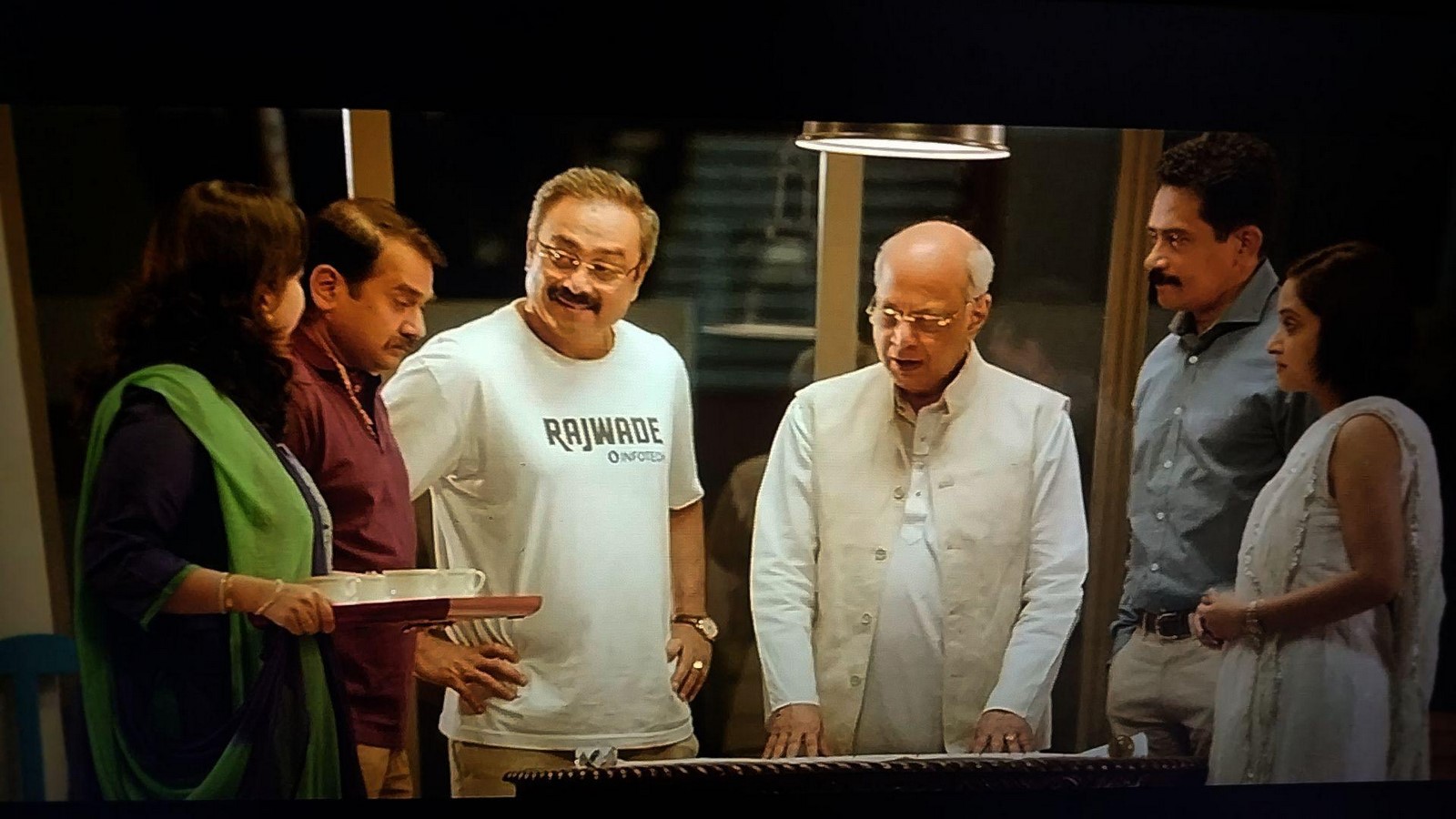
The ‘Wada’: A Symbol of Tradition and Restraint
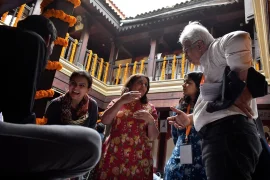
The Rajwade family’s ancestral home is a classic example of a Maharashtrian ‘Wada’. These traditional mansions are characterised by their central courtyard (Chowk), intricate woodwork, and multiple floors designed to accommodate large joint families. In “Rajwade and Sons,” the wada is more than just a backdrop; it is a character in itself. It represents the family’s legacy, their deep-rooted traditions, and the patriarch’s authority. The sprawling interconnected spaces of the wada symbolise the enmeshed lives of the family members, where privacy is scarce and individual desires are often subsumed as collective.
The old, somewhat rustic charm of the mansion evokes a sense of nostalgia and the weight of the past. Furthermore, the wada serves as a physical anchor to memory and hope. It is the last tangible link to a long-lost family member, Vikram. For the family, the house stands as a silent vigil, and the thought of losing it feels akin to cutting the last rope of hope for his return, adding another layer of poignant attachment to the ancestral structure.
The Modern Apartment: A Space of Transition and Fragmentation
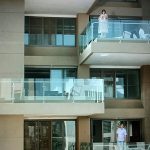
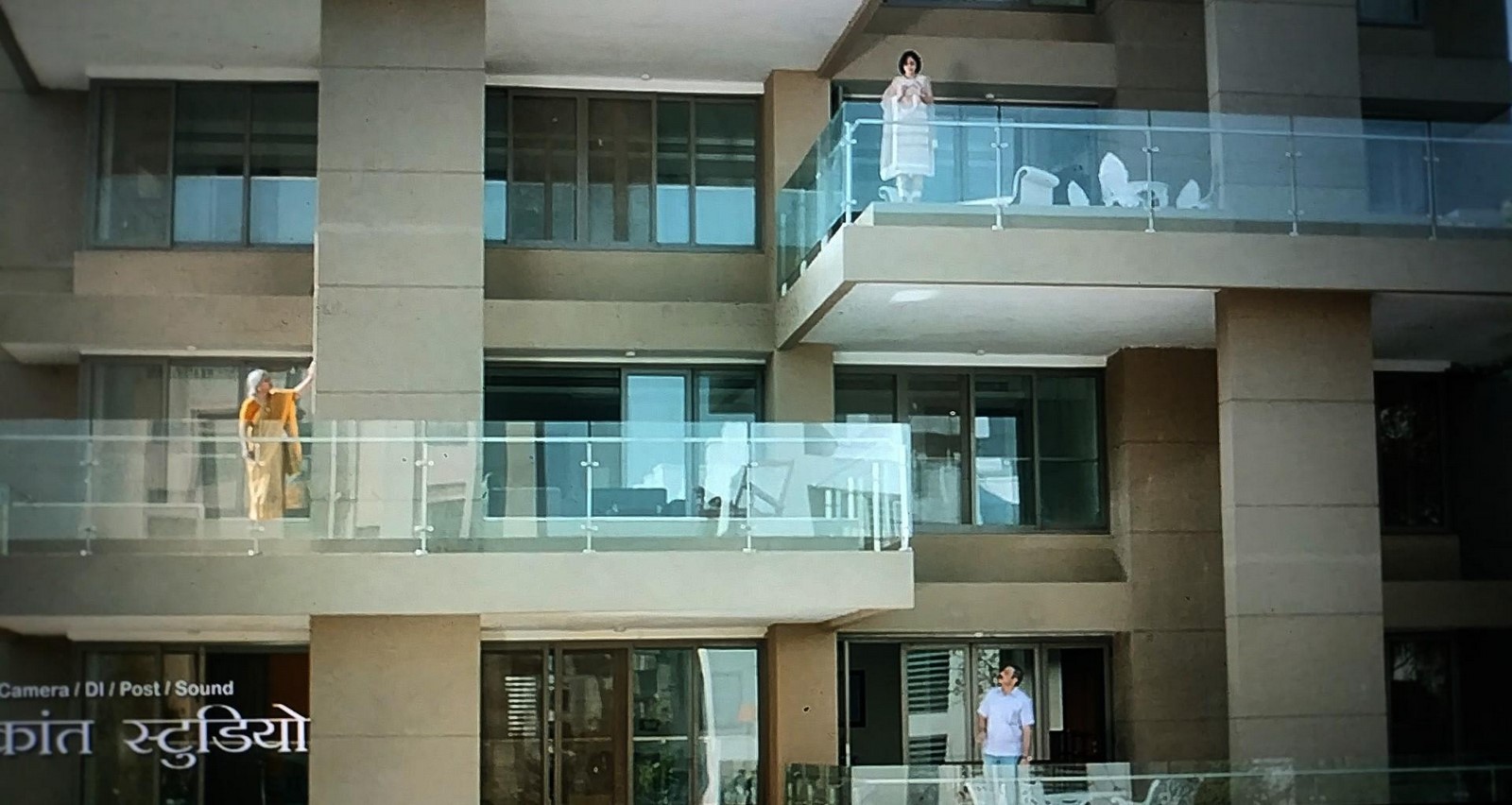
The family’s temporary move to a modern, high-rise apartment building provides a stark architectural contrast. This new space is characterised by individual, self-contained units, a generic and homogenised design, and vertical separation that physically manifests the families’ growing emotional distance.
This shift in the living space is a powerful metaphor for the family’s disintegration. The individual apartment units offer the younger generation a taste of the personal space and freedom they had always craved, while the older generation feels a sense of loss and disconnection. The generic nature of the modern building also suggests a loss of identity, a theme that resonates with the younger characters who are trying to forge their own paths.
The Dichotomy of Home vs. House
Through the medium of architecture, the movie skilfully emphasises the essential distinction between a ‘house’ and a ‘home’.
The Wada, for all its structural beauty and historic weight, functions more as a house governed by rigid rules than a nurturing home for the younger generation. It is a space of assistance, not living. Controversially, the sterile modern apartment represents a chance to build a new life, a new ‘home’ on one’s terms, but it lacks the ancestral soul and shared history that the wada embodies. The sharp contrast in architecture compels us to think about a fundamental question: What is a home? The building that holds on to your roots or the space that gives you the emotional freedom to be yourself?
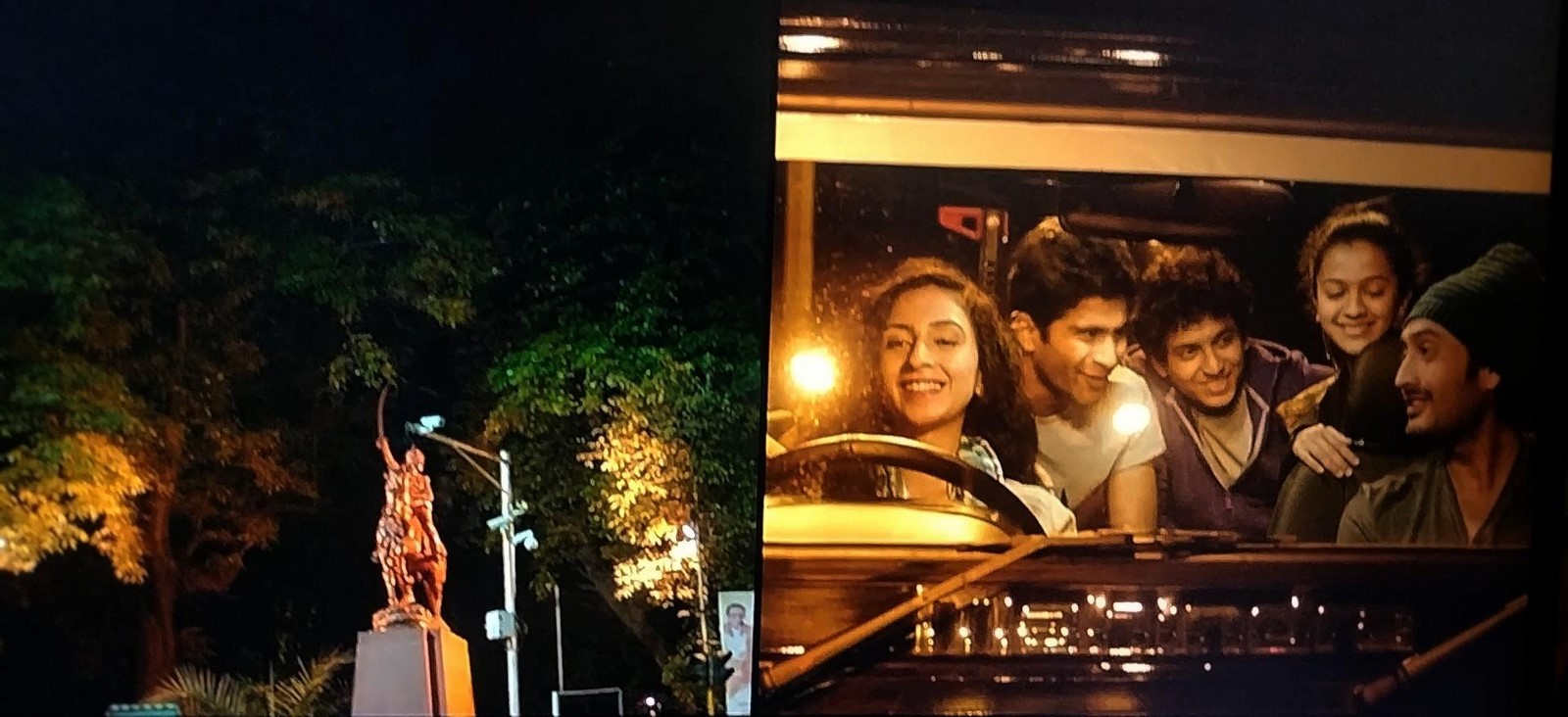
“Rajwade and Sons” is a compelling family drama, but its setting is more than a backdrop; Pune itself is an unspoken character undergoing its own transformation. The juxtaposition of the traditional ‘Wada’ and the modern high-rises effectively highlights Pune‘s struggle with its identity as a former cultural capital and as a growing metropolis. This specific use of space is a valuable experience for anyone in the intersection of movie, culture, and design.
The movie uses this juxtaposition really well to enhance the emotion of the narrative. The desire for the old home, despite its oppressive environment, is a poignant reminder of the comfort and security that traditions offer even as we strive for individual freedom. It is not just the desire for a house but rather a longing for Pune that is disappearing. It leaves the audience thinking about family, traditions, and what it means to find our place within the changing cities we live in.
References:
Rajwade and sons (2015) IMDb. Available at: https://www.imdb.com/title/tt5125576/ (Accessed: 21 August 2025).
Watch Rajwade and sons online (no date) Prime Video. Available at: https://www.primevideo.com/detail/Rajwade-and-Sons/0SCAJMFFWQ1L788Q9GCYVI9MCB (Accessed: 21 August 2025).