Setting and Synopsis
Directed by Michael Grandage, “My Policeman” is an adaptation of the book by Bethan Roberts. It centres around three people, Tom, Marion and Patrick and their struggles with their identities, relationships and society. Set against the backdrop of 1950s Brighton, a seaside town and holiday destination, this film portrays the social and personal evolution of its characters throughout their lives. It is a strong representation of queer struggles in an age when homosexuality was considered a crime, depicting the turmoil of being caught between duty and desire. When viewed from an architectural lens, the story becomes more emotionally charged: the freedom of the sea, the confined safety of the swimming pool, the suffocation in one home and self-realisation in another.
The Evolution of Brighton
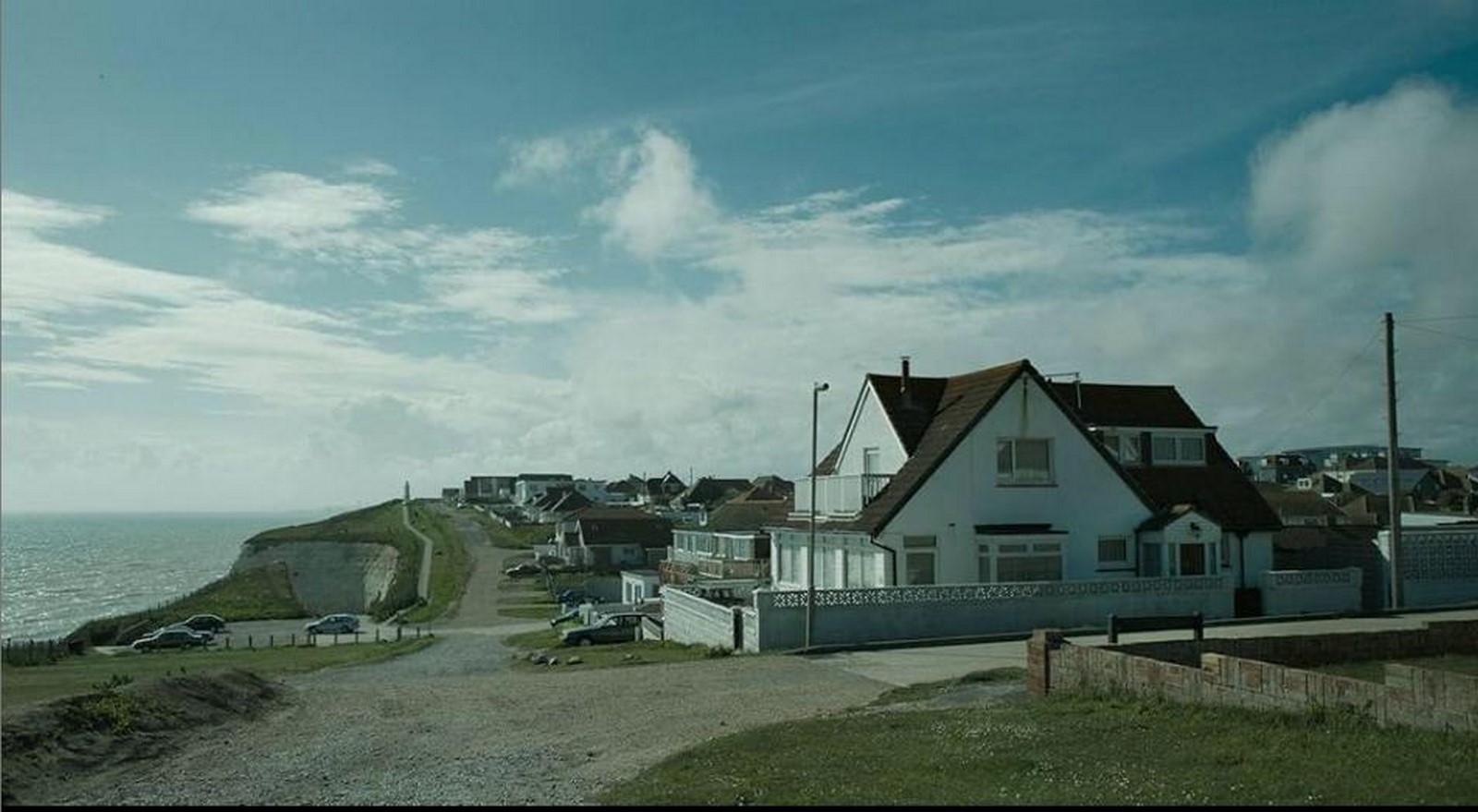
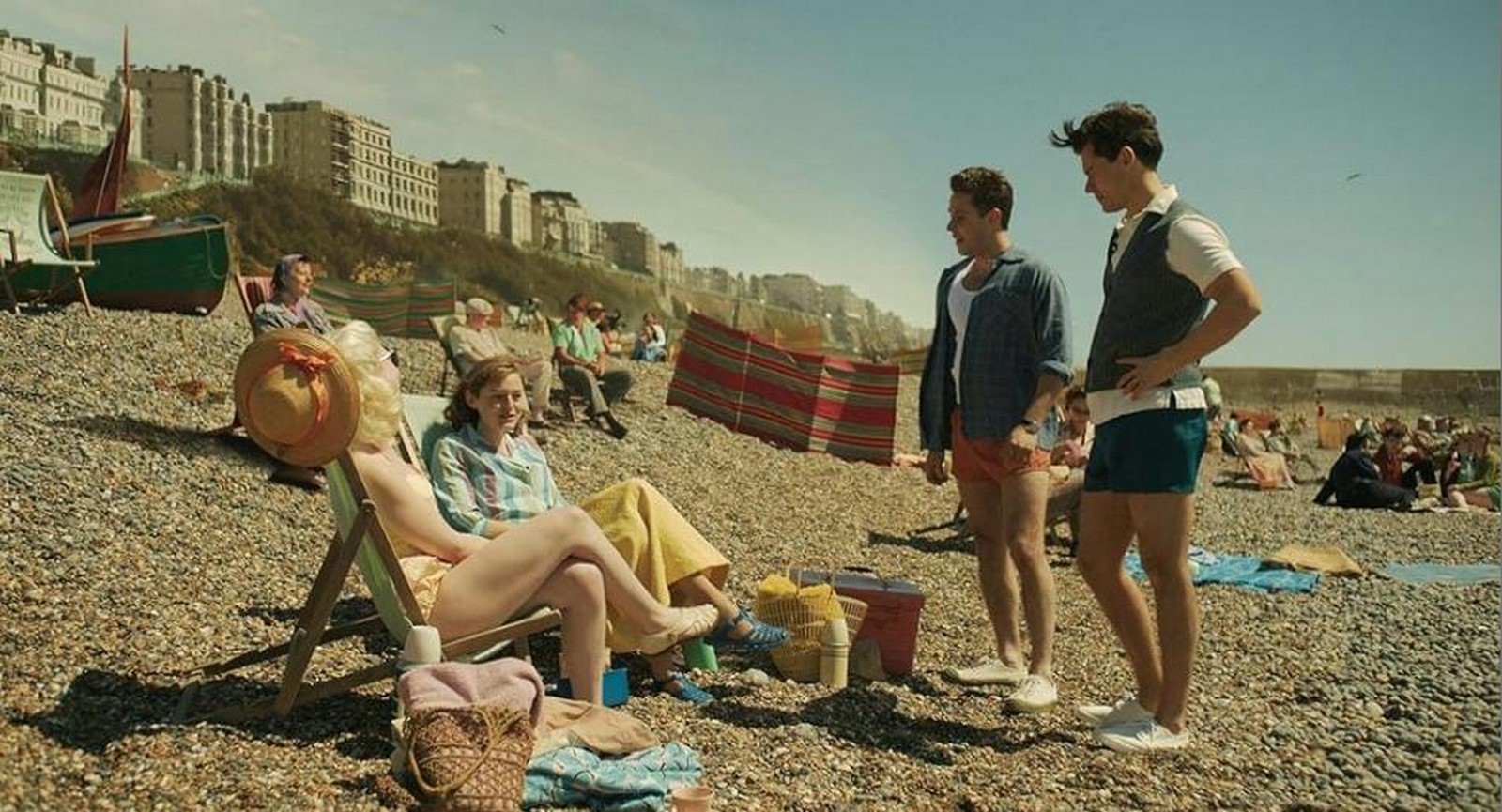
The film simultaneously follows two timelines: the present, the 1990s and the past, 1950s. The past formulates the story that the present narrates. The Brighton sea, with its vast openness but constant surveillance, mirrors society at the time, where people are free on paper but not allowed to be who they are openly. The very first scene, the beach house on a desolate Brighton coastline, is contrasted with the bright, bustling years of the 1950s, suggesting the town itself has aged alongside its people.
Domestic Architecture as a Manifestation of Characters
Homes are personal sanctuaries that often reveal a person’s true identity. Tom, living a hidden life even in his home with Marion, is represented by the claustrophobic cottage they live in. The dark staircase, the tiny kitchen that could barely accommodate him, the dingy dining room lit up with just candles.
When Marion comes to a painful realisation and struggles to breathe, the low ceilings seem lower and appear to close in on her. But when Tom finally tells Marion about his identity, the same bedroom, which was once dark, now floods with daylight, representing acceptance.
Patrick’s house, on the other hand, is a more personalised space, with art, music and everything as per his design. The common dark stairway that leads up to his home becomes a metaphor for Patrick’s transition from a man who hides his real self from the world to a person who feels safest and truest just with himself.
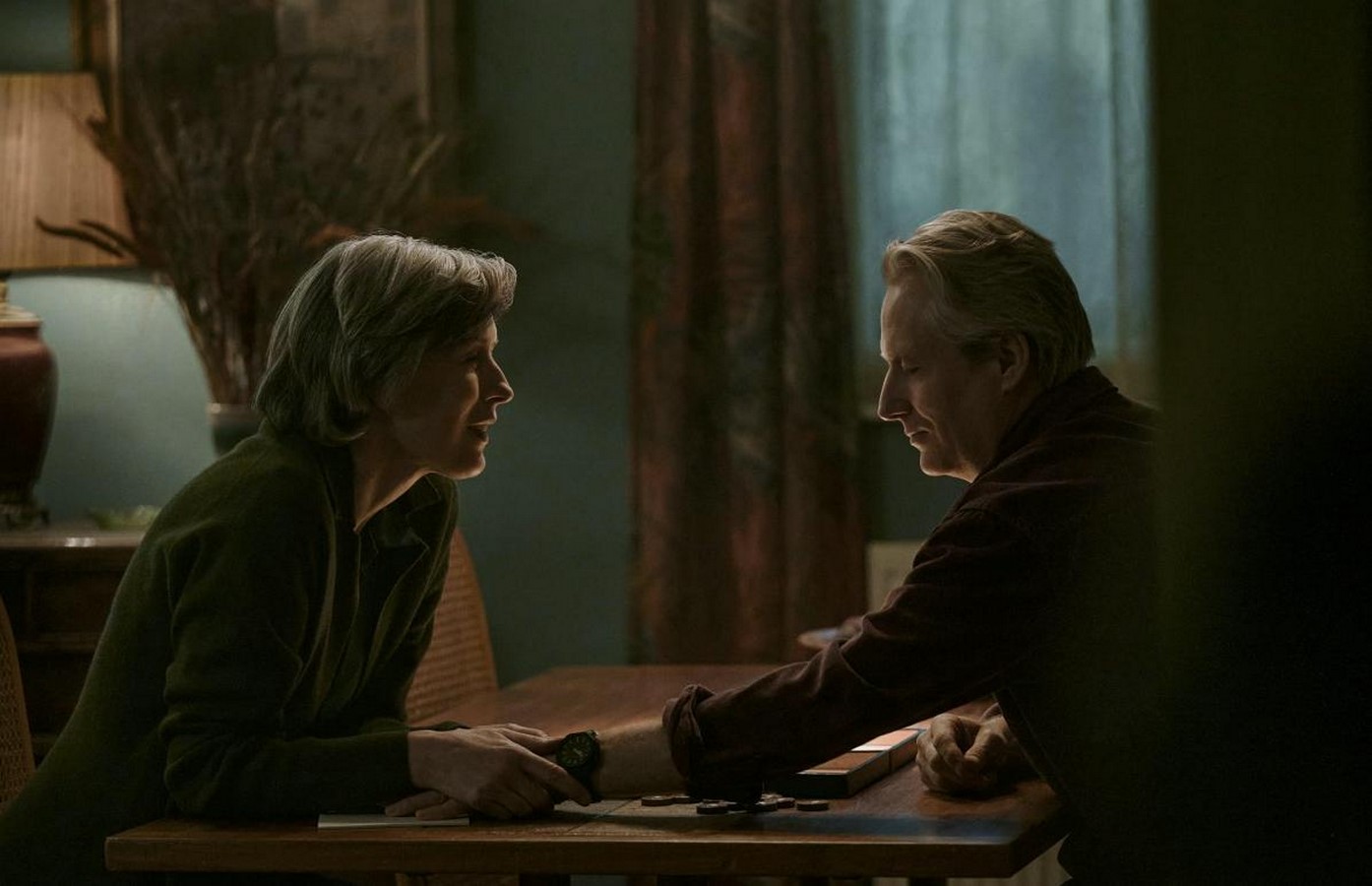
Tom and Marion’s present home, a beach house, is a more lit-up, open space. Sometimes, it’s a dichotomy, with windows that bring in daylight, but a gloomy space that remains unaffected by the said light.
Public Architecture and Its Interaction with the Inner Monologue.
If homes reflect the characters’ private selves, then public buildings in My Policeman externalise their conflicts with society. The country club swimming pool, the museum, the library, the police station, etc, become performance stages rather than mere places.
The first instance is seen when Marion claims to be scared of the sea, so Tom takes her to the swimming pool instead. This draws a parallel with how he chose to give up his true self to be someone society wants him to be, from openness to confinement.
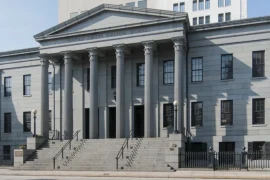
The courthouse, with tall ceilings, unforgiving natural light, embodies the weight of the law and societal scrutiny. The characters appear dwarfed in front of the elevated platform that the authorities sit on, diminishing their stories in contrast. The whole setting is designed to make the space look more interrogative and exposing for the individual standing.
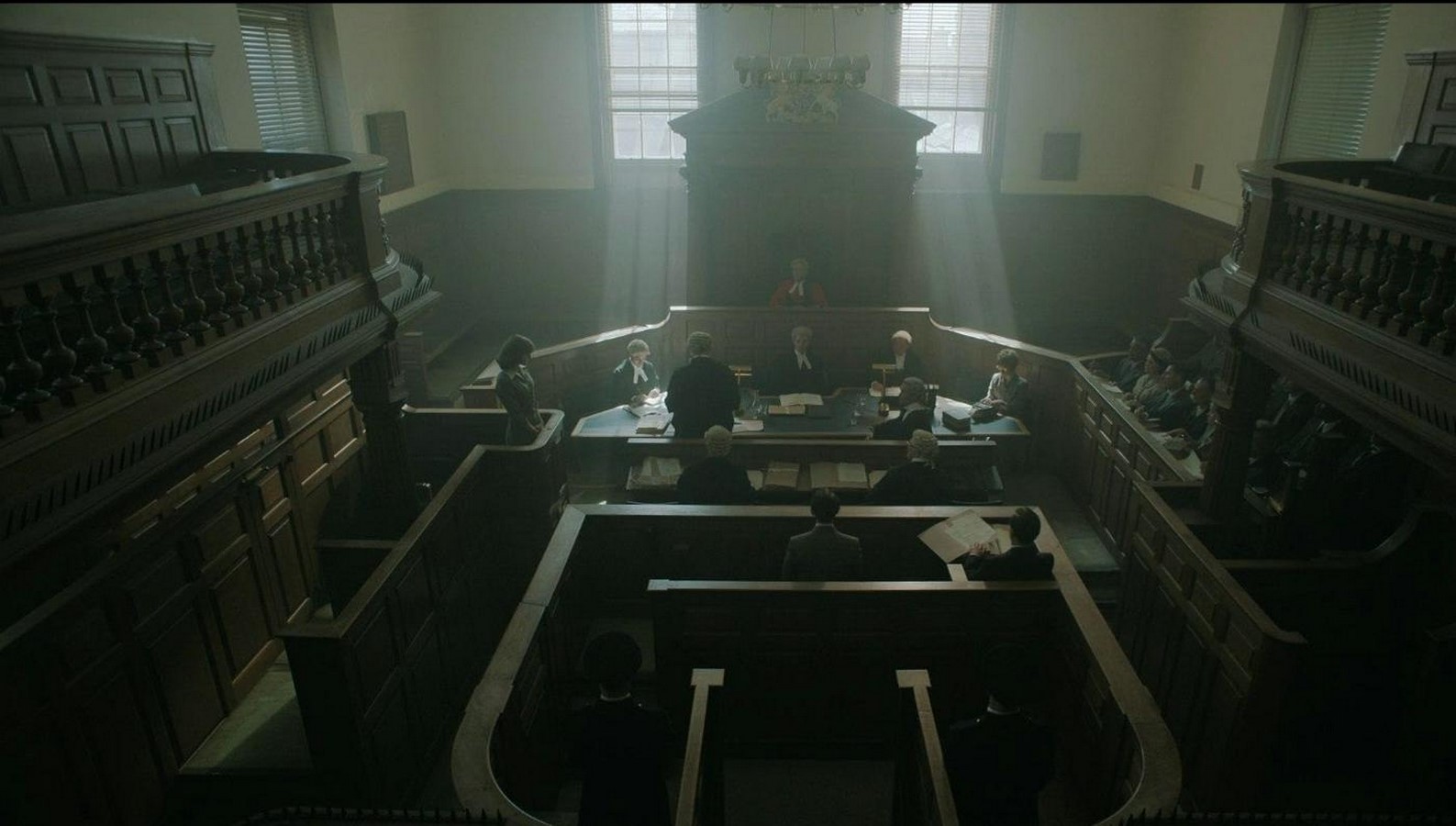
The prison architecture is intentionally stark. Harsh white lighting and small cells strip away individuality, reducing life to a monotone existence. These spaces reflect a system designed to suppress queer identities at the time.
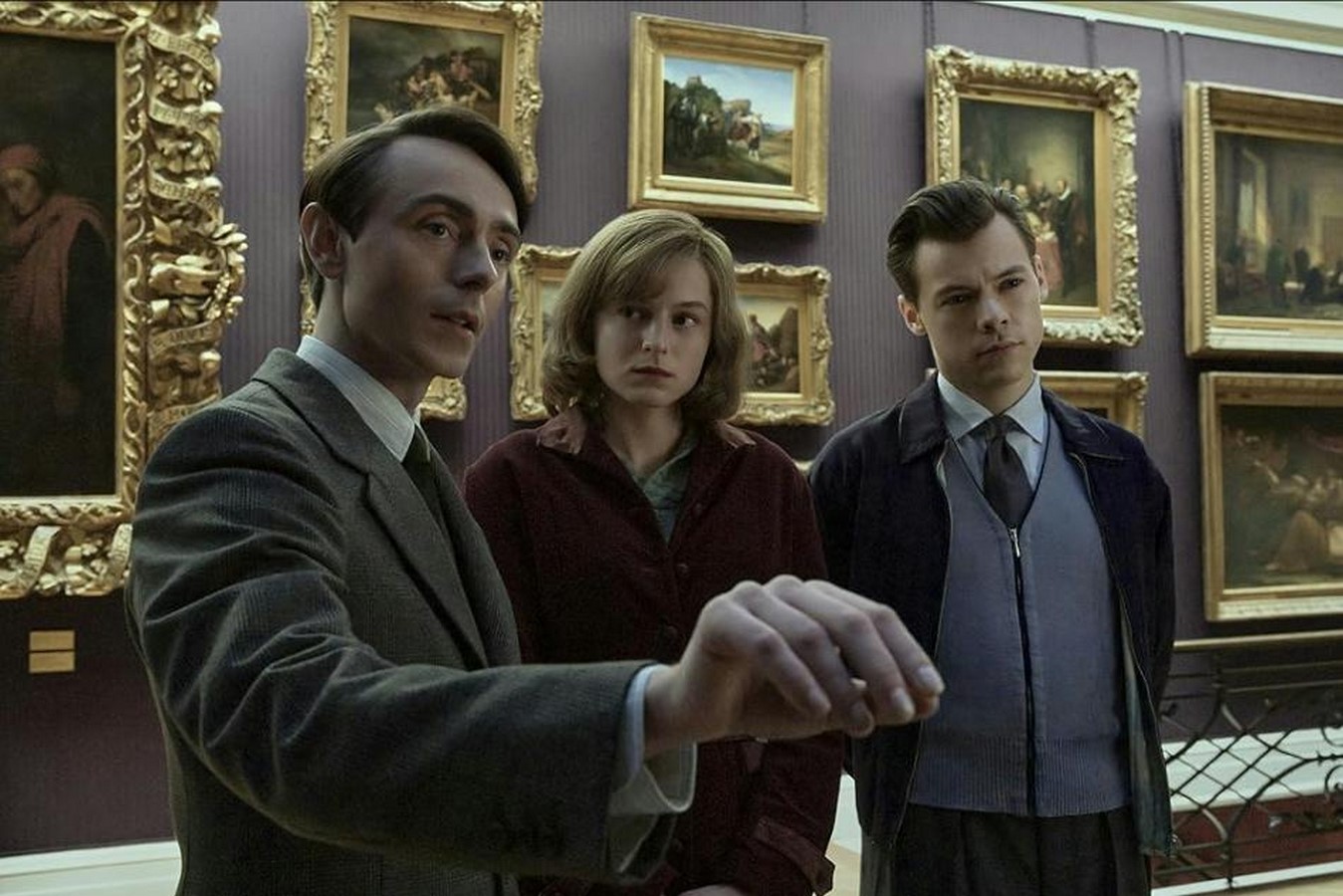
Cultural spaces like the museum show Patrick in a different light, as an art curator. He finds his solace there, a creative haven where beauty is everywhere, but subjective. Yet even here, architecture creates a paradox; the grandeur of the gallery and expressiveness of art clash with the reality that his love must remain hidden.
One of the most telling moments unfolded in The Argyle, a clandestine bar below the street level, which functioned much like a speakeasy- secret, coded and only accessible to those who know of its existence. This was a queer refuge, where people felt free enough to dance and socialise without feeling compulsively scared to be caught and beaten. Ambient lighting and warm timber interiors create a space of ease and belonging. This underground setting becomes the spatial metaphor for love constrained by law and public morality.
Lighting as Symbolism
Light becomes a character in itself throughout the film. The intimate candlelight dinner, but shared with a friend. The dark, broken treehouse with light seeping in from the crevices and the cottage with dimly lit interiors. And when Tom finally confesses to Marion, the same house and the same bedroom are portrayed in a different light, literally.
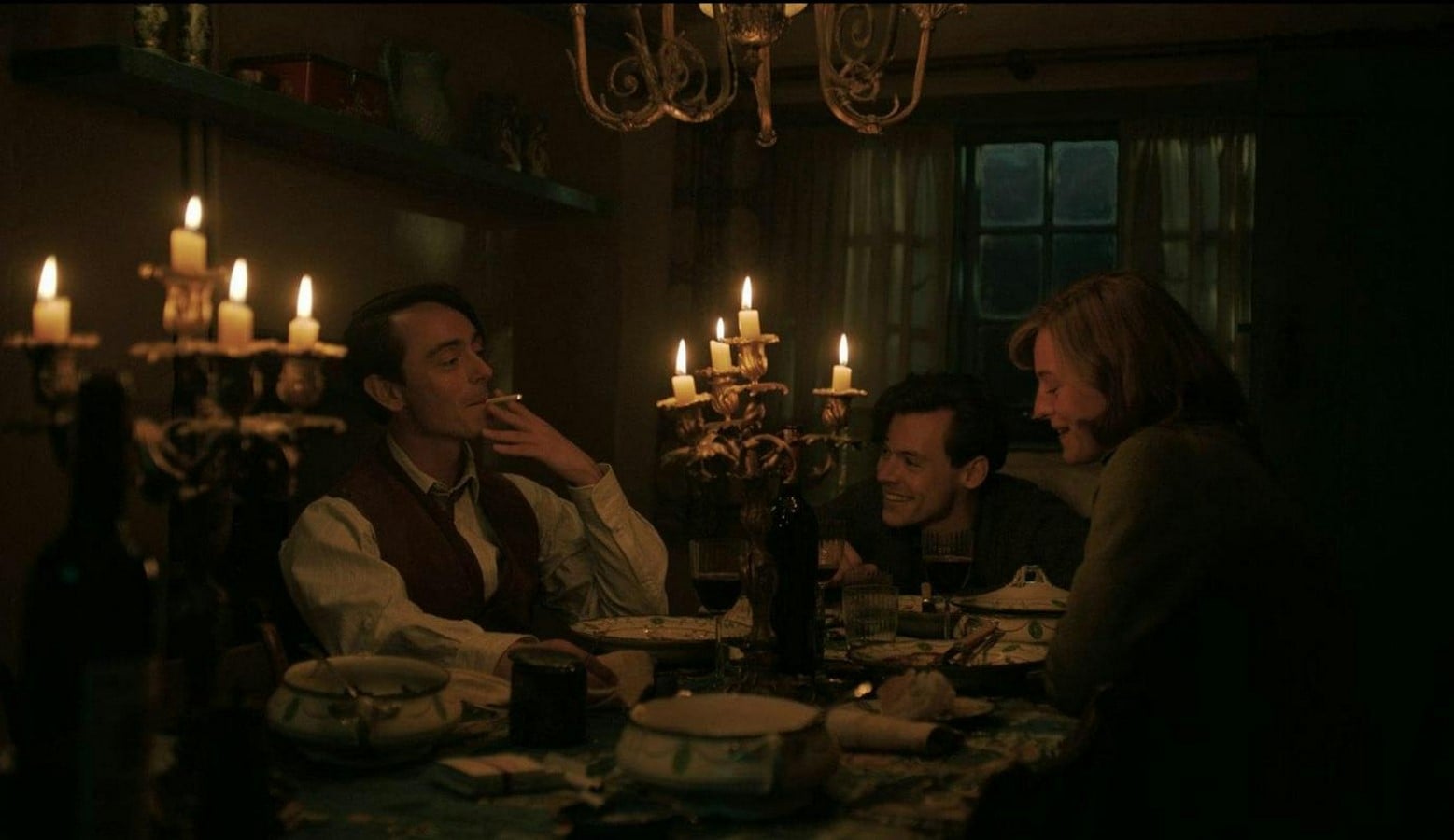
As Tom and Patrick’s relationship evolves from resistance to acceptance towards love, the shifts in lighting are so delicately crafted. The first time they share a vulnerable and intimate moment, Tom cuts off all the possible light sources. The next time, they are shown under the glow of a lamp, then further in Patrick’s home, they are ushered with daylight. And finally, when Tom announces he is marrying Marion, Patrick takes him to the beach, where he kisses him in broad daylight, the sea silently witnessing it all.
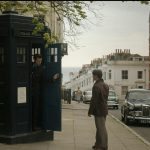
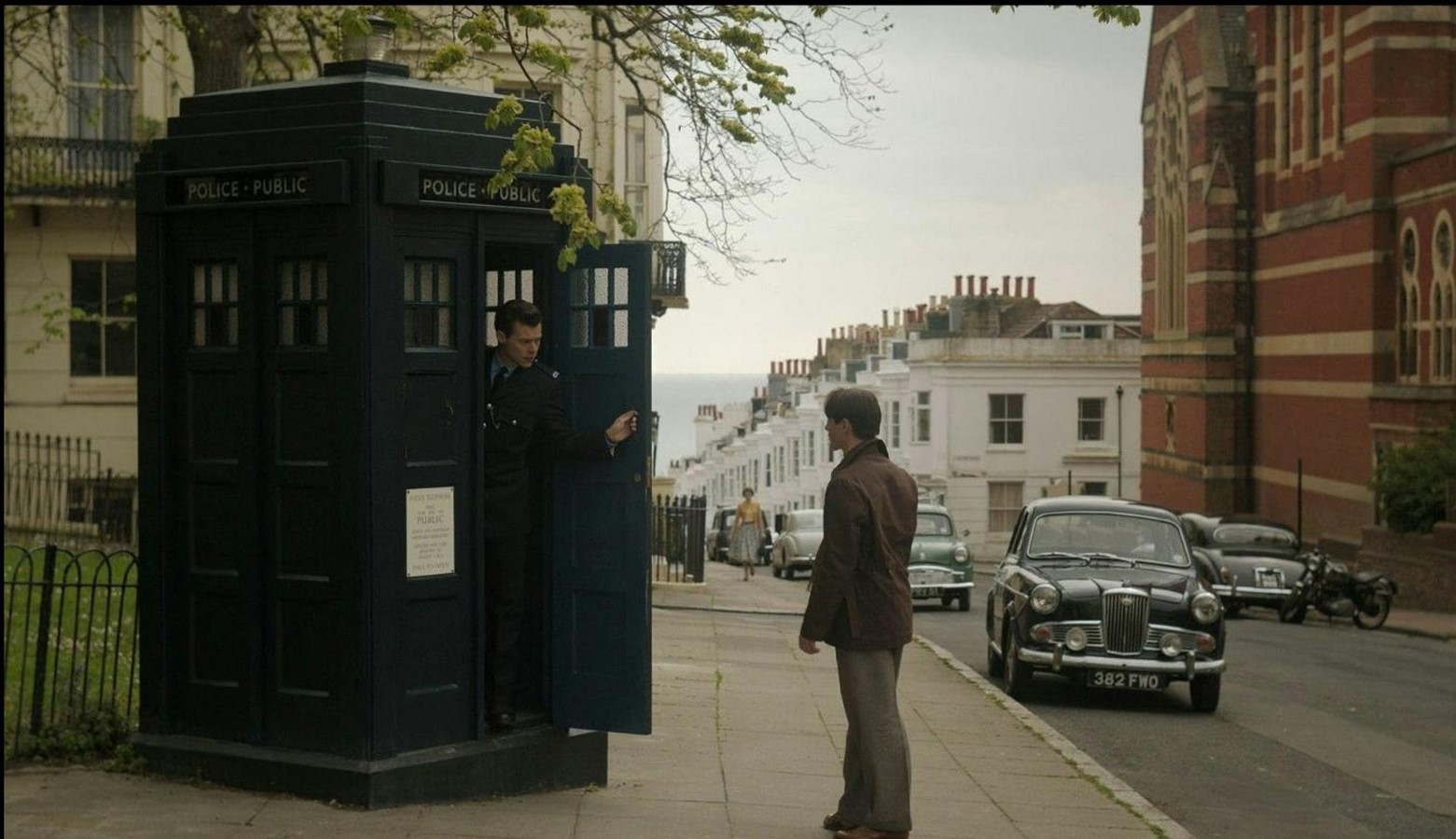
The film leaves a lasting impression as it explores forbidden love, friendship, evolving social norms, and the transformative journey of its characters. Moments such as Patrick knocking on Tom’s Tardis or Marion’s two liberating car rides are etched into the narrative, amplified by its architecturally intelligent storytelling. Through every wall, window, and beam of light, the film demonstrates how architecture not only shapes the spaces its characters inhabit but also frames the deepest moments of identity, longing, and belonging, reminding us of architecture’s powerful, often silent, influence on all our stories.
Citations:
Prime Video: My Policeman. (2025). Primevideo.com. https://www.primevideo.com/detail/My-Policeman/0TU08H37MWTSRAM8OJIK1AUGGN