The door’s heavier than you expect. You shove, and it moves slowly, the hinges letting out a sound somewhere between a groan and a sigh. Inside, the air shifts, cooler, with that chalky, dry smell old stone has. Light slips through narrow windows and lands in the same spots it’s been hitting for centuries. You wonder how many feet have stood there. For a moment, you are no longer just a visitor; you have unknowingly entered the building’s slow pulse of memory.
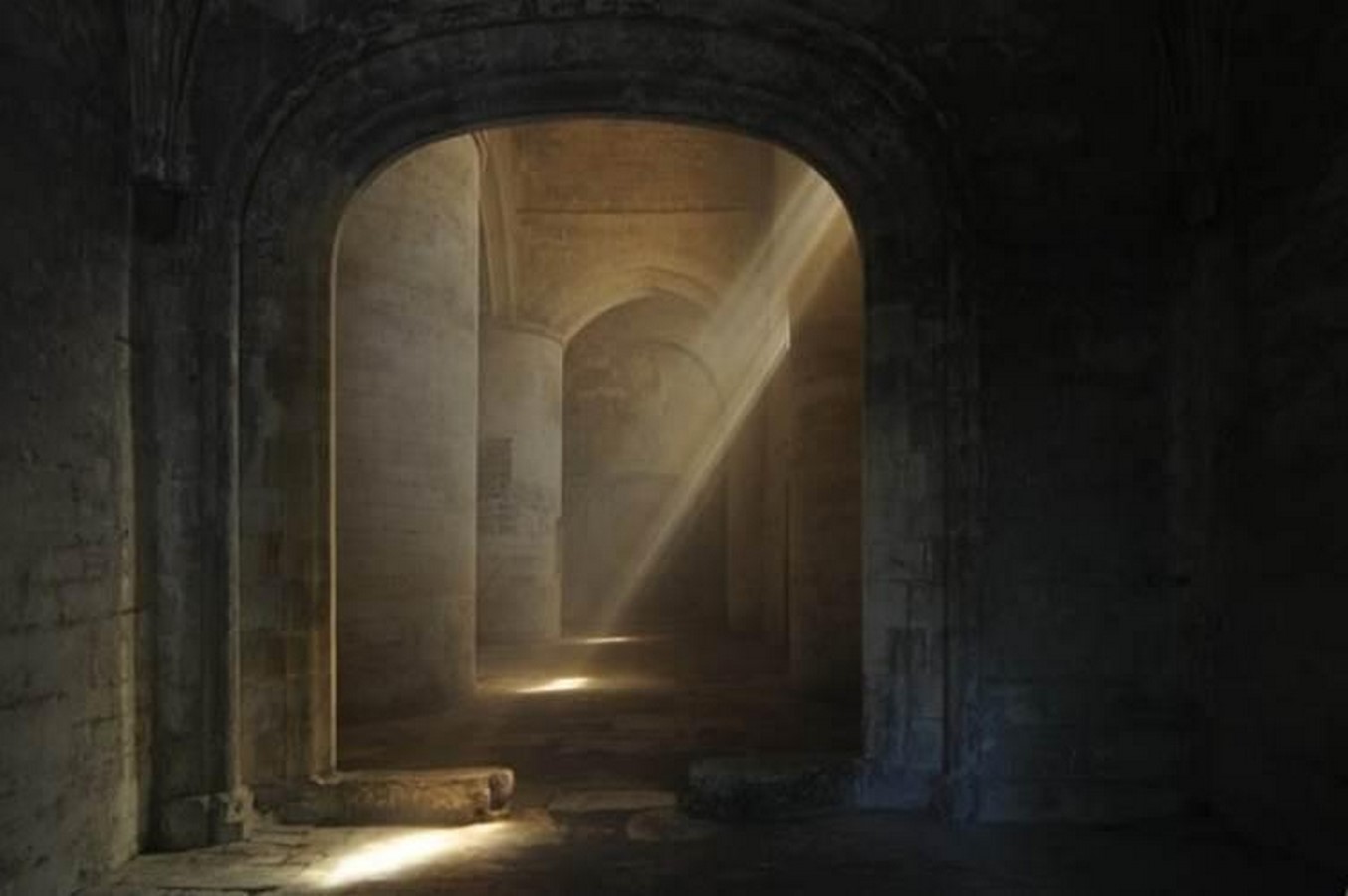
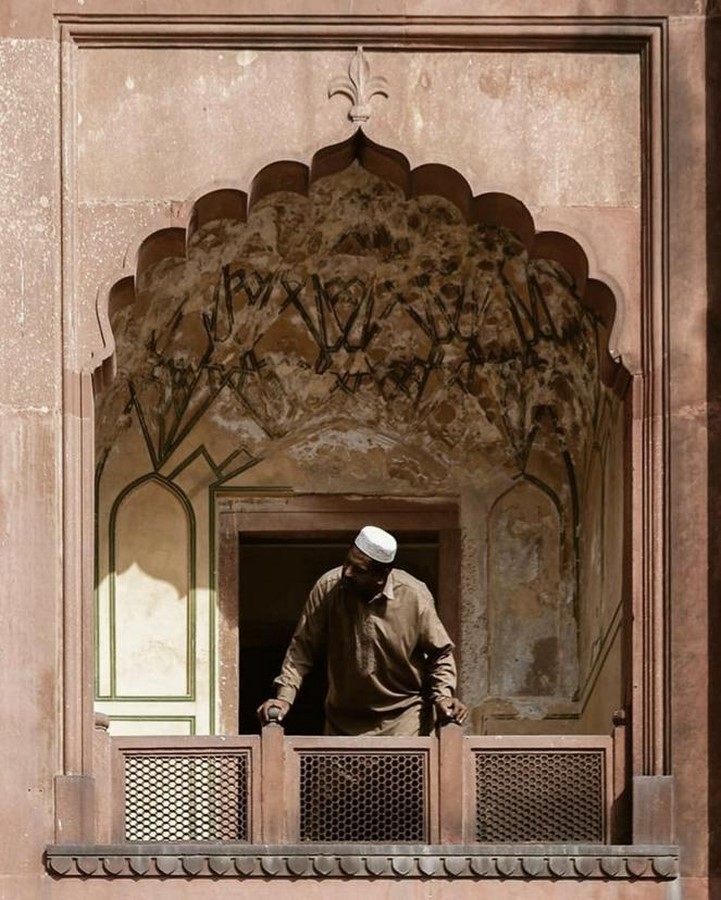
Historic architecture has a way of pulling you out of the present. Step inside, and time stops feeling like a straight line; it seems to gather and linger. It’s in the smooth curve of stone worn by countless hands, in the low echo of footsteps beneath a vast ceiling, in a beam of light that finds the same patch of floor it has touched for centuries. These elements don’t shout; they work silently, drawing you in. When these places are cared for with skill and respect, they stop being just shelters. They become gateways, openings into the lives, moments, and stories that shaped them. But into physical thresholds into the lives, beliefs, and events that once shaped them (Heath et al., 2020; Vukosav, 2020).
A Sensory Record Written in Stone
Experiencing historic architecture goes far beyond what the eyes can see. Patterns, proportions, and ornamentation may catch the eye first, but the deeper connection comes from a layering of all the senses. The slow, rolling echo beneath a dome, the deep hush of a cloister, the sudden drop in temperature when stepping into a thick-walled chamber, each calls up a time when comfort was crafted through design, long before climate control was a concept (Malnar & Vodvarka, 2013).
These spaces also hold information as surely as they hold air. A staircase smoothed in the centre by uncounted feet, a doorway aligned to the first light of day, a courtyard turned toward the prevailing winds, such choices speak to both technical ingenuity and cultural priorities (Pereira Roders & van Oers, 2014). In this sense, architecture is not a backdrop for
learning about the past. It is a living, physical interpreter of it.
Temporal Displacement and Emotional Weight
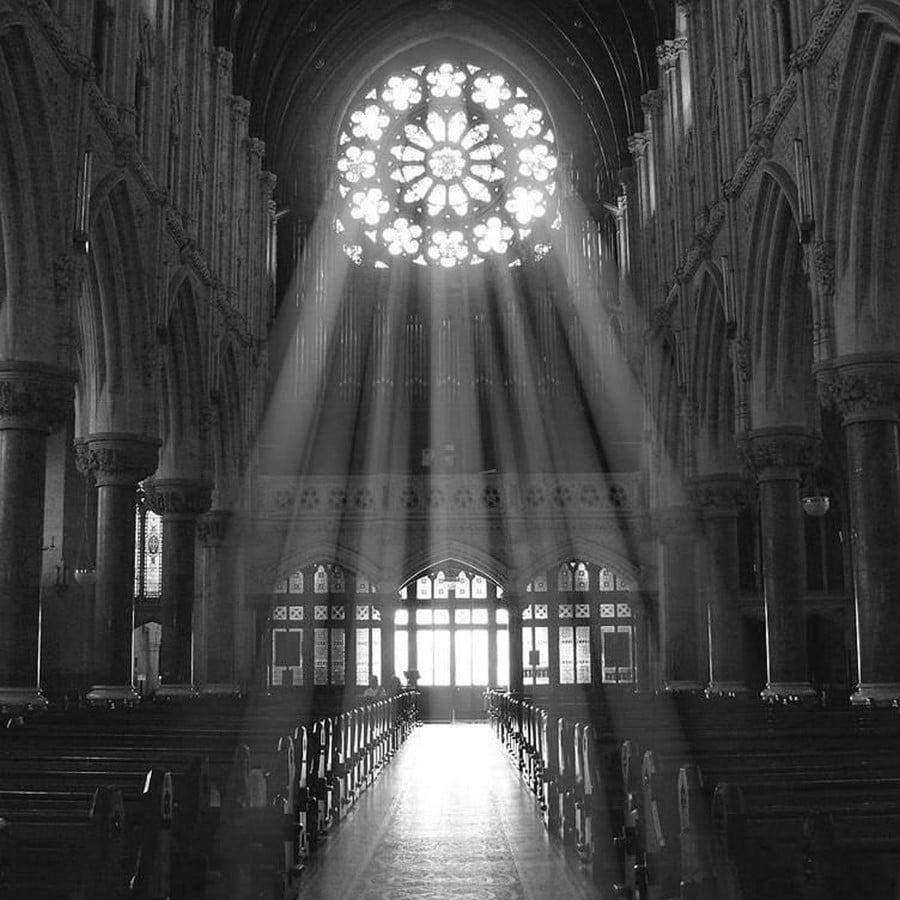
Preserving a historic building in its true form can trigger what many call temporal displacement. Visitors sometimes speak of feeling carried out of the present, caught for a moment between now and a time that still seems to inhabit the space (Goulding et al., 2013). Light falling through stained glass onto a stone floor has been shifting in slow patterns for centuries, touching both present-day observers and those long gone in the same way.
This is not merely sentimentality. It is rooted in the tangible layering of sensory perception over authentic historic fabric. A blend that speaks to emotion as much as to intellect. These buildings show, in solid form, how memory can persist through space.
The Unique Role of Built Heritage
Unlike artefacts kept at a distance in display cases, architecture can be entered, walked through, and touched in much the same way as it was in its own time. The act of climbing worn steps, pausing in an alcove, or tracing a finger along carved stone turns heritage from something seen into something experienced (Vukosav, 2020).
Preservation is therefore not limited to keeping the walls standing. It is about safeguarding a kind of human storytelling that only architecture can tell. When these places vanish, through neglect, demolition, or careless modern changes, the break runs deeper than the structure itself. It is the loss of something that can only be felt in person. A digital reconstruction might capture every contour with precision, but it can never give you the roughness of stone beneath your hand or the weight of air that seems to hold the past within (Bollo & Garbarino, 2021).
The Taj Mahal: Where Symmetry Meets Eternity
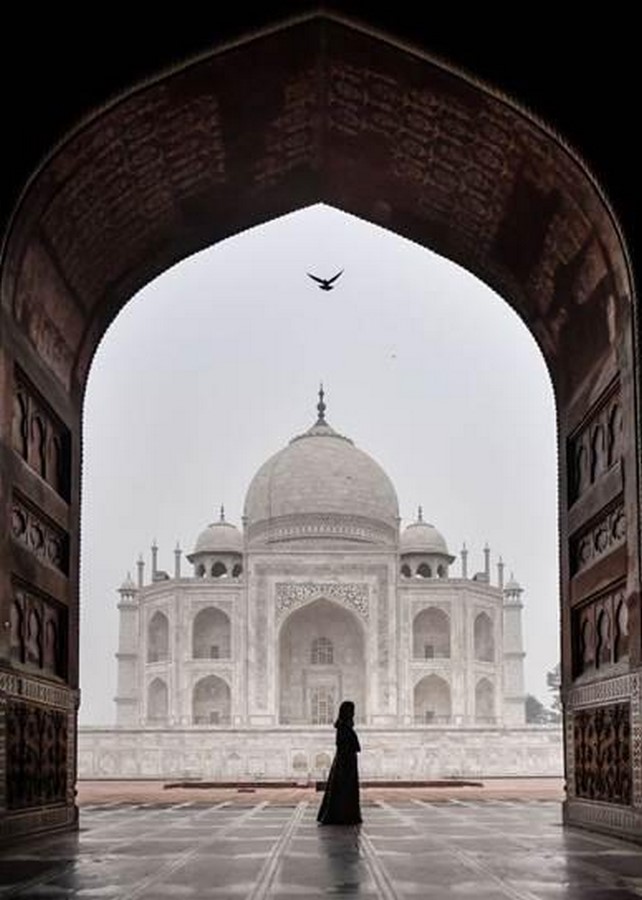
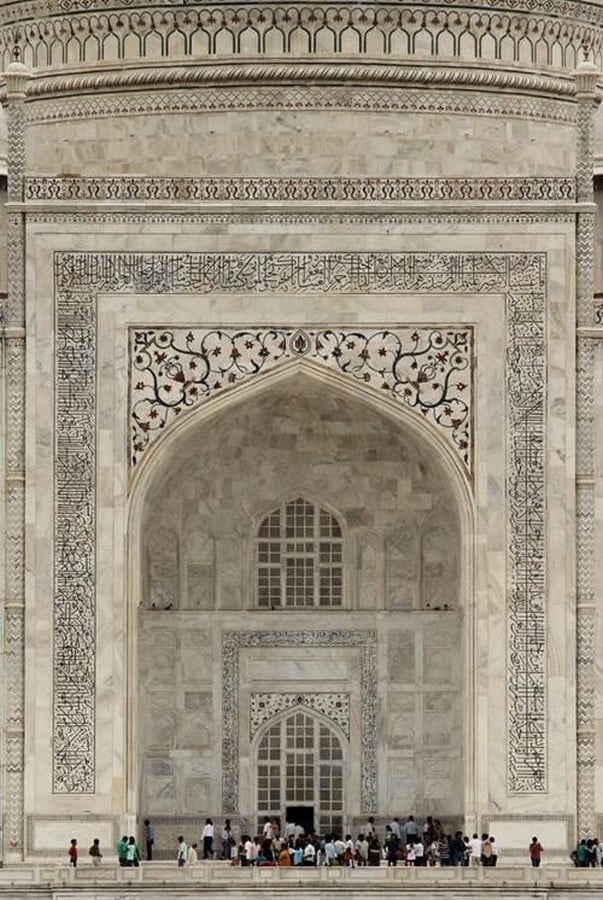
The Taj Mahal is often called the most beautiful building in the world, but its true strength lies in the feelings it stirs. Built between 1632 and 1648 under the Mughal Emperor Shah Jahan, it is celebrated for its flawless proportions, luminous white marble, and the delicate pietra dura inlay that threads colour into stone (Farooq et al., 2024). The cool touch of marble beneath bare feet, the quiet rhythm of fountains, the stillness that seems to suspend the air itself.
Studies of its geometry and spatial character imply the design guides the gaze both upward and inward. This creates a balance that works on the body as much as on the eye (Rahman et al., 2024). The Taj Mahal does more than display the mastery of its makers. It recreates the ceremonial and emotional atmosphere of the 17th century in the present moment.
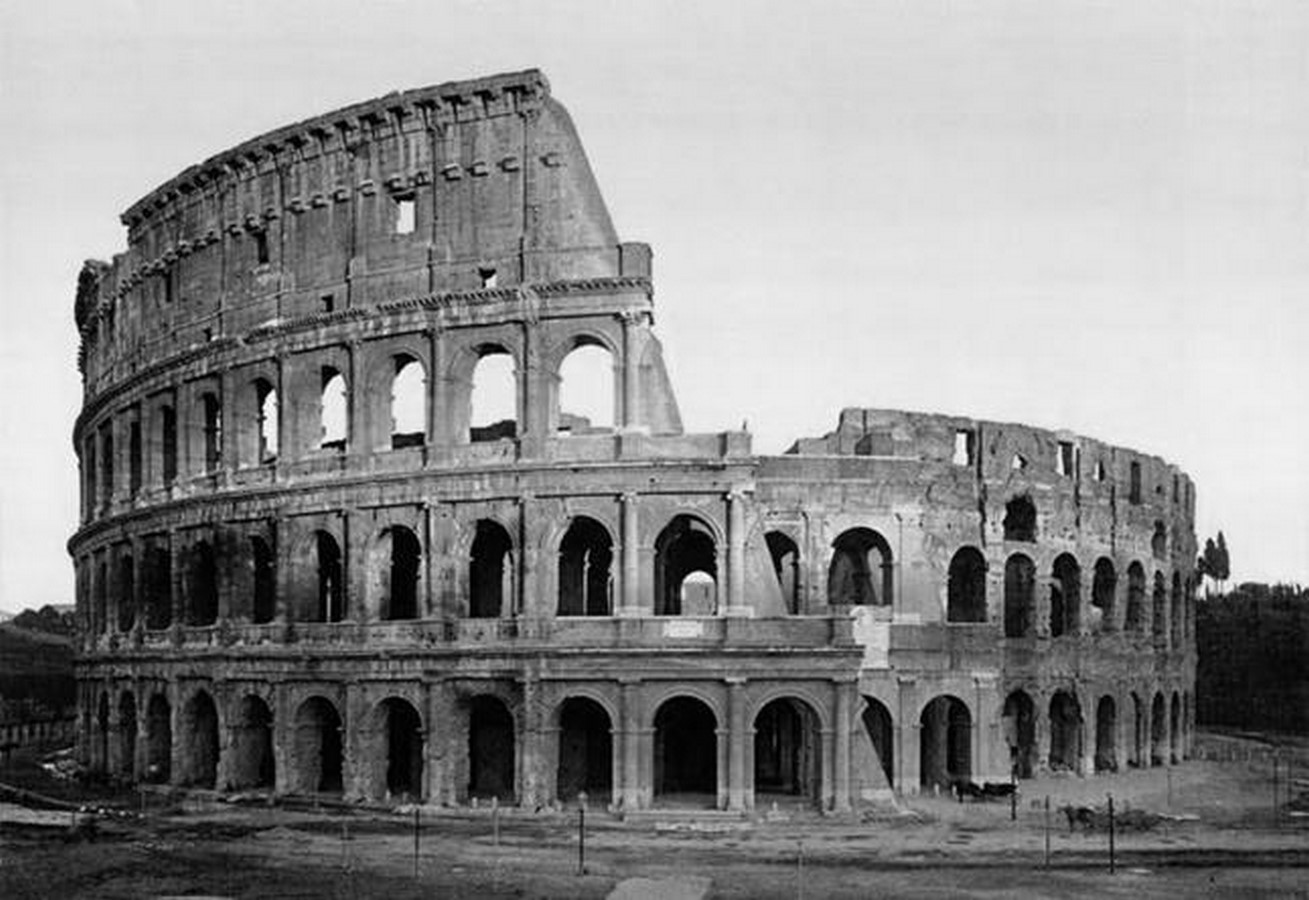
The Colosseum: Where Ancient Rome Still Echoes
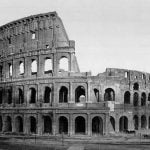
In contrast to the Taj Mahal, which holds the stillness of devotion, the Colosseum carries the charge of a crowd. Completed around 80 AD, it was far more than an emblem of imperial power. It was a stage for gatherings, dramas, and gladiatorial combat (Lancaster, 2015)
Even in partial ruin, it quickens the senses. The mind conjures the roar of thousands, the clash of metal, the thud of heavy footsteps across sand (Parisi et al., 2019). It is no silent fossil. It is a frame through which the heartbeat of ancient Rome still reaches over time.
Preserving the Gateway to the Past
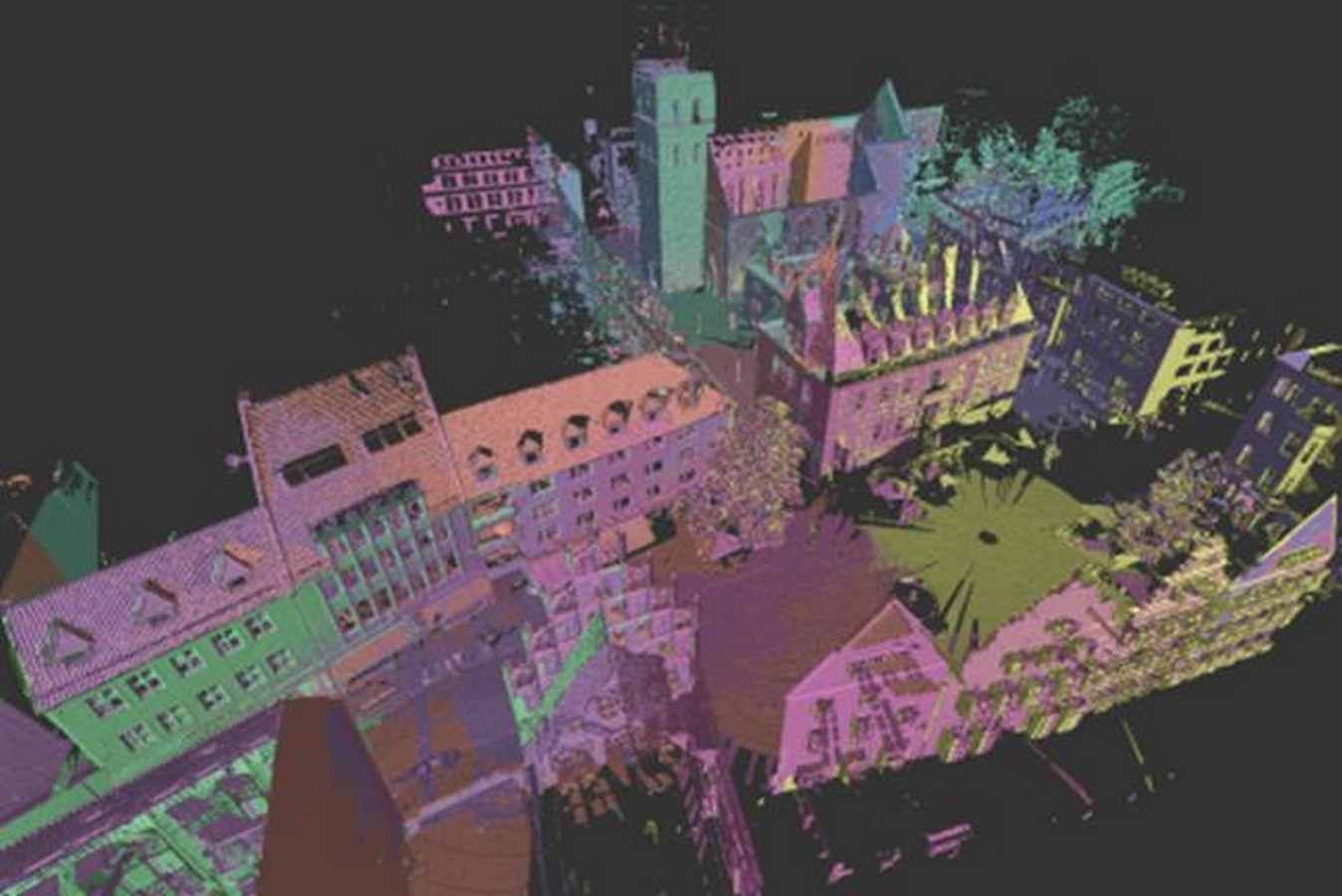
For architecture to remain a living vessel of memory, preservation must strike a delicate balance, protecting the structure while keeping its authenticity alive. Tools such as Building Information Modelling (BIM) and 3D scanning make it possible to document and restore with high accuracy (Banfi, 2017). Push too much towards digital perfection, and the very elements that give these places their soul begin to disappear (Roders et al., 2021). These marks are not imperfections; they are anchors, holding the weight, memory, and character of the building in place.
The aim of conservation is not just to protect structure, but to safeguard the conditions that allow people to feel the past in their bodies as well as see it. This is more than a question of beauty. To preserve architectural heritage is to keep our shared memory alive, giving others the rare chance to step, even for a moment, into lives far different from their own. In a world that changes without pause, these places hold their ground, safeguarding identity and offering the quiet reassurance of continuity.
Architecture lasts as a kind of time capsule because it closes the distance between past and present through direct, sensory experience. It carries people into the past, not to watch from afar, but to walk its spaces as those who once lived there. Such moments remind us that the past is never gone. It remains alive in the architectural marvels we choose to keep standing, carrying their stories to the future.
In preserving these architectural time capsules, we are not just protecting stone and mortar, but carrying forward the living memory of who we were, so future generations can step into the past and feel it breathe.
References:
- Banfi, F. 2017. Building information modelling—A novel parametric modelling approach based on 3D surveys of historic architecture. Digital Applications in Archaeology and Cultural Heritage, 4, pp.71–87. doi:10.1016/j.daach.2017.07.002
- Bollo, A. & Garbarino, S. 2021. Heritage, experience and participation: Approaches for enhancing the cultural value of historic places. Museum International, 73(1-2), pp.44–57. doi:10.1080/13500775.2021.1975678
- Farooq, H.O., Punhani, K.B., Qaisra & Mustafvi, J.B. 2024. The significance of the architectural design of Taj Mahal. International Journal of Contemporary Issues in Social Sciences, 3(1), pp.1057–1062. Available at: https://ijciss.org/index.php/ijciss/article/view/392
- Goulding, C., Saren, M. & Lindridge, A. 2013. Reading the body at Vauxhall Gardens: The embodiment of experience. Journal of Consumer Culture, 13(2), pp.139–159. doi:10.1177/1469540513485279
- Heath, T., Heath, B. & O’Brien, G. 2020. The sensory dimension of experience in historic urban spaces. Urban Morphology, 24(2), pp.85–98.
- Lancaster, L. 2015. Concrete vaulted construction in Imperial Rome: Innovations in context. Cambridge: Cambridge University Press.
- Malnar, J.M. & Vodvarka, F. 2013. Sensory design. Minneapolis: University of Minnesota Press.
- Parisi, F., Piazza, M. & Sassu, M. 2019. Structural health monitoring and preservation strategies for the Colosseum. Journal of Cultural Heritage, 39, pp.74–83. doi:10.1016/j.culher.2019.03.004
- Pereira Roders, A. & van Oers, R. 2014. Bridging cultural heritage and sustainable development. Journal of Cultural Heritage Management and Sustainable Development, 4(2), pp.115–124. doi:10.1108/JCHMSD-11-2013-0048
- Rahman, H.O.F., Punhani, K.B., Qaisra & Mustafvi, J.B. 2024. The significance of the architectural design of Taj Mahal. International Journal of Contemporary Issues in Social Sciences, 3(1), pp.1057–1062. Available at: https://ijciss.org/index.php/ijciss/article/view/392
- Roders, A.P., Pereira, Á. & Colenbrander, B. 2021. Heritage and sustainability in the 21st century. Abingdon: Routledge.
- Smith, L. 2016. Uses of heritage. 2nd ed. Abingdon: Routledge.
- Vukosav, J. 2020. Cultural heritage and the experience economy: How visitors engage with the past. Journal of Tourism Futures, 6(3), pp.243–258. doi:10.1108/JTF-05-2019-0042