The city experience is a multisensory affair that progresses in layers—visual, aural, tactual, gustatory, and olfactory. For most of the contemporary urban design debate, however, the focus has been persistently skewed visually, with an overemphasis on sightlines, silhouettes, and compositions (Pallasmaa, 2005). This eye-focused perspective tends to overlook the richer, embodied aspects of place-making: the scent of temple incense wafting long after ritual has ceased, the pungency of spices carried on the breeze from a street vendor’s cart, or the damp coolness emerging from a riverbank in the early morning. These sensory registers are not a mere accident—they are inherent to the lived experience of a city and to how urban identity gets constructed, remembered, and passed on (Henshaw, 2014; Pink, 2015).
In the vocabulary of sensory urbanism, smellscapes are the spatial arrangement of odour cues in an environment, influencing not just perception but also movement, orientation, and affective engagement (Henshaw, 2014). Foodscapes are the material, cultural, and symbolic locations where food is grown, distributed, and consumed, and the socio-economic and cultural tendencies of a city (Johnston & Baumann, 2010; Steel, 2008). Waterscapes, on the other hand, are the relations between water, culture, and space—both physical infrastructure and symbolic and ritual components of urban environments (Strang, 2004). Collectively, these sensory realms build an integrated urban ecology that is fundamentally anchored to place identity.
Ujjain, within central India’s Malwa region, offers a unique example in which these three sensory ecologies meet. Situated on the River Shipra, the city has been a centre of pilgrimage, astronomy, commerce, and politics since at least the Mauryan era (Mitra, 2013). It is one of the seven Saptapuri, or holy cities, in Hinduism, and the site of the Mahakaleshwar Jyotirlinga, one of the most sacred Shaivite temples. The old city itself is packed with temples, ghats, bazaars, and narrow streets that serve as sensory corridors—each stuffed with unique smells, tastes, and sounds.
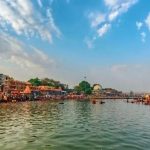
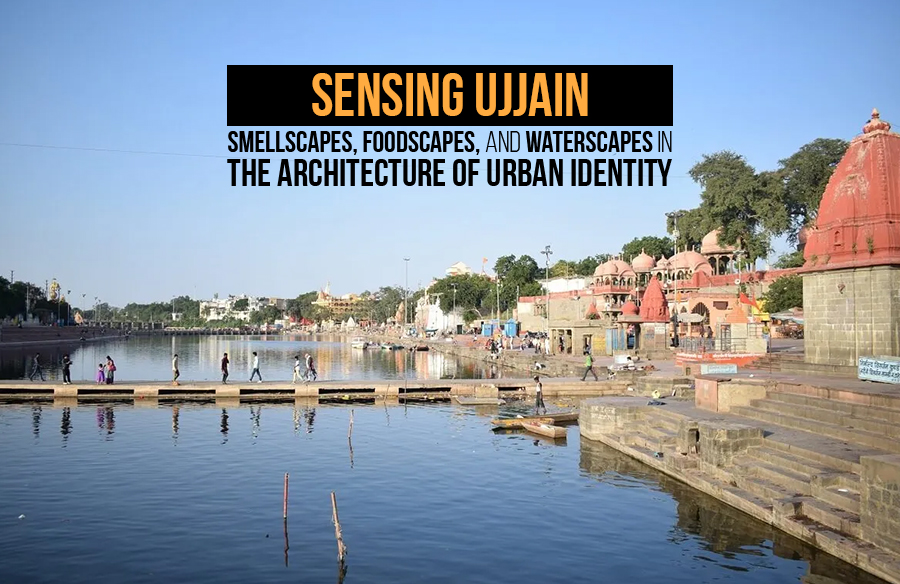
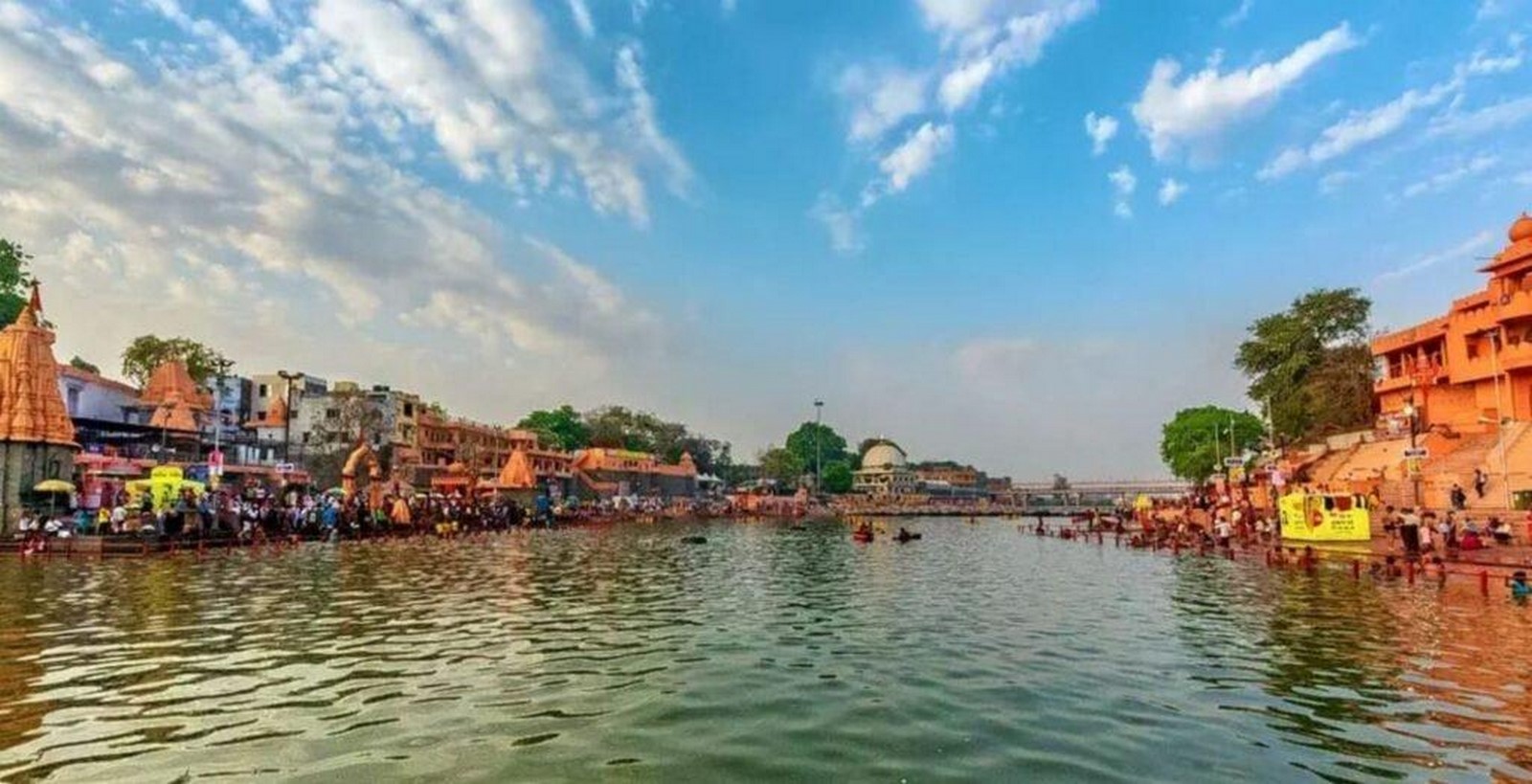
The Shipra River is not just a geographical landmark; it’s a ritual and social lifeline. At the Simhastha Kumbh Mela, which takes place every 12 years, millions of pilgrims bathe in its waters, turning the ghats into a mela of sacred aromas—ghee lamps, sandalwood paste, damp stone, and river silt blending into the air. Beyond festival times, the daily life of the city is also characterised by sensory abundance: temple morning offerings fragrant with marigold and jasmine, the frying smell of poha and jalebi in the bazaars, and the subtle brine and plant smells of the river in the evening.
But these sensorial dimensions are increasingly threatened by city modernisation, pollution, and the homogenisation of public space. As infrastructural re-development gathers pace, there is a danger that Ujjain’s distinctive smellscapes, foodscapes, and waterscapes—central to its intangible heritage—are undermined or commodified. Identification and conservation of these sensorial ecologies are thus not just an exercise in nostalgia but a strategy for maintaining the city’s cultural liveliness and spatial authenticity.
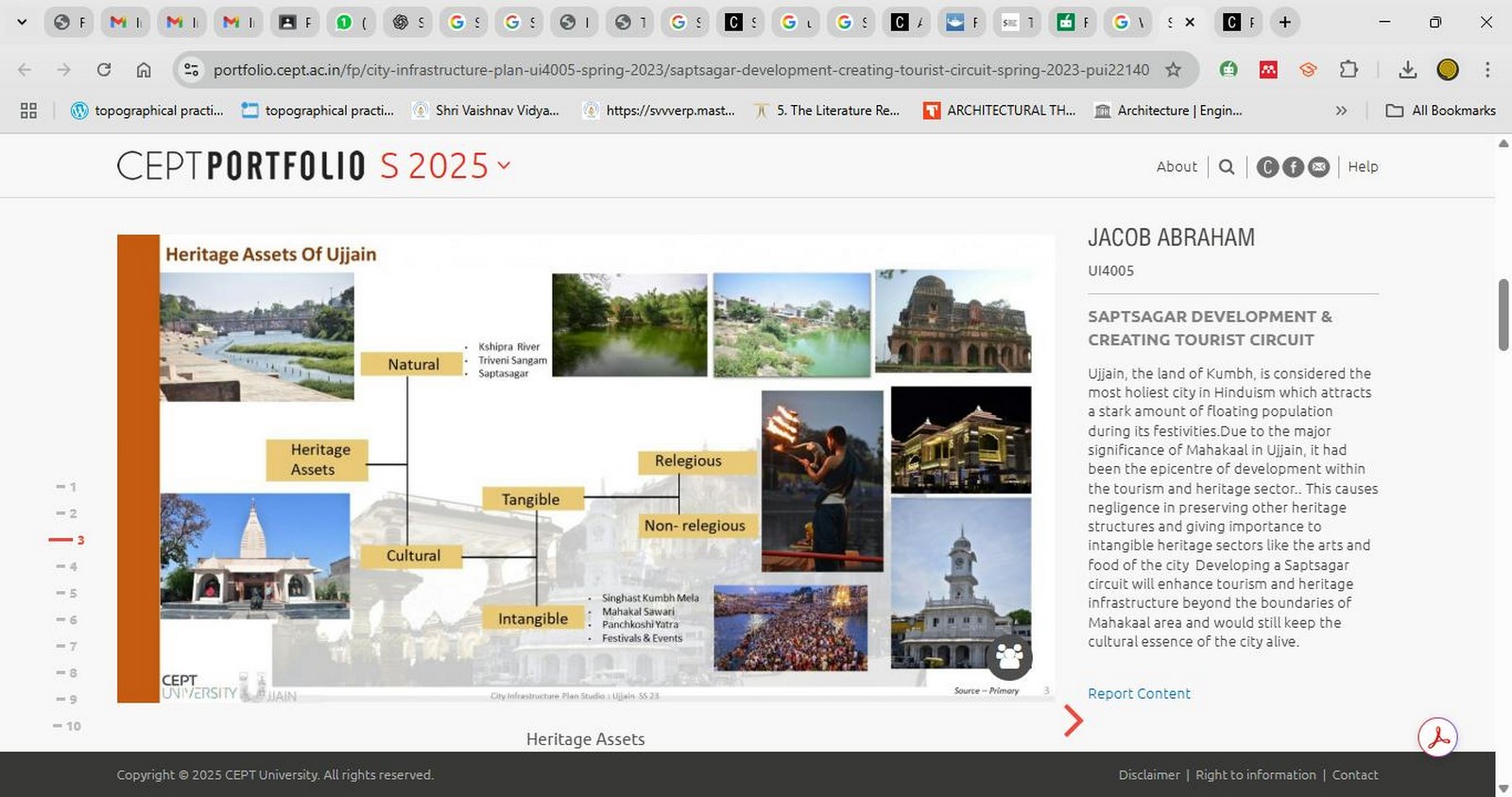
This paper places Ujjain within the framework of sensory urbanism to contend that conservation of its smellscapes, foodscapes, and waterscapes is critical to protecting its urban identity. Based on theoretical frameworks and field observations, it investigates how these sensory layers converge with the spatial morphology of the city, its public rituals, and collective memory. It also discusses modern-day challenges and suggests design and policy interventions to preserve Ujjain’s sensory heritage for the times to come.
Theoretical Framework: Sensory Urbanism
Sensory urbanism is a discipline that counters the ascendance of the visual in architectural and planning theory. Researchers like Pallasmaa (2005) and Classen, Howes, and Synnott (1994) have underlined the fact that city spaces are perceived totally through the interaction of all senses. The discipline believes in a phenomenological understanding of place that focuses more on lived experience than formal or functional ones (Seamon, 2013).
Smellscapes, according to Henshaw (2014), are “the olfactory landscapes of place”—dynamic and context-dependent, formed by natural and man-made factors. Smell affects spatial behaviour, affective experience, and even boundaries of place. For instance, incense scent may attract pilgrims to a temple compound, while the aroma of fresh fruits may root a marketplace in the city’s psyche.
Foodscapes work in the space between material culture, social relations, and spatial form. Steel (2008) contends that food systems underpin urban vibrancy, ranging from the layout of markets to patterns of public gathering. In historic cities, foodscapes tend to be closely linked to religious and seasonal cycles, influencing not only what one eats but where and how.
Waterscapes are also multifaceted, including physical infrastructure, ecological processes, and cultural significance (Strang, 2004). Rivers and ghats are examples of water bodies which can act as spatial organisers for the city, as ritual centres, and as sources of unique sensory experience—sound, touch, and smell among them. In South Asian contexts, such as with the Shipra River, rivers are cosmologically important, serving both as sacred spaces and essential resources.
In Ujjain, these three sensory domains are not discrete but overlapping. The smell of incense from a riverside temple may mingle with the aroma of frying snacks from a nearby vendor, both carried on the humid breeze rising from the Shipra. Understanding Ujjain’s urban identity, therefore, requires a framework that integrates smellscapes, foodscapes, and waterscapes into a single, multi-layered sensory ecology.
Ujjain’s Cultural-Historical Landscape
Ujjain has a history of more than 2,500 years and is thus counted among the oldest continuously inhabited cities in India. It was in ancient times called Avanti, an important city of the Mahajanapada era and one of the capitals of the Mauryan Empire (Mitra, 2013). The fact that it was situated on trade routes between north and south India, and also as a centre for astronomy and mathematics, made it both economically and intellectually significant.
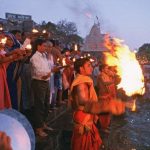
Spiritually, Ujjain is a sacred one among the Sapta Puri, the seven holy pilgrimage cities. The Mahakaleshwar Temple, consecrated to Lord Shiva, is the spiritual hub of the city. Procedures here take place continuously, from the early morning Bhasma Aarti—where divine ash is offered to the god—to elaborate evening processes using incense, flowers, and light. These procedures add to a peculiar smellscapes which is as integral to the temple’s design as its form.
The Shipra River has been the focal point of Ujjain’s cultural and spatial growth. The city’s ghats have historically functioned as sites of religious soaking, social networking, and economic transactions. The Simhastha Kumbh Mela, every twelve years, converts the city into a large temporary urban agglomeration. The scent of wet mud and river silt intermingles with the scents of food vendors, medicinal plants, and offerings to gods in a world where the senses are both transient and impossibly anchored in tradition.
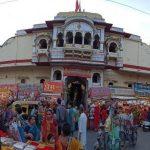
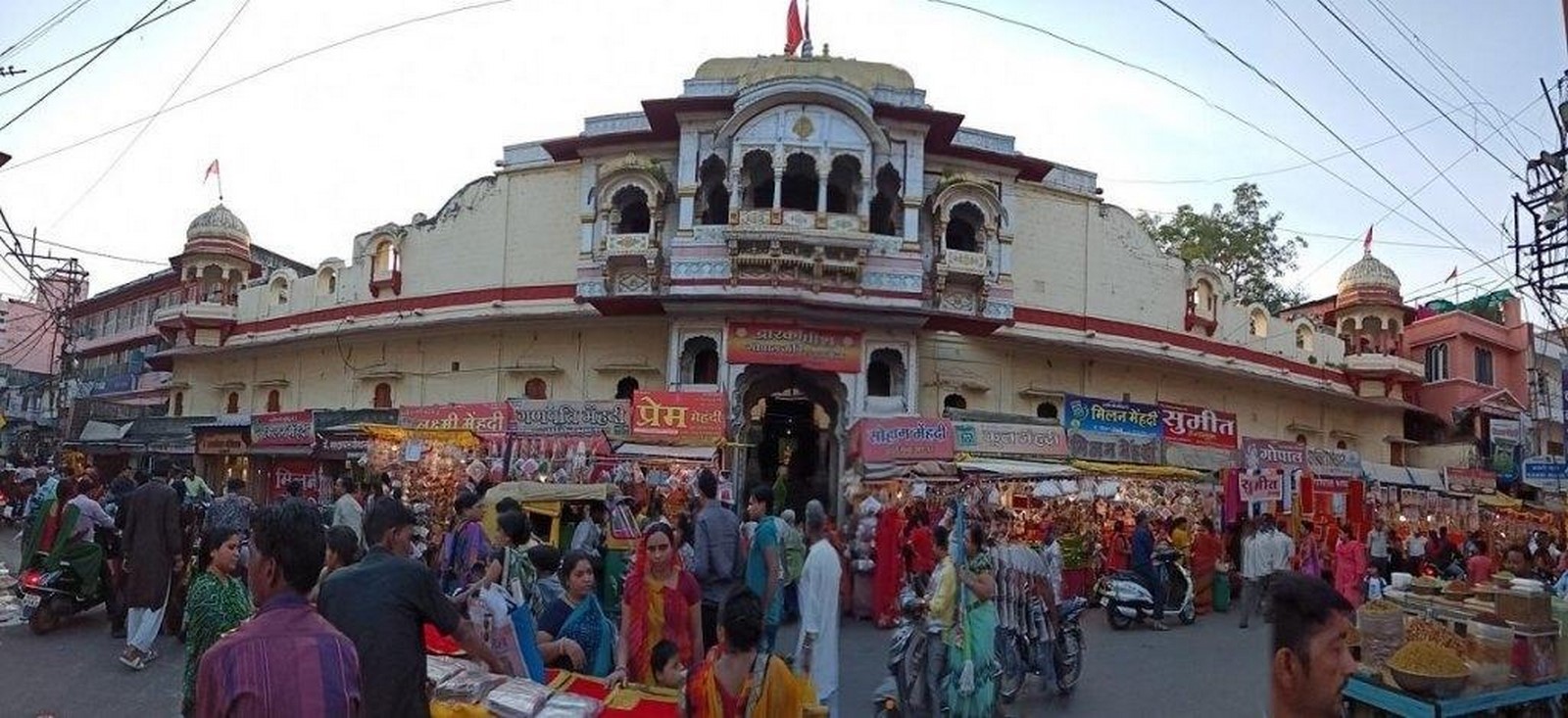
The markets in Ujjain, for instance, around Gopal Mandir and Sarafa Bazaar, have developed over the centuries to serve pilgrims, locals, and traders all equally well. Their foodscapes, filled with local snacks such as poha, jalebi, bhutte ka kees, and malpua, are inscribed in the rhythms of the daily round and festivals of the city. These food traditions, combined with patterns of narrow lanes and covered shopfronts, create a physical connection between architecture, economy, and cultural memory.
Cartographing Ujjain’s Smellscapes
The smellscapes of Ujjain are multi-scalar, varying from the intimate temple interiors to the broad open-air ghats and crowded bazaars.
Temple Precincts: The Mahakaleshwar Temple contains a persistent combination of sandalwood, burning camphor, incense, and marigold flowers. For major festivals such as Maha Shivaratri, the intensity of these odours is compounded, spilling over into neighbouring streets. Small temples around the city add localised scent zones, each influenced by the particular rituals and offerings of that place.
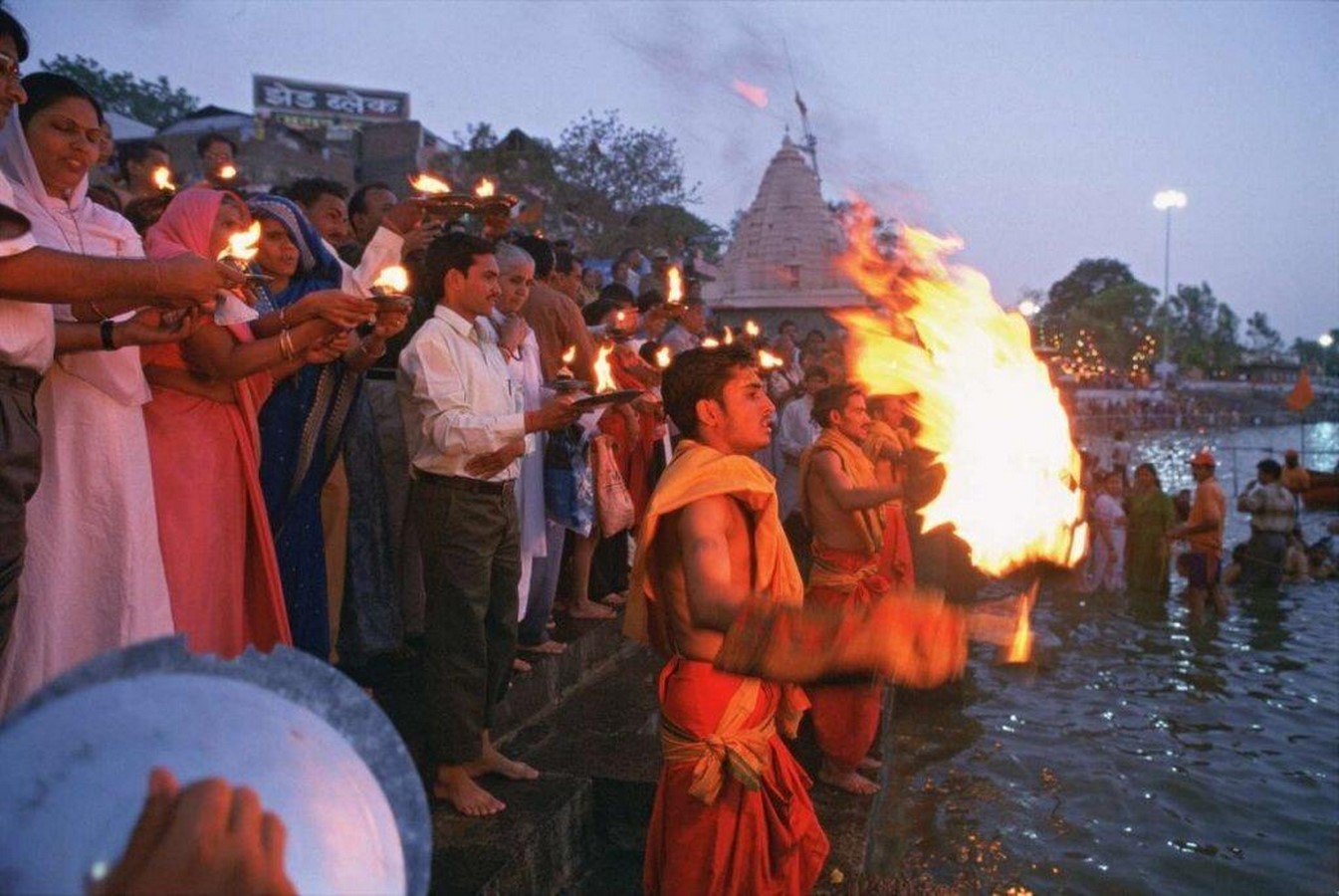
Ram Ghat: It is along the Shipra River that Ram Ghat is defined by the combination of water smells—fresh and pungent with algae—overlaid upon the acrid smell of ghee lamps and incense burned during night aarti ceremonies. The haptic coldness of bare feet on the stone steps further adds to the sensory experience.
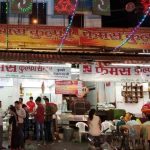
Bazaars and Food Streets: Sarafa Bazaar, which operates as a jewellery market during the day and a street food destination at night, provides a changing smellscape. In the night, the aroma of frying jalebi batter, roasting corn, and spice mixes for chaat wafts through the air. Seasonal markets bring further change: mangoes during summer, jaggery and sesame in winter, and leafy greens during the monsoon.
Seasonal and Festive Variations: Smellscapes in Ujjain are varied, shifting with season and religious calendar. Monsoon rains enhance the odour of wet earth and stone; winter mornings fill the air with hot milk and saffron smells; festival days bring unusual fragrances from special offerings such as panchamrit (a blend of ghee, honey, sugar, milk, and yoghurt).
Foodscapes and Urban Form
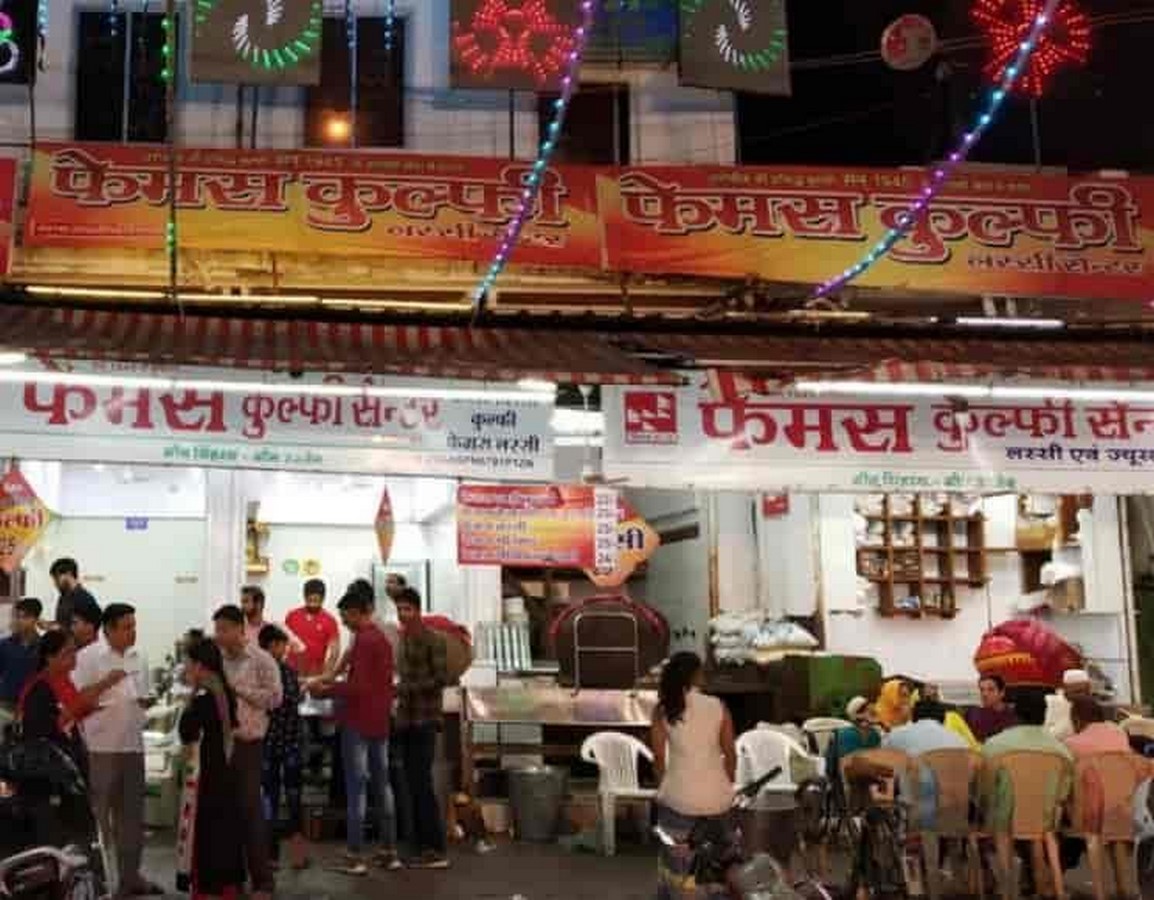
Ujjain’s cuisine is as much a spatial as a culinary phenomenon. Street vendors group around temples, bus stands, and bazaars to form zones of activity. Poha and jalebi vendors in the mornings tend to group around transport terminuses to service commuters and pilgrims. Tea stalls serve as unofficial social spaces where gossip, news, and local politics are disseminated.
The foodscape’s architecture is defined by narrow alleys, cantilever balconies, and shopfronts that directly open onto the street, dissolving the lines between public and private space. Few eateries have limited seating, promoting a dynamic flow of people that is commensurate with the tempo of street life. Preparation of food is frequently visible from the street, stimulating the senses of sight, sound, and smell at once.
Religious celebrations heighten the foodscape. At Simhastha, the pilgrims are fed from temporary kitchens for free to thousands of visitors, filling the air with mass aromas of cooking vegetables, lentils, and rice, flavoured by the spices typical of Malwa cuisine. Temporary foodscapes from these kitchens overlay permanent urbanisation, showcasing the flexibility of Ujjain’s public spaces in responding to variable needs.
Waterscapes as Cultural-Spatial Framework
The Shipra River is both a religious axis and a spatial organiser of Ujjain. Its ghats, stone steps up to the river, are platforms for everyday bathing routines, cremations, and festival celebrations. The ghats are architecturally built for function as much as symbolism, granting access to the river but enclosing it as a sacred site.
Ujjain waterscapes are multisensory. The sound of water flowing, temple bells, and chanting blends with the tactile experience of cool stone and the scent of river vegetation and earthen lamps. Ritual bath (snan) at the ghats is usually enhanced by flower, fruit, and milk offerings, creating a rich olfactory and visual component to the experience.
Recent riverfront development projects have sought to enhance the riverfront, but these efforts threaten to sanitise or over-commercialise the area, stripping it of its sensory diversity. Sensitive riverfront design would preserve the organic integration of ritual, commerce, and everyday activities that make the Shipra distinctive.
Behaviour, Ritual, and Memory
Sensory prompts in Ujjain lead behaviour and inscribe memory. Incense scent may evoke a cognitive map to a remembered temple, while the fragrance of a particular snack recalls early childhood trips to the bazaar. Associations add up to what Lynch (1960) calls the “imageability” of a city—the property that makes it legible and memorable.
Ritual circuits, e.g., from Mahakaleshwar Temple to Ram Ghat, are organised not just by visible landmarks but also by sequences of sensation: the increasing resonance of temple drums, the intensifying smell of river air, the tactile transition from asphalt to stone pavement. Such cross-modal layering stabilises cultural identity and enhances place attachment for residents as well as pilgrims.
Contemporary Threats
Modernisation threatens Ujjain’s sensory heritage in various ways:
- Pollution: Factory and household waste have contaminated the water quality of Shipra, changing its odour and ecological condition.
- Homogenization: Standardised packaged foods and chain restaurants are driving out old vendors, causing a loss of unique foodscapes.
- Over-commercialisation: Riverfront revitalisation threatens to over-prioritise tourists’ revenue over local ritual practices, potentially sanitising or displacing sensory-intensive practices.
- Air Quality: Car exhaust and dust dilute or override the delicate aromas of flowers, incense, and fresh fruits that constitute Ujjain’s scent identity.
Design & Policy Strategies
Conservation of Ujjain’s sensory ecologies necessitates holistic strategies:
- Sensory Mapping: Recording and mapping major smellscapes, foodscapes, and waterscapes to guide conservation planning.
- Heritage Zoning: Establishing buffer zones around high-priority sensory settings, like temple zones and traditional markets.
- Scented Landscaping: Placing native, scented flora along major pedestrian paths and riverfronts to enhance olfactory identity.
- Preservation of Markets: Subsidising traditional food vendors, upgrading infrastructure, and marketing them as tourist attractions.
- Sensitivity along the Riverfront: Public space design along the Shipra that is sensitive to ritual use while preserving sensory authenticity.
Ujjain’s identity is inextricably linked with its sensory milieus. Its waterscapes, foodscapes, and smellscapes comprise a living repository of cultural memory, influencing how citizens and travellers experience the city. As urban pressures build, it is necessary to protect these sensory layers not just as an aspect of heritage conservation but also for maintaining the city’s social and spatial energy. In incorporating sensory imagination into planning and design, Ujjain can negotiate modernisation without compromising on the intangible features that distinguish it.
References:
Classen, C., Howes, D., & Synnott, A. (1994). Aroma: The cultural history of smell. Routledge.
Henshaw, V. (2014). Urban smellscapes: Understanding and designing city smell environments. Routledge.
Johnston, J., & Baumann, S. (2010). Foodies: Democracy and distinction in the gourmet foodscape. Routledge.
Lynch, K. (1960). The image of the city. MIT Press.
Mitra, D. (2013). Ujjain: History, culture, and heritage. Archaeological Survey of India.
Pallasmaa, J. (2005). The eyes of the skin: Architecture and the senses. Wiley.
Pink, S. (2015). Doing sensory ethnography (2nd ed.). SAGE Publications.
Seamon, D. (2013). Place attachment and phenomenology: The synergistic dynamism of place. Springer.
Steel, C. (2008). Hungry city: How food shapes our lives. Vintage.
Strang, V. (2004). The meaning of water. Berg.
UNESCO. (2003). Convention for the safeguarding of the intangible cultural heritage. UNESCO.
Dev. (2024, September 28). Top 26 Must-See Places To Visit in Ujjain. Special Places of India. https://specialplacesofindia.com/places-to-visit-in-ujjain/#google_vignette
Singh, S. (2025, January 1). Top 16 Must-See Attractions: Ujjain 2025 Activity Guide. Tusk Travel Blog. https://www.tusktravel.com/blog/things-to-do-in-ujjain-madhya-pradesh/
Abraham John, 2025 Saptsagar Development & Creating Tourist Circuit .https://portfolio.cept.ac.in/fp/city-infrastructure-plan-ui4005-spring-2023/saptsagar-development-creating-tourist-circuit-spring-2023-pui22140
Famous Kulfi Centre,2025,https://www.justdial.com/Ujjain/Famous-Kulfi-Center-Near-Gopal-Mandir-Chhatri-Chowk-Ujjain-Ho/9999PX734-X734-160210014614-Q9T2_BZDET