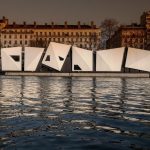
Imagine a world where cities float effortlessly on water, homes rise and fall with the tides, and underwater hotels offer breathtaking views of marine life. Throughout the centuries, water has shaped human civilizations, not only as a necessity for survival but also as a source of inspiration for how we build, live, and dream. From the awe-inspiring aqueducts of ancient Rome to futuristic floating metropolises, water architecture is a testament to human imagination; blurring the boundaries between land and sea, nature and technology. This article delves into the past, present, and future of water architecture, exploring how it keeps redefining our relationship with the natural world.
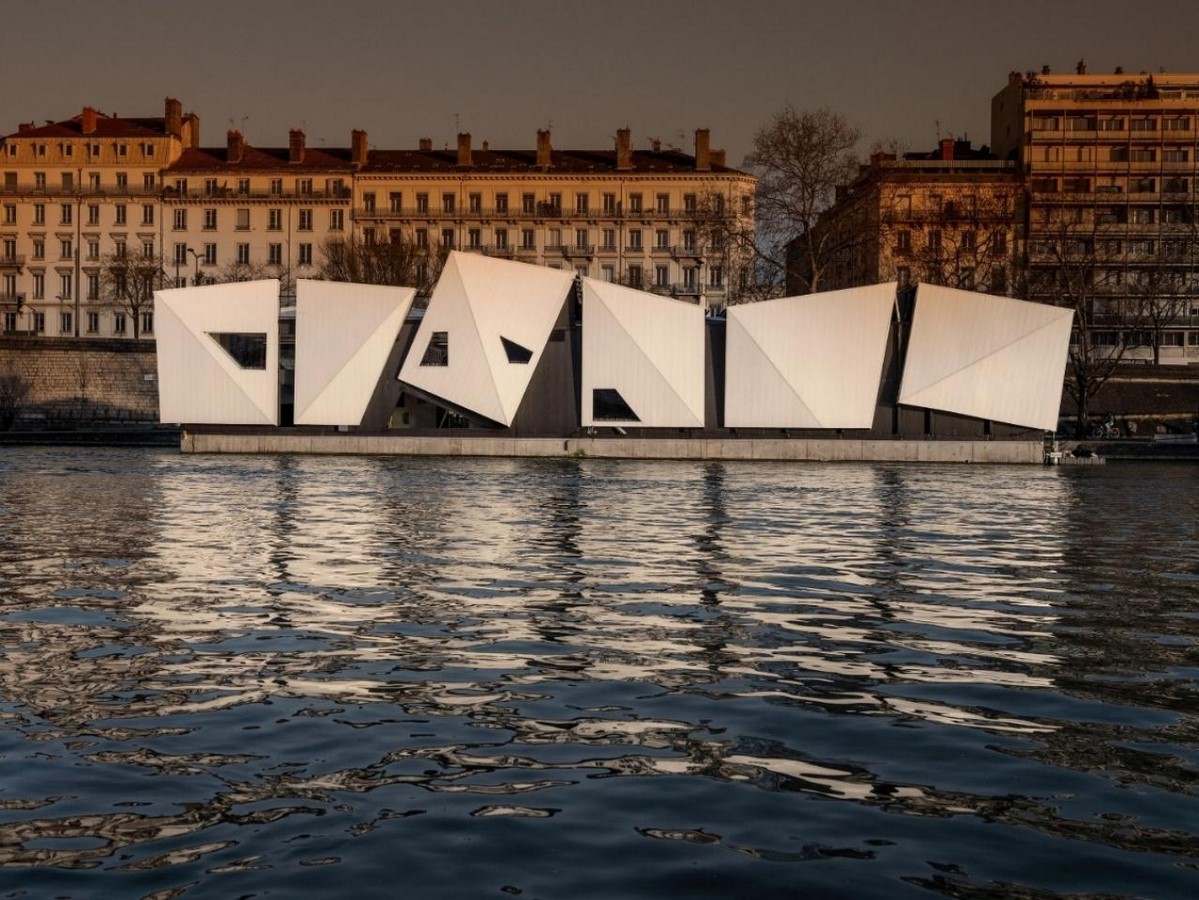
Background of Water Architecture
Water has always been crucial in human civilization, influencing where and how people build their homes, cities, and infrastructure. Since ancient times, societies have developed innovative ways to control, use, and integrate water into their architecture from irrigation systems that sustained agriculture to defensive moats protecting castles.
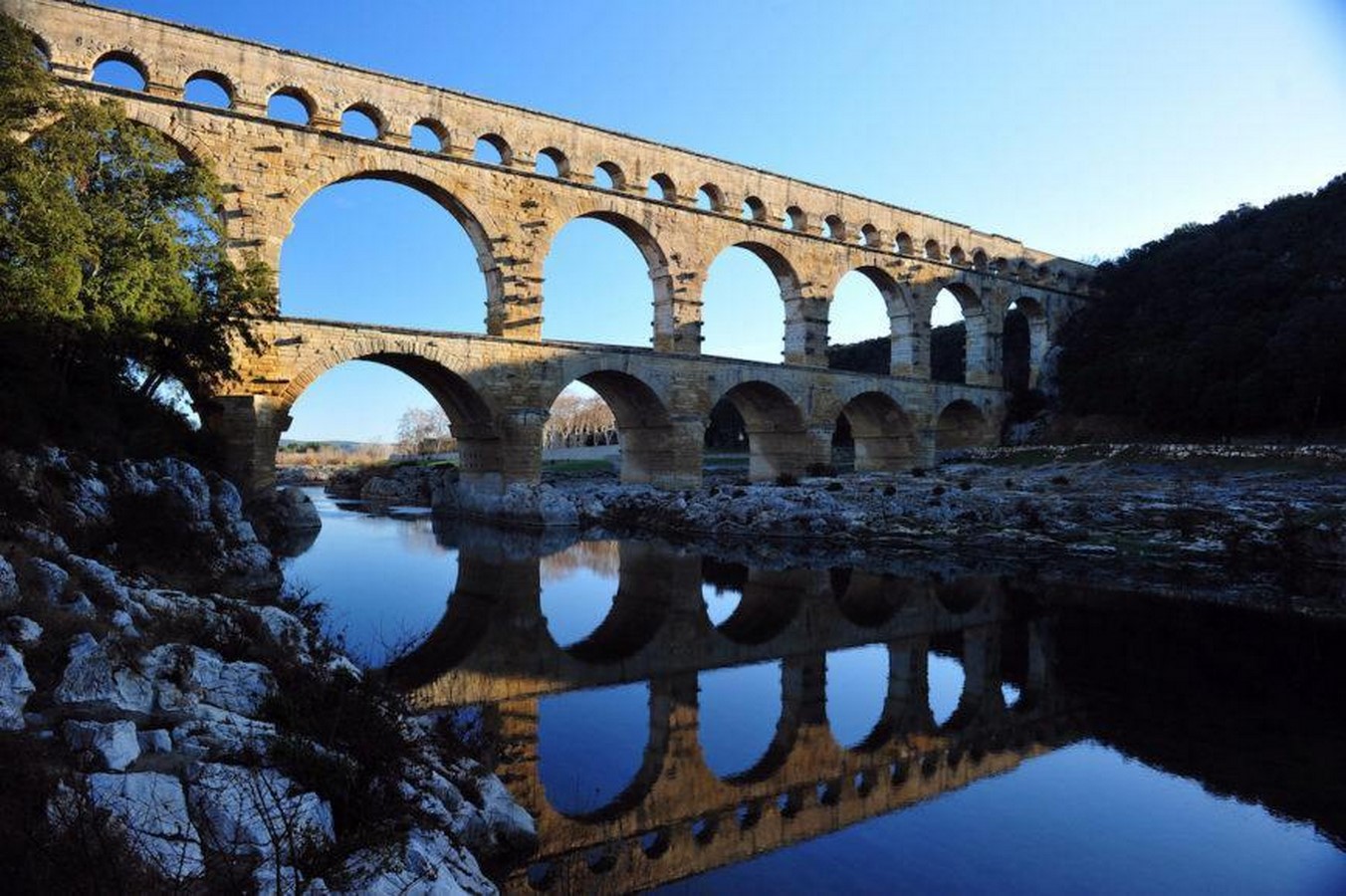
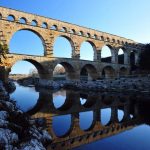
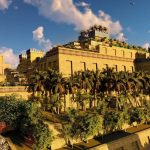
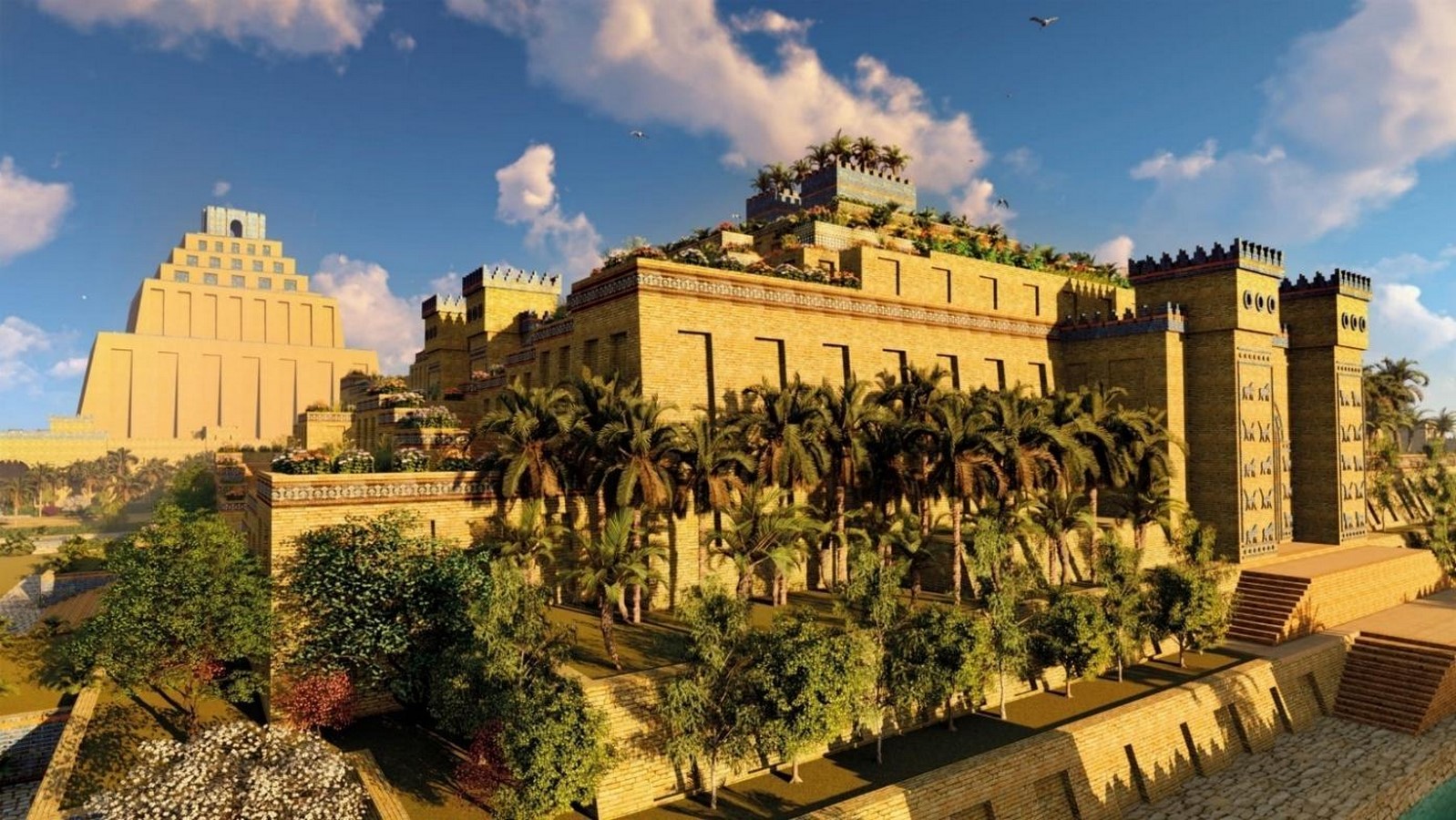
Early civilizations such as the Mesopotamians and Egyptians pioneered advanced water management systems, including canals and reservoirs, to support agriculture in dry climates. The Hanging Gardens of Babylon are believed to have featured an elaborate irrigation system that transported water to its terraced gardens, demonstrating early mastery of hydraulic engineering. Similarly, the Romans built extensive aqueducts to supply water to cities, enabling the growth of massive urban centers.
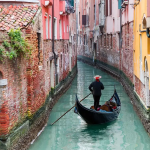
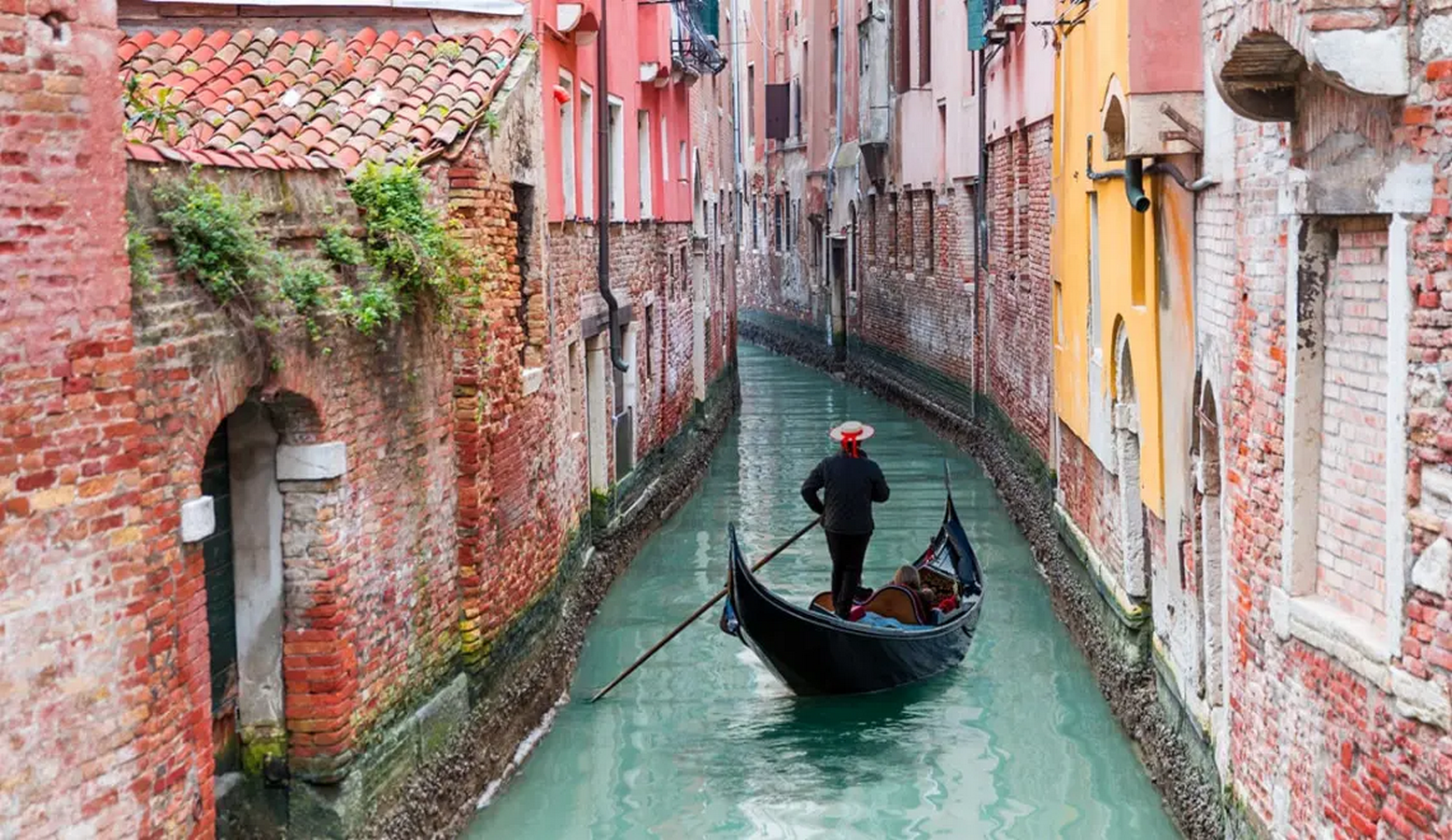
Moreover, water was also integrated into architectural aesthetics and urban design. In Venice (5th century CE–present), canals replaced streets, transforming the city into a floating masterpiece.
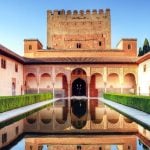
Likewise, the Moorish Alhambra Palace (13th century) in Spain incorporated intricate water channels and reflecting pools to enhance the beauty of the palace, symbolizing power and harmony with nature.

Modern Water Architecture
In the modern era, rising sea levels, population growth, and climate change have pushed architects to rethink the relationship between water and the built environment. Floating buildings, underwater hotels, and flood-resistant designs are emerging as solutions to ensure sustainability and resilience in an increasingly water-dominated world.
- Floating Architecture
Floating structures offer a sustainable and effective response to urban and environmental challenges. These innovative designs address them while bringing a unique aesthetic appeal, blending with water, and creating mesmerizing, ever-changing landscapes.
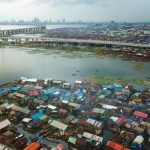
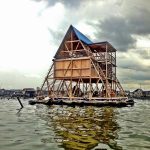
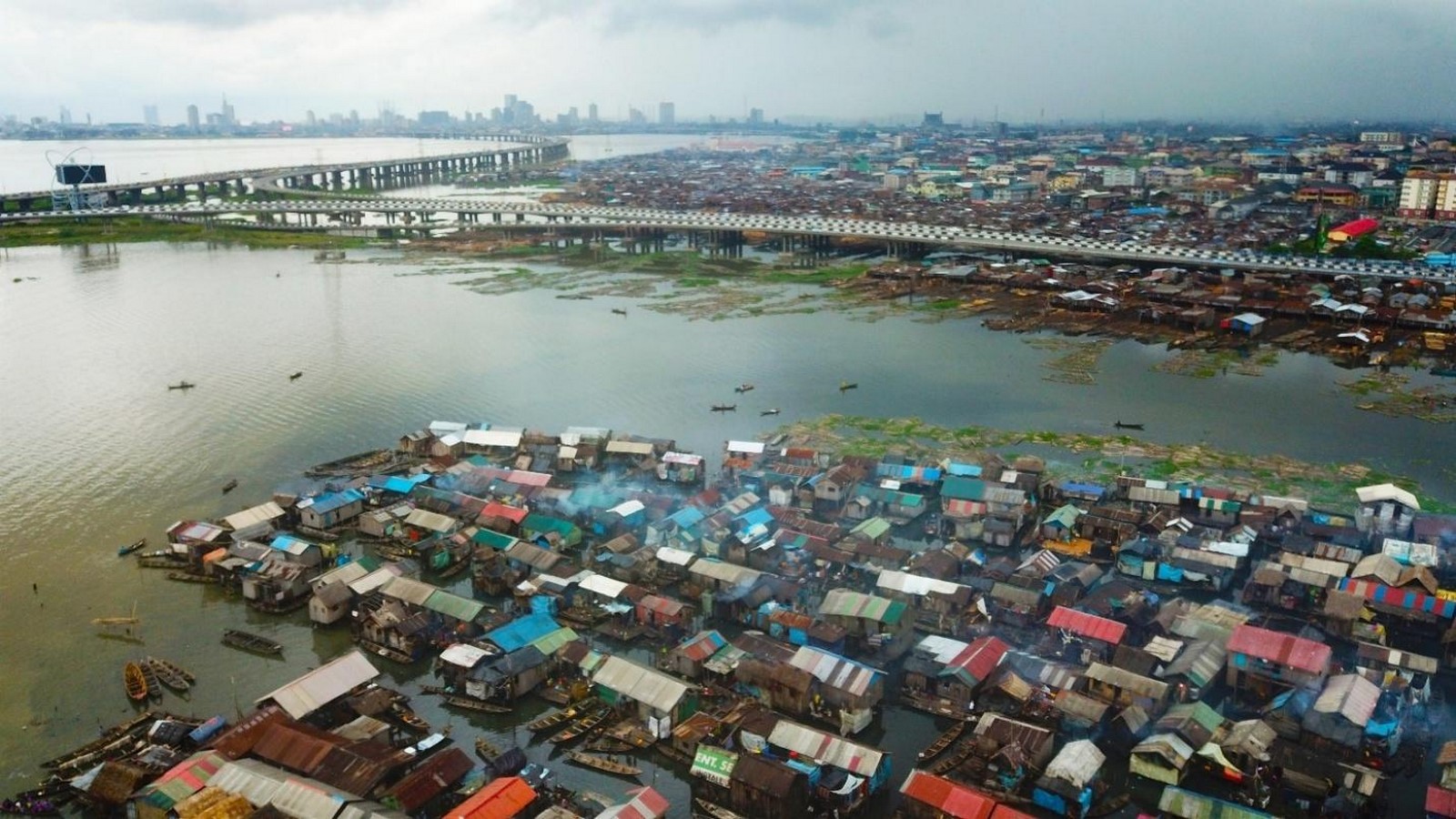
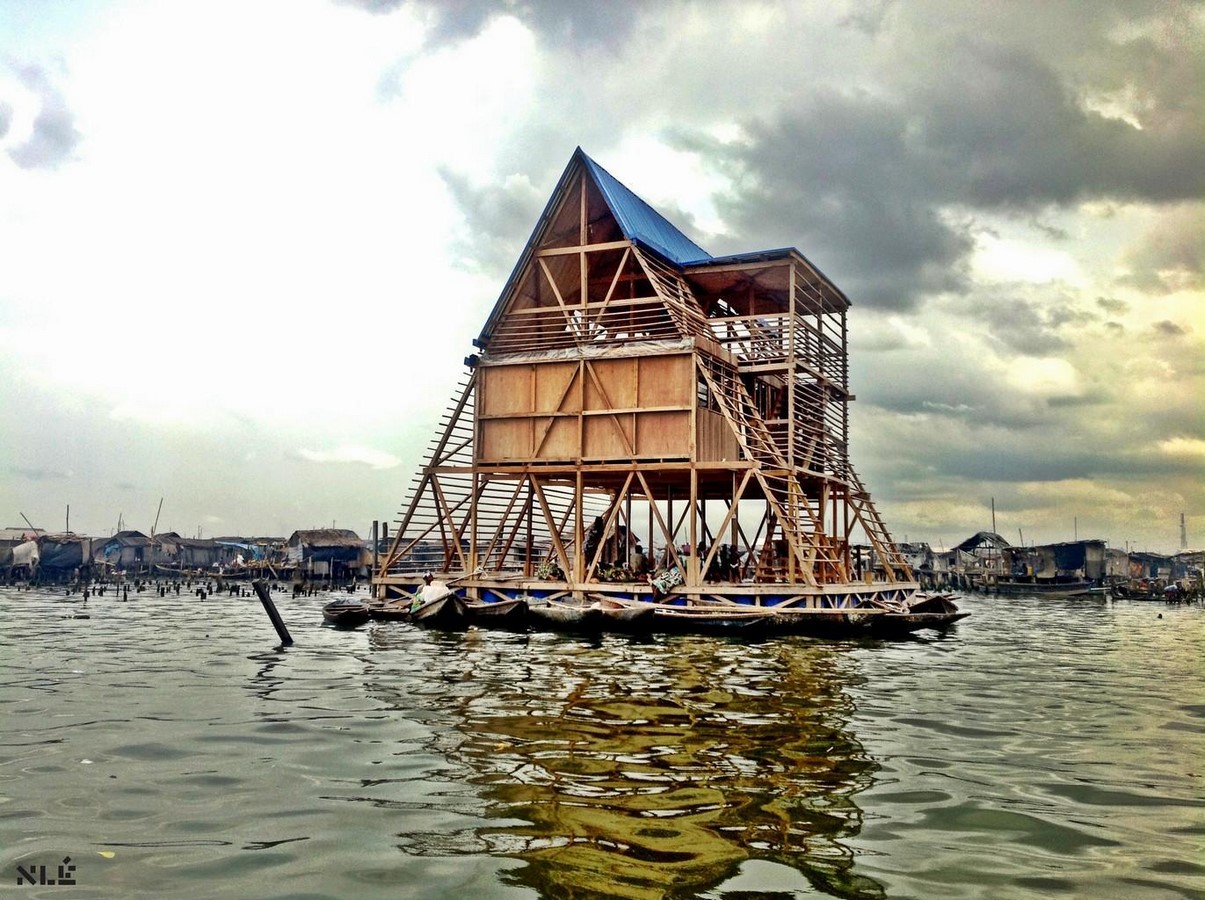
Makoko Floating School, Nigeria: The Makoko Floating School was an innovative architectural project designed to address the flooding challenges and inadequate infrastructure in Makoko, a water-based community in Lagos, Nigeria. The school was built on a buoyant wooden platform supported by recycled plastic barrels, allowing it to float and adapt to rising water levels. This design provided a safe, sustainable, and climate-resilient learning environment for children featuring classrooms and open spaces for community gatherings in a marginalized community, where traditional land-based schools and spaces were not feasible.
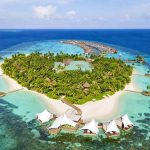
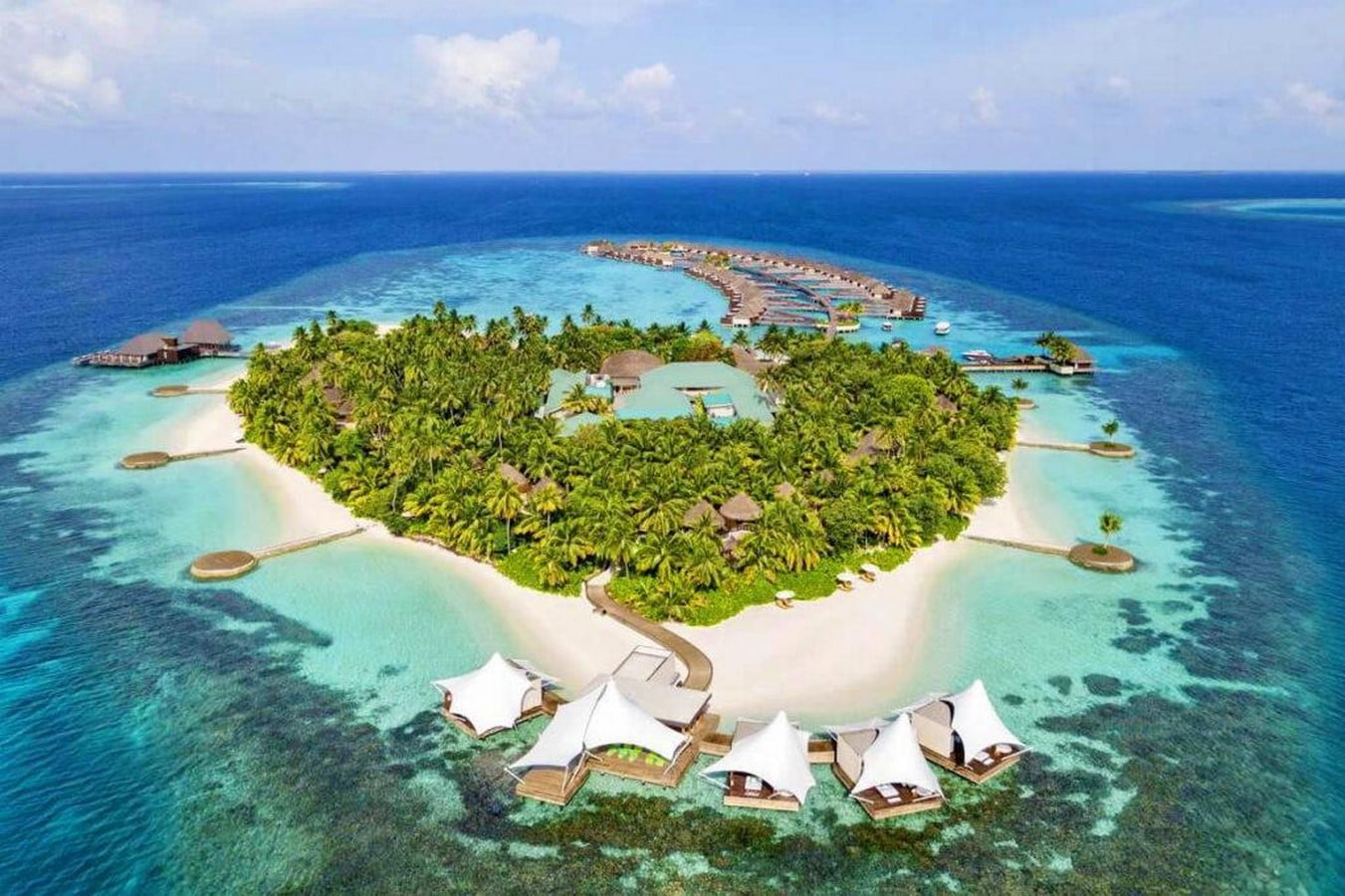
W Retreat & Spa, Maldives: It is a luxurious overwater resort that integrates modern architecture with the natural beauty of the Indian Ocean. This retreat features private overwater villas, glass-floor panels, and open-concept designs, that offer guests an immersive experience surrounded by crystal-clear waters. Its eco-friendly design incorporates sustainable practices such as solar energy, rainwater harvesting, and marine conservation initiatives, ensuring minimal impact on the surrounding coral reefs.
- Underwater Architecture
Engineering advancements have enabled the construction of underwater buildings, allowing people to experience marine environments in new ways.
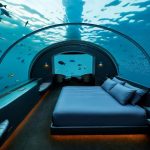
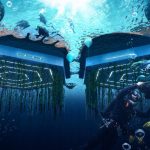
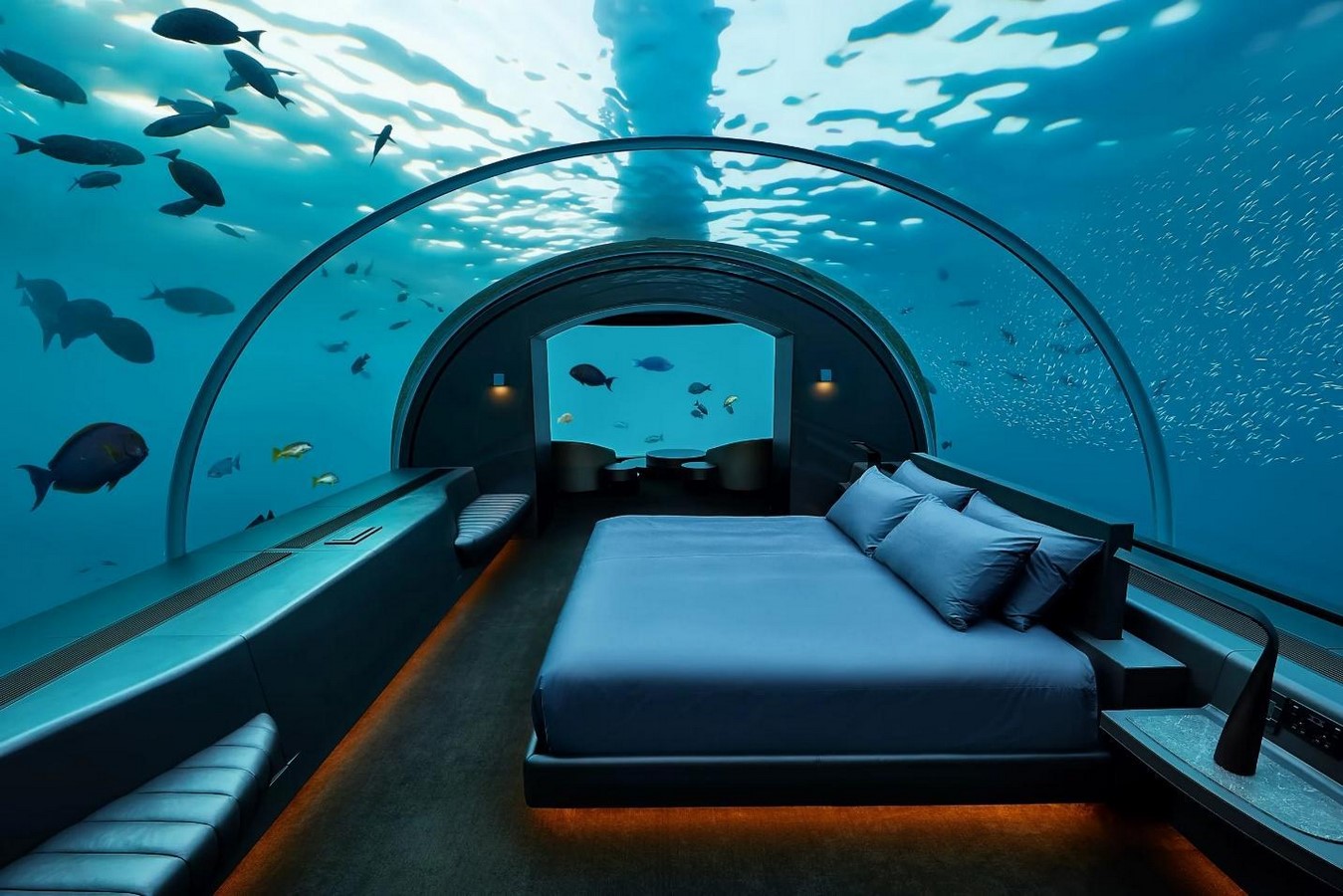
The Muraka (Maldives): The world’s first underwater hotel suite, The Muraka offers guests a fully immersive ocean experience with floor-to-ceiling glass walls, creating a direct connection to marine life.
Sea-Orbiter: It was the concept designed by Jacques Rougerie, as a futuristic floating laboratory. This vessel would allow scientists to live and conduct research at sea for extended periods, promoting ocean exploration and sustainability.

- Sustainable Water Architecture
Modern architecture is increasingly focused on using water efficiently and designing structures that work in harmony with their environment.
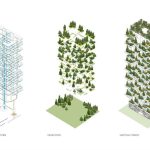
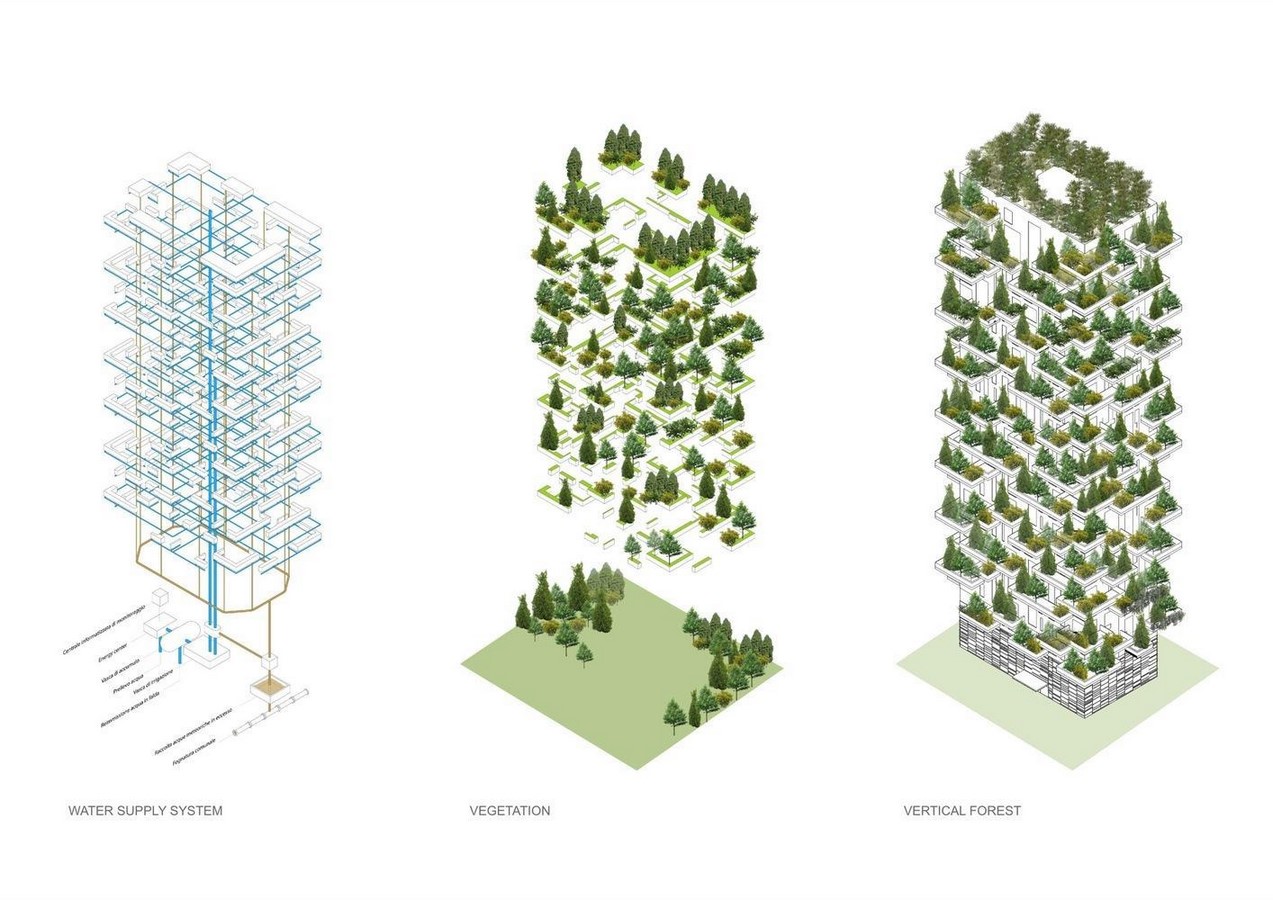
The Bosco Verticale, Milan, Italy: These “vertical forests” are high-rise buildings covered in trees and plants. The irrigation system utilizes graywater, reducing water waste and improving urban air quality.
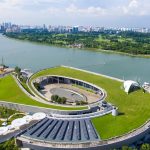
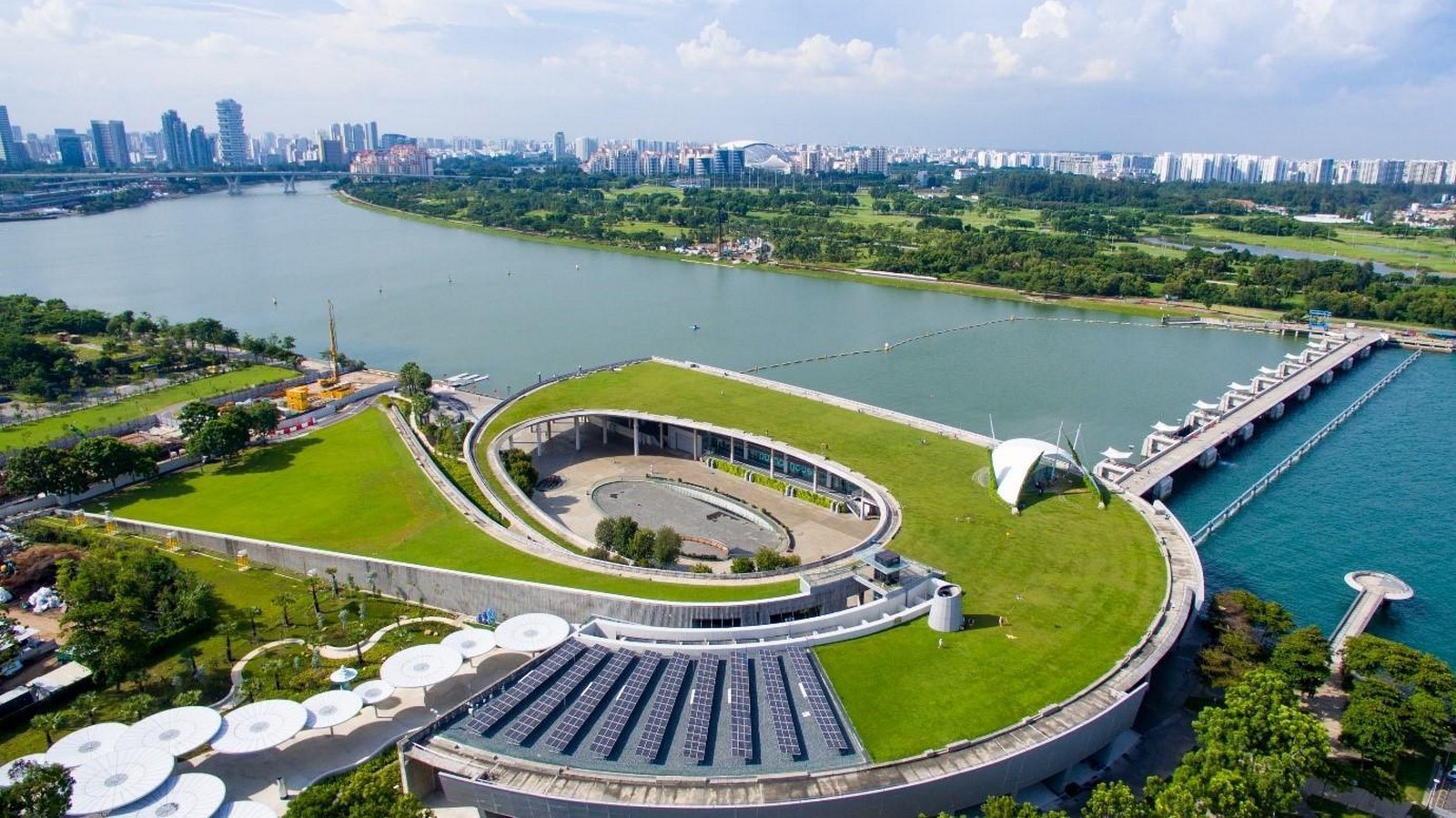
Singapore’s Marina Barrage: It is a multi-purpose dam that serves as a water reservoir, flood control system, and recreational space. It helps Singapore manage its limited freshwater supply while providing a scenic waterfront for residents and tourists.
The Future of Water Architecture
The future designs further prioritize resilience, sustainability, and adaptability to ensure cities and communities thrive in a changing environment.
- Floating Cities
With increasing threats of coastal flooding and land shortages, floating cities present a groundbreaking solution.
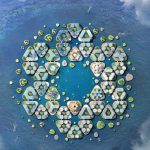
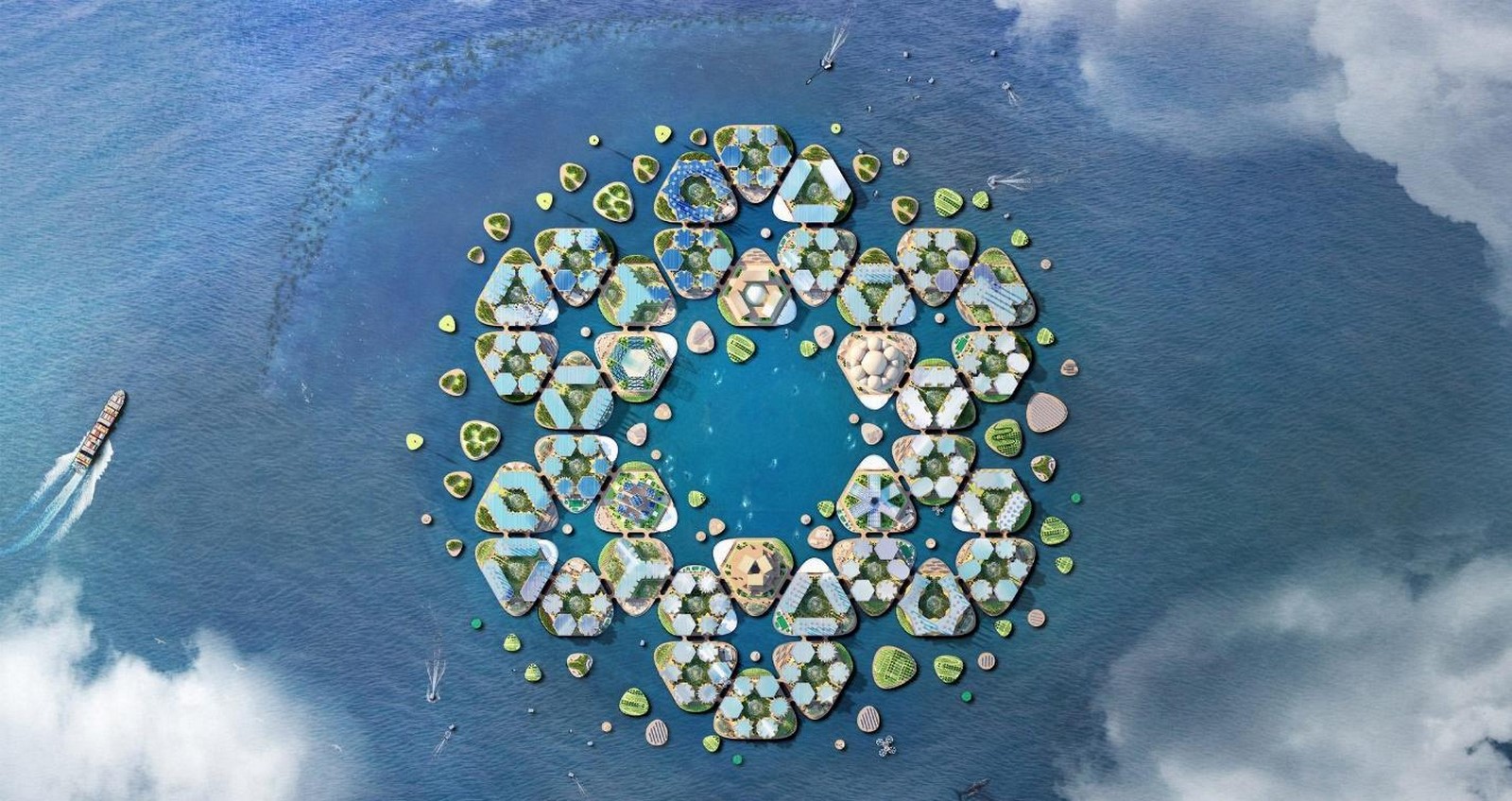
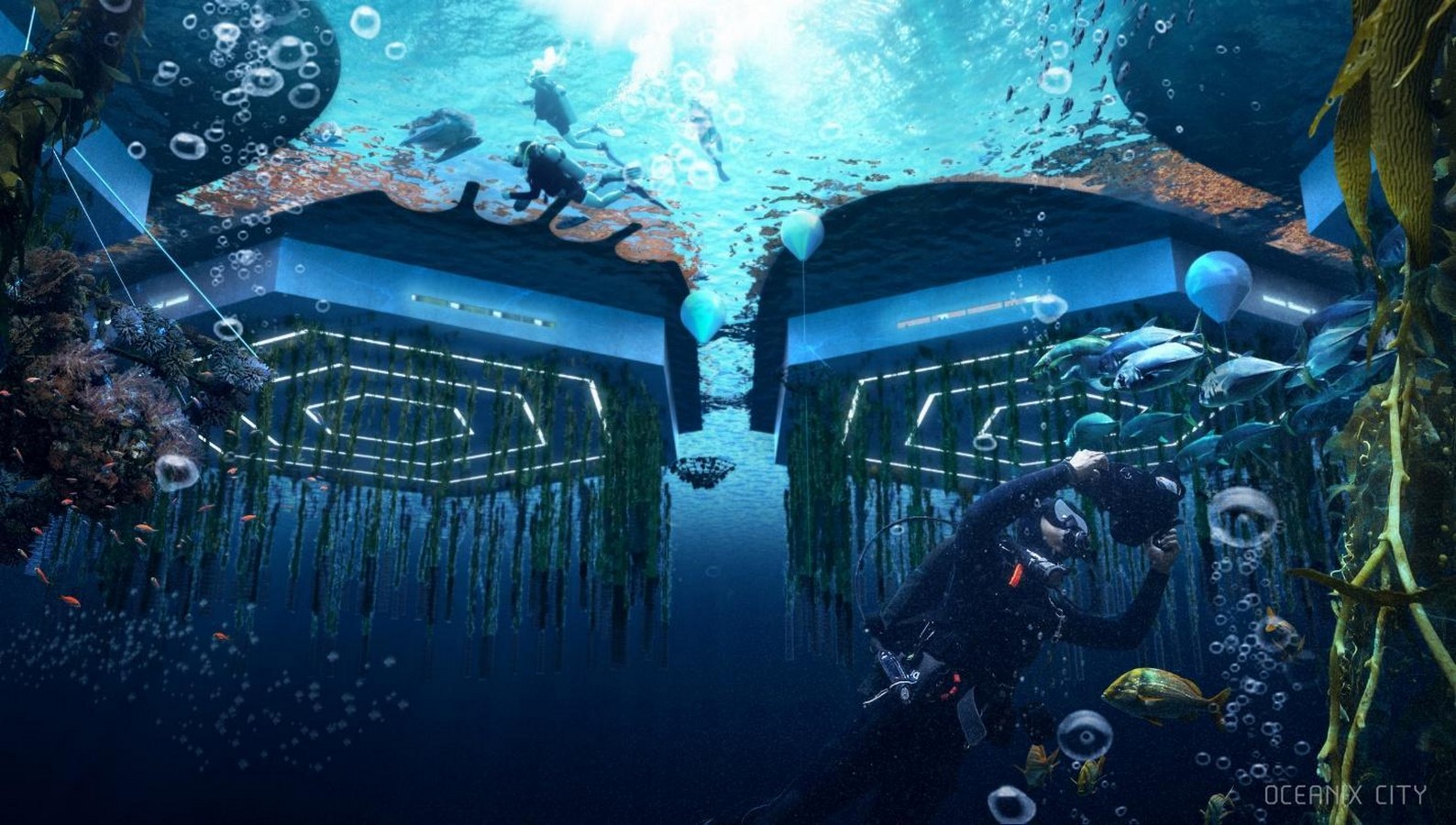
Oceanix City: It is a UN-backed project designed as a modular, self-sustaining floating city to provide a solution for coastal communities at risk of submersion. These floating platforms would be powered by renewable energy, feature sustainable food production, and recycle waste efficiently, creating a circular economy on water.
- Amphibious Homes
Amphibious homes offer a dynamic solution to changing water levels, effective for communities prone to flooding.
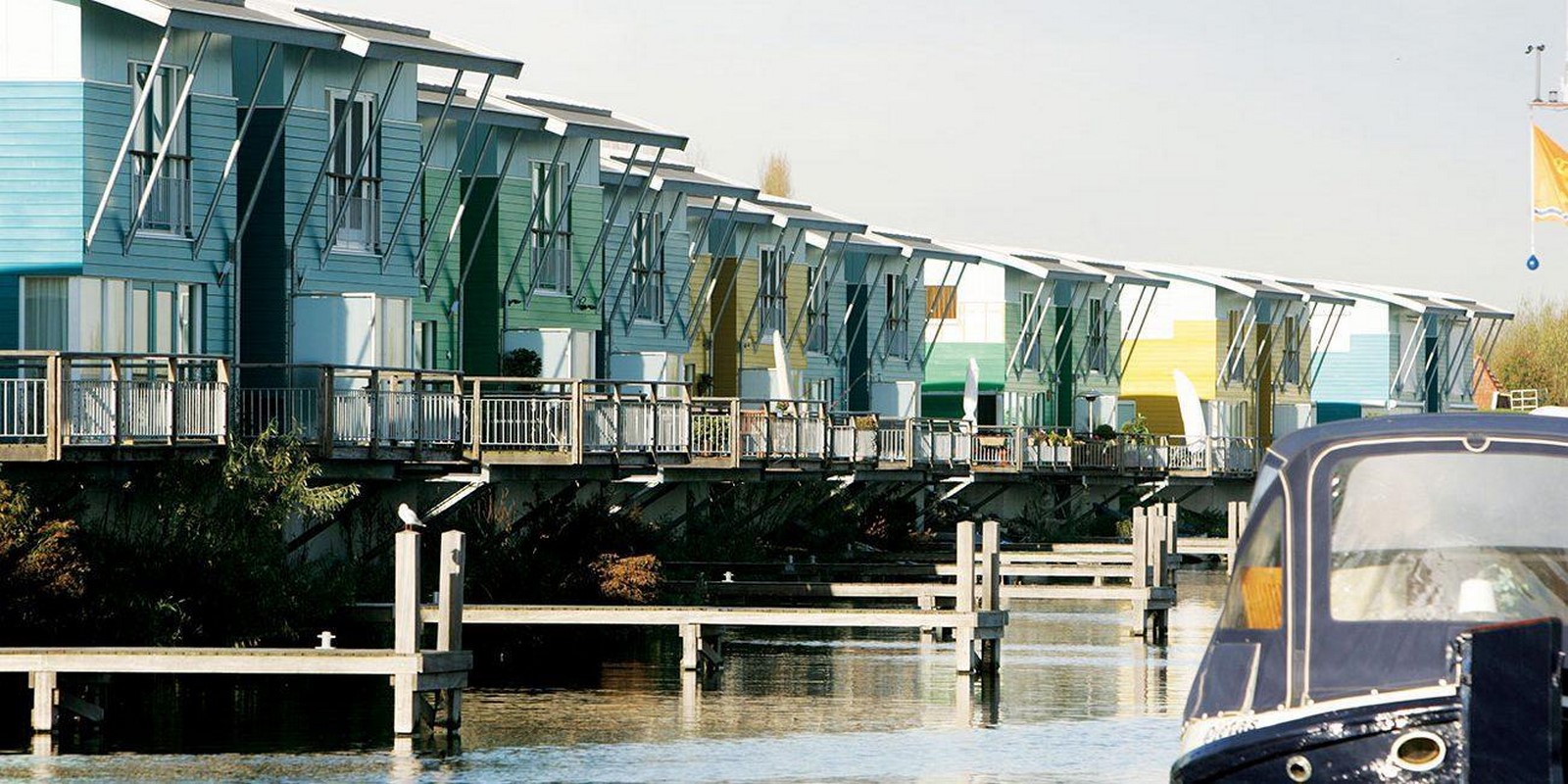
Working Mechanism: These homes rest on solid foundations during dry periods but can rise with floodwaters due to buoyant platforms or floating foundations. This ensures that houses remain habitable even in extreme weather conditions, reducing flood damage and displacement.
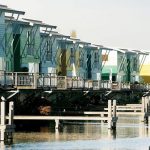
Example: Countries like the Netherlands, which frequently faces flooding, have already developed floating neighborhoods with amphibious homes, demonstrating their viability as a long-term solution and are designed to adapt to rising and falling water levels.
- Smart Water Management Systems
With the rise in scarcity of fresh water, urban planning is increasingly integrating smart water systems to optimize usage and sustainability.
Conservation & Reuse: Smart water grids use sensors and AI to monitor and regulate water distribution, reducing waste and detecting leaks. Cities are also implementing systems to capture and purify rainwater for public and residential use.
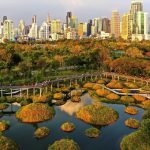
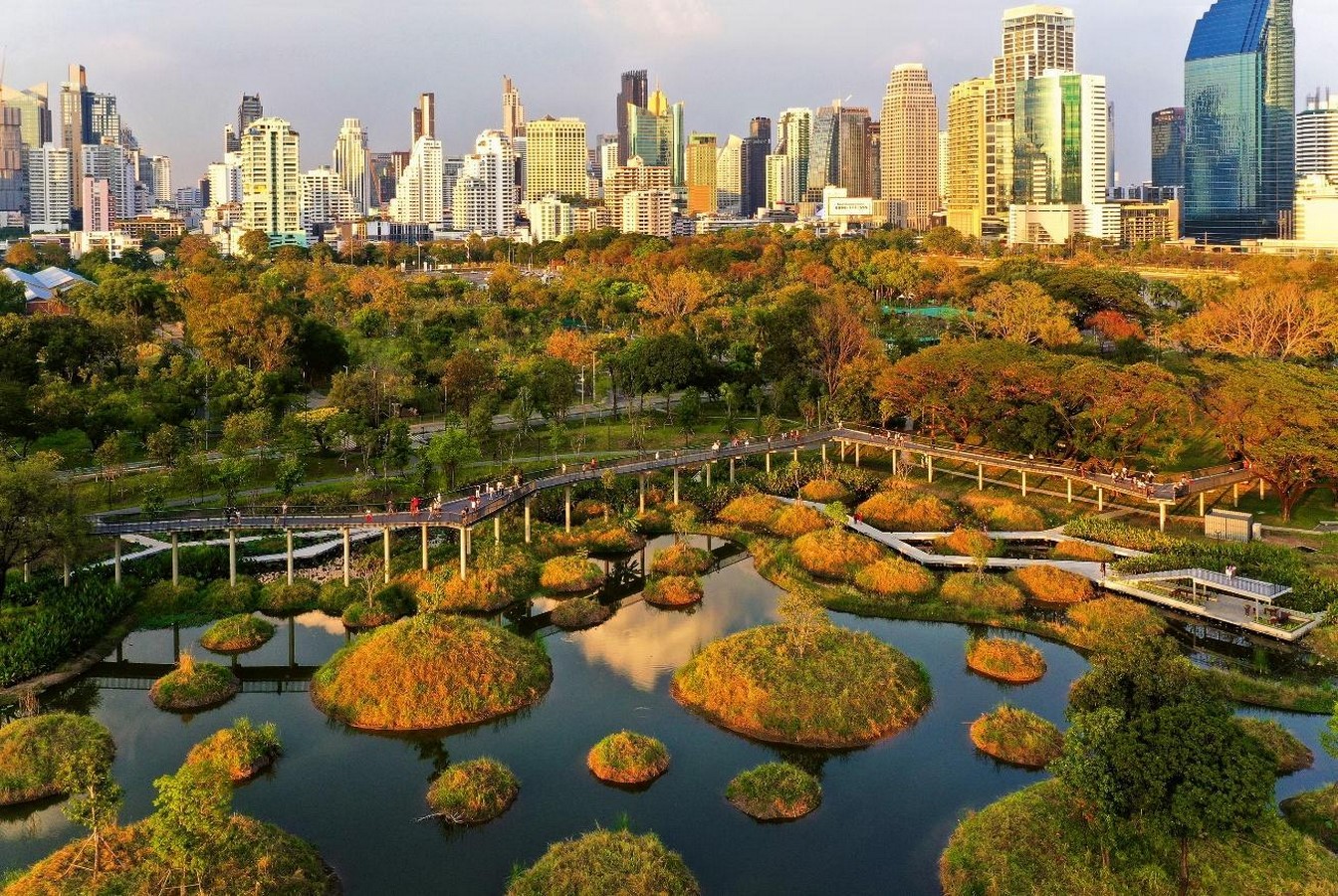
Sponge Cities: A concept being developed in China and other flood-prone regions, sponge cities use permeable materials, green roofs, and artificial wetlands to absorb excess rainwater, reducing flooding while recharging groundwater reserves.
Water Architecture in Contemporary Living
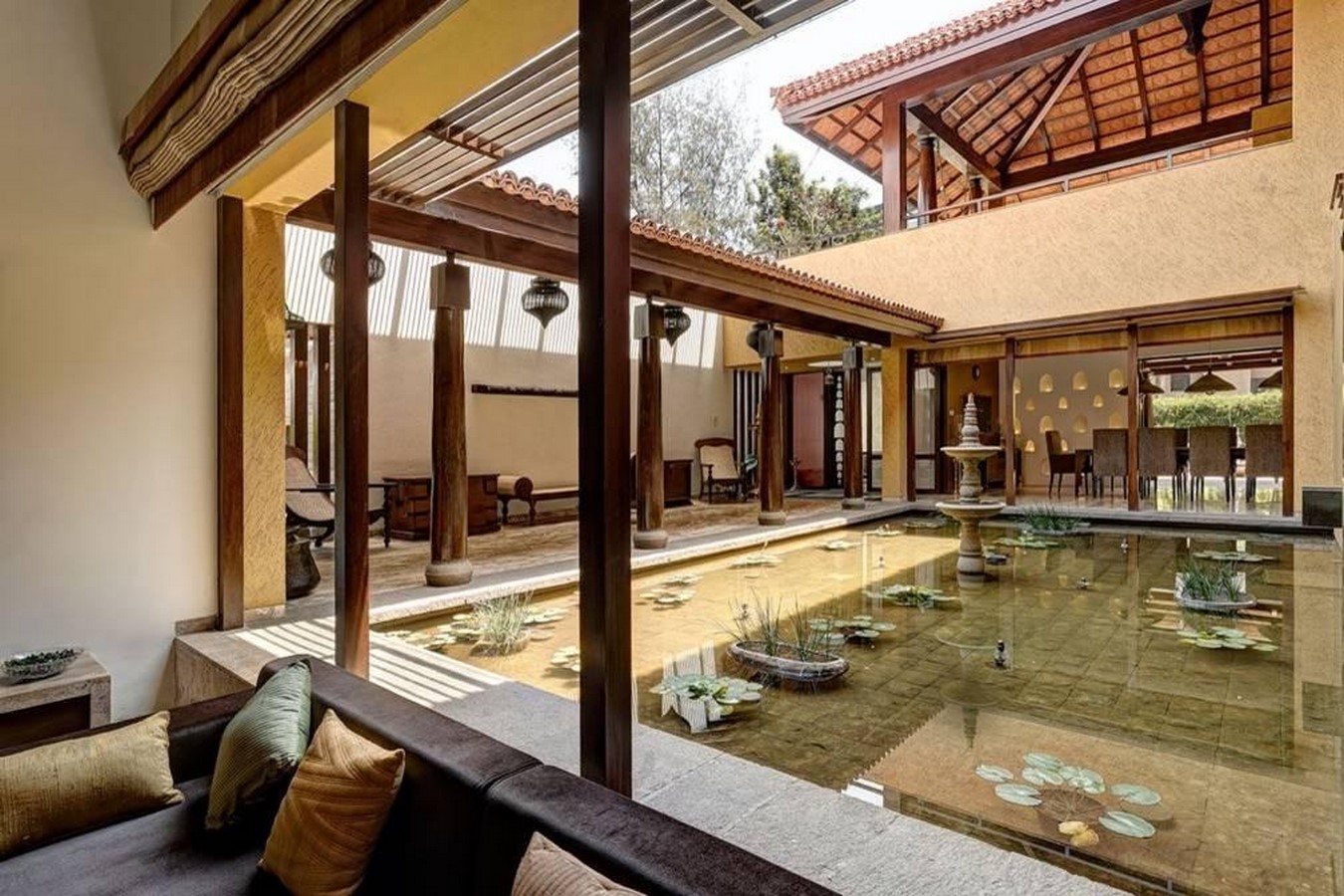
In modern water architecture, indoor and outdoor water elements serve aesthetic and practical functions. Indoor water features such as fountains, aquariums, water walls, and small indoor ponds help regulate temperature, improve air quality, create a calming atmosphere that reduces stress, and uplift the beauty of the house. Meanwhile, outdoor water elements like rainwater harvesting systems, garden ponds, reflecting pools, waterfalls, and underground reservoirs support sustainability while enhancing the landscape.

Aligning with Vastu principles, these water-efficient designs, including smart irrigation systems and sustainable drainage, help conserve resources while maintaining positive energy flow in the home. By blending traditional wisdom with contemporary innovations, water architecture perfectly balances spiritual well-being, functionality, and ecological harmony in modern living spaces.
Wrapping up, water architecture represents an innovative fusion of design and nature, offering solutions that uplift resilience, sustainability, and aesthetics in the built environment. As cities expand and environmental challenges intensify, embracing water-based structures can redefine urban living, making spaces more adaptive and resource-efficient. From floating cities to underwater marvels, these architectural innovations push the boundaries of possibility, demonstrating how human imagination can harmonize with aquatic ecosystems. Looking ahead, water architecture is set to shape the future of infrastructure, transforming the way we interact with water.
References:
Archdaily. (2015). Bosco Verticale / Boeri Studio. [online]. Available at: https://www.archdaily.com/777498/bosco-verticale-stefano-boeri-architetti [Accessed 20 February 2025].
Arquitectura Viva. (2025). Benjakitti Forest Park, Bangkok (Thailand) – Turenscape Arsomsilp. [online]. Available at: https://arquitecturaviva.com/works/parque-forestal-benjakitti-en-bangkok [Accessed 18 February 2025].
BIG. (2019). Oceanix City: BIG: Bjarke Ingels Group. [online]. Available at: https://big.dk/projects/oceanix-city [Accessed 18 February 2025].
Urban Green-blue Grids. (2009). Amphibious homes, Maasbommel, The Netherlands. [online]. Available at: httpshttps://urbangreenbluegrids.com/projects/amphibious-homes-maasbommel-the-netherlands/ [Accessed 18 February 2025].
Tribune. (2016). Architects’ answer to rising seas: floating homes. [online]. Available at: https://www.sandiegouniontribune.com/2012/04/03/architects-answer-to-rising-seas-floating-homes/ [Accessed 17 February 2025].
Canepa, S. (2020). Water in Architecture, Architecture of Water. Journal of Civil Engineering and Architecture, Volume 14(5), pp. 249-262. Available at: https://www.researchgate.net/publication/342308581_Water_in_Architecture_Architecture_of_Water [Accessed 17 February 2025].
Owen, D.L. (2023). Smart water management. River, Volume 2, pp. 21-29. Available at: https://doi.org/10.1002/rvr2.29 [Accessed 17 February 2025].
Fluidra. (2024). How water in architecture transforms space, communities, and urban development. [online]. Available at: https://www.fluidra.com/projects/water-in-architecture/#:~:text=Water%20has%20been%20an%20essential,function%20features%2C%20and%20symbolic%20significance [Accessed 18 February 2025].
Archdaily. (2023). Tides are Changing: Protecting the Ocean through Architecture. [online]. Available at: https://www.archdaily.com/1002416/tides-are-changing-protecting-the-ocean-through-architecture?ad_campaign=special-tag [Accessed 19 February 2025].
Archdaily. (2023). The Poetry of Water: Symbolic Meanings in Built Space. [online]. Available at: https://www.archdaily.com/1002413/the-poetry-of-water-symbolic-meanings-in-built-space?ad_campaign=special-tag [Accessed 17 February 2025].
Financial Times. (2024). Sponge cities: the flood-proof architecture of the future?. [online]. Available at: https://www.ft.com/content/1848fdf8-d9b0-4c32-82ee-fc6401b2c8ef [Accessed 20 February 2025].