The 21st-century city is shaped by the spread of so-called slums. UN-Habitat states that more than a billion people live in these communities around the world, and they represent almost one-third of both developing countries’ overall urban population. These communities are often in high-risk disaster areas that can include flooding, landslides and cyclones. The risk exposure of people is further aggravated by poor housing and infrastructure, exacerbating cycles of poverty and vulnerability. In that context, slum upgradation as a climate adaptation strategy is no longer seen as just an approach to housing but rather gets recast not only as a prompt and systemic social justice intervention, resilience action or sustainability measure.
Understanding the Vulnerability of Informal Settlements
Informal settlement inhabitants are often the most vulnerable when natural disasters hit. They are inhabited by these communities, who in economic terms cannot afford any other option but to live there: flood plains, river banks, unstable and steep areas, as well as low-level coastal land that would normally be left vacant by urban developers. Their houses have been built without proper building material, and with no formal tenure over the land on which they live; furthermore, their access to basic services, including those for water, sanitation, and drainage, is limited, as are arrangements for fair management of waste. This physical and legal marginalisation significantly amplifies their risk profiles.
And, accelerated urbanisation is overwhelming the capacity of many city governments in developing countries to supply affordable, planned housing. As a consequence, informal settlements absorb the majority of new urban arrivals — migrants and displaced people, internally displaced persons-to mix with an already marginalised population living within city limits in densely populated areas that pose disaster risk. Latest statistics suggest that over a billion people worldwide live in slums or informal settlements-an eye-watering number which underscores the scale of the challenge, but also justifies its urgency.
The Scale of Exposure to Natural Disasters
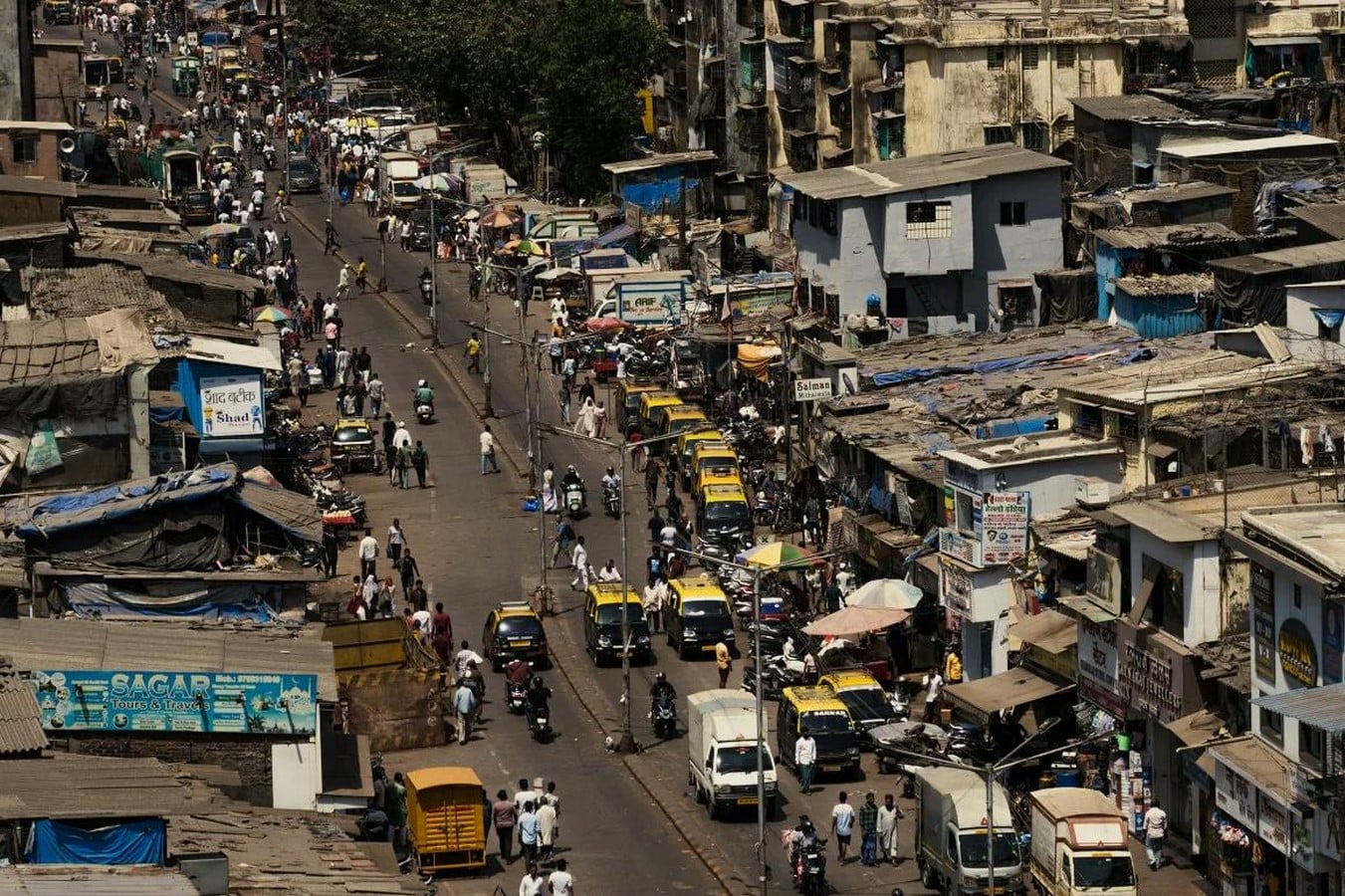
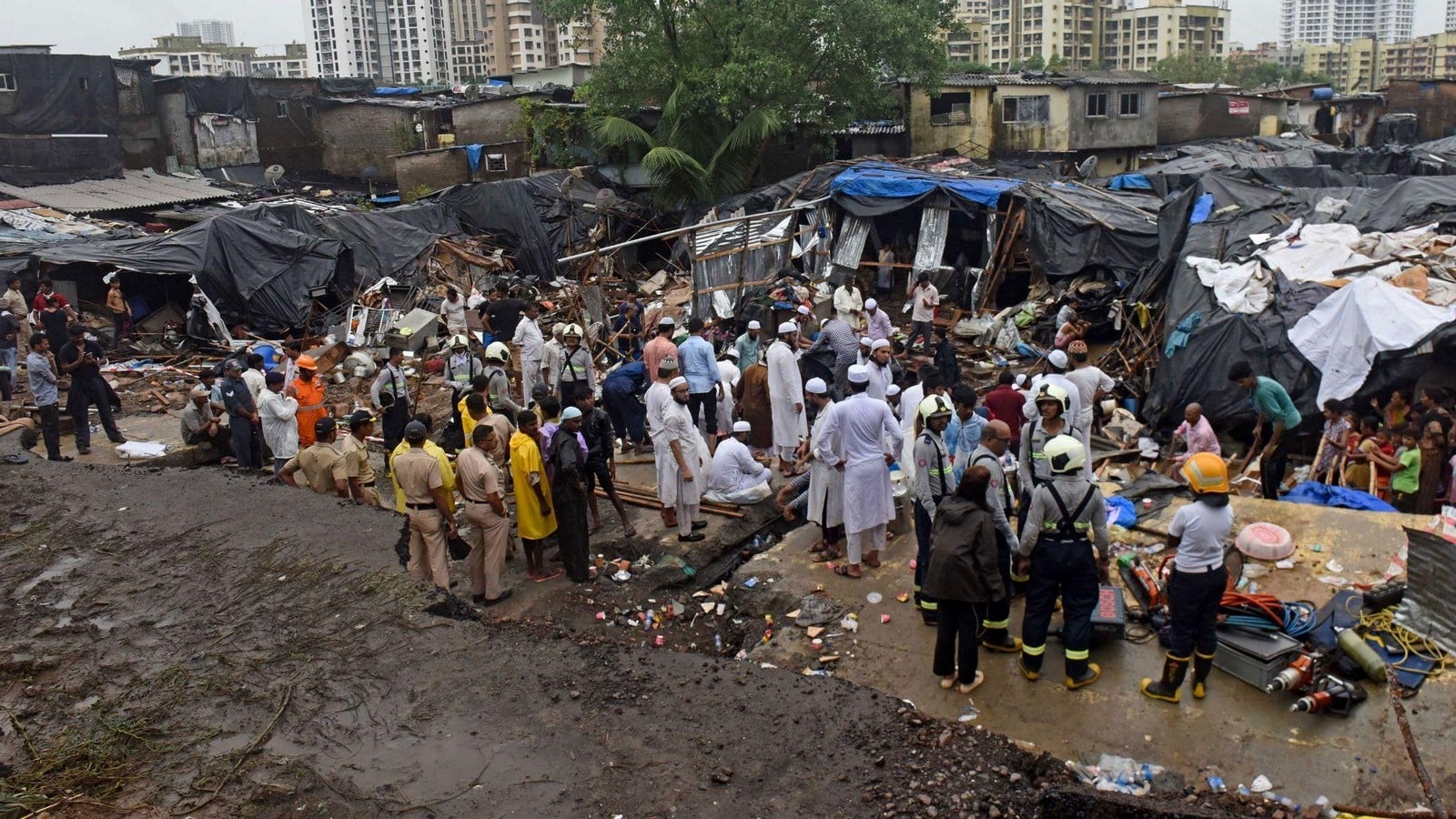
The risks to informal settlements are real, not hypothetical. Between 2008 and 2013 alone, an estimated 165 million people, an average of 27 million per year, were displaced by disasters linked to natural hazards, with urban informal settlers accounting for a significant proportion of those affected. Informal settlements in Indian cities like Mumbai (Dharavi, Kranti Nagar) are highly susceptible to natural disasters such as floods. Over half of Mumbai’s 12 million residents live in slums, many of which are located in low-lying areas, along riverbanks, or near drains and railway lines. During the heavy monsoon rains, these neighbourhoods regularly face severe flooding, often with devastating consequences. Slum dwellers endure unsanitary conditions and inadequate infrastructure, which makes recovery from these disasters especially difficult. When natural calamities strike, residents of these precarious living situations face frequent exposure to hazards, leaving them among the city’s most at-risk populations.
Climate Change: A Growing Threat
In India, life is becoming increasingly complicated and challenging for millions who live in informal settlements as a result of climate change. Many slums are located in areas that are susceptible to extreme weather. The coastal lowlands of Chennai and Mumbai are facing rising sea levels and cyclones, the floodplains of the Ganges and Brahmaputra Rivers are subject to flooding, and the sloped areas of the Himalayan foothills are subject to landslides. As monsoons, heatwaves, and storms become more frequent and intense, these communities will be the first ones to be negatively impacted by climate change.
Residents face the risks of everyday disasters in addition to sudden disasters, including diminished safe drinking water supplies during and after long bouts of dry weather, air pollution and dust for months at a time, food insecurity due to climate-influenced agricultural challenges, and increased rates of diseases like dengue and malaria, which flourish in hotter and wetter conditions. Addressing these compounded and interrelated risk factors involves more than simply providing rapid-response relief; they require a long-term approach to adaptation, rooted in a community-driven approach to achieving long-term resilience in informal urban settlements that are growing at a rapid pace throughout India.
Slum Upgradation as Climate Adaptation Policy
Integrating slum upgrading into climate adaptation action stands as both an important opportunity to improve how cities, municipalities, governments and development organisations deal with urban poverty, and a radical re-orientation in the thinking about climate resilience. Over time, a wider understanding has developed that simply demolishing slums or resettling the residents to the periphery of a city often results in further vulnerabilities. The long-standing use of forced evictions has built more marginalisation, loss of livelihoods, and sometimes new informal settlements are established, in equally as or even more hazardous locations. Instead, slum upgrading builds on already existing conditions, a community situated itself where they live before the upgrading even takes place, individual and collective social and economic connections are respected or otherwise established, and eventually benefit the community interventions by reducing climate change-related risks.
This method is based on the premise that informal settlements are part of the urban system and that residents have useful local knowledge and adaptive capacities. Upgrading includes improving drainage to reduce flooding, upgrading water and sanitation infrastructure, securing land tenure, and promoting climate-smart building practices. Importantly, it incorporates nature-based solutions, such as reforestation, afforestation and mangrove restoration to establish nature-based buffers against climate change. Beyond physical infrastructure, slum upgradation practices include empowerment of communities through participatory processes and access to microfinance, leading to residents taking the lead in building resilience.
By prioritising in situ improvements, slum upgradation as a climate adaptation policy provides flexible, durable and socially just options to reduce disaster risk; enhance livelihoods and build climate-resilient cities.
Slum upgrading is not only about housing improvements; it is also a strategy for protecting millions of disadvantaged urban residents from the growing effects of climate change. Upgrading informal settlements in situ (without displacing the community) reduces risk during disasters and also maintains important social networks and livelihoods. Upgrading informal housing in situ involves utilising the capacity, strength and knowledge of slum residents to construct their own safer, healthier and more resilient environments.
Governments, communities, and development partners must work together to get urban upgrading initiatives to work in some of the most vulnerable and marginalized urban landscapes in the world. Slum upgrading offers members of the global urban poor and community hope, dignity, and a more climate-adaptive future in the context of a rapidly changing world.