Slum Redevelopment – Urban Architecture – 20 Types of Architecture thesis topics
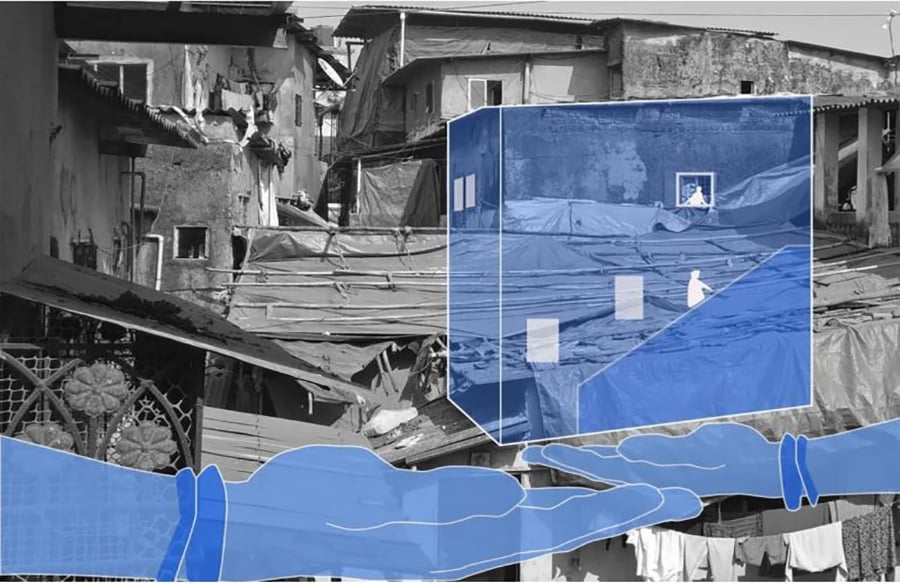
In the realm of urban architecture, Slum Redevelopment emerges as a challenging yet transformative field. As cities grapple with the complexities of rapid urbanization, architects, urban designers, and policymakers are increasingly turning their attention towards rejuvenating and reshaping slum areas. This article delves into the intricate world of Slum Redevelopment, providing a detailed exploration of its typology, significance, and the vital role it plays in the broader context of urban design.
Understanding Slum Redevelopment:
The Genesis of Slums: Slums, often born out of socio-economic disparities, overcrowding, and inadequate infrastructure, pose multifaceted challenges for urban planners. The genesis of slums is deeply rooted in economic inequality, leading to the proliferation of informal settlements lacking basic amenities.
Typology of Slum Redevelopment: In the pursuit of transforming these marginalized spaces, architects employ a variety of typologies in Slum Redevelopment projects. The typology is crucial as it determines the form, function, and impact of the architectural interventions.
Vertical Integration: One common approach involves vertical integration, where existing structures are upgraded and additional floors are added. This strategy maximizes space utilization while addressing the housing needs of the community.
Mixed-Use Developments: Architects also explore mixed-use developments, incorporating residential, commercial, and recreational spaces within the same area. This approach aims to create sustainable, self-sufficient communities.
Green Spaces and Urban Amenities: Emphasizing the importance of green spaces and urban amenities, architects infuse Slum Redevelopment projects with parks, community centers, and educational facilities. This not only enhances the living conditions but fosters community engagement and well-being.
Architectural Innovations in Slum Redevelopment:
Adaptive Reuse: Adaptive reuse stands out as a key architectural innovation in Slum Redevelopment. Architects repurpose existing structures, transforming them into functional and aesthetically pleasing spaces. This not only preserves the cultural identity of the area but also reduces the environmental impact of construction.
Inclusive Design: In the pursuit of inclusive design, architects prioritize accessibility and inclusivity. Ramps, elevators, and other features cater to the diverse needs of the community, ensuring that the redeveloped spaces are welcoming and accommodating to all.
Sustainable Practices: Sustainability takes center stage in Slum Redevelopment projects. From energy-efficient building materials to rainwater harvesting systems, architects incorporate eco-friendly practices to minimize the environmental footprint of these interventions.
The Socio-Economic Impact:
Community Empowerment: Successful Slum Redevelopment goes beyond physical structures; it empowers communities. Architects collaborate with residents, involving them in the decision-making process and fostering a sense of ownership. This participatory approach contributes to the social fabric and long-term sustainability of the redevelopment.
Economic Upliftment: Slum Redevelopment projects often serve as catalysts for economic upliftment. The integration of commercial spaces generates employment opportunities, contributing to the financial well-being of the community. This economic transformation is integral to breaking the cycle of poverty in slum areas.
Challenges and Considerations:
Policy Framework: Navigating the intricate web of policies and regulations is a significant challenge in Slum Redevelopment. Architects must work closely with policymakers to ensure that the interventions align with urban development goals and legal frameworks.
Cultural Sensitivity: Preserving the cultural identity of slum areas requires architects to approach redevelopment with cultural sensitivity. This involves understanding and respecting the heritage and traditions of the community, incorporating them into the architectural fabric.
Calls to Action:
Advocacy for Policy Reforms: Architects and urban designers must actively advocate for policy reforms that support sustainable and inclusive Slum Redevelopment. This involves engaging with local and national authorities to shape policies that prioritize the well-being of marginalized communities.
Educational Initiatives: To foster a new generation of architects committed to social impact, educational institutions should incorporate Slum Redevelopment into their curriculum. This ensures that future architects are equipped with the knowledge and skills needed to address the unique challenges of urban poverty.
Conclusion:
Slum Redevelopment in urban architecture is a dynamic and multifaceted field that demands innovative solutions and a holistic approach. As cities continue to evolve, architects play a pivotal role in reshaping the urban landscape, creating spaces that are not only aesthetically pleasing but also socially and economically sustainable. By understanding the typology, embracing architectural innovations, and addressing the socio-economic impact, architects can contribute to the transformation of slum areas, turning them into vibrant and inclusive urban spaces.