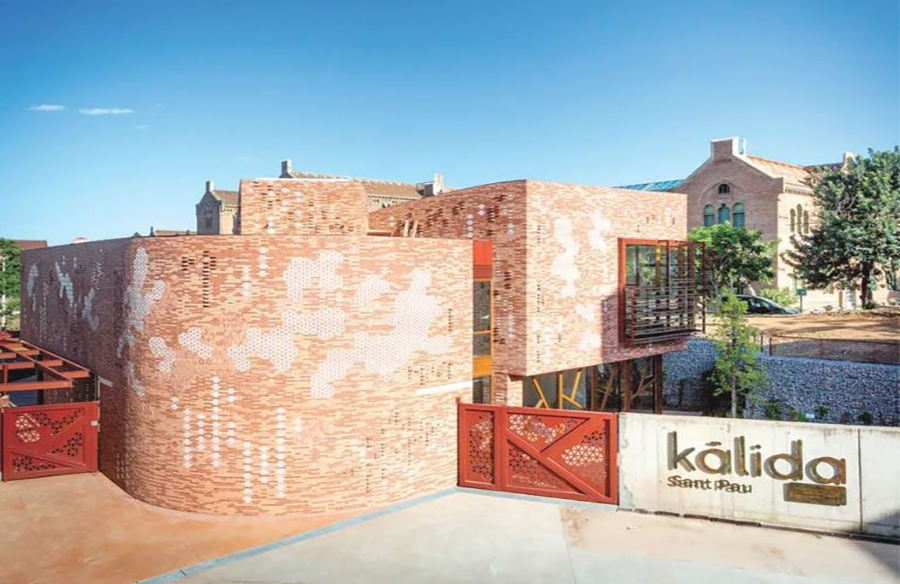
Maggie Center – Healthcare Architecture – 20 Types of Architecture thesis topics
In the realm of healthcare architecture, the Maggie Center stands as a shining example of design innovation that goes beyond aesthetics, focusing on creating spaces that facilitate healing and well-being. This article delves into the intricacies of Maggie Centers, exploring their architectural typology and their impact on healthcare design.
Understanding the Maggie Center Concept
The Genesis of Maggie Centers
Maggie Keswick Jencks, a landscape designer, and her husband, architectural theorist Charles Jencks, founded the first Maggie’s Cancer Care Centre in Edinburgh in 1996. The inspiration behind these centers stems from Maggie’s own experience with cancer and the realization that the environment plays a crucial role in the healing process.
Architectural Philosophy
Maggie Centers embody a unique architectural philosophy that emphasizes a non-institutional, homely environment. The spaces are designed to be warm, welcoming, and supportive, fostering a sense of community among patients, families, and caregivers.
Architectural Elements of Maggie Centers
Integrating Nature and Architecture
One distinctive feature of Maggie Centers is the seamless integration of nature and architecture. The design often incorporates large windows, skylights, and outdoor spaces, allowing natural light to flood the interiors and creating a connection with the surrounding landscape.
Flexible Spaces for Varied Needs
Maggie Centers are designed with flexibility in mind. Spaces are adaptable to accommodate various activities, from support group sessions to individual contemplation. This flexibility ensures that the center can cater to the diverse needs of its users.
Homely Atmosphere
Unlike traditional clinical settings, Maggie Centers exude a homely atmosphere. The use of comfortable furniture, domestic-scale spaces, and personalized touches contributes to a more relaxed and comforting environment.
The Impact on Healthcare Design
Human-Centered Approach
Maggie Centers have pioneered a human-centered approach to healthcare design. By prioritizing the well-being of patients and their families, these centers challenge the conventional notions of sterile and impersonal healthcare environments.
Psychological Well-being
Research indicates a positive correlation between well-designed healthcare spaces and improved psychological well-being. Maggie Centers, with their emphasis on creating uplifting and supportive environments, contribute significantly to the mental and emotional healing of patients.
Integrating Art and Architecture
Art plays a vital role in Maggie Centers, with each center featuring curated artworks that enhance the overall ambiance. This integration of art and architecture fosters a therapeutic environment, stimulating creativity and providing a source of solace.
Architectural Typology: A Thesis Exploration
For architecture students contemplating a thesis on healthcare architecture, delving into the typology of Maggie Centers offers a rich avenue for exploration. Here are key aspects to consider:
Design Principles
Explore the fundamental design principles that define Maggie Centers. Analyze how the architects balance functionality, aesthetics, and human-centric considerations in creating spaces that promote healing.
User Experience
Examine the user experience within Maggie Centers. How do the design choices impact the way patients and their families interact with the space? Consider aspects of accessibility, comfort, and navigation.
Site-specific Design
Maggie Centers are often designed with careful consideration of their specific site and surroundings. Investigate how site-specific design elements contribute to the overall effectiveness of the healing environment.
Sustainable Practices
Analyze the sustainability aspects of Maggie Centers. How do these structures integrate environmentally friendly practices, and what can be learned from their approach to sustainable healthcare architecture?
Calls to Action
Explore Maggie Centers Locally
Encourage readers to explore Maggie Centers in their localities. These visits can provide firsthand experience and inspiration for those interested in architecture, interior design, or urban design.
Engage in Healthcare Design Conversations
Invite readers to engage in conversations about the role of architecture in healthcare settings. Platforms like forums, social media, and local design events provide opportunities to exchange ideas and insights.
Consider Maggie Centers in Thesis Research
For architecture students, suggest considering Maggie Centers as a case study or inspiration for thesis research. The unique design principles and holistic approach make them a compelling subject for in-depth exploration.
Conclusion
In the realm of healthcare architecture, Maggie Centers stand as beacons of design innovation, demonstrating the transformative power of architecture in the healing process. As architects, interior designers, and urban planners continue to redefine the boundaries of healthcare design, the Maggie Center concept serves as a source of inspiration and a testament to the profound impact thoughtful design can have on the well-being of individuals and communities.