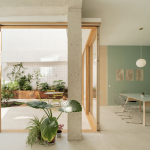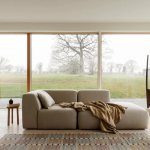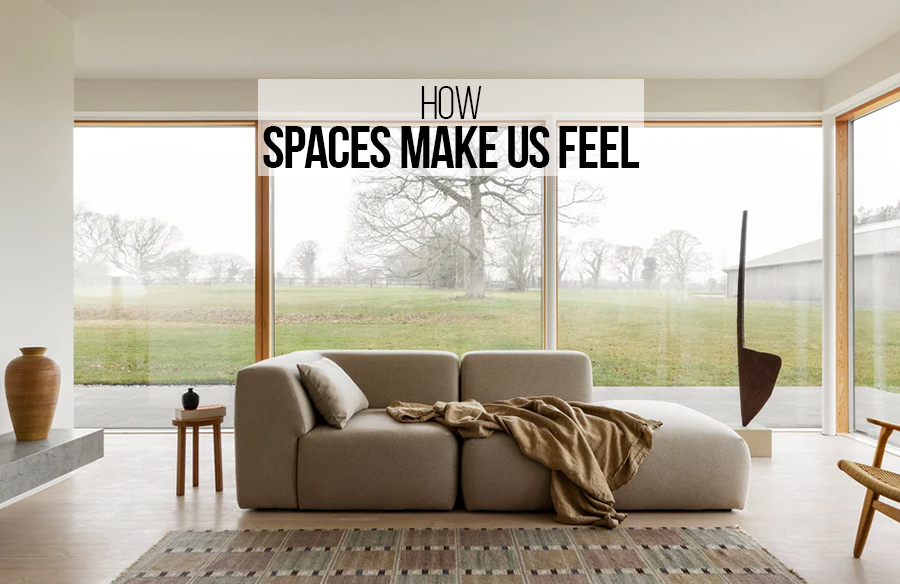
Spaces are never silent; they whisper stories, evoke memories, and shape emotions. The dim serenity of a chapel or the bright buzz of a community plaza can profoundly impact our feelings. By acknowledging the intimate dialogue between humans and the built environment, architects can create spaces that promote emotional comfort and well-being. Architects can harness this potential by understanding the human experience of space and crafting environments that nurture emotional connections.

Emotional Cartographies: The Unseen Layers of Architecture
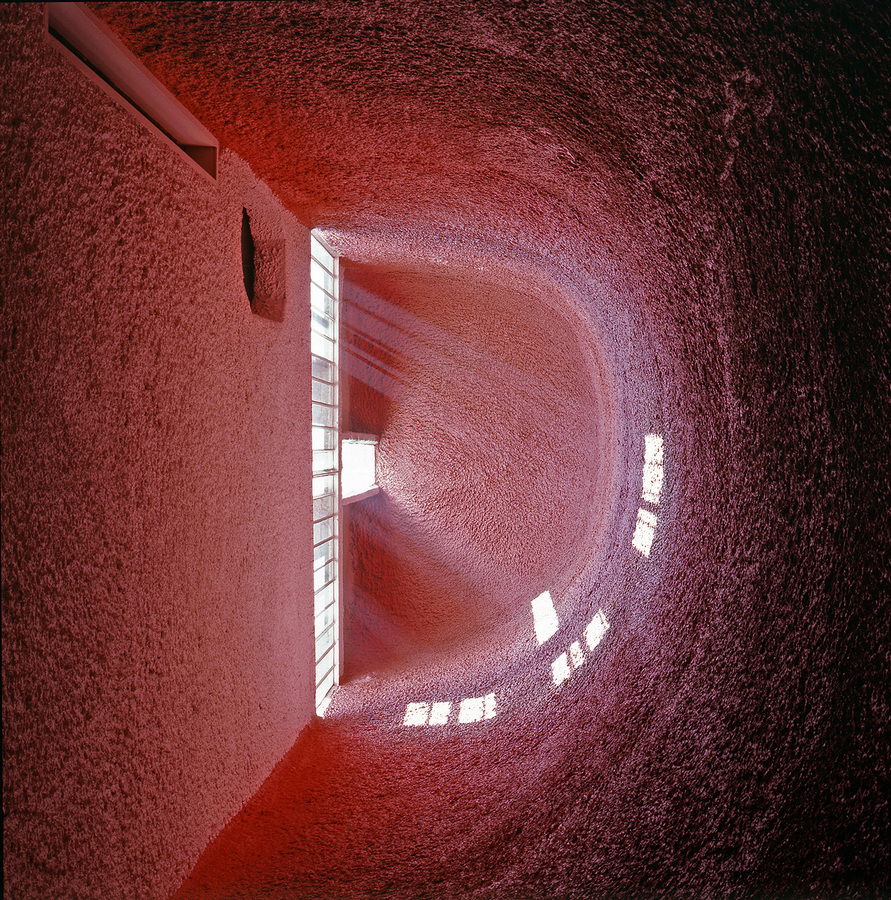
Architecture is more than just geometry; it’s emotional cartography.. A cramped corridor may evoke anxiety, while a light-filled atrium can inspire calm, demonstrating the emotional charge that spaces carry. It’s about creating spaces that affect how we feel. Our surroundings can influence our emotions, from the anxiety of a narrow corridor to the calm of a bright, airy space. Architects need to understand these emotional connections to design spaces that support our well-being. By doing so, they can create environments that make us feel good and improve our lives.
Light, Material, Colours and Memory
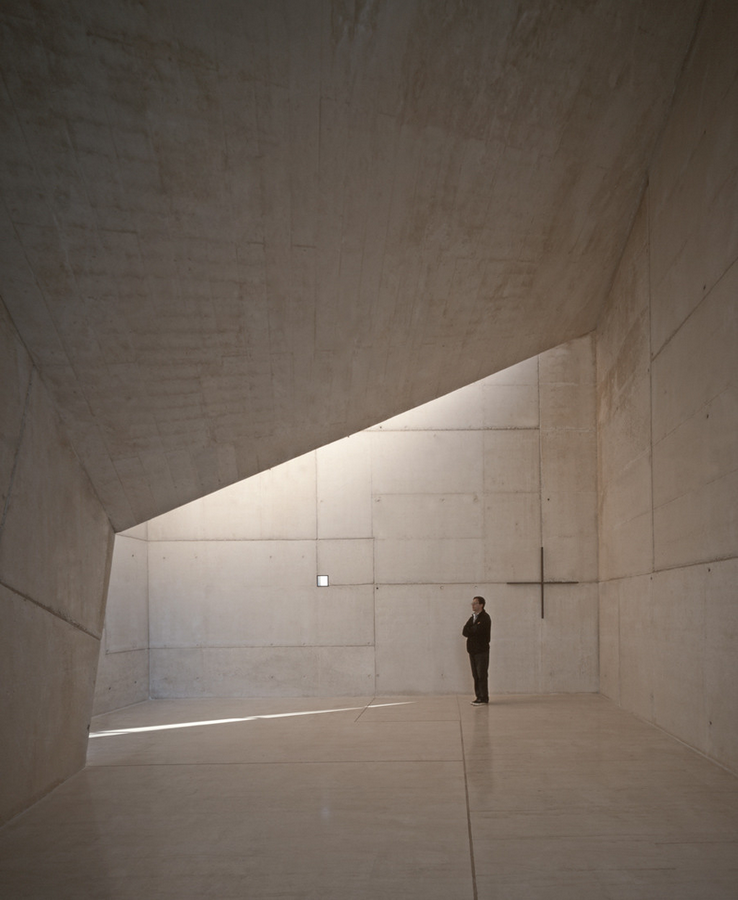
The thoughtful use of light, colour, and materials can profoundly impact our emotional experience of spaces. By harnessing the power of natural light and carefully selecting colours and materials, architects can create environments that evoke positive emotions and support well-being. This approach highlights the importance of design in shaping our emotional connections to spaces and promoting a sense of comfort and belonging.
Domesticity and the Intimate Scale
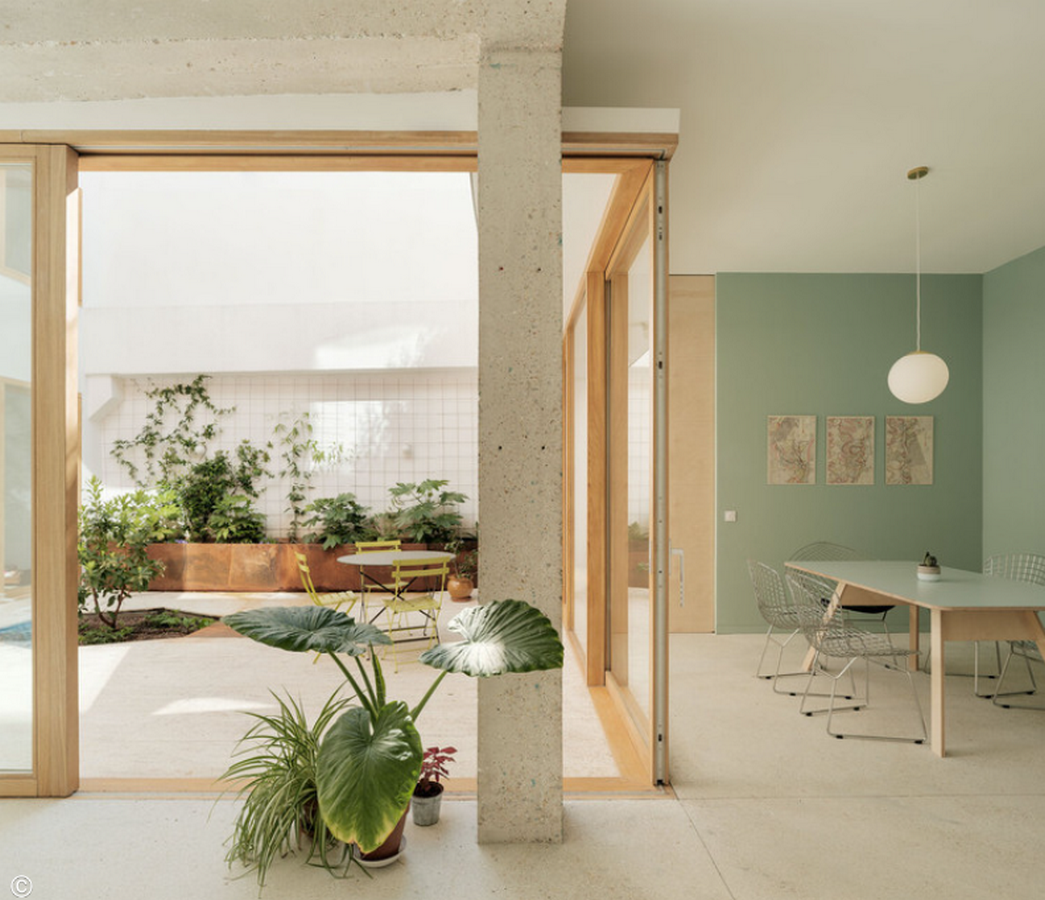
The home is a deeply emotional space where design elements like scale, texture, and noise levels greatly influence our sense of comfort and belonging. Good domestic architecture should consider the daily rituals and emotional nuances of family life, crafting spaces that promote warmth, security, and intimacy. By understanding the emotional significance of homes, architects can design spaces that nurture well-being and support the complexities of family life, creating a haven for emotional comfort and connection.
Public Spaces and Collective Emotion

Public spaces like plazas, parks, and libraries play a vital role in shaping community emotions and social connections. These areas serve as hubs for gathering, celebration, and reflection, influencing feelings of belonging and cohesion. Well-designed public spaces can promote safety, inclusion, and civic engagement, ultimately enriching the emotional lives of community members and fostering a stronger sense of community. By prioritizing thoughtful design, architects can create spaces that bring people together and support the emotional well-being of those who use them
Architecture and Emotional Health
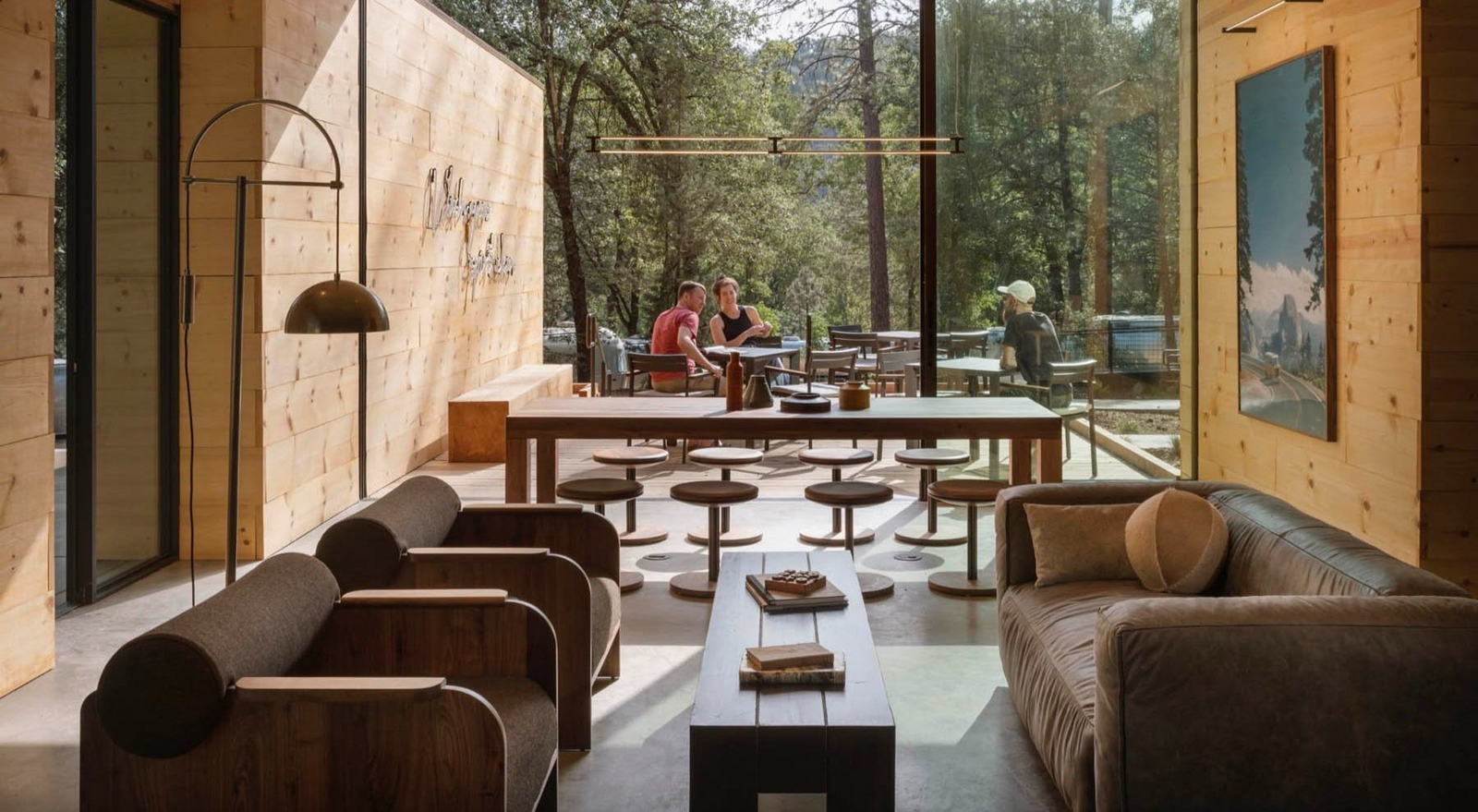
The link between architecture and mental well-being is clear. Well-designed spaces can positively impact mental health, reducing stress and anxiety while promoting emotional resilience. By incorporating insights from neuroscience and psychology, architects can create environments that support occupants’ well-being, fostering a sense of calm, comfort, and healing. This approach highlights the potential for architecture to play a therapeutic role in our lives.
Case Study Lens: Buildings That Breathe Emotion
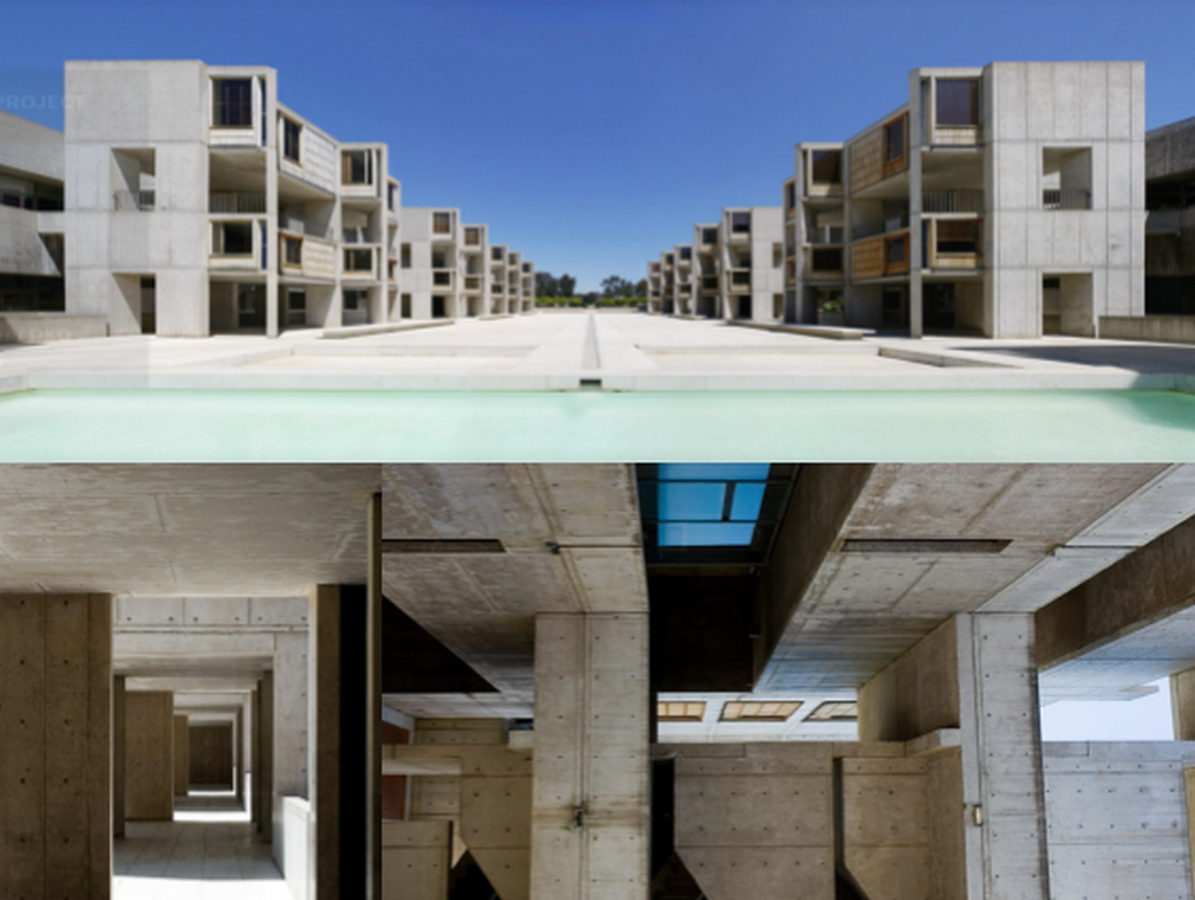
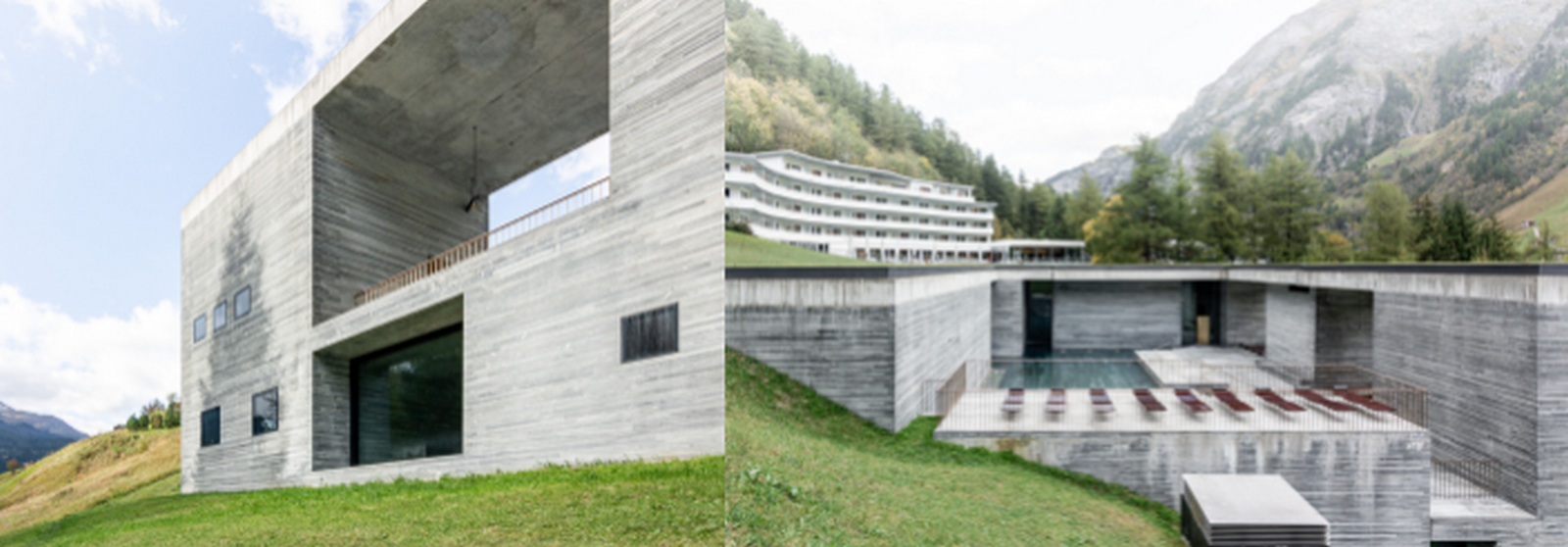
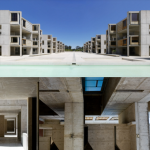
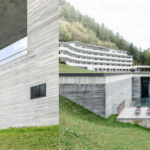
Iconic buildings like the Salk Institute and Therme Vals are more than just structures – they’re emotional experiences. They show how design can evoke feelings and create lasting impressions. The Salk Institute’s design promotes contemplation, while Therme Vals’ use of materials and light creates a sensory experience. Laurie Baker‘s architecture in India highlights the warmth of vernacular design. These examples demonstrate the powerful impact of spaces on our emotions and well-being.
Spatial Justice and the Politics of Feeling
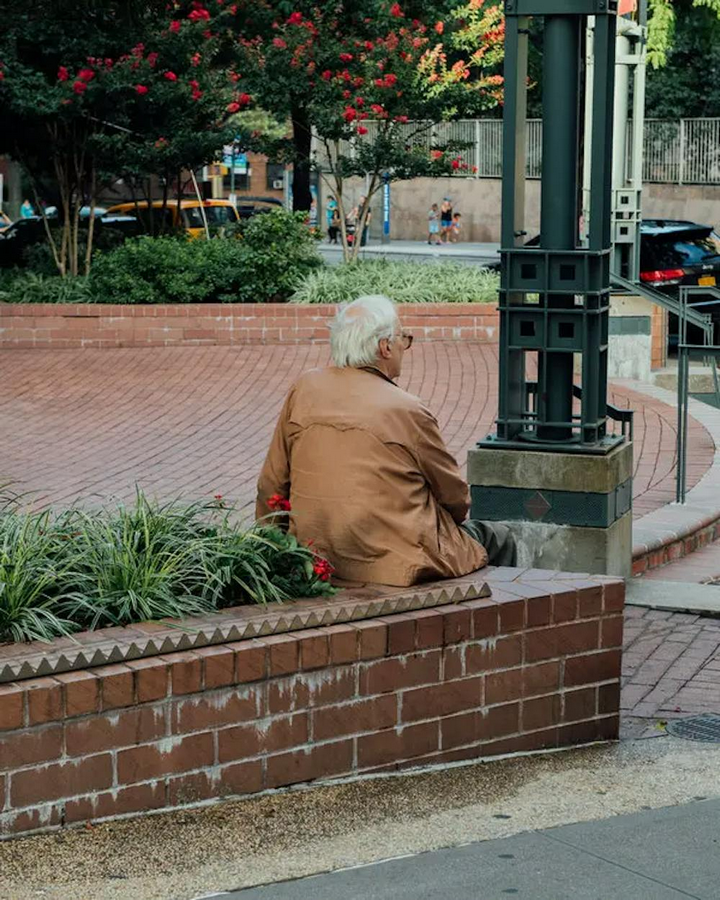
Spaces can affect people differently based on their experiences and identities. Architects should design spaces that make everyone feel welcome and safe, considering factors like equity and accessibility. By doing so, they can create environments that promote a sense of belonging for all users.
The Ethics of Feeling in Design
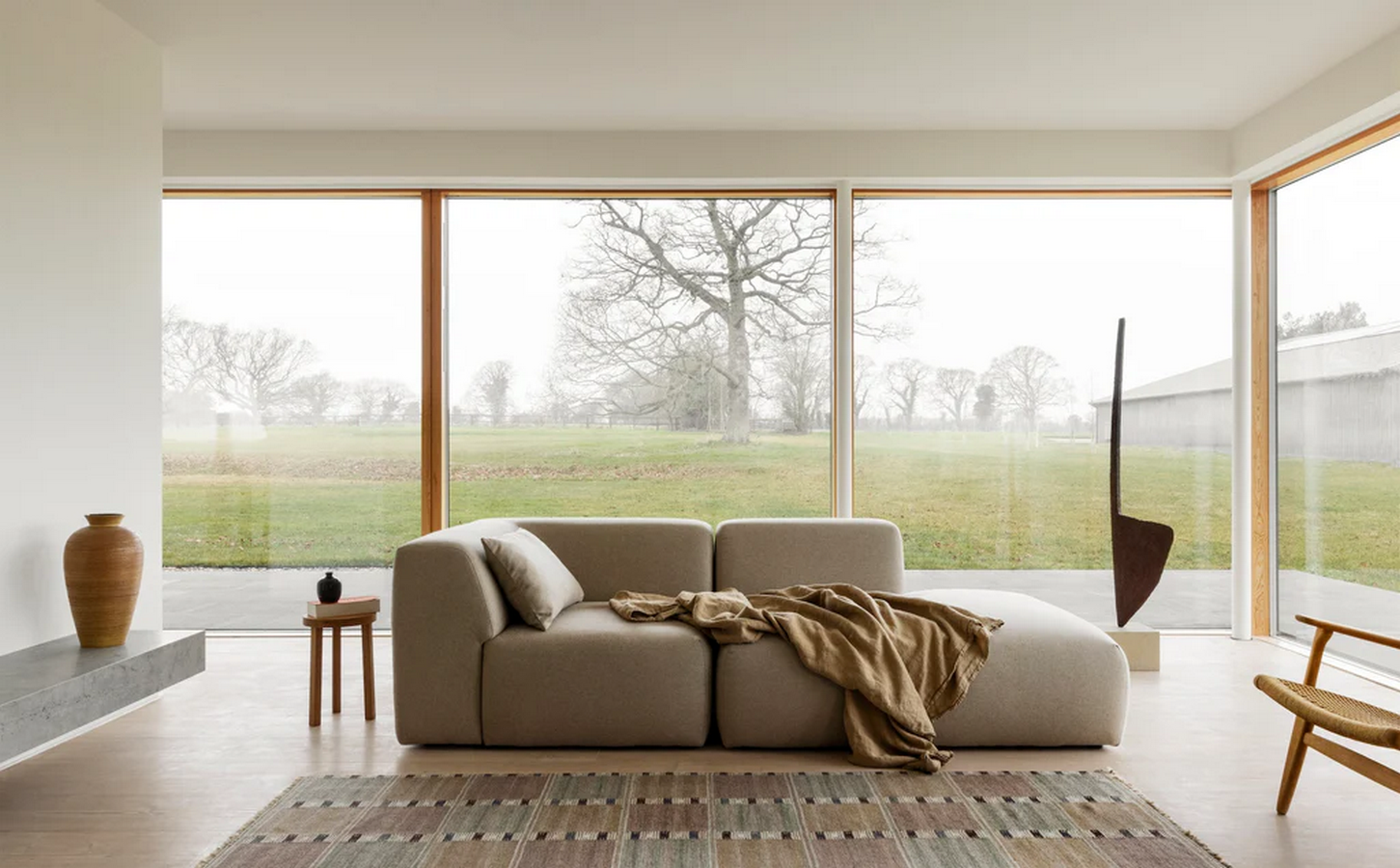
Good architecture should consider how it makes people feel, not just how it looks or functions. By prioritising emotional well-being, architects can create spaces that are both functional and humane, fostering a sense of belonging and connection for those who use them.
Citation:
- Alexander, C., Ishikawa, S. & Silverstein, M., 1977. A Pattern Language: Towns, Buildings, Construction. New York: Oxford University Press.
- Day, C., 2001. Places of the Soul: Architecture and Environmental Design as a Healing Art. Oxford: Architectural Press.
- Gesler, W., 1992. ‘Therapeutic landscapes: Medical issues in light of the new cultural geography’, Social Science & Medicine, 34(7), pp. 735–746.
- Jacobs, J., 1961. The Death and Life of Great American Cities. New York: Random House.
- Kahn, L. & Brown, S.H., 2000. ‘Louis Kahn and the Salk Institute’, Architectural Review, 207(1230), pp. 32–41.
- Lefebvre, H., 1991. The Production of Space. Oxford: Blackwell.
- Mitchell, D., 2003. The Right to the City: Social Justice and the Fight for Public Space. New York: Guilford Press.
- Oldham, D., 2000. Healing Gardens: Therapeutic Benefits and Design Recommendations. Hoboken: Wiley.
- Pallasmaa, J., 2005. The Eyes of the Skin: Architecture and the Senses. Chichester: Wiley.
- Soja, E., 2010. Seeking Spatial Justice. Minneapolis: University of Minnesota Press.
- Zumthor, P., 2006. Atmospheres: Architectural Environments – Surrounding Objects. Basel: Birkhäuser.