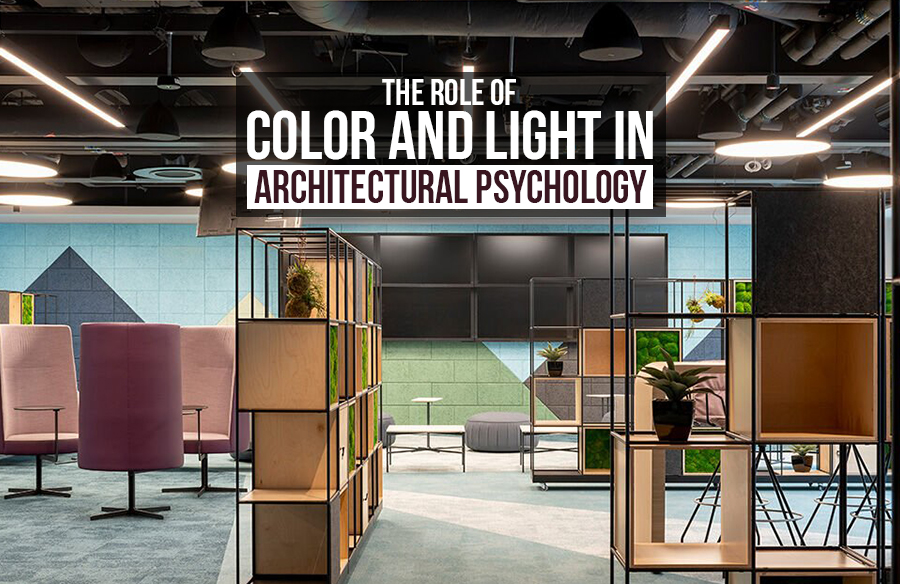
Architecture extends beyond the physical act of design and construction of a building; it actively shapes user behaviour, emotions, and well-being. Amongst the many elements that influence the spatial experience, colour and lighting are the two most impactful. Different wavelengths of colour evoke distinct psychological responses rooted in both physiology and perception. Cool hues, with shorter wavelengths like greens or blues, promote calmness, and warmer hues arouse energy and happiness. Colours can also influence the perceived temperature, a phenomenon known as the hue heat hypothesis, where warm colours tend to make a space feel warmer and vice versa. Additionally, the lighting of a space regulates alertness and synchronises the circadian rhythm, which is crucial for designing a healthy environment.
Psychology of Colour and Lighting in Different Spatial Typologies
Educational Spaces
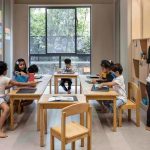
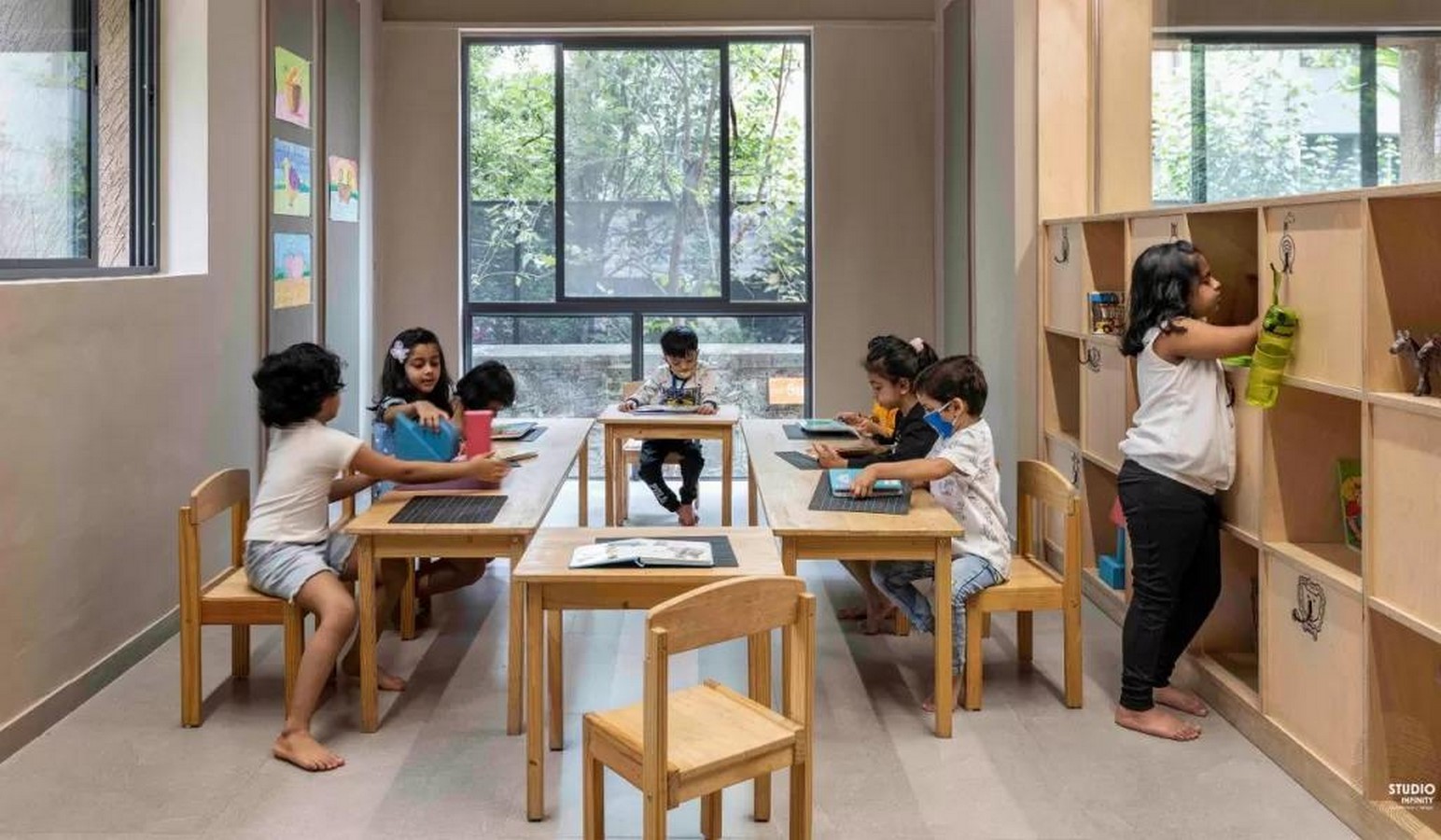
In an educational facility, the choice of colour doesn’t just decide the aesthetic and décor; it is a cognitive design tool. While white, being neutral, is a common colour choice, studies associate white classrooms with a 25% drop in human efficiency and 22% increase in distraction. Further, cool-toned, low-saturation shades have a positive emotional effect on junior students, and warm, cool-toned, low-saturation walls are perceived more favourably by senior school students. Although preferences remain subjective and depend on factors such as exposure time, task type and difficulty, whenever colours come into play, low-saturation light shades are preferred over white because colours activate visual stimuli, which are then transferred to long-term memory. This process enhances both attention and retention.
Research by Heschong-Mahone Group found that students studying in natural daylight get 18% better results. In spaces where this isn’t possible, blue lights and daylight-stimulating lights can be used; not only do they reduce strain, they also regulate the production of melatonin, the sleep hormone, which increases attentiveness. The lighting should be shadowless to reduce strain further. Using lights with multiple modes helps regulate the colour temperature as per the task, adding to the mental comfort.
Working Spaces
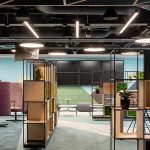
Within office environments, access to glare-controlled natural light and an unobstructed view positively influences occupants’ well-being. A proposed approach for windowless office spaces involves controlling the correlated colour temperature of high colour rendering index LEDs to align it with the circadian rhythm, thereby imitating the light progression of the day, which can enhance overall well-being. However, cool white light that boosts daytime alertness can cause strain and discomfort in the evening; appropriate colour temperature and regulation strategies are therefore essential. At the same time, people having control over their workspace lighting instil a better sense of responsibility in the employees, as their psyche is directed to take charge of the space.
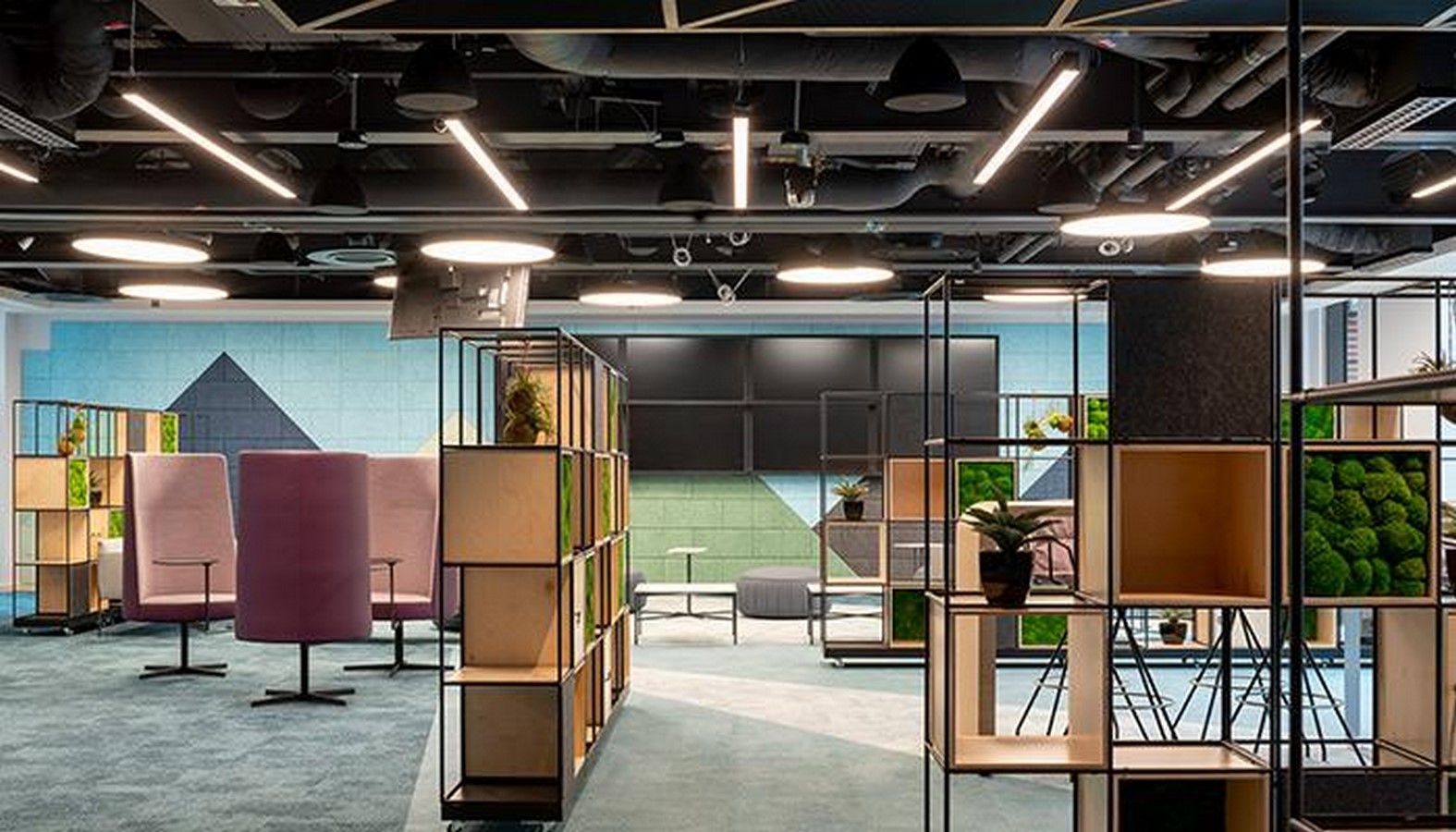
Achromatic workspaces often correlate with higher error rates and negatively impact productivity and creativity. Overwhelming hues can also cause a similar effect as they tend to overstimulate the brain. Instead, the use of a calibrated and task-based palette, like warm tones for collaboration zones, muted tones for focus areas, with appropriate lighting, can support concentration and boost creativity. To see architecture psychology in action, understanding the relationship between light and colour is necessary.
Healthcare Spaces
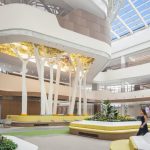
In healthcare architecture, colour and lighting are integral components of a therapeutic design. Blues and greens are used consistently throughout the hospitals and are associated with reduced physiological stress markers, helping create restful patient rooms conducive to recovery. Earthy palettes like soft wood, muted greens, and beige imply a relationship to nature, which further enhances emotional stability. The objective is to foster a tranquil environment for patients as well as caregivers.
Sunlit spaces balance the circadian rhythm, which leads to better sleep quality, lower reliance on medications, reduced disorientation, and, as per studies, shorter hospital stays in comparison with rooms without windows. Exposure to natural light and nature can reduce perceived pain and psychological stress as well. Research has shown that people who spend even 20 minutes of their day outside have reduced cortisol levels by 20 per cent. This was also seen in ICU patients and their families, who took regular breaks in nature.
Even for psychiatric facilities, reducing noise and sensory overload, while strengthening connections with nature, can lower stress and aggressive behaviour. A 2018 study reported that such design-based interventions reduced patient aggression to the extent that the use of physical restraints was decreased by 50 per cent. This underscores the clinical significance of understanding the psychology behind spaces.
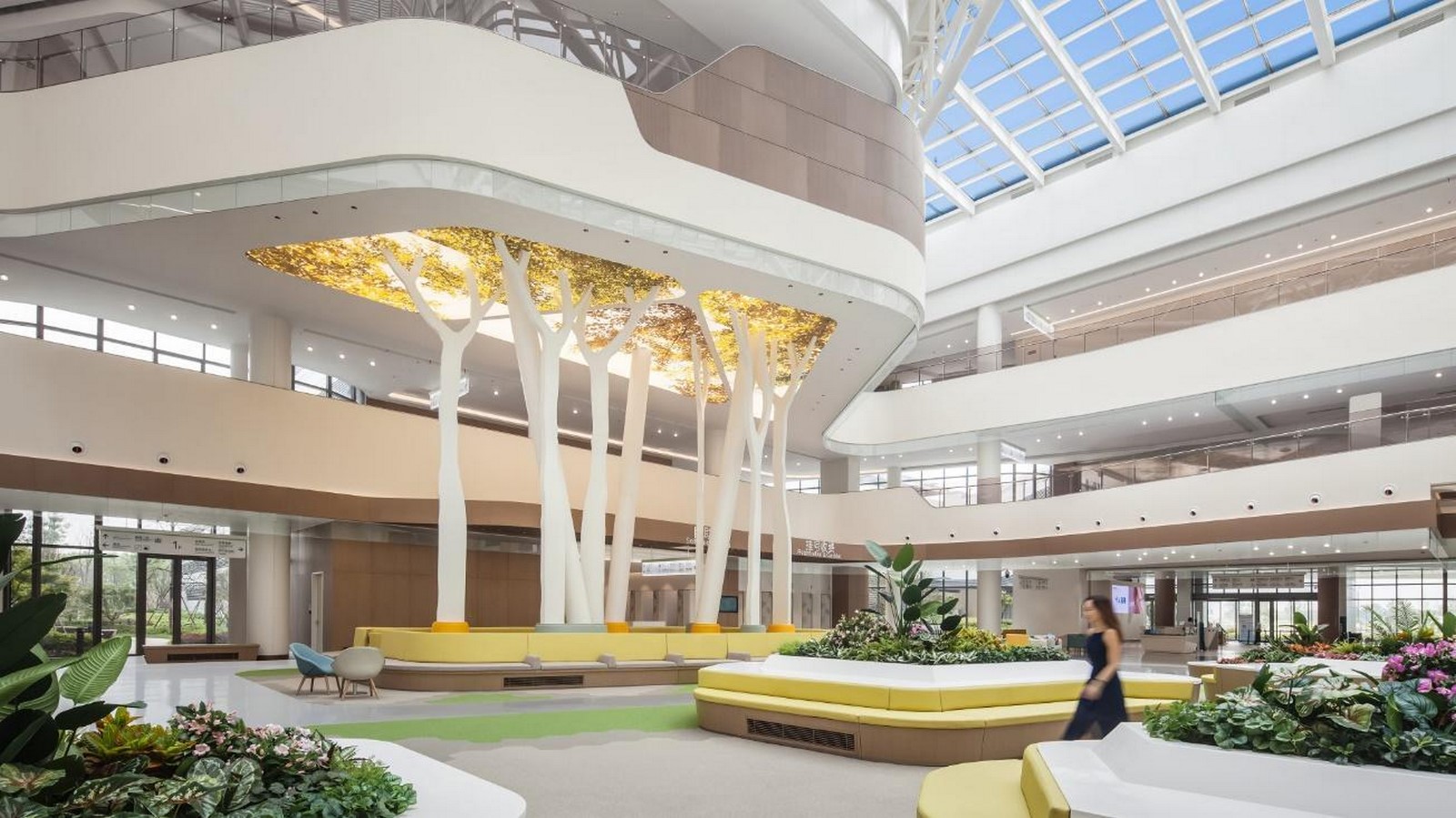
Together, light and colour form a sensory framework that supports holistic healing. This evolves the architecture of hospitals, such that they go from being just healthcare facilities to human-centred spaces that prioritise the physical, mental and emotional needs of the occupants.
Respecting Differences While Practising Architectural Psychology
Colour enhances the architectural experience, but designers must be conscious of ethical, cultural and health-related differences to achieve a truly inclusive and accessible environment, not just physically but also in a psychological perception of space.
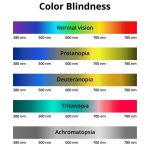
Colour vision deficiencies affect a significant proportion of the population, 8% of men and 0.5% women, with 98% of them accounting for red-green type. In such cases, red-green contrasts can be indistinguishable.
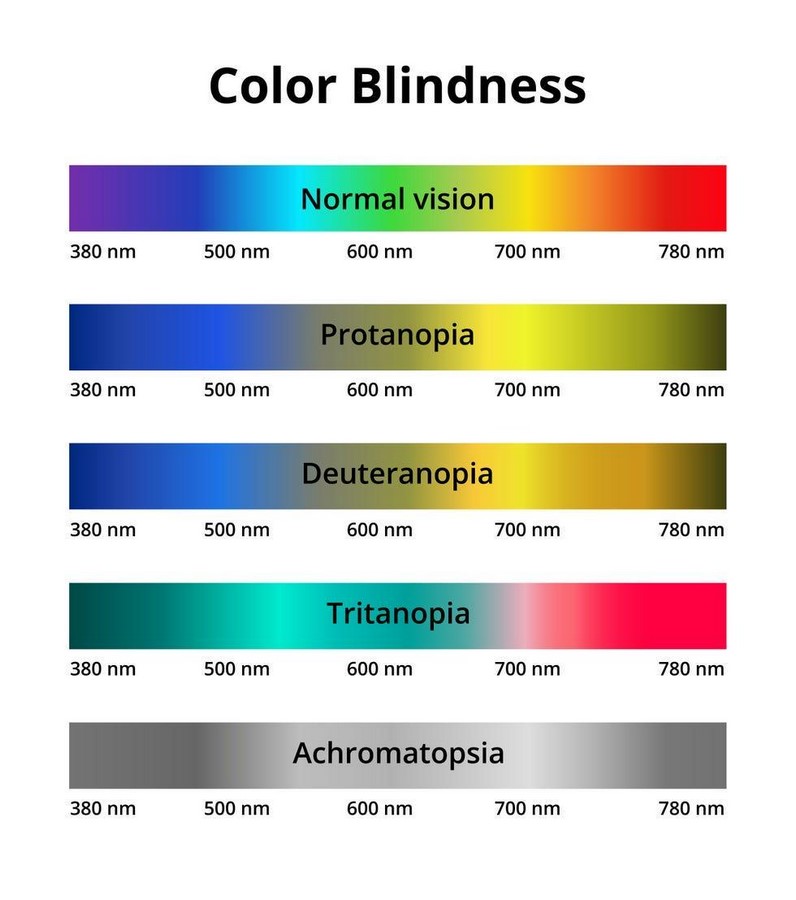
Being mindful and pairing colour with redundant cues that deliver the same message, like textures, patterns, etc, is essential for inclusivity.
Design also intersects with neurodivergence and sensory spectrums. People on the neurodiverse spectrum may find bright or fluctuating lights overwhelming and overstimulating, which can trigger discomfort and impede focus. Adjustable light levels, low-glare fixtures, and low-saturation palettes can help create a calmer environment.
Another common challenge is excessive or poorly controlled illumination, especially high glare or blue-rich spectra in evening or nighttime in any space, which can contribute to stress, headache, increased blood pressure and a disrupted circadian rhythm. Calibrated illumination levels, fixture placements, and spectral quality promote healthy and sustainable spaces, along with ensuring occupants’ mental comfort.
Ultimately, the goal of colour and light in architectural psychology is to understand architecture through the lens of users. This improves the inclusivity, accessibility, and comfort of the space. Designing with empathy ensures the creation of spaces that respect differences and support the psychological health of all stakeholders.
Citations:
- Dzulkifli, Mariam Adawiah, and Muhammad Faiz Mustafar. “The Influence of Colour on Memory Performance: A Review.” The Malaysian Journal of Medical Sciences: MJMS, vol. 20, no. 2, Mar. 2013, p. 3, pmc.ncbi.nlm.nih.gov/articles/PMC3743993/.
- Emily Wojcik. “Better Lighting, Better Work.” Https://Www.apa.org, www.apa.org/gradpsych/2012/03/odd-jobs.
- Harrison, Sara. “How Do You Design a Better Hospital? Start with the Light.” Wired, 5 Jan. 2022, www.wired.com/story/how-do-you-design-a-better-hospital-start-with-the-light/.
- Lange, Andrée. “An Introduction to Colour Blindness Accessibility.” The A11Y Collective, 18 Mar. 2024, www.a11y-collective.com/blog/color-blind-accessibility-guidelines/.
- Llinares, Carmen, et al. “Cold and Warm Coloured Classrooms. Effects on Students’ Attention and Memory Measured through Psychological and Neurophysiological Responses.” Building and Environment, vol. 196, June 2021, p. 107726, https://doi.org/10.1016/j.buildenv.2021.107726.
- Nast, Condé. “Is Designing for Neurodiversity a Part of Your Practice Yet? Here’s Why It Should Be.” Architectural Digest, 17 Feb. 2023, www.architecturaldigest.com/story/is-designing-for- neurodiversity-a-part-of-your-practice.
- Negarestan, Alireza. “Natural Light in Interior Architecture: Enhancing Mental Health.” Management Strategies and Engineering Sciences, vol. 7, no. 3, 2025, pp. 66–76, https://doi.org/10.61838/msesj.7.3.7.
- Pavol Belany, et al. “The Impact of Workplace Lighting on Employee Well-Being and Productivity: A Measurement Study.” System Safety Human – Technical Facility – Environment, vol. 6, no. 1, 31 Dec. 2024, pp. 277–288, www.researchgate.net/publication/388379564_The_Impact_of_Workplace_Lighting_on_Employee_Well-Being_and_Productivity_A_Measurement_Study, https://doi.org/10.2478/czoto-2024-0030.
- Soheyla Ahmadi Charkhabi, et al. “The Effect of Blue Light on Cognitive Function at Workplaces: A Systematic Review.” Physiology & Behaviour, 1 Nov. 2024, pp. 114758–114758, https://doi.org/10.1016/j.physbeh.2024.114758.
- Tabanejad, Zeinab. “The Impact of Colour in Healthcare Environments: A Systematic Review and Research Agenda.” Shiraz E-Medical Journal, vol. 25, no. 12, 10 Nov. 2024, brieflands.com/articles/semj-146676#4.-Results, https://doi.org/10.5812/semj-146676.