Imagine waking up in zero gravity in a space where everything is surrounded by nothing but darkness, where the entire space is so silent that even your breath feels distant. Now imagine leaving for work in that environment where everything you have designed and understood about buildings suddenly defies its logic.
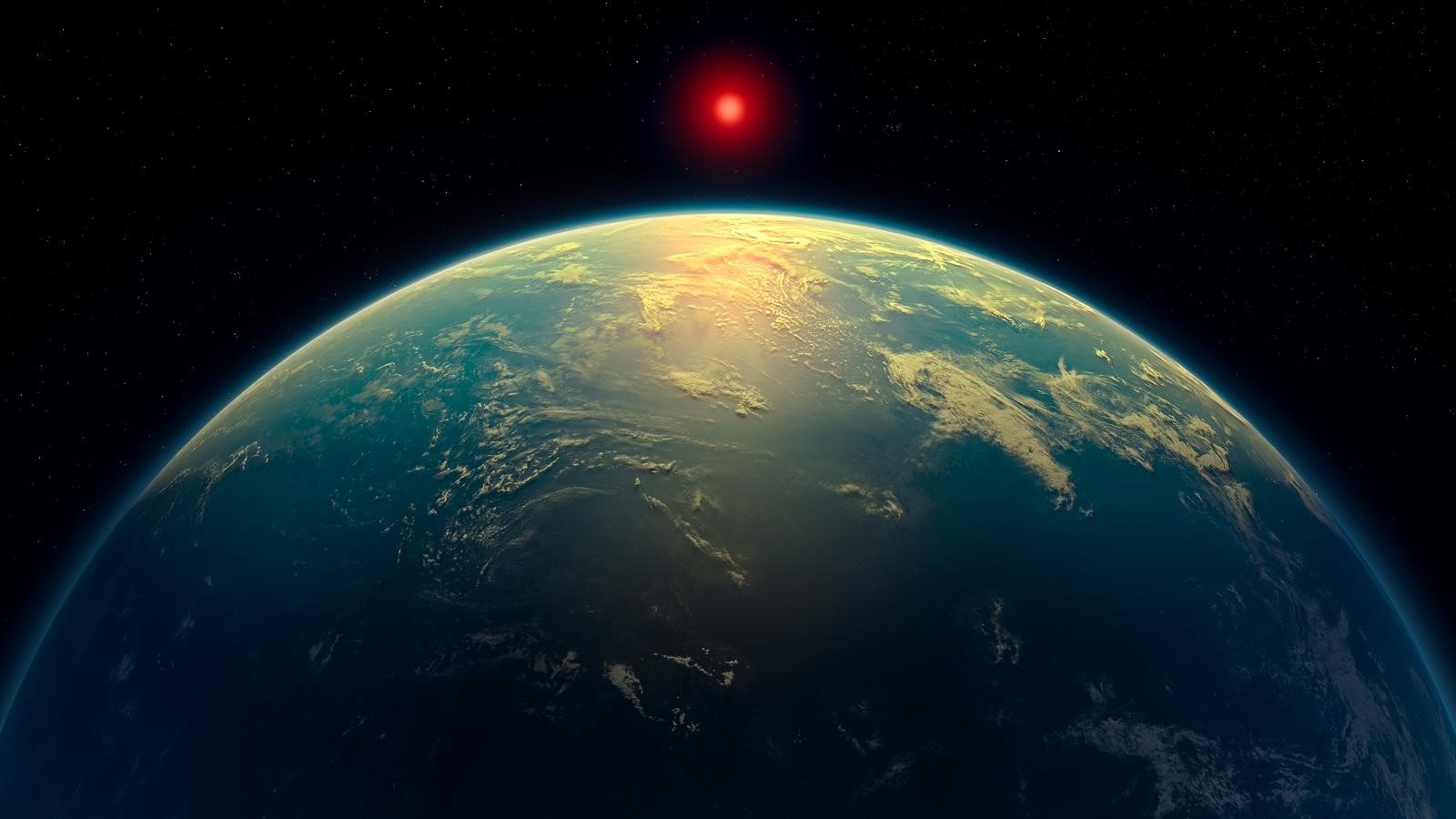
In space where there is no shelter, floor or ceiling, the rules of designing a building without rules like gravity, orientation, and weight no longer apply and could be seen as a challenge and forces us to envision new typologies and structures responding to that particular habitat
Mobility As a Way of life

In zero gravity, movement from one place to another isn’t a step forward rather a gentle push drifting in air . Movement happens by anchoring ourselves from one place to another by applying force.
Designing spaces without the basic implications of circulation, like stairs , wall, ceiling and floors.We are forced to shift our navigation to 360 degrees. This absence of gravity allows us to be more flexible and fluid in our design and layouts.
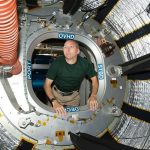
Designing a tunnel-like corridor or access spaces , handrails on either side allows us to move.
Human Centered Design In Isolation
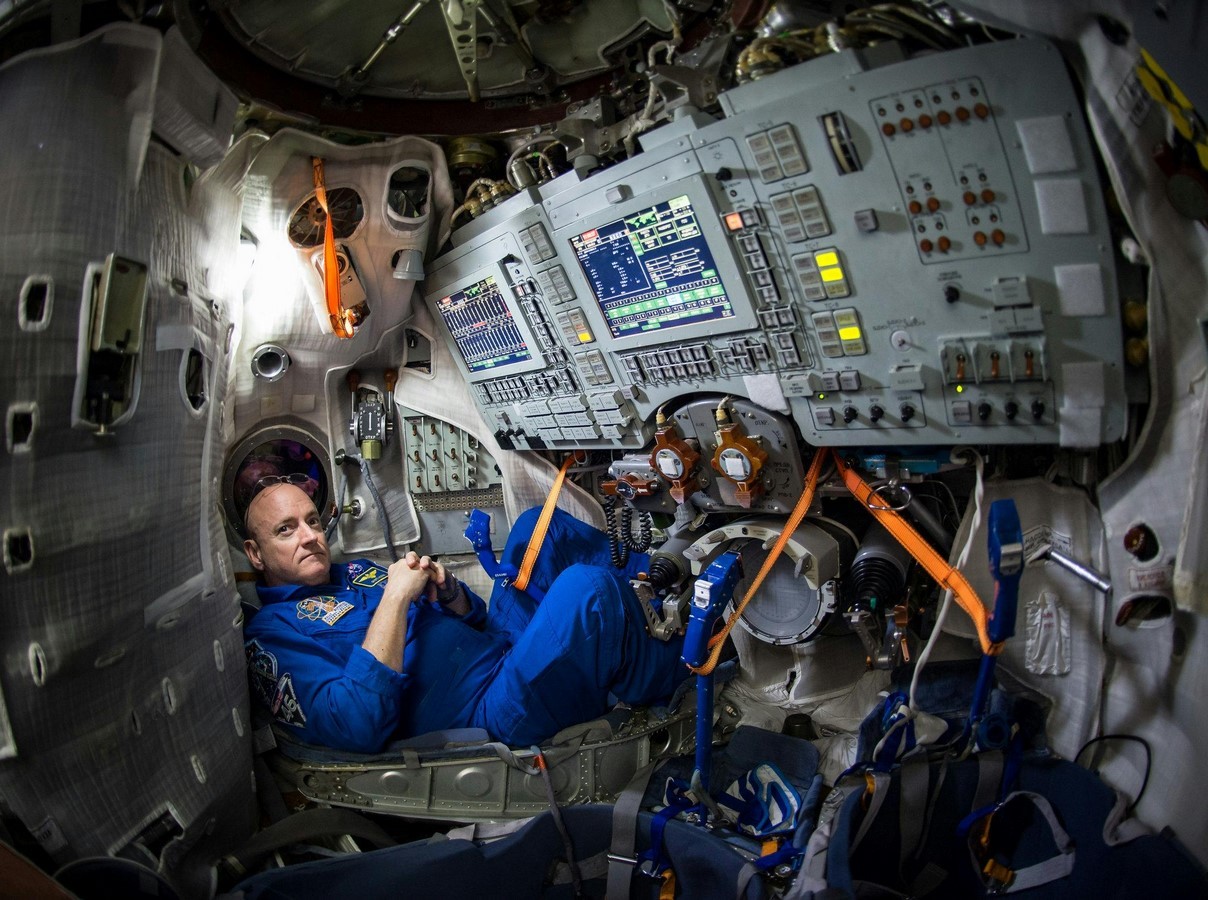
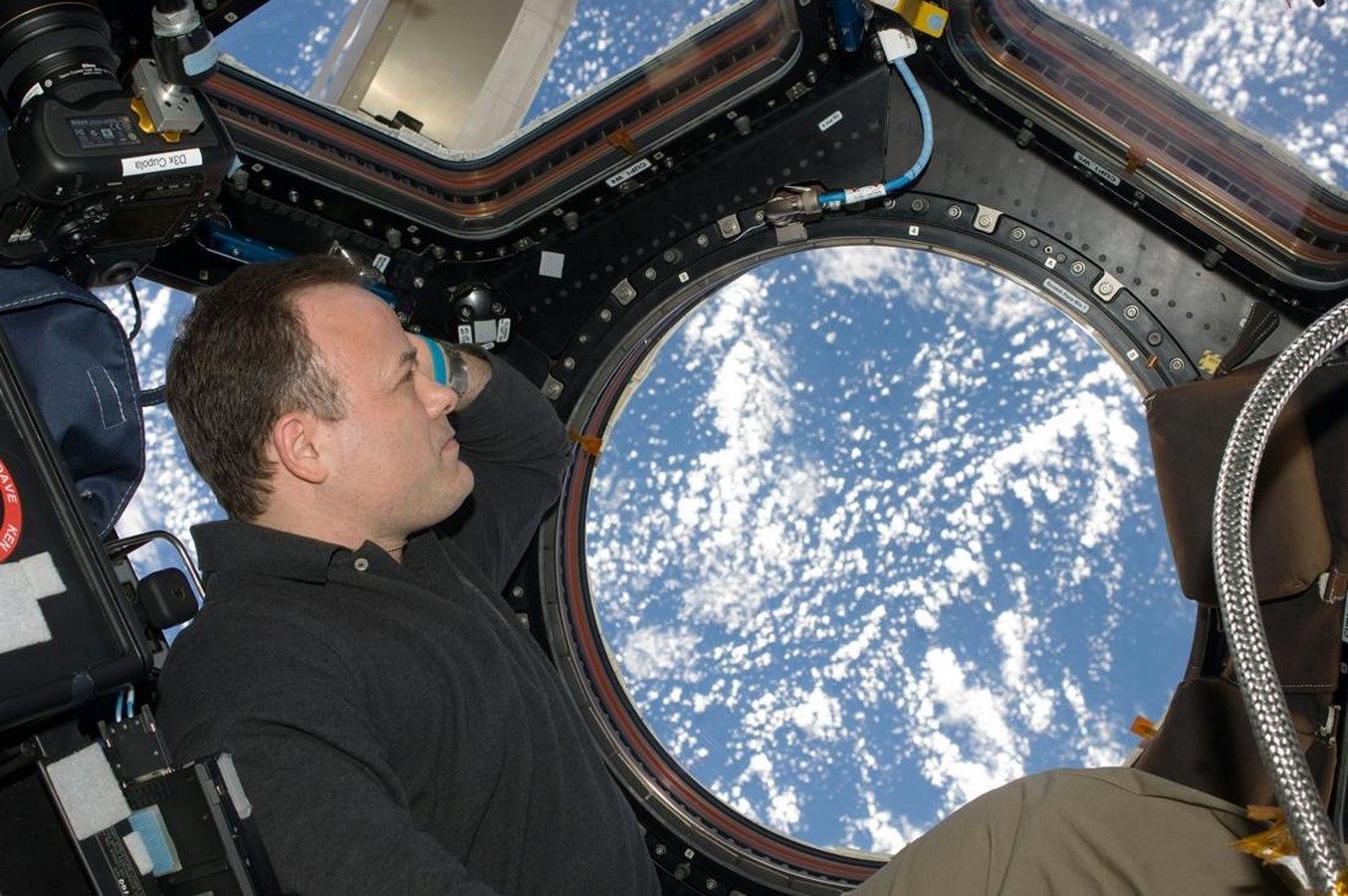
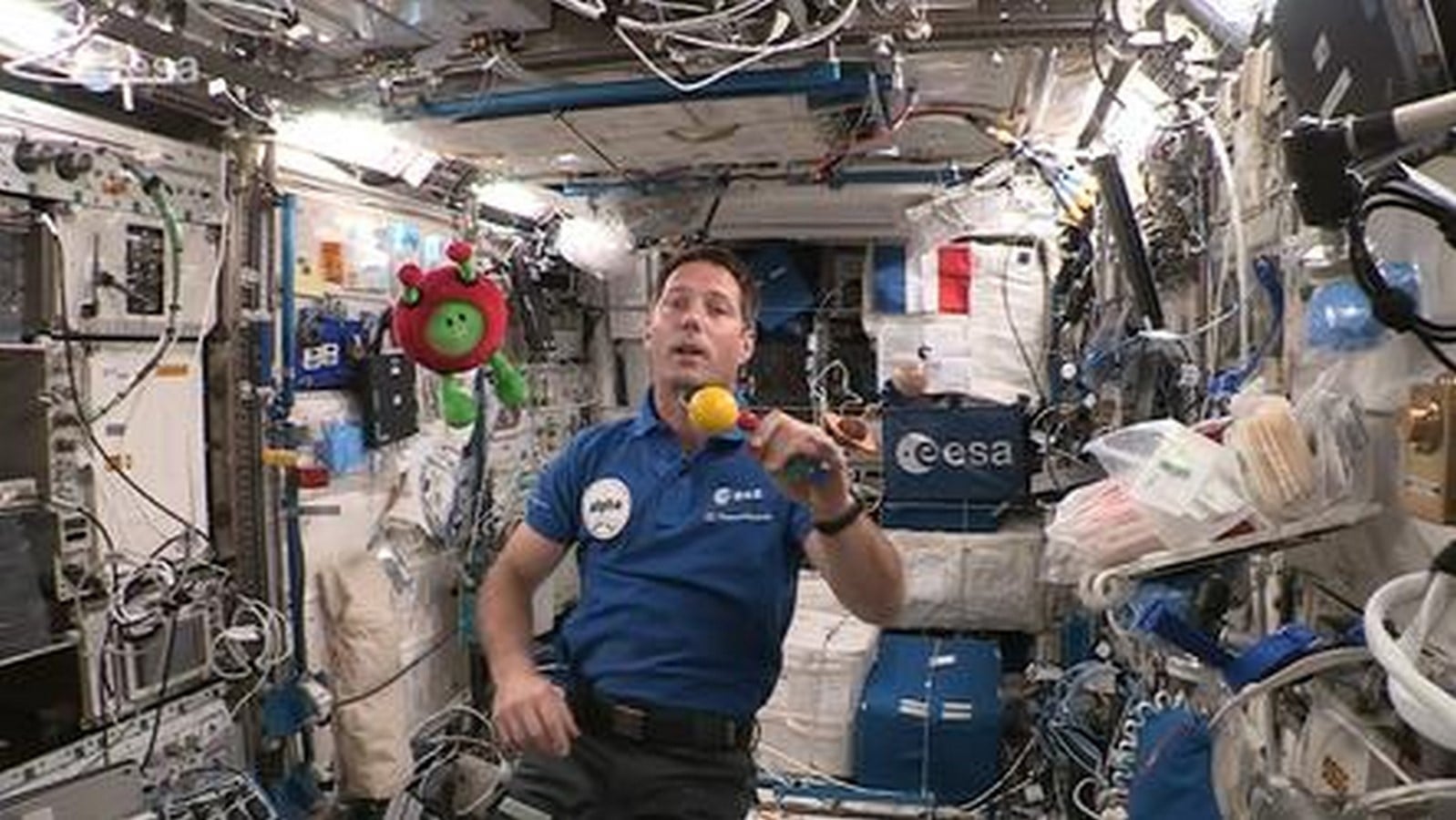
In a space with zero sunlight, no nature, and no real time contact with earth, only solitude can leave us freely lonely, sensory deprived, and disoriented. These necessary elements that make us feel really at home emotionally are stripped off. The built environments should be designed by keeping these aspects in mind. By integrating certain aspects like colour, lighting, biophilic design, and private and personal spaces to combat mood, stimulate the day and night cycle.
For example, colour-coded modules and directional cues are used in the international space station, and the HI-seas MARS simulation habitat in Hawaii has experimented with the balance of private and communal areas to reduce emotional fatigue, stress, and isolation.
Designing For Emotional Gravity
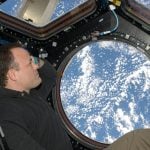
In the absence of physical gravity, what keeps a person “grounded” mentally is mainly the things that connect to home, for example, nature, sunlight, personal space, etc.In Skylab, a large window facing towards the Earth was purposefully designed to give astronauts mental relief. Astronauts often tend to look out the window, and these specifically designed large windows help them to reconnect with Earth emotionally. This highlights why emotional gravity is important in space as much as physical shelter, without it even the most advanced habitat may leave us feeling alien and isolated.
Materiality And Construction In Zero Gravity
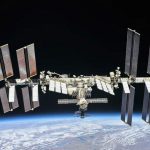
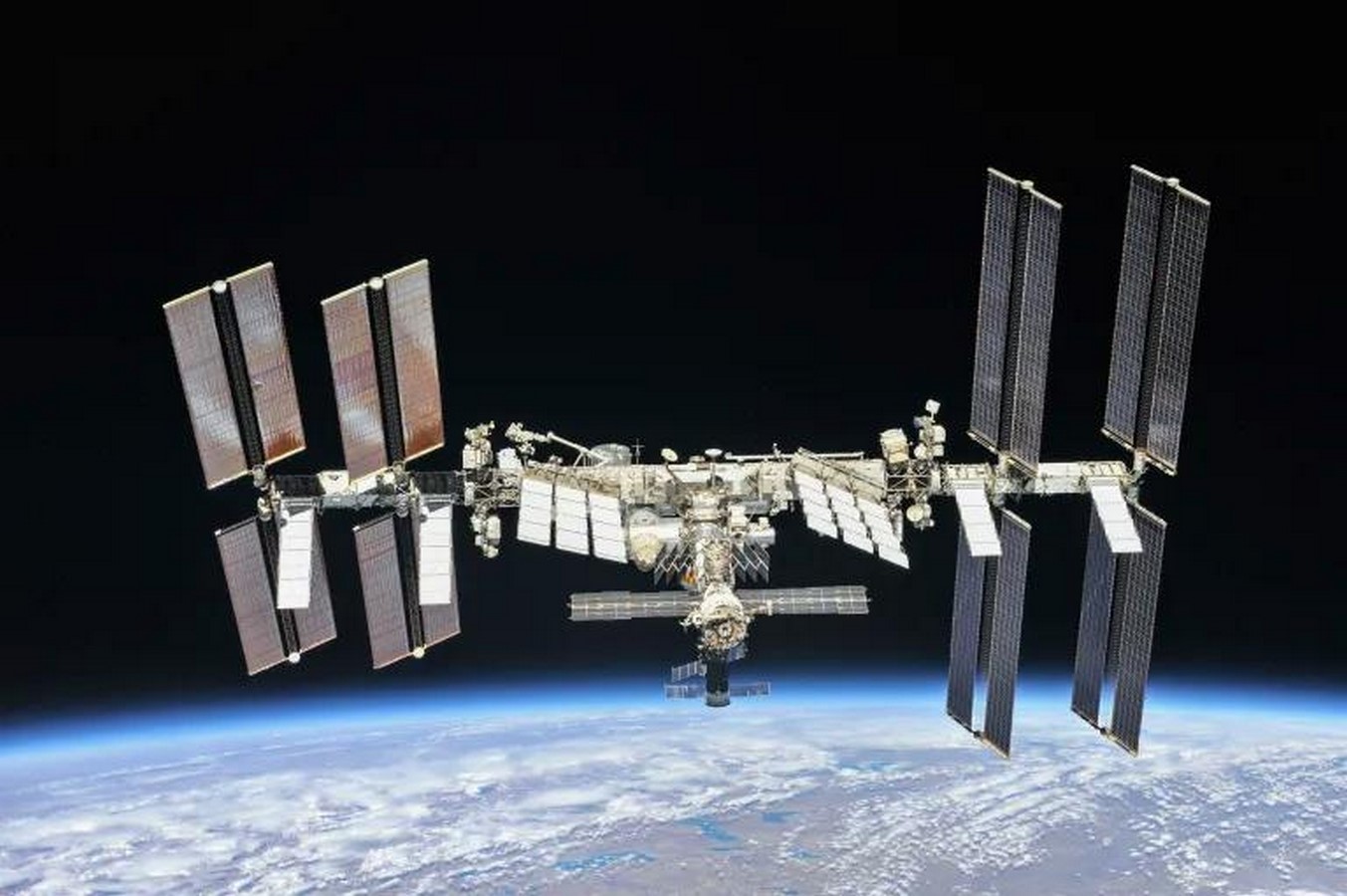
Designing and constructing in space is entirely different and far more complicated, because of factors such as zero gravity , vacuum, and transportation limits. Each part must be pre-fabricated on Earth and then transported to space, and then assembled either by astronauts manually or by robotic systems. This approach has been used to build large structures like the International Space Station (ISS). This method is also costly and must be planned carefully, as every kilogram sent into orbit adds enormous cost.
Because of these materials that are light in weight, strong, and have high resistance to radiation, and adapt to temperature changes are preferred. Materials like aluminium alloys with a high strength-to-weight ratio, high density, and excellent corrosion resistance are used. Further carbon fibre and other advanced composites with these properties are allowed.
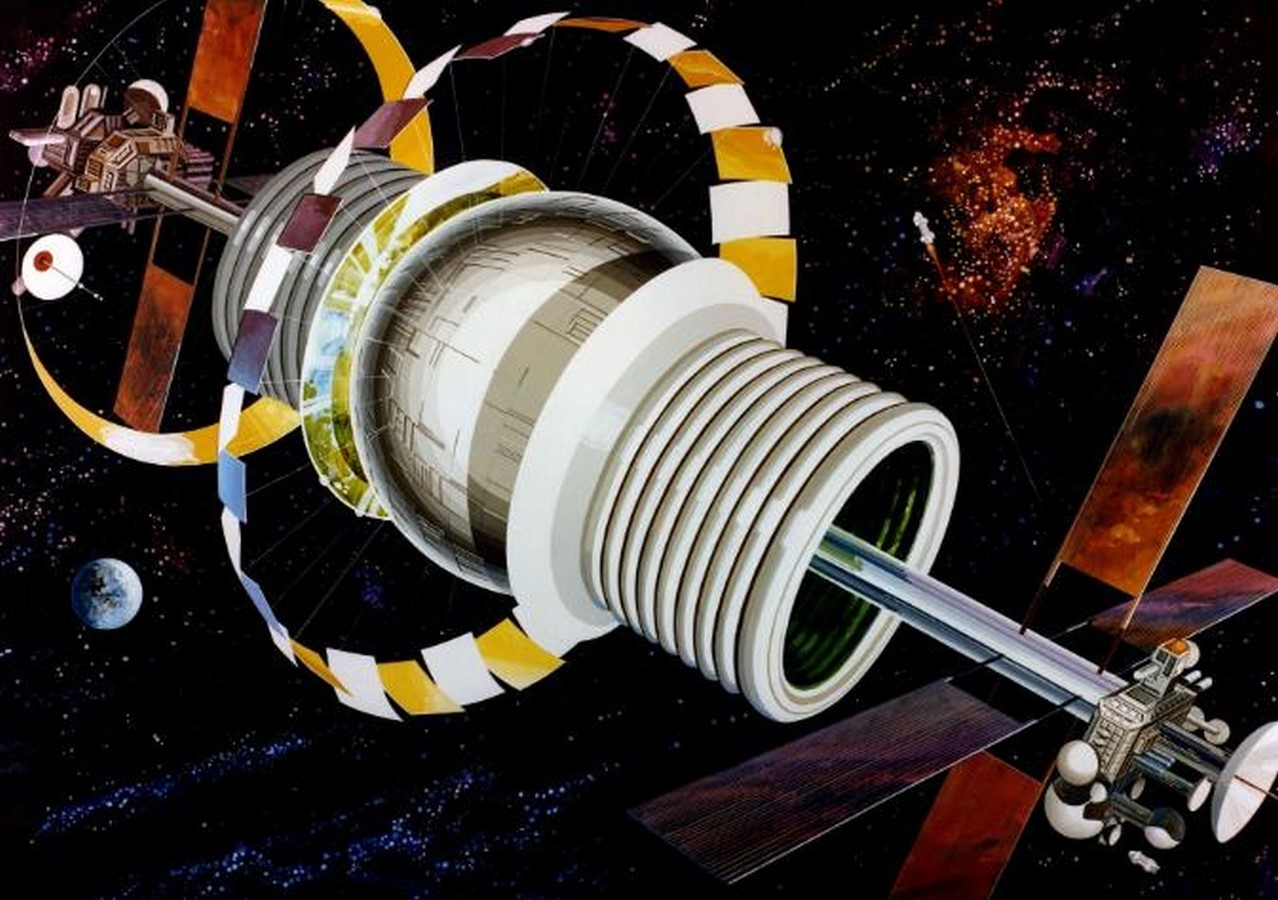
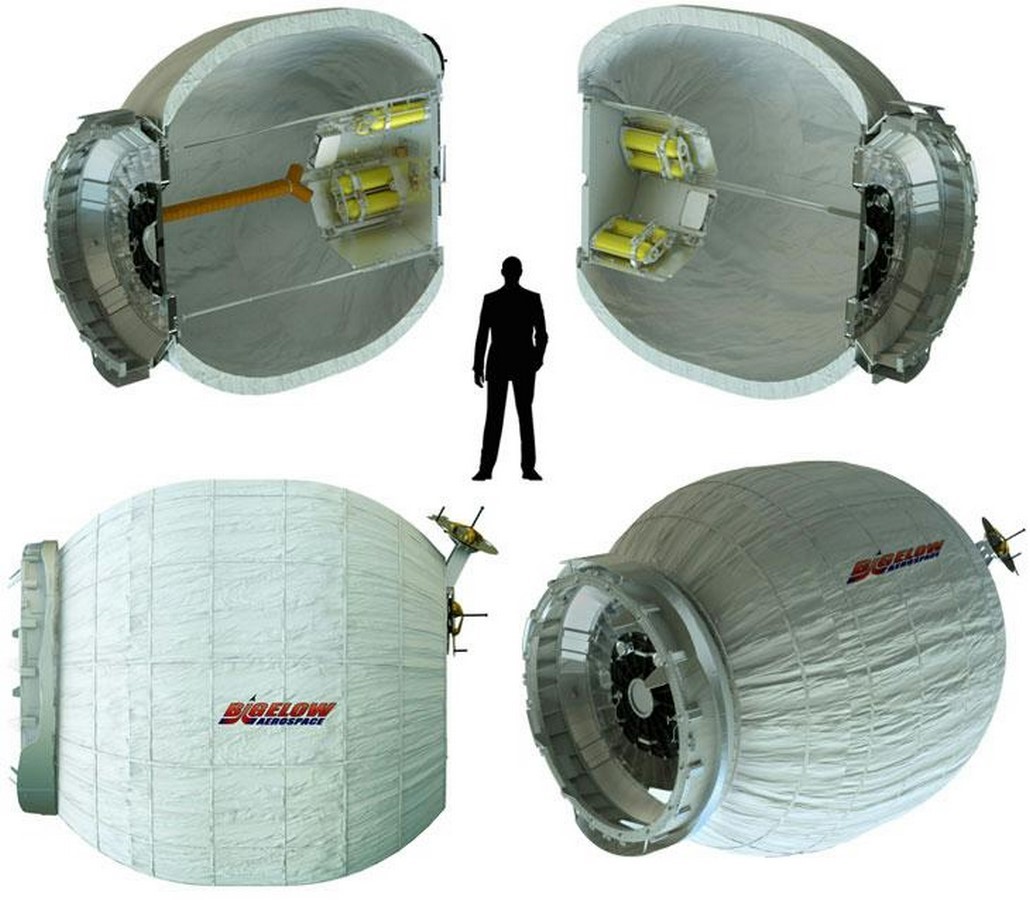
In the absence of gravity, conventional construction techniques are not suitable. Instead, they rely on modular components that can be assembled. An example is the Bigelow Expandable Activity Module (BEAM) tested on ISS. Launched into space in a compacted form, which was later expanded to increase the living space.Once in orbit, which demonstrates that inflatable structures could reduce launch costs.
Ultimately, material and construction choices in space are about more than engineering efficiency; they are decisions that determine whether a habitat can protect, sustain, and comfort its inhabitants in one of the most hostile environments imaginable.
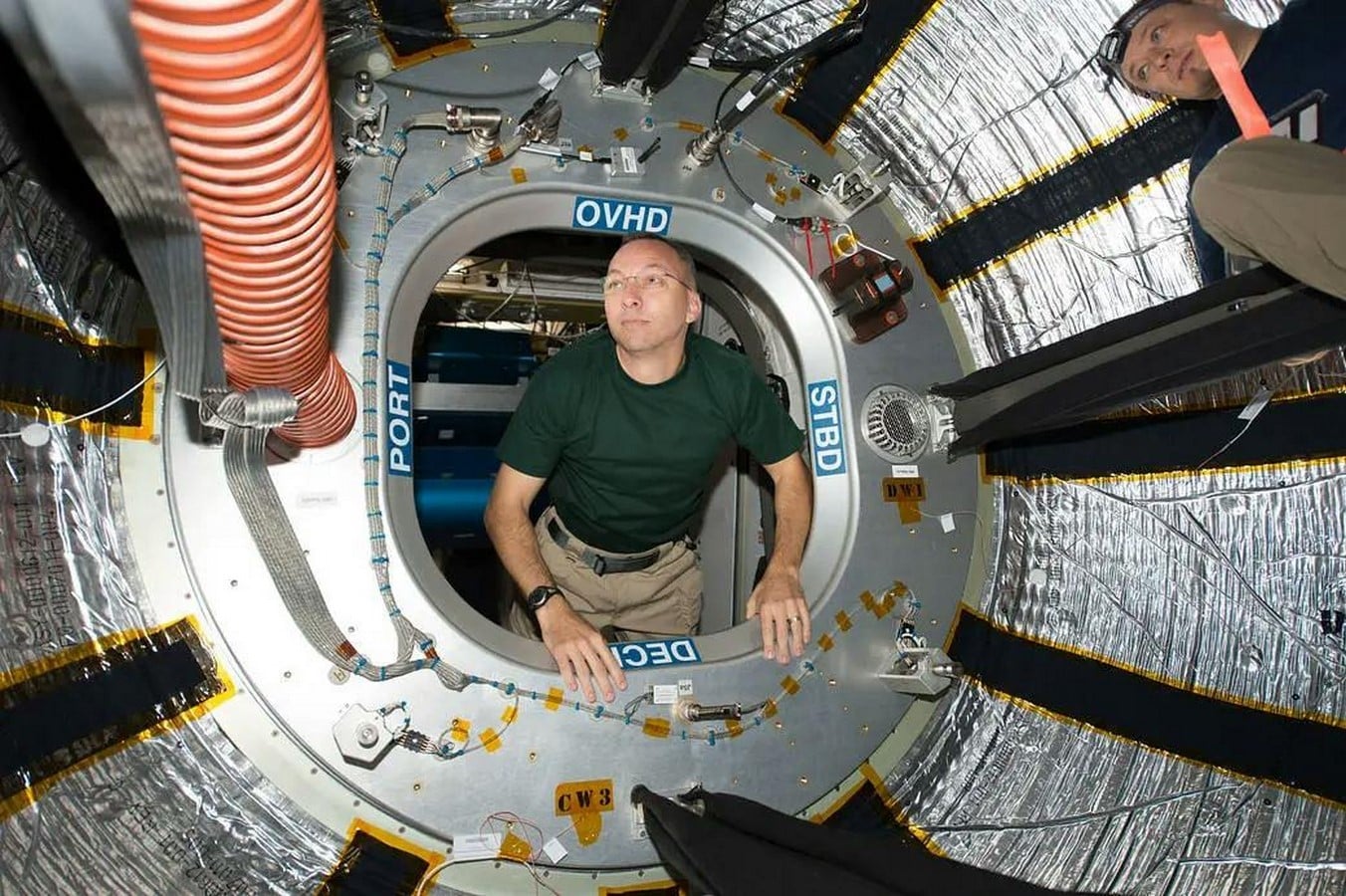
Designing for life in space challenges every architectural principle we take for granted on Earth. In a world without gravity, orientation, or natural resources, architecture must do more than create shelter — it must shape how we move, live, and feel human in an entirely unfamiliar environment. Mobility becomes three‑dimensional, isolation demands human‑centred design, emotional gravity keeps us connected to home, and materiality defines how we build and survive.
Ultimately, space reminds us that “home” is not defined by floors, walls, or roofs, but by how a place sustains life, comfort, and connection even in the vast silence of the universe.
References:
Space.com (2019). Space.com. [online] Space.com. Available at: https://www.space.com/.
Archdaily.com. (2025). Space Architecture | Tag | ArchDaily. [online] Available at: https://www.archdaily.com/tag/space-architecture [Accessed 4 Aug. 2025].
NASA. (2024). Planning, Architecture & Analysis – NASA. [online] Available at: https://www.nasa.gov/reference/jsc-planning-architecture-analysis/.
Bah, S. (2025). Space | Dezeen. [online] Dezeen. Available at: https://www.dezeen.com/tag/space/.