In the persistent narrative of urban expansion, the story is often told through the lens of head-spinning towers breaking new records for height and the density of built forms. We judge a city’s expansion in terms of square meters of construction, yet its true vitality, heart and soul does not lie in the buildings we build, but the voids, the gaps we built these buildings around. These open spaces, parks and plazas, promenades and courtyards, are far from being passive vacuums in the urban fabric. These are, in fact, the dynamic stages where public life unfolds. Well-conceived public spaces are the critical infrastructures which can serve as an important catalyst for community interaction, fostering the integrity of the society, and weaving the intricate tapestry of civic life.
Spatial Psychology
The tendency of humans to assemble in groups is an elemental aspect of their nature. The instinct to connect hasn’t faded; it is alive and kicking in our busy modern concrete urban jungles, because deep down we all have been wired for connections. From the earliest hunting-gathering bands to the urban lives of today, our survival and happiness have always been somewhat dependent on the relationships we have with those around us. We, humans, crave not just proximity to others but genuine interaction, collaboration, shared celebration and even collective mourning. The urban sociologist Ray Oldenburg is famously known for his coined term “third place” to describe locations outside the primary realms of home (the first place) and work (the second place). In the rural Indian context, the traditional katta or chaupal, simply a raised platform, often under a large banayn or peepal tree, is a perfect example of a third place. For centuries, this has served as a hub, a community place of interaction for the neighbourhood residents to gather, exchange news, and build community bonds without any formal agenda.
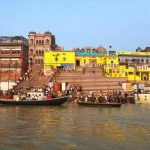
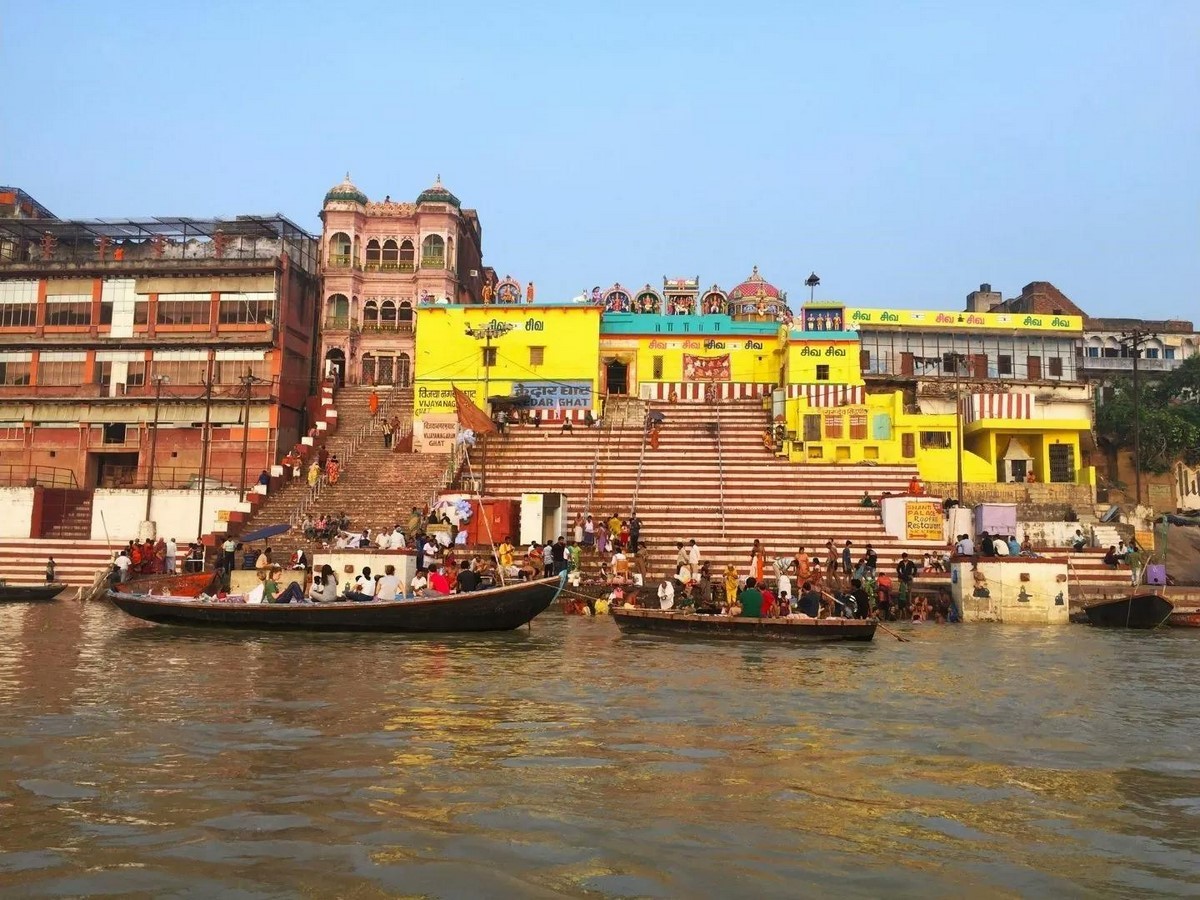
Moreover, the design of a space can tap into deeper psychological preferences. The Prospect-refuge theory suggests that humans are predisposed by an instinct to be attracted to an environment that offers a combination of an unobstructed view (prospect) and a feeling of being sheltered (refuge). This explains the universal appeal of sitting on a shaded step of a river ghat overlooking the bustling activity in the river. The steps provide a refuge while the river offers the prospect of observing life go by. A well-designed open space can provide a rich variety of such micro-environments catering to different social needs, from solo observers to large interacting groups.
Timeless tradition
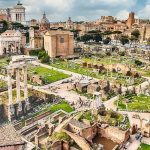
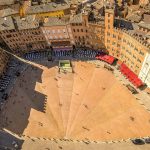
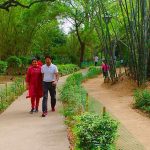
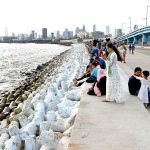
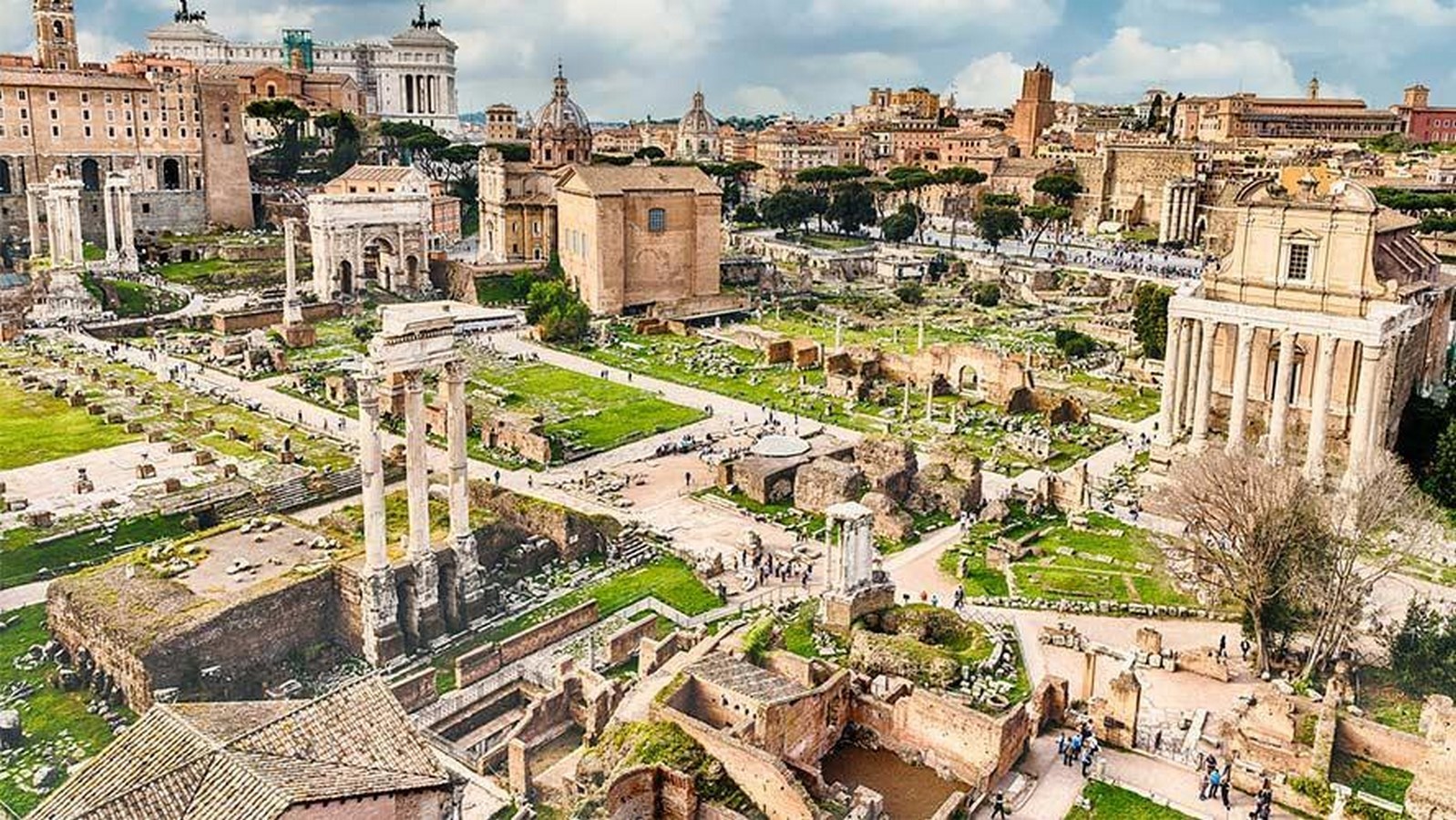
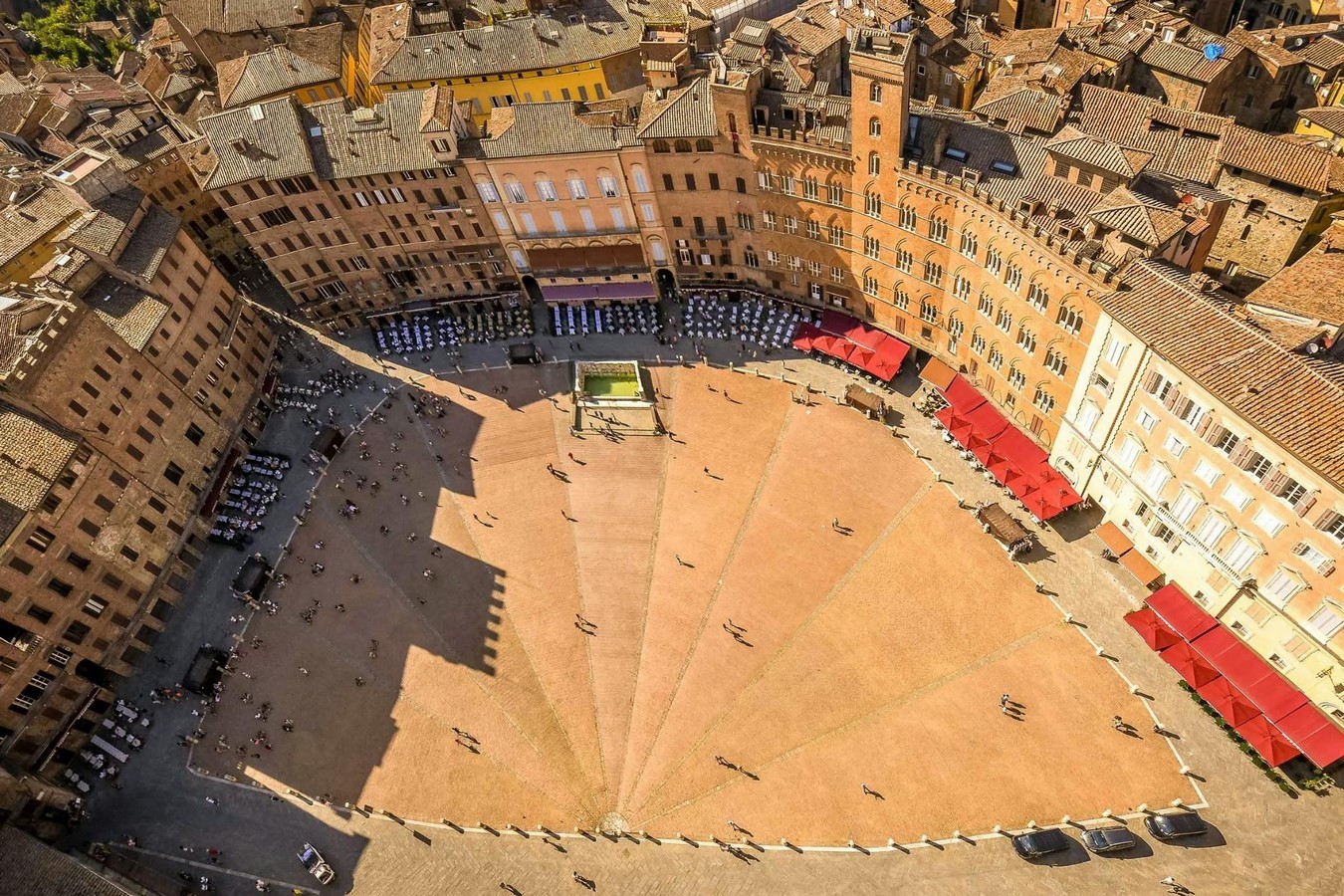
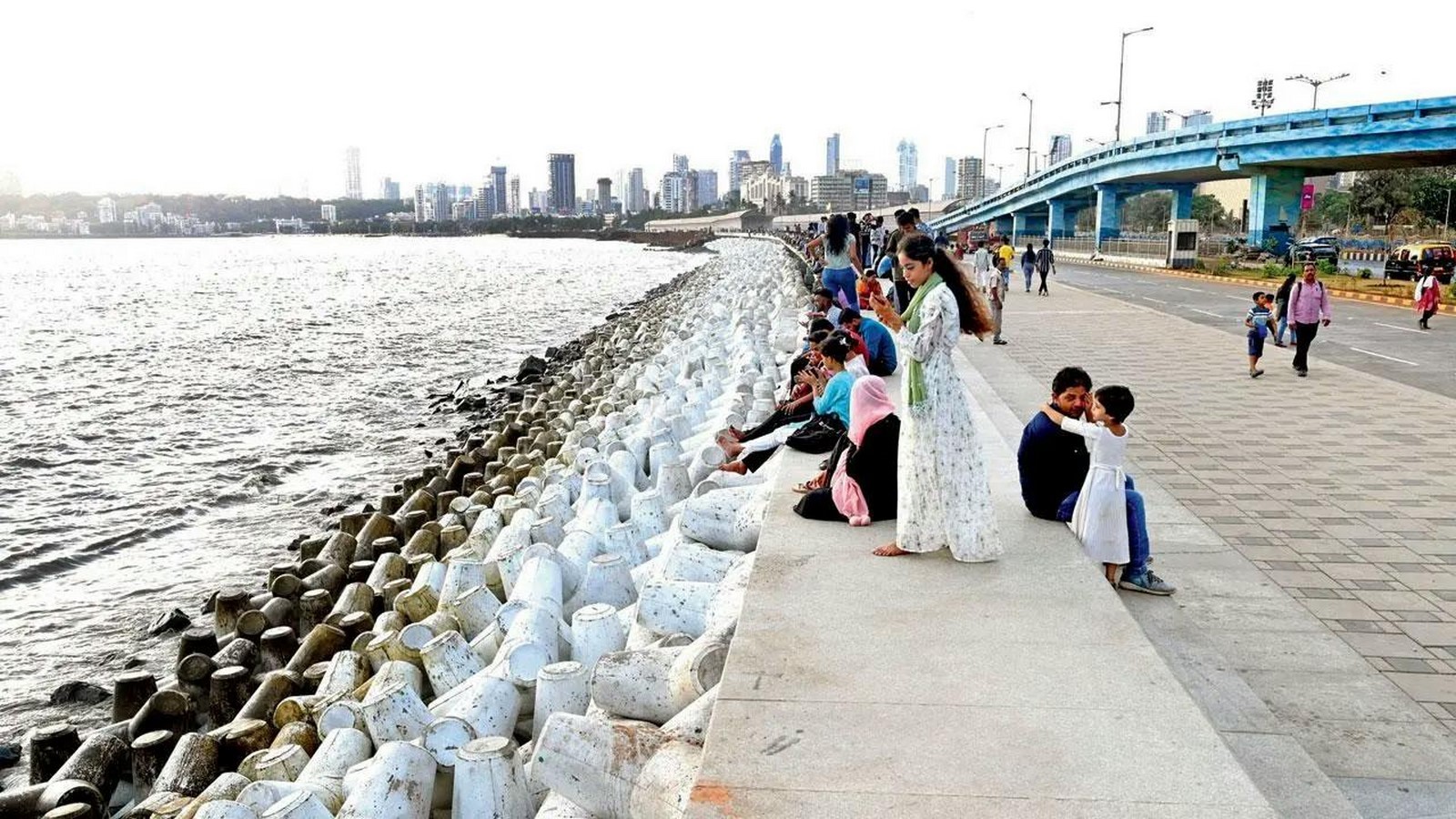
History is filled with a rich tapestry of open spaces designed for the community. The Agora of ancient Greece was the dynamic centre of the city, where political discussions, business transactions and free associations took place. The Romans developed this idea into the Forum, which became the heart of the town, while in it was perfected and blossomed into an Italian Piazza, like Siena’s Piazza del Campo, which has a low concave shape that naturally draws people together, creating a lively atmosphere. India has a rich tapestry of century-old legacies of vibrant public spaces. The ghats on holy rivers — especially in Varanasi and Ujjain — are far more than stairs to the water. They are long, open spaces, sacred workplaces and centres of commerce, junctures where daily social activities intermingle. Temples, and their large courtyards and tanks, traditionally serve as the central community hub. Recently, Indian urban cities have adopted and embraced designed green spaces for inclusive roles. Lodhi Garden in New Delhi, where runners, families, students and elderly people happily mull around each other. Promenades have also transformed urban coastlines. Mumbai’s Marine Drive, widely called the city’s communal living room, attracts people from all strata of society to walk, sit and admire the sea. The Sabarmati Riverfront in Ahmedabad is an example of reversing the neglect of the urban periphery to create vibrant, active social spaces complete with walkways, gardens, and event spaces for activities and festivals daily. These spaces, spanning cultures and eras, show how open areas remain vital to urban community life.

What truly makes a sign city’s health? Where does its soul reside? Not within the industrial steel structures or the cold glass façades of skyscrapers, but the open spaces they surround, the true heartbeats of life. A fact confirmed across continents and centuries, from the stones of the Italian Piazzas to the chaotic and lively energy of Indian Ghats and Promenades, confirms a single theory that humans are drawn together. The role of open spaces in fostering community interaction is both profound and fundamental to the health of any urban society. These spaces are far more than just aesthetic add-ons or voids between buildings; they are the social infrastructure of our cities. They are a safe, easy and comfortable setting for those spontaneous meetings, interacting experiences that build trust and social cohesion.
In a world that is saturated with digital echoes and plagued by the loneliness is a growing concern, the need for these physical commons is more critical than ever. Where children’s laughter echoes, neighbours meet and build lasting bonds, and where the true character and resilience of a people are forged, are these community spaces. The most enduring structures we can build are not the towers of steel but communities of connection, and our shared public spaces are the ground upon which they are forged.
References:
Correspondent, A. (2024) Mumbai: Marine Drive Promenade opened to public, Mid. Available at: https://www.mid-day.com/mumbai/mumbai-news/article/mumbai-marine-drive-promenade-opened-to-public-23354766 (Accessed: 26 July 2025).
Datta, R. (2022) History lessons on a winter walk through Lodi Gardens in Delhi, Public park | History lessons on a winter walk through Lodi or Lodhi Gardens in Delhi – Telegraph India. Available at: https://www.telegraphindia.com/my-kolkata/places/history-lessons-on-a-winter-walk-through-lodi-or-lodhi-gardens-in-delhi/cid/1903469 (Accessed: 27 July 2025).
Rout, S. and Parina (2025) Varanasi : Ghats on the Ganges and spiritualism, Stamped Moments. Available at: https://stampedmoments.com/varanasi-ghats-on-the-ganges-and-spiritualism/ (Accessed: 26 July 2025).
Siena (no date) Piazza del Campo in Siena, Siena. Available at: https://siena.guidatoscana.it/en/storia-arte-cultura/piazza-del-campo.asp (Accessed: 25 July 2025).
Barcelo Experiences (no date) The Roman Forum is the legacy of Ancient Rome, Barcelo Experiences. Available at: https://www.barcelo.com/guia-turismo/en/italy/roma/things-to-do/roman-forum/ (Accessed: 25 July 2025).