Urban design is an approach to design that designs spaces and their buildings based on geographical location. Further urban design aims to solve bigger issues of economic, social, and environmental value, and social design, which involves a deeper understanding of human behaviour. This article aims to outline the core principles of urban design.
Urban design principles are important because they guide us to plan cities that are equitable, inclusive, and sustainable.
In today’s developing world, urban design can be used to solve bigger issues of our society, such as climate change, safety, security, heritage, culture, and community engagement, and the principles of urban design guide us effectively in solving them. Core principles include permeability, diversity, legibility, character, adaptability, continuity, enclosure, and quality of public realm etc.
Connectivity and Permeability
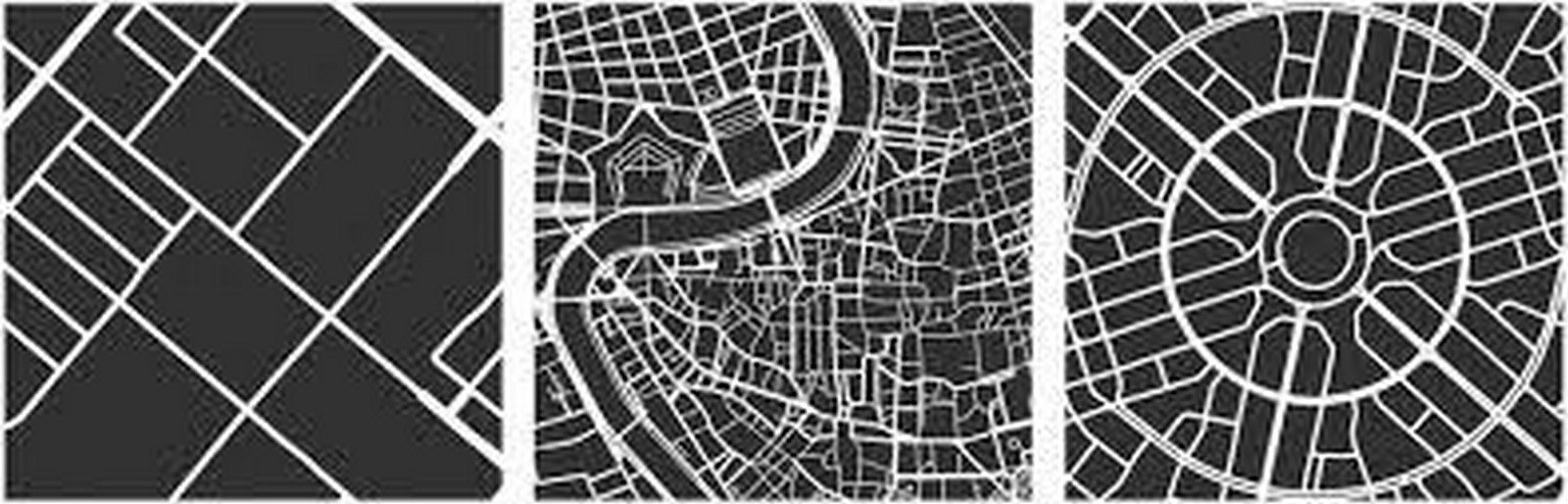
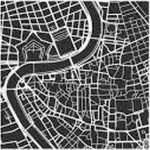
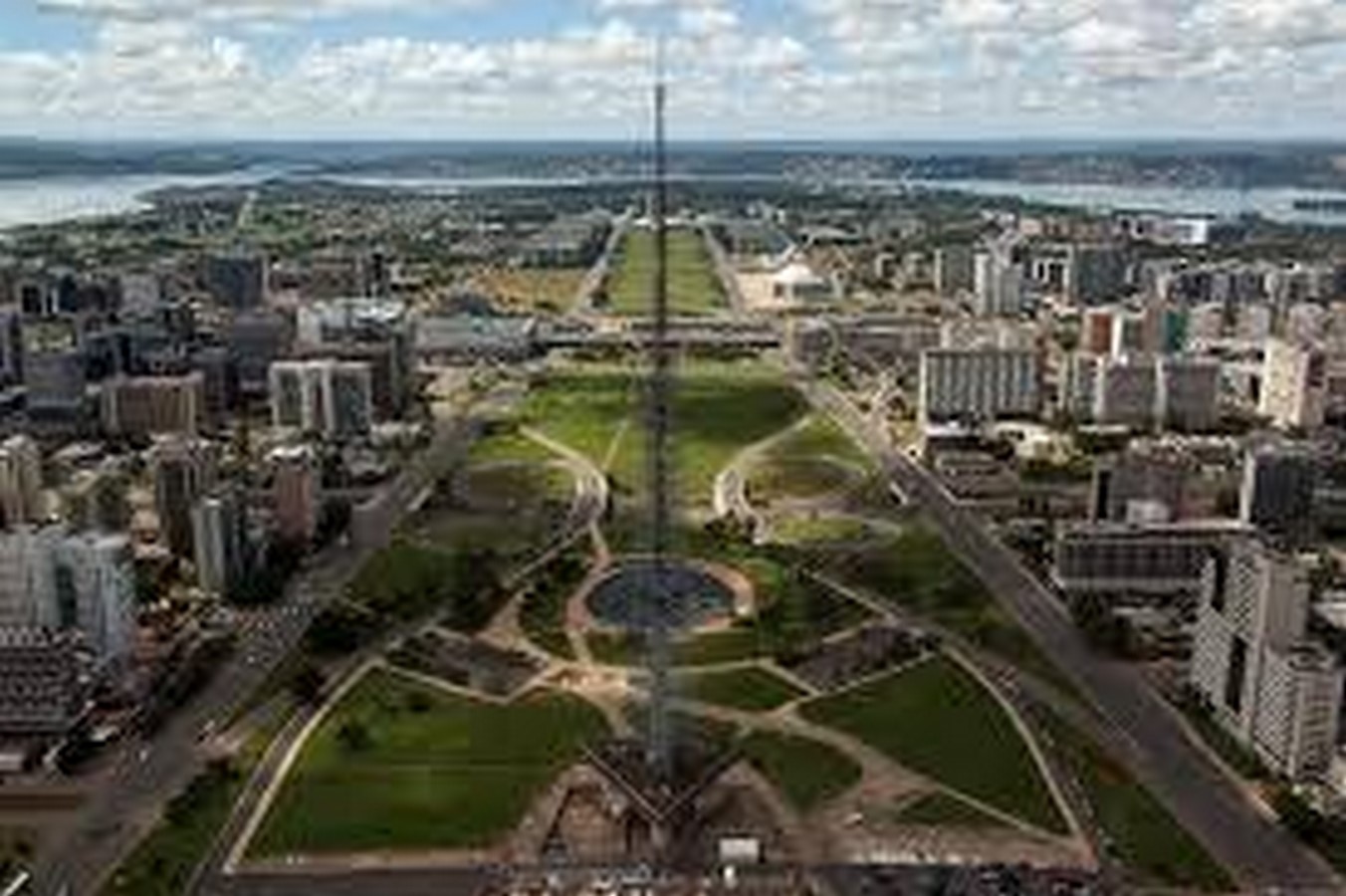
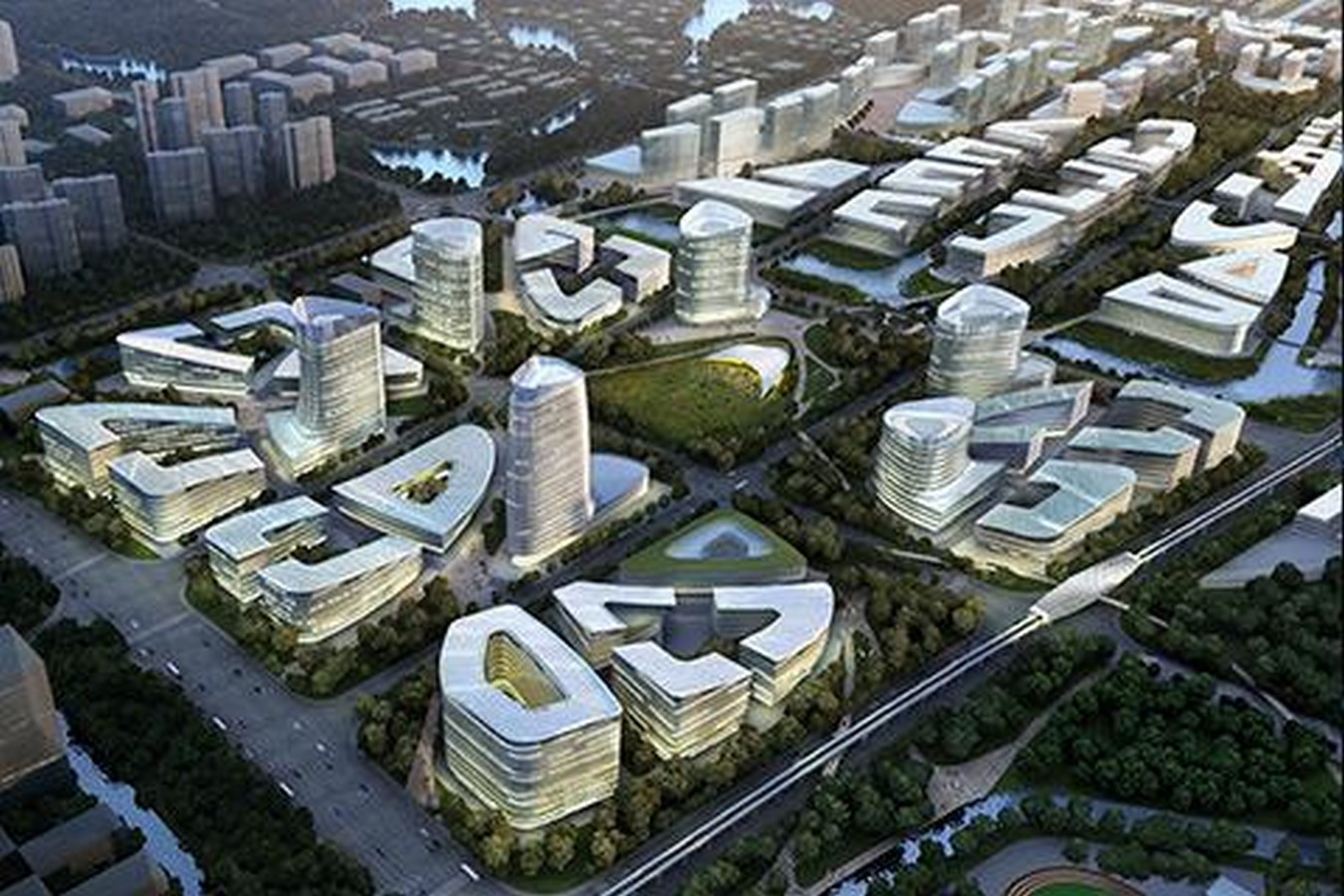
Refers to how well the street networks should be connected in general. This must be taken into account starting from the initial stages of design as to how many routes, how they must be intertwined, and whether pedestrians and cyclists are able to move freely in all parts of the layout. People should be able to navigate public realms easily. Factors such as uneven segregation of space, Inappropriate scale of development, and a lack of proper hierarchy in street networks result in the decline of public permeability.
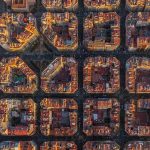
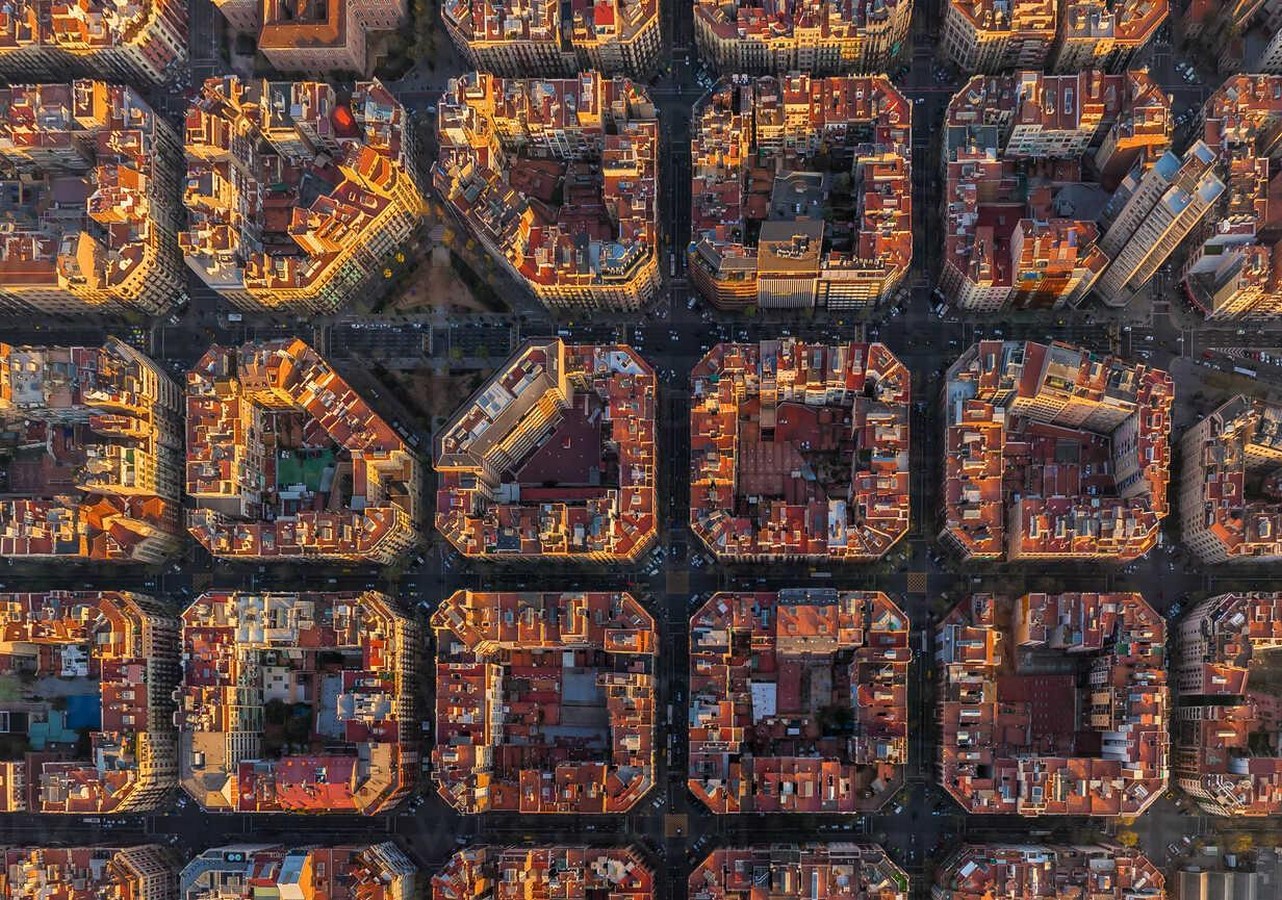
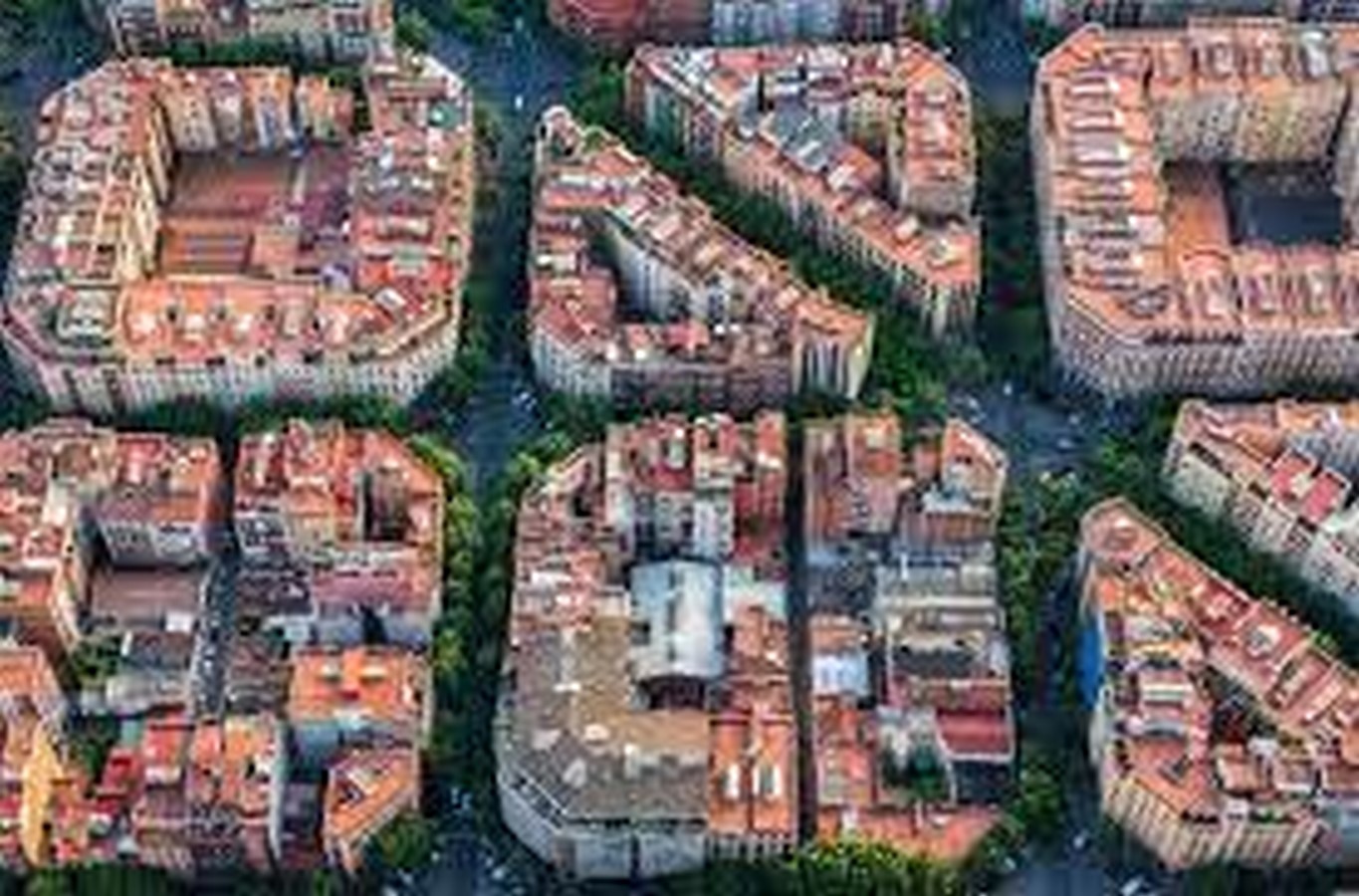
For example, Barcelona’s superblocks, which prioritise permeability, mitigate air pollution and reduce noise, improving safety for pedestrians and cyclists. These blocks are seen as a new way of structuring streets. A superblock is typically made of regular blocks arranged in a 3×3 grid, which creates larger patches of areas that can be used for community engagement. These blocks have significantly turned parts of the city from busy car-dominated to subtle and calmer spaces.
Mixed use and Diversity
Mixed-use planning ensures optimal use of land space. One of the significant benefits of mixed-use developments is reducing the commuting time, arranging residential spaces along with commercial spaces allows residents to live and work, and commute within closer proximity.
Mixed-use zoning includes all residential, commercial, and industrial areas within a single zone. This harmonious mix allows residents to live, work, shop, and recreate. One of the benefits of mixed-use zoning is its suitability and flexibility to easily adapt.
Human Scale and Legibility
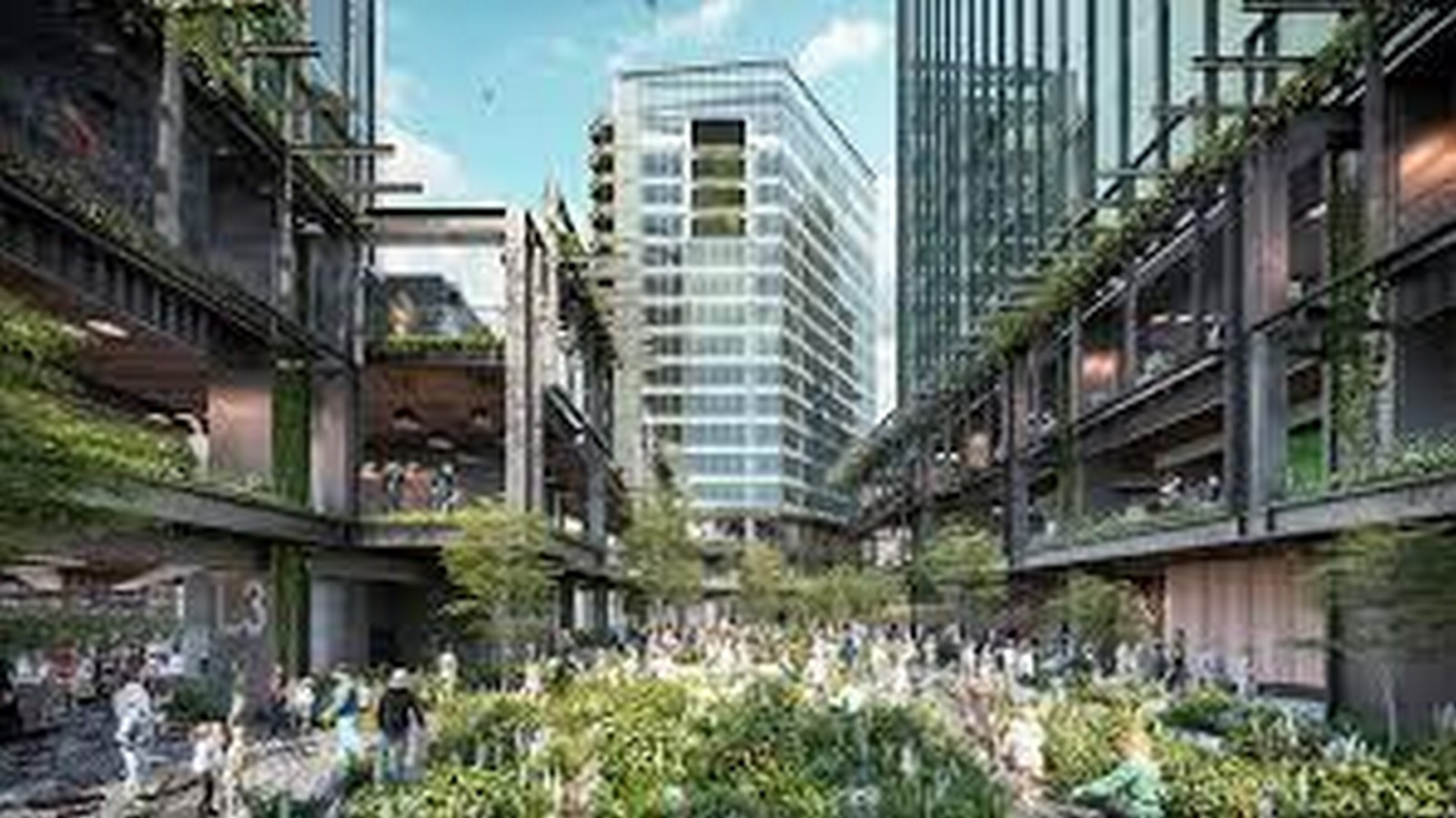
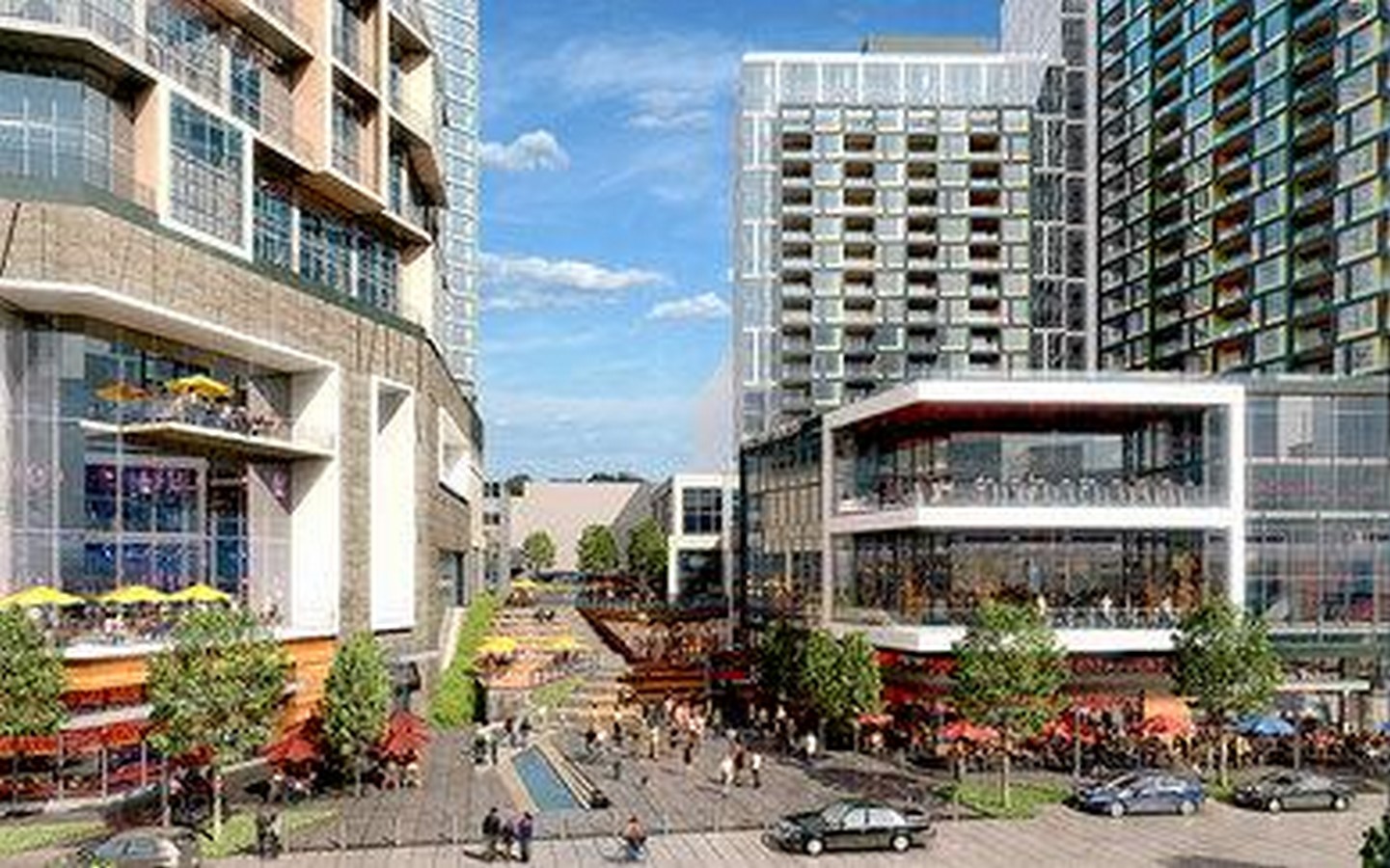
Humans have a horizontal sense of sight, allowing them to walk straight and not see much. Buildings that are huge and larger appear alien and disconnected from the context. In his book Cities for People, Jan Gehl states that “from the street, we can only experience with difficulty events that take place higher up in buildings. The higher up, the more difficult it is to see. the connection between street planes and tall buildings is effectively lost after the fifth floor; they no longer belong to the city”. It is very easy for tall buildings to be disconnected from the context and not take part in city life.
Public Realm and Placemaking
Placemaking begins with making the public realm engaging by using the arts, live experiences, and other creative ways to strengthen the connection between people and places. Various elements help create vibrant, attractive, safe, and green streets for people, including street furniture, lighting, cafes and marketing, curb and sidewalk extensions, wayfinding, and green infrastructure. These street elements are important components of placemaking.
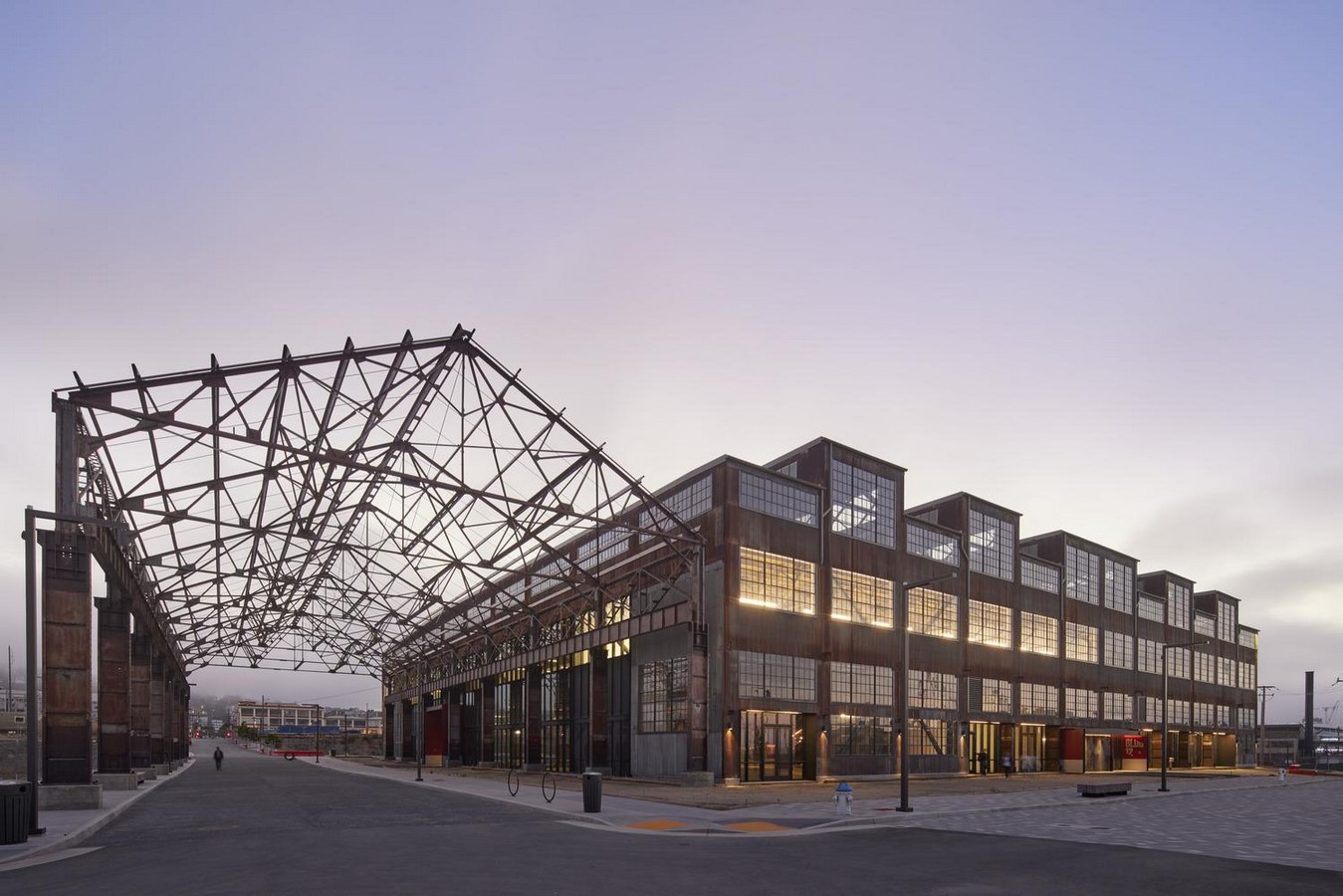
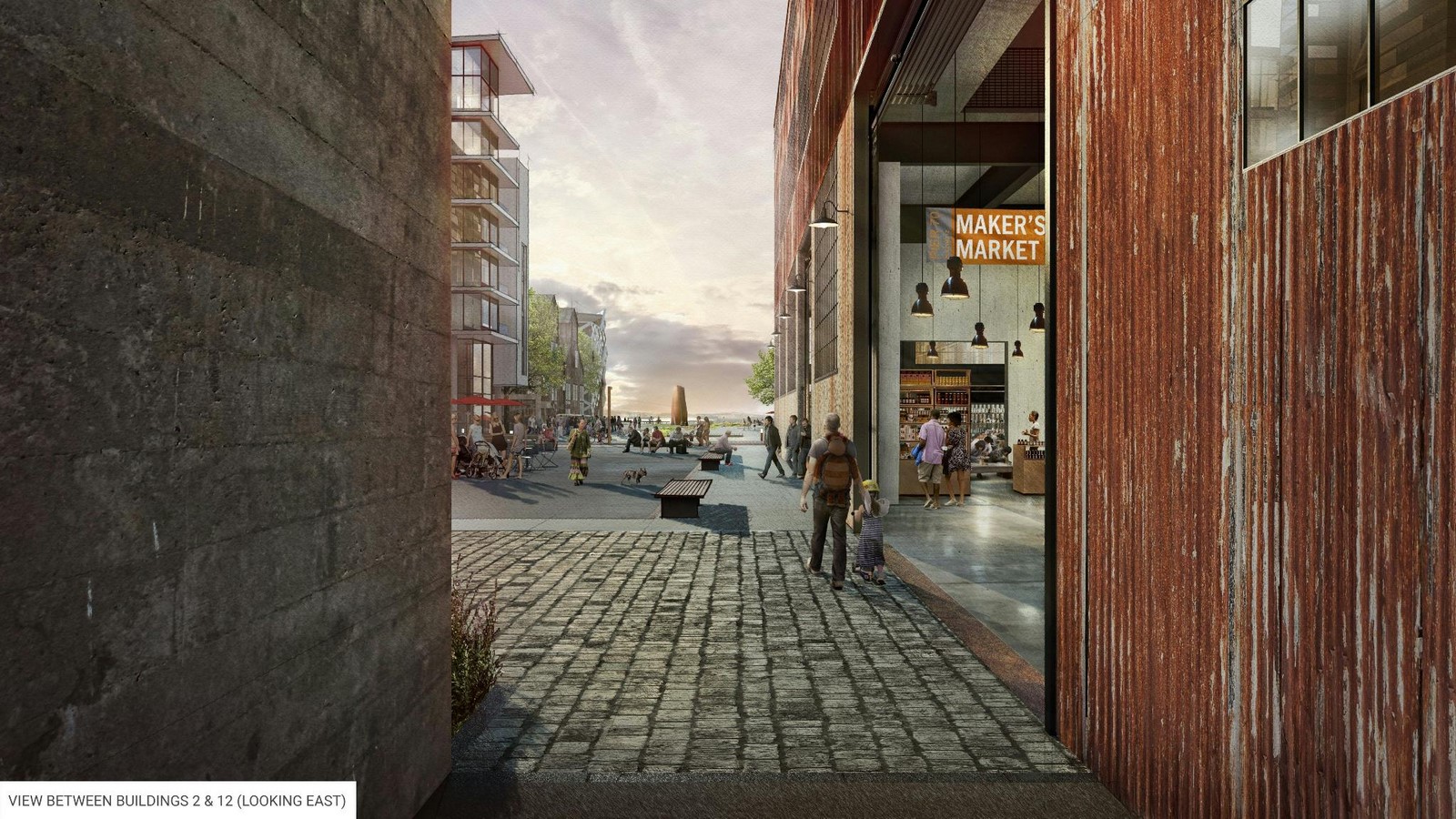
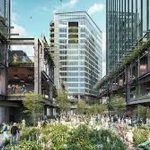
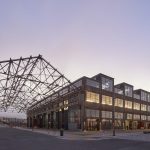
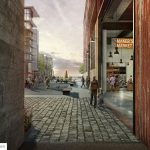
Pier 70 is an example of holistic placemaking. Initially an industrial site with a historical connection which is now transformed into a space housing a mix of retail spaces, office areas, affordable housingand childcare facilities, all located and seamlessly integrated and intertwined with each other while located near public transport, enhancing accessibility and convenience.
What sets Pier 70 apart as a placemaking success is its community-focused approach. The redevelopment goes beyond physical infrastructure; it shows how placemaking can honour a site’s historical character while shaping a sustainable and inclusive community.
Contextual and Identity
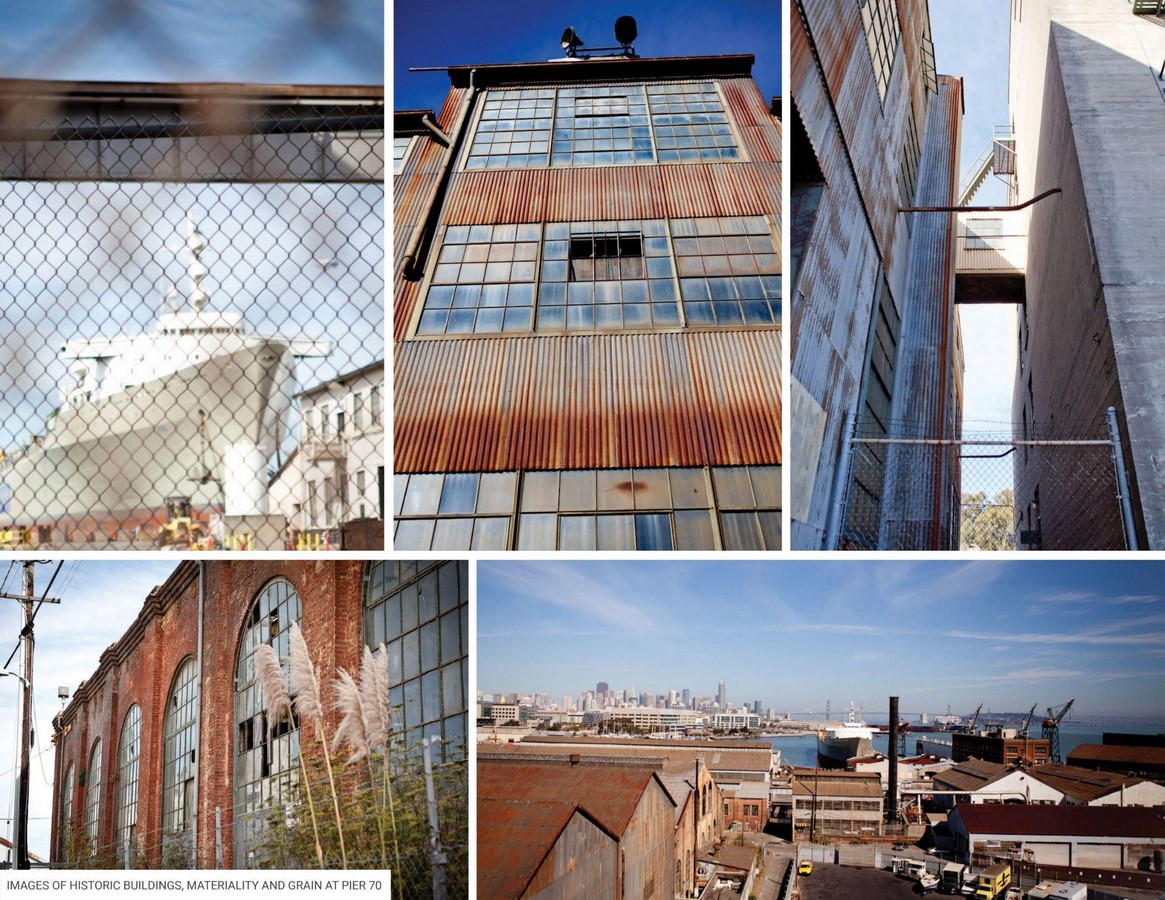
Understanding the local context is crucial in urban design. Analysing the social and cultural context is essential in creating a sense of place and identity. Architecture and urban design can play a critical role in reflecting the local identity and creating a sense of place. By incorporating local materials, cultural references, and historical elements into the design, architects and urban designers can help to create a built environment that is authentic and meaningful.
At its core, urban design is generally about people; it is a powerful tool that helps us create spaces with a sense of belonging, resilience, inclusiveness, and meaning.
By applying these core principles, such as permeability, diversity, human scale, legibility, placemaking, and contextual sensitivity, we can create spaces that are culturally and emotionally vibrant. Further, it helps us resolve global challenges such as climate change, social inequality, rapid urbanisation, etc Solutions can be achieved to such problems through thoughtful urban design solutions that are unique and rooted in community, identity, and cultural awareness.
References:
Scribd. (n.d.). Seven Principles of Good Urban Design | Download Free PDF | Urban Design | Biodiversity. [online] Available at: https://www.scribd.com/document/147828706/Seven-Principles-of-Good-Urban-Design.
Wikipedia. (2022). Permeability (spatial and transport planning). [online] Available at: https://en.wikipedia.org/wiki/Permeability_(spatial_and_transport_planning).
Mallya, S. (2021). Urban Development Approaches to Enhance Permeability in Dense Urban Areas. [online] The Urban Anecdotes. Available at: https://www.the-urban-anecdotes.com/post/cs-1-urban-development-approaches-to-enhance-permeability-in-dense-urban-areas [Accessed 15 Jul. 2025].
Lee, S. (2025). Designing with Identity. [online] Numberanalytics.com. Available at: https://www.numberanalytics.com/blog/designing-with-identity-urban-spaces [Accessed 15 Jul. 2025].
Harrouk, C. (2020). Psychology of Scale: People, Buildings and Cities. [online] ArchDaily. Available at: https://www.archdaily.com/950321/psychology-of-scale-people-buildings-and-cities.
Innovation Quarter. (n.d.). Five Placemaking Projects that Inspire Us. [online] Available at: https://www.innovationquarter.com/articles/five-inspiring-placemaking-projects/.