In the frenetic, feverish pulse of our modern metropolises, where glassy skyscrapers hustle for celestial supremacy and arterial expressways pulsate with ceaseless motion, there lie unnoticed vestiges — urban shadows that whisper tales of yesteryears. These forgotten spaces, relegated to the peripheries of civic consciousness, are far more than architectural misplacements; they are documents of memory, repositories of stories that once animated the urban organism. They are the spectral silhouettes of cities past, clinging stubbornly to the fringes of contemporary imagination.
While planners and developers zealously propagate visions of gleaming “smart cities”, these forsaken fragments of the built environment remain as melancholic reminders of the peculiarity of urban priorities. Beneath the gloss of gentrified facades and sanitized public plazas, one might stumble upon an abandoned textile mill, its brick walls encrusted with ivy and a melancholy industrial aura. Or perhaps an erstwhile cinema hall, now reduced to a cavernous mausoleum of flickering memories, where the ghosts of celluloid romances still linger amid peeling posters and shattered chandeliers.
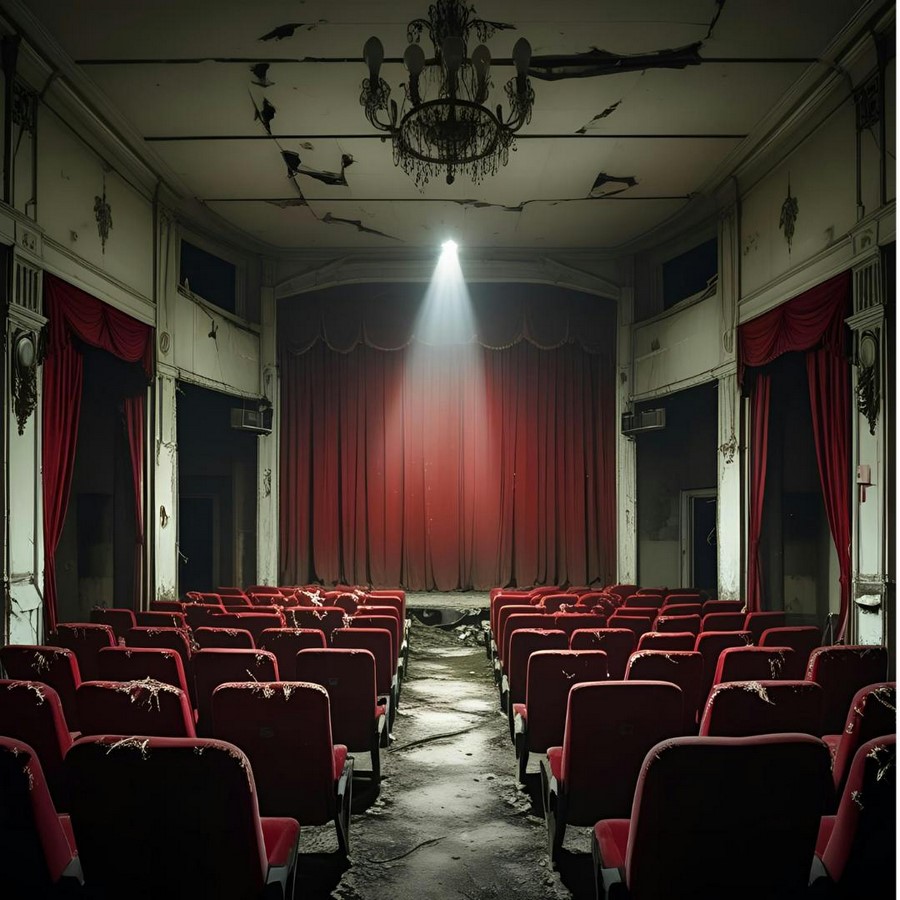
Cities, like journals, are rewritten incessantly, often with an amnesiac fervour. As urban theorist Kevin Lynch mused, cities are perceived not merely through their skylines but through the mental maps of their denizens — a subjective collage of landmarks, smells, sounds, and, importantly, absences (Lynch, 1960). The neglected voids, often referred to as “urban shadows,” shape this mental cartography as indelibly as any monumental boulevard or iconic edifice.
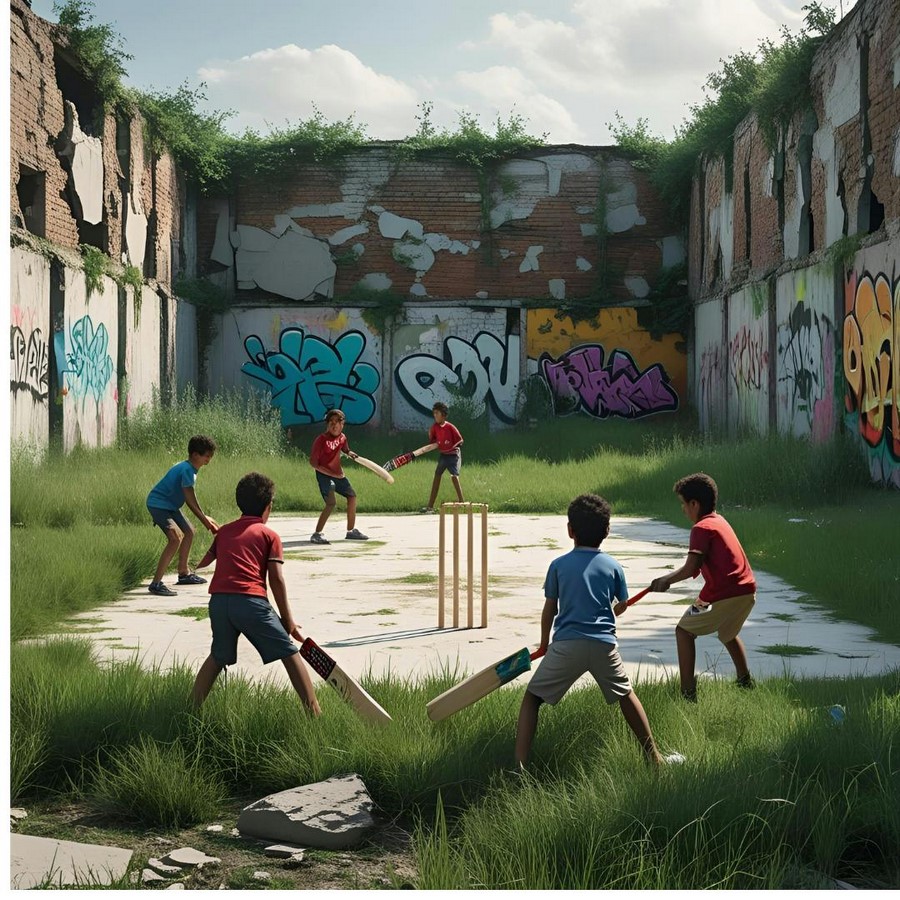
Yet, these urban interstices are not mere inert relics; they are liminal arenas where alternative narratives germinate. Sociologist Richard Sennett eloquently argued that the “open city” thrives on porosity and improvisation (Sennett, 2018). In the cavities of official urban order, one might find transitory markets, hidden or illegal art installations, or impromptu cricket matches. Such spaces become voids — to borrow Foucault’s deliciously enigmatic term — realms where the ordinary spatial rules are suspended, and new social possibilities emerge.
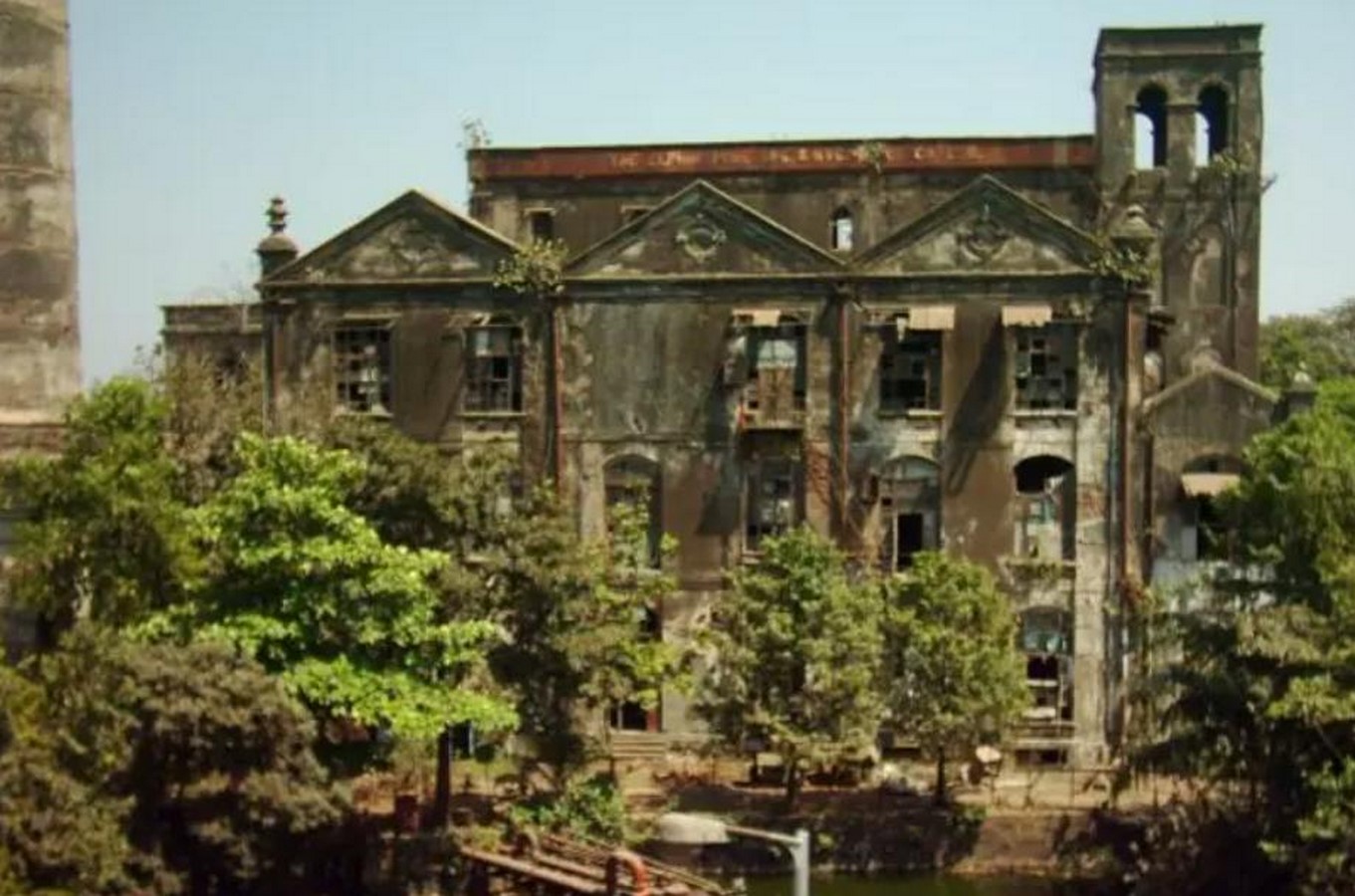
Take, for instance, Mumbai’s decaying textile mill lands. Once the throbbing heart of India’s industrial ambitions, these mills now stand as monumental mementoes of a bygone era. While some have metamorphosed into luxury malls and commercial enclaves, others remain dormant, their labyrinthine interiors hosting itinerant workers, stray animals, and guerrilla artists. These sites embody the perpetual tension between erasure and remembrance, between profit-driven redevelopment and the poetic potential of ruination.
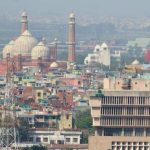
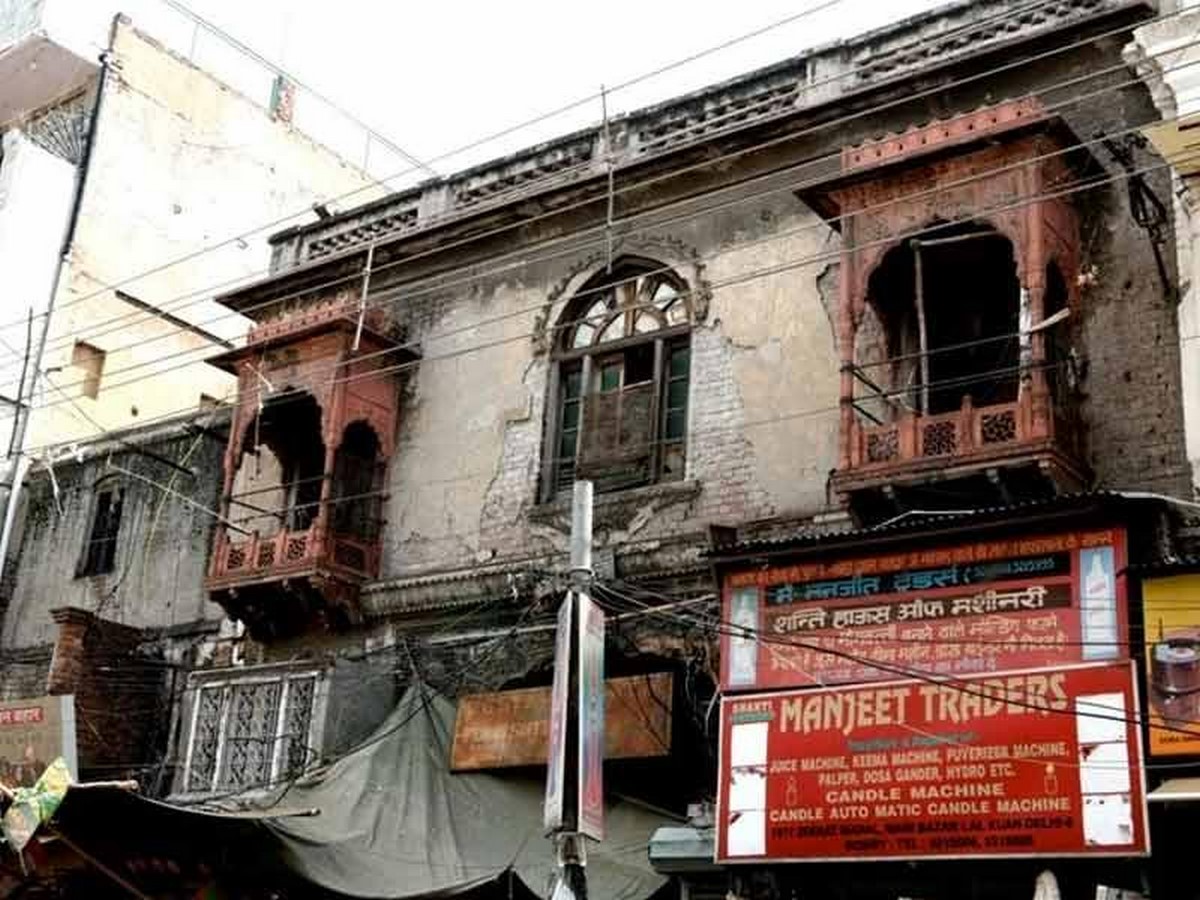
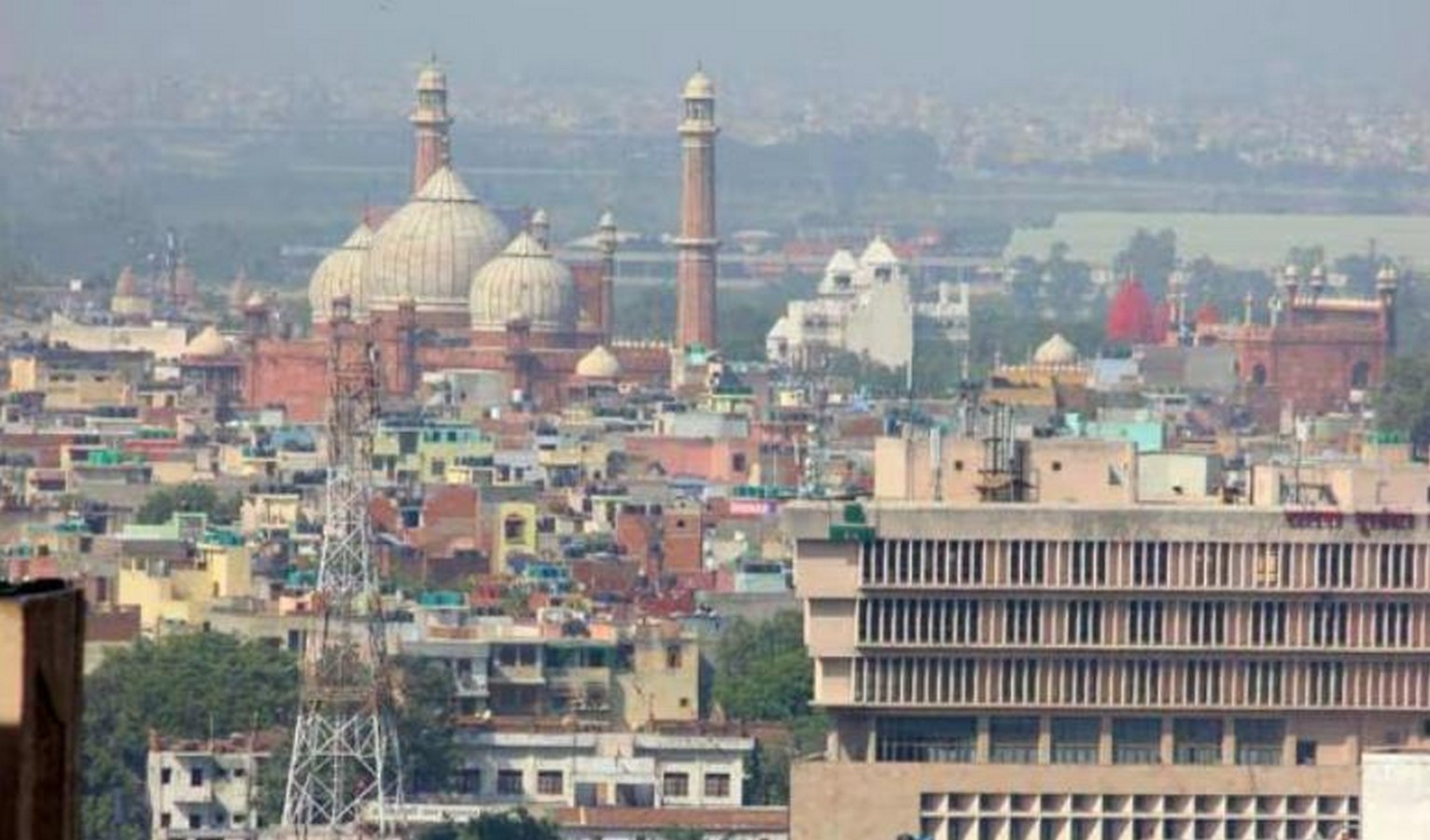
Similarly, in Delhi, the labyrinthine ruins of old havelis and deserted Mughal-era gardens offer glimpses into a syncretic past that belies the city’s current proclivity for vertical growth and concrete homogeneity. They are sanctuaries for wanderers, artists, and historians alike — those attuned to the subtle symphonies of decay. In these crumbling courtyards, one might sense the residual aroma of rose attar, the echo of Urdu couplets, and the spectral presence of courtesans who once animated their gilded evenings.
The imperative to “develop” often translates into the wholesale annihilation of such spaces. Yet, there is a compelling argument to be made for conservation that transcends mere nostalgia. As urban heritage scholar Ashish Ganju observed, preserving these fragments fosters civic continuity and collective identity (Ganju, 2015). In an epoch marked by transient digital interactions and ephemeral urban spectacles, these spaces anchor us to a tactile, material past.
Furthermore, the adaptive reuse of forgotten spaces can catalyse inclusive urban regeneration. Across Europe, disused railway lines have metamorphosed into verdant promenades — the Promenade Plantée in Paris and New York’s High Line being exemplary testaments to this imaginative repurposing. Such interventions not only rejuvenate neglected structures but also democratise access to urban green lungs, fostering serendipitous encounters and communal conviviality.
In India, there are burgeoning attempts to reclaim these shadows. Initiatives like the “Heritage Walks” in Ahmedabad or the conservation of Hyderabad’s Osmania General Hospital reflect a nascent but growing awareness of the value embedded in our urban residues. Nevertheless, the duty remains on architects, planners, and, most crucially, citizens to become vigilant custodians of these narrative-rich nooks.
To trace the stories of forgotten spaces is to confront the uncomfortable truths of urban amnesia — the displacements, the erasures, the silenced voices. Yet, it is also an invitation to imagine a more humane, layered, and pluralistic cityscape. In these urban shadows lie not merely ruins but resonances, reminders that a city is not simply a repository of concrete and glass but a living palimpsest of aspirations, failures, dreams, and despairs.
Let us, then, embrace these spectral corners with the reverence they deserve. Let us listen to their murmured memories and weave them into our urban futures. For in the chiaroscuro of these neglected spaces, one might find the most poignant articulations of a city’s soul — if only we dare to look beyond the shimmering facades and heed their hushed stories.
References:
- Lynch, Kevin. The Image of the City. MIT Press, 1960. https://mitpress.mit.edu/9780262620017/the-image-of-the-city/
- Sennett, Richard. Building and Dwelling: Ethics for the City. Farrar, Straus and Giroux, 2018. https://us.macmillan.com/books/9780374200336/buildinganddwelling
- Ganju, Ashish. “Reclaiming Public Spaces: Heritage and Urban Development in India.” In Future of Places Conference, 2015. https://www.academia.edu/14388136/Reclaiming_Public_Spaces_Heritage_and_Urban_Development_in_India