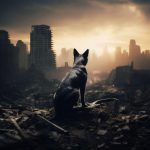
Animals have been an integral part of the living existence but with the introduction of concrete jungles, they are left with little or nothing. In metropolitan areas, this dense network of concrete jungles leaves little to no breathing space for humans, let alone animals. The result is a high level of animal neglect in metropolitan areas and the rise of numerous other problems like global warming and environmental pollution. This article focuses on Sustainable Humane Design for Animals, sustainability is the need of the hour in this era of rapid urbanization, a philosophical approach to design that seeks to maximize the quality of the built environment, while Humane brings about the demand for compassion and sympathy. An umbrella term incorporating every outlook of sustainability and design for Animals as humanly possible.
Background
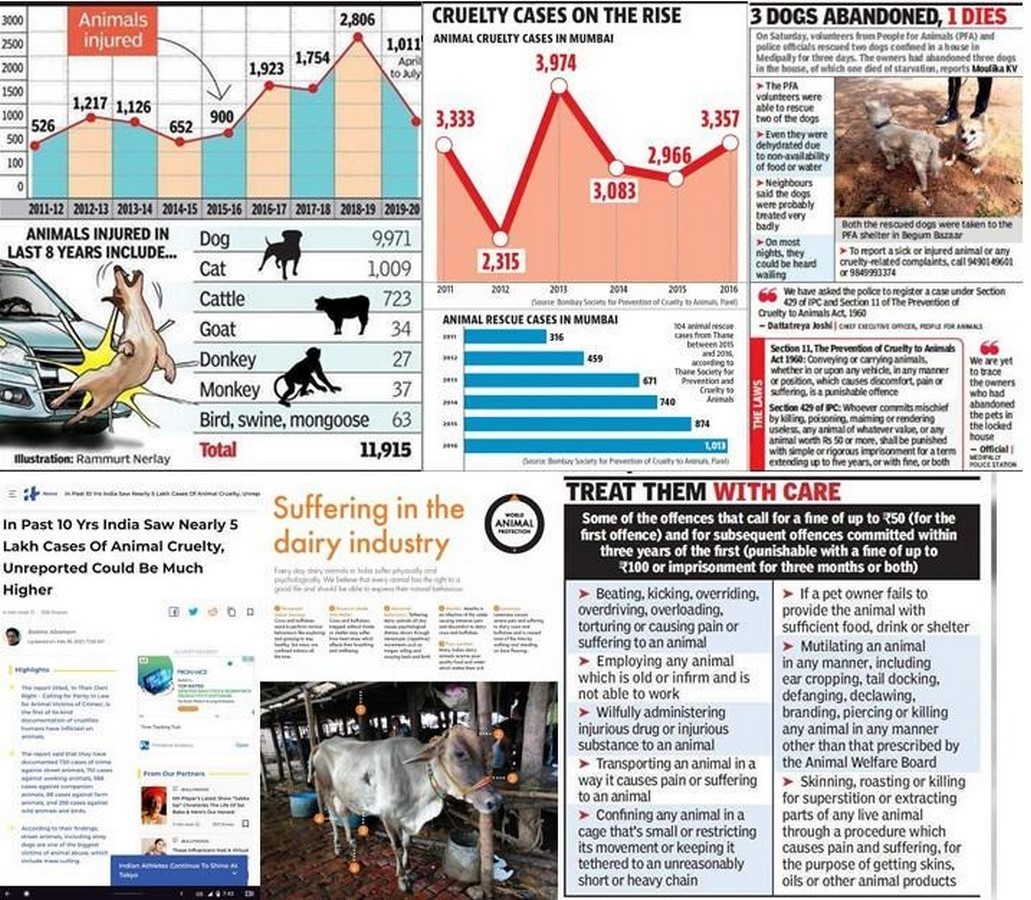
Sustainability is the need of the hour in this era of rapid urbanization. Earlier humans lived in symmetry with their built environment which primarily consisted of caves, and huts surrounded by a vast and dense forest, largely dominated by the wild as well as domesticated animals. But as we transitioned our way toward the modern era, advancements were made, resulting in drastic changes within our built environment.
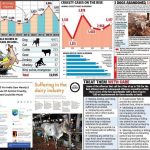
Rapid urbanization can directly be correlated with heightened population growth, which is one of the major causes of alienation and isolation, where humans tend to abandon their offspring, let alone animals.
Following industrial development, this issue is gaining momentum, which further spiked due to the pandemic
where most people had no space and resources to feed themselves, and this eventually led to high numbers of animals being abandoned or neglected by their owners, in addition to the already strays.
This raises the need for Sustainable Humane Design for Animals, an approach that seeks to provide design solutions that are good for all species throughout time. It highlights the need to try and build a world that’s more safe and habitual for all animals and humans alike.
There have been awareness campaigns and initiatives by the government to address this problem and challenges:
- The Animal Welfare Board of India (AWBI) under the Union Environment Ministry has asked the Union Urban Development Ministry to ensure the construction of an ‘animal hostel/shelter’ in each smart city to take care of cows, stray dogs, and other abandoned animals and livestock.
- The Ministry of Urban Development, Government of India has to play a vital role by making Model Bye-Laws the provision of Animal Shelters in their Smart City and other Metro City Development Plan to make this program successful on the lines of the Prevention of Cruelty to Animals Act, 1960.
- An advisory has been issued to all the States/ UTs that this being the mandate of local authorities, they should take care of stray animals otherwise it will be treated as cruelty.
- The AWBI has issued an advisory to all the State Govt. and UT for the revival of Cattle Pounds and Kanji Houses which includes that shelters are not to be used beyond their capacity.
Animal Expression
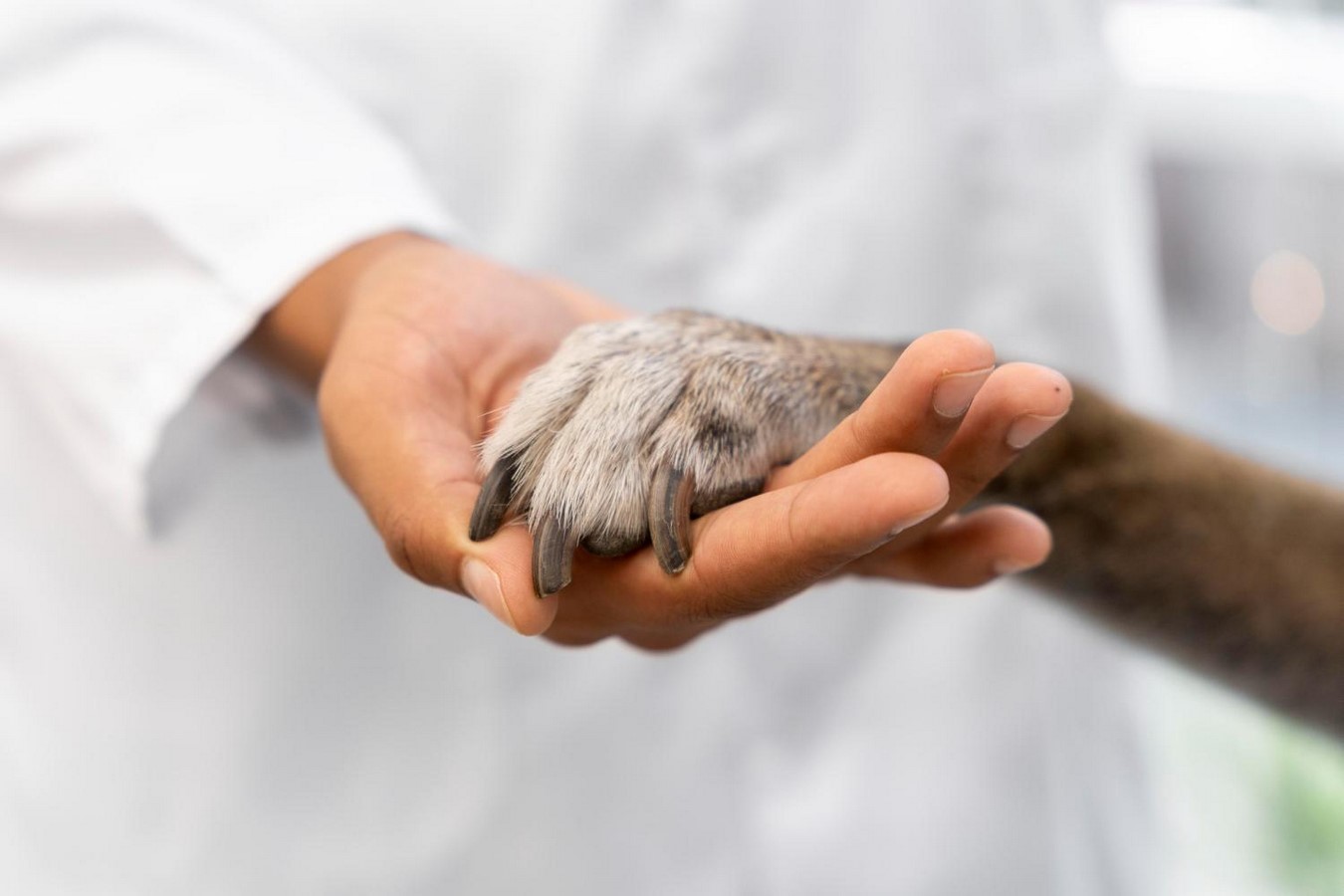
When designing for animals, it is important to know their animal expression, what stresses them, and what is their habitat and needs. There are numerous studies and research available on the types of buildings and their design techniques and how they can be implemented while designing for animals. While designing for animals there are many aspects to be kept in mind other than the designing strategies, like planning, lighting, and ventilation. The most neglected animals in any metropolitan city are birds, cats, dogs, and cows.
No matter which animal the space is being designed for there are a few extremely important considerations. Noise Control is the most important of them all, not only are they affected by the noises from the city but designing a space for them like a shelter would mean designing it a little away from that city noise, and a barking dog itself produces sound up to 60 to 110dB which can be disturbing to animals. Therefore, sound-absorbing materials should be used like drapery, foam rubber, or more. Noise could be followed by odor control, natural ways for ventilation are preferred and if providing mechanical ventilation or an HVAC system then it is important to make sure that the return and exhaust supply do not cross each other. Designing for animals means it should be their haven, and natural materials should be given preference in construction since in addition to being environment friendly they are animal friendly also.
Design Study
Petting Farm, Netherlands
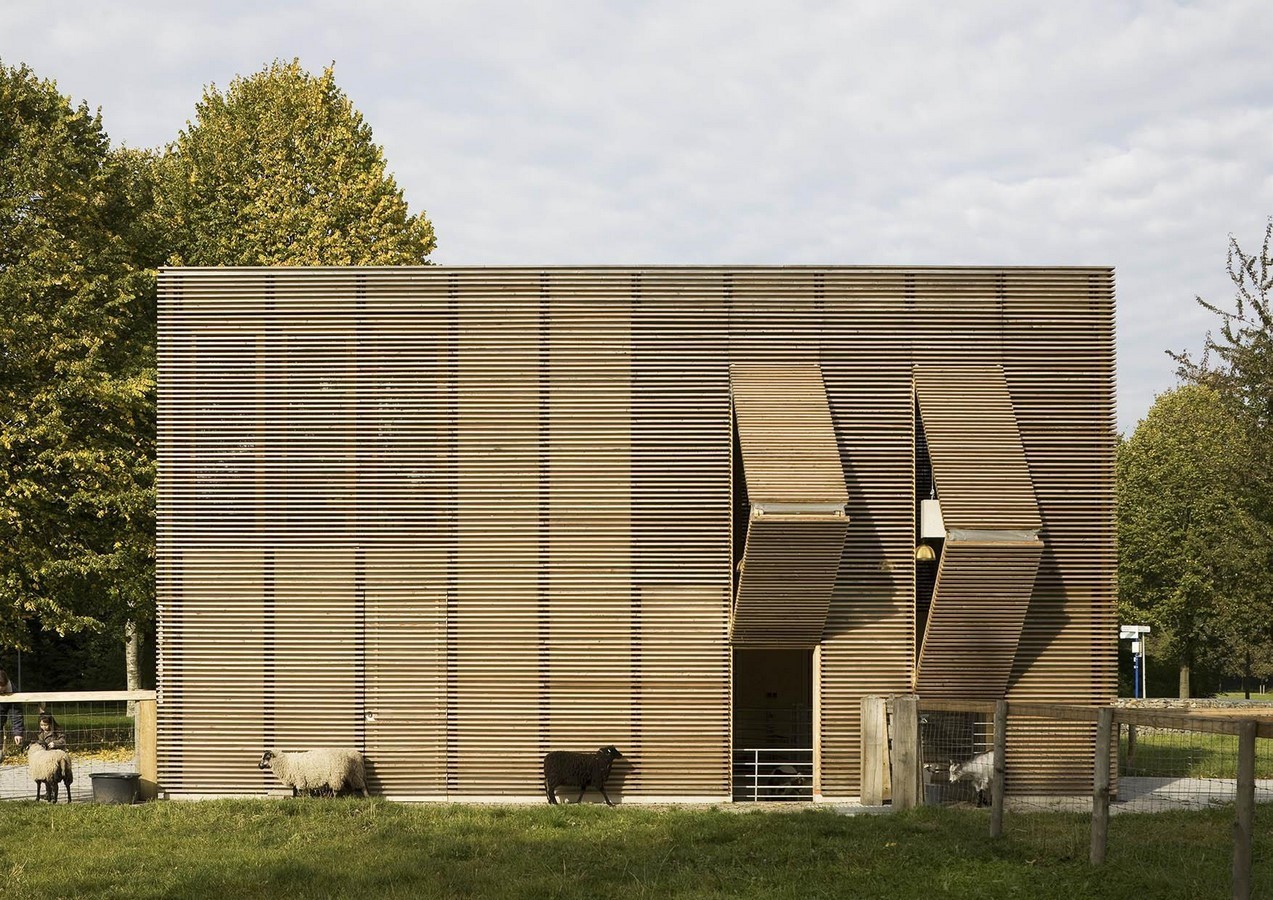
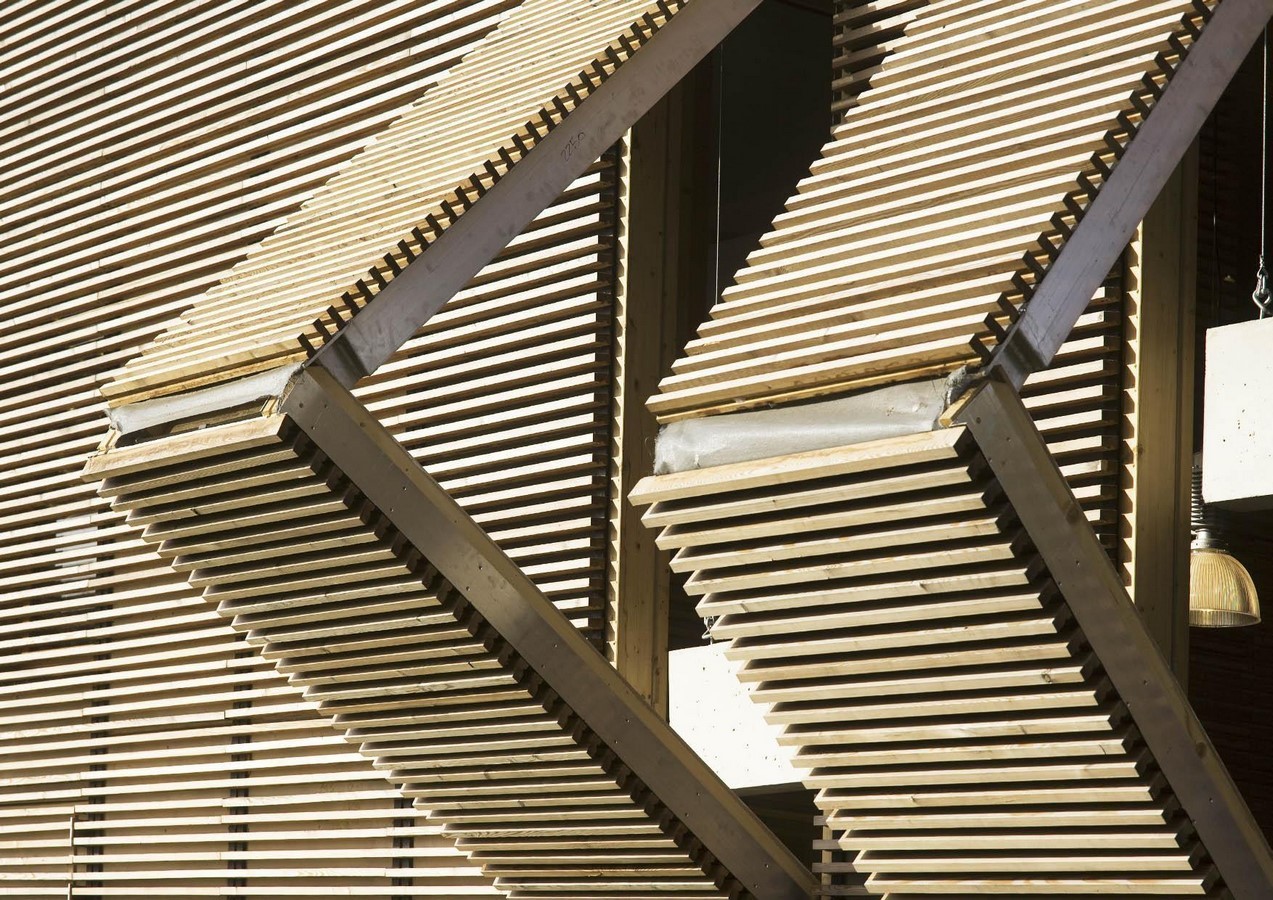
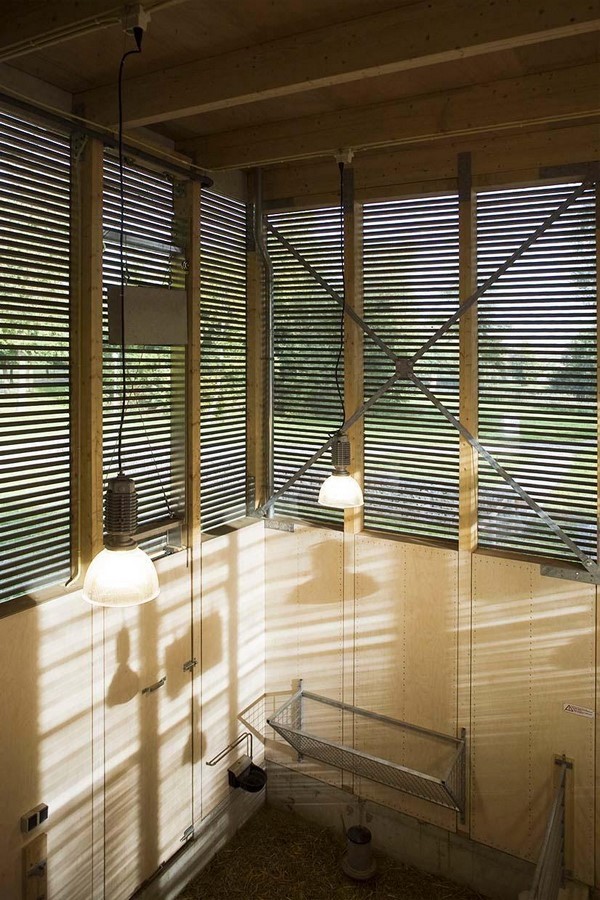
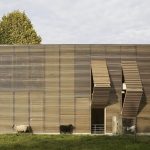
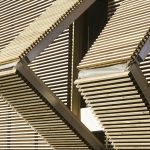
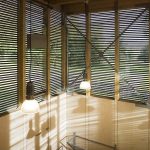
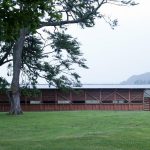
A stable located in Almere resembles a wooden box with mechanical shutters that open automatically with the rays of the sun. In a stable, ventilation is of utmost importance, because the living place of cattle tends to end up being quite smelly, and keeping that in mind this stable has been designed with proper ventilation and ample natural light. These mechanical shutters as mentioned earlier have been designed in such a way that they would either open automatically in the morning, reacting to the upcoming sun and gradually close again when the sun goes down, or can be opened manually as well, depending on the needs. Furthermore, the insides of the space are designed such that it asserts no dominance over the cattle but instead instills in them a sense of belonging and safety.
Choosing wood as the main construction material has helped the structure to not extensively stand out but rather blend in the environment. A building extensively reduced in aesthetic violence wakes up and goes to sleep each day.
Aviary & Stable Park, Chile
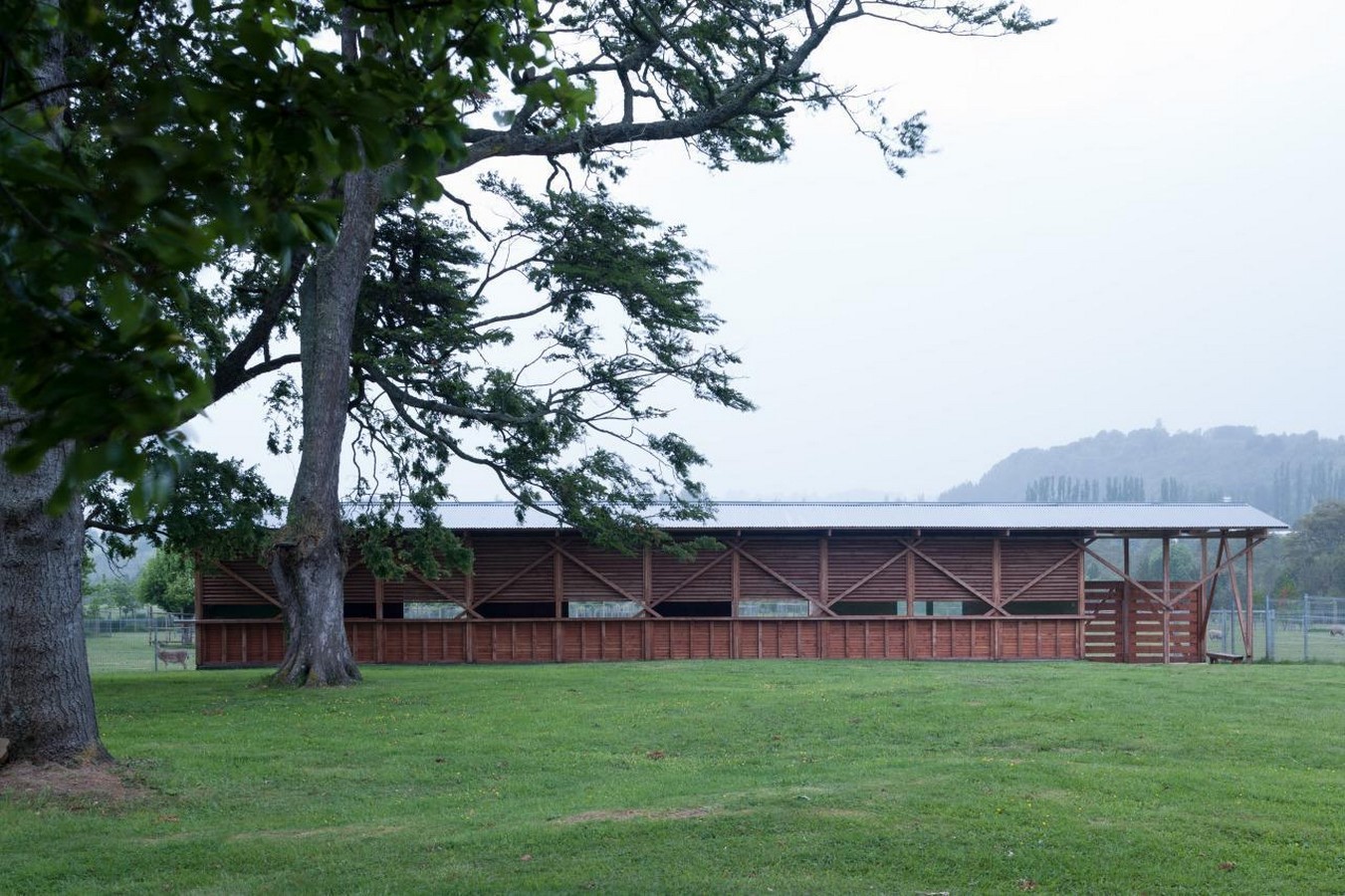
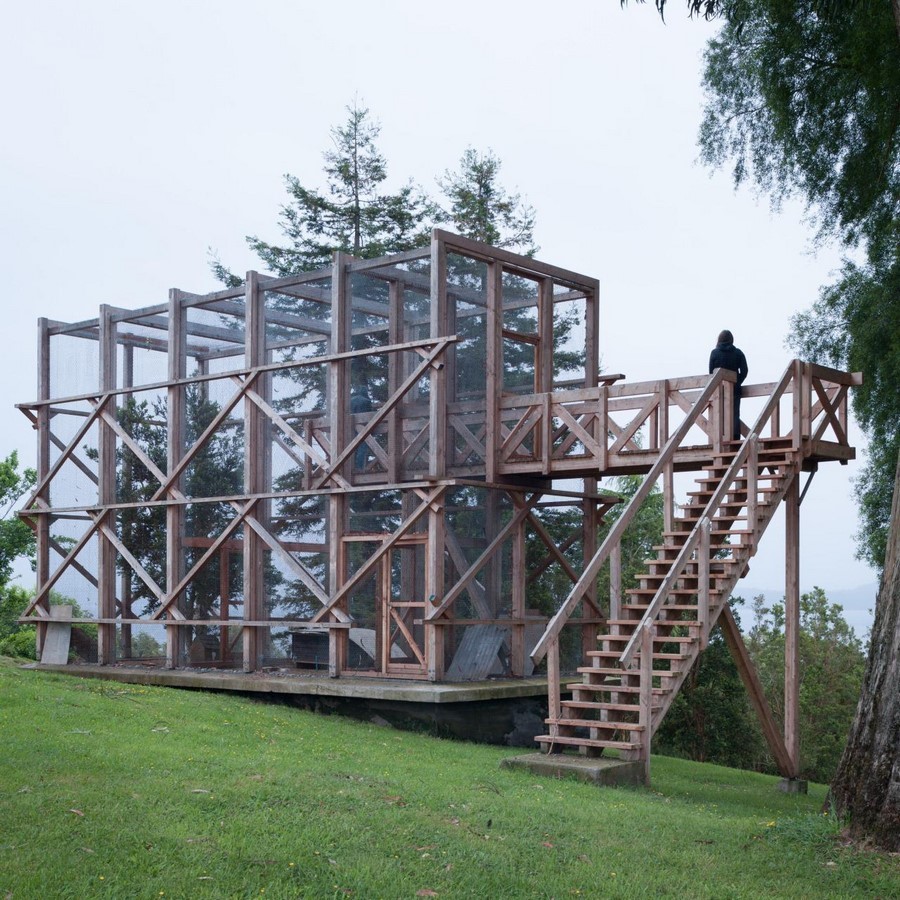
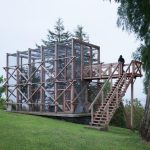
Located in a pristine location, designed for the animals to freely wander under surveillance but with the least human interaction possible. The pavilions projected consist of two aviaries, a stable, a bridge, and observation towers among other complementary elements such as fences and water collectors to be built in time. The aviary was designed with careful consideration for the species of birds that will be inhabiting it. The Aryan tree needed to be put inside for the species. The construction is of wood digital cut system which is prefab technology. There is a certain visual appeal to the structures, a visual unity has been achieved through the building system not just by the use of materials but by meticulously blending it through careful landscaping.
Palm Springs Animal Care Facility, California
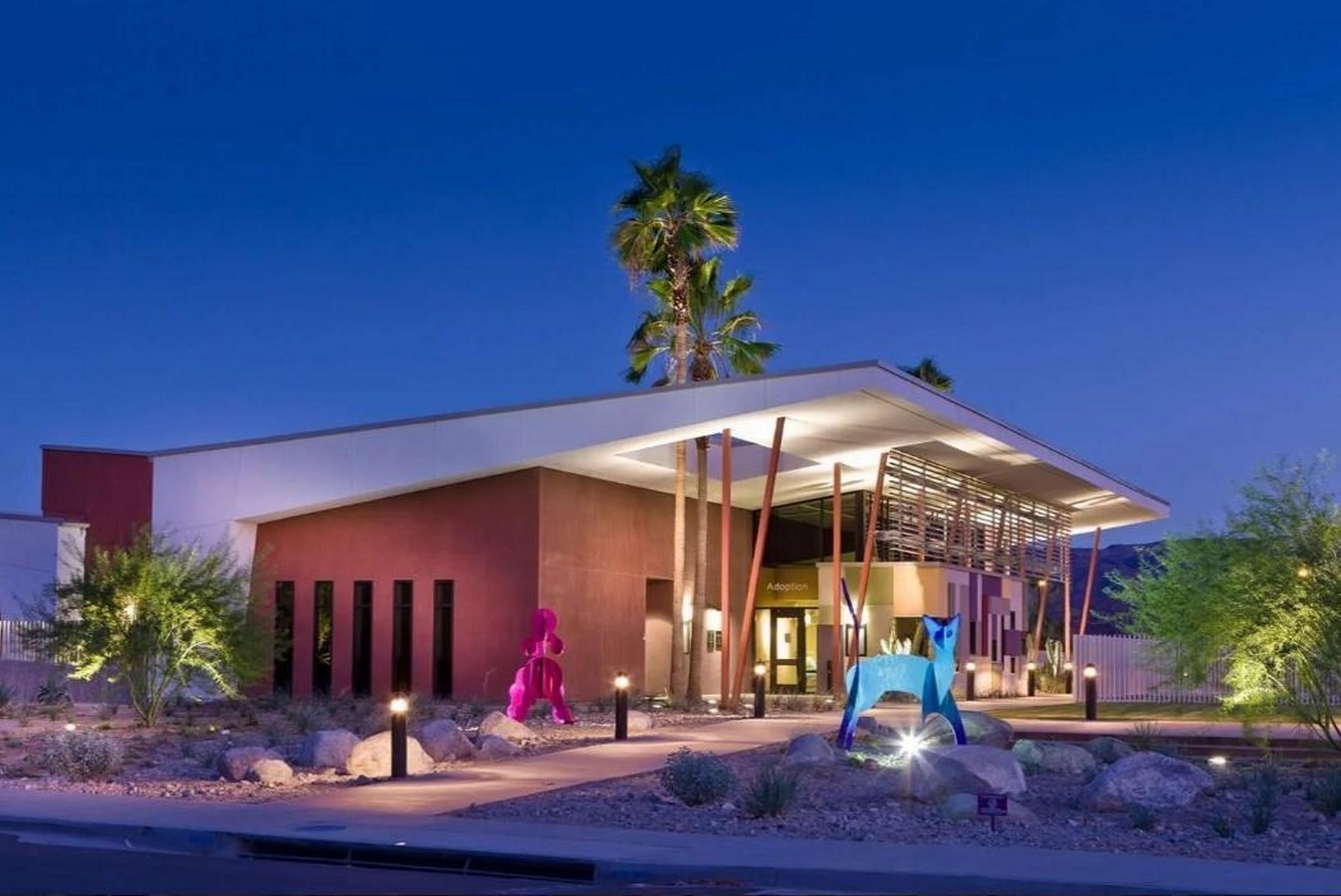
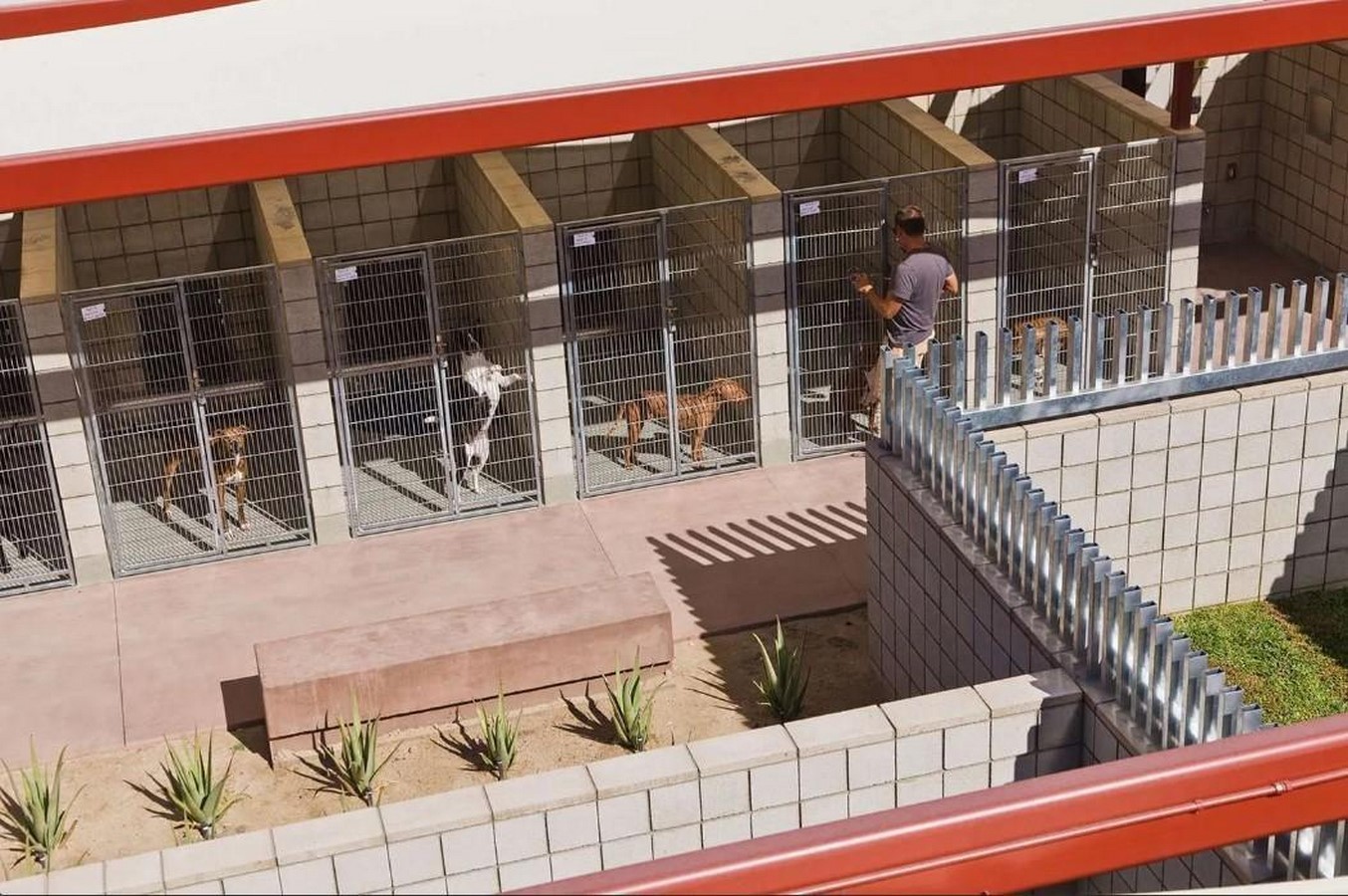
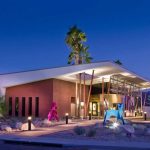
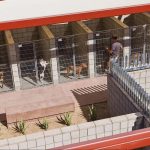
Located on a 3-acre site across from the City’s Demuth Park, The Palm Springs Facility has been designed as an equivalent “silver” LEED facility with a special emphasis on water conservation, where recycled water from the adjacent sewage treatment plant is used for cleaning all animal areas and for landscape irrigation. Components have been divided according to their specific program: public-oriented, Animal Community Center ambiance featuring a central indoor/outdoor kennel design with public adoption access within an inviting garden courtyard. The construction is modern, and the materials used are modern, yet it has been designed for animals in a way that they feel at ease and at home. Animal areas feature materials selected for long-term durability due to the facility’s extensive cleaning and the abuse from dogs who like to chew. These materials include epoxy resin floors and walls, non-absorptive acoustical ceilings, extensive stainless steel casework, and other protective devices. It is to also be noted that the plumbing system in the facility has been designed with a trapless drain arrangement to eliminate standing water in drains, and all cleaning water and irrigation are provided by recycled water.
The advancement in technologies, shift from rural to urban, hence giving rise to urbanization is a major benefactor of numerous problems. In this rush of expansion of spaces, fulfilling the requirements of human beings, animal neglect is at its peak, especially after the ongoing COVID-19 pandemic, where humans tend to abandon their offspring let alone animals. In addition to this, other innumerable problems have arisen with rapid urbanization, the dominant ones being environmental pollution and global warming. It’s an ongoing cycle of repetition where the pattern needs to be broken, hence raising the need for a Sustainable Design.
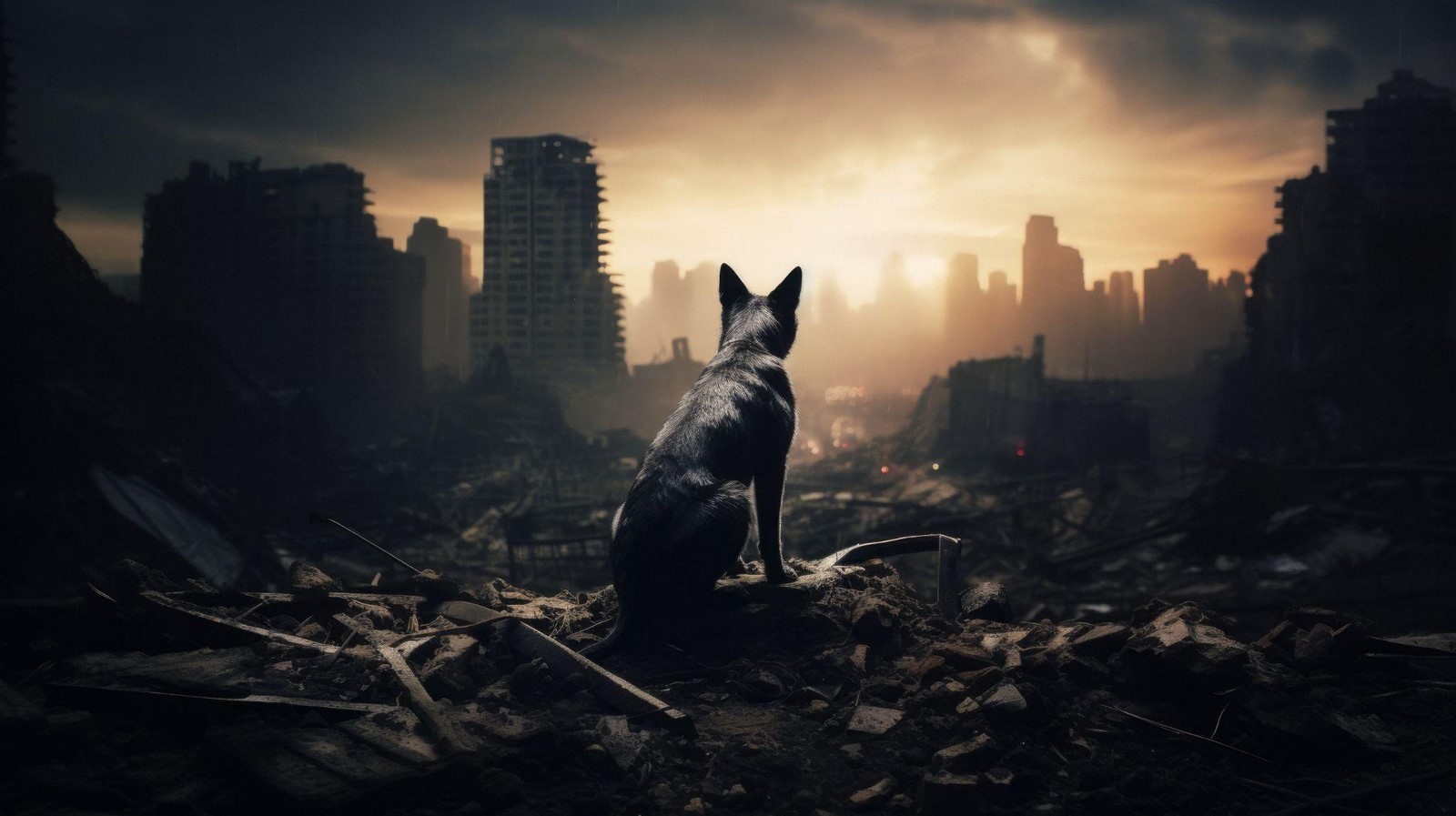
It can be concluded that animals used to either live in the alluring greens of forest or harmony with humans but now they are lost in the dust and debris of the metropolitan cities. Their relationship with the built environment has taken a drastic turn, stripping them away from their homes and leaving them stranded on the sides of roads, highways, and amongst the overpowering shadows of high-rise buildings. Therefore a sustainable humane design for animals is required to redefine the relationship between animals and their built environment in the urban fabric.
Reference List:
https://www.humaneworld.org/en/resources/animal-cruelty-facts-and-stats
https://www.archdaily.com/935031/aviary-and-stable-park-el-encanto-draa
https://www.modlar.com/photos/2569/petting-farm-exterior/
https://arquitecturaviva.com/works/petting-farm
https://www.archdaily.com/29965/petting-farm-70f-architecture
https://www.seventyf.net/projects/petting-zoo
http://www.reubenwalters.com/commercial.html
https://www.archdaily.com/237233/palm-springs-animal-care-facility-swatt-miers-architects
https://architizer.com/projects/palm-springs-animal-shelter/