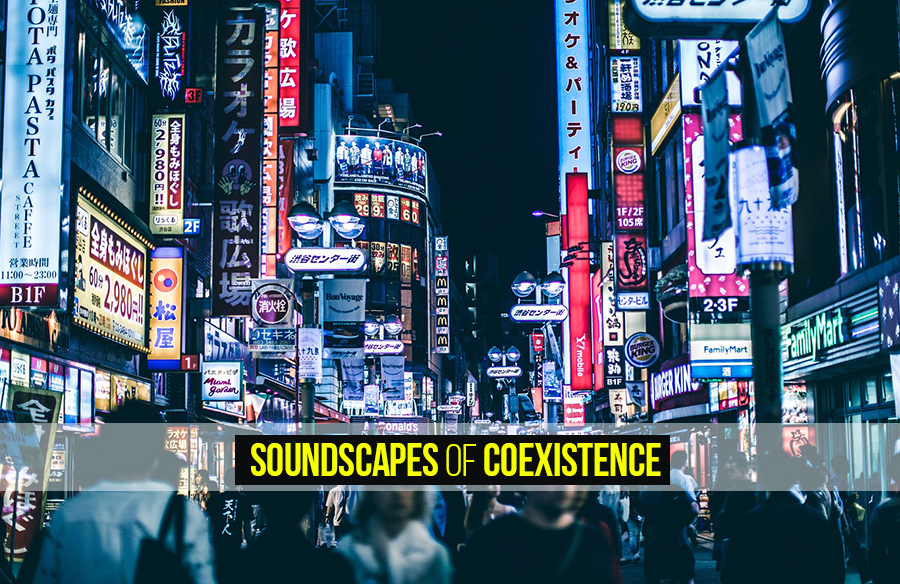
Architecture and urban planning discourse has traditionally favoured visual elements, including elevations, forms, materials, and perspectives. The lived experience of a city depends on more than visual elements. The way people experience, remember, and share spaces depends heavily on sound, though its power remains underappreciated. The cultural heritage of Indian cities, with their dense populations and diverse communities, relies heavily on their soundscapes.
Urban Soundscape: More Than Just Noise
Modern urbanism views sound as an unwanted by-product that requires management through reduction or blocking. The concept of ‘noise pollution’ has driven policymakers to focus on sound elimination instead of its interpretation. The sounds that people dismiss as noise contain multiple cultural indicators. A city’s daily routines, historical development, and social structures exist as a dynamic collection of sounds within the urban environment. When sound is recognized as a design element, the discussion shifts from controlling it to curating it. Religious soundscapes in multi-faith communities function as active sonic identifiers that establish social routines and rituals in their environments.
An Evening Harmony in the City
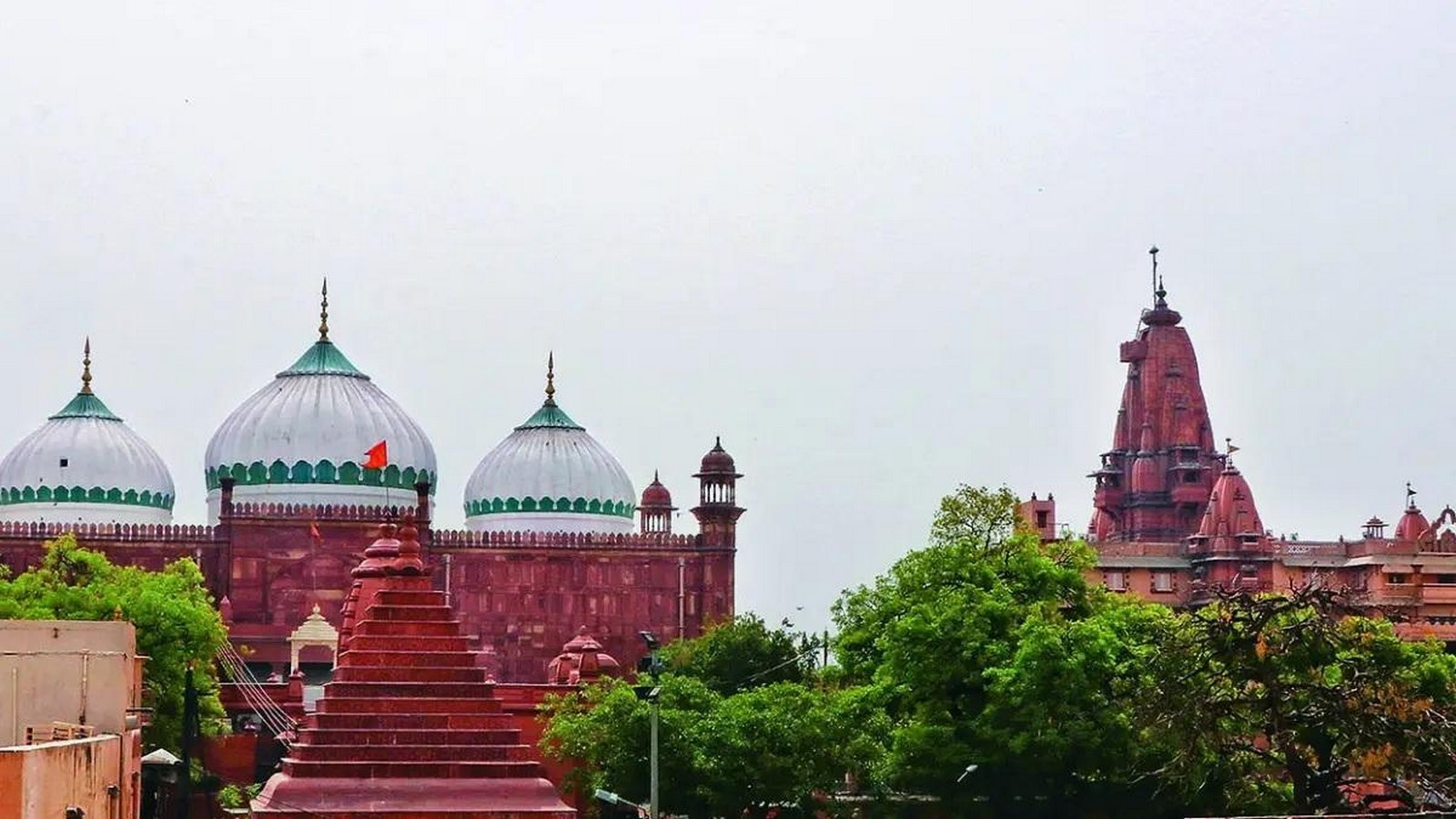
Older organic neighbourhoods have their evenings defined by sounds instead of time indicators. The mosque begins its evening prayer call which floats through the air as a soft pause carries through the atmosphere. The sound does not require silence but it creates a state of mindfulness. The temple bells from a nearby courtyard start ringing after the mosque prayer call ends in a harmonious continuation rather than a competitive manner. The sounds blend in perfect harmony instead of opposing each other. The residents use this sequence to identify both a temporal and emotional change. The evening brings children back to their homes while shopkeepers start their closing procedures and kitchen activity intensifies.
The Architecture of Listening
Buildings modify sound waves in addition to reflecting light. The combination of narrow lanes and open courtyards with high plinths and perforated jaalis functions to distribute and filter auditory signals. Architecture functions as an invisible director within these common religious acoustic environments. Minarets serve as visual markers yet their tall stature enables sound transmission across extensive distances. The spatial arrangement of temple courtyards and domed halls creates specific patterns that allow bells and chants to reverberate throughout these spaces. Two structures that share a close location use their built environment to transmit their sounds so each remains audible without disrupting the other. The unintentional yet effective acoustic negotiation illustrates how traditional neighbourhoods naturally facilitate coexistence.
Planning Cities with the Ear
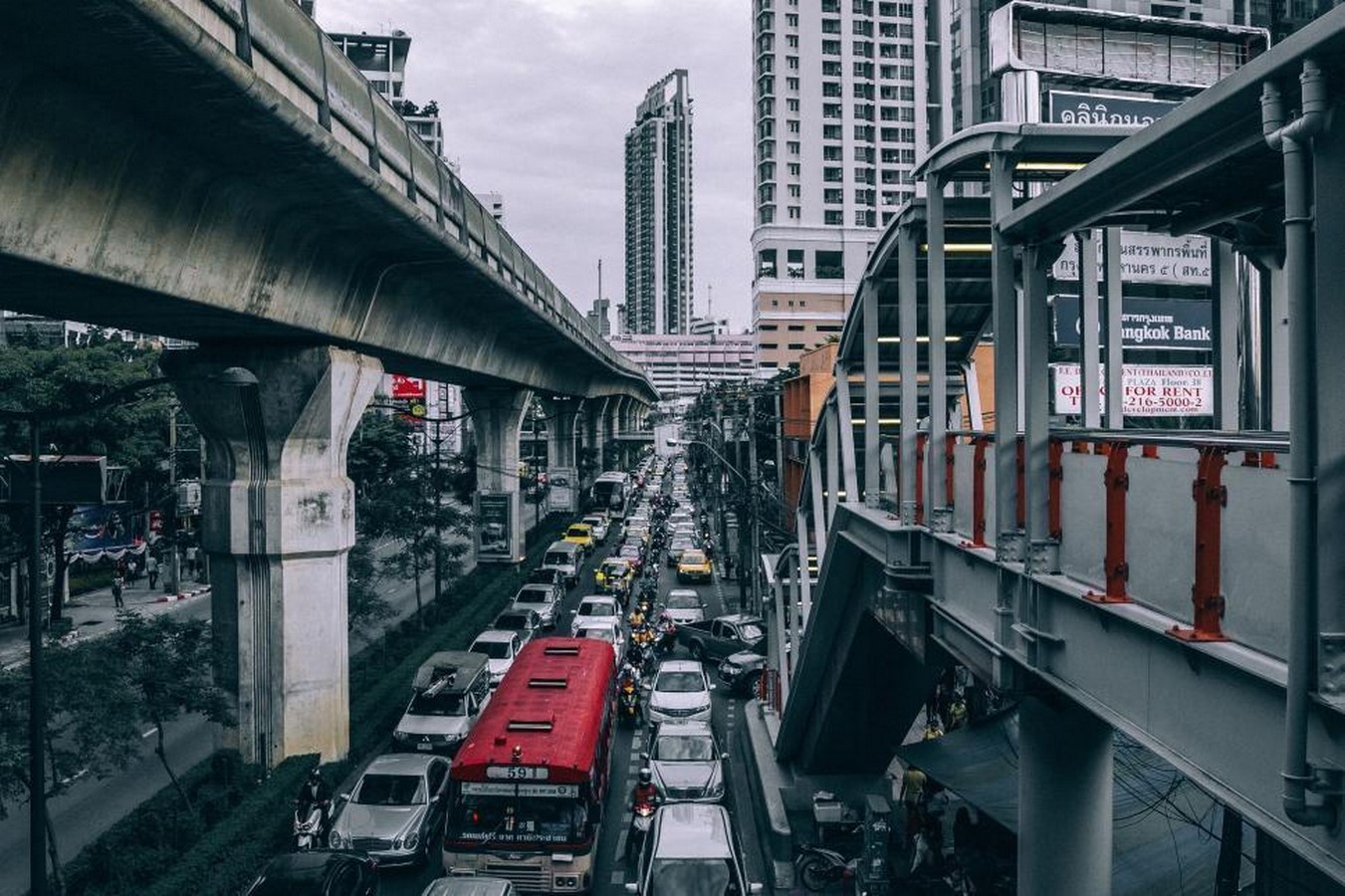
Most urban plans are drawn with eyes, never ears. Zoning laws together with transport corridors and green buffers prioritize visual privacy pollution control and traffic management but fail to address sonic quality in their planning. Cities either become excessively noisy with undesirable sounds from honks, engines, and construction or they become too silent by eliminating the natural sounds of community life. Planners together with architects need to develop acoustic zoning systems that aim to create meaningful sound patterns instead of sound suppression. A city’s rhythm exists in both its movement and its sound because every community adds to the city’s polyphonic soundscape.
When Sound Becomes Resistance
These sounds sometimes function as a form of quiet defiance. The continuous ringing of temple bells and distant azan sounds in homogenized urban areas remind people that cities contain multiple identities rather than a single one. These sounds defend cultural heritage and maintain cultural ties to changing environments. The attempts by municipal orders and residents’ associations to regulate or ban these sounds under noise control pretences lead to questions about which city voices will be heard. Religious soundscapes function beyond their ritual purpose because they establish active spatial rights.
The Politics of Audibility
Different communities experience unequal levels of hearing. Elite residential areas consider silence to be luxurious but informal settlements experience sound overflow between adjacent homes because of their high population density. Some mixed-use and mixed-faith areas maintain an unspoken agreement to respect each other’s sounds. People in these areas accept and expect the evening prayer sequence between mosques and temples. The situation becomes unclear when residents who do not understand the sounds move into the area or when new construction starts to overpower the traditional rituals. Audibility exists as a political issue that focuses on the assignment of value rather than sound intensity. Which sounds do people consider sacred while others view them as noise?
Sound as Emotional Infrastructure
Planners together with architects concentrate their efforts on building physical structures which include roads, drains and buildings. The emotional infrastructure of cities heavily depends on sound as a fundamental element. The combination of sounds establishes trust while creating memories, maintaining continuity, and providing comfort. A shared soundscape based on ritual creates an environment where people can coexist without needing to engage in dialogue. People exist within the same rhythmic pattern although they never exchange words. Social cohesion requires essential sensory overlaps during a period when polarisation continues to rise. Cities that provide space for temple bells and prayer calls develop citizens who learn to accept differences organically through the continuous practice of daily life rather than through policies or campaigns.
Lessons from Indigenous Urbanism
The traditional Indian cities maintained their spaces without strict divisions between different social classes or religious beliefs. The practice of building mixed-faith settlements with multiple religious institutions occurred frequently throughout the region. Their soundscapes were not anomalies but norms. Architecture and urban form supported layered lives. The narrow gullies of Old Delhi together with the clustered havelis of Ahmedabad demonstrate how spatial design enables the creation of shared soundscapes. The models demonstrate that living together exists beyond political boundaries because it depends on sensory experiences. Modern planning should adopt indigenous principles of rhythm permeability and proximity to create better urban environments instead of trying to duplicate traditional forms.

The Risk of Sonic Sanitisation
The drive to modernize cities has resulted in the disappearance of numerous sound environments. Automated alarms replace human calls. Malls replace markets. Acoustic ceilings silence public chatter. The city presents a clean appearance yet lacks human interaction which makes it visually attractive but sonically dull. The shared evening sound experience faces extinction because of deliberate disregard rather than active opposition. When planning fails to consider auditory aspects, it creates spaces that eliminate empathy from the environment. Cities need to preserve their human character by maintaining audible environments that convey meaningful sounds rather than loud noises. Architecture needs to achieve visual attractiveness, acoustic correctness, and residential familiarity to succeed.
A City That Learns to Listen
The mosque and temple calling together represent more than chance because it demonstrates their ability to coexist. The city exists beyond its physical structure of concrete and steel because it contains sound, memory, and habit. Urban soundscapes function as cultural elements that should be preserved instead of being treated as noise to eliminate. Listening needs to become as essential for architects, planners, and citizens just as visual perception. Cities that listen to bells, calls, chants, and footsteps become cities that truly care about their communities. The city that listens becomes the city that learns to coexist with its inhabitants.