Architecture is like a time capsule in a way. It gives us a glimpse of the people who built and lived in it. It shows us how they celebrated, mourned, ate, danced, cried, and laughed. It tells us about their hopes and dreams and their pain and fears. It tells us about what they valued most in their societies. It can also tell us about their social hierarchies and what they believed in. Ultimately being inside a historic building is like being inside a time machine — it takes one back to the past.
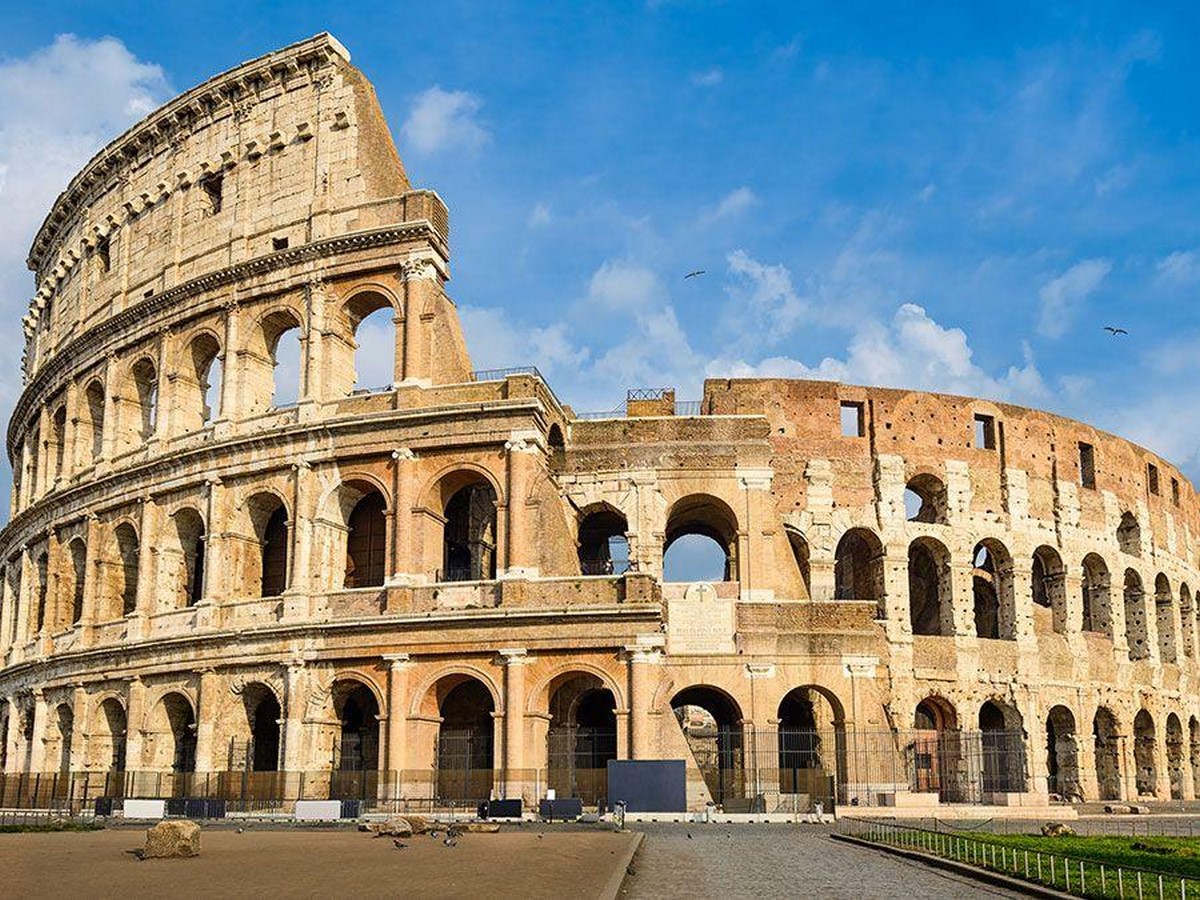
How can buildings serve as historical records?
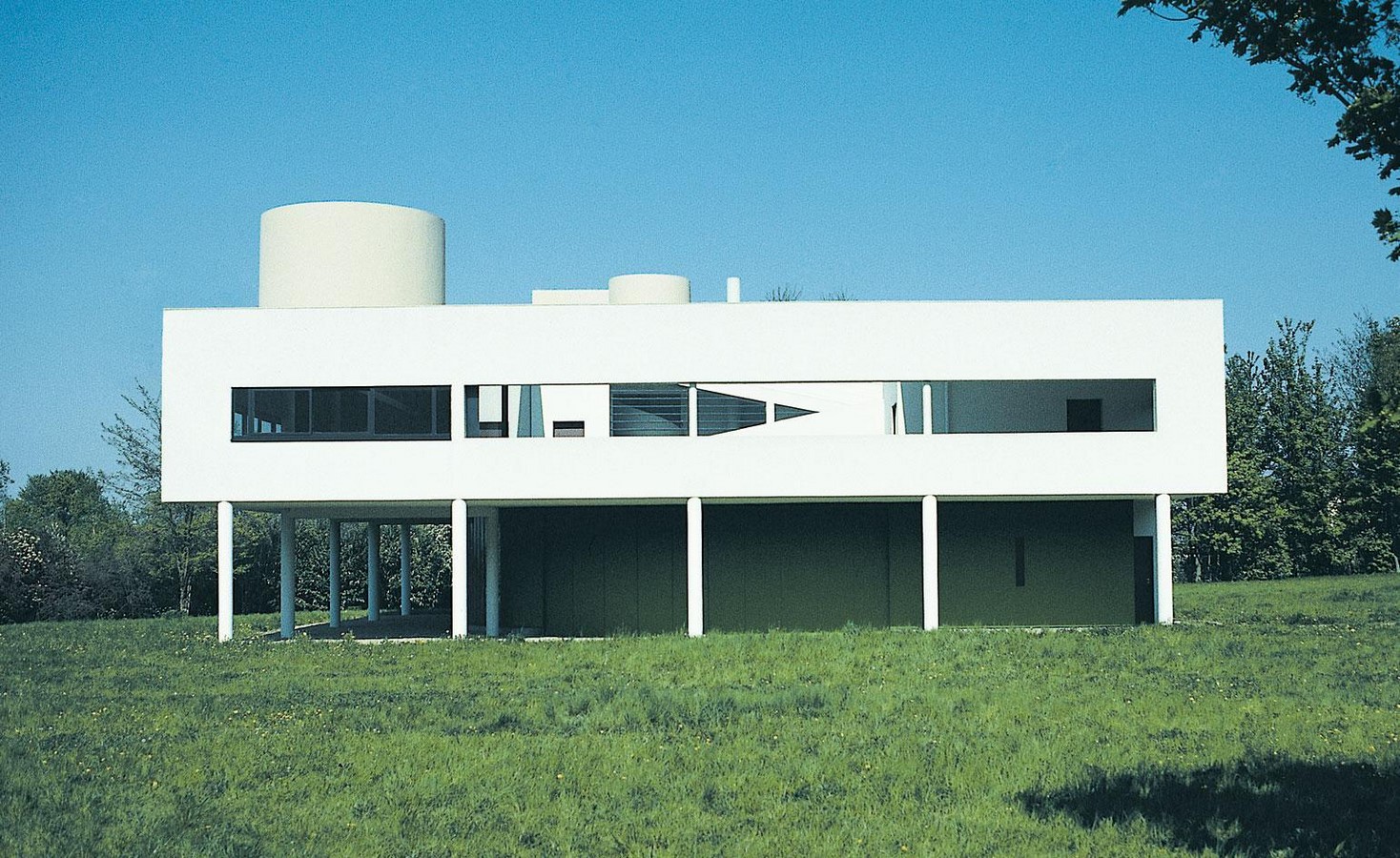
Architecture defines history and history defines architecture. They both influence each other. In the past when historic buildings were built the motivations of the society at the time defined the architecture builds. While here in the present the architecture speaks for it about its stories and ideals.
According to the art historian Wilhelm Worringer in his book Abstraction and Empathy, any individual or society would love to find in art (and architecture) whatever it did not possess in sufficient supply within itself, which means that people would like to see in art what they lack within their lives and themselves. Consider the rise of Modernist architecture, for example, it dominated after the Second World War when there was a lot of chaos and uncertainty in the world. People at the time were attracted to architecture that was simple, stable, and felt under control. But a while after that, life got better. There was peace and stability. This brought routine and monotony and people started getting bored. Now people want to escape the routine and predictability of modern living. Suddenly those decorated and expressive facades and classically ordered buildings are now more attractive. There is even a desire for the natural, the rough, and authentic as opposed to smooth plastered finishes. “They were now falling in love with the natural in their art precisely because they were losing touch with the natural in their lives.” writes Alain de Botton in his book The Architecture of Happiness.
What this shows us is how architecture can be used to analyze the motivations and the culture of the people who built it. It can let us see into their minds, how they thought, and why they did the things they did. It can serve as an unwritten source of history just like any other artifact if not more.
Iconic buildings that stood the test of time.
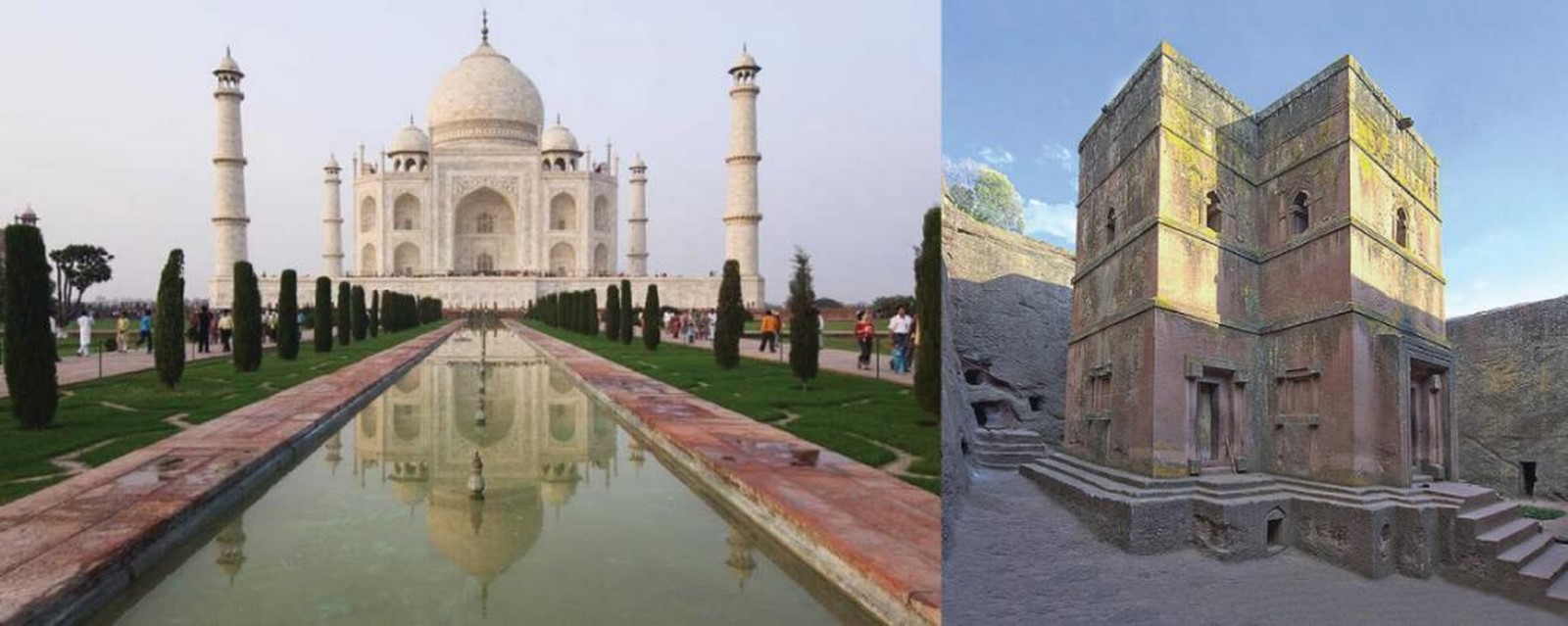
There are many iconic buildings that stood the test of time throughout the world, like the Taj Mahal, The Colosseum, and The Rock-Hewn Churches of Lalibela in Ethiopia.
The main reason that these buildings survived this long is because of their cultural, political, and/or religious significance. This significance means that these buildings get a lot of attention. The first thing is that when constructing castles or churches there is practically unlimited funding available whether from the monarchy, clergy, or the public so the materials are very expensive and durable and the construction usually takes a very long time, and craftsmen and builders from multiple generations who are the best in their crafts.
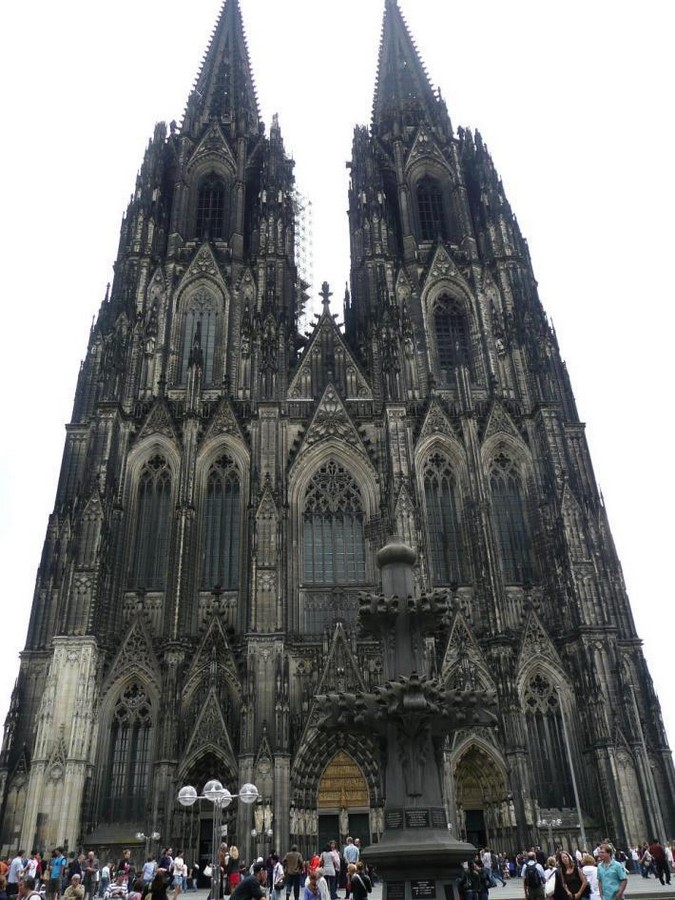
Take the Cologne Cathedral for example which took more than 600 years to construct while an ordinary peasant’s house would take 5 to 6 months on average. Apart from the expensive materials and elaborate construction, the other reason that these buildings can survive for so long is that they are rarely abandoned. Abandonment is what kills buildings, if a building is inhabited it will stay longer because the people inhabiting it will take care of it. A cathedral built in the Middle Ages will most probably be in service to this day. Take the Lalibela Rock Hewn churches of Ethiopia for example, built in the 12th century, people still go to church there every Sunday. Most palaces and castles are also in good shape because even if the monarchy is not there anymore they are being used as museums or other government buildings.
Significance of preservation and restoration efforts.
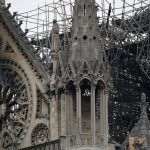
If history is important then historic architecture is equally important. Historic architecture needs to be preserved to keep them for future generations so that they can also uncover more about them than this generation ever could due to our technological limitations. New technology is already uncovering a lot about old buildings and making reconstructions.
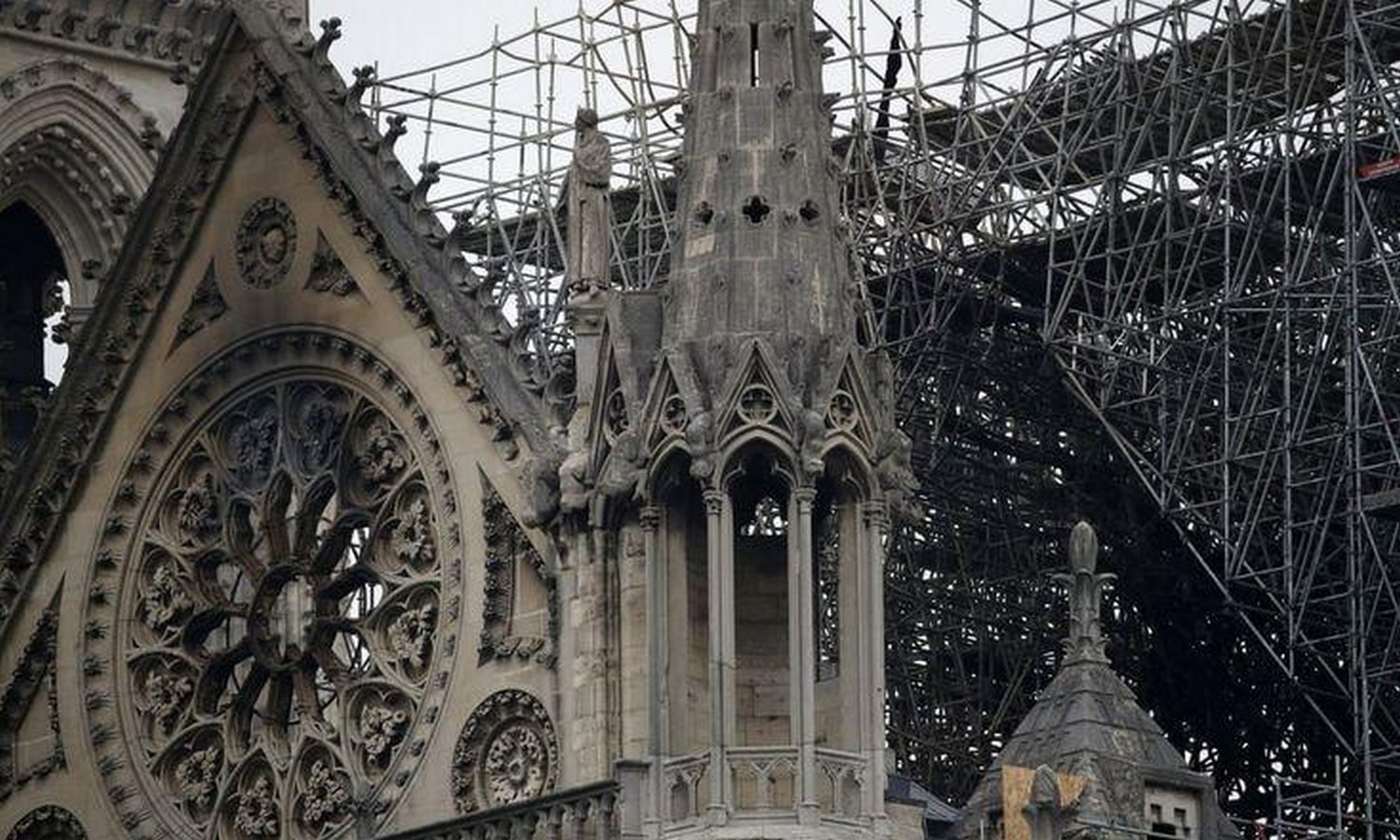
Another big aspect of architectural heritage conservation is documentation. Documentation is the recording of historic buildings for conservation and educational purposes. Documentation is important in case of damage to historic buildings due to different reasons like war, natural disasters, or simply degradation through time. There are also a lot of new technologies that are helping with architectural documentation, tools like RTI and Photogrammetry are revolutionizing documentation practices.
Citations:
Worringer, W. (1953). Abstraction and Empathy: A Contribution to the Psychology of Style. New York: International Universities Press
De Botton, A. (2006). The architecture of happiness. 1st American ed. Chicago / Turabian: Pantheon Books.