The advanced world’s fast-paced mechanical advancement and consistent look for modern things have given rise to a curiously alternative perspective in architectural design. Architects together with designers currently ponder ancient architectural practices since they look for both persevering standards and fabric shrewdness from past plans. The development joins the eternal magnificence and development authority of past architecture with modern minimalistic functional design principles. The combination of chronicled weight with modern effortlessness produces spaces that join together past and display components harmoniously.
The Enduring Appeal of Ancient Design Principles
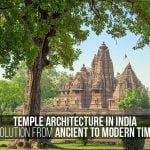
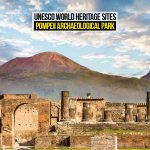
The Egyptians and Greeks together with the Romans and indigenous cultures around the world built advanced building frameworks that drew from their environment’s available materials and social values. The designs of these civilizations illustrated a deep comprehension of natural light, ventilation, acoustics, and human-scale measurements. The Golden Ratio which showed up in classical Greek architecture built up an extended framework that remains outwardly engaging to people today. The gigantic measure of Egyptian pyramids and Roman reservoirs demonstrates structural knowledge that has been proven durable through thousands of years.
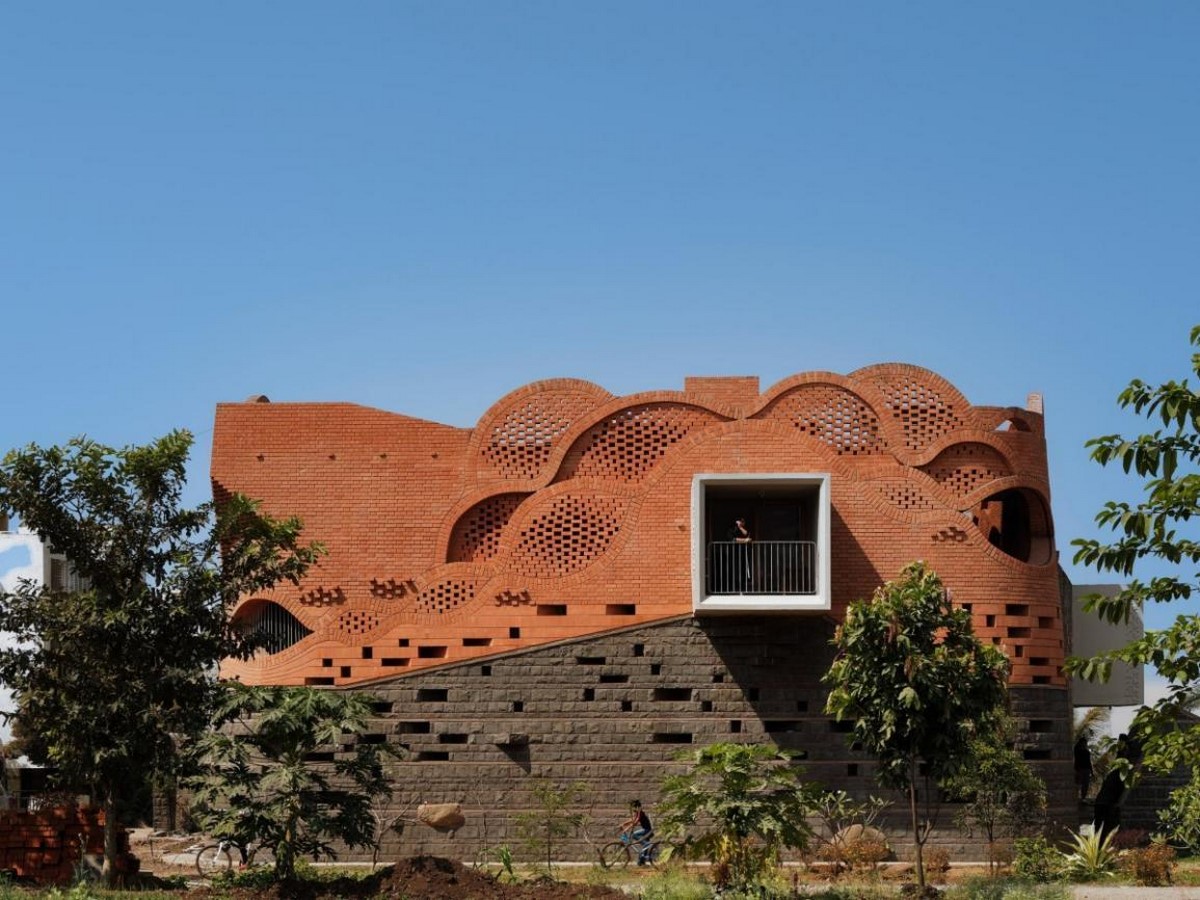
The ancient builders illustrated remarkable mastery of their materials by utilizing stone timber and soil, which they had gotten from nearby sources, to make functional and visually appealing structures. The hand-hewn stone surface combined with natural wood warmth and smashed soil construction’s earthy tones made spaces that felt rich while keeping up a solid bond with the land. The structures served as basic components of the environment since they combined solidness with long-term functionality for local communities.
The Rise of Modern Minimalism: Clarity and Function
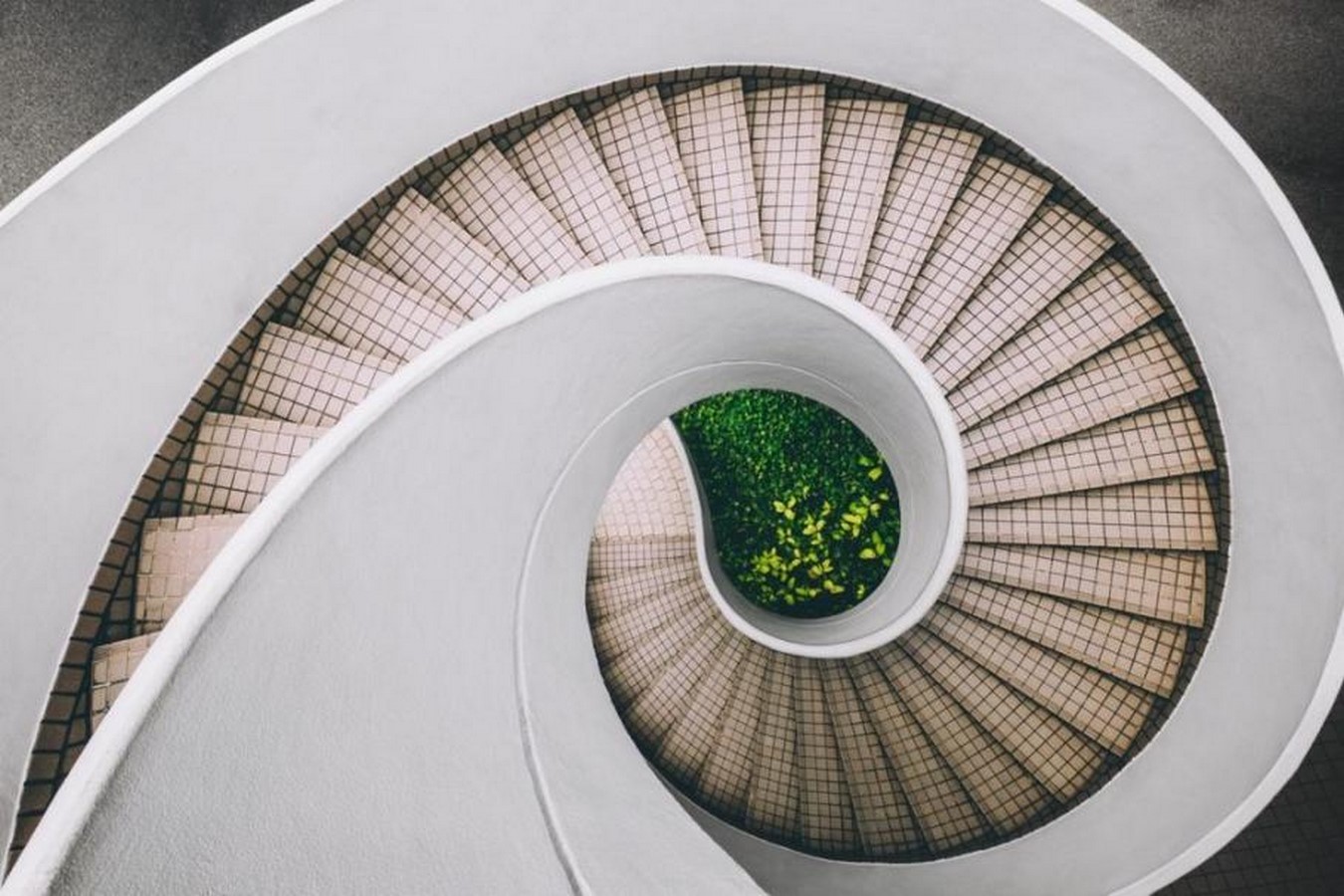
Modern minimalism emerged as a dominant design movement in the 20th century to promote functional simplicity by eliminating all nonessential decorative elements. The Bauhaus movement principles combined with industrial material advancement and development led minimalist architecture to emphasize clean lines, open spaces and essential forms. The building materials of choice in minimalist design include concrete, steel, and glass because of their structural efficiency and sleek appearance.
Modern minimalism centers on clearing away both physical clutter and visual diversions. The objective is to set up spaces that are peaceful, functional, and appropriate for modern ways of life. Light serves as an imperative component that enters through expansive unframed windows to uncover the clean lines and natural textures of well-selected materials.
The Symbiotic Relationship: Integrating Timeless Wisdom with Contemporary Needs
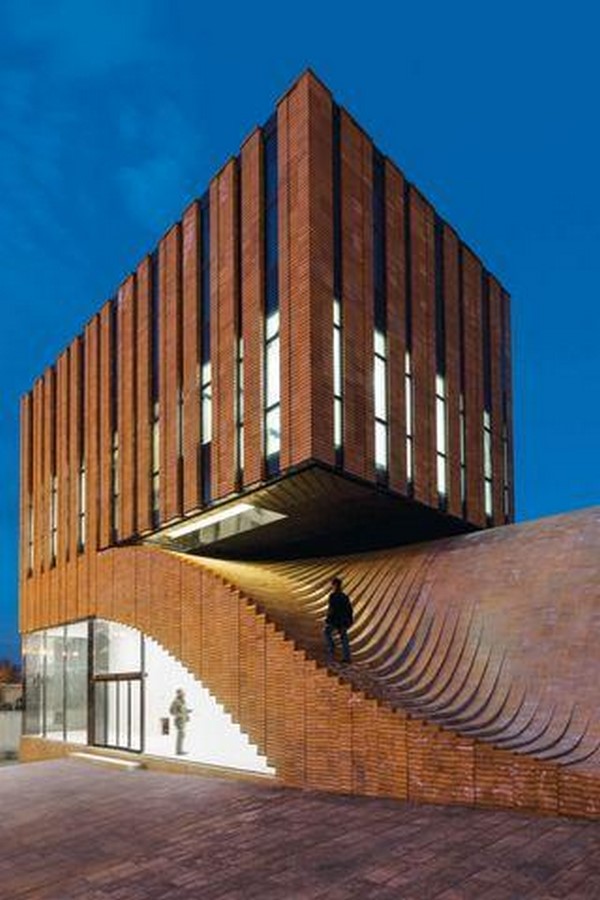
Modern architects presently interface old magnificence with modern austerity by understanding the fundamental worth of both approaches. The process of joining together timeless design principles with contemporary minimalism includes extracting essential wisdom from past designs to utilize in present-day applications.
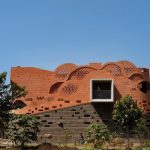
The ancient methods of passive cooling and natural ventilation which depend on strategic orientation and thick walls with high thermal mass and carefully set openings are being reassessed because of modern energy efficiency needs. Modern minimalist architecture can naturally coordinate these standards to create buildings that combine clean aesthetics with environmental responsibility. A minimalist house built with thick rammed earth walls functions as a natural temperature controller whereas narrow windows give cross-ventilation and dappled lighting which combines ancient construction strategies with contemporary design principles.
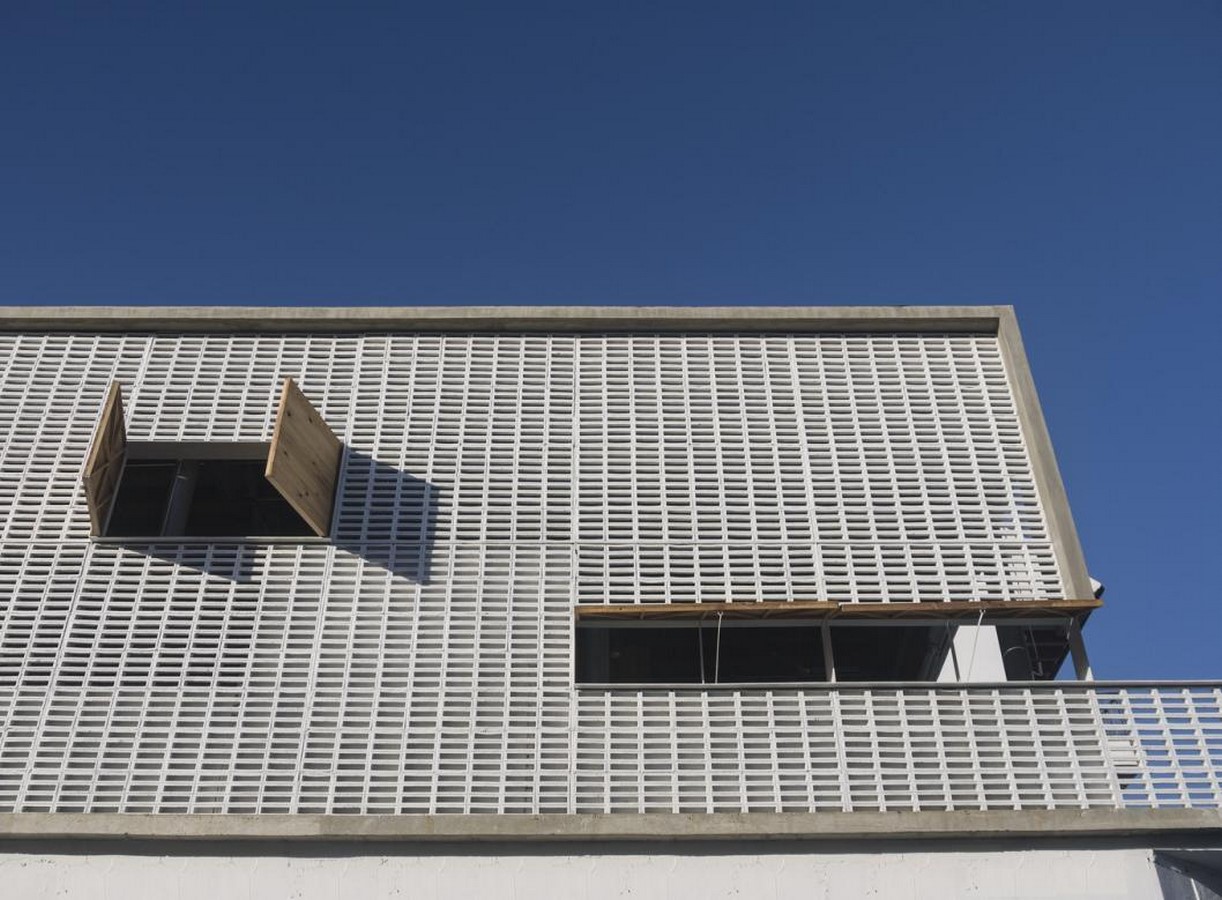
Ancient Materials in Modern Spaces: Texture and Sustainability
The architectural fusion features natural materials sourced locally as one of its basic components. Present-day development depends on standardised mass-produced materials however people progressively value the distinctive qualities and sustainable aspects of stone, timber, and bamboo materials.
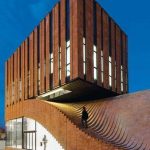
A minimalist kitchen plan combines handle-less cabinetry with reclaimed stone countertops that display natural variations and textures which make visual depth against the clean lines. A modern office space combines conventional timber beams with glass and steel minimalism to make natural excellence while keeping up a sense of warmth. The implementation of these materials builds up a connection between modern spaces and historical periods while supporting sustainability through decreased dependence on energy-consuming manufacturing and transportation operations.
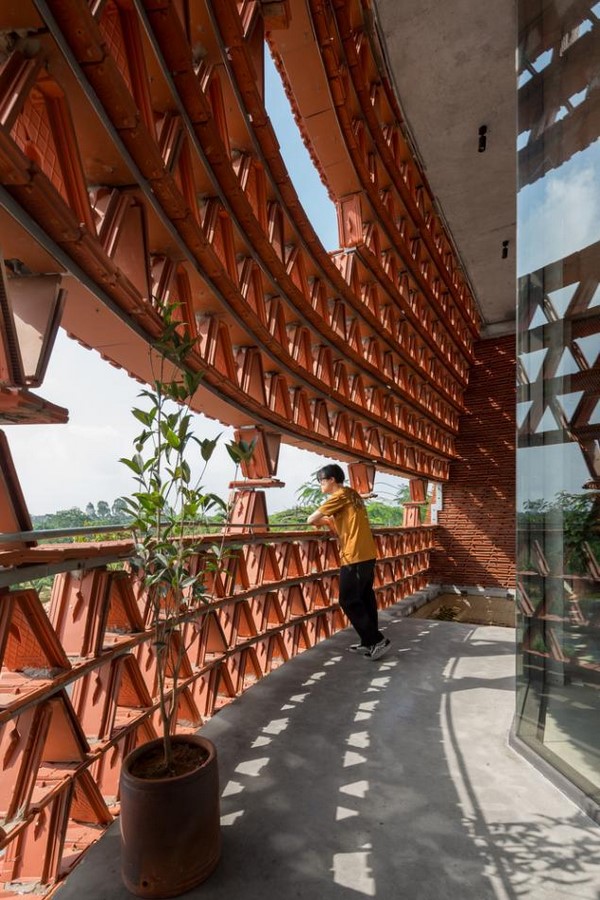
Proportion and Light: Universal Language of Beauty
The ancient Greeks recognized proportion’s strength so they set up some numerical rules, including the Golden Ratio which produces visual concordance. Modern minimalist designs benefit from timeless mathematical connections that direct the estimation of rooms and opening arrangement and total building compositions. The absence of classical ornamentation does not diminish the fundamental balance which persists in these designs.
The manipulation of normal light which stands as a principal component of both ancient and modern architecture accomplishes fresh perspectives through this combination. The ancient designers utilized light entry control to accomplish dramatic impacts that emphasized specific architectural elements. Modern minimalist architecture employs extensive window openings to maximize natural light but ancient standards guide the strategic placement of skylights and internal courtyards to make complex lighting impacts in modern spaces.
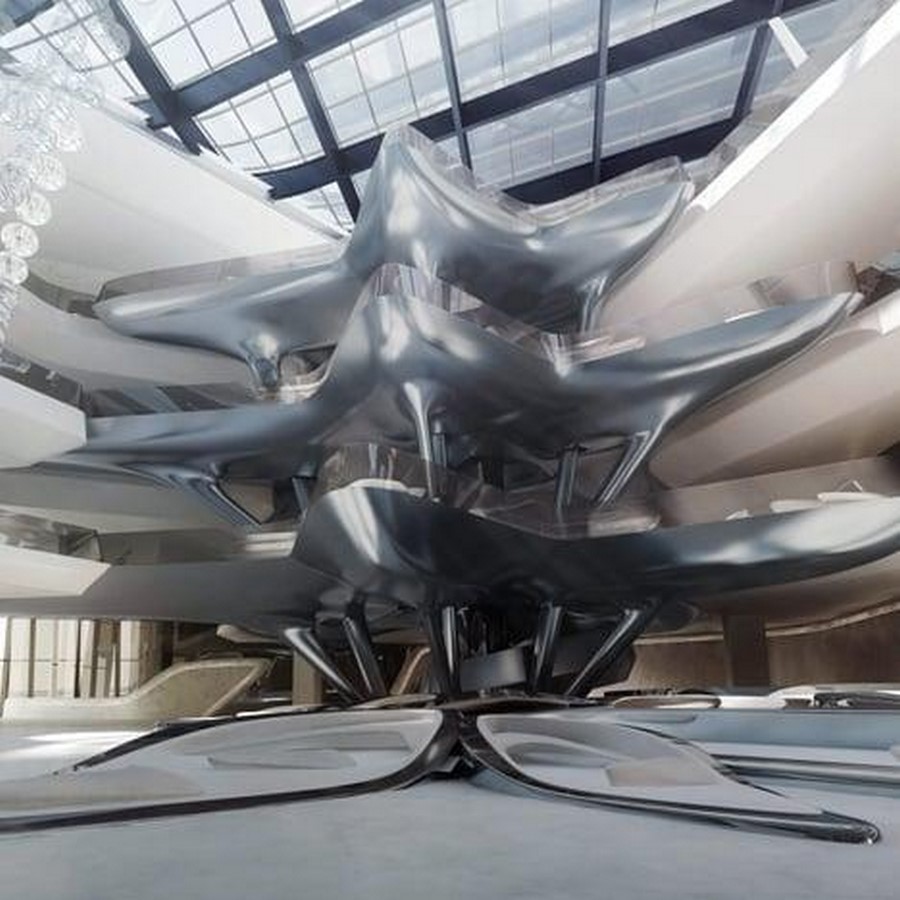
A Future Rooted in the Past
The combination of ancient architectural strategies with modern clean design elements creates a significant course for modern architectural development. The development recognizes historical wisdom as a source of fundamental standards that incorporate sustainability, fabric utilization and proportion, and human spatial experience. Modern minimalism picks up depth through the consolidation of timeless architectural principles which results in buildings that both draw in viewers and establish significant associations between past and future. The combination of ancient wisdom with modern minimalism makes a sustainable path toward a built environment that combines meaningful aesthetics with effortlessness.
References:
- Alvarez, L. (2024). Building the Ages: How Architecture Has Shaped Human Civilization. [online] AmazingArchitecture. Available at: https://amazingarchitecture.com/articles/building-the-ages-how-architecture-has-shaped-human-civilization.
- Brian Tracy (2024). Timeless Wisdom vs. Modern Tactics: Leadership Principles Across Generations. [online] YouTube. Available at: https://www.youtube.com/watch?v=jqAewBhc020 [Accessed 25 Apr. 2025].
- Buildaway Infra (2025). Blending Tradition and Modernity Architectural Trends in India. [online] SlideShare. Available at: https://www.slideshare.net/slideshow/blending-tradition-and-modernity-architectural-trends-in-india/275411296 [Accessed 22 Apr. 2025].
- DURO (2024). Modern Minimalism: Achieving Sleek and Clean Interiors – Duroply Latest Blogs & Information. [online] Duroply Latest Blogs & Information. Available at: https://www.duroply.in/blog/modern-minimalism-sleek-and-clean-interiors/ [Accessed 23 Apr. 2025].
- ICHKAN. (n.d.). How modern design take inspiration from ancient architecture. [online] Available at: https://ichkan.com/blogs/ichkan-blogs/how-modern-design-take-inspiration-from-ancient-architecture.
- Zamora, F. (2024). Architecture 101: What is Minimalism in Architecture? – Architizer Journal. [online] Journal. Available at: https://architizer.com/blog/practice/details/architecture-101-what-is-minimalism-in-architecture/.