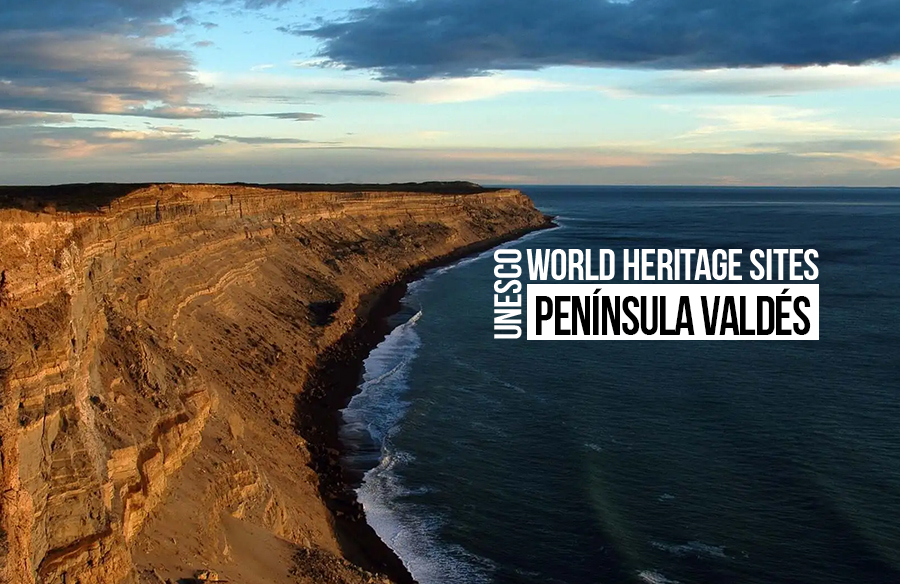
Nestled in the heart of Patagonia, Argentina, lies a site of global significance, Peninsula Valdes. Extending over 100 kilometers eastward into the South Atlantic Ocean, and covering an area of approximately 360,000 hectares is a natural paradise renowned for its exceptional marine biodiversity, Peninsula Valdes. It was designated as a UNESCO World Heritage Site in 1999 under the criteria (x), particularly for the conservation of marine mammals. It is one of the most critical marine mammal breeding grounds in the world, providing a sanctuary to endangered southern right whales, southern elephant seals, and sea lions. This vast, windswept peninsula is a sanctuary for not only marine mammals, but significant migratory birds, and stands as a remarkable ecological wonder of global importance.
Location & Geographical Context
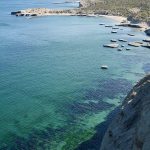
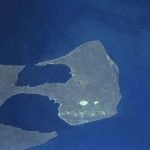
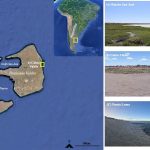
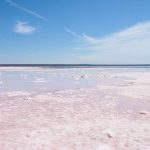
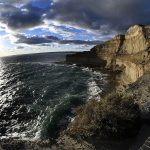
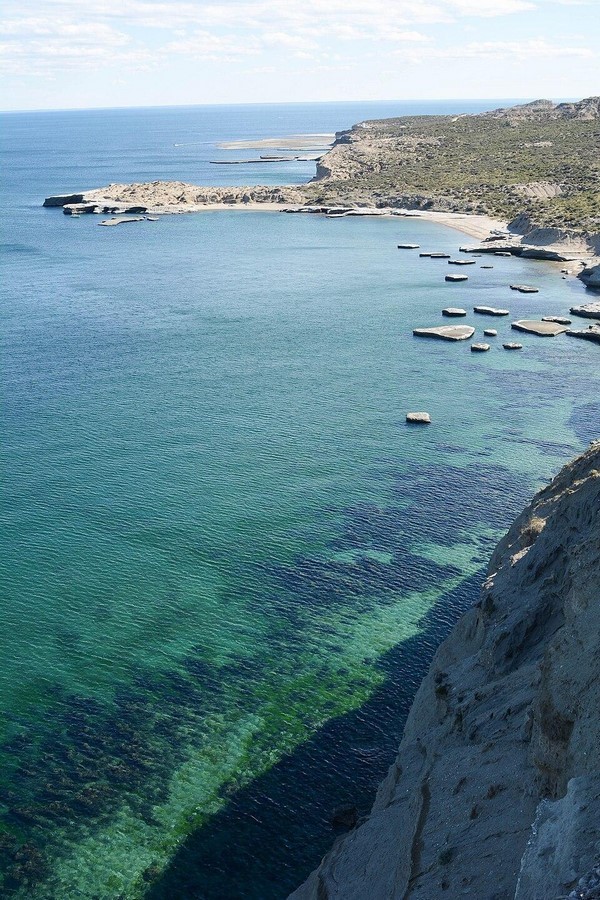
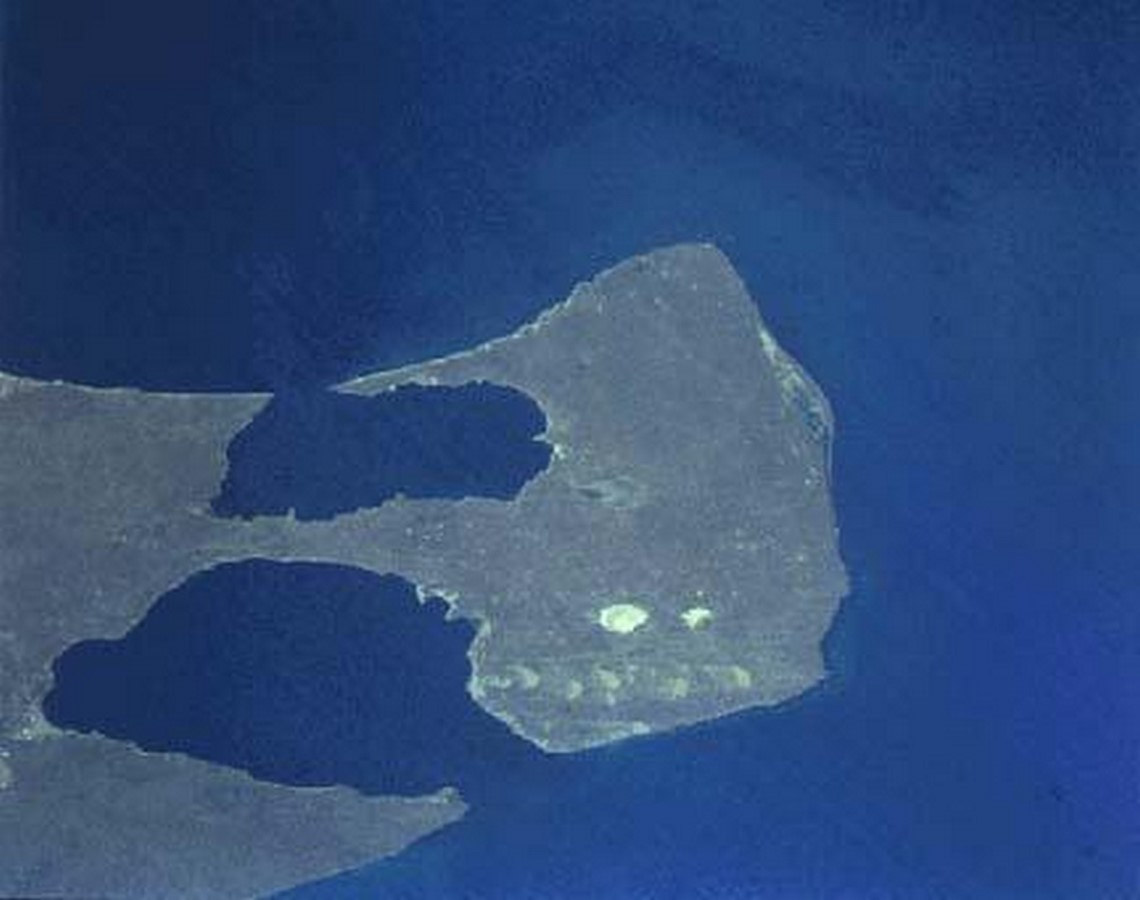
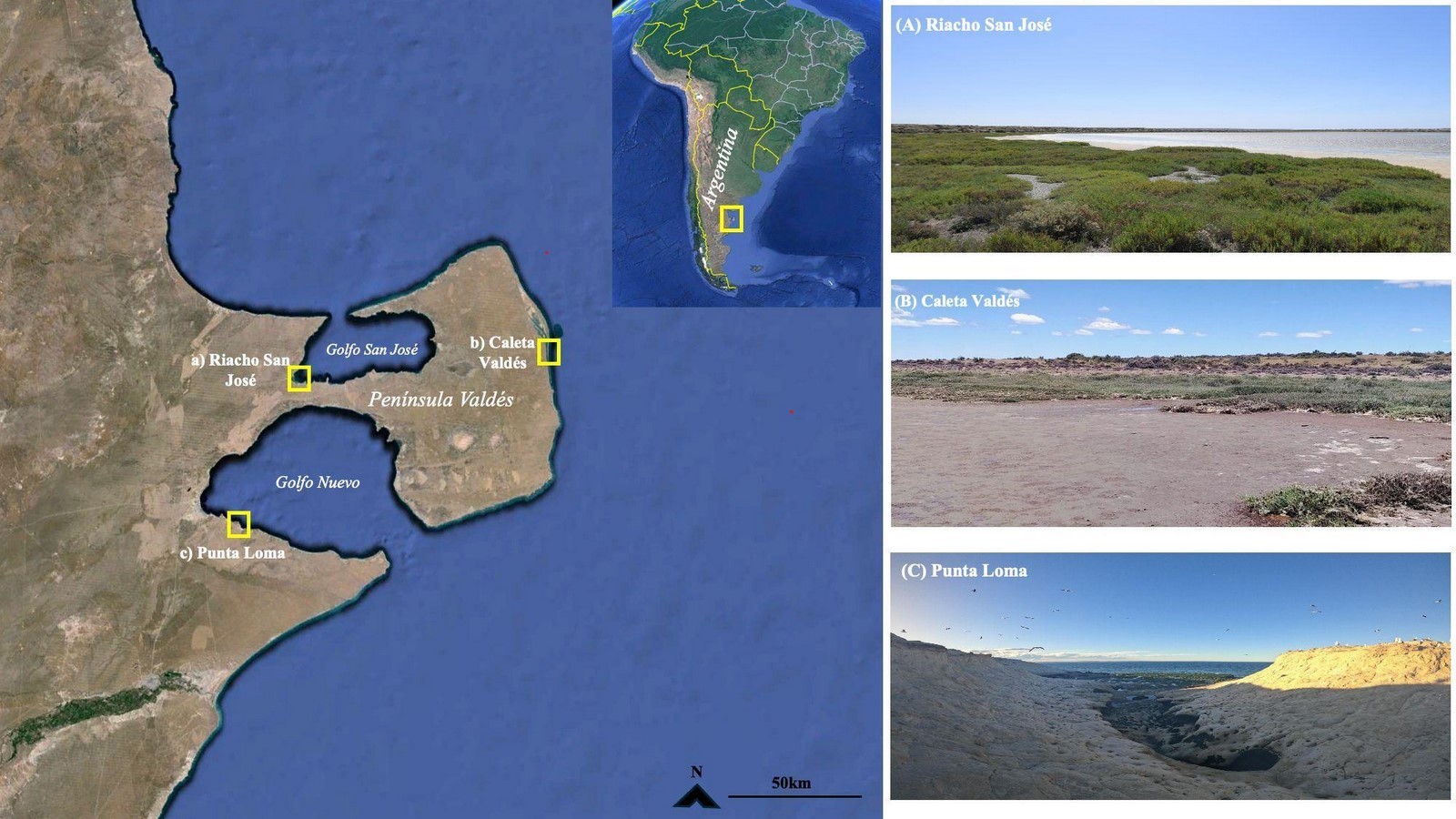
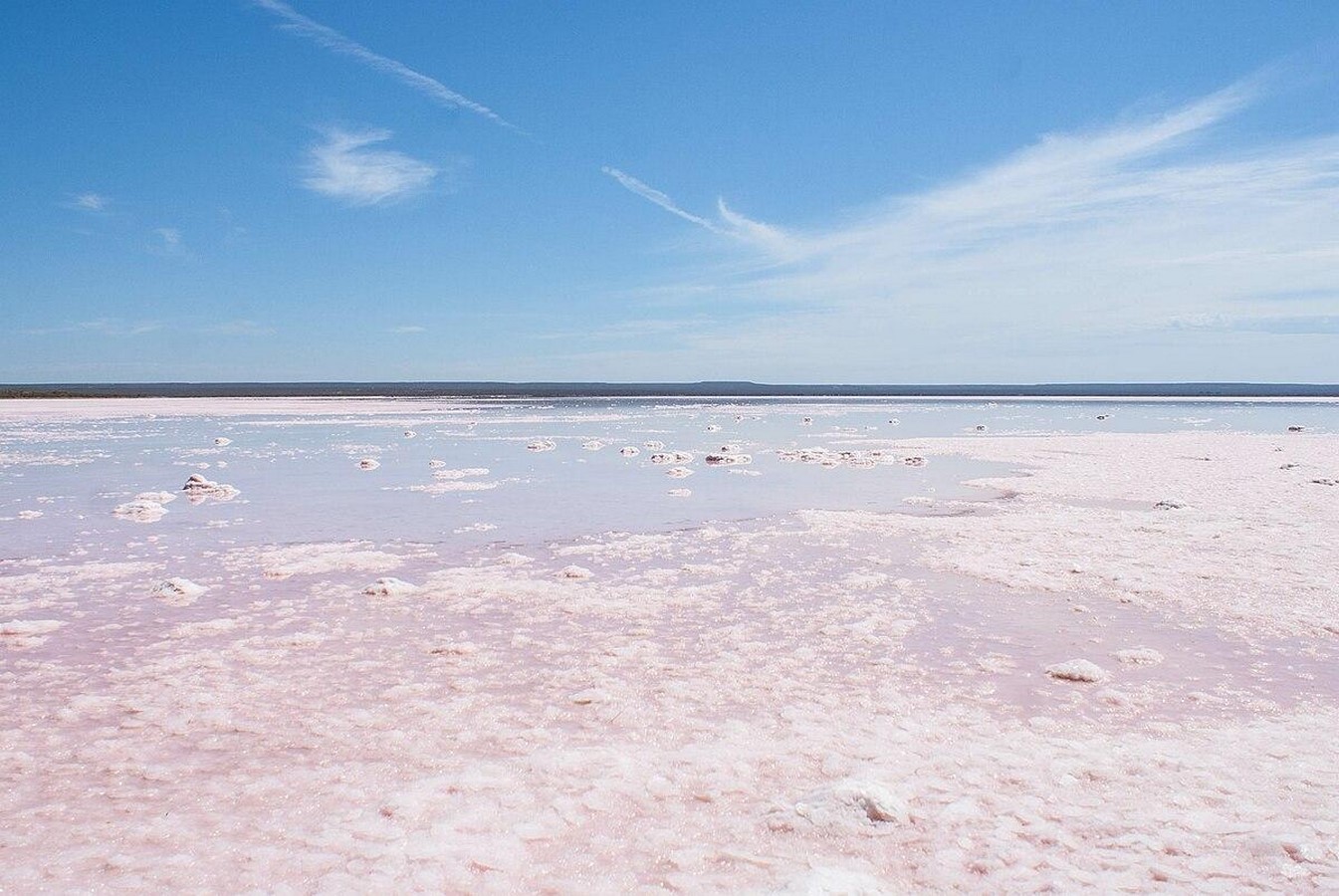
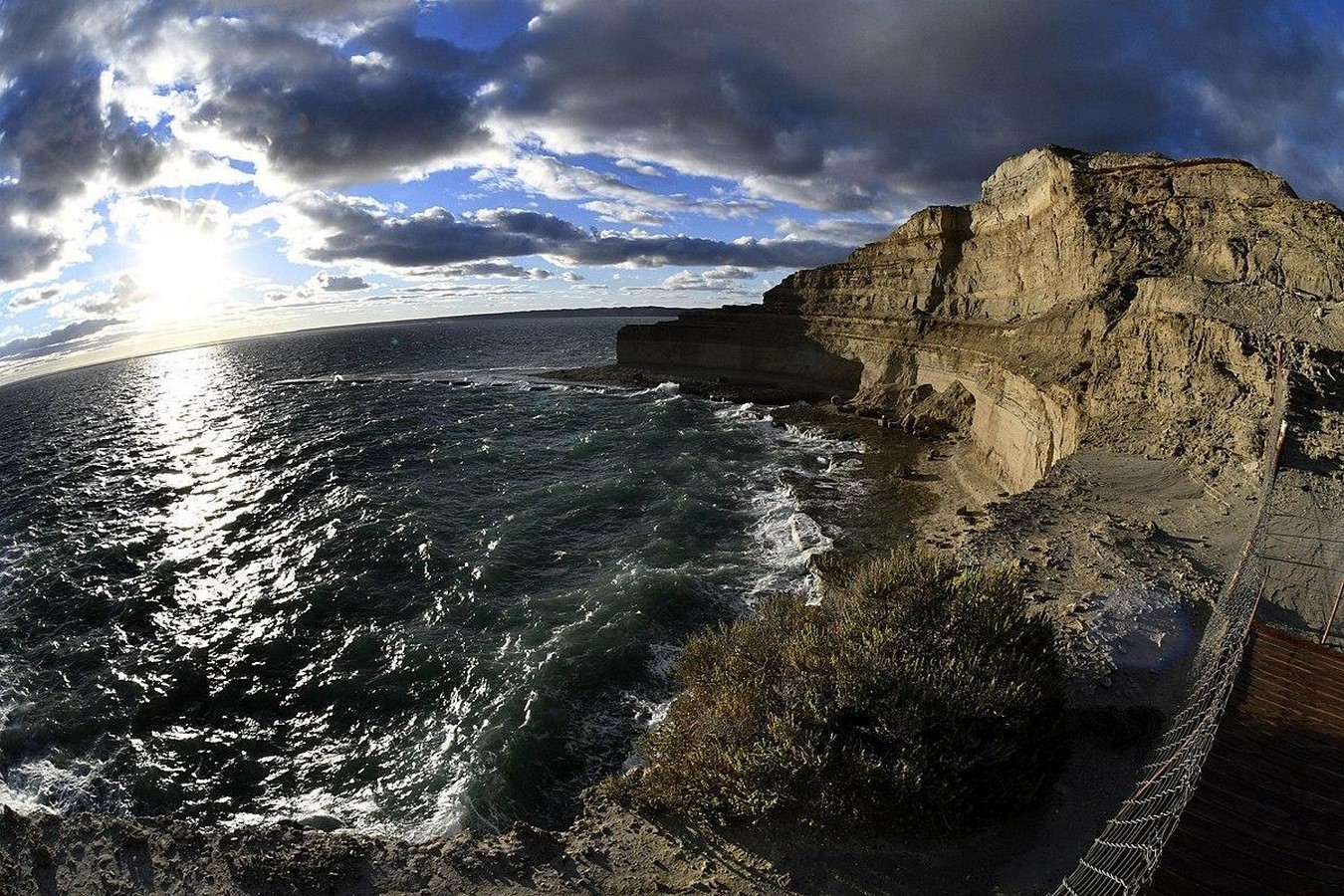
Located in the Chubut Province of Argentina, connected to the mainland by a narrow strip of land, Isthmus Carlos Ameghino, Peninsula Valdes resembles a mushroom. The peninsula has a dramatic coastline, characterized by towering cliffs, sheltered gulfs, and shifting coastal lagoons. This windswept plain is mostly barren, consisting of some salt lake and the presence of only one single town, Puerto Piramides, makes it an ideal place for the wildlife, and acts like a safe haven for them.
Outstanding Universal Value
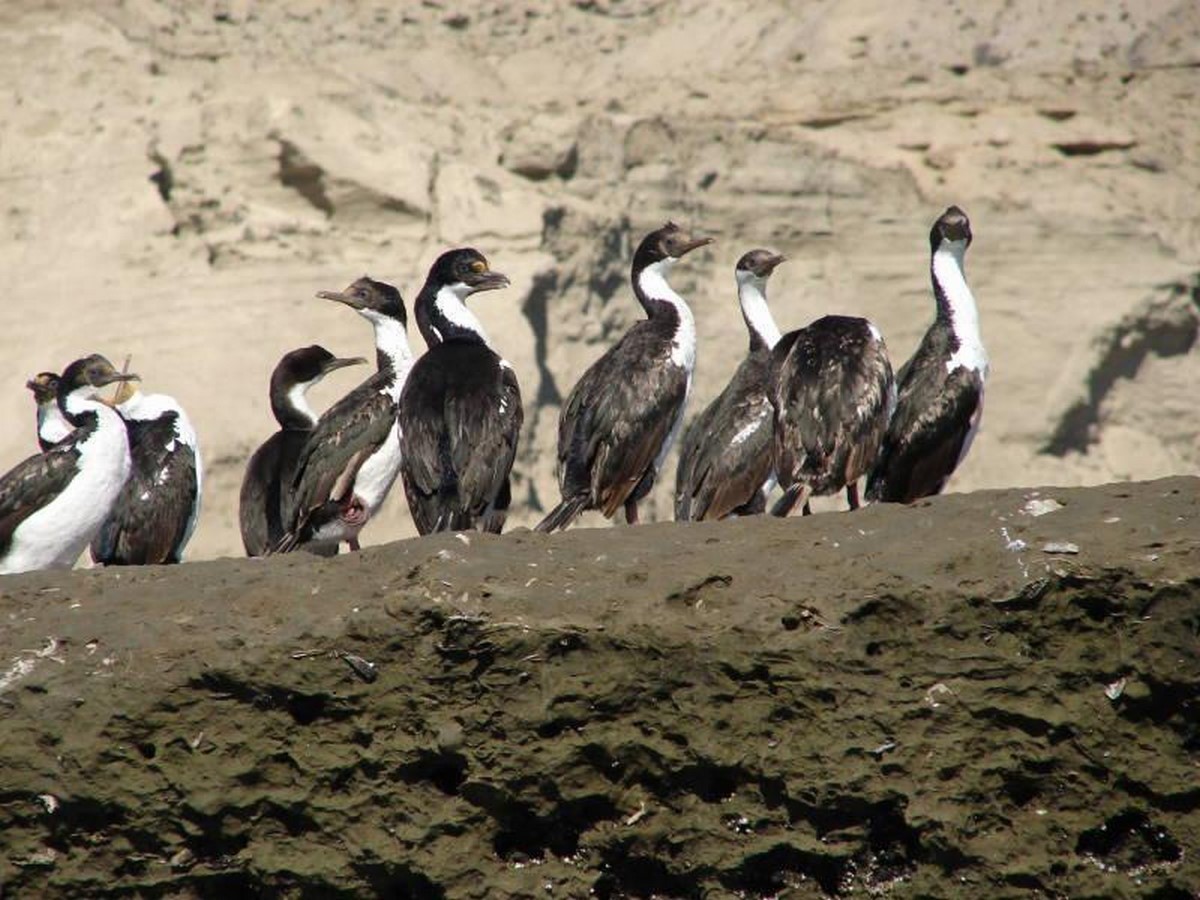
Outstanding universal value acts as a key concept that can be used to justify why the respected site was inscribed in the UNESCO World Heritage List. It must possess a certain cultural or natural significance that is so exceptional as to cross national boundaries and to be of common importance for present and future generations. Peninsula Valdes acts as a home for numerous threatened marine species, having a shoreline extending up to 400 kilometers. It has already been established that it has a dynamic coastline, featuring Rocky Cliffs of up to 100 meters in height, shifting coastal lagoons, and shallow bays which makes it ideal for different wildlife. It is to be noted that some wetlands are also recognized as wetlands of International Importance under the Ramsar Convention, especially those associated with the tidal areas of the Peninsula. These wetlands act as significant nesting and resting sites for numerous migratory birds.
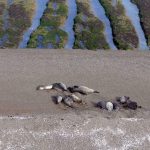
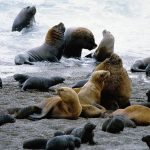
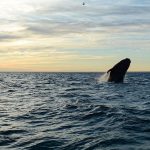
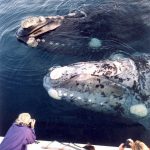
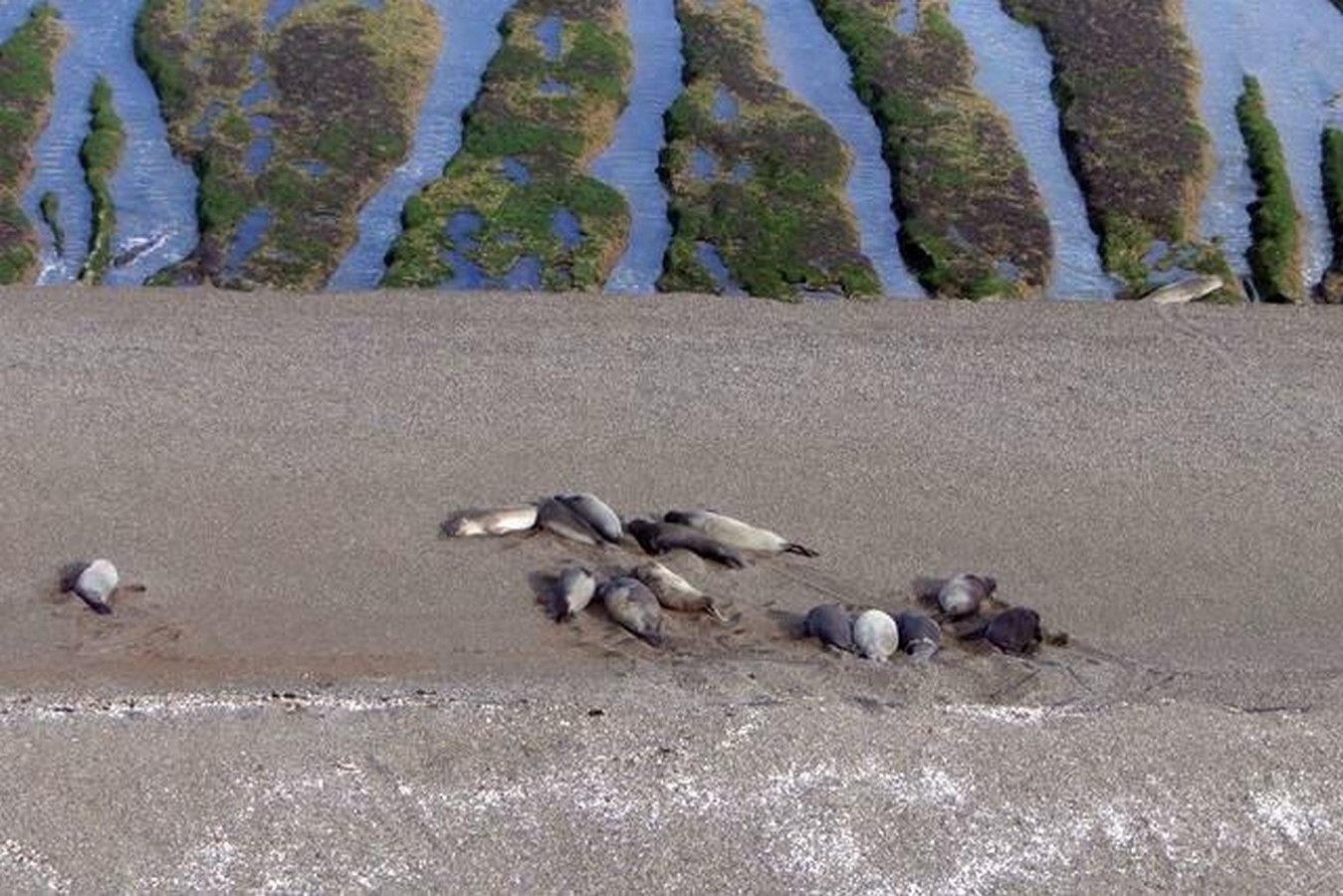
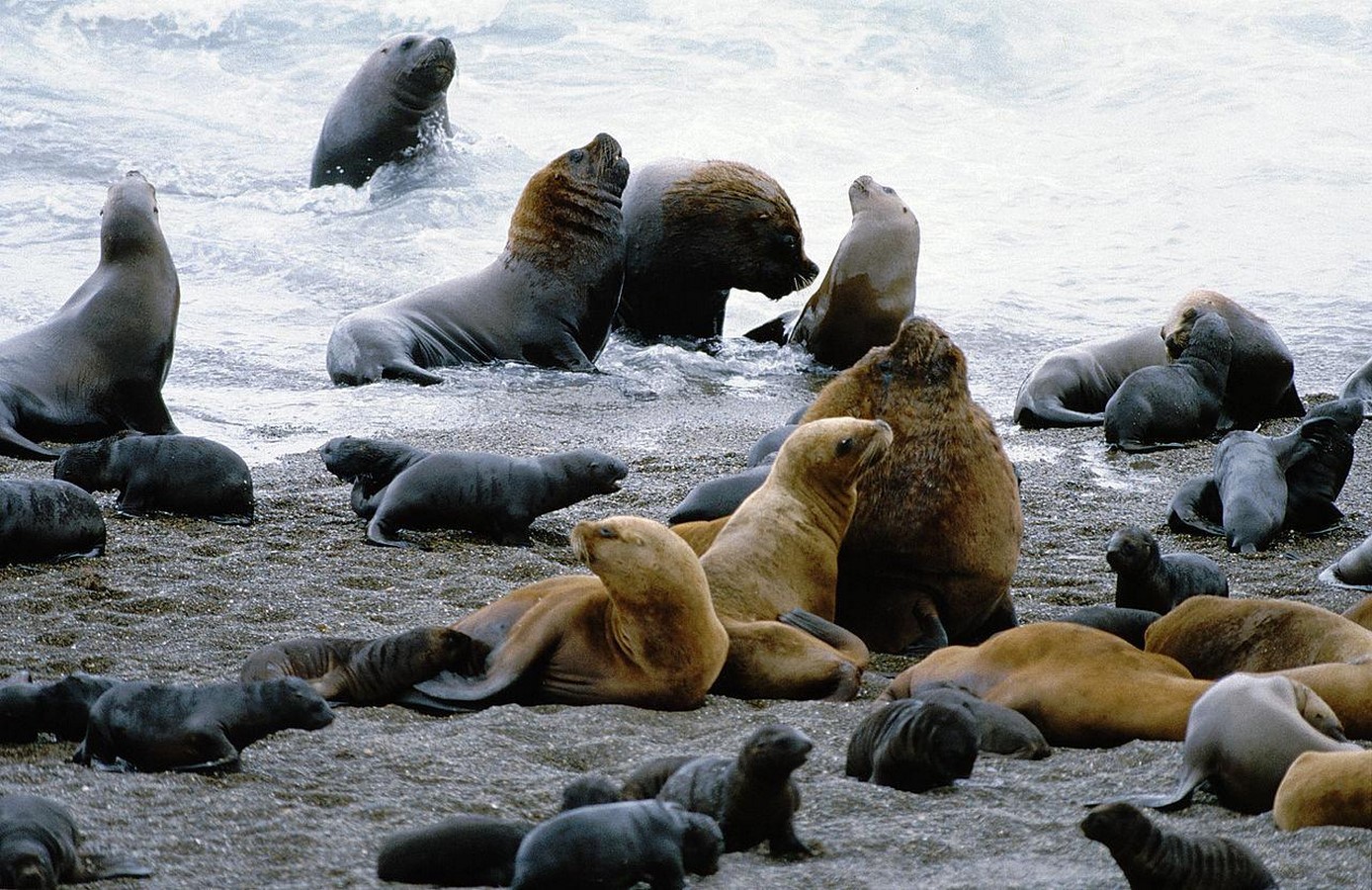
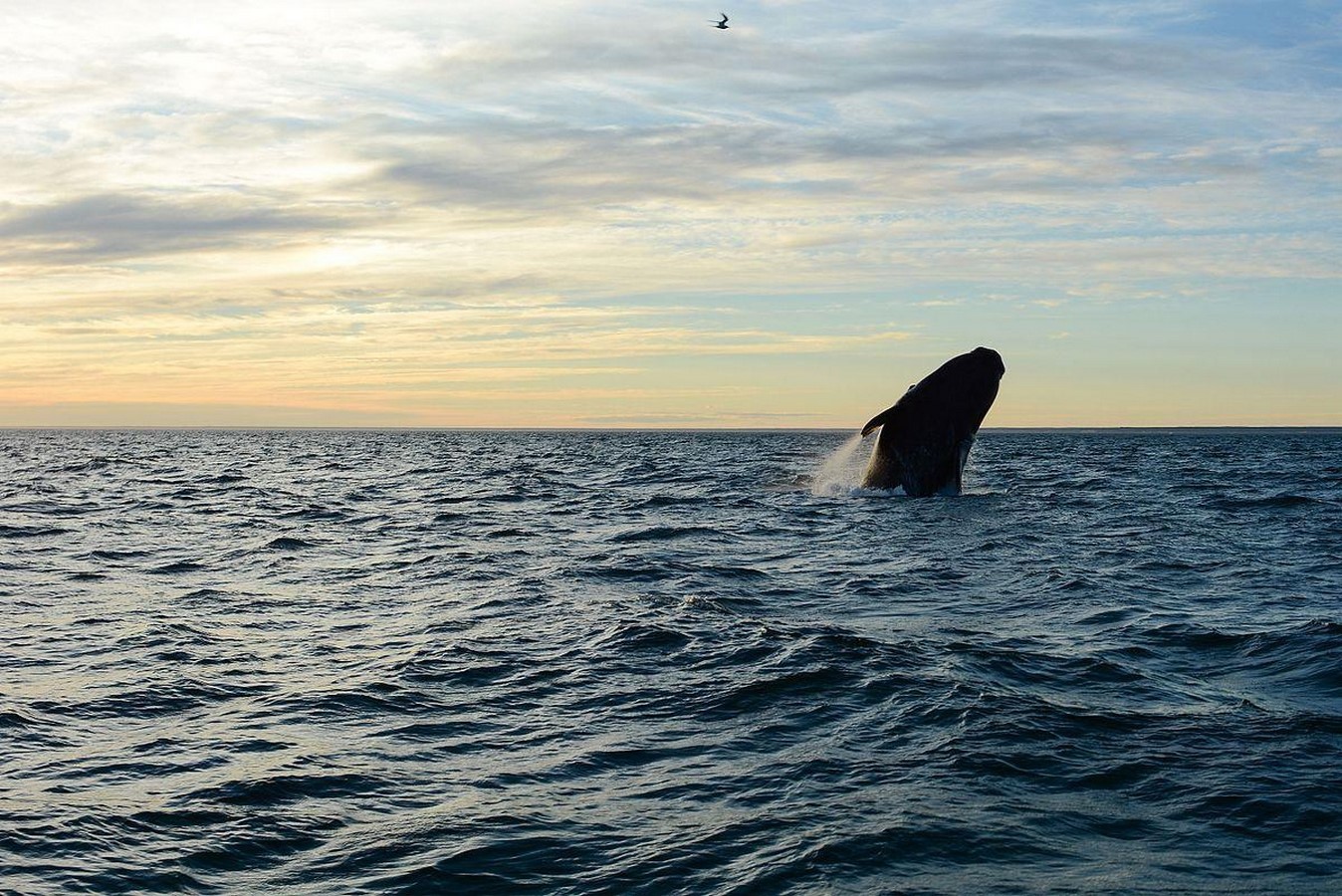
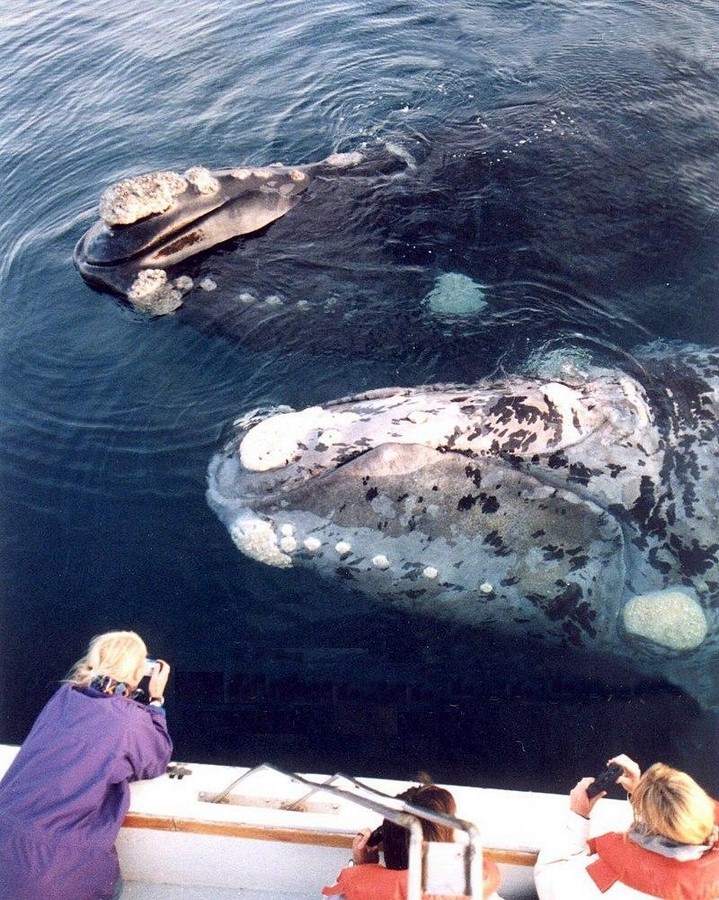
Talking about mammals brings us to the noteworthy Southern Right Whale, an endangered species that nearly went into extinction due to commercial whaling, its population has shown a remarkable recovery, largely attributed to the conservation efforts within Peninsula Valdes, the site serves as their most important breeding grounds in the world. Other marine mammals found on the peninsula include the Southern Elephant Seal, Southern Sea Lion, and Orca along with other important breeding colonies of shorebirds and majestic magellanic penguins.
This dynamic marine coastal ecosystem has extraordinary value from both scientific and conservation perspectives.
Peninsula Valdes was inscribed in the UNESCO World Heritage List under the criteria (x). According to UNESCO it means, “To contain the most important and significant natural habitats for in-situ conservation of biological diversity, including those containing threatened species of outstanding universal value from the point of view of science or conservation.” 1
It has already been established that Peninsula Valdes plays a vital role in conserving some of the world’s most vulnerable species, mainly the Southern Right Whale. Furthermore, it’s role in supporting other substantial populations of significant marine mammals like the Southern Elephant Seal, Southern Sea lions and hosting numerous migratory birds, further strengthens and solidifies its justification to be listed under the criteria (x) in the UNESCO World Heritage List.
Moreover, it is to be noted how the small population of Orca present on the peninsula, having a distinctive hunting strategy, how they have adapted to the environment and the ecosystem to come up with their methods of catching the offspring of Southern sea Lions and the Elephant Seals. This is one of the many examples, representing the exceptional ecological processes and yet making significant contributions to the scientific and conservation value of the site.
Facts
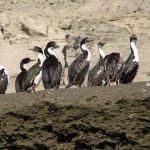
- 181 Species of birds have been recorded in the Peninsula, including the White-headed steamer duck, endemic to Argentina, the migratory Snowy Sheathbill, and the lesser Rhea.
- The Hunting strategy of Orcas, which has been passed down generationally and is visible only in the Peninsula Valdes
- Salt Lakes in the Peninsula Valdes are 40 meters below sea level and are considered to be one of the many lowest points in Argentina.
- The Southern Right Whale was once hunted to near extinction due to excessive whaling but achieved global protection and found a breeding ground here in the Peninsula Valdes.
- Southern Sea Lions were heavily hunted for oil and skins on the Peninsula, legally and illegally, but they also found a sanctuary and responded to the conservation measures with impressive recoveries.
Unforeseen Plights
Its status as a UNESCO World Heritage Site led to a boost in Tourism, but it came with complex environmental impacts. Uncontrolled Whale-Watching and other forms of wildlife viewing cause disturbances to the sensitive breeding populations found on both land and water. There is a direct relation between the increase in tourism and the consumption of resources, majorly the scarce freshwater available in the arid environment, and the inevitable waste generation.
Development has led to a problem with tackling waste generated from sewage treatment, fish processing plants, and other industries around the town of Puerto Madryn. Furthermore, a more complex challenge that remains with the ongoing development in the world especially around the Peninsula Valdes regions is that all the marine mammals mating, nursing and caving are vulnerable to pollution, accidents and the effects of excessive fishing throughout the area may have on them whether directly or indirectly. A challenge which can only be addressed through international cooperation.
Peninsula Valdes stands as a beautiful evidence of biological wonder and the fragility of nature. Its recognition as a UNESCO World Heritage Site highlights its significance on a global scale, and as a sanctuary for marine mammals, particularly the Southern Right Whale. The dramatic beauty of the landscapes, and the ongoing commitment to preserving the wildlife makes it a truly remarkable place.
Responsible Tourism and continued support for conservation are essential to ensure that the legacy of this natural wonder remains.
REFERENCES:
- Centre, U.W.H. (n.d.). Península Valdés. [online] UNESCO World Heritage Centre. Available at: https://whc.unesco.org/en/list/937.
- Centre, U.W.H. (n.d.). World Heritage Marine Programme. [online] UNESCO World Heritage Centre. Available at: https://whc.unesco.org/en/marine-programme/.
- Wikipedia Contributors (2024). Valdés Peninsula. Wikipedia.
- Administración Península Valdés. (2025). Mapas y folletos – Administración Península Valdés. [online] Available at: https://peninsulavaldes.org.ar/descargas/mapas-y-folletos/ [Accessed 13 Apr. 2025].
- Ramsar.org. (2025). Humedales de Península Valdés | Ramsar Sites Information Service. [online] Available at: https://rsis.ramsar.org/ris/2070?language=en [Accessed 13 Apr. 2025].