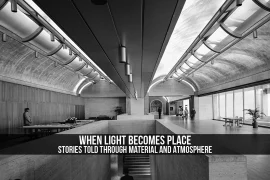
The modern cultural environment has transformed museums into interactive spaces that go beyond simple display practices. The classic experience of gazing at artifacts through glass is no longer the primary focus. These institutions have evolved into interactive spaces that create emotional engagement through the deliberate delivery of sensory experiences. Museums now use the five senses to develop environments that both educate visitors and trigger powerful emotional responses. The emotional value of museum visits substantially grows when people experience carefully crafted spaces that appeal to their senses (Mackay, 2021; Jelincic et al., 2021). These immersive experiences strengthen visitor connections to historical and cultural artifacts and artistic displays, allowing abstract ideas to take on meaning that visual displays alone cannot achieve (Carlsson, 2020).

The relationship between senses, memory, and emotion is exceptionally strong and sensory experiences are the core of that connection. The scent of wood in an exhibit about old ships can trigger memories of specific places and particular times. A dimly lit hallway with muffled voices creates an immediate mood through its echoey atmosphere. Sensory storytelling functions in this way. Mazzanti and Sani, 2021 demonstrate how museums implement these methods to trigger emotional memory responses. For example, combining the scents of spices from historical trade exhibits with the sound of maritime waves creates a sensory experience that transports people directly into the narrative being presented (Singh, 2023). Thoughtful sensory activation builds powerful memories and emotional responses, strengthening both understanding and connection (Carolina Vivar-Cordero, 2023).
Why Sensory Experiences Matter in a Museum
People gain a deeper understanding of exhibitions through multiple sensory experiences. A combination of soft lighting, textured surfaces, and background noises offers new perspectives on ideas that might otherwise remain unexplored. These sensory details in exhibits create emotional responses that enhance the learning experience (Jelincic et al., 2021). Emotions like curiosity, nostalgia, and even discomfort function as magnets that draw visitors toward the exhibit. This emotional connection between visitors and exhibits enables visitors to grasp the intended meanings presented in exhibits (Ekman, 2016). When people form emotional bonds with the content, their level of engagement deepens.
The goal goes beyond creating entertaining experiences. The sensory aspects of design allow people from diverse backgrounds, learning styles, and abilities to connect with the displayed content. A visitor with visual impairment can move through a space by using touch and sound. Soft lighting and soothing soundscapes can help neurodiverse individuals maintain emotional balance. Sensory design serves as a powerful tool for bridging different understanding levels (Wang, 2020). Sound-based features support visitors with visual impairments, while tactile surfaces cater to hands-on learners. These sensory pathways offer unique experiences for people who perceive the world differently (Chen, 2023). Emotional design promotes inclusivity by embracing differences and transforming inclusive principles into real, tangible experiences (Baccaglini, 2018).

The Smithsonian National Museum of African American History and Culture in Washington, D.C., is a compelling example of how sensory experiences enhance visitor engagement and understanding. It includes a reconstructed segregated railway car as part of its immersive environment, with ambient soundscapes, oral history recordings, and evocative lighting to create a powerful emotional atmosphere (Castro, 2019). These elements not only support storytelling but also allow visitors to experience the weight and depth of African American history through multiple senses. The museum’s architectural and curatorial choices make complex histories more accessible and emotional (Cornachio, 2017).
Why Emotions Matter in a Museum
Emotions function as powerful memory aids. A fact may be forgotten, but a feeling lingers. Museums that prioritize emotional response curate experiences that continue to resonate with visitors after they leave. The emotional connection established through this invitation to feel enables visitors to experience awe at ancient architecture, or grief from refugee stories. The emotional quality of exhibitions creates authenticity by making them relatable and multi-dimensional. They encourage visitors to develop care along with reflection (Jelincic et al., 2021; Mazzanti and Sani, 2021).
Emotional design engages various emotional triggers instead of depending exclusively on traumatic content or sombre subjects to stimulate thought. Joy, curiosity, sorrow, and nostalgia all have a role. Different emotional weights serve different purposes from the faint floral scents of Victorian exhibits to the playful designs in children’s wings and the sombre atmosphere of war memorials (Norris and Tisdale, 2017). The common factor among them is their power to influence human emotions. Museums can comfort, provoke, surprise, and even heal.
Learning thrives on emotions because it’s an essential part of the educational process. People who experience emotions during their visit retain more of what they learn. A well-designed exhibit becomes more than just an information display, it becomes a lived moment etched into memory (Wang, 2020).
The Technology Component of Museums
Museums also use technology to improve storytelling methods without eliminating sensory experiences. Virtual and augmented reality enables the reconstruction of lost worlds, like ancient markets where visitors can hear coins clinking and smell spices wafting through the air (Singh, 2023).
A noteworthy example is Van Gogh’s Palette virtual reality exhibit at the Musée d’Orsay. The 10-minute virtual reality experience immersed visitors in Van Gogh’s emotional and creative world, surrounding them with the sights, sounds, and movements that mirrored his artistic process and mental state (Richardson, 2024).

Lasting Sensory Experiences
Modern museums have evolved beyond their traditional function of exhibit viewing because they now function as spaces that generate sensory responses in visitors. The combination of sound with scent, light, and compelling storytelling enables museums to create deep emotional connections. The emotional components of these experiences enable visitors to remember their visits and establish connections while creating a desire to revisit.
The main reason visitors return to museums involves the lasting impressions they experience rather than the artifacts they view. The quiet in a sacred space. The touch of aged wood reveals its worn surface to their fingertips. A voice from the past plays softly in the background. These are the things that linger. Sensory storytelling enables museums to become spaces where history is not only observed but felt, even if only for a short while.