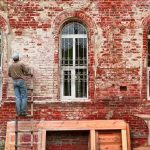
Preserving our historical architecture isn’t just about bricks and mortar; it’s about safeguarding the very essence of our culture and heritage and an investment in our future. However, the need to address climate change and adopt sustainable practices is now urgent, and this means that we now need to rethink how we engage with these historic structures. The problem is that how to conserve the irreplaceable heirlooms of the past and how to incorporate the current environmental standards into our lives without compromising one or the other has become a big challenge. It is a complex dance, which requires a thoughtful approach that recognizes the value of heritage and intelligently embraces innovation.
Understanding the Value of Heritage and the Urgency of Sustainability
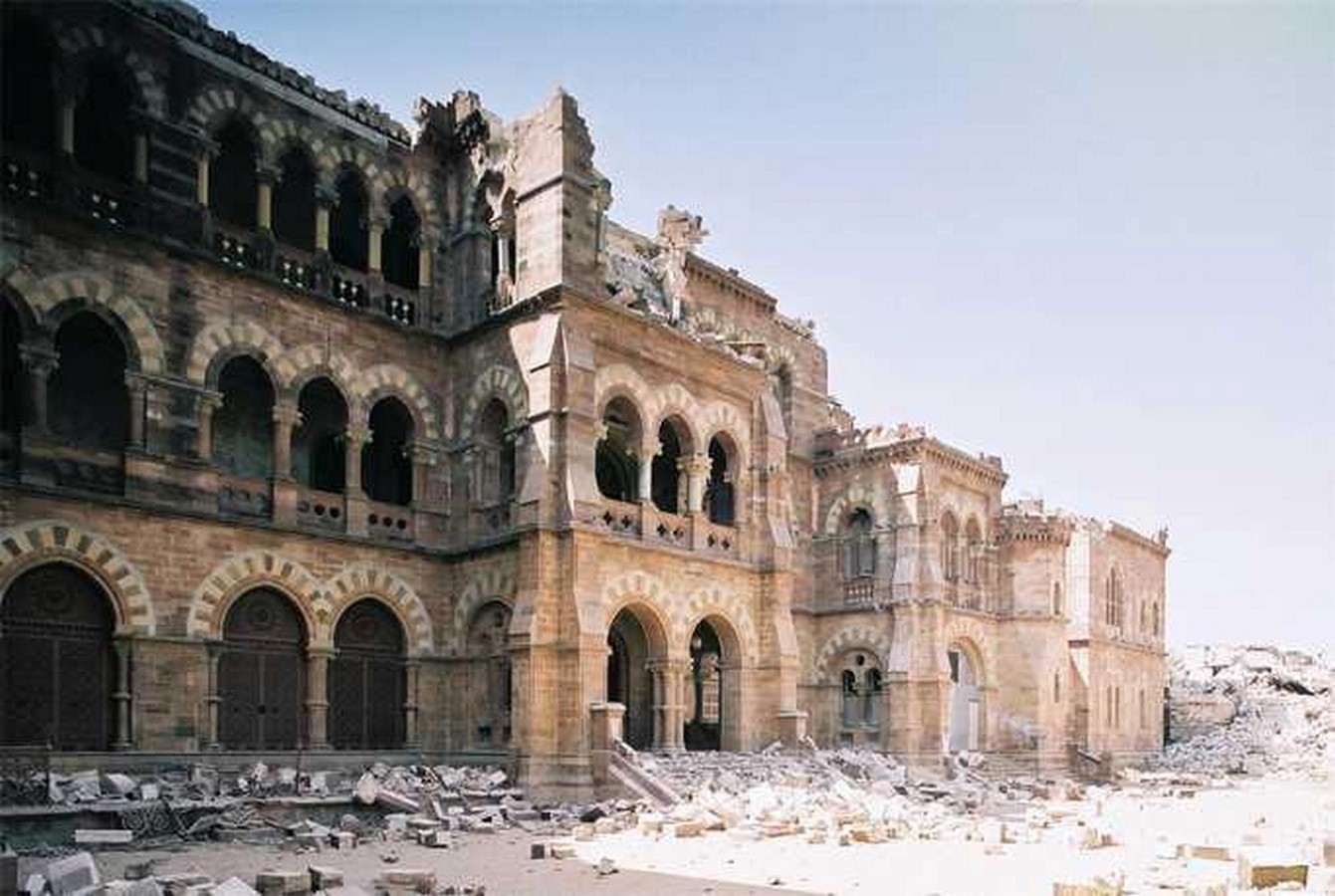
Historical buildings are not just about beauty, they hold the weight of cultural memory and societal evolution and these legacies must be preserved. But, its operation is a big contributor to carbon emissions and this needs to change. We must integrate sustainability; modern energy efficiency, renewable, and sustainable materials without erasing historical integrity. This needs innovative retrofitting, where the modern is integrated with the original construction, but in a way that can fulfill contemporary needs. Real sustainability is about the balance between environmental impact and cultural continuity. By judiciously re-imagining the use of historical structures, we embrace the past, as we create the future.
Innovative Integration: Blending the Old with the New
A critical strategy is incorporating modern technologies and materials into the structure in a measured manner that does not diminish the historical authenticity of the building. For example, historical windows can be retrofitted with double glazing, and solar panels can be installed without ruining the building’s facade. This does, however, require a thorough knowledge of historical building methods and techniques, as well as a strategic method of incorporating the new technologies.
In addition, using traditional building materials and methods can also be compatible with sustainable goals. Some historical structures were built with locally obtained, natural materials such as stone, timber, and lime plaster, which have low carbon content. Revisiting these materials where possible can help to cut the environmental footprint of the renovations.

Conservation Architecture: A Holistic Approach
The balance is navigated with ease by Conservation architecture. It is not just the physical structure of the building that is preserved but there is much more to it; historical context, cultural significance, and environmental impact. To achieve this holistic approach, it is necessary to have a team of architects, historians, engineers, and conservation specialists to come up with solutions that are specific to the preservation and sustainability goals that need to be met.
This is because a scientific and evidence-based approach to conservation is most significant. It calls for systematic examination of the building materials, the structural stability, and the energy use to make conservation management decisions. To this date, the data-driven approach has proven to be a good practice as it guarantees that the interventions are both proper and compatible with the structure’s historical appearance.
Addressing the Challenges: Material Compatibility and Energy Efficiency
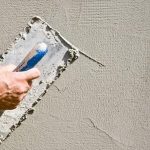
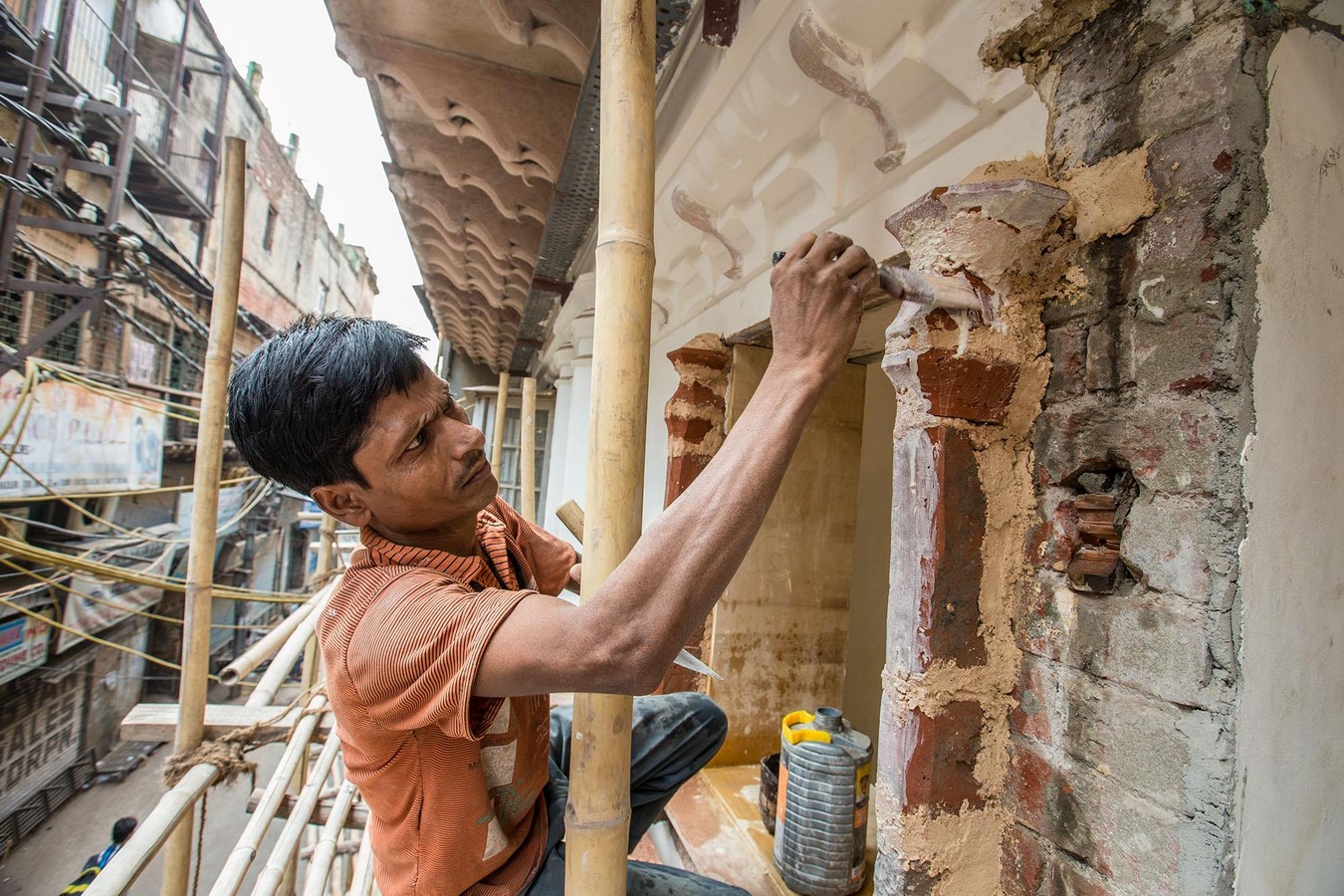
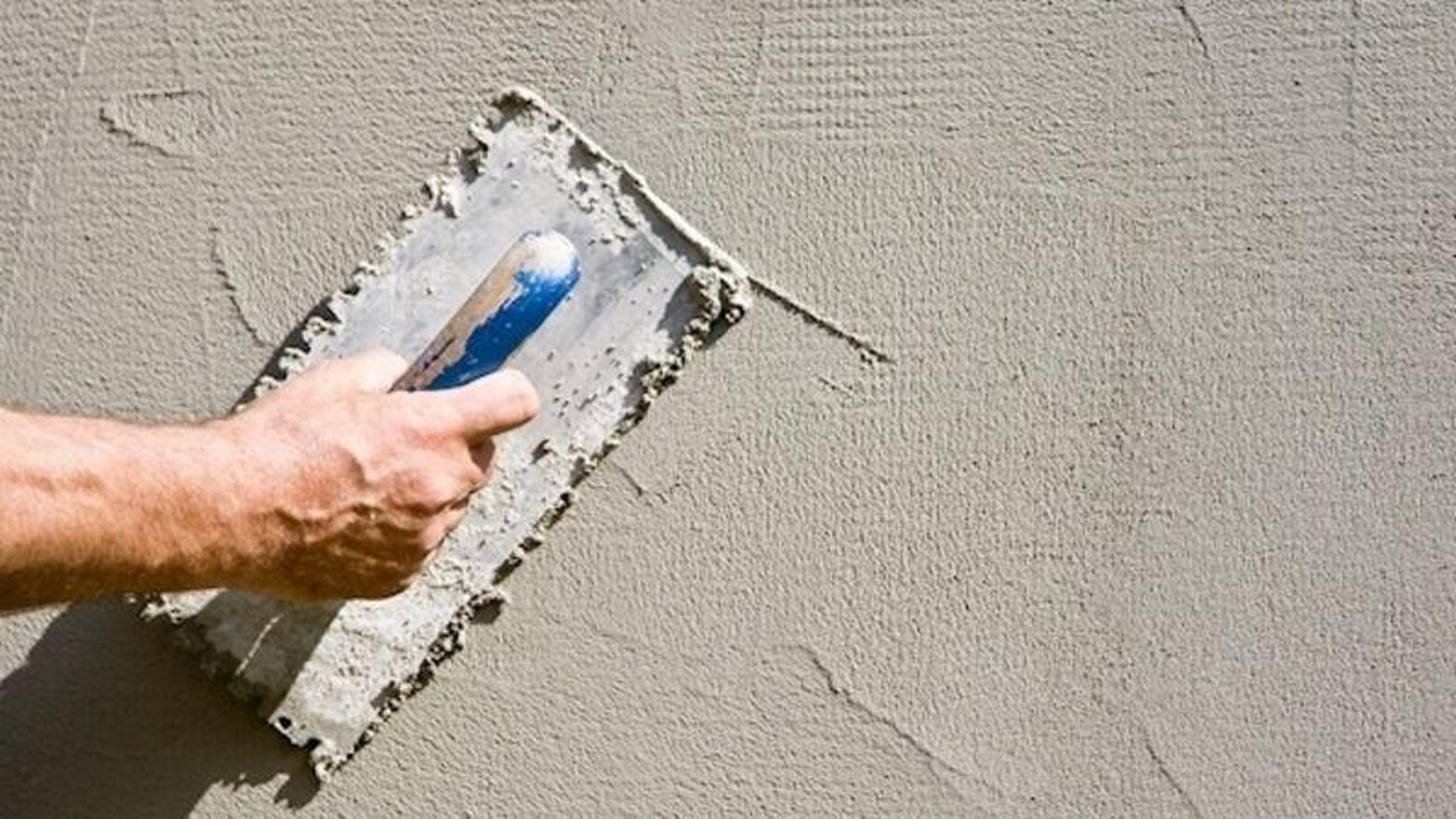
Another of the great difficulties of incorporating modern environmental practices into historical buildings is the compatibility of materials. The incorporation of materials that are incompatible with the original material fabric can lead to deterioration and damage. For example, using modern cement-based mortars on traditional lime-plastered walls can lead to moisture entrapment and subsequent problems.
However, achieving energy efficiency in historical buildings is also accompanied by challenges. Many traditional buildings were designed with natural ventilation systems, which may be compromised by modern insulation techniques. Therefore, it is important to find ways of preserving these natural systems while at the same time enhancing energy performance.
The Future of Heritage Preservation: A Collaborative Effort
The future of heritage preservation relies on a collaborative future generating innovative solutions from diverse expertise and perspectives. Architects, historians, engineers, policymakers, and communities must work together to find solutions to the challenges of climate change, while also protecting our cultural heritage.
What’s more, is that sustainable practices must also be integrated into architectural education and professional training. Future architects and conservation specialists must be able to understand and manage the complexity of the heritage preservation and environmental sustainability nexus.
To conclude, the conflict between the conservation of heritage and the application of contemporary environmental practices is not black and white. It involves a dynamic interplay of tradition and technology, sustainability and creativity, and cultural sensitivity and forward-thinking. It needs a more considered, situational analysis that would respect the material significance of the built heritage while complying with the principle of sustainability. Thus, by promoting innovation, collaboration, and a better appreciation of historical buildings, it is possible to keep our architectural achievements relevant for future generations sustainably. If done properly, with thought, this dance between the past and the future can result in them being in harmony. By continuing to explore this balance, the architectural field can contribute to a built environment that is as meaningful as it is innovative.
References:
- Mishra, Gaurav. “How to Take Care of Furniture during Rains: Expert Tips for Monsoon Season Protection.” Gharpedia.com, GharPedia, 5 July 2024, gharpedia.com/blog/blending-heritage-with-innovation-in-architectural-practices/.
- Dualchas Architects. “Preserving Historical Architectures | Why Is It Important?” Dualchas.com, 2024, www.dualchas.com/news/preserving-legacies-the-delicate-balance-of-conservation-and-historical-architecture.
- Liang, Wen, et al. “The Development of the Concept of Architectural Heritage Conservation and Its Inspiration.” Built Heritage, vol. 7, no. 1, 9 Oct. 2023, https://doi.org/10.1186/s43238-023-00103-2.
- Mairead. “Conservation Architecture L + Architects.” L+ Architects, 8 Dec. 2023, lplusarchitects.com/conservation-architecture-blog/.
- Norwalk Tomorrow. “The Importance of Preserving and Promoting Historic Buildings.” Norwalk Tomorrow, 30 Aug. 2019, tomorrow.norwalkct.org/news/importance-preserving-promoting-historic-buildings/.