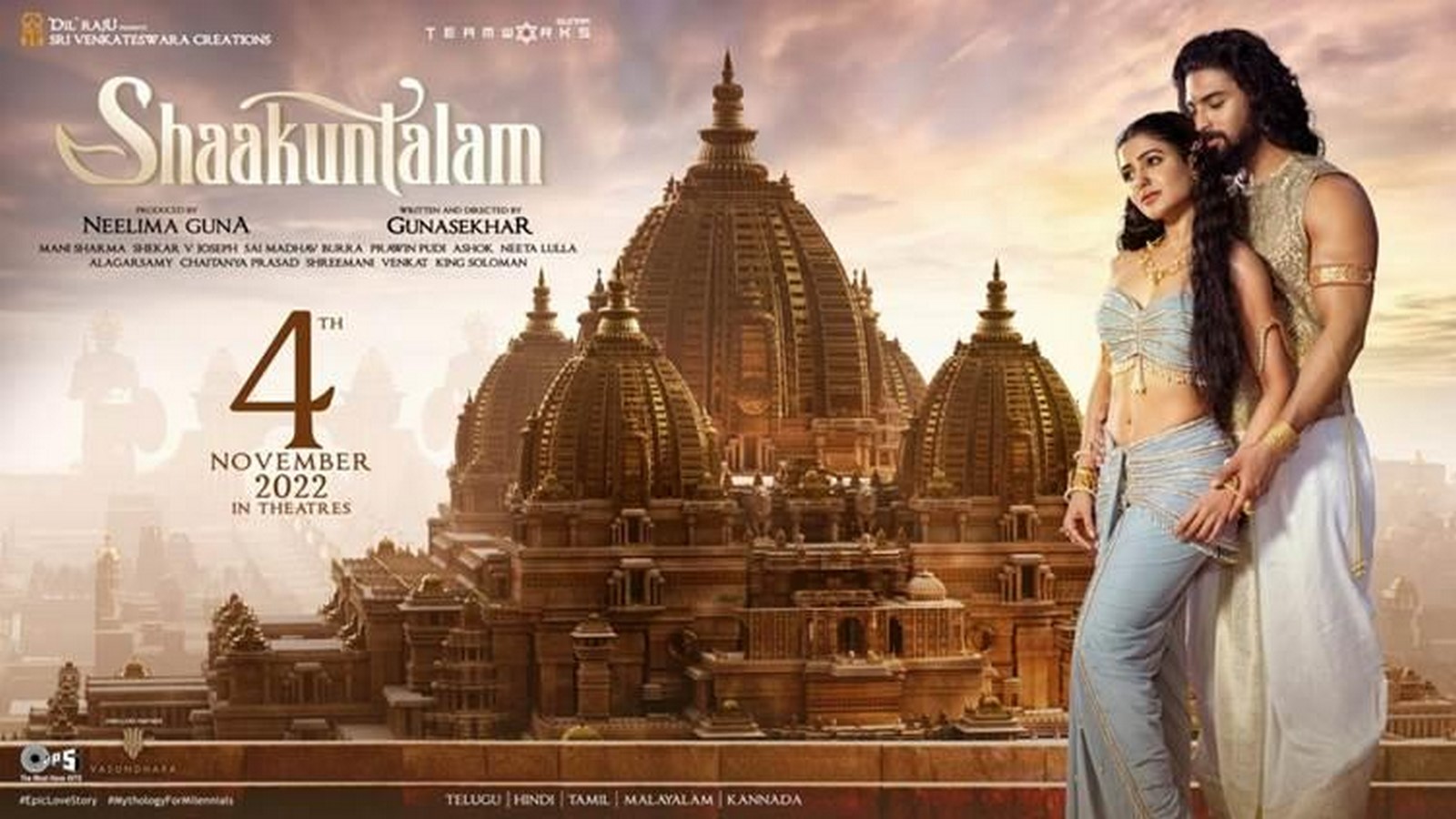
“Shakuntalam,” the South Indian Telugu epic that was released in 2023, was produced by Gunasekhar. The film is based on the legendary slave language textbook novel ‘Abhijnanasakuntalam’ written by a famous ancient historian Kalidasa. The movie remembers the love tale of Shakuntala and King Dushyanta which is magnificently set within an ancient India which has been painstakingly constructed. The world of the movie is what makes the audience at the time wondrous.

Hastinapura’s Royal Palace
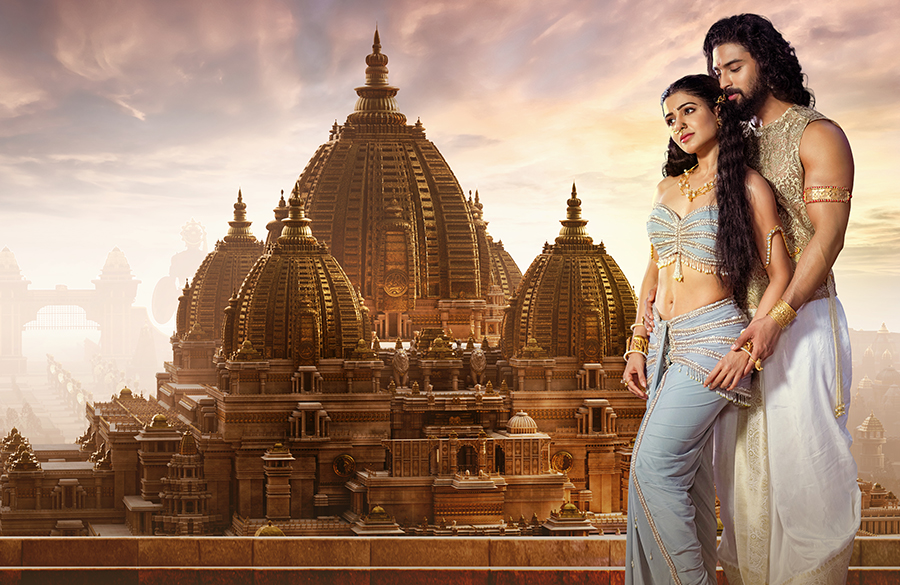
One of the crown rejoinders in ‘Shakuntalam’, is it best depicts and portrays the magnificent architecture such as the palace in Hastinapur. This was a living testament to the creativity and skill within Indian Design. It is said that the rest of the kingdom witnessed superbly crafted temples with large spacious courtyards filled with richly carved rooms and statues portraying the power and wealth of King Dushyanta which impressed the entire region. The period’s architecture was also exemplified, through the use of large domes with tall poles engraved with classical designs. Throughout the palace, dimension of realism is set through the meticulous detail of the craftsmanship in the building that the filmmakers procured. Within the palace, the great dimension of it along with its golden tapestries and delicately painted gold walls radiate pure regality. “Shakuntalam” efficiently portrays the ancient Indian style of palace architecture through jaali work and jharokhas.
Kanva Maharishi’s hermitage
As serene as Kanva Maharishi’s hermitage is, it is as much a contrast to Hastinapura’s grandeur as the setting of Shakuntalam, which seamlessly blends two powerful elements: spirituality and simplicity. In keeping with the hermit’s rules, the hermitage is built using natural materials such as wood, bamboo, and so on. There are many waterfalls and limitless greenery surrounding the buildings, which illustrate that nature and construction can perfectly blend. The design of the hermitage is minimalist and practical which serves the purpose of self-restraint and environmental insulin. Walls made from clay, roofs made from dried reeds, and floors made from mud add to the rural essence. By greatly fostering self-restraint and a connection to the environment, the decor of the hermitage supports Shakuntalam’s vision of the place providing education and inner growth.

Forest Sceneries and Natural Landscapes
The elegant woods, blooming flora, and flowing rivers are all beautifully depicted in Shakuntalam, as is the connection between nature and the characters of the story. The forest views and natural setting are core to the plot, and they blend with the tale so perfectly that they become a spectacular sight. The rustic atmosphere is accentuated further by the constructing of houses and roads in the woods.
“Shakuntalam” interprets love, purity, and destiny through the organic architecture of trees, that’s how the filmmakers represented these complex concepts in the movie. Sacred ancient trees and groves of worship for religious rites are invariably in the form of a representation and, in most cases, stand behind the scenes as silent spectators to significant plot developments. But it is that interrogation at a fundamental level of nature’s hidden structure that gives the work a bizarre, sorcerous quality.

Sacred Spaces and the Architecture of Temples
At the core of “Shakuntalam” are temples and religious buildings that represent the meeting point between the religious and cultural aspects of the life of the common man. The architecture of the Temple is presented at a large scale and in great detail in the movie. Ornate mandapas (pillared halls), soaring shikhara (spire/peak/tower) and beautifully carved sculptures decorate the temples. It is the types of the Dravidian and the Nagara Styles, of ancient Indian temple architecture that serve as such characteristics. Or, more precisely, the temples in Shakuntalam, are not merely beautiful structures but are also significant elements of the plot and evolve into representations alike of both protagonists’ spiritual evolution and divine manifestation.
The richness of colours, the gentle rendering of detail, and the sheer sophistication all suggest the central role of religion and spirituality as instruments of social harmony in the period. The garbhagriha, i.e., sanctum sanctorum, is drawn with high fidelity, and the condition of the sacred structures of the temples is described as well. The Aesthetics of Architecture and Cinematography
The Aesthetics of Architecture and Cinematography
While the cinematography in “Shakuntalam” unfolds just the grandeur of the architecture and lends to the film, layers, and depth. However, the use of light and camera track to restore large locomotion is emphasized in its dealings with the scale of the palace and the serenity of the hermitage. Draws attention not only to the vastness of the natural world to the immensity of the photo studio setting of the average house, but then draws attention to how smaller elements within the house are emphasized when illuminated and shadowed in comparison to each other. Visual effects are slight in “Shakuntalam” and only occasionally employed to augment the effect of aerial setting, but in all other respects, there is nothing unnatural or artificial about them. The environments once impossible to realize physically due to the flatness of the resulting visual mixing of real and (CGI) environments become possible. Through this approach, although an aesthetically beautiful visual impression is provided by the work, the design elements do not become excessive.
Final Thoughts

Architecture is not just a background in ”Shakuntalam” architecture, it is a compelling way can affect the plot and the audience’s receptivity to immerse themselves in a narrative. The fine accustomed way of Hastinapura, quiet and peaceful, the abode of Kanva Maharishi of past times, and the forest is a proper endeavor of that model of expressing ancient Indian antiquity architecture and the later obviously is permeated with deep emotionality that relates to the things that the loss of values has made irretrievable. As these spaces are built, “Shakuntalam” takes its audience to the mythic, and the viewer is engaged in reflection on the wonderful and divine nature of the time.