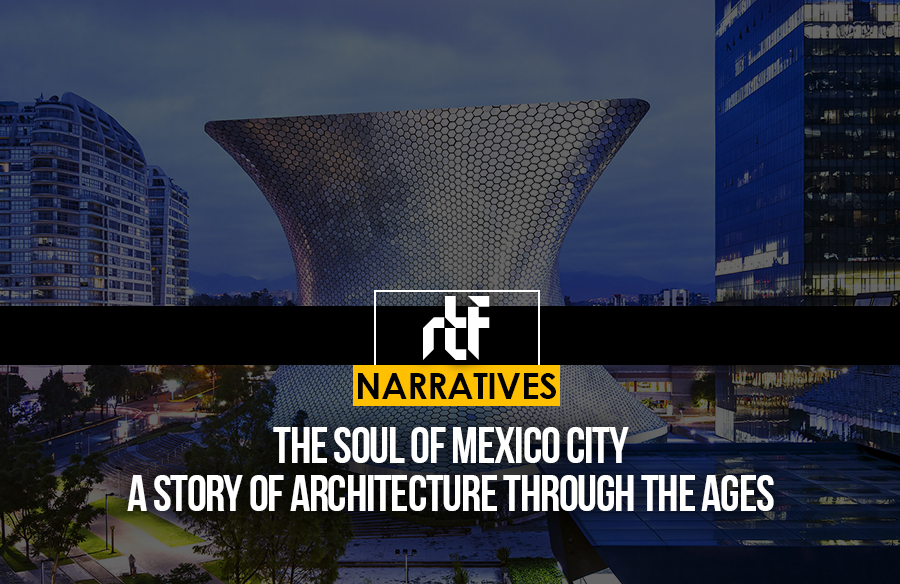
Ciudad de México (Mexico City), the capital of Mexico, has the largest Spanish-speaking population and is the largest metropolitan area in North America. Defined by its scale, the City of Hope comes alive through its cultural layers portrayed in its architecture and traditions.
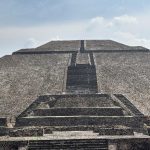
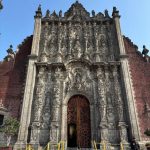
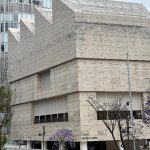
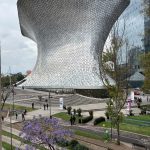
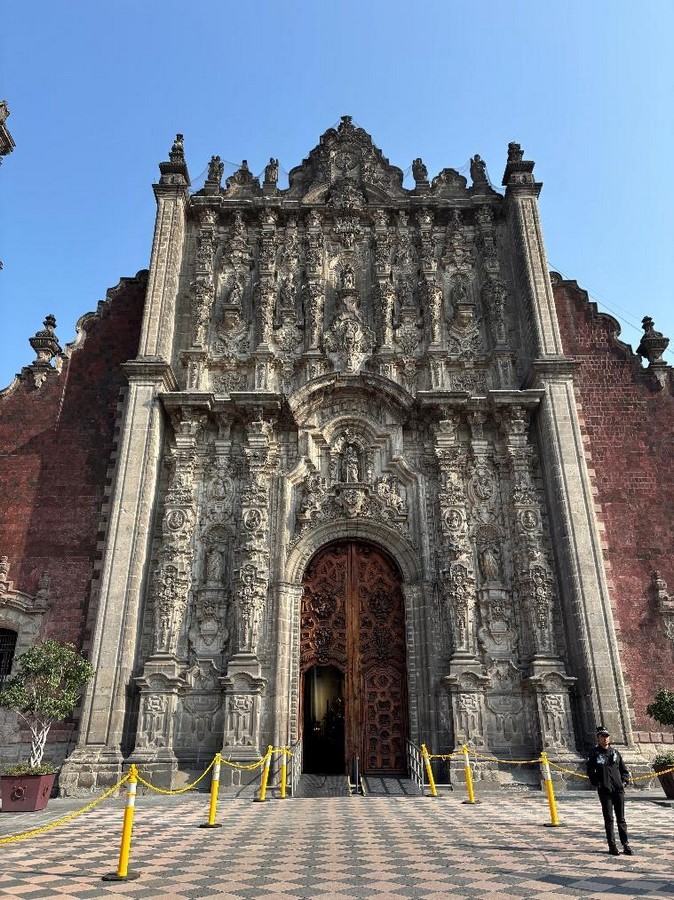
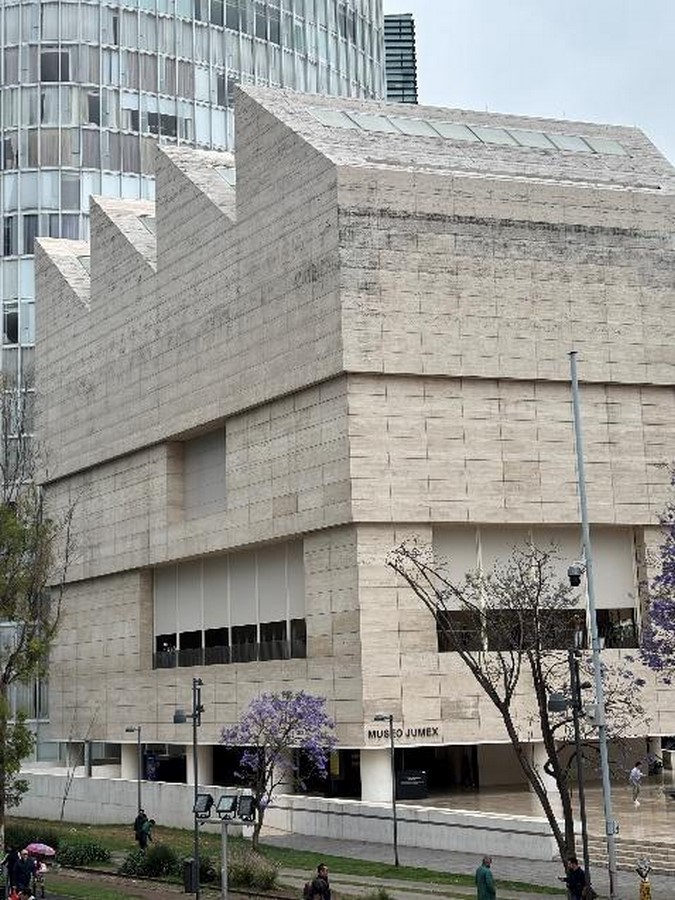
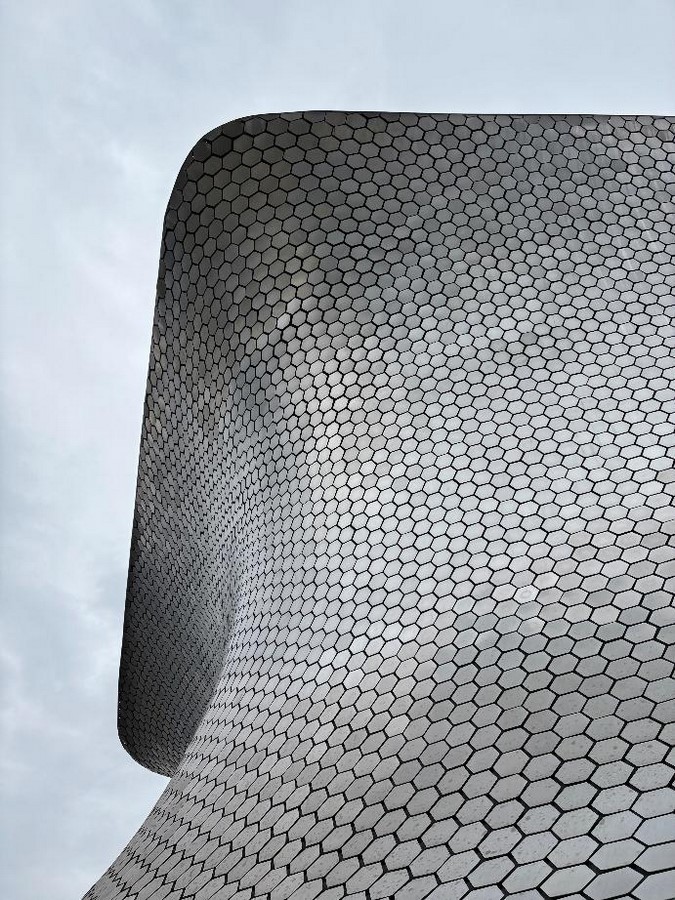
Built on a group of islands in Lake Texcoco, this city is known for its rich history and symbolism. The Aztec Templo Mayor and Teotihuacan pyramids symbolize Mesoamerican cosmology and spirituality. The Metropolitan Cathedral is an example of Spanish Baroque architecture which combined European architecture with indigenous artwork and craftsmanship. Modern architectural masterpieces, such as the Jumex Museum or the Soumaya Museum, explore new construction methods to represent the contemporary world.
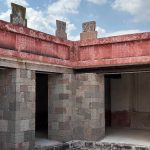
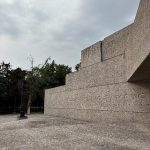
The city is a vibrant mix of bright colors that adorn the streets with hues across the spectrum and local materials like volcanic stone, reflecting a deep connection to their land. The city’s architectural landscape is also gradually changing to reflect this sense of resilience and evolution in the modern world.
Architecture as a Reflection of Culture
The city’s cultural layers are showcased in its rooted architecture. Starting from its pre-Hispanic roots, Mexico City was inhabited by numerous groups of indigenous people who were tremendous artists, contributing to many stone-carved monumental buildings. At the very center of present-day Mexico City lies the Aztec Templo Mayor and the stepped pyramids of Teotihuacan. These places of worship, standing the test of time, are an architectural feat incorporating locally sourced materials with intricate detail.
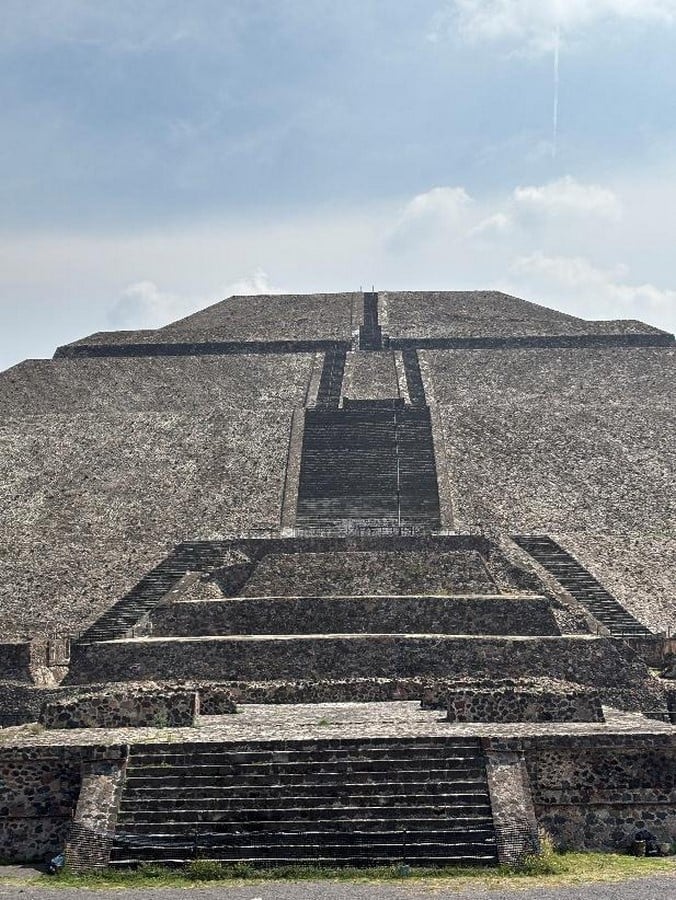
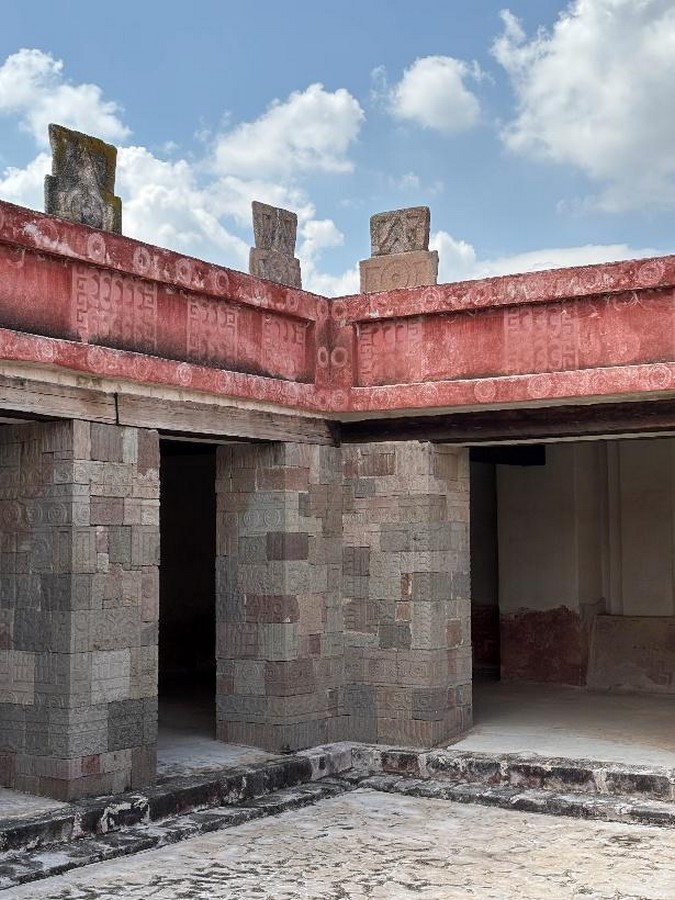
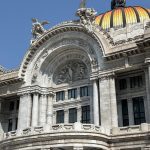
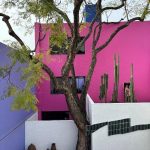
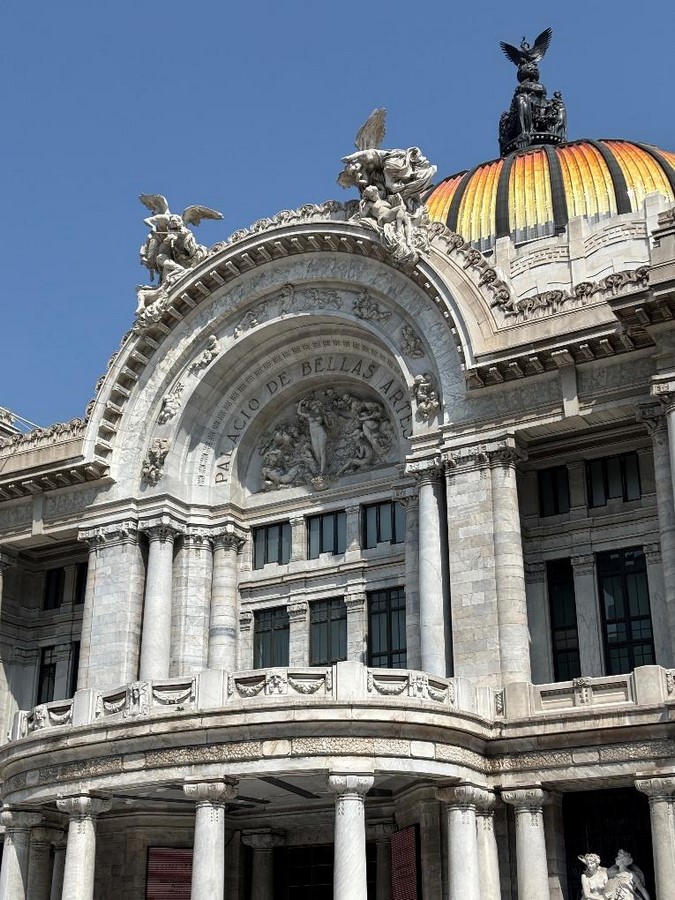
The Spanish ruled Mexico from the 16th century which marked another significant turn in the history of the city and added a new layer to the city’s growing identity. Colonial architecture merged Spanish design strategies with local craftsmanship leading to ornate church façades and palaces. The 20th century brought modernism to this architectural language, introducing architects like Luis Barragán, who re-interpreted traditional symbols into bold colorful designs. His architecture reflects an interesting contradiction where the minimalist formal approach is a nod to modernism while the vibrant colors resonate with Mexico’s indigenous heritage.
A Legacy of Adaptation
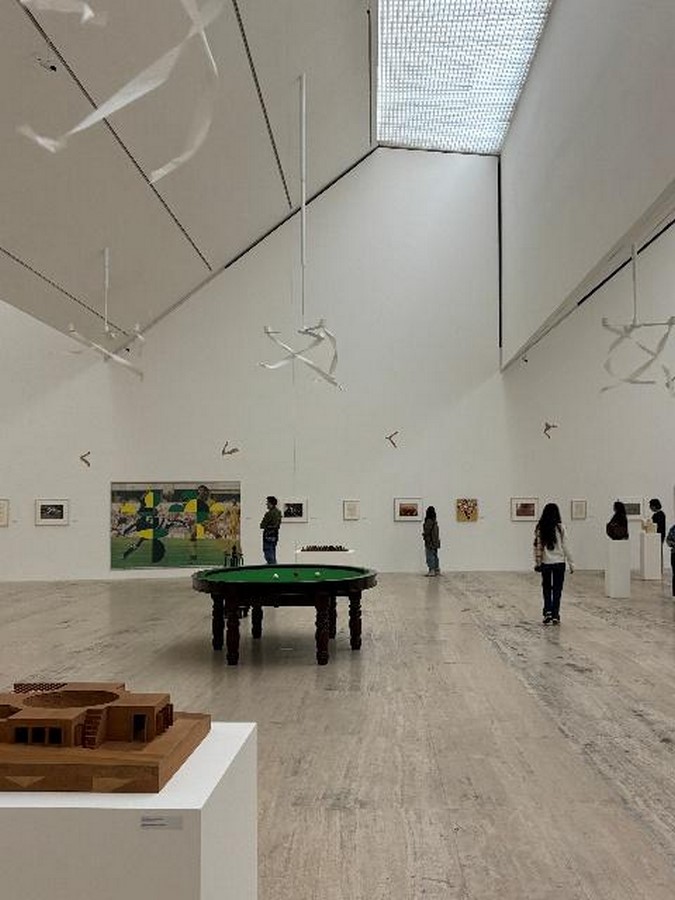
Mexico City is not just a reflection of culture but also shows a thoughtful consideration of its climate. The ancient city was an early precedent of sustainable urban planning, demonstrating a sense of climate-responsive ecosystem. Colonial houses had thick adobe walls which insulated the homes from extreme heat while the central courtyards provided the necessary ventilation needed to provide passive cooling. In the modern era, buildings like Museo Jumex, designed by David Chipperfield, draw inspiration from traditional practices to design sustainable buildings.
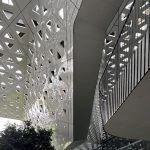
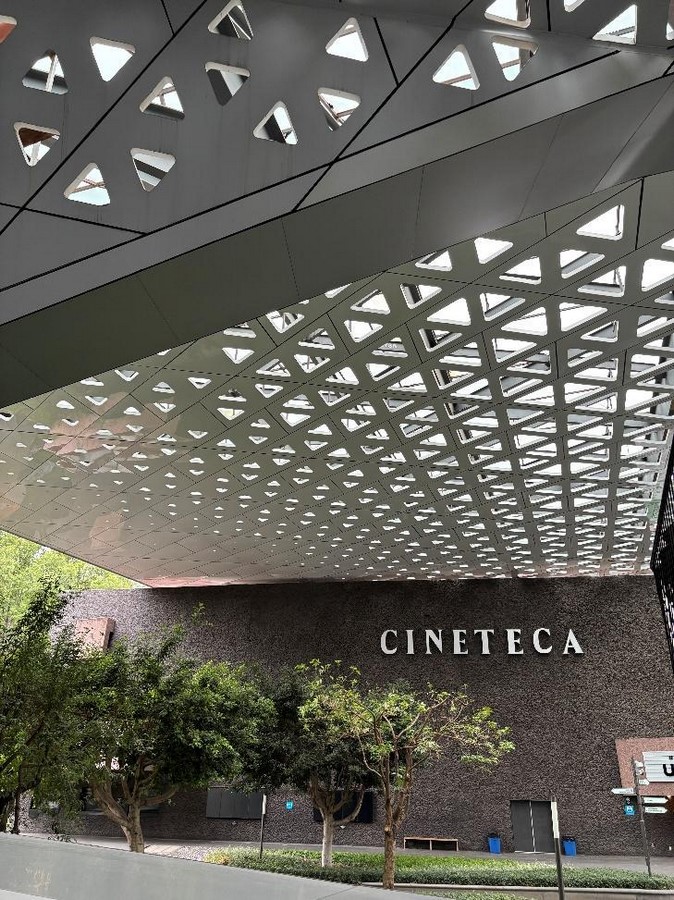
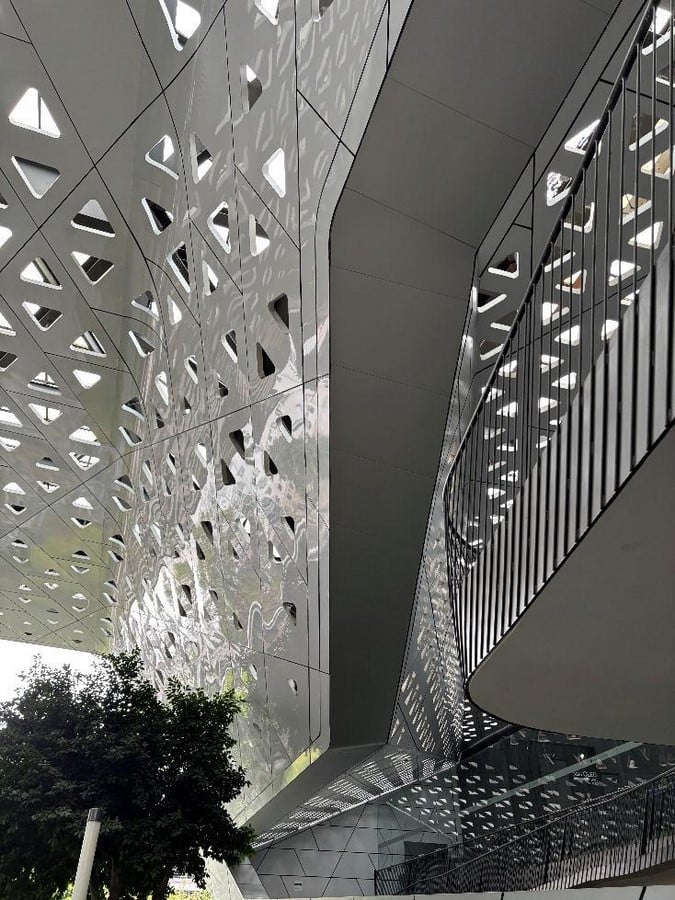
The Cineteca Nacional Siglo, designed by Rojkind Arquitectos, is the perfect example of an adaptive renovation project. Four additional screening rooms were added to this cinema along with a large public space, shaded by a parametric roof. The project promotes pedestrian movement across the space while also encouraging social and cultural exchange. It serves as a hallmark for incorporating technology with tradition, demonstrating the city’s ability to evolve without losing its sense of culture and heritage.
Evolution into Modernity
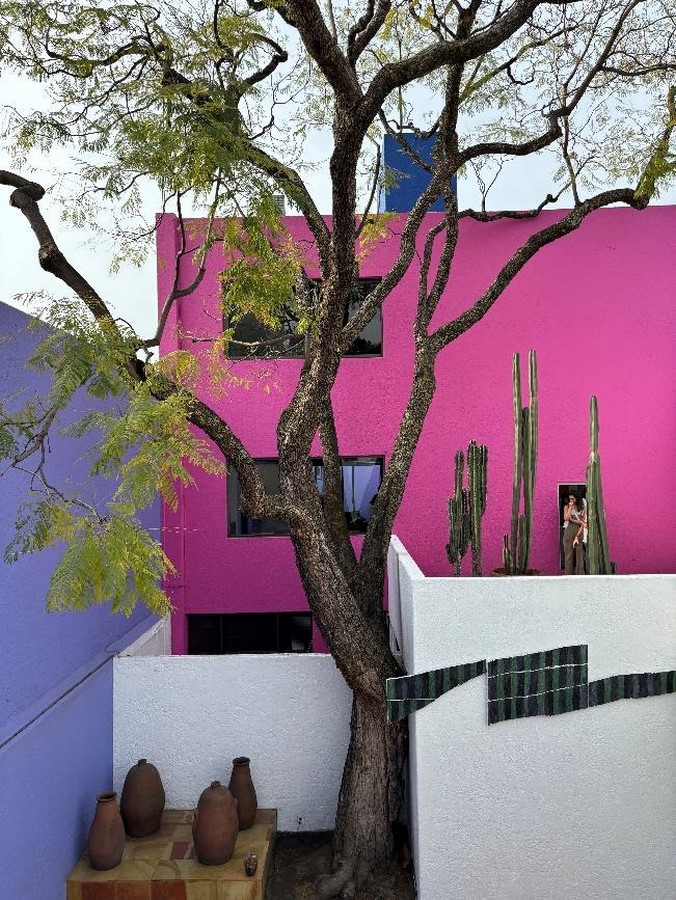
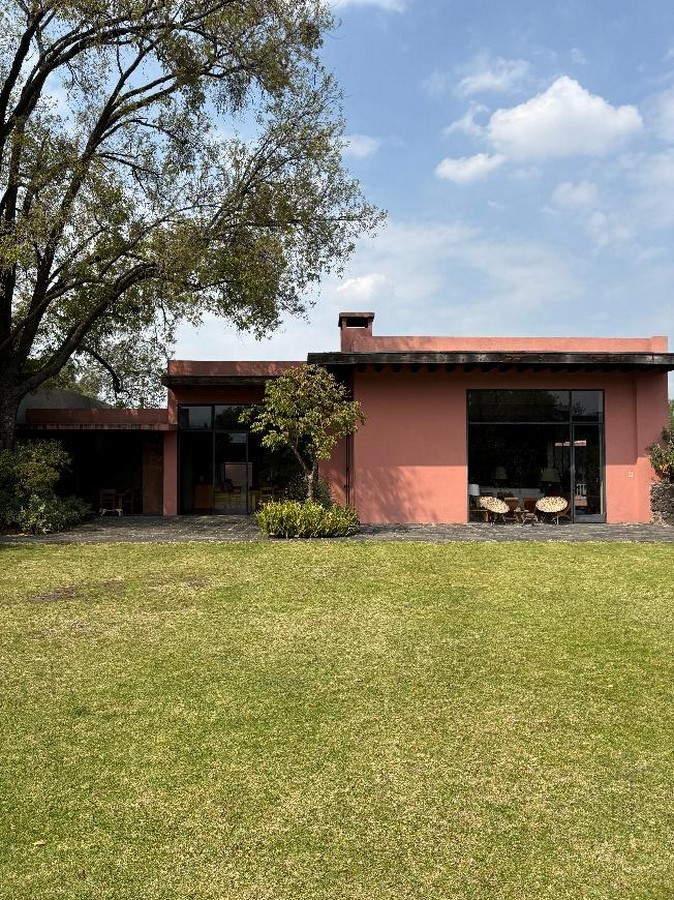
The architectural fabric of the city changes as the city expands to fit the flow of new ideas and global standards. Mexico City adds new cultural layers to its urban fabric with a distinct style that reflects the individual identity of the country. This movement took shape in the mid-20th century with the work of Luis Barragán. His designs like Casa Luis Barragán, Casa Gilardi and Casa Pedregal are world-renowned for seamlessly merging tradition with modernism.
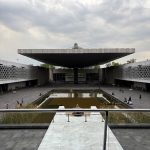
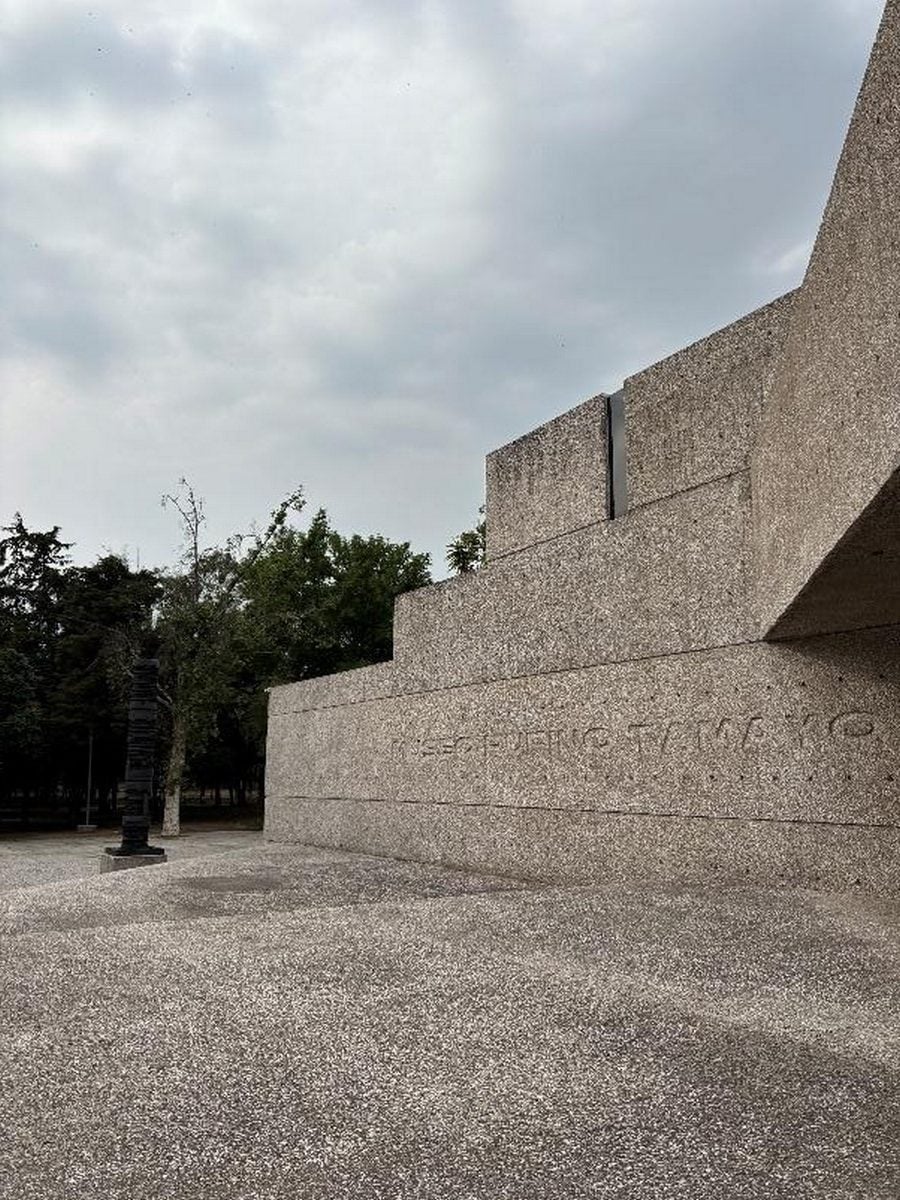
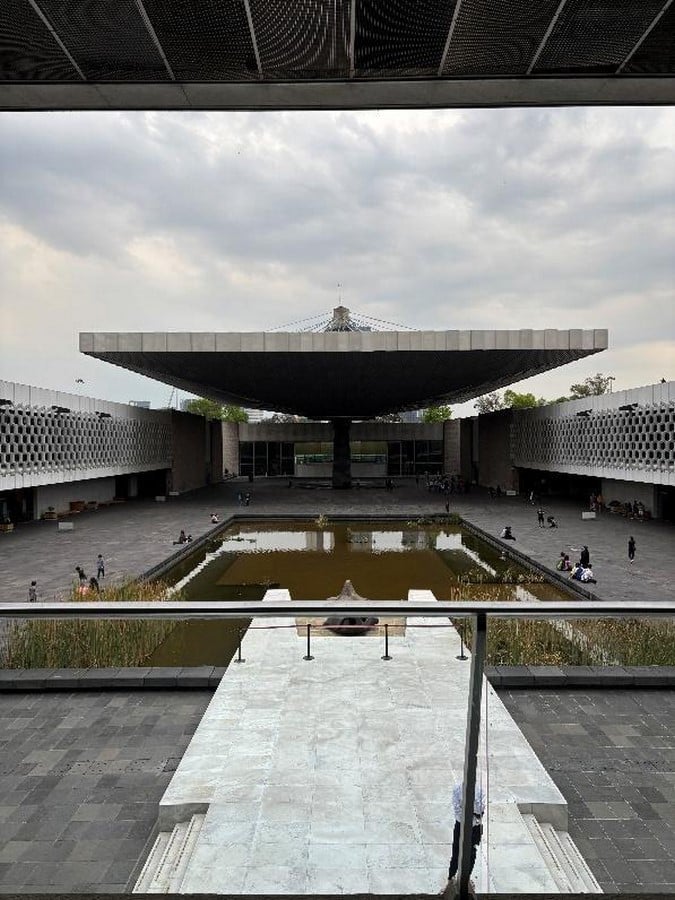
Museo Tamayo Arte Contemporáneo, designed by Teodoro González de León and Abraham Zabludovsky, and Museo Nacional de Antropología, designed by Pedro Ramírez Vázquez, are a testimony of the evolutionary process. It is a great example of how modern architecture can blend with its environment, yet also be able to attract the eye through its geometric shapes and the use of natural light.
The City as a Global Trendsetter
Mexico City’s architecture is a time capsule of the city’s cultural history, climate adaptation, and modern ambitions. Each cultural layer, from the ancient pyramids to the colonial cathedrals to the contemporary skyscrapers, tells a story of tenacity, imagination, and enterprise. In a rapidly changing world, Mexico City remains an example of how architecture can preserve the past while looking toward the future. Its built environment is not just a collection of structures but a living narrative, which can provide some lessons for other cities around the world.

The city can guide the architectural fabric, transgressing the barrier of time. The architecture of Mexico City is deeply rooted in its culture, yet as time passes and contemporary architectural styles make its presence known, the city adapts to the change yet maintains its essence. New buildings, which now dot the skyline fall under this contemporary segment, yet examining them closer, one can see the influence of the context still being at the forefront of design. It seamlessly blends modernity with tradition. Mexico City is more than just a metropolis; it is a timeless narrative of resilience and adaptation, a beacon for culturally rooted places navigating the complexities of growth.
References:
MOENNING, S. (2023) Mexican architecture as an inspiration for spaces, Mexico City Architecture | History, Buildings & Examples. Available at: https://study.com/academy/lesson/mexico-city-architecture-history.html (Accessed: 21 February 2025).
City Unscripted and all the City Insiders (2024) Discover Mexico City’s architectural and artistic wonders, Discover Mexico City’s Architectural and Artistic Wonders. Available at: https://www.cityunscripted.com/travel-magazine/exploring-mexico-city-art-and-buildings (Accessed: 20 February 2025).
Baldwin, E. (2022) 10 reasons Mexico City is a modern Mecca for architects – architizer journal, Journal. Available at: https://architizer.com/blog/inspiration/collections/mexico-city/ (Accessed: 20 February 2025).
Discover Mexico City: History, culture and flavors. | terra maya, local travel agency in Mexico (no date) Terra Maya. Available at: https://www.travels-mexico.com/blog/tourism/discover-mexico-city-history-culture-and-flavors (Accessed: 21 February 2025).