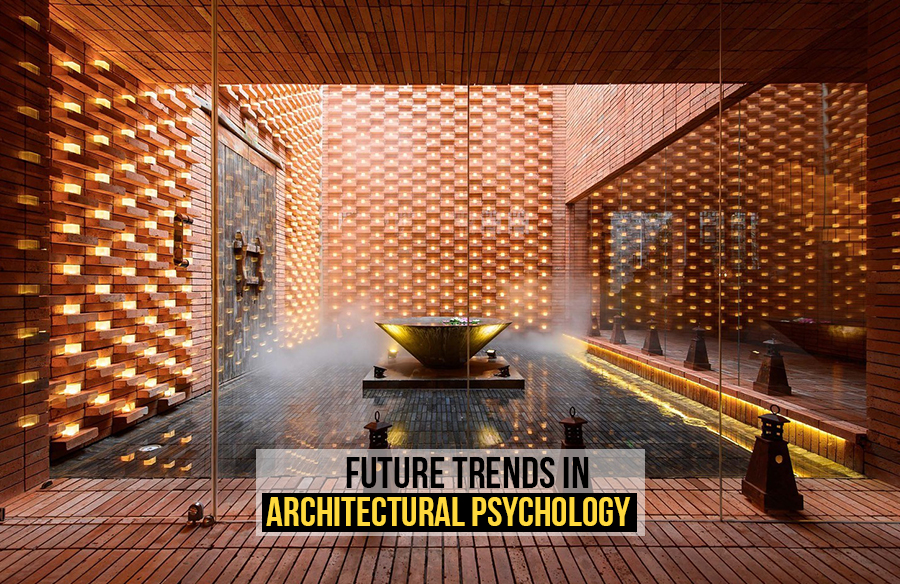
Architectural psychology is a field that explores the connection of how the spaces that we inhabit shape our thoughts and change our moods and interactions. With advancements in technology, sustainability, and neuroscience this field of architecture is evolving. This article explores how architecture can cater to our emotional and psychological well-being by exploring merging trends that shape the built environment.
Emerging Trends Shaping Human-Centric Design
The Rise of Neuroarchitecture
Neuroarchitecture, one of the trends in architectural psychology, is designed based on pointers like emotion, happiness, and well-being. With advances in neurosciences, it’s easy for people to study how certain spaces, shapes, and colours can influence human perception. It is already possible to use MRI or VR to understand how brain waves respond to certain conditions through biofeedback.
For example, when it comes to lighting, the human body is more comfortable with natural light. But if artificial light is needed what should be the colour or intensity of light as per the environment comes into the picture? If it’s a space for relaxation the use of yellow light is prevalent while spaces like hospitals require colours that are refreshing.
Biophilic and Nature-Integrated Design
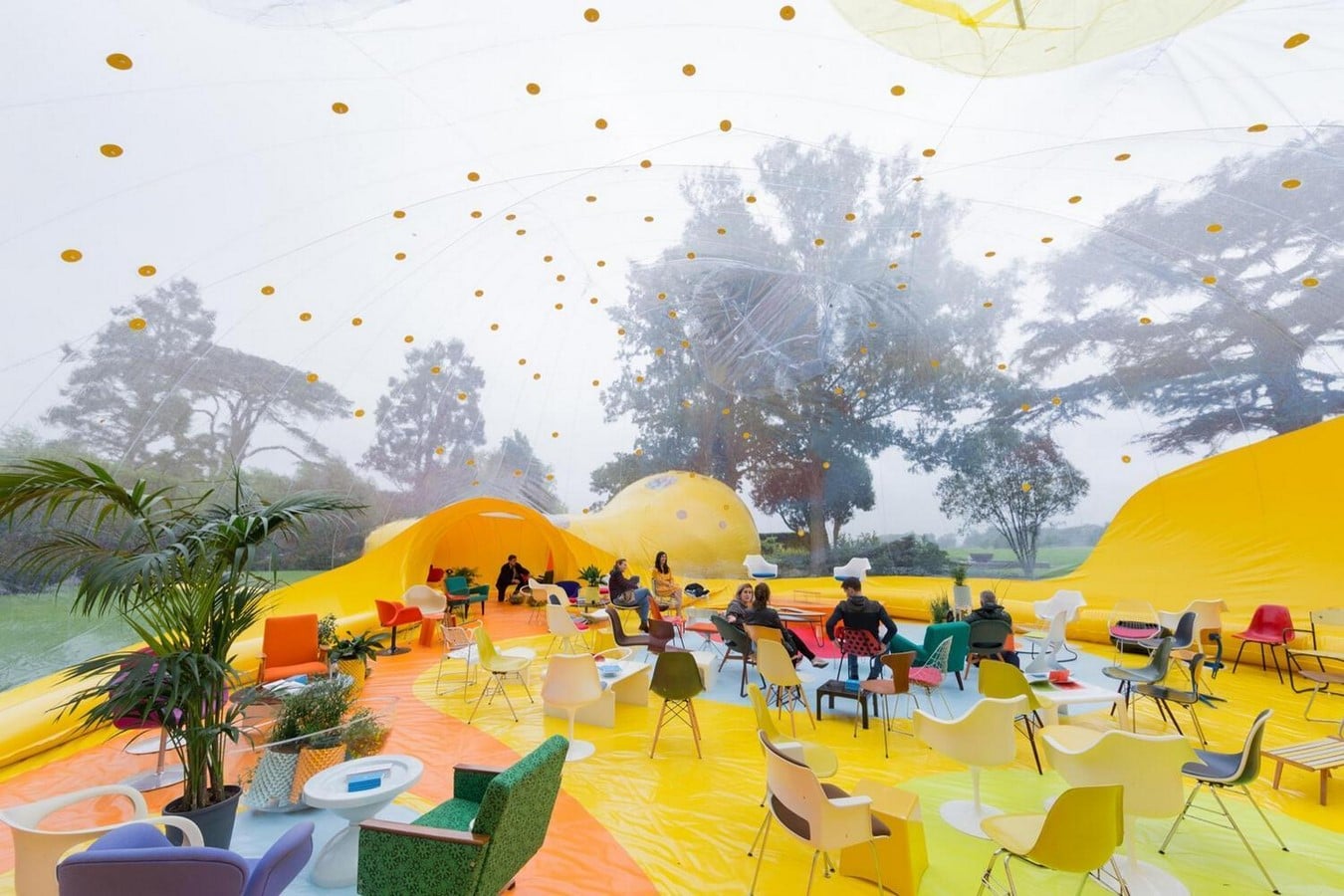
Biophilic design is a concept used in both architecture and city level design. It means to increase the user’s connectivity to the outdoors through the use of indirect or direct nature. It is said that biophilic design helps with mental health, physical health, and economic benefits.
This trend in architectural psychology is a field that explores the connection of how the spaces that we inhabit shape our thoughts, and change our moods and interactions. With advancements in technology, sustainability, and neuroscience this field of architecture is evolving. This article explores how architecture can cater to our emotional and psychological well-being by exploring merging trends that shape the built environment. By maximizing natural light, strategically placing a window, aligns with not only achieving health benefits but also sustainability goals. Offering views of nature boosts one’s mood, using natural materials to bring a sense of the outdoors inside, engaging multiple senses through different elements to create a calming effect.
Personalized and Adaptive Architecture
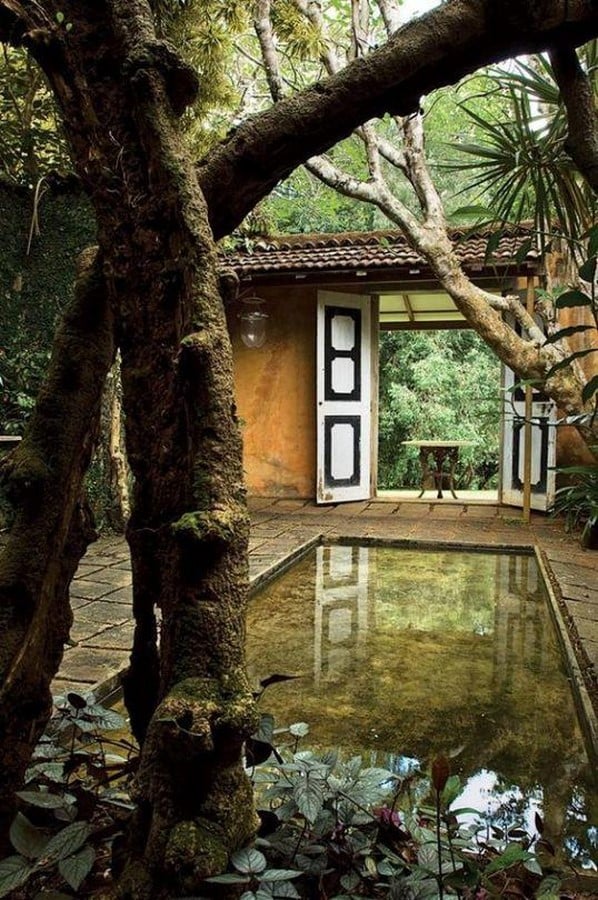
Adaptive Architecture is a trend in architectural psychology that explores the connection of how the spaces that we inhabit shape our thoughts, and change our moods and interactions. With advancements in technology, sustainability, and neuroscience this field of architecture is evolving. This article explores how architecture can cater to our emotional and psychological well-being by exploring merging trends that shape the built environment.
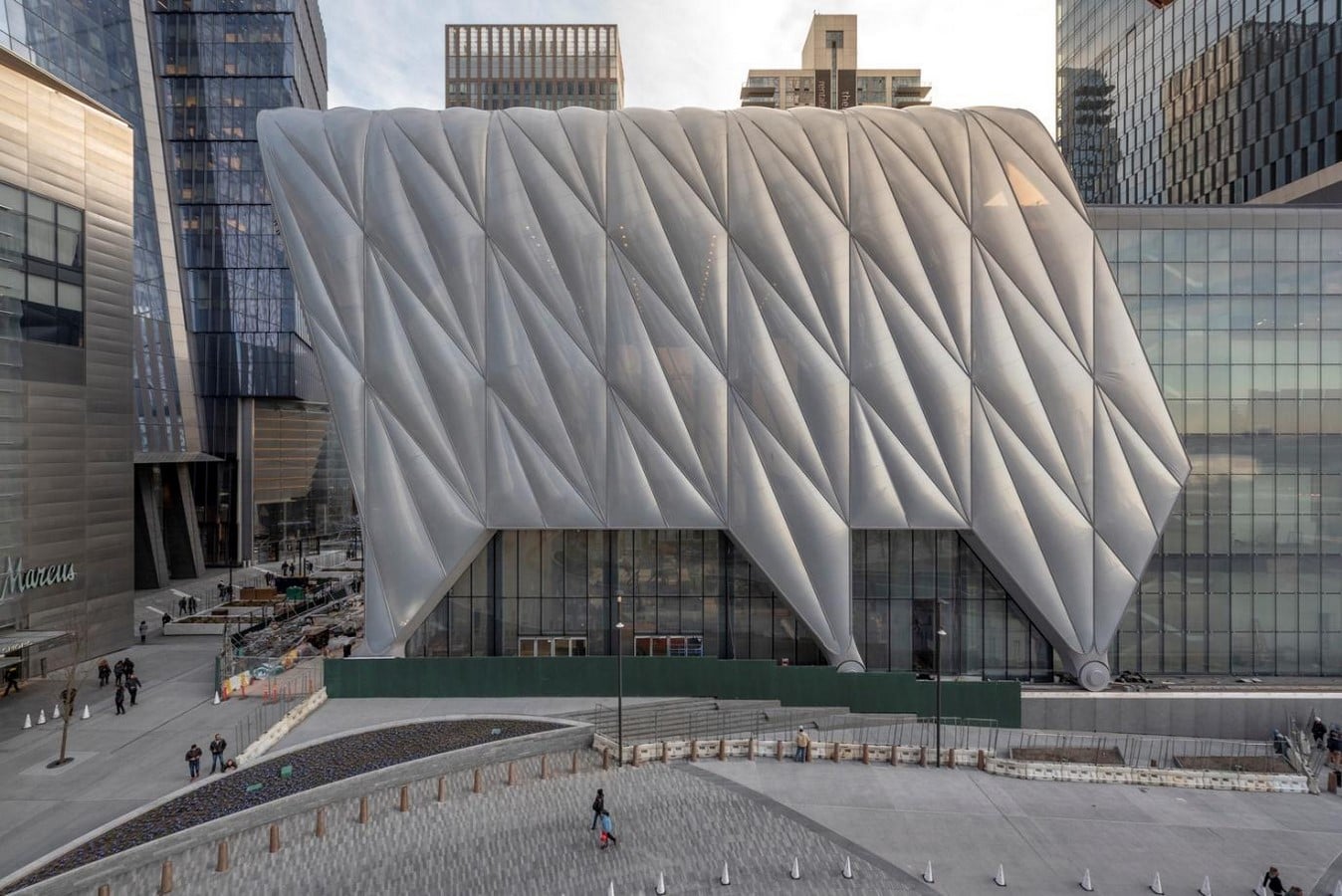
Advancements in technology have encouraged responsive architecture. It can range from kinetic facades to modular furniture or even smart furniture. Dynamic facades can change their shape and can become opaque based on the climate or user needs which ensures a more comfortable environment for users and a long life for the built structure. Smart home technologies allow users to customize the environment based on their requirements, such as lighting, temperature, air quality, etc. The concept of Kinetic architecture is being widely used in public spaces to make them more accessible, inclusive, and user-friendly. Public areas can be furnished with a range of dynamic furniture like canopies, and seatings that can be customized as per user needs or as per different events that take place in a public space.
Sensory Design
Sensory architecture is a trend in architectural psychology that activates the sensory organs which transforms the interaction between users and their built environment into something deeper.
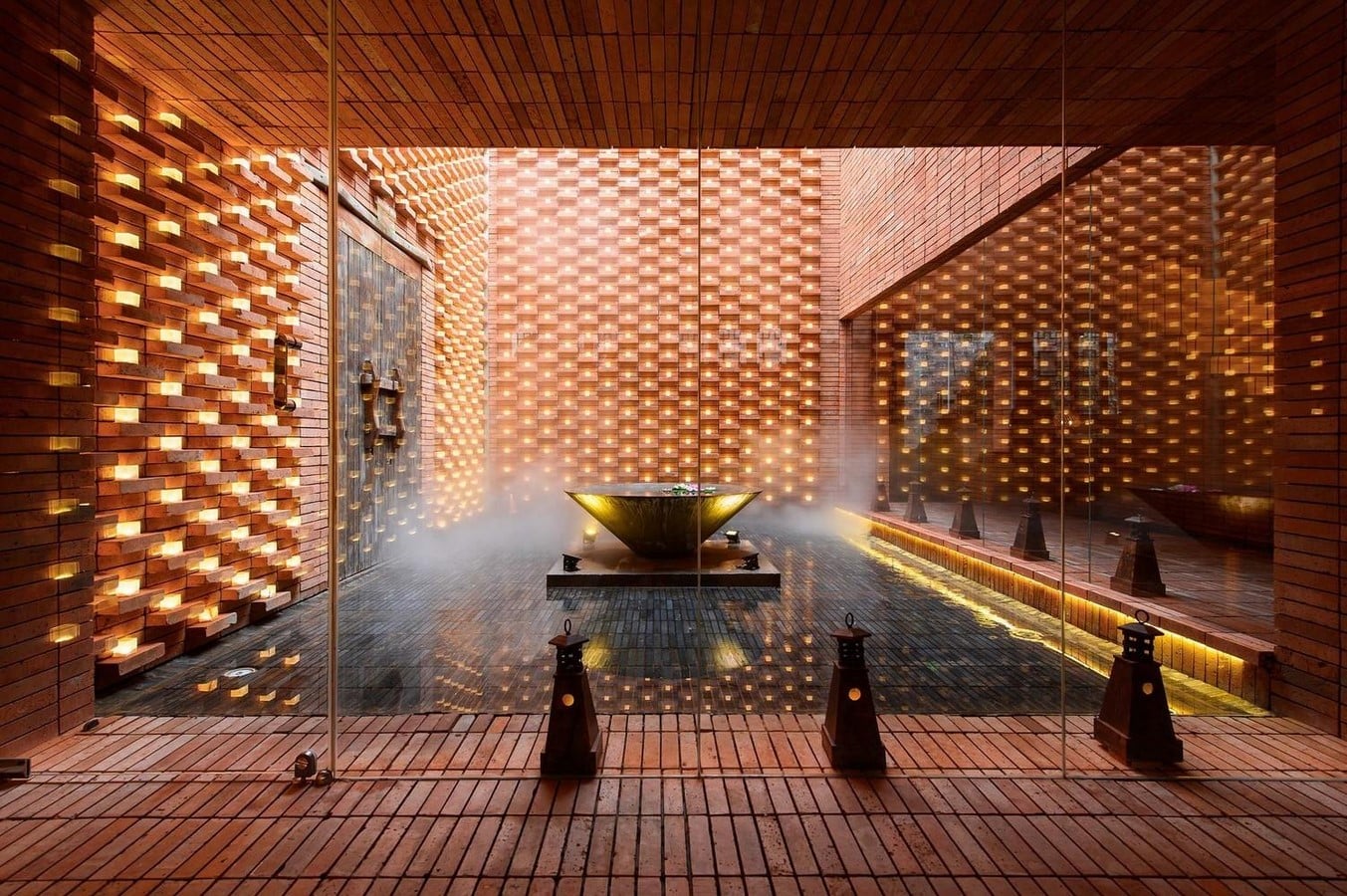
Understanding how light functions in an environment is very important as our body follows the circadian rhythm, also known as the biological clock. This is why well-thought-out lighting design is essential, which contains focal points, temperature of light, and colours, which enhances people’s moods and has the ability to impact their ability to focus. Since colours also largely affect how people perceive or feel in a space they should also be considered. Warmer colours like red, and yellow naturally allow people to feel warmth and cozy while cooler tones like blues and greens evoke a sense of freshness.
An atmosphere can be made more immersive by the use of sound and smell. Everyone has experienced a feeling of travelling back to childhood after smelling a specific fragrance. Smell does help people recall a space but it also helps in creating a strong memory.
Designing for Neurodiversity and Inclusive Architecture
Universally designed public spaces are the most prominent examples of creating accessible design. People with disabilities can easily access all transit spaces, cities and commercial buildings when created with inclusion in mind.
Ramps and elevators guarantee that buildings can be accessed by everyone, and the usage of auditory signals near road crossings helps the visually impaired. Clear visual and audio signal announcements help people travel easily on public transport. Usage of textures on the floor helps the visually impaired by guiding them.

Human psychology and architecture are closely related. Trends in architectural psychology like sensory architecture, biophilic architecture, AI, VR are shaping up the spaces by supporting the well-being of humans. With smart technologies, now built structures are becoming more personalized. The goal is clear- to create more inclusive, user centric atmospheres. Designing for human experience is more important than ever.
An Darach Forest Therapy. (n.d.). The Magic of Biophilic Design: Bringing Nature Indoors for a Healthier Living Space. [online] Available at: https://silvotherapy.co.uk/articles/biophilic-design.
ArchDaily. (2023). How Can Kinetic Architecture Enhance Public Space? [online] Available at: https://www.archdaily.com/1003367/how-can-kinetic-architecture-enhance-public-space.
Biro, A. (2023). What is Regenerative Architecture? gb&d magazine. [online] doi:https://doi.org/10.43311.43312.
Delaqua, V. (2021). Sensory Design: Architecture for a Full Spectrum of Senses. [online] ArchDaily. Available at: https://www.archdaily.com/969493/sensory-design-architecture-for-a-full-spectrum-of-senses.
Gebler Tooth Architects (2024). Embracing the Future: Smart and Responsive Architecture. [online] Gebler Tooth. Available at: https://www.geblertooth.co.uk/post/embracing-the-future-smart-and-responsive-architecture.
MATOSO, M. (2022). Neuroarchitecture: How Your Brain Responds to Different Spaces. [online] ArchDaily. Available at: https://www.archdaily.com/982248/neuroarchitecture-how-your-brain-responds-to-different-spaces.
Wikipedia Contributors (2019). Biophilic design. [online] Wikipedia. Available at: https://en.wikipedia.org/wiki/Biophilic_design.
Writer, R.C. (2025). The Role of Universal Design in Creating a More Accessible World. [online] Robo Bionics. Available at: https://www.robobionics.in/blog/the-role-of-universal-design-in-creating-a-more-accessible-world/ [Accessed 23 Feb. 2025].