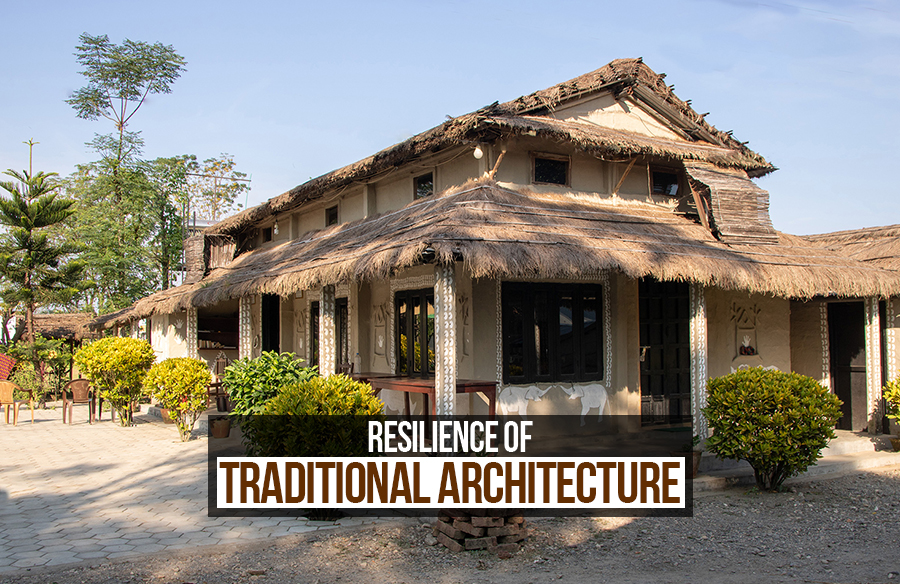
Traditional architecture is the architectural style that reflects the cultural, historical, and regional identity of a certain place. It has unique features in terms of local materials, construction technology, and the cultural and traditional values of the community. It is a knowledge commonly shared among a group of people in a certain community in the past. It also tends to be handed down to the next generation with required changes. It is generally associated with heritage structures, religious buildings, and cultural homes or settlements. Over the years, traditional architecture that adapted to environmental, social, and cultural changes has been proven to be resilient and sustainable.
Climatic Resilience
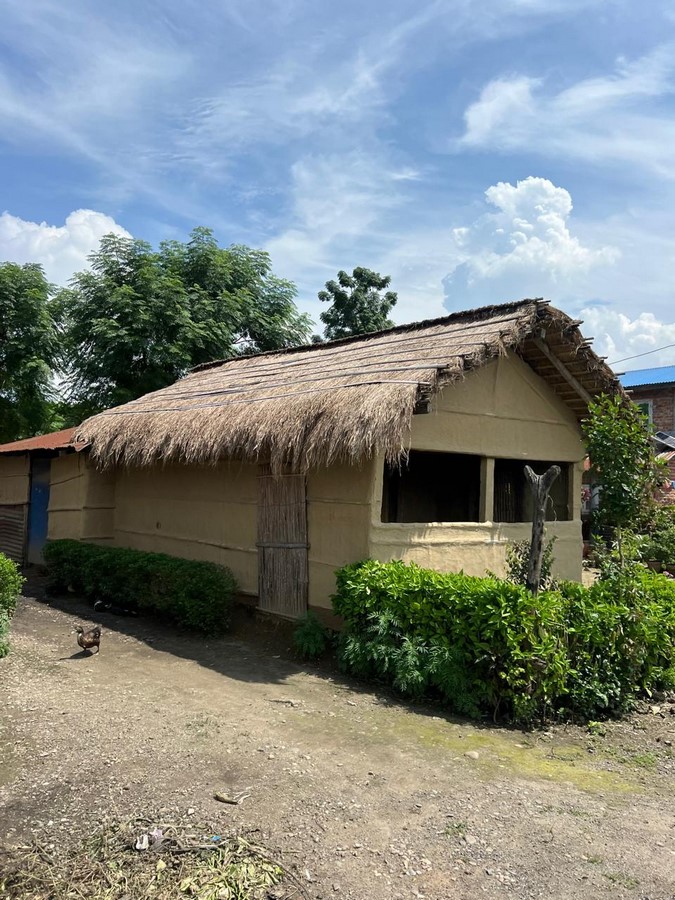
Traditional architecture is climatically resilient. It respects the local climatic conditions of a place. It uses natural, locally available sustainable materials reducing the environmental impact. For example, the Newari Architecture of Kathmandu Valley features thick brick and mud walls, which provide insulation against both heat and cold. The courtyards and wooden latticed windows “Tikijhya” improve natural ventilation. This helps to avoid the reliance on artificial heating and cooling strategies promoting energy efficiency. The overhanging roofs protect from monsoon rains. Likewise, in the Terai region of Nepal, the Tharu settlements have a different climate-responsive approach. Houses are built using bamboo, thatch, and mud. These houses have the ability to adapt according to the climate like remaining cool in summer and warm in winter. Passive design strategies help to maintain thermal comfort in a house in traditional architecture. In such ways, it plays a major role in promoting energy efficiency as well.
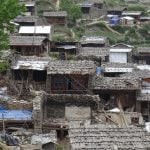
Similarly, Gatlang village which is also known as the “Black village” as it is famous for its black roofs has the orientation of settlement towards east, toward the rising sun. Rows of houses are built connected to one another, like townhouses. This is done for insulation purposes and to avoid wind.
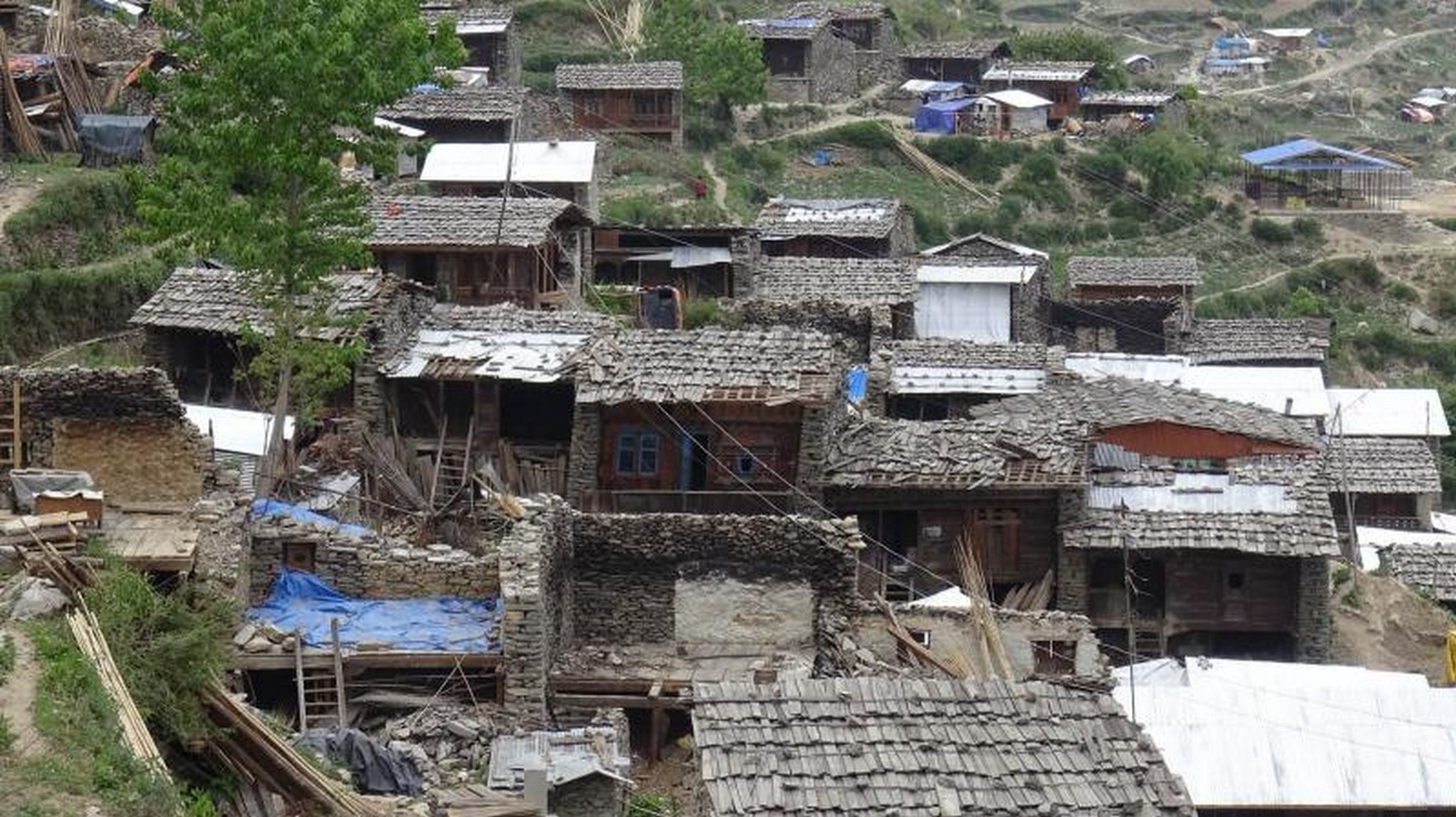
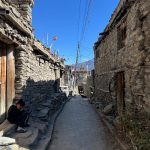
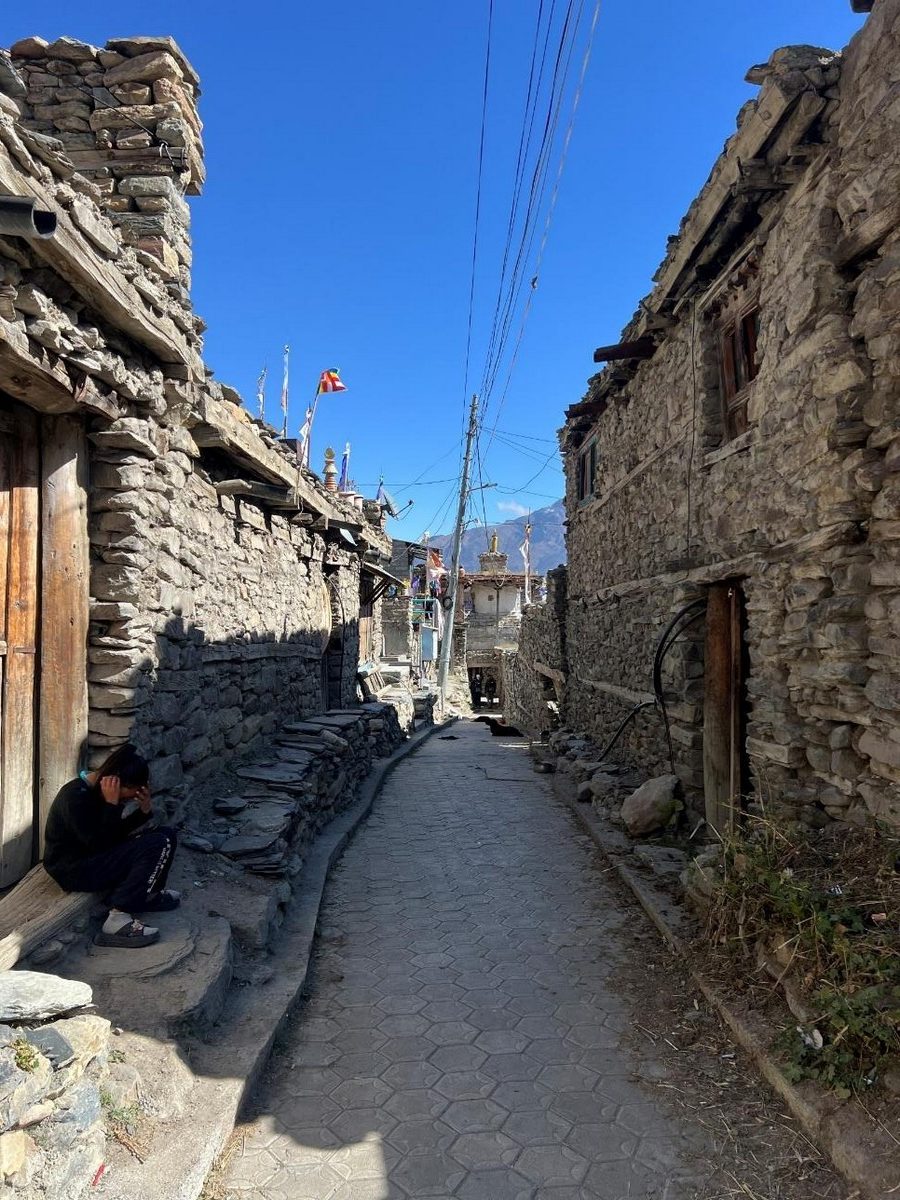
Villages of the Himalayan region of Nepal like Marpha, Manang, Lo Manthang, etc have thick stone walls, flat roofs, and small windows to retain heat in cold climates. Similarly, settlements like Namche Bazaar in the Everest region use compact planning to reduce exposure to strong winds and extreme temperatures. Such climate-adaptive strategies show the efficiency of the features of traditional architecture in creating sustainable and resilient settlements.
Cultural and Social Resilience
Traditional architecture plays a vital role in fostering community engagement and preserving the cultural identity of a place. Many traditional settlements of Nepal were designed to ensure social interaction. In Newari settlements of Nepal, the courtyards serve as public gathering spaces. Various activities take part in courtyards. Big courtyards were traditionally used to dry grains and also to assemble chariots. The houses on both sides of small streets increase interaction between neighbors. Phalcha, a resting space is present which can be used as a meeting space. This is for both children and older individuals.
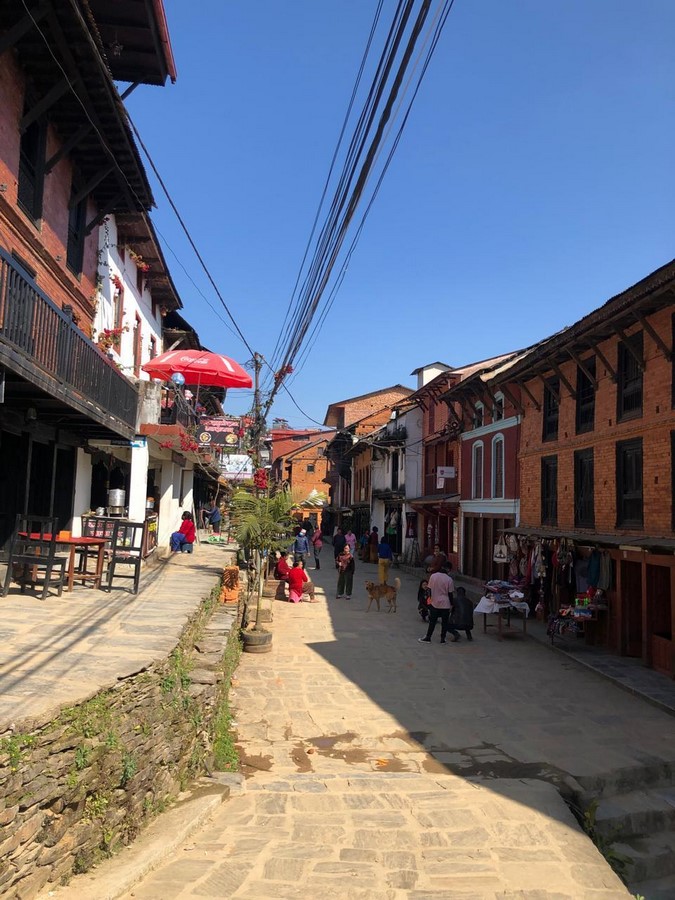
Several traditional settlements, towns, and villages of Nepal have integrated traditional architecture with the contemporary needs of modern tourism. For example, Ghandruk, a Gurung village in the Annapurna region of Nepal, has preserved its stone-built houses while serving the modern needs of the tourism industry. Similarly, Lwang Village, which is also located in the Annapurna region of Nepal promotes the concept of homestays from a community-led approach to generate economy in the village. Similarly, Bandipur located in Tanahun district of Nepal has transformed the place with conservation efforts to maintain the authenticity of the place to attract visitors seeking cultural experience. They have promoted walkability without allowing vehicles in the core area. This ensures economic sustainability alongside cultural preservation. Such examples show that resilience is not always about structural strength but it is also about maintaining the culture, tradition, cultural heritage, local craftsmanship, and traditional construction techniques of a place.
Earthquake-Resistant Features
Many traditional architectural styles have evolved to withstand seismic activities. For example, Nepal is located in a seismically active zone and hence the traditional architecture of Nepal incorporates earthquake-resistant construction techniques. It features design elements like load-bearing walls that can distribute weight more effectively than modern building methods. The roof rafters are jointed to ridge poles and wall plates to allow a pivoting motion that helps isolate the roof structure from the rest of the building in case of ground movement. This also shows the effectiveness of indigenous knowledge in disaster-resistant architecture. Similarly, Gurung and Magar houses of western mid hills are also earthquake resilient. Research has shown that hybrid construction i.e. combining timber-reinforced masonry constructions can improve earthquake resistance. In Nepal, in the reconstruction efforts after the Gurkha earthquake of 2015, retrofitting heritage structures were on trend without disturbing their traditional essence.
Why Traditional Architecture Matters for Emerging Architects
Today, the world faces issues like urban sprawl, climate change, environmental degradation, and many more. And traditional architecture has so much to teach to the upcoming generations. Despite the resilience of traditional architecture, many traditional structures have been replaced by modern concrete buildings and they lack the true essence and value of the building. There are many ways of integrating the principles of traditional architecture with modern engineering and innovations by not disturbing its true value. Since, today we are shaping the cities of tomorrow as well, it is our responsibility to shape a sustainable, resilient future for the upcoming generations.
Traditional architecture evolved after following different time-tested methods to solve various problems. The examples of some Nepalese settlements like Ghandruk, Lwang Ghalel, Manang, and Tharu villages of Chitwan mentioned above show how indigenous knowledge has been successfully creating sustainable and energy-efficient environments through various climatic, cultural, social, and structural aspects. We must learn from the traditional architecture. By combining indigenous knowledge with contemporary innovations, a future where built environments are not only structurally sound but also culturally and environmentally responsive can be built.
References:
Mackie, A. (2024). Traditional Architecture – What Should You Know? — Vera Iconica Architecture. [online] Vera Iconica Architecture. Available at: https://veraiconica.com/traditional-architecture/.
Bhattarai, K. and Shrestha, S. (2024). Sustainable Design and Cultural Preservation in Newari Architecture. International Journal of Research Publication and Reviews, 5(9), pp.1797–1805. doi:https://doi.org/10.55248/gengpi.5.0924.2610.
Castilla, F.J., J. Agulló and J. Castellote (2020). CHARACTERIZATION AND PROPOSALS FOR RECOVERY OF TRADITIONAL TAMANG CONSTRUCTION IN NORTHERN NEPAL. The international archives of the photogrammetry, remote sensing and spatial information sciences/International archives of the photogrammetry, remote sensing and spatial information sciences, XLIV-M-1-2020, pp.115–122. doi:https://doi.org/10.5194/isprs-archives-xliv-m-1-2020-115-2020.