The loss of generations of cultural assets and landmarks that are monuments to tradition, culture, and the human spirit is not limited to the loss of life in war-stricken areas. In some cases, architectural conservation is more than just the attempt to bring back structures; it is the attempt to bring back relationships with the past, hope, and a sense of community. The following are some of the factors that are hindering the process: continued instability, scarce resources, and the problem of preservation. Through architectural preservation, preservation can be used as a way of healing and reconstruction, not only of buildings but of societies, by combining technological know-how with cultural understanding.

What does it mean?
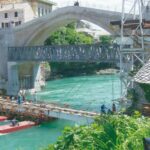
The conservation of architectural heritage of armed conflict can be defined as the measures taken to safeguard, restore or even rebuild historic and culturally valuable buildings affected by hostilities. These programs aim at the preservation of a community’s cultural assets and the recognition of intangible values of tangible heritage. Preservation is a process that at times employs a multi-disciplinary strategy that encompasses engineering, architectural, archeological, and cultural conservation expertise to address the material and social effects of conflict. An example of architectural preservation in a conflict area is the reconstruction of the Old Bridge (Stari Most) in Mostar, Bosnia and Herzegovina. The bridge was built in the 16th century and it was a symbol of reconciliation between the two ethnic groups. The structure was demolished in 1993 during the Bosnian War and the people lost more than just a structure; they lost a part of themselves. It became a powerful symbol of resilience and reconciliation when restored in 2004 using the original techniques and materials, demonstrating how preservation can bridge differences and honor shared heritage.

Challenges in Preservation Efforts
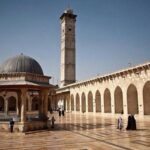
There are several obstacles to architectural preservation in conflict areas, from short-term risks of destruction to long-term difficulties with finance, logistics, and cultural sensitivity. Due to these difficulties, the restoration of historic buildings is a complicated technical activity that is interdependent with social and political contexts. Buildings in conflict zones are often destroyed or considerably damaged by bombings, shelling, and other forms of violence. In some instances, such as the Great Mosque of Aleppo in Syria, preservation becomes a race against time where prolonged fighting damages foundations due to accumulated damage. Instability in these areas further delays work, jeopardizing the safety of preservation teams. One of the major challenges facing architectural preservation is funding. Frequently, the immediate humanitarian necessities of food, water, and medical care take precedence over cultural restoration by governments and international groups. High costs of finding supplies, hiring competent workers, and installing modern technologies can be very burdensome even when there is money available. Additionally, in war-torn countries such as Yemen, there could be restrictions or embargoes on resources needed. For various communities, heritage places can mean different things, and their restoration can become controversial.
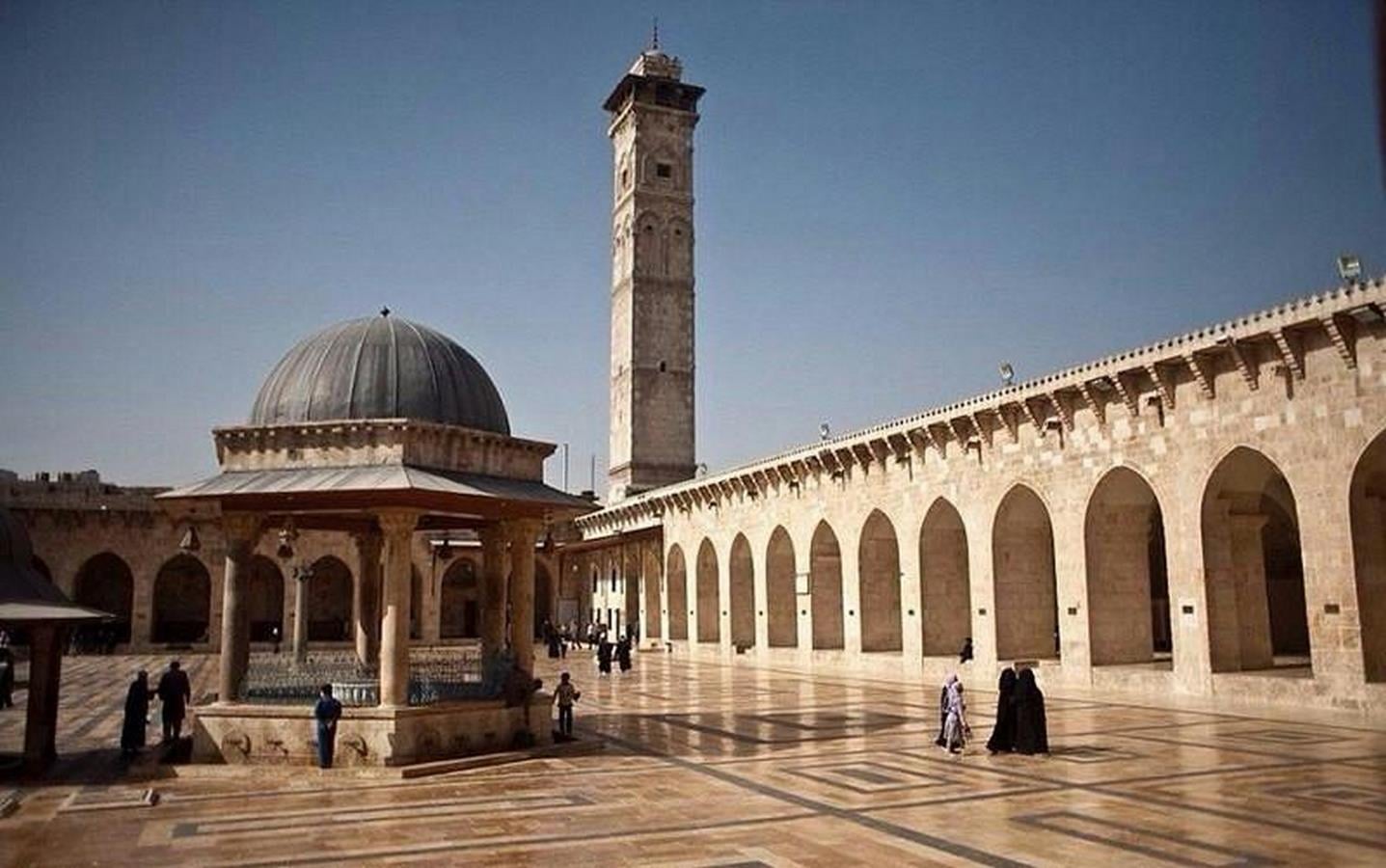
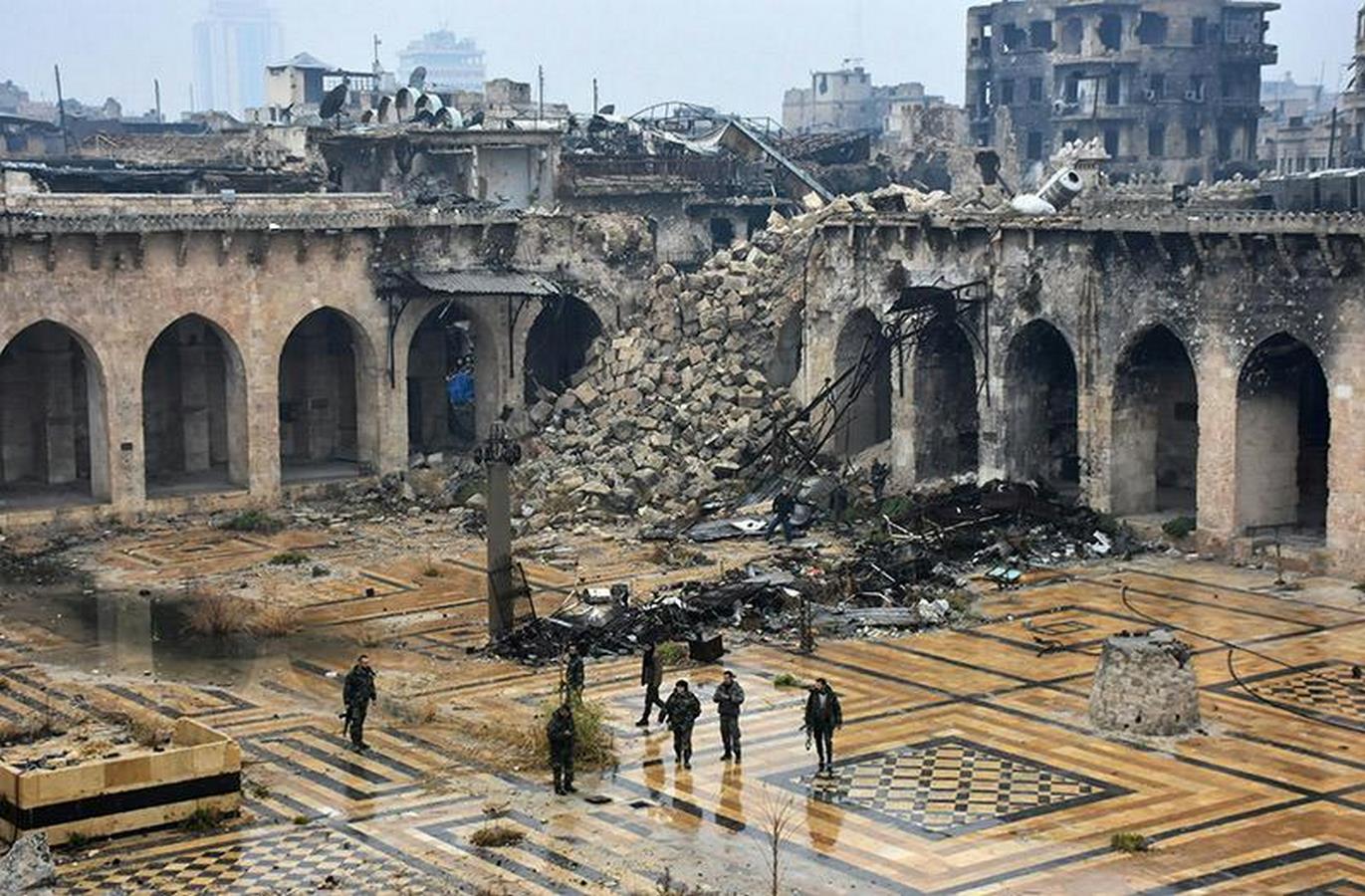
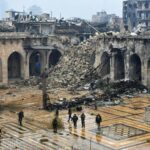
These complications are well reflected in the controversy over the renovation of Aleppo’s Umayyad Mosque. There are arguments for adaptive reuse that reflect contemporary requirements and avoid wiping the scars of conflict as a reminder of history. Others support its restoration to its pre-war splendor as a sign of cultural resilience. The preservation effort is sometimes overridden by political agendas, such as when governments or factions utilize historical initiatives to prove control or dominance over a contested area. Excavation and restoration initiatives in Jerusalem have often been criticized for favoring one cultural or religious narrative over another, making the already volatile region more tense. This highlights the need for cooperative, neighborhood-oriented approaches that embrace cultural diversity and promote harmony rather than conflict. Finally, to solve these political and cultural issues, there is a need for careful planning, candid communication with regional players, and adherence to international standards, such as those set by ICOMOS and UNESCO. This way, preservation can be used as a unifying factor that acknowledges the complex past of conflict areas while bridging gaps. Role of Technology and Social Impact of Preservation.
Role of Technology and Societal Impact of Preservation
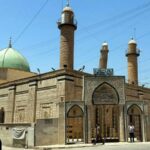
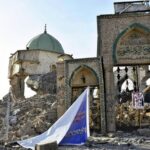
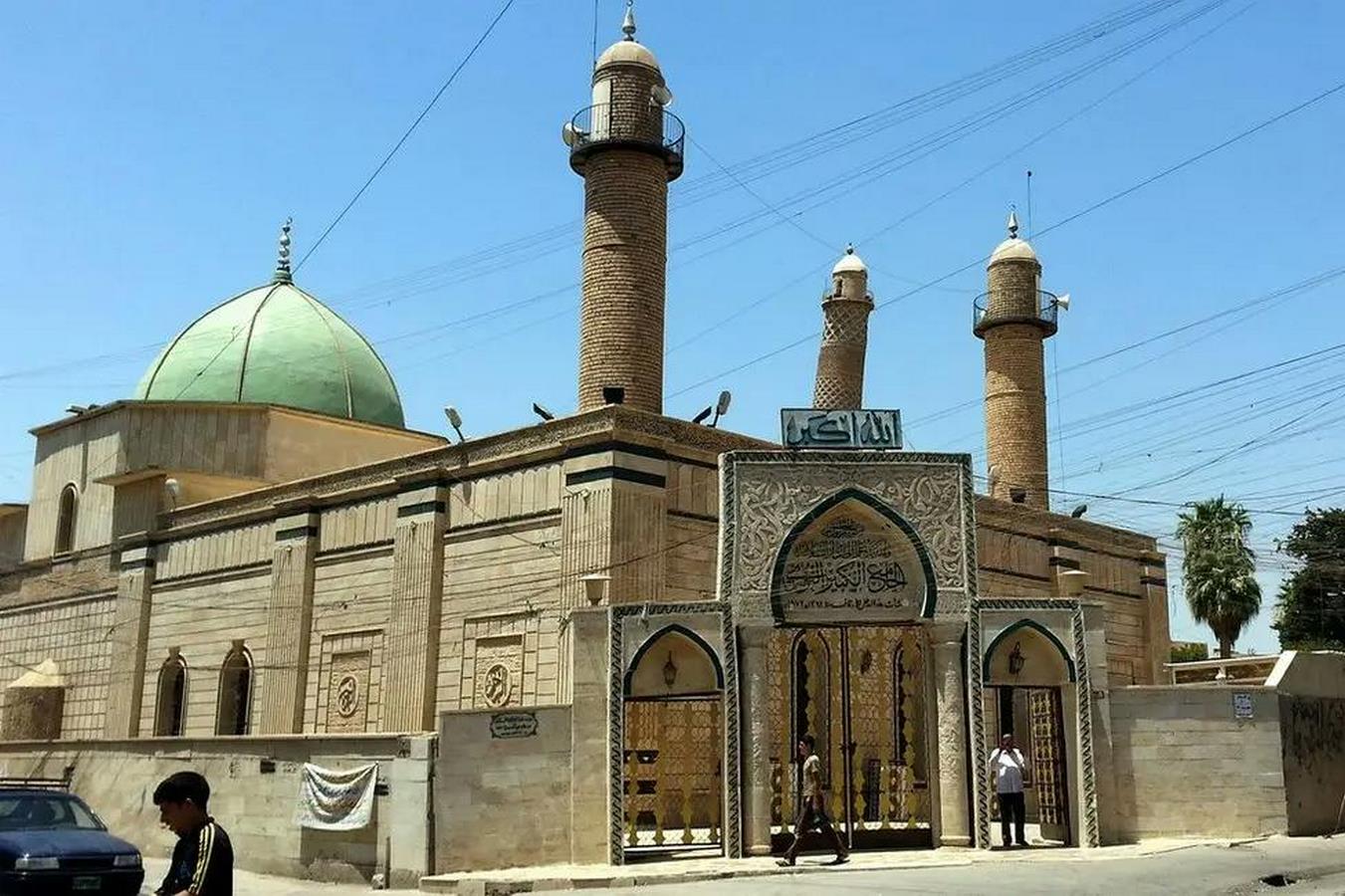
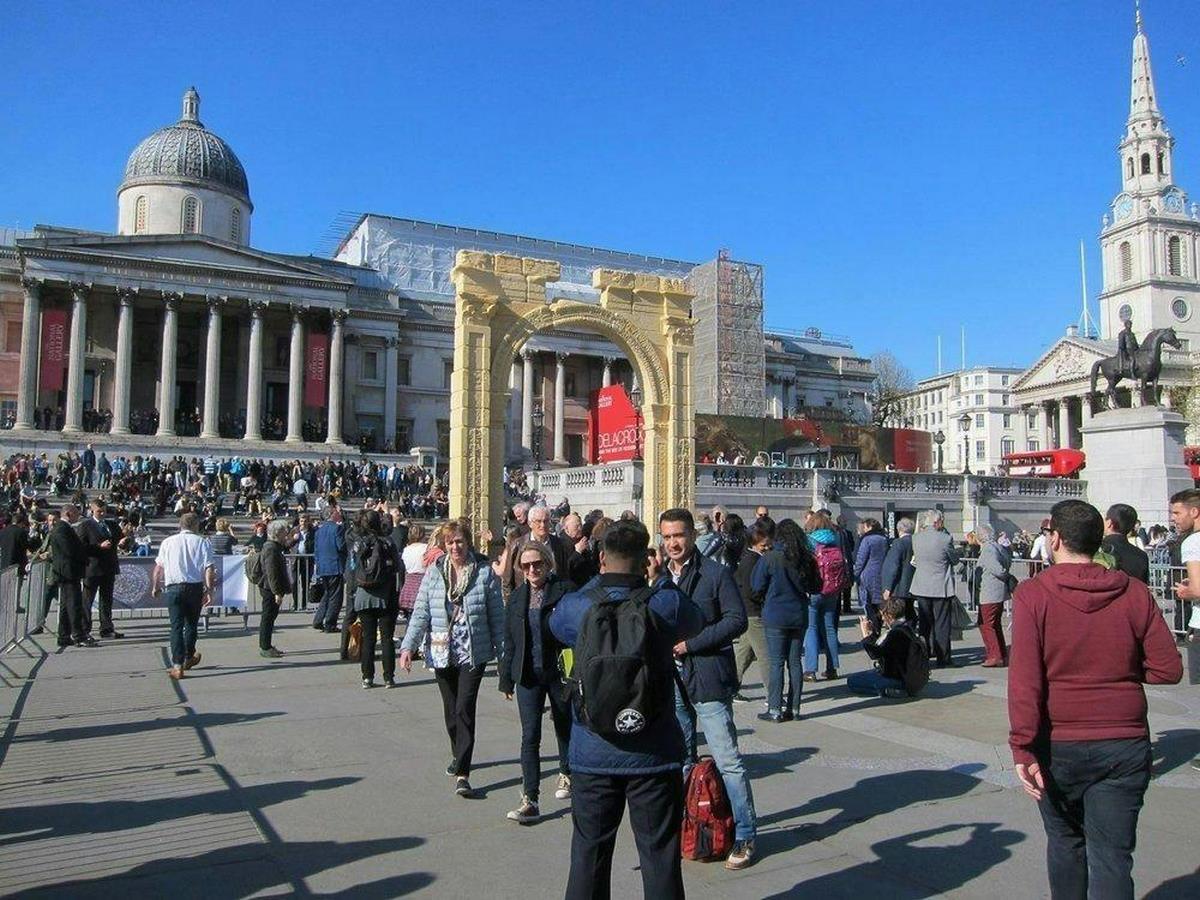
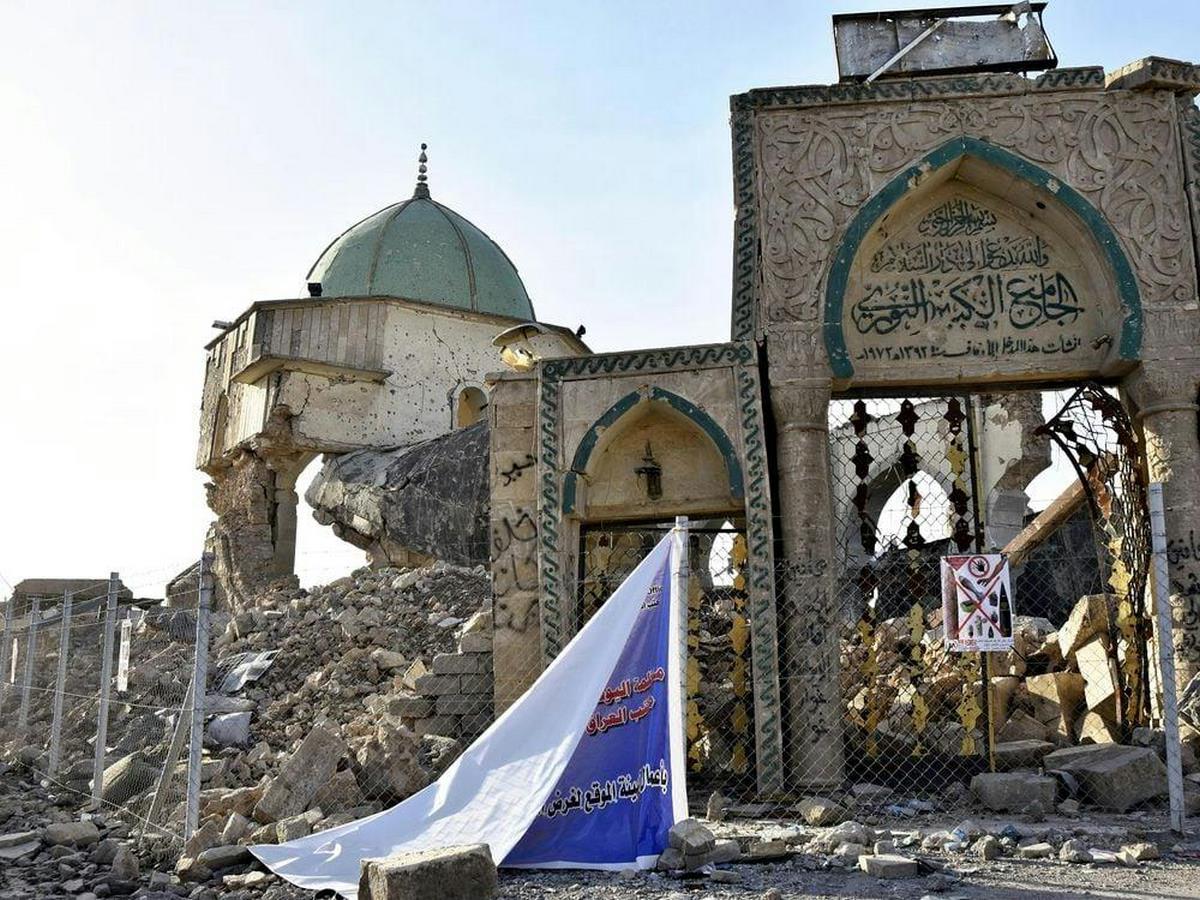
Conflict zones and architectural preservation have indeed changed since modern technology. Destruction often happens before, during, and after which can be possible to record these structures, with technologies that include 3D scanning, photogrammetry and digital modeling. The digital archives are mostly lifesavers as many information items would have gone into destruction without the possibility of recovery into future rehabilitation projects. A noteworthy example is the use of 3D modeling in documenting Palmyra, Syria, partially devastated, and the communities’ opportunity to virtually experience their cultural heritage. These technologies not only close gaps that war brings, but they also keep alive the appearance of structures. Rehabilitation at heritage sites has significant social and psychological effects, especially for areas recovering from violence. Architectural icons that are reflections of the cultural and historical identity of a community often function as repositories of collective memory. For example, a significant aspect of rehabilitation activities in Iraq has been repairing Mosul’s Al-Nuri Mosque. The locals are now contributing to the reconstruction of the mosque tower, which is one of the major skylines of Mosul. They are ensuring that the construction project respects their cultural values. This participatory approach to preservation creates a sense of ownership and empowerment among communities in actively reclaiming their heritage.
Ethical Considerations
With urgent humanitarian needs such as food, water, and shelter not being met, should money be spent on restoring cultural heritage? And whose cultural and historical worldview is being preserved? It might sometimes neglect minority narratives and strengthen existing tensions by selecting which structures to focus on. Such issues are well highlighted in efforts made in the cities like Jerusalem. For example, the city is very important because of the richness of its history which makes its cultural and theological claims clash. Thus, such efforts should carefully negotiate these dynamics for the preservation of equity and inclusion of all sensitivities. The compromise between technical, cultural, and ethical factors will help achieve great preservation results. In the conflict areas, preserving architecture is an investment in identity, healing, and optimism rather than just rebuilding.
Societies show their tenacity and continuity in hardship by preserving cultural landmarks. Even if there are still obstacles to overcome, technological advancements, teamwork, and moral principles are revolutionizing the way we save history for the next generations. Such efforts could turn the horrors of war into the bedrock of peace, which will pave the way to harmony and ignite a renewed appreciation for our shared history.
Citations:
- UNESCO World Heritage Centre (n.d.) Old Bridge Area of the Old City of Mostar. Available at: https://whc.unesco.org/en/list/946.
- ICOMOS (n.d.) Post-Conflict Reconstruction of Mostar Bridge. Available at: https://www.icomos.org/en/354-contents/medias/world-heritage/8744
- UNESCO (n.d.) State of Conservation of Palmyra. Available at: https://whc.unesco.org/en/soc/3871.
- CyArk (2018) Digital Preservation of Palmyra. Available at: https://www.weforum.org/stories/2018/04/3d-modelling-is-helping-to-restore-the-worlds-destroyed-heritage-sites/.
- Wired (2018) How 3D Modeling is Saving World Heritage Sites. Available at: https://www.wired.com/story/google-arts-culture-cyark-open-heritage-chichen-itza-bagan/ .
- TechRadar (n.d.) Can 3D Printing Save History?. Available at: https://www.techradar.com/news/world-of-tech/can-3d-printing-save-history-1320111 .
- UNESCO (n.d.) Revive the Spirit of Mosul Initiative. Available at: https://www.unesco.org/en/revive-mosul/al-nouri-mosque.
- The National News (2024) Mosul Reconstruction Nearing Completion. Available at: https://www.thenationalnews.com/mena/iraq/2024/03/18/mosul-reconstruction-project-nearing-completion-says-unesco-official/ .
- Kletter, R. (2018) Archaeology, Heritage, and Ethics in the Western Wall Plaza, Jerusalem: Darkness at the End of the Tunnel. Available at: https://www.routledge.com/.
- Taylor & Francis (2019) Ethics in East Jerusalem. Available at: https://www.taylorfrancis.com/.
Images:
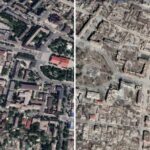
- Satellite imagery of Mariupol Ukraine in 2021 and 2023 [Photograph] (Mariupol before and after: updated Google maps reveal destruction in Ukraine city | Ukraine | The Guardian )
- J Furstenborg. Old Bridge (Stari Most) in Mostar, Bosnia and Herzegovina [Photograph] (World Heritage Centre – Creating reconciliation: Mostar Bridge)
- Great Mosque of Aleppo in Syria [Photograph] (Great Mosque of Aleppo bears the marks of the ongoing destruction | Daily Sabah)
- A general view shows Assad regime forces walking in the ancient Umayyad mosque in the old city of Aleppo on Dec. 13, 2016. [AFP Photo] ((Great Mosque of Aleppo bears the marks of the ongoing destruction | Daily Sabah)
- Mosul’s Al-Nuri Mosque [Photograph] (Why Mosul’s Great Mosque of al-Nuri mattered – BBC News)
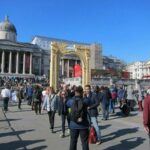
- 3D printing of a replica of the destroyed Arch of Triumph [Photograph] (3D-printing is helping to restore the world’s destroyed heritage sites | World Economic Forum)
- A picture taken on March 18, 2018 of the ruins of the al-Nuri Mosque in Mosul [Photograph] With Cornerstone Set, Mosul’s Landmark al-Nuri Mosque Begins Rebuilding Process | Smithsonian)