Exploring the Core Attraction for Creative Minds in Travel
For architects and designers, travel frequently takes on a distinct personality. In contrast to ordinary tourists who might be looking for relaxation, excitement, or leisure, architects and designers frequently regard places as living case studies and inspiration. This raises the question: For architects and designers, is architecture really the main component of tourism? Even while historical, environmental, and cultural elements are important, architecture usually stands out as the distinguishing characteristic that attracts professionals to places all over the world. Let’s examine how architecture affects travel for creative professionals and why it frequently takes center stage.

Architecture as a Destination: Iconic Structures as Drawcards
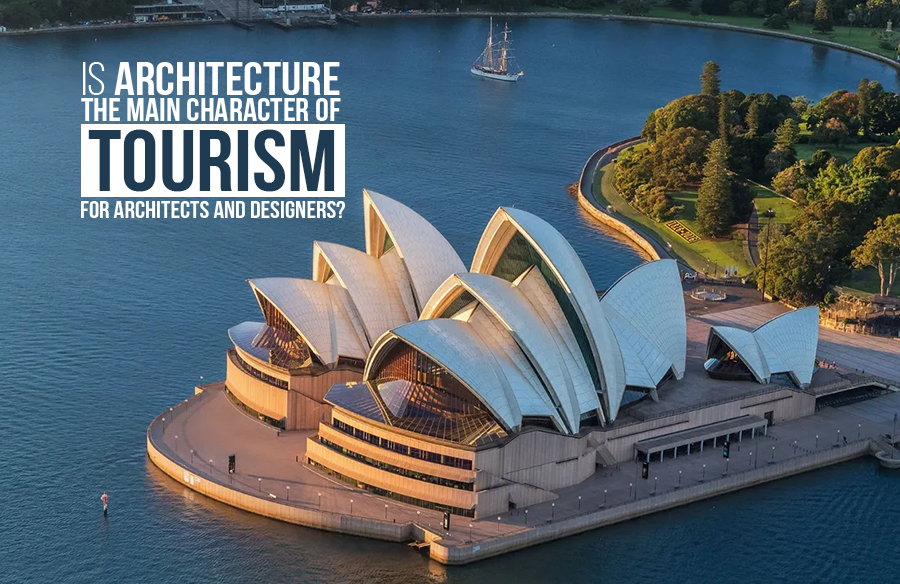
Prominent buildings and urban settings are major sources of inspiration for many architects. In addition to being technical wonders, iconic structures like the Sydney Opera House, Sagrada Família, and the Eiffel Tower also symbolize eras, methods, and inventions that have revolutionized the built environment. These buildings provide an immersive educational experience that textbooks cannot adequately convey because of their rich aesthetic, historical, and practical relevance. Architects and designers frequently view a visit to such sites as a pilgrimage, whereby firsthand experience enhances their comprehension and admiration of architectural creativity.

Inspiration from the Built Environment: Experiencing the Spaces First-Hand
Architects are fascinated by nuances that are sometimes overlooked in pictures or explanations. It is impossible to replicate the sensory experience of entering the minimalist spaces of Tadao Ando’s works in Japan or strolling through the streets of Barcelona to see Gaudí’s modernist buildings. A built space’s interaction of light, shadow, material, and form can provide fresh inspiration for domestic design projects. Because of these encounters, architecture tourism is extremely instructive and fascinating. The practicalities of spatial design, arrangement, and interaction with the surrounding environment are just as important to architects and designers as the aesthetic components.

Cultural Understanding Through Architecture
A culture’s ideals, history, and way of life are reflected in its architecture. Architects can experience the cultural context of their work firsthand by visiting Roman basilicas, Moroccan riads, or traditional Japanese tea houses. Architects can identify the inherent relationship between a society and its built environment through these encounters. Designers draw inspiration from these experiences to produce designs that are contextually relevant and culturally sensitive, frequently striking a chord with the populations they serve. An architect’s viewpoint is widened by witnessing the blending of historical context with contemporary adaptation, which elevates architecture to the central role in comprehending the location.

Urban Planning and Landscape as Educational Tools
The scope of learning for architects and designers encompasses entire metropolitan areas in addition to individual buildings. Cities like Paris, with their wide boulevards, and New York, with their grid system, provide important insights into urban design and how people interact with these environments. New strategies for striking a balance between the built and natural environments are introduced by investigating green areas like Central Park in New York or urban interventions like the High Line. The livability of urban areas can be improved by architects drawing inspiration from cities with creative landscapes and sustainable practices.

The Rise of Architectural Tourism: Tailored Experiences for Professionals
Architectural tourism tours tailored to professionals have grown in popularity as a result of the growing interest in architecture as a travel destination. In places like Shanghai, Chicago, or Dubai, guided architectural tours showcase buildings with a variety of themes, including modernism, sustainable architecture, or historical preservation. These excursions offer expert insights into the difficulties encountered, the architectural process, and the environmental and cultural factors that go into well-known designs. Such escorted excursions provide architects and designers with important background information and fresh viewpoints, reaffirming that architecture is, in fact, the primary focus of their travel experiences.

Architectural Events and Conferences: Global Gatherings of Creative Minds
Attending international conferences and events like the World Architecture Festival, the Venice Biennale, and Milan’s Salone del Mobile is another reason architects travel. These events give architects and designers a chance to experience new materials, technologies, and trends—often through interactive exhibitions and installations—in addition to lectures and showcases. For these individuals, architecture is a key component of tourism since it offers the chance to view cutting-edge designs, engage with business executives, and network with colleagues. The encounter frequently sparks fresh concepts that they may use in their work, solidifying architecture’s place in their itinerary.
Learning from Vernacular and Sustainable Architecture
Vernacular and sustainable architecture, which emphasizes eco-friendly methods and materials that have been utilized for centuries in various cultures, has drawn increasing attention from architects in recent years. Climate-responsive design principles can be learned from places like the Middle East, Africa, and portions of Asia. Examples include mud-brick homes in scorching deserts and stilt homes in locations that are prone to flooding. Architects are motivated to use comparable strategies to tackle worldwide issues such as resource scarcity, urbanization, and climate change after witnessing these sustainable approaches. In this perspective, architecture tourism focuses on learning from various approaches that can be implemented globally, going beyond aesthetic appeal.

Conclusion: Architecture as the Core of Travel for Architects and Designers
For designers and architects, architecture is more than simply a job; it is a passion that influences their outlook on life and their imaginative ideas. Architecture frequently takes center stage when they travel, directing them to see places that provide original perspectives, motivation, and educational value. The architecture acts as the anchor, giving their travels a well-organized story, even though other elements like culture, the environment, and regional customs also improve the experience.
In the end, architectural tourism serves two functions: it enriches architects’ understanding of the various ways people influence their surroundings while providing them with an immersive educational experience. In this way, architecture is the primary tourist attraction for designers and architects, bringing them to the center of locations where history, culture, and design all come together.
Citation:
- Smith, John. 2020. *The Architectural Pilgrimage: Exploring Iconic Structures*. New York: Architecture Press.
- Johnson, Emily. 2021. “The Sensory Experience of Architectural Spaces.” *Journal of Architecture and Design* 15 (3): 45-67.
- Williams, Michael. 2019. *Cultural Reflections in Architecture: A Global Perspective*. London: Urban Studies Publishing.
- Brown, Sarah. 2022. “Urban Planning Lessons from Global Cities.” *International Journal of Urban Design* 12 (1): 23-39.
- Davis, Laura. 2018. *Architectural Tourism: The New Frontier for Designers*. Chicago: Design Horizons.
- Patel, Raj. 2023. “The Rise of Sustainable Architecture: Learning from Local Practices.” *Environmental Design Review* 9 (2): 112-130.
- Thompson, Rachel. 2021. “Vernacular Architecture and Its Lessons for Modern Design.” *Journal of Architectural History* 10 (4): 78-95.
- Green, David. 2022. *Innovations in Architecture: Insights from International Conferences*. Los Angeles: Global Architecture Publications.