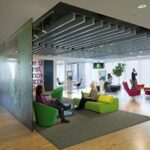
A safe work environment should be a topmost priority for the organization. Without a safe work environment, the mental she physical well-being of employers is affected and this will in turn reduce the productivity of that organisation. The Occupational Health and Safety (OSH) law has made regulations that employers should abide by in fostering a secure work environment. A workplace that prioritizes the safety of a work environment will create a positive engagement of employees, cultivate a culture of trust, and contribute to the productivity of the organization.
Work environment as the name implies is a physical and emotional space where employers perform their duties; three vital components make up a Work environment.
- Physical Environment: this deals with the layout of an office and its components and furniture such as tables, chairs, desks, lighting, etc
- Working conditions: these are the terms that an employer agrees to when intending to start working. This includes compensation, benefits, report structure of the organization, etc
- Company Culture: this refers to how the company operates on a social level. Some companies’ cultures can be official while some can be less official.
The combination of these three components makes up a Work environment and in providing a secure environment strategies have to be put in place about the components.
For this article, we will be narrowing down to the physical component of a workplace and this is where an Architect plays an important role right from the conceptual stage to the post-construction stage. What role does he play and what strategies should he put in place when designing?
The role of an Architect in providing a secure work environment.
The role of an Architect is very important in securing a work environment during the planning and design stage of a project. A well-designed work environment leads to more creativity, collaboration, and success in the organization. Could it be a Bank, School, law office, supermarket, shop, etc the environment that is created within the confinement of this walls can make or break an employee?
Architects are responsible for the design and making sure the structures are successfully constructed while working alongside the construction team. Here the architects with the client’s brief are involved in the selection process of windows, doors, walls, square meterage of spaces, and the overall Architecture of the structure.
One of the most important aspects an architect looking for in the design of a secure work environment is Space Planning. Here he has to find out the goal and objectives of the organization, who will be using the spaces, what are appliances needed in that space, and what should be the look of the interior and exterior façade.
The Architects also has to understand how the relationship between these spaces and their users so that Areq has proper space allocation for each department. He should also understand employees’ hierarchy and how its accessibility requirements.
Strategies for a Secure Work Environment.
Ten fundamental design elements have been researched by Leigh Stringer as strategies needed to secure a work environment that will impact the form, aesthetics, and potential productivity of its employees. These strategies are;
1. Thermal Comfort and Temperature.
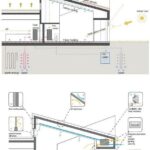
Airflow, light control, and zones for temperature should be cc considered while positioning openings such as windows. HVAC systems should be considered where there is little airflow in that space.

2. Visual View of surrounding Nature.
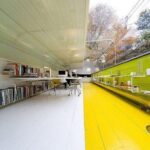
This gives the feeling of being outdoors when indoors..enclosed spaces should be at the center while open spaces should the placed next to the perimeter of the building to have a view of Nature and light.
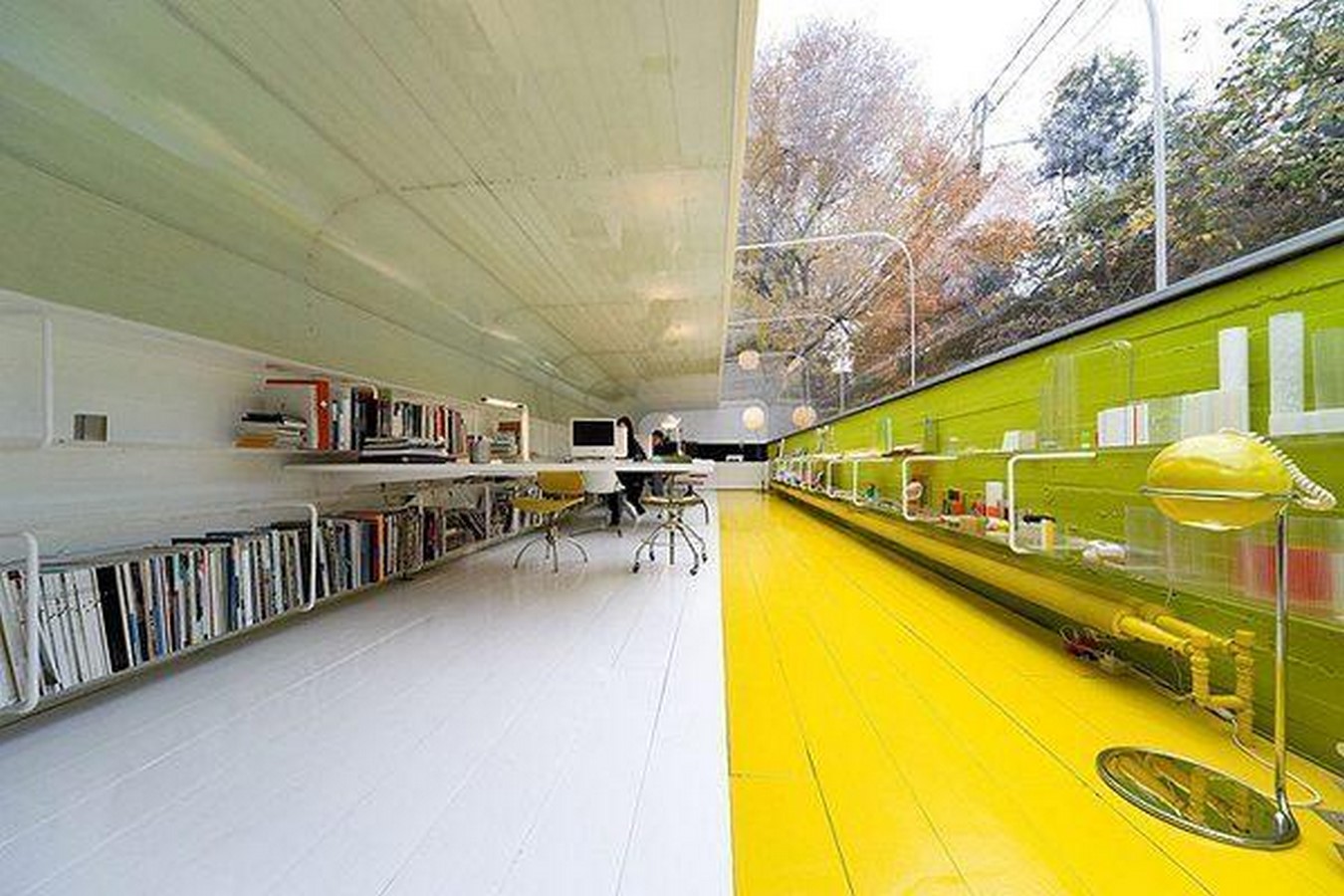
3. Color.
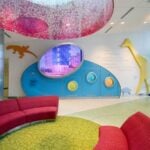
Colors can be used to create a certain behavior or outcome you want for a space.. example is using vibrant colors in a supermarket to attract customers or using attractive colors in a children’s hospital to create some form of excitement.
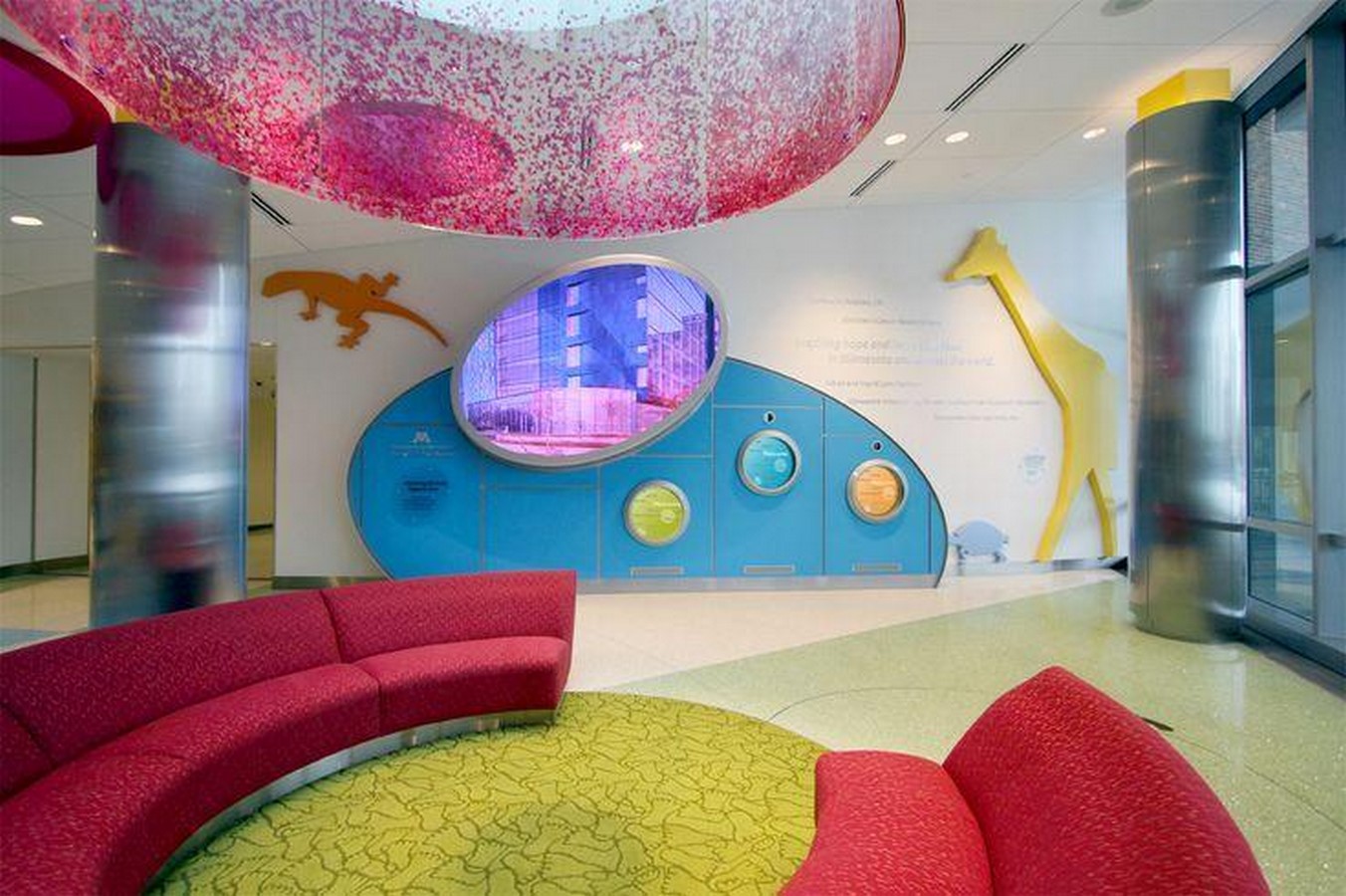
4. Human Factors and Ergonomics.
The furniture and technology used determine how comfortable employees will be in their work environment. Furniture should be adjustable and technology should be intuitive and mobile. Stairs should be encouraged to be used in workplaces as a way to contribute to health through exercise.
5. Noise control.
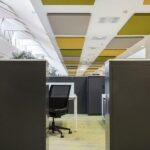
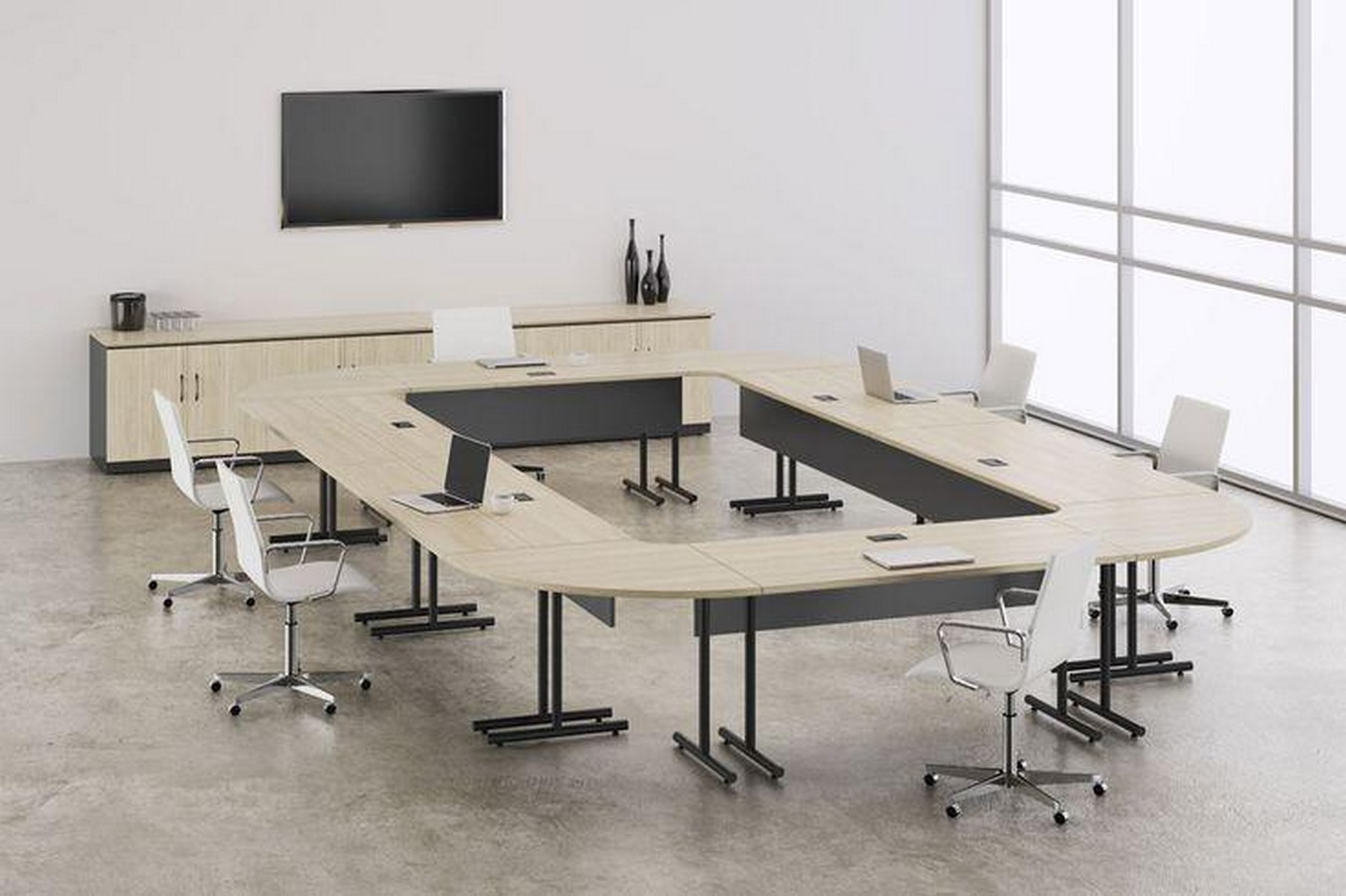
Offices are bound to be noisy at times which can be restricted to certain areas to allow quiet zones to function. 3 strategies should be employed when designing to advertise noise pollution..they include; absorbing, covering, and blocking. One without the other will lead to poor effectiveness of a work environment. This strategy can be employed by using acoustic panels, partition walls, and furniture systems. Also when designing the Architect should identify the quiet zones and separate them from spaces that will be noisy.
6. Sensory Change and Variability.
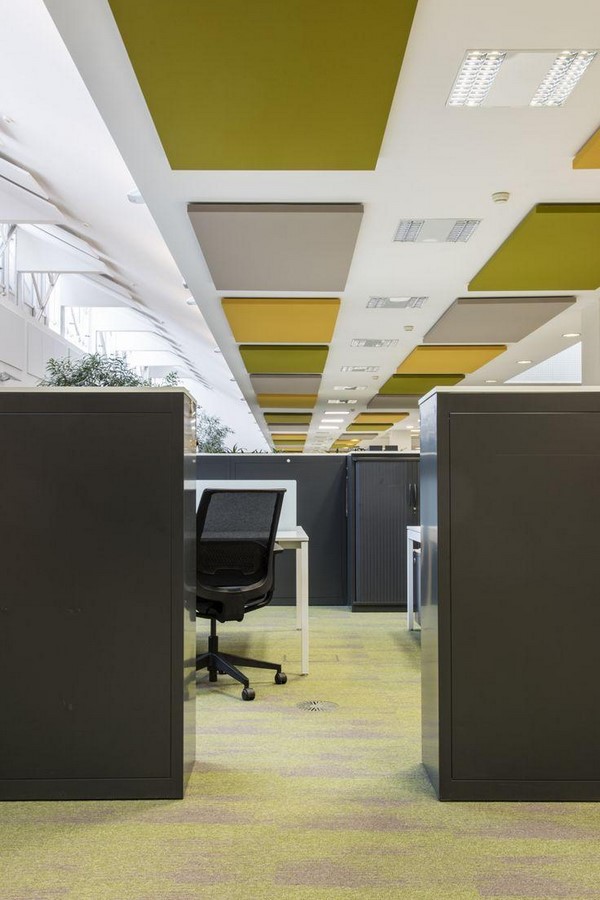
This has to do with going away from the norm of monochrome interiors of an office space. Natural wood floors, plants, decorative suspended ceilings, artworks, and wall decors can be incorporated to create a sensory change and Variability in a work environment.
7. Crowding.
This can be mitigated especially in a commercial work environment by creating defined spaces for work spaces of employees and by also incorporating windows, glass, and mirrors that can make spaces look bigger and reduce the feeling of overcrowding.
8. Indoor Air Quality.
The quality of an indoor space can’t just be controlled by the use of HVAC systems but by the products installed that are energy-saving such as windows, lighting, and plumbing fixtures. Also, wooden or more natural flooring and plants can be incorporated into a work environment to allow for cleaner air.
9. Employee Engagement.
An Architect when designing should incorporate spaces for employees to engage with each other. This can be achieved by creating visibility and easy mobility within the work environment, creating a neighborhood space setting where employees can interact, and also defining collaborative spaces from personal space to create some sort of privacy when needed.
10. Choice.
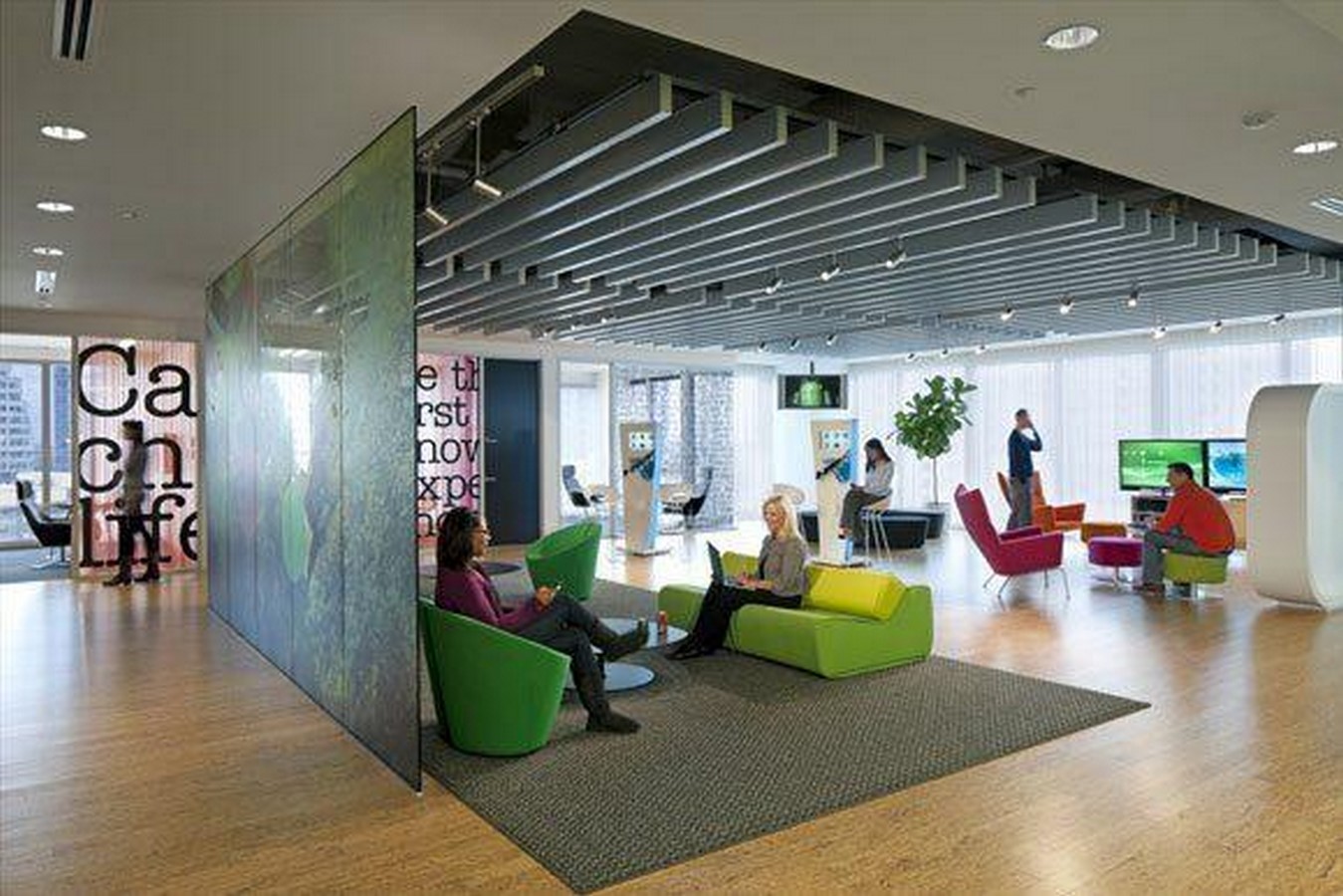
This involves the use of technology and infrastructure to create a work environment that has a variety of settings for employees. Today an employee might decide to talk to a client in a space away from the office or have an interaction with another employee in a cozy space on another floor. Whichever is the case, the employee has a variety of options to be accessible.
When all these strategies are put into consideration when designing. A secure environment is not just provided but a healthy, productive, and comfortable work environment is provided among employees and clients.
Reference list:
Carlisleblogadmin (2023) Interior Design and architectural strategies for successful workplace, Carlisle Wide Plank Floors. Available at: https://wideplankflooring.com/blog/succssful-workplace-design/ (Accessed: 22 January 2024).
Greene, R. (2023) How safety and health in the workplace is approached in Architecture. Available at: https://www.deladrillos.com/en/468-how-safety-and-health-in-the-workplace-is-approached-in-architecture (Accessed: 22 January 2024).
Perry, E. (2023) Workplace Environments: Definition, types, and tips, BetterUp. Available at: https://www.betterup.com/blog/workplace-environments (Accessed: 22 January 2024).
Cross, E. (2023) 6 steps to creating and maintaining a safe workplace: Safe workplace promotion, Appspace. Available at: https://www.appspace.com/resources/blog/6-steps-maintaining-safe-workplace (Accessed: 22 January 2024).