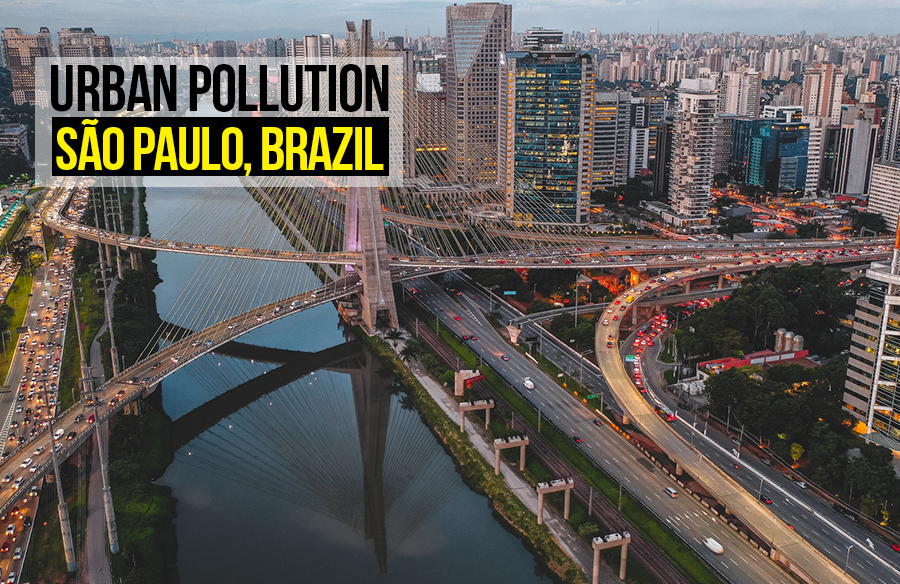
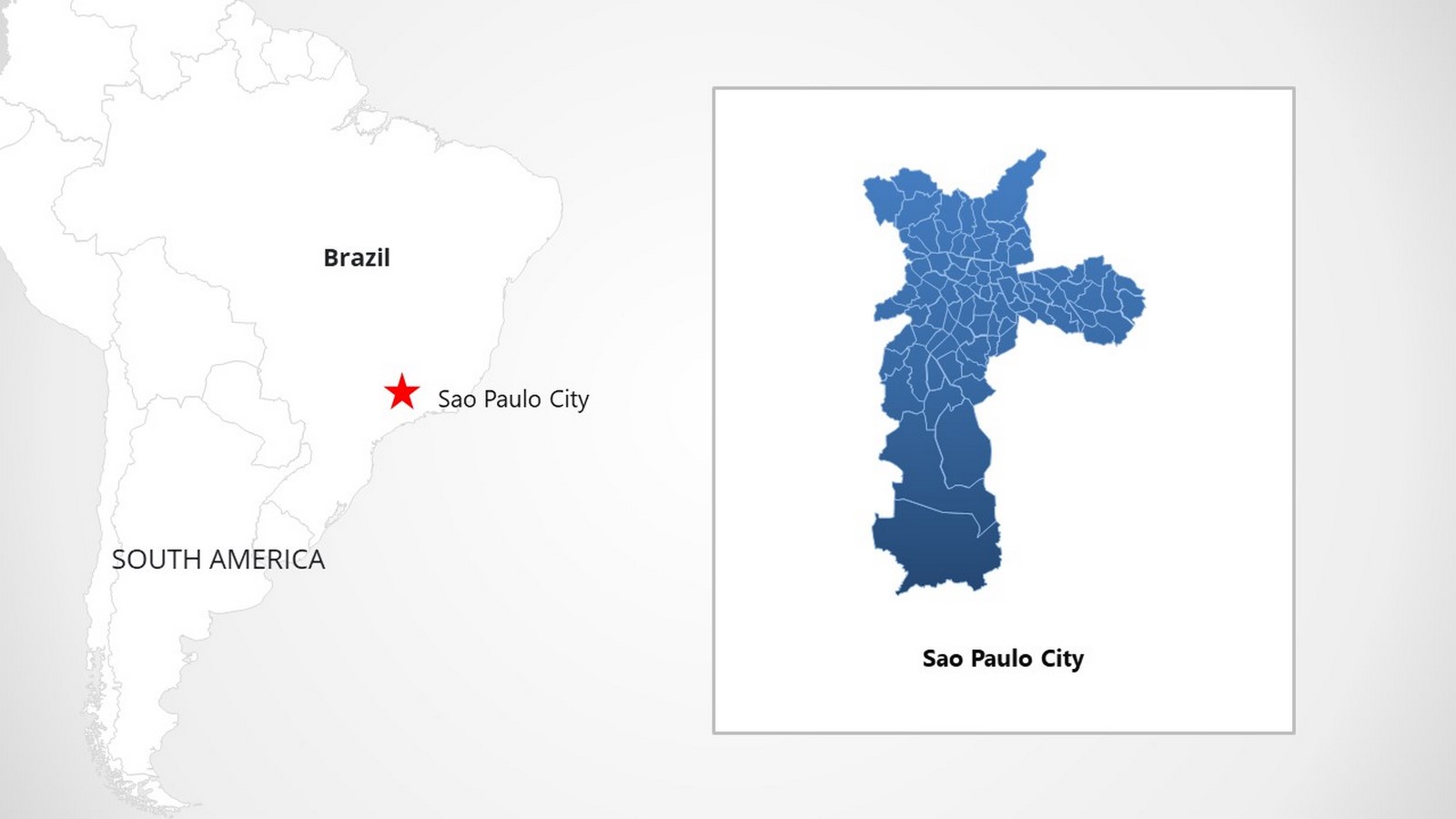
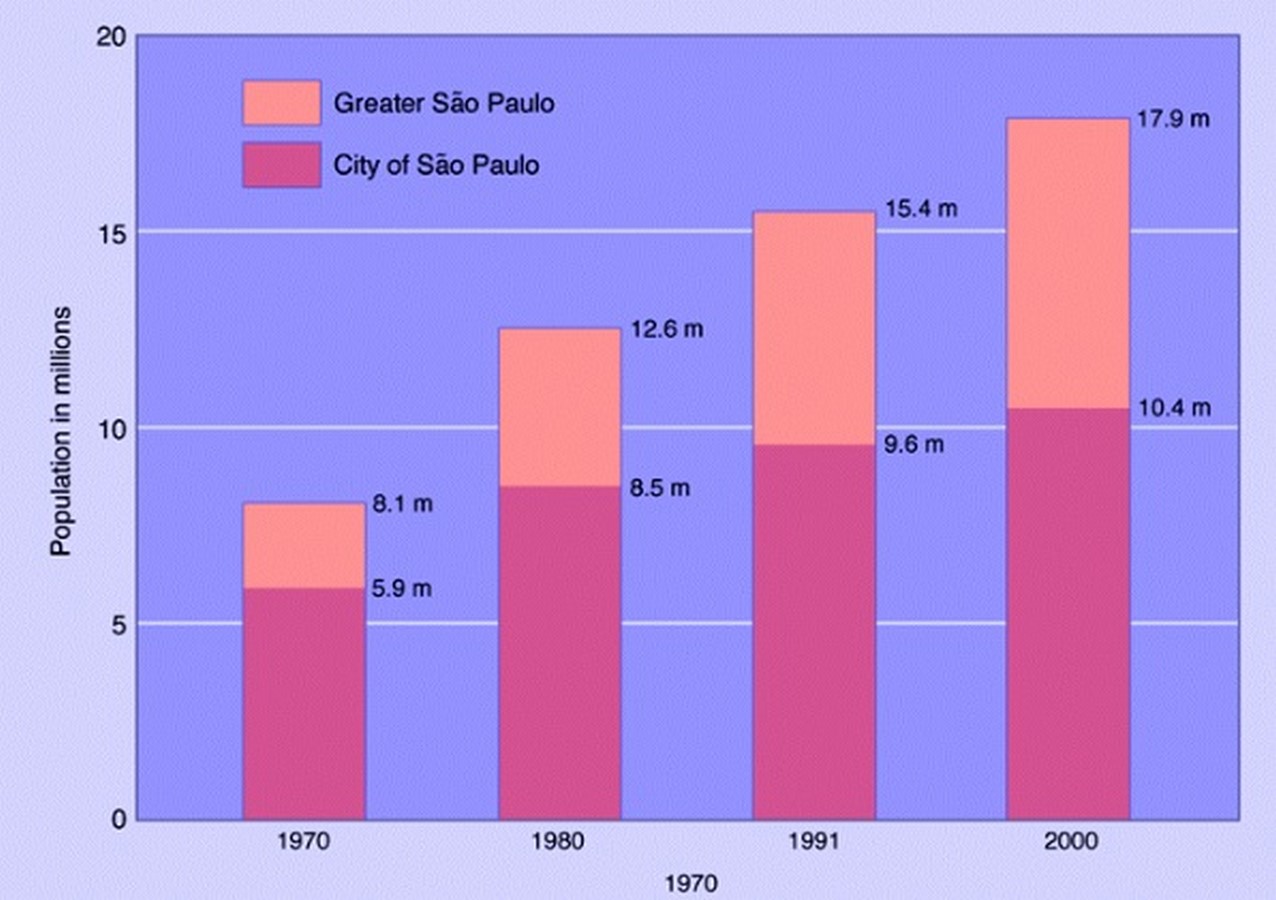
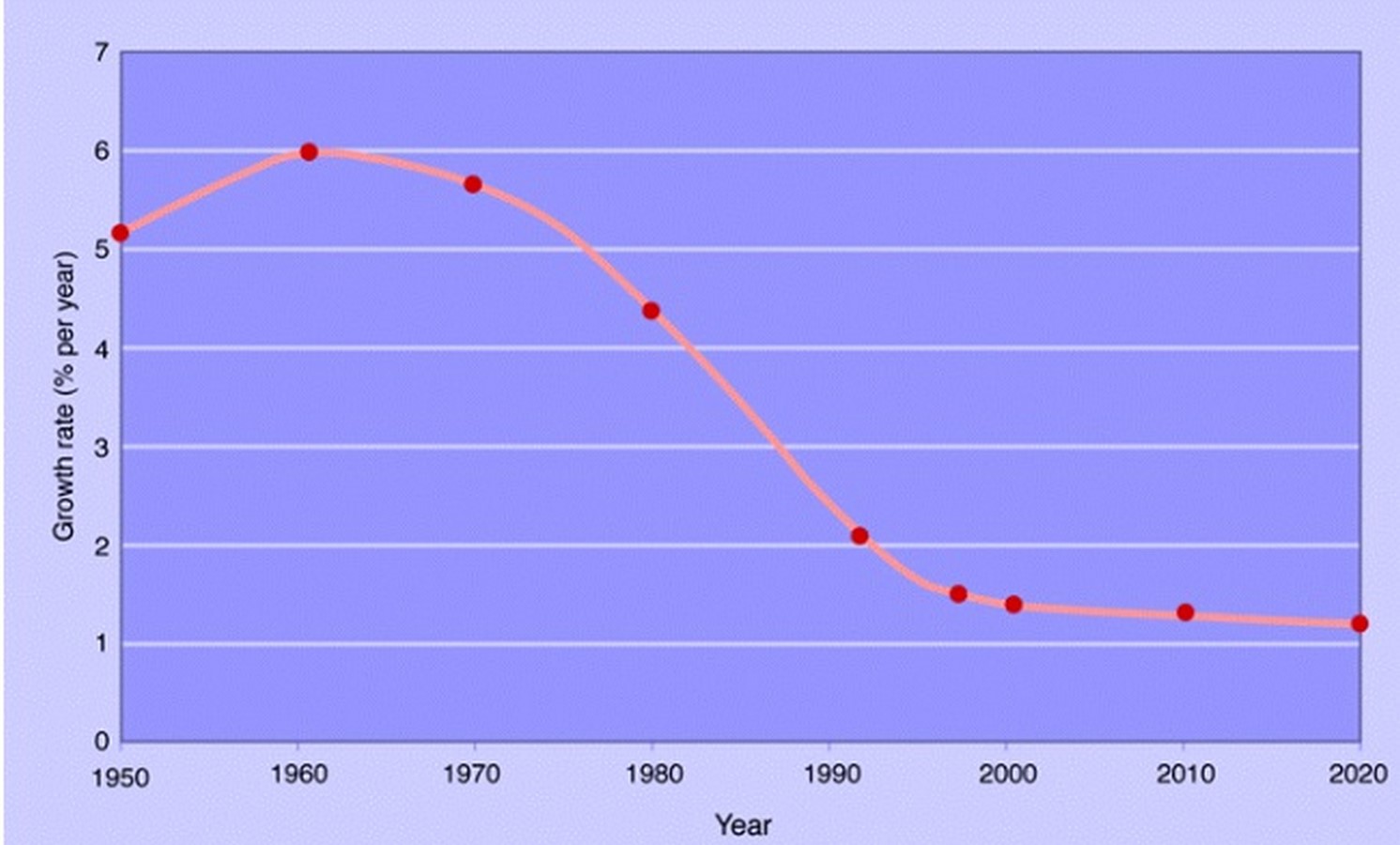
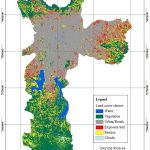
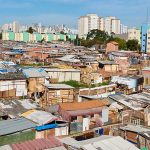
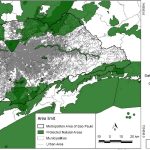
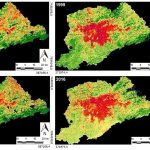
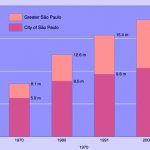
Sao Paulo is a metropolitan city and the capital of Sao Paulo State, Brazil. According to GaWC, it is ranked as the 4th most populous city in the world. With an urban sprawl of 1521 square kilometers, it has a population of over 20 million residents [by the 2022 census] with a growth rate of 0.85% per year, which is 7216 people per square kilometer.
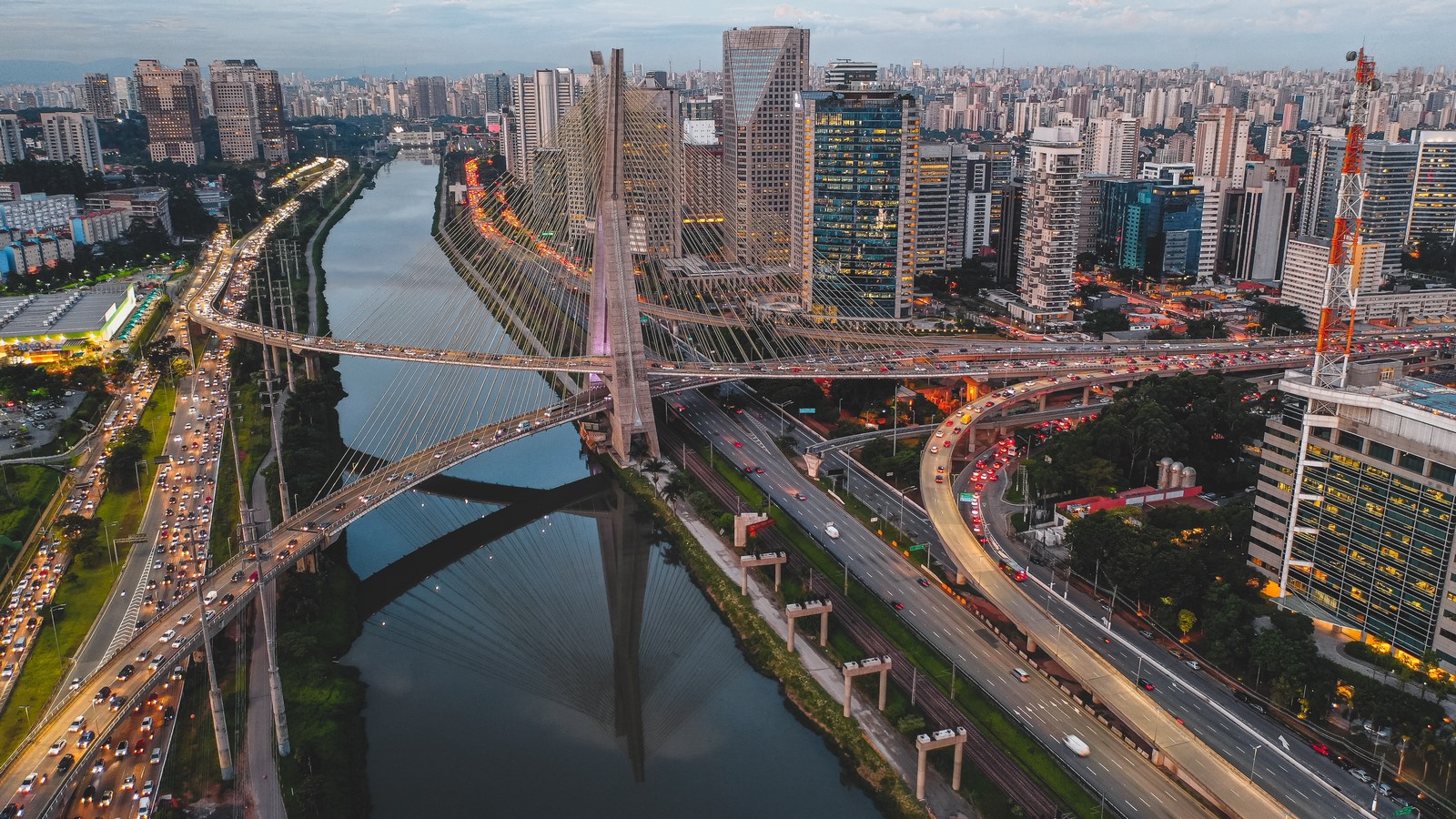
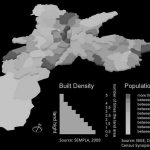
Sao Paulo is Brazil’s cultural, financial, and industrial hub. As the population increases, urbanization increases, and with the increase in urban density comes a lot of challenges. From addressing health issues because of air pollution due to growing industrialization and automobilization, to unsustainable urban development and affordable housing in any global city.
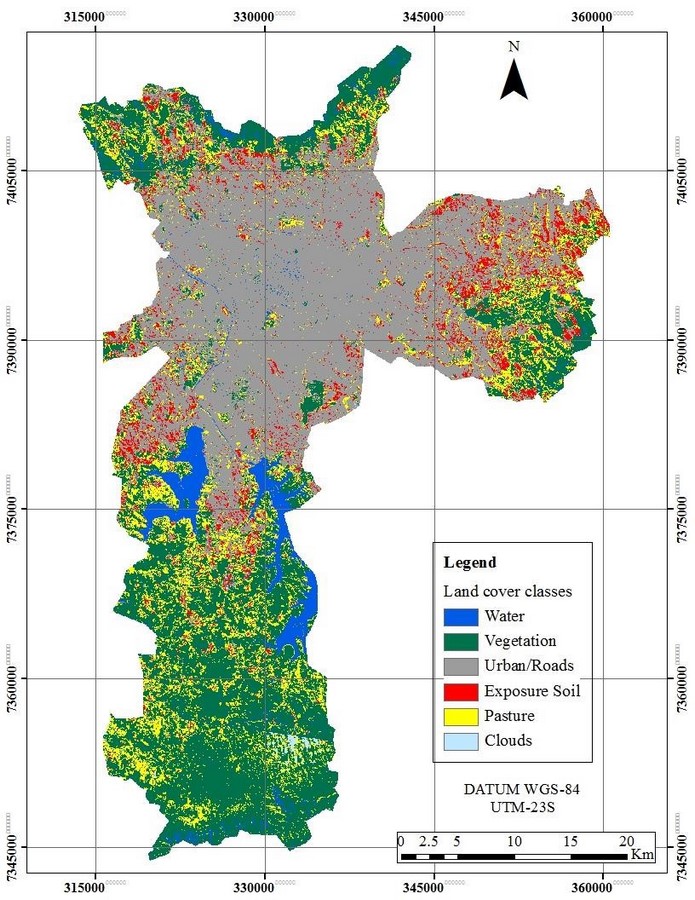
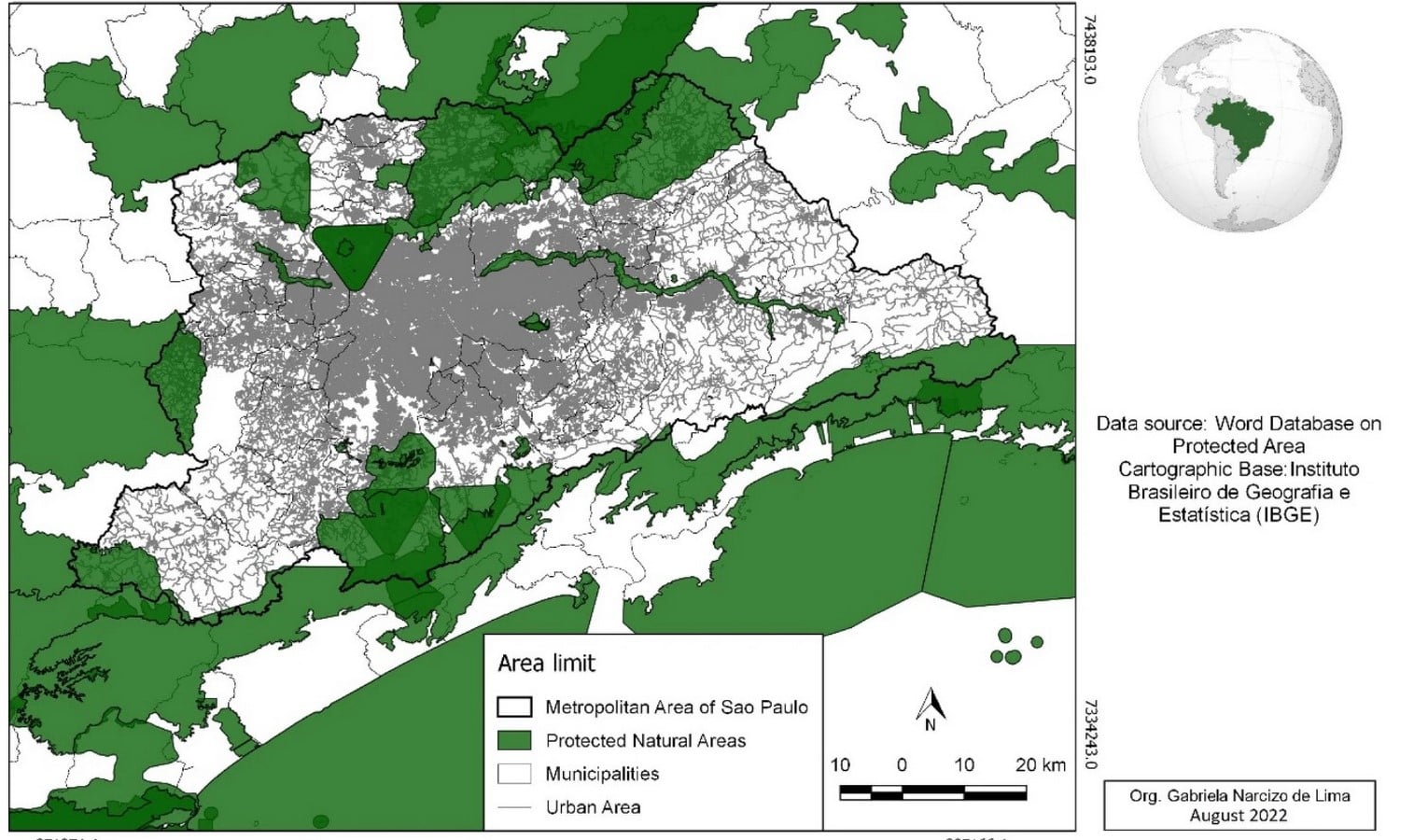
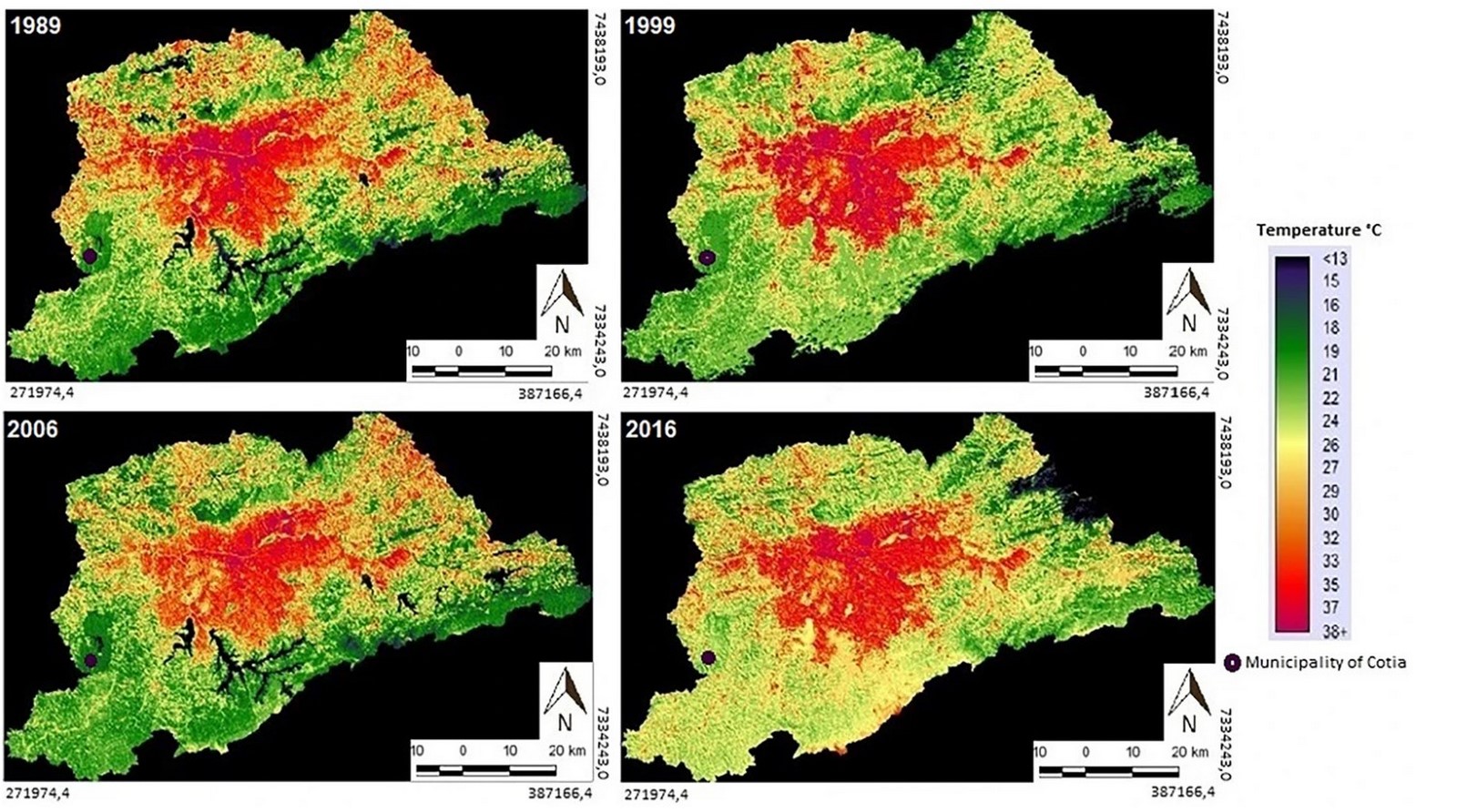
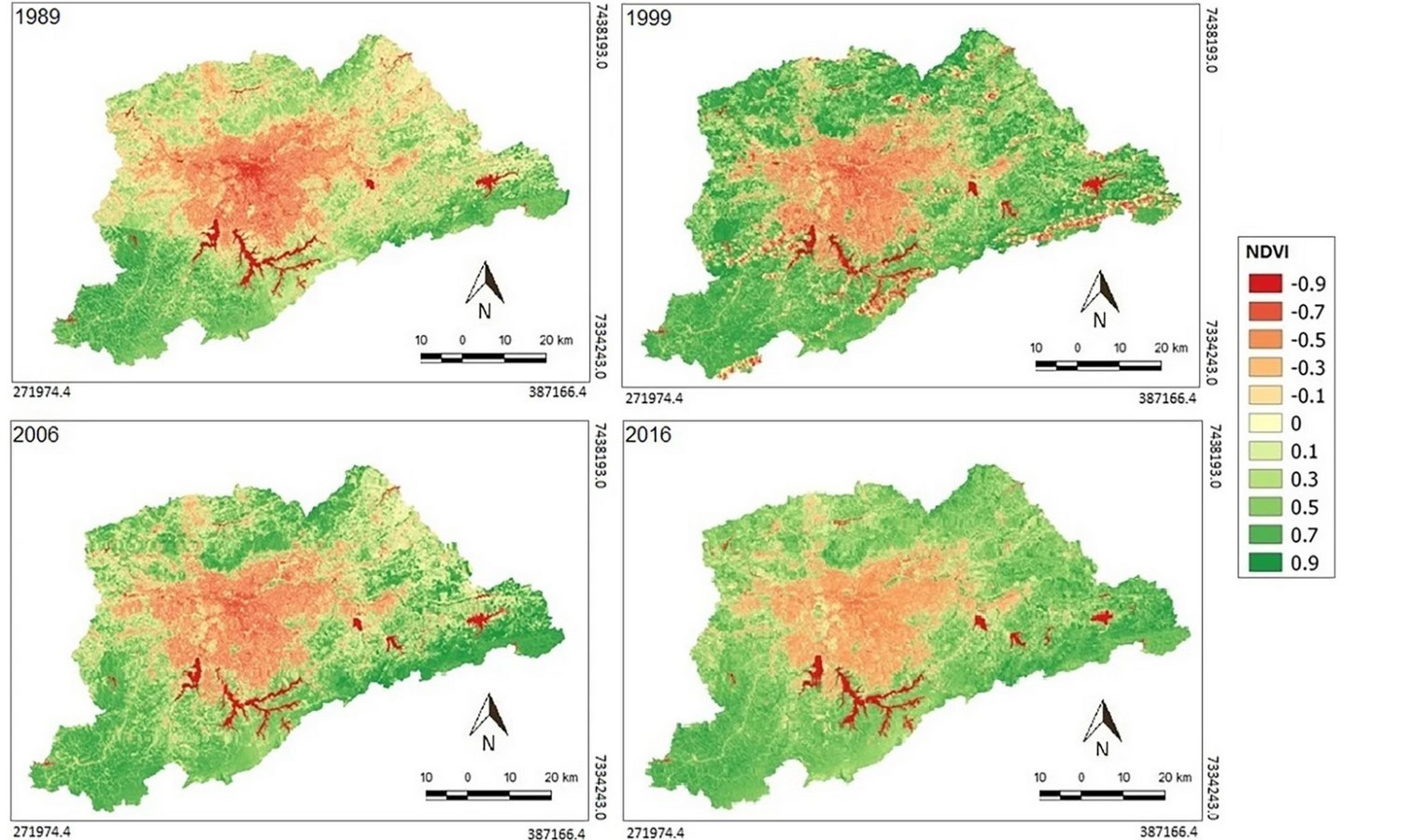
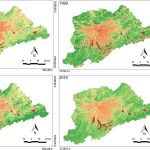
Green spaces help the cities breathe, but with the increase in urban infrastructure, there is a decrease in open spaces, which causes a change in the geographical distribution of urban heat islands, increases surface runoff, and results in floods during monsoons. Green pockets in urban areas are replaced by car parking.
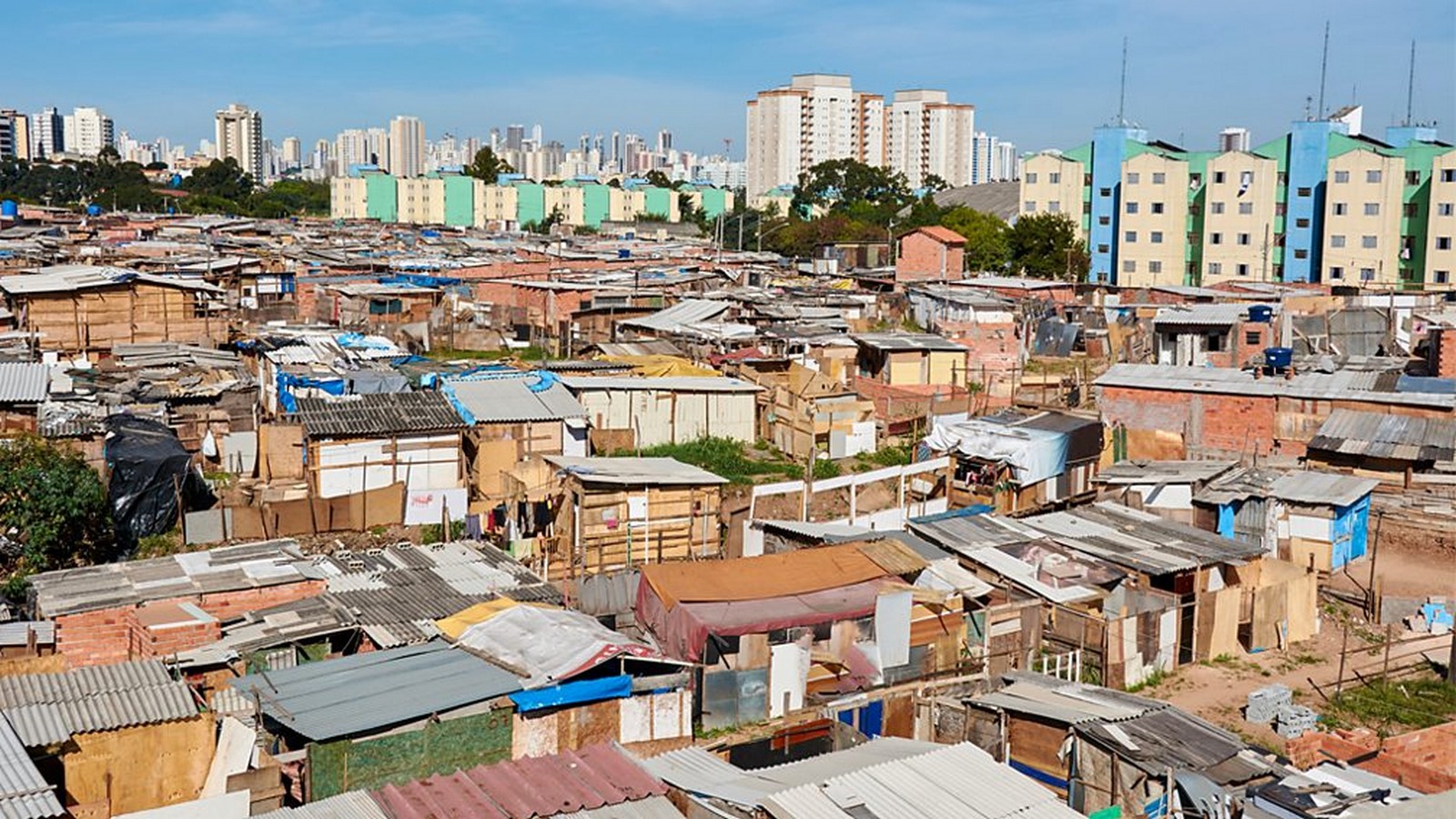
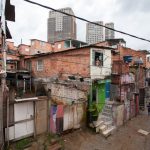
To balance the formal and informal settlements, it’s important to first map them, formalize them, and then protect the inhabitants from displacement.
So, the question arises here: whether to build or not to build more. – To stop the further decline in the sustainability of cities, cities can be better planned with the implementation of eco-system-based spatial planning. The unbalanced urban settlements can be de-densified. Slum upgrading and town planning could be the solution to tackle overcrowding and space issues and make cities liveable, safe, sustainable, and affordable. Slum upgrading is a cost-efficient investment that can reduce social disruption caused by relocation or eviction and avoid economic fallout caused by removing informal developments. It is important to conserve the green land cover of the city and maintain the balance of concrete to open land so Urban Heat Island will be in control.
Reference list
Sao Paulo: Population and Slum Housing (no date) studylib.net. Available at: https://studylib.net/doc/18174099/sao-paulo–population-and-slum-housing (Accessed: 17 September 2023).
Designing your company’s sustainability report (2022) Harvard Business Review. Available at: https://hbr.org/2022/01/designing-your-companys-sustainability-report (Accessed: 17 September 2023).
Holmes, C. (2016) São Paulo is betting better urban planning can solve a housing crisis, Next City. Available at: https://nextcity.org/features/sao-paulo-housing-crisis-master-plan-zeis-haddad-habitat-iii (Accessed: 17 September 2023).
Yixin CaoWendy Yan ChenKarl Matthias Wantzen et al. (no date) Urban Ecosystems, Springer. Available at: https://www.springer.com/journal/11252 (Accessed: 24 September 2023).
Case study: São Paulo, Brazil – urbanisation in LEDCs – CCEA – GCSE geography revision – CCEA – BBC Bitesize (no date) BBC News. Available at: https://www.bbc.co.uk/bitesize/guides/zx7ypbk/revision/4 (Accessed: 24 September 2023).
Beccario, C. (no date) A global map of wind, weather, and ocean conditions, earth. Available at: https://earth.nullschool.net/ (Accessed: 24 September 2023).
Spatializing inequality across residential built-up types: A relational geography of urban density in São Paulo, Brazil. – ScienceDirect
Shraddha is an architect who loves traveling and documenting things, people, stories, and moments. From sketching to reading, she enjoys exploring the world of art through all its forms. Being creatively inclined, she is intrigued by everything about art and creation. She is also a movie buff.
We use cookies to ensure that we give you the best experience on our website. If you continue to use this site we will assume that you are happy with it.