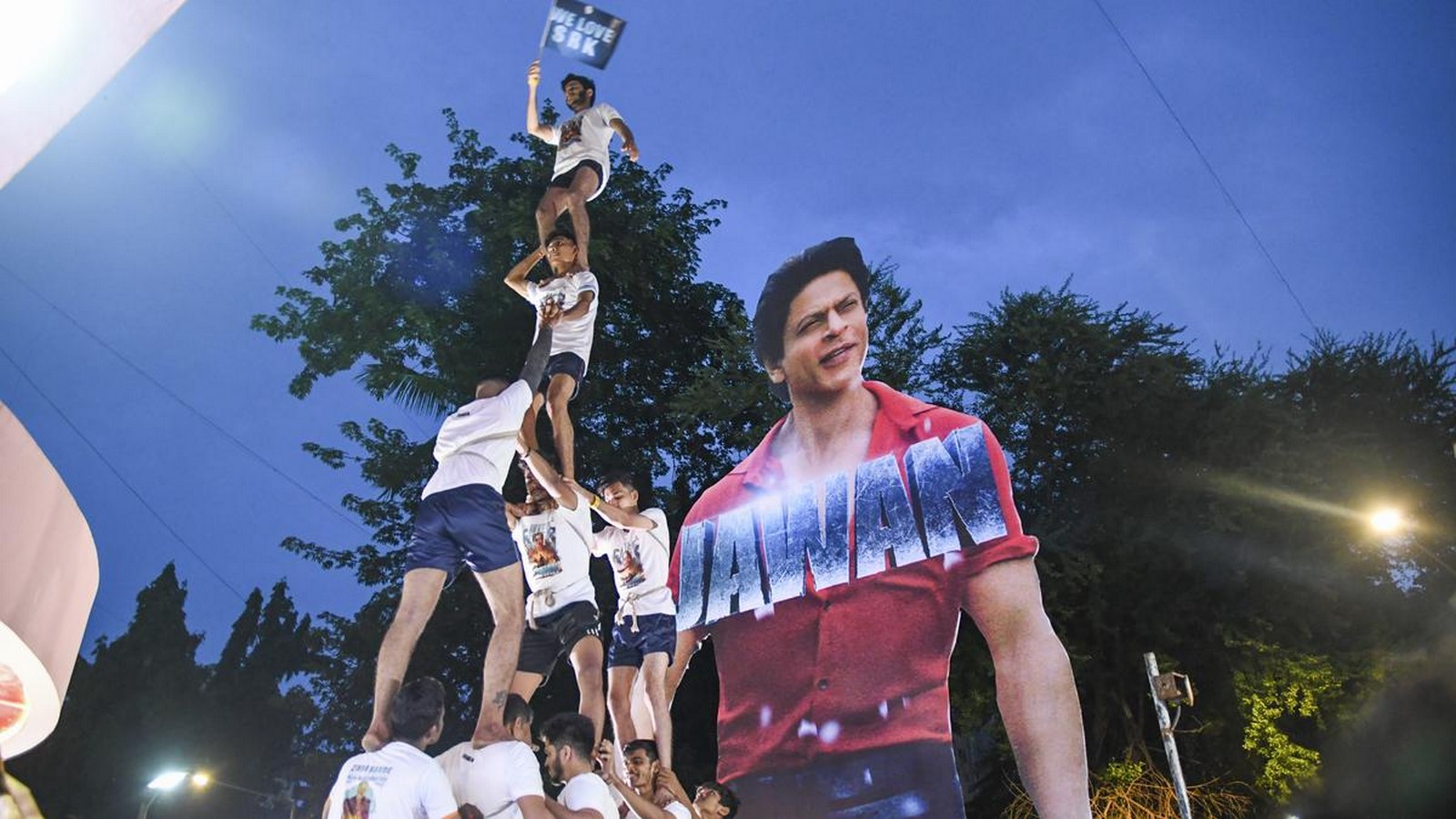
This week in September 2023 has been a great time for all the ecstatic Bollywood fans. Indian cinemas witnessed festivities to celebrate the release of the movie ‘Jawan’ starring the Bollywood icon Mr. Shahrukh Khan. The spirit of cinema lovers was at an all-time high. The Hindi film industry that houses the ‘City of Dreams’ celebrated the return of cinema culture post-pandemic. In terms of its global character, Mumbai stands out as a veritable melting pot of cultures and languages that is reflected in the Hindi cinema resonating with Indians. The city is characterized by Bollywood studios and filming locations, historic movie theaters, and beautiful wall art inspired by the stars. Bollywood has impacted and altered Indian popular culture.
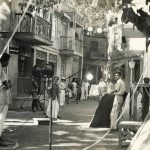
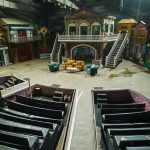
It all began with the British who brought entertainment in varied forms to India. An opera-like theatre culture began making its way to Mumbai with the establishment of Grant Road Opera House in 1879. Mumbai has been an important financial location since its inception and witnessed cultural transformations. Parsi, Marathi & English language productions were prominent. It was the screening of the first film at Watson Hotel in 1896 leading Mr. Dadasaheb Phalke to make the first-ever full-length Indian film ‘Raja Harishchandra’. This movie was shot in Mumbai and premiered at the Olympia Theatre in Mumbai on 21 April 1913. The movie business gained popularity with various silent movies getting shot and produced at studios in Mumbai. Around the year 1931, the first sound movie ‘Alam Ara’ was released which was shot at the studio – Jyoti studio in Nana Chowk.
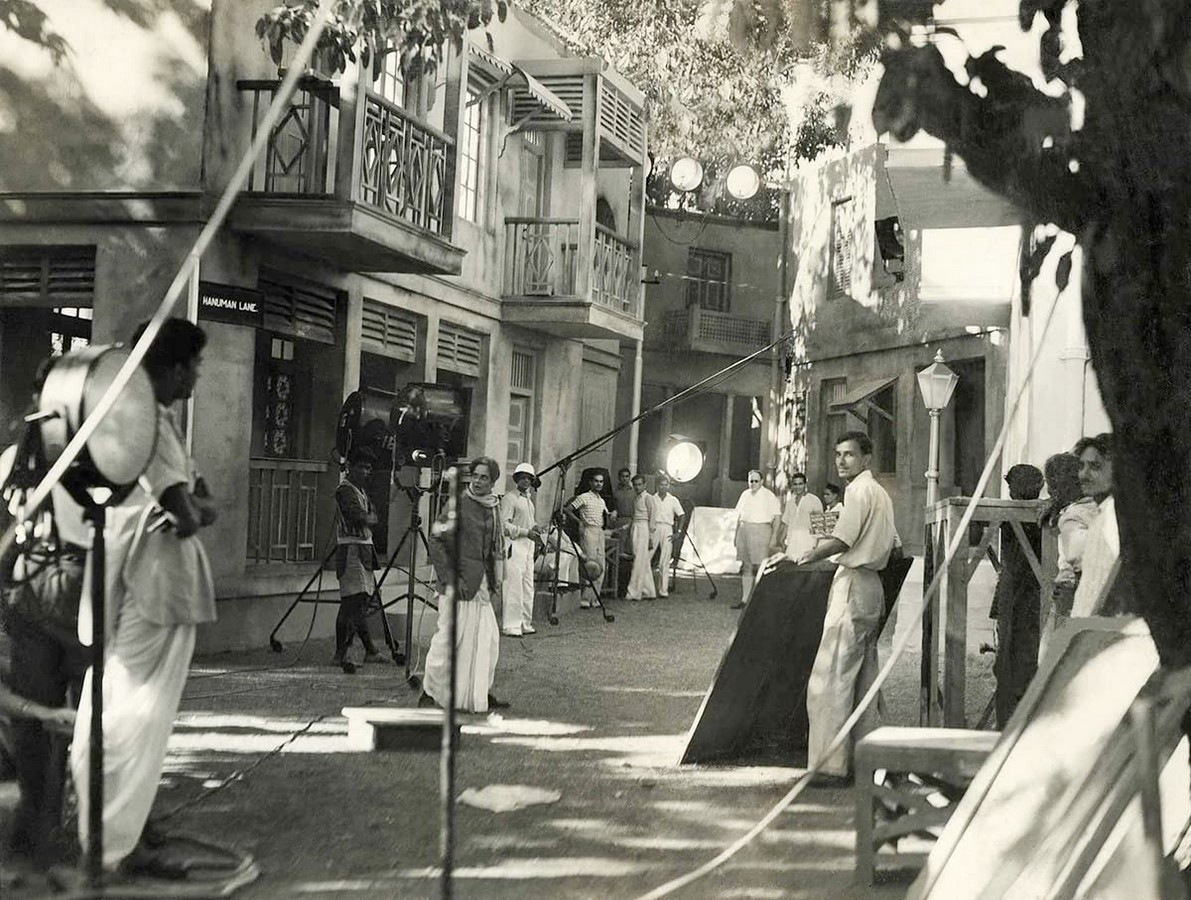
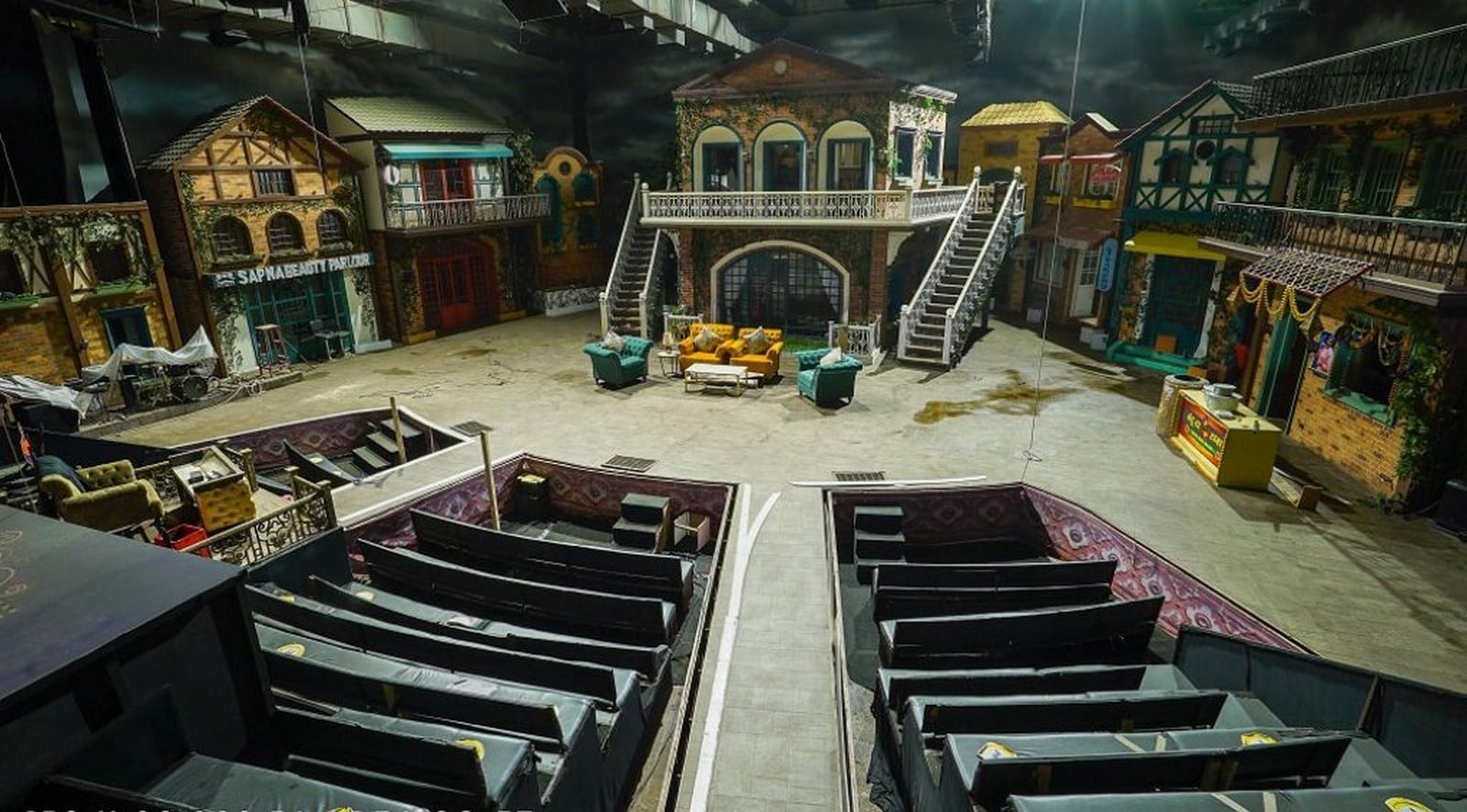
Open landscape quiet sound atmospheres were more favorable for filming leading to the formation of studios. The studios with the inclusion of quiet spaces stretched up to Malad due to the foundation of Bombay Talkies and Filmistan Studios. The escapism movies that would come to rule the Indian screen had their origins in Bombay Talkies productions. Its movies had high technical standards but sugarcoated societal themes and reality, making movies things to aspire for. The Film Talkies and Film Studios became popular landmarks as most of the people working in the industry settled around these areas. Various movie stars with celebrity statuses stemmed from these studios. The Fim City in the Goregaon came up with a revolution in the entertainment industry. A 520-acre land provides setups for various filmmakers to create Films, TV serials, advertisements, and entertainment formats. This led to bigger movie production houses coming up with infrastructure in and around Andheri to facilitate itself with the Film City. Mumbai adapted itself to the population and the industries shaping it the way it is today.
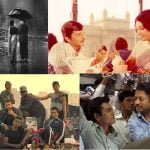
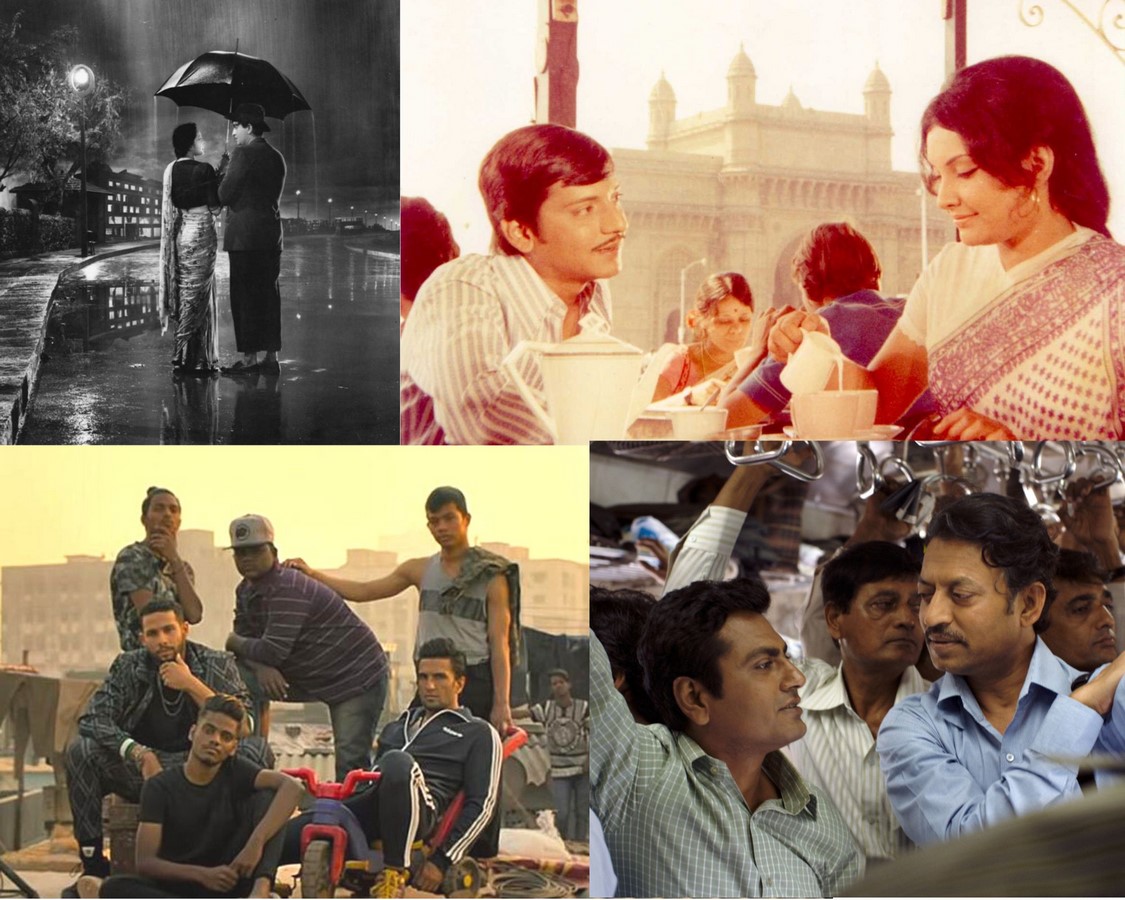
The art itself reflected the societal themes of the times. The lives of the working class in post-independent India with the backdrop of Mumbai formed brilliant stories that brought people closer to the cinema. The socioeconomic strata and classes that makeup society split the attention of filmmakers. These are a few movies that explore the distinctive features of the city, including its chawls, middle class, underworld, and the affluent. Even the circumstances of these stories were woven into the urban fabric of Mumbai. The car chases in Dev Anand movies to Amol Palekar romancing on the street and strolling through the Marine Drives with Coconut water to college romances in and around St. Xavier’s college and Imran Khan on a horseback running through the Kala Ghoda and Asiatic Library makes the stories iconic and the locations even more iconic. Bollywood movies have highlighted Mumbai’s prominent sites, such as the Bandra-Worli Sea Link, Marine Drive, and the Haji Ali Dargah, making them associated with the city’s character. In addition to presenting the city’s metropolitan landscape and enhancing the tale, these architectural wonders have served as the backdrop settings for romance scenes, song sequences, and tragic moments.
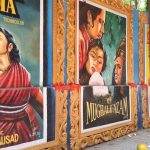
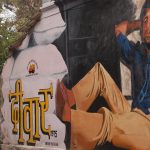
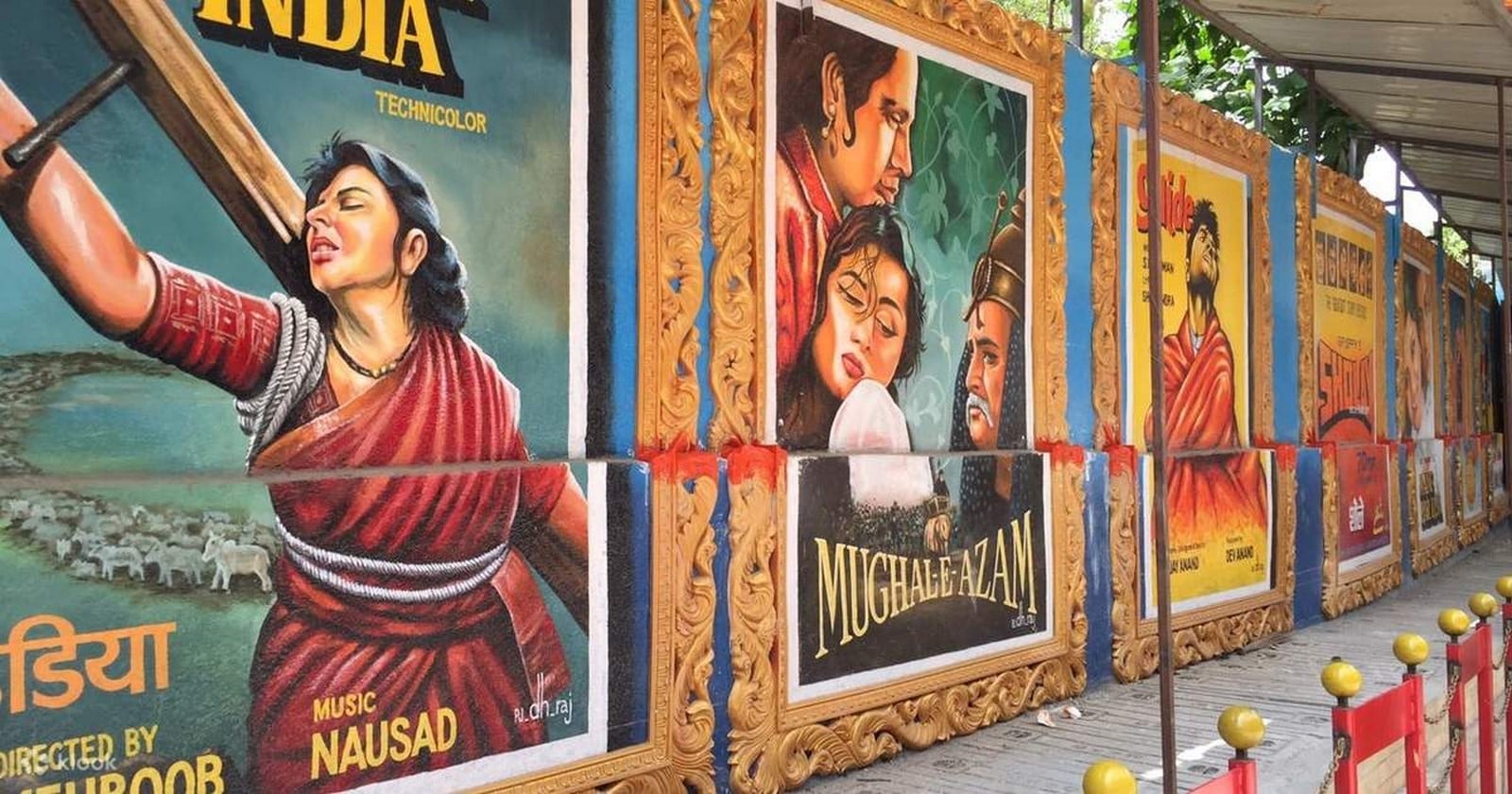
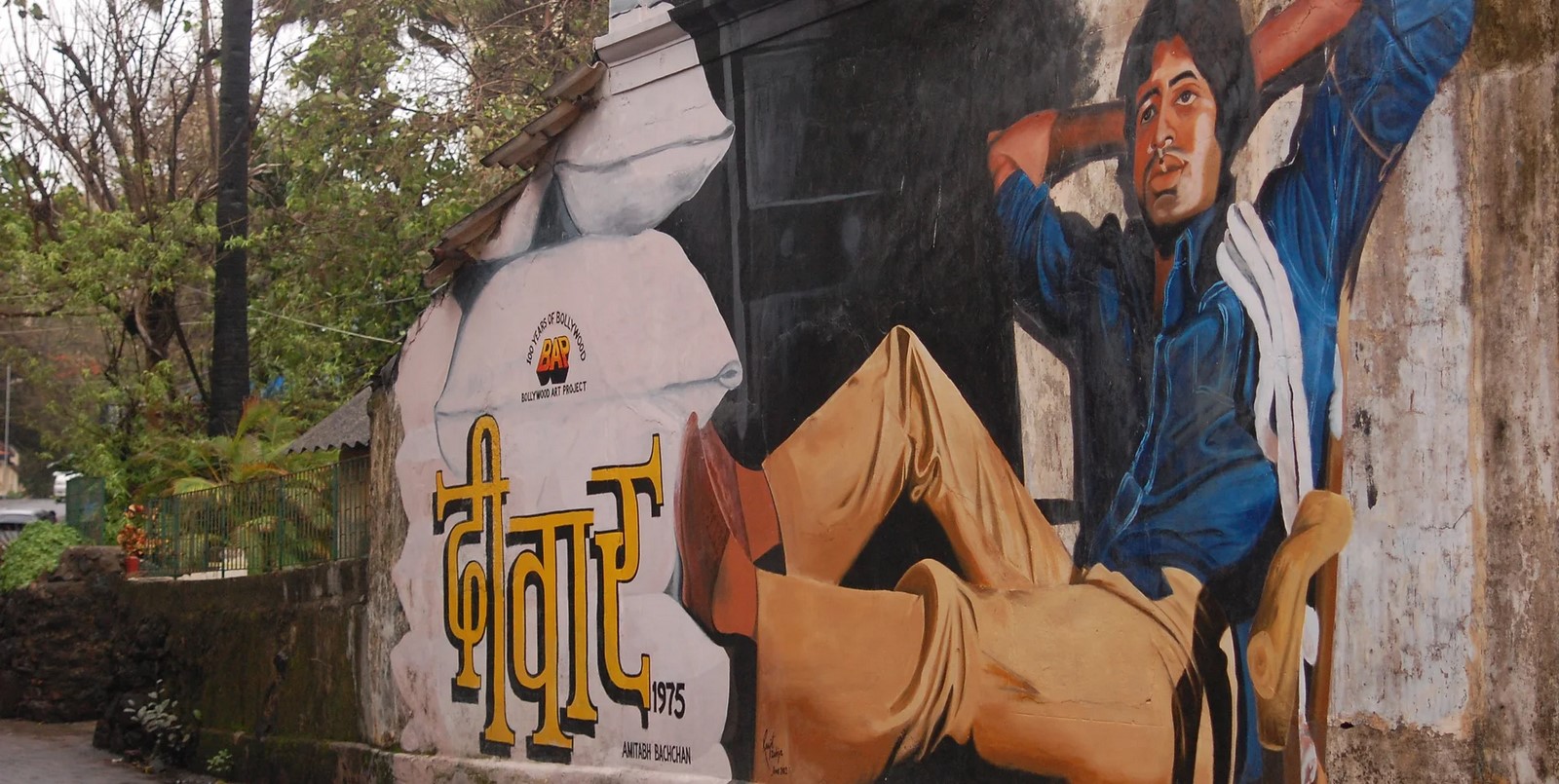
The city has dedicated itself to this industry and hence all of us can see the recent developments on the streets of Mumbai. The BAP – Bollywood Art Project creates murals of iconic Bollywood moments on the lanes of Bandra. BAP founder Mr. Ranjit Dahiya with his quirk and love for Bollywood now revamps the walls of Mumbai to celebrate the passion and obsession of the city towards the Film Industry. The tourism of this city works in such a way that after the visit to museums and heritage structures, the next stop belongs to the residences of Bollywood movie stars. The tourist guides tour the places of the city referring to locations from Slumdog Millionaire, and other internationally acclaimed movies based in Mumbai. As DDLJ continues to rock the screens of Maratha Mandir, it adds to the cinemascope. Bollywood music and dance have impacted the social and cultural realms of society reflected across every major festivity of the city. Every festival, party, wedding, and ceremony celebration is a result of the vibrancy of the movies.
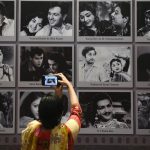
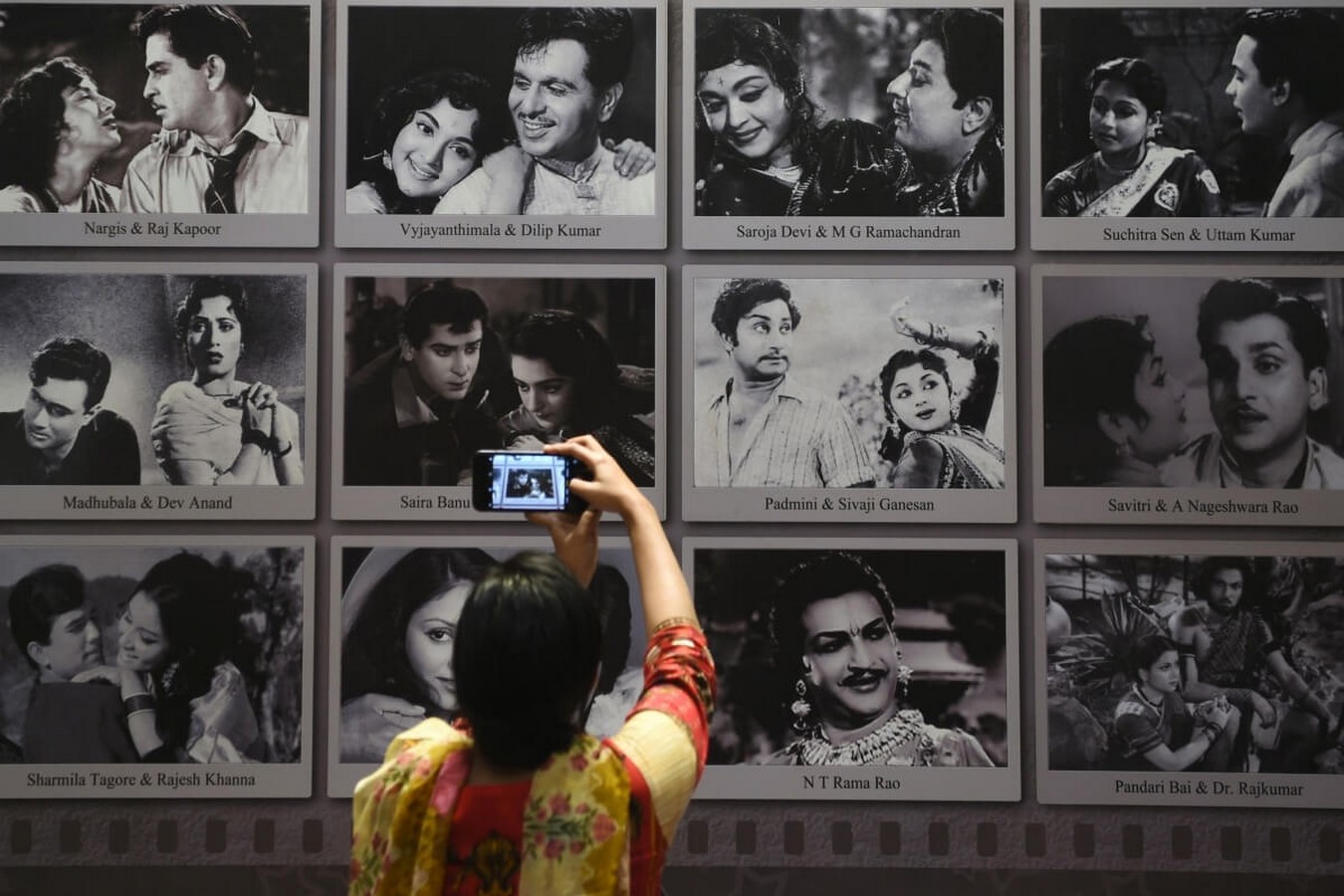
The Film City, Goregaon provides studio tours for cinephiles to get a sneak peek of the world behind the lens. Besides this, a full-fledged Bollywood Museum and Bollywood-themed dine-ins with the NMACC (Nita Mukesh Ambani Cultural Centre) bring Bollywood from the reel to the real. Mumbai is home to several film festivals that honor the skill and art of creating movies. The Mumbai Film Festival (MAMI) and The International Film Festival of India (IFFI) have a crazy base of national and international filmmakers, actors, business leaders, influencers, and enthusiasts. Film & TV award shows with live audiences and have always been major events for the masses to connect to the bling of the industry.
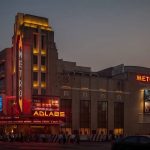
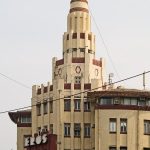
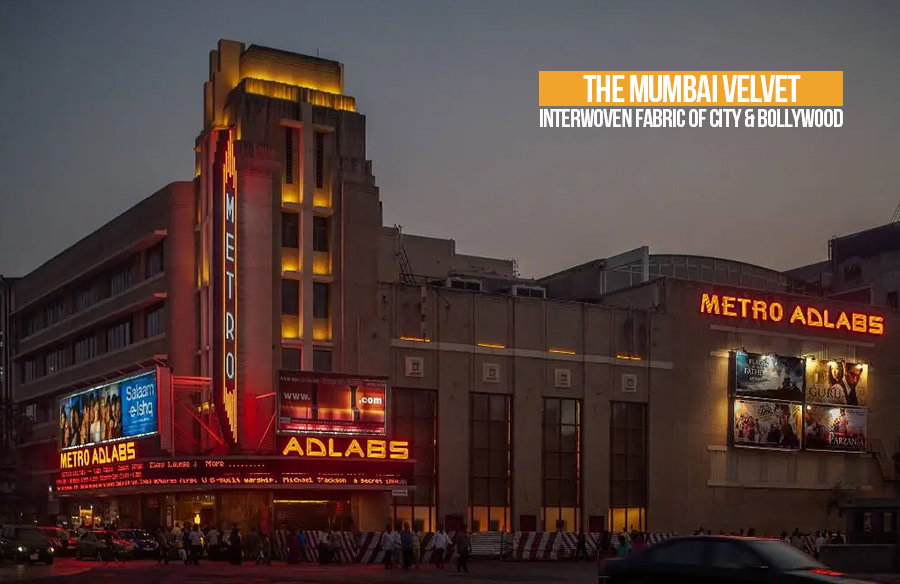
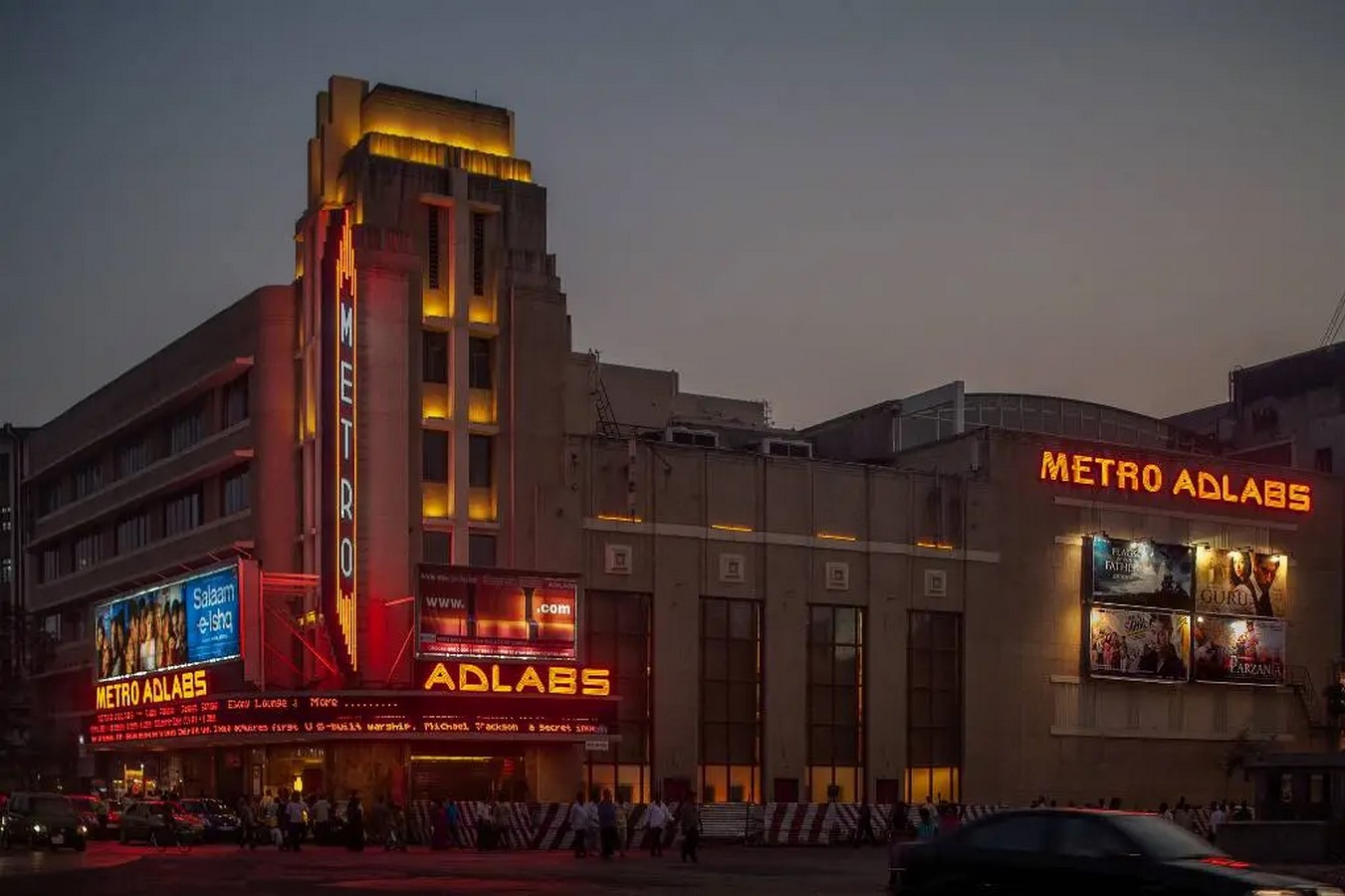
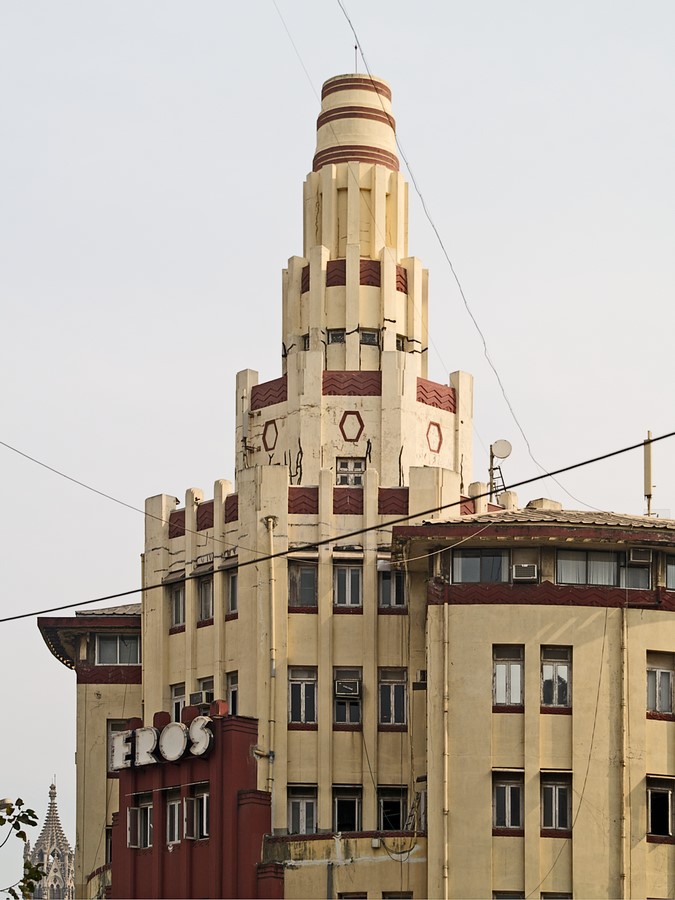
The skyline of Mumbai adorned with the Art Deco structures of Eros, Metro, and Regal cinema holds immensely important values in the architectural and cinematic world. Glitz & Glamour particularly in areas like Colaba, Marine Drive, and Churchgate, popularize Art Deco construction. Bollywood films frequently use Art Deco buildings as the visual backdrop because of their distinctive geometric shapes, streamlined forms, and ornamental embellishments, which effectively capture the spirit of the period. The stories of our parent generations residing in Mumbai or that have once visited Mumbai involve them witnessing a Bachchan fight sequence on reel in Gaiety Galaxy single screens in reel to watching him move around the streets of Mumbai in real. The rear sides of the rickshaws and taxis carry iconic Bollywood dialogues.
This island has a lot of potential. With the support of the government making films here comes with very minimal issues. There are no limitations or additional permissions needed to shoot adding to the allure of this place which will never fade. The amalgamation of newer and historic locations makes it a desirable setting for filming. In addition to having influenced the city, cinema also owes much of its personality to the historical development of urban space. The quirk and charms of the city keep the madness of Bollywood alive.
References:
- Shaikh, A. (2022) Mumbai: In black and white or eastmancolor, the city of dreams always sizzles on screen, https://www.outlookindia.com/. Available at: https://www.outlookindia.com/art-entertainment/mumbai-in-black-and-white-or-eastmancolor-the-city-of-dreams-always-sizzles-on-screen-magazine-210857 (Accessed: 10 September 2023).
- Bali, K. (2014). How the Bombay Talkies studio became Hindi cinema’s original dream factory. [online] Scroll.in. Available at: https://scroll.in/reel/692493/how-the-bombay-talkies-studio-became-hindi-cinema-s-original-dream-factory [Accessed 10 Sep. 2023].
- Chandrashekhar, V. (2019). Discovering Mumbai’s Art Deco Treasures. The New York Times. [online] 21 Oct. Available at: https://www.nytimes.com/2019/10/21/travel/mumbai-art-deco.html [Accessed 9 Sep. 2023].
- Ghosh, S. (2022). Mapping Seven Decades of Mumbai’s Film Industry. [online] www.filmcompanion.in. Available at: https://www.filmcompanion.in/features/mapping-seven-decades-of-mumbais-film-industry [Accessed 10 Sep. 2023].
- Gumaste, D. (2018). Lights, camera, Bollywood: exploring cinematic Mumbai. [online] Lonely Planet. Available at: https://www.lonelyplanet.com/articles/lights-camera-bollywood-exploring-the-cinematic-heart-of-mumbai [Accessed 10 Sep. 2023].
- Hutchinson, P. (2013). The birth of India’s film industry: how the movies came to Mumbai. The Guardian. [online] 25 Jul. Available at: https://www.theguardian.com/film/2013/jul/25/birth-indias-film-industry-movies-mumbai.
- Mashal, M., Raj, S. and Loke, A. (2023). India’s Love Story With a Movie Still on the Big Screen After 27 Years. The New York Times. [online] 19 Jan. Available at: https://www.nytimes.com/2023/01/19/world/asia/bollywood-ddlj-maratha-mandir.html.
- Puttkamer, L. (2022). Mumbai – a City Portrait. [online] Topos Magazine. Available at: https://toposmagazine.com/mumbai-city-portrait/ [Accessed 10 Sep. 2023].
- Sharma, D. (2020). Bollywood Art Project: Mumbai’s Bollywood Art Project Gets It’s Latest Technology Upgrade. [online] TheQuint. Available at: https://www.thequint.com/entertainment/bollywood/mumbais-bollywood-art-project-gets-its-latest-technology-upgrade#read-more [Accessed 10 Sep. 2023].