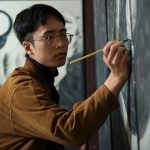
Through the hands of experienced painters, traditional art, a timeless form of artistic expression, has been revered throughout human history for its capacity to communicate feelings and tales. It does, however, have certain disadvantages. Traditional art has a strong cultural and historical foundation, yet it frequently has problems with accessibility, scalability, and replication. Since original pieces of art are limited, only a few people may own them. Additionally, the creative process can be agonizingly slow and constrained by the physical capabilities of the artist. As we examine the world of AI art in the current period, we must consider how technology might overcome these constraints and change the environment in which art is produced.
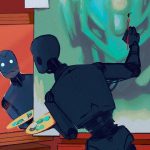
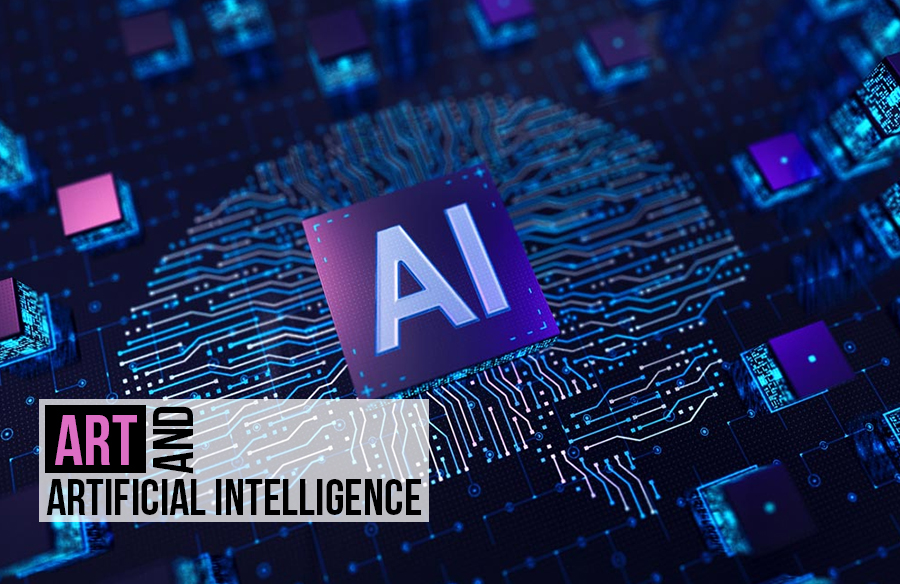
Many aspects of our life have been transformed by artificial intelligence (AI) algorithms, and the world of art is no exception. A new level of artistic expression has emerged as a result of the union of human creativity with machine learning, challenging conventional ideas of what qualifies as art and pushing the limits of innovation. AI is changing how we produce, value, and comprehend art as it develops.
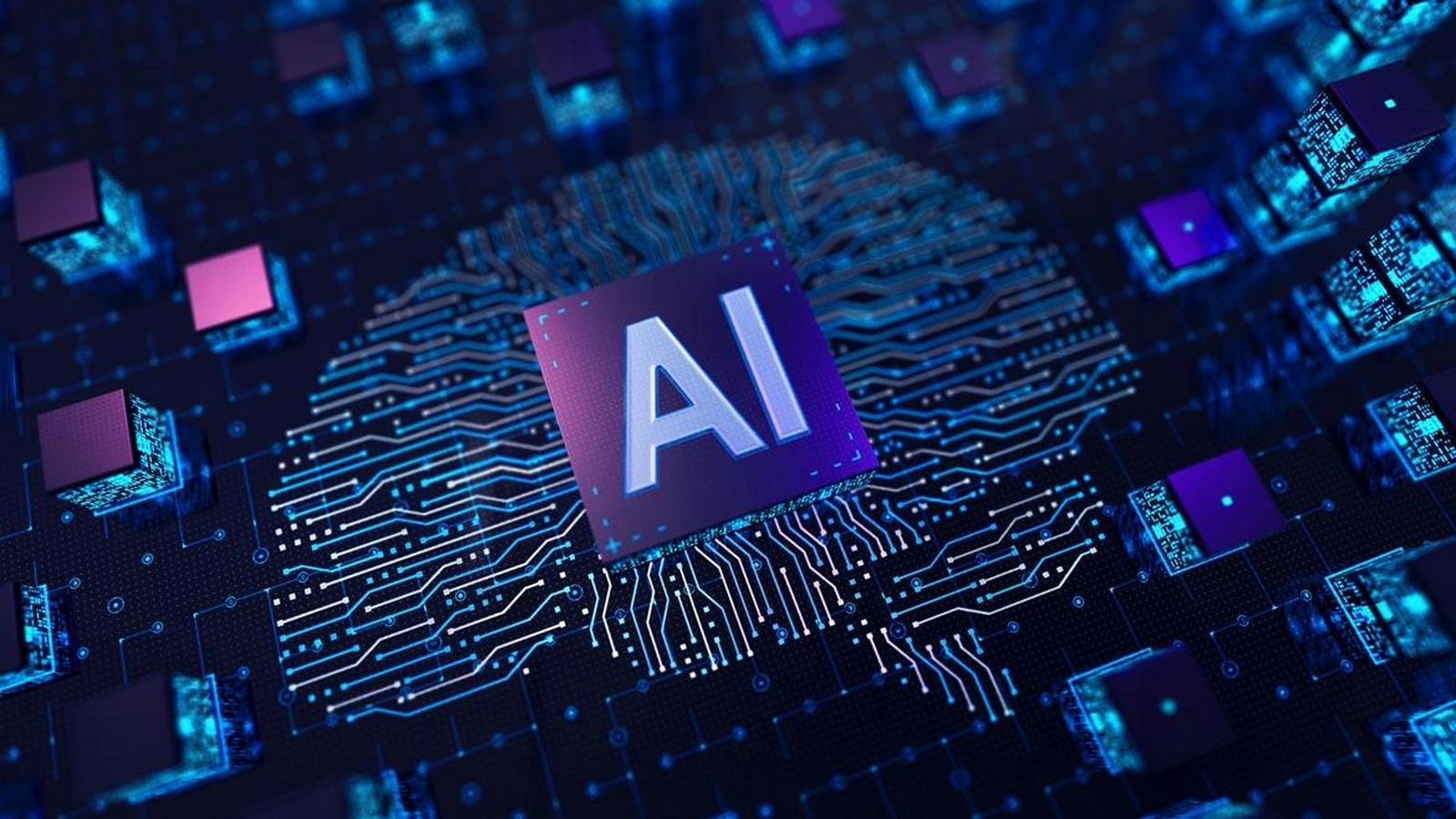
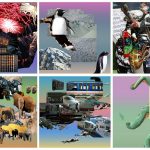
AI art is fundamentally a joint effort between skilled human artists and cutting-edge algorithms. These algorithms, which are frequently based on neural networks, examine enormous datasets of existing artworks to identify trends, styles, and methods. They then create new works that include these learned aesthetics, creating an exciting synthesis of creative inspiration from humans and computational reasoning.
The power of artificial intelligence to speed up the creative process is one of its most important contributions to art. In the past, painters would spend years honing their craft and developing their style. This learning curve is increased by AI algorithms. The algorithm allows artists to specify their tastes, and it produces artwork that reflects their chosen aesthetic. This not only saves time but also gives artists the freedom to explore and experiment with unique styles that they might not have otherwise dared.
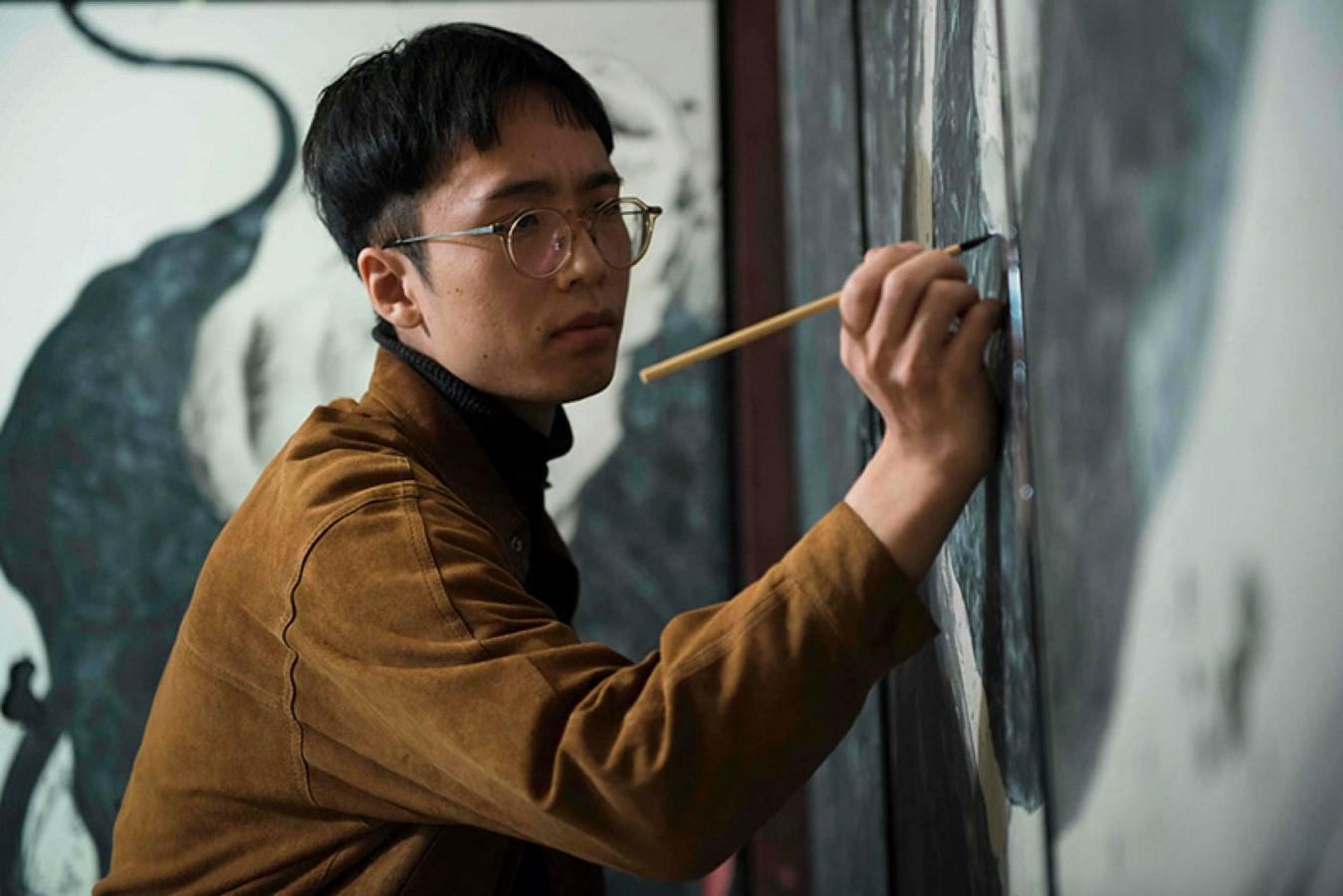
However, the emergence of AI in the arts has spurred discussions regarding the validity and worth of artwork created by machines. Critics contend that since machines lack human feelings and experiences, authentic art must come from them. On the other hand, proponents argue that AI-generated art is a cutting-edge form of artistic expression that showcases the interaction between human brilliance and technical development. The worth of AI art is ultimately a subjective assessment that questions established paradigms of creativity and compels us to reconsider the place of human agency in the creative process.
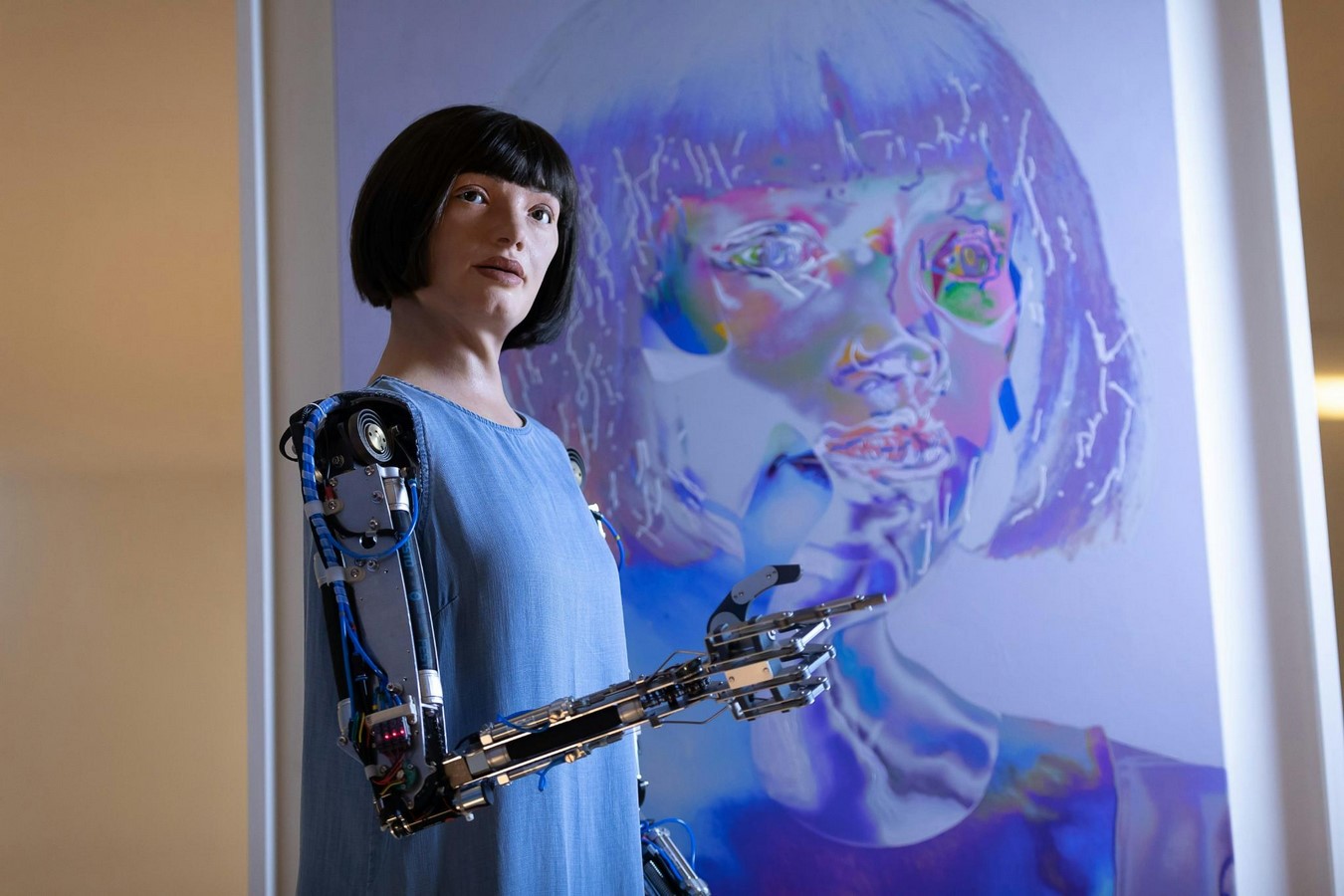
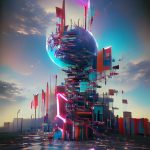
The ability of AI art to create whole new aesthetics is one of its most intriguing features. AI algorithms are capable of fusing components from numerous civilizations, ages, and styles to produce something wholly original. This method might result in unexpected comparisons and creative fusions that go against our preconceived conceptions of what art should resemble. By bringing history and innovation together, art is presented in fresh and thought-provoking ways, encouraging audiences to interact with it and get a deeper understanding of the flexibility of artistic expression.
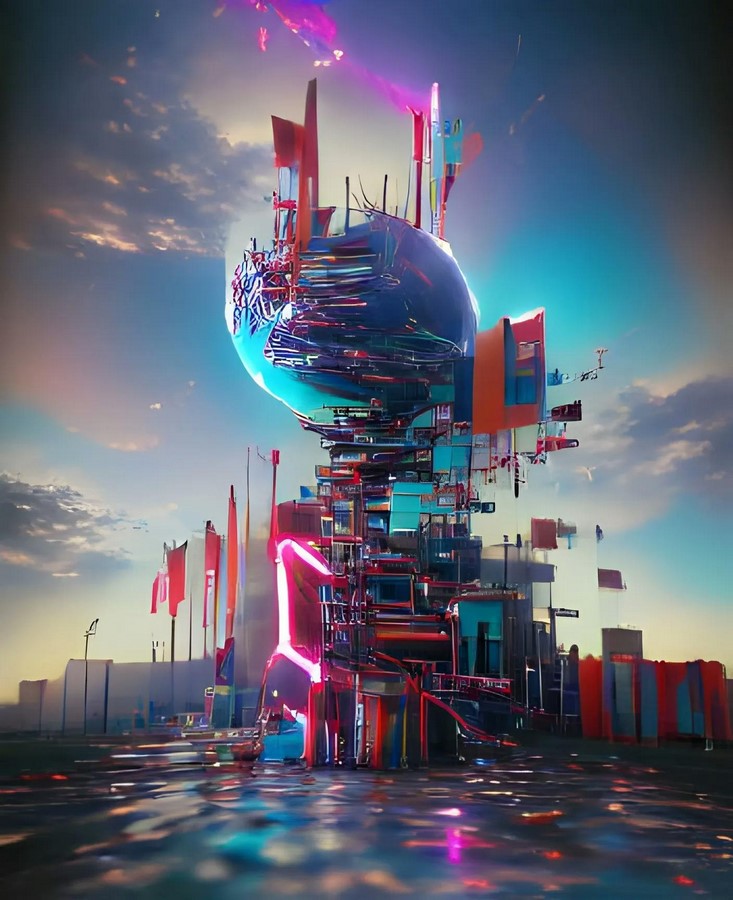
Critics may assert that human artists’ intentionality and emotional depth are absent from AI-generated art. However, AI systems have demonstrated an amazing capacity for stirring up feelings and stimulating thought. Even though the feelings may be mediated through the lens of code and statistics, these algorithms can learn to produce art that resonates emotionally with viewers. This prompts us to reexamine the nature of emotions and the function that circumstance plays in determining our emotional reactions.
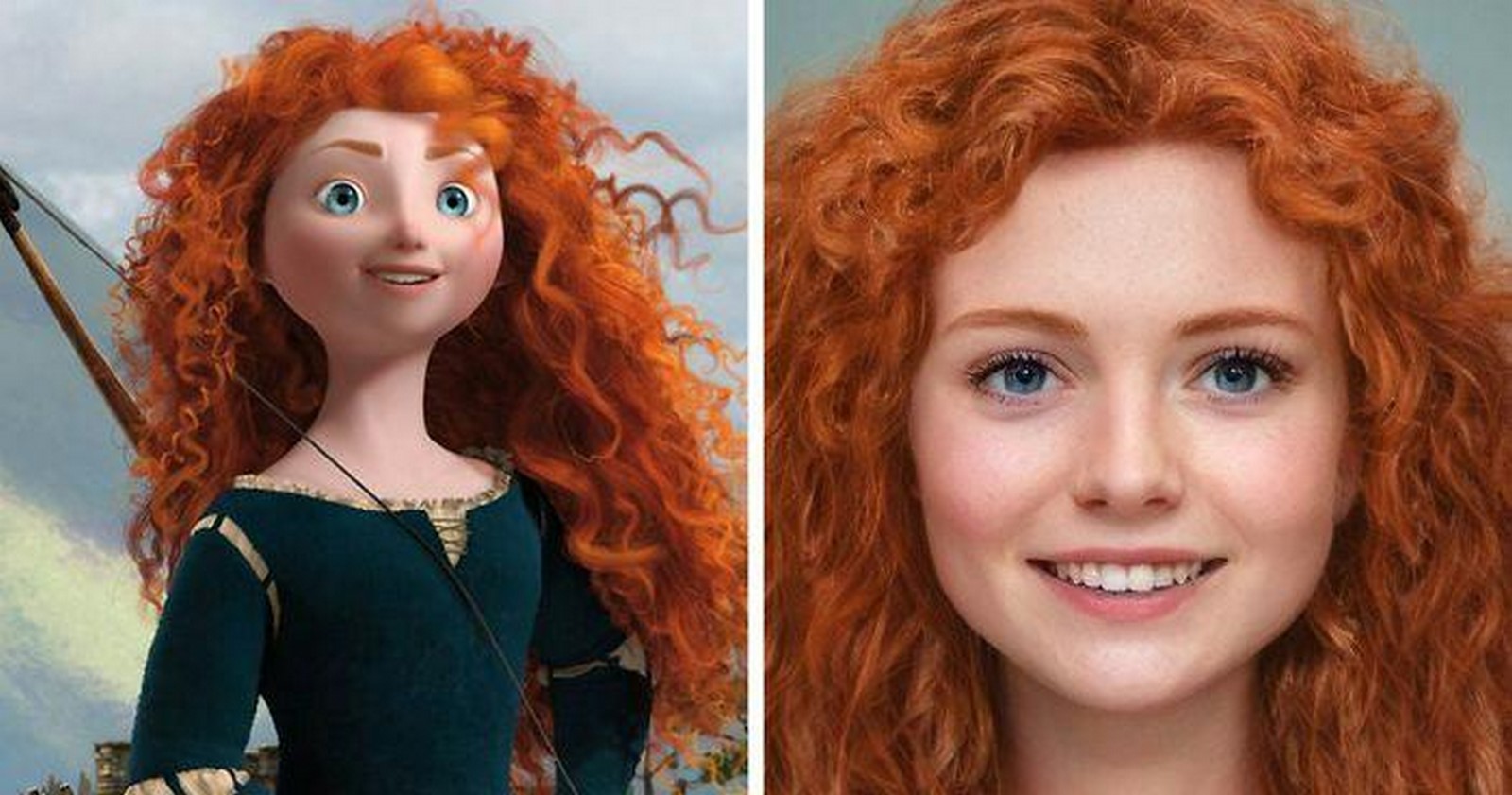
The distinction between creator and curator is also blurred by AI art. In the conventional art world, curators choose the works for exhibitions by their knowledge and aesthetic preferences. In the world of artificial intelligence (AI) created art, curators act as filters for algorithms, choosing and arranging the products of the machines to produce coherent shows. This change from creating individual works of art to assembling collections of AI-generated works emphasizes the changing contributions of creators, curators, and even viewers to the development of the art world.
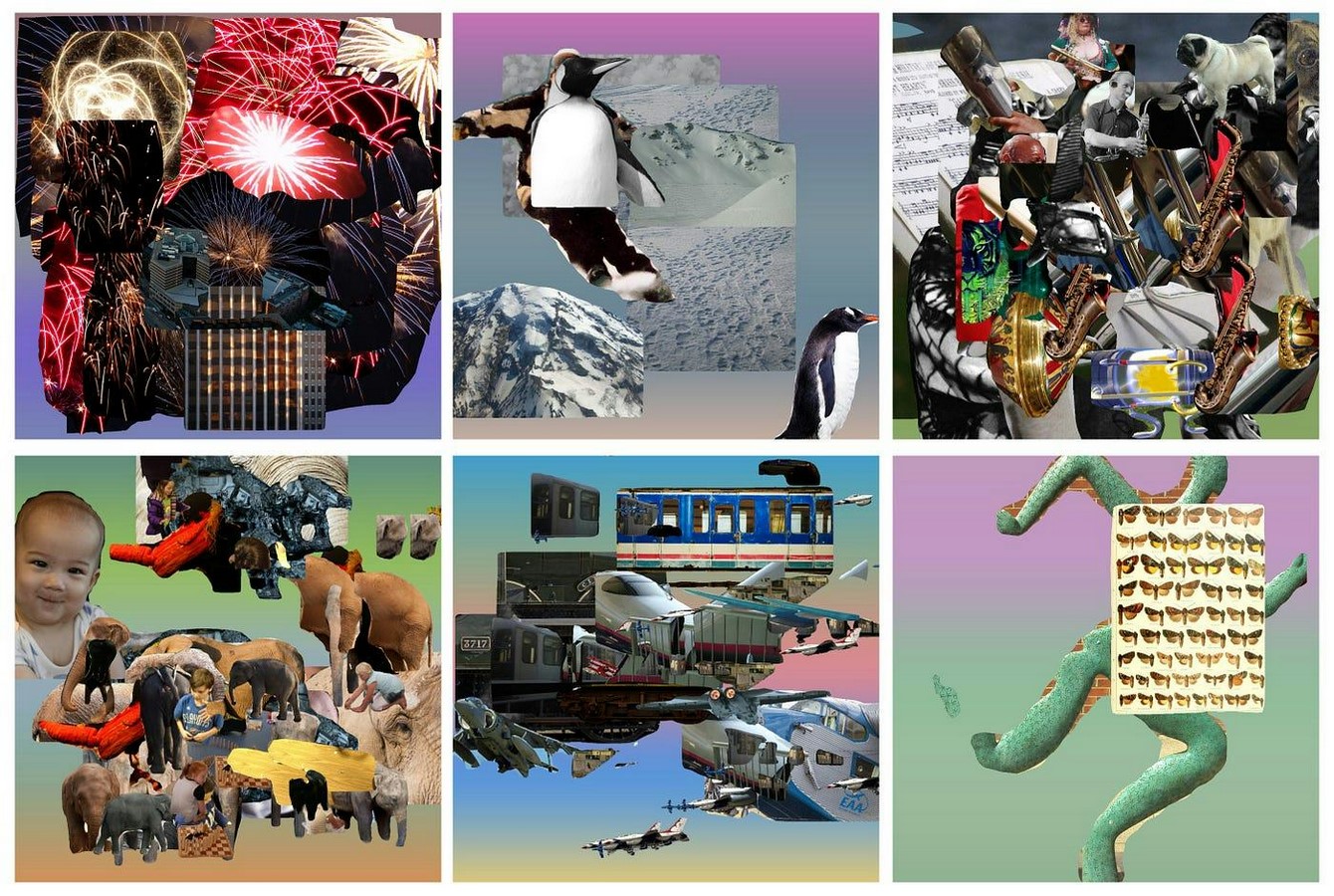
When talking about AI art, ethical problems also come into play. AI-generated art is created using algorithms that learn from pre-existing information, which may be biased and promote prevailing artistic norms. This prompts worries about the maintenance of injustices and the restriction of variety in creative depiction. By pushing the algorithms to create art that deviates from established norms, creators and developers may actively endeavor to ensure that AI-generated art reflects a wide range of viewpoints.
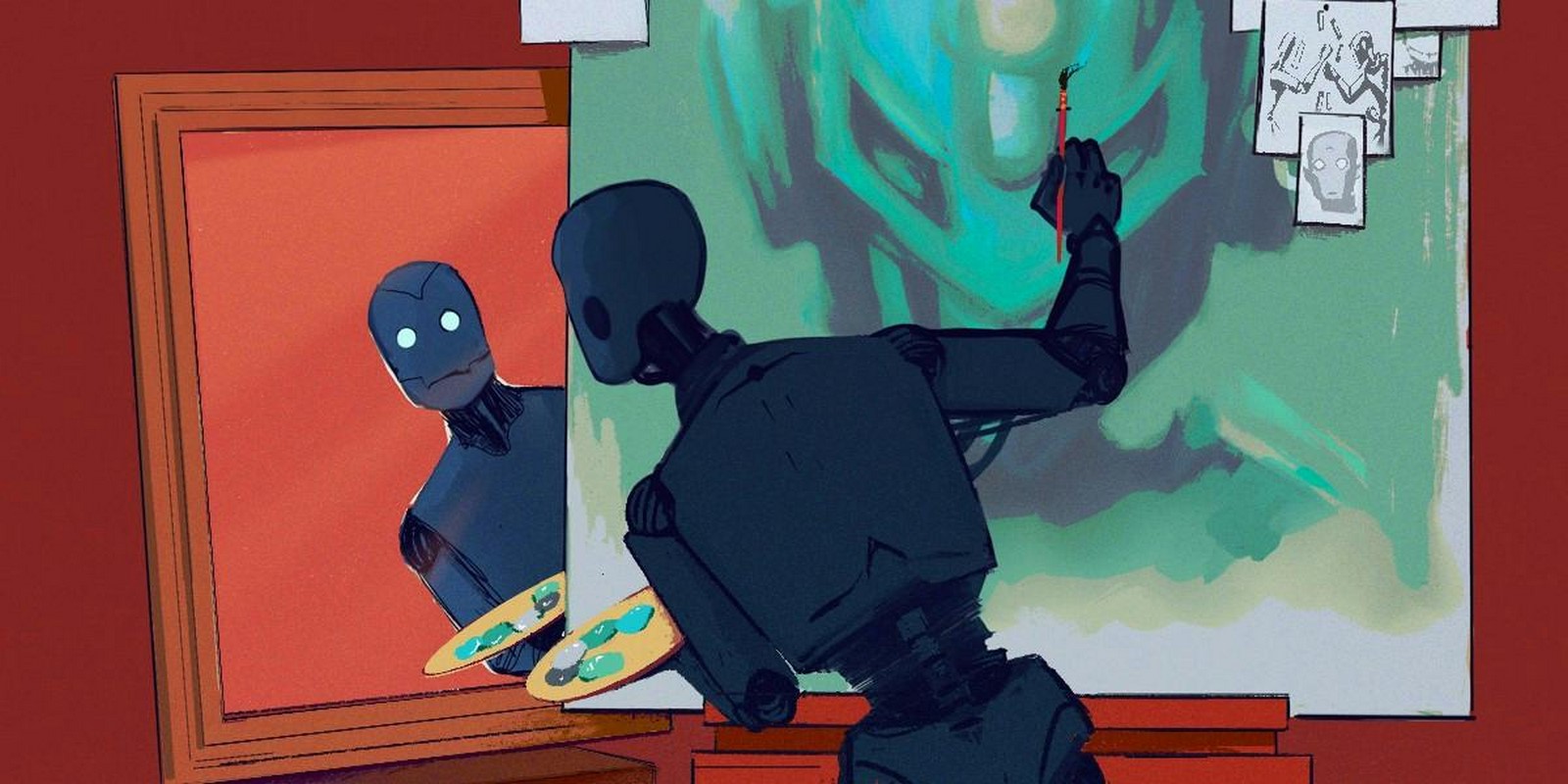
In conclusion, the development of AI in the field of art is evidence of how human creativity and technological innovation are inextricably linked. In the history of artistic expression, AI algorithms have opened a new chapter that challenges conventional wisdom and advances our understanding of creativity. The distinction between creator and curator is muddled by this association of human and automated artists, which also calls into question conventional ideas of authenticity and the very nature of art. It will be fascinating to see how this blend of human and machine innovation influences the art world of the future as AI develops.