Defining Play
The present definition of play indicates it as any recreational or leisure activity meant for enjoyment, fun, and often as a form of entertainment. Play activities are typically voluntary and may require physical, mental, or social interaction and engagement. These activities can vary widely in nature and include sports, games, creative play, outdoor adventures, board games, other indoor activities, roleplaying, and other social forms of engagement. These are important for various reasons. These promote physical fitness, enhance cognitive skills, foster creativity, and build social connections. It is known to help improve productivity. Yet it is constantly thought of as a distraction due to the capitalist nature of our world. It is seen as the antithesis of efficiency. Due to its connection with its spontaneous nature and a break from routine, it is a crucial part of human development. Over the years, the changes in urban settings have led to a diminished quality of play. So much so, there are specialists and professional psychologists dedicating years of study to understanding the importance of play and its role in human development.
Play According to Specialists
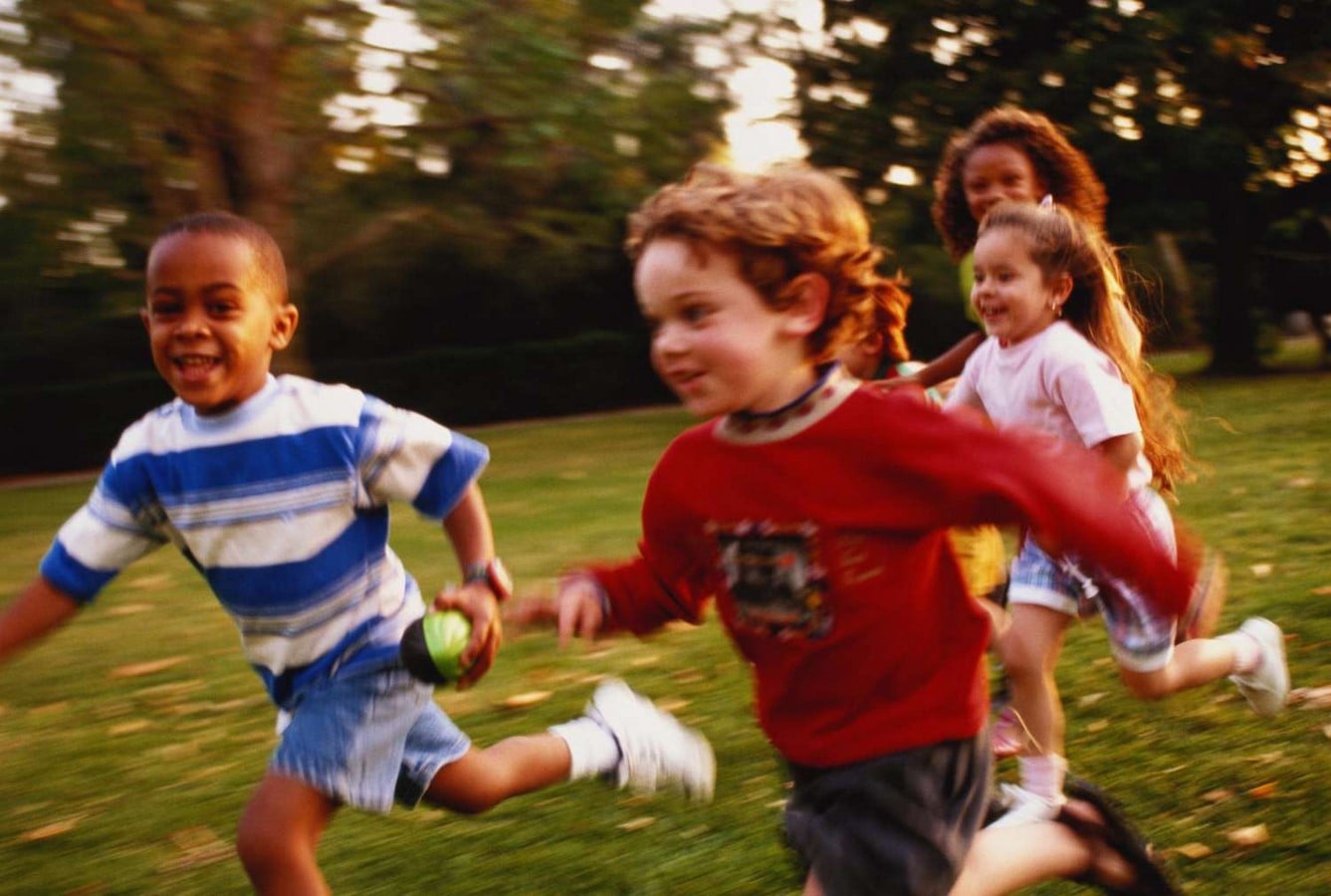
According to various play specialists, play in itself is an immensely complex concept. Thus, various theorists and psychologists in the field define it in different ways. According to Jean Piaget, a well-known developmental psychologist, play is not just for children’s entertainment but also for their way of understanding the world around them. They explore their environments and understand social cues in this manner. Lev Vygotsky, in his research, feels that play is a social activity imperative for cognitive development. He also states that it helps children develop imagination and symbolic thinking, which eventually helps them in abstract processes. Play specialist Sandra Russ, for example, emphasizes the emotional and social development aspect of play. These activities are “intrinsically motivated, freely chosen, and pleasurable.” The National Institute of Play founder, Stuart Brown says, “Anything that provides joy, brings a sense of engagement, and is done for its own sake.” This definition helps expand play as age-inclusive and irrespective of bias or prejudice. According to psychologist and flow expert Mihaly Csikszentmihalyi, play activity allows for complete immersion, such that the person experiences flow. The person does not realize how quickly the play time passes as they are heavily involved in the play. One thus notices how the current urban setting is devoid of instances where these definitions can come true.
Current Playscapes
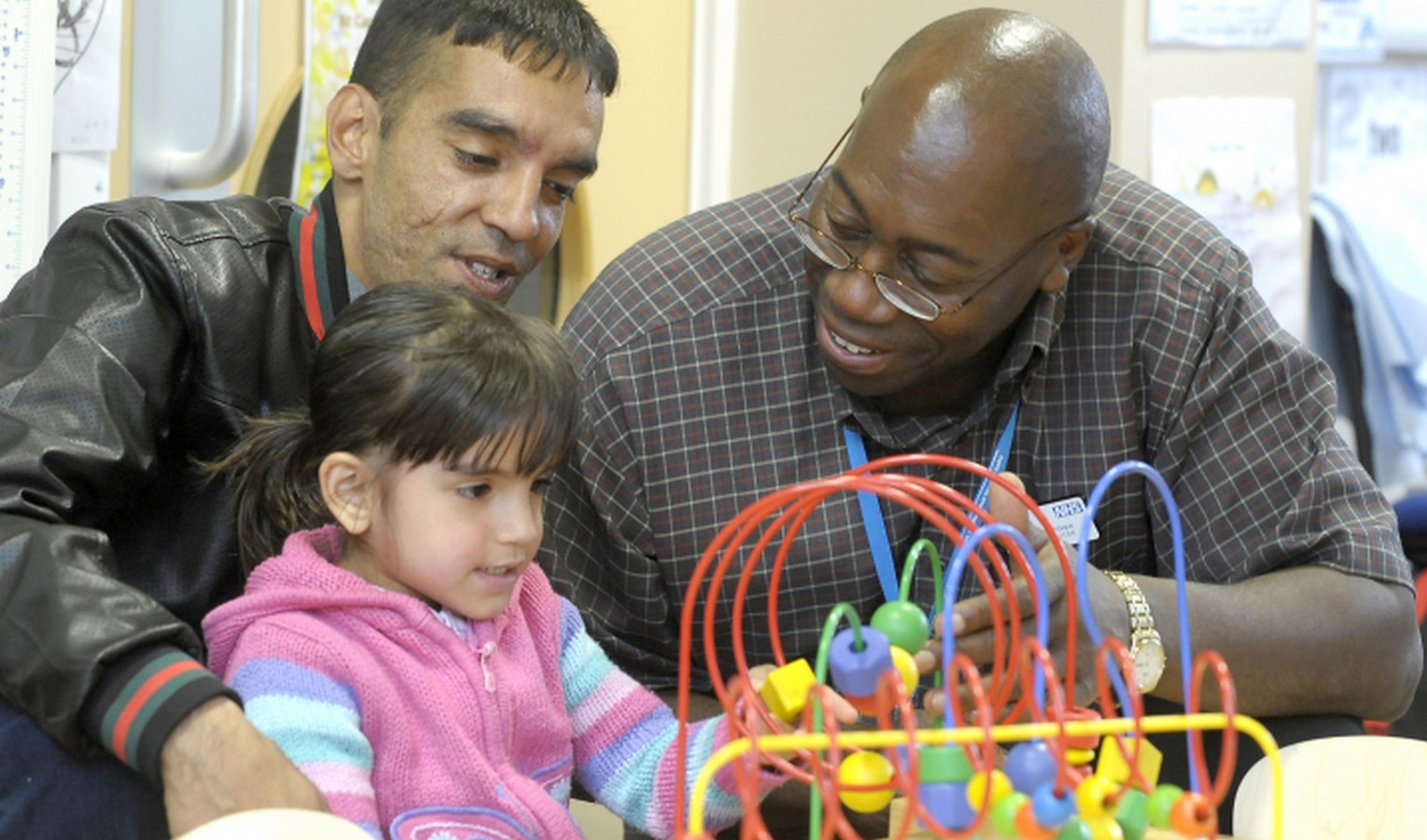
Technically, playscapes are areas that are designed, specifically for play interaction, often in an outdoor setting. While walking through the urban setting, one might come across various parks and gardens. These are places that offer barren space, some seating arrangements, and a jungle gym. The tripartite system for a “successful” play area that has been “designed” for children. Truthfully, the turning of play into product and commodity-based activity has resulted in this pick-and-drop logic of designing play spaces. The current scenario for such spaces is to cater to children. Once in a while, one might come across a public space that caters to multiple demographics and is truly enjoyable to be in. According to the Observer Research Foundation Mumbai survey, most people feel the current playgrounds and parks are poorly maintained. Be it in terms of, broken equipment, faded paint, dirty surfaces, or littering and overgrowth. Most parks only cater to the physically abled. Anyone who requires special needs is left on the sidewalk, metaphorically and literally. Even if the park provides swings and slides, none of them have attachments or contraptions for those who find it difficult to use the regular sets due to their disability.
What Playscapes Should Be Like
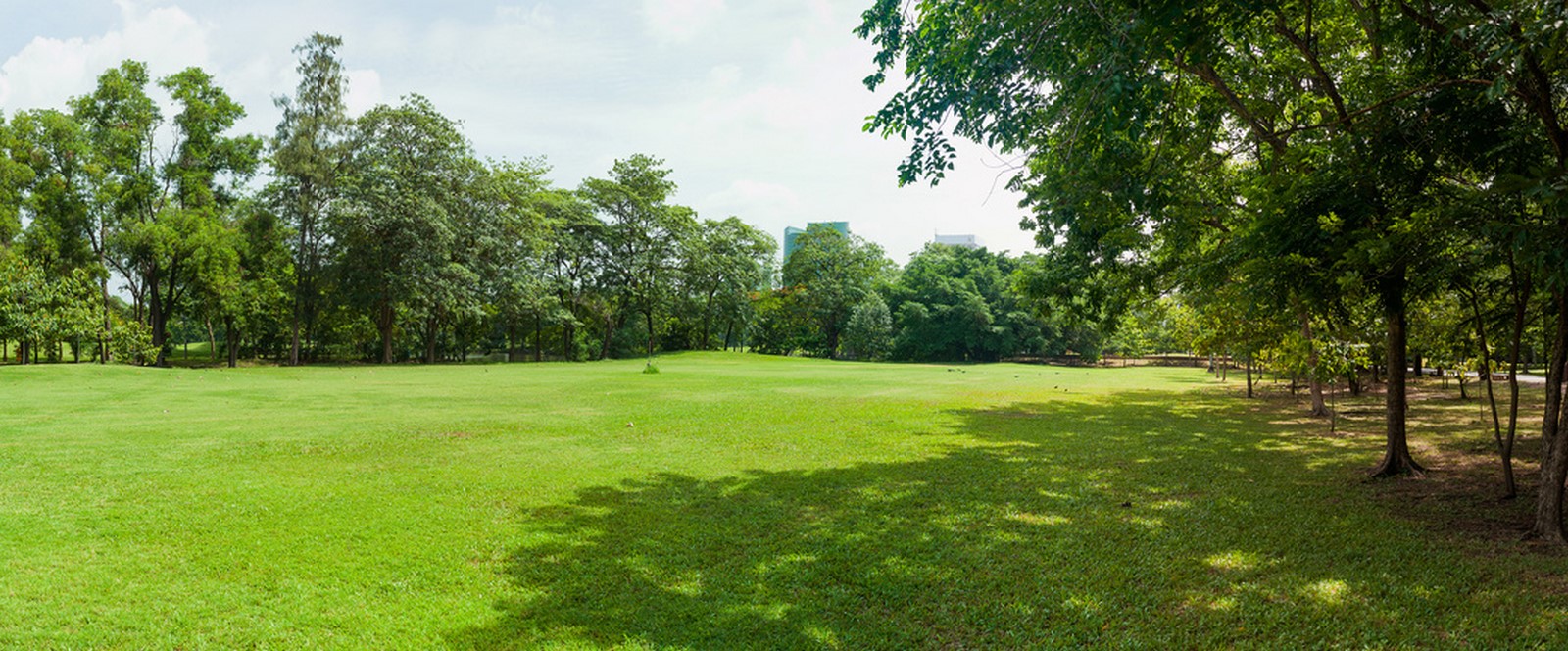
Playscapes are meant to be such that they provide a holistic sensory experience. It is supposed to provide varied play opportunities and means to interact in a social context. Not only for children but for all age groups. Use various natural and artificial elements to create safe terrain differences. By using visual cues of color and texture to create different areas for different types of play, one can design thresholds that also involve some form of play. One might refute this by stating the lack of space for playscapes in urban settings. But the truth is, each playscape needs to be considered as an essential intervention. An intervention needs to be done with the help of the community around. By providing ramps and alternatives for disabled users, one can make playscapes truly inclusive. One might divide these playscapes by age groups too. There need to be separate amenities provided for caregivers to relax as well. Including natural grass that is well-maintained and water features help awaken the space at all times. By not providing walls and fencing that visually block off the play space, one can make it welcoming and open to be used by all, whenever they feel like it.
Playable Playscapes
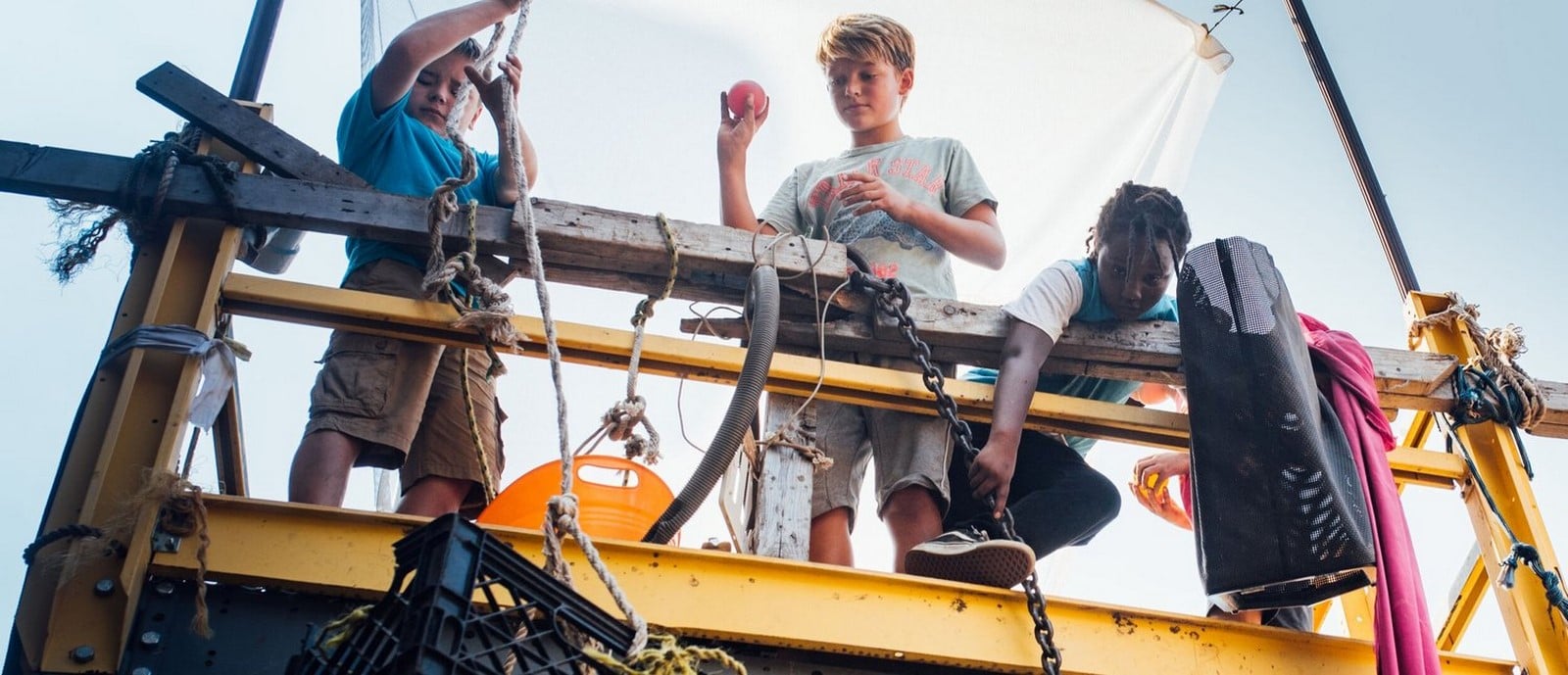
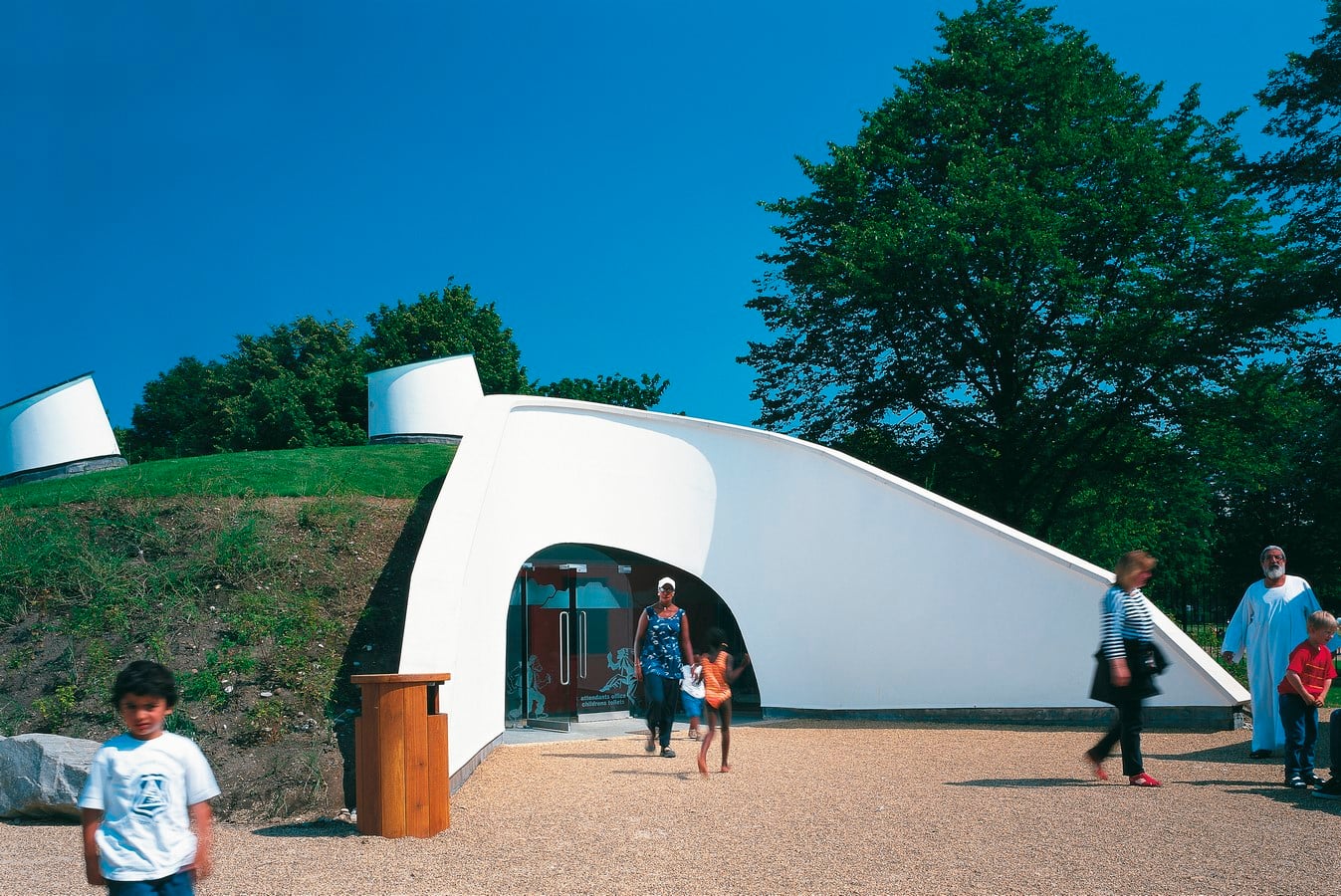
The Yard Playground, known as Chicago’s Children’s Museum, is known for its dynamic setup. The temporal nature of their playscapes allows for them to change over time, use, and users. This means that children can revisit The Yard and feel they are experiencing the playscape for the first time. One can explore through artistic mediums by participating in art projects, which is a great way to trigger abstract thinking. The playscape is designed for inclusivity. It is often used by children with physical or sensory disabilities. Children get the opportunity to play with different materials, textures, and heights. This helps in achieving a holistic explorative experience. The Diana Princess of Wales Memorial Playground in the UK is centered around the theme of Peter Pan. This helps people right away becoming part of the active storytelling. It includes sand pits and tree houses of various kinds. Children thus, are constantly engaged with natural elements. It has successfully become a picnic point as it is designed to cater to families. This allows for all demographics to participate in interactions of various kinds.
Citations
Senda, M. (2015) ‘Safety in public spaces for children’s play and learning’, IATSS Research, 38(2), pp. 103–115. doi:10.1016/j.iatssr.2015.02.001.
Frost, J.L. (2010) A history of children’s play and play environments: Toward a contemporary child-saving movement. A history of children’s play and play en, New York: Routledge.
Kirtane, G. (2018) Endangered Future of Mumbai’s open spaces, Scribd. Available at: https://www.scribd.com/document/368379651/Endangered-Future-of-Mumbai-s-Open-Spaces# (Accessed: 18 September 2023).