Introduction
Africa’s innovative past is a vibrant tapestry woven from millennia of varied cultures and civilizations. Traditional African art, a cornerstone of this history, has tremendous historical significance and continues to shape modern-day design trends and aesthetics. This analysis thoroughly examines traditional African art’s historical background, creative features, and immense influence on contemporary design.In today’s globalized world, traditional African art continues to inspire and influence modern design practices. Contemporary artists, designers, and architects draw inspiration from the bold patterns, abstract forms, and organic textures found in traditional African art. This fusion of heritage and innovation is evident in various design elements, such as fashion, interior decor, and even technological interfaces, where echoes of Africa’s artistic legacy can be seen and appreciated.
Historical Significance of Traditional African Art
Traditional African art is ingrained in the continent’s cultural, social, and non-secular material. From the intricate sculptures of the Benin Kingdom to the expressive masks of West Africa and the rich fabrics of East Africa, these works of art have acted as conduits for cultural transmission and communal identification. The artwork was not just ornamental, but had intrinsic value and was often used in rituals and ceremonies. It represented societal hierarchies, myths, and tales, and allowed for communication with ancestors and spirits. Traditional African artwork’s historical setting emphasizes its significance as a reservoir of communal remembrance and a testament to the creativity of previous generations.

Artistic Elements of Traditional African Art
Traditional African art’s innovative components are a monument to the exceptional ability and unlimited inventiveness displayed by African artists. These components go beyond basic aesthetics, acting as windows into the complicated fabric of beliefs and aspirations that is woven throughout many societies. Sculptural expertise is a fundamental cornerstone, comprising a range of works from vast monumental sculptures to intricate miniatures. These sculptures effortlessly embrace ideas of splendour, energy, and spirituality, frequently leveraging the power of abstraction to impart a long-lasting, eternal first-rate. The expressive mask, which is important to many African traditions, transforms into active conduits, flawlessly integrating creativity and capability. These masks, with their purposefully exaggerated abilities, have the remarkable potential to arouse certain sensations or summon significant beings, allowing wearers to assume the roles of spirits, ancestors, or legendary entities all through rites, ceremonies, and performances.
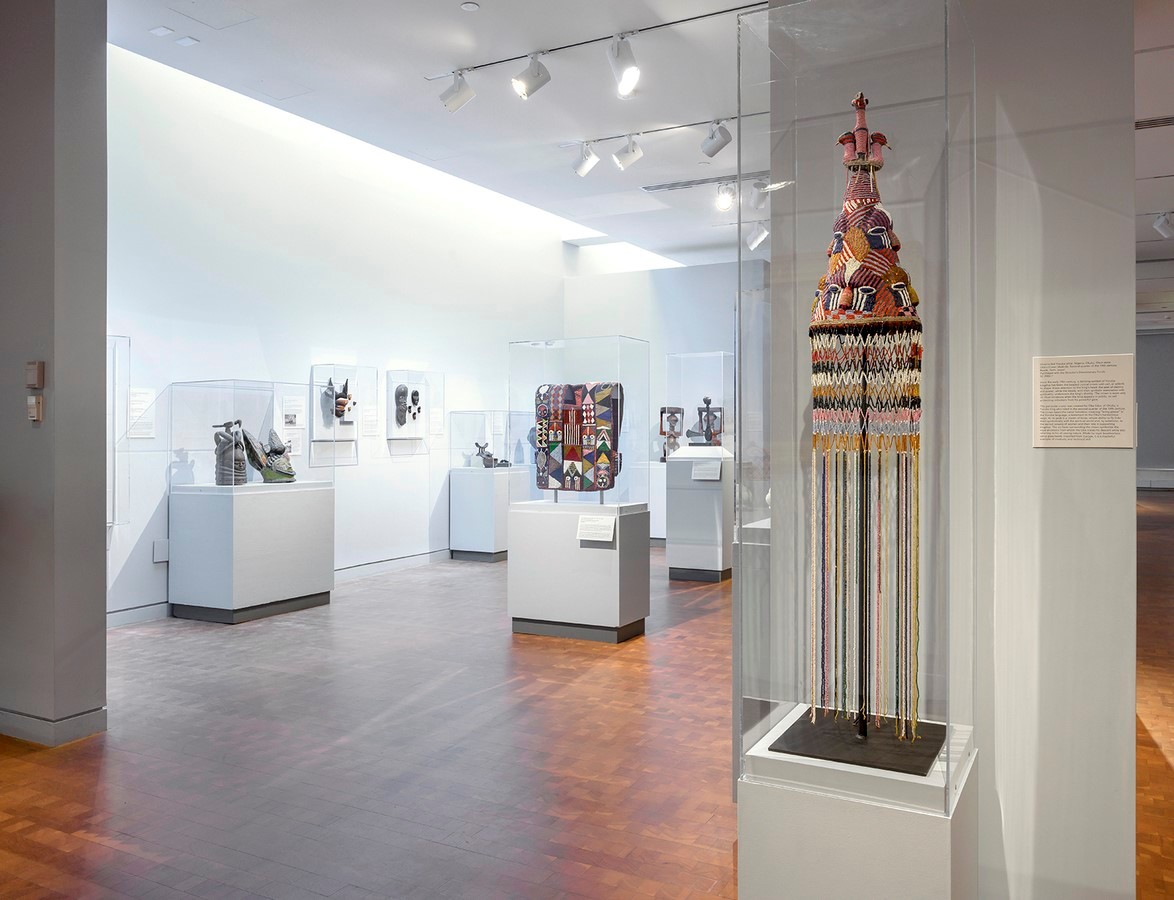
A diverse range of techniques including weaving, dyeing, embroidery, and beading reveal a rich subculture of traditional African textiles. Beyond their practical use, these fabrics transform into badges of identification, identifiers of wealth, and symbols of societal positions. The challenging combination of geometric patterns and motifs indicates a cultural storehouse, with these aesthetic aspects being passed down through generations as conduits of the historical past. Each aspect of traditional African art is underpinned by a profound experience of symbolism, containing a mosaic of cultural, spiritual, and social notions. Patterns, colors, and themes intertwine in a complex symphony of meaning, decipherable only inside the dense web of the respective life’s environment. Animals, nature, and ancestral tributes blend inside those creative articulations, filling the artwork with layers of significance that resound across time, each layer contributing to a tale that speaks to the core of human delight.
Influence on Modern Design Trends and Aesthetics
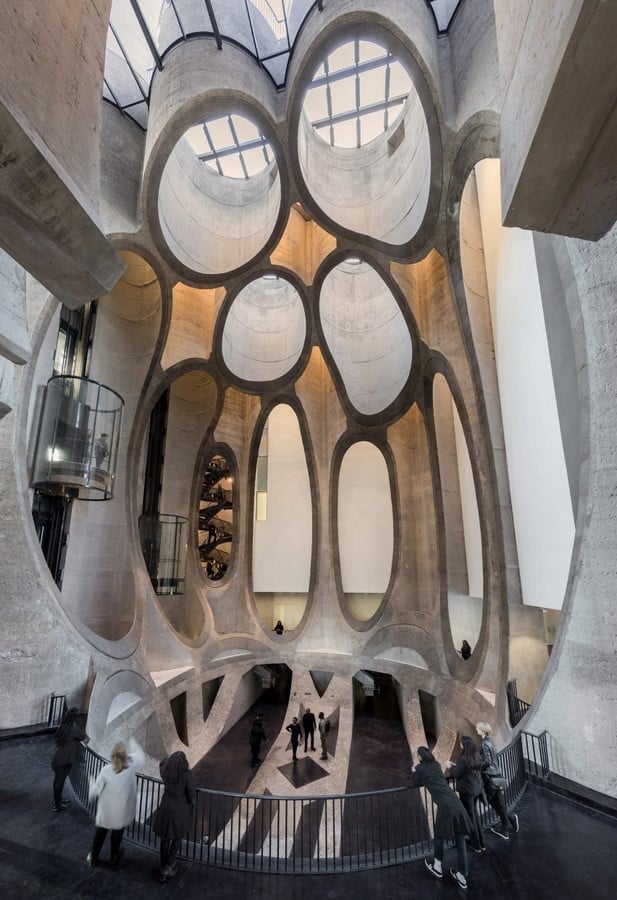
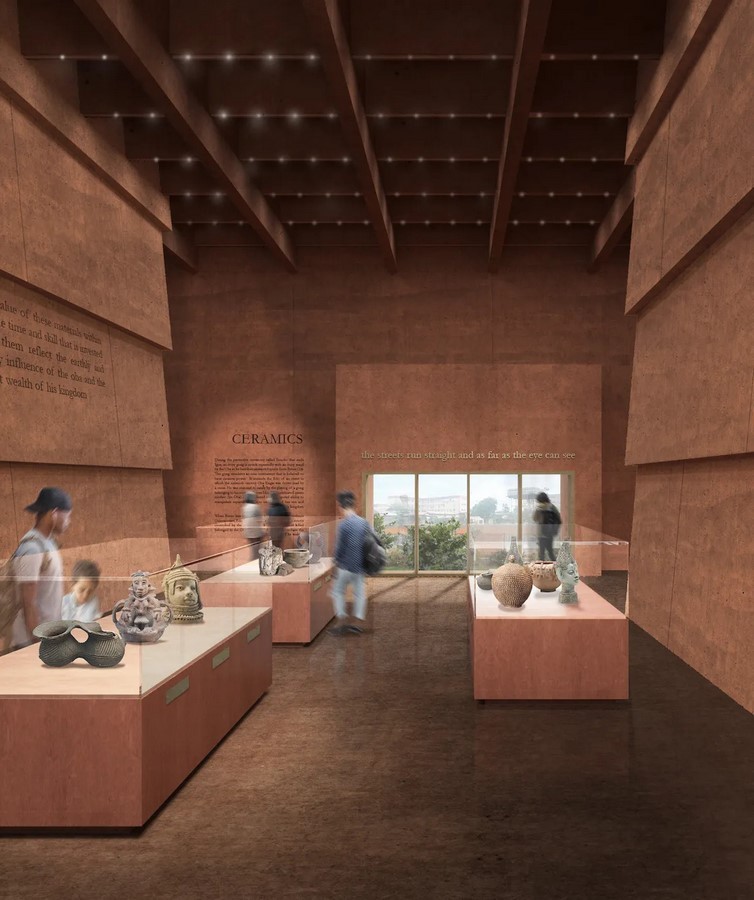
The allure of traditional African art transcends geographical boundaries, igniting the creative imaginations of modern designers all around the world. Its powerful impact reverberates across a slew of cutting-edge design domain names, revealing their core with echoes of old creativity. In the field of architectural wonders, contemporary architects are becoming interested in the source of African architectural standards, incorporating them into the very fabric of their works. They blend organic shapes, incorporate natural materials, and support ecological practices with a subtle touch, evoking the spirit of traditional African spatial design. This perfect union of architectural vision with nature produces places that cohabit smoothly, fostering harmony between human habitation and the herbal globe.

In the world of fashion, an intricate ballet of cultural fusion is taking place. Designers of many backgrounds weave African materials, motifs, and forms into the tapestry of modern fashion. This rich tapestry serves as a channel for cross-cultural exchanges, reflecting the variety of human history while establishing forward-thinking paths. Traditions are revered as a result of this inventive interplay, and the frontiers of innovation are pushed ever further out. A confluence of civilizations arises within the sphere of domestic beauty. The inclusion of African art motifs pours life into interior design, creating a visual tapestry woven with ethnic strands. Earthy colors, tribal patterns, and handcrafted craftsmanship come together to evoke a profound feeling of reference to the beyond, all while embracing the prevalent modern-day attitude.
Conclusion
Traditional African art has had a significant effect on cutting-edge layouts. Some of the most popular methods include the use of awesome colors and strong styles, as well as using natural substances. By recognizing the African lifestyle, we benefit from a better knowledge of mankind, shared customs, and traditional artwork paperwork. We could have the most ingenious designs in the commercial enterprise if we draw ideas from all of the ancient traditions and art paperwork.
References:
- Authors: Denise Murrell (1AD) African influences in modern art. Available at: https://www.metmuseum.org/toah/hd/aima/hd_aima.htm
- Picton, J. et al. (2002) African art | History, Characteristics, Types, Paintings, Sculptures, & Facts. Available at: https://www.britannica.com/art/African-art
- Joy, O.M. (2023) “African Art Legacy: How traditional art has influenced modern art — DOLAPO OBAT,” DOLAPO OBAT [Preprint]. Available at: https://www.dolapoobat.com/blog/african-art-legacy-how-traditional-art-has-influenced-modern-art