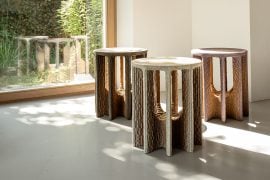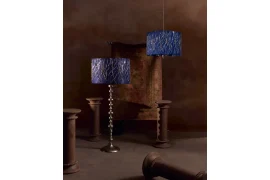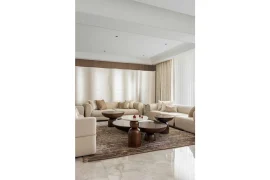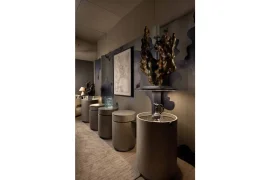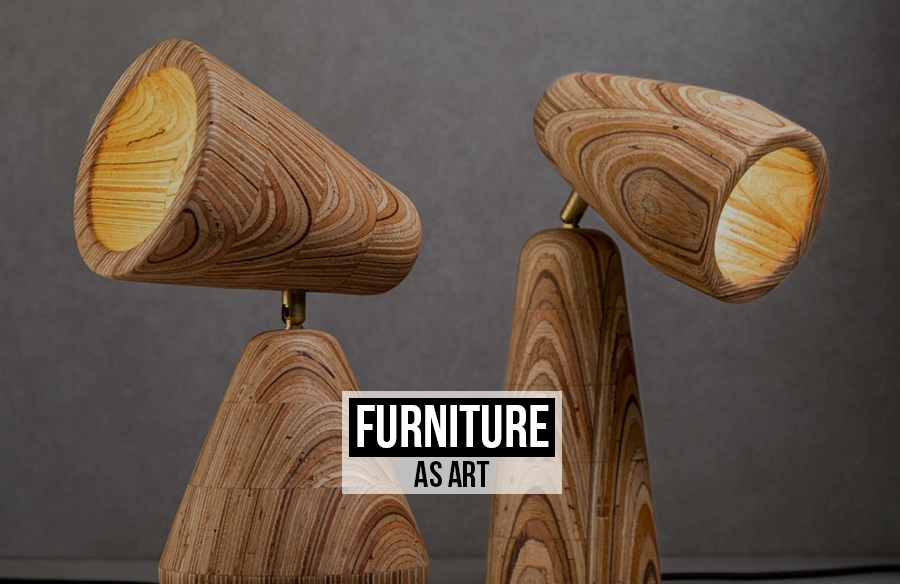
Since the beginning of time, furniture has been an indispensable component of human life, and it has never failed to embellish and improve the quality of our living spaces. The term “furniture” refers to various pieces of equipment that are designed and manufactured with the intention of rendering a person’s living area more amenable to activities such as working or living. Historiographers are of the opinion that it was already a component of human society by the year 3100 B.C. In recent years, emphasis has shifted away from their functional usage and toward the ornamental component of furniture, which has led to an increase in this trend. And a great number of creative individuals have attempted their hand at this age-old craft. From ancient civilisation to the modern era, from artists to architects, everyone is exploring the realm of furniture design.
Ancient Times: Function meets Symbolism
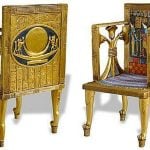
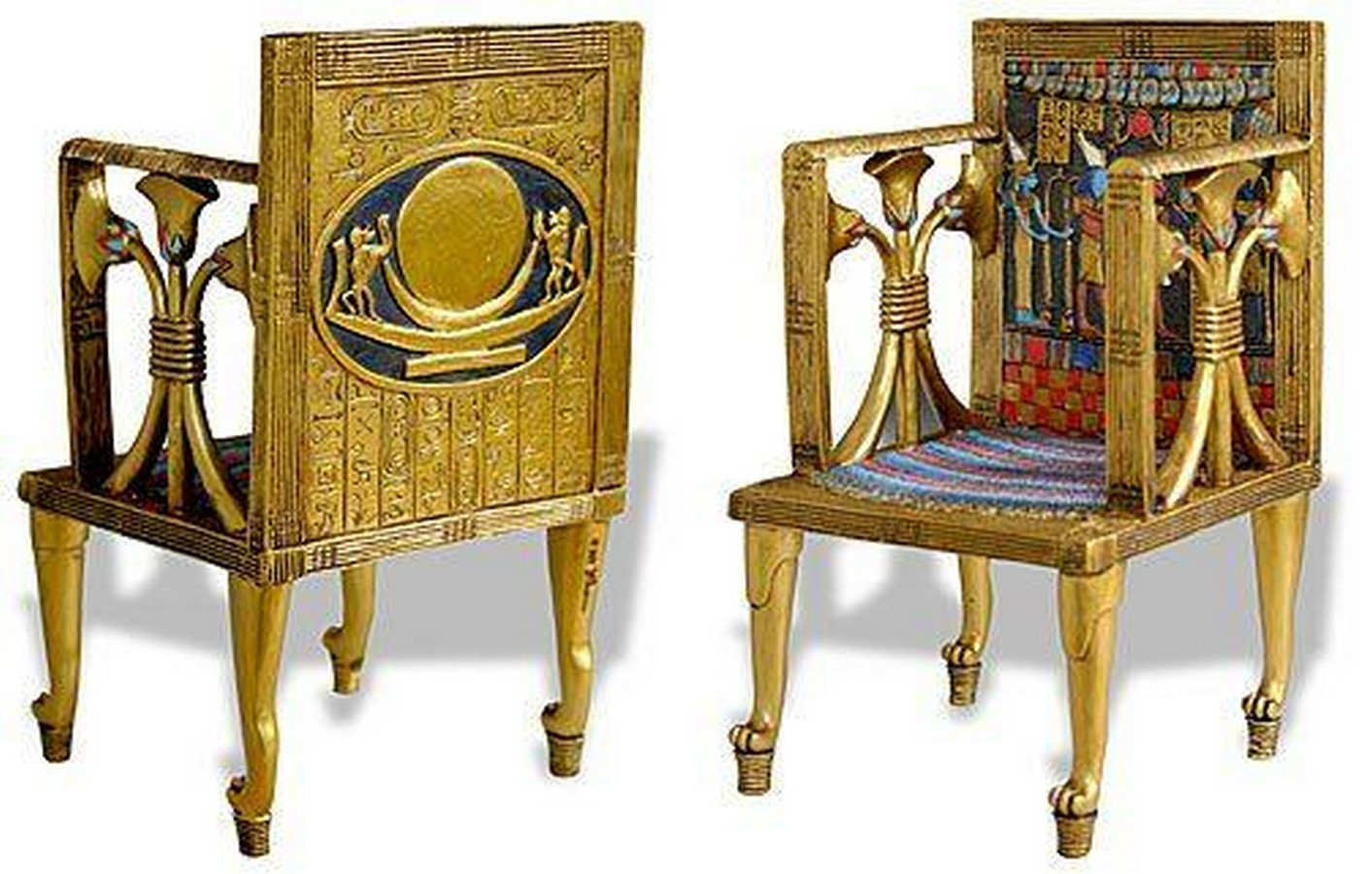
Egypt‘s hyper-arid climate since the third millennium BC has facilitated the exceptional preservation of organic material. Ancient Egyptian furniture has been found at different excavation sites, showcasing a range of items such as beds from the 3rd millennium BC at Tarkhan, a gilded bed dating back to 2550 BC, chairs from the tomb of Queen Hetepheres, and various boxes, beds, and chairs from Thebes. The excavated furniture can be categorized into two distinct types: the elaborate gold gilded ornate furniture discovered in the tombs of the Pharaohs, and the modest chairs, tables, and baskets used by ordinary Egyptians.
Medieval and Renaissance: Gothic Grandeur to Renaissance Revival
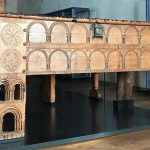
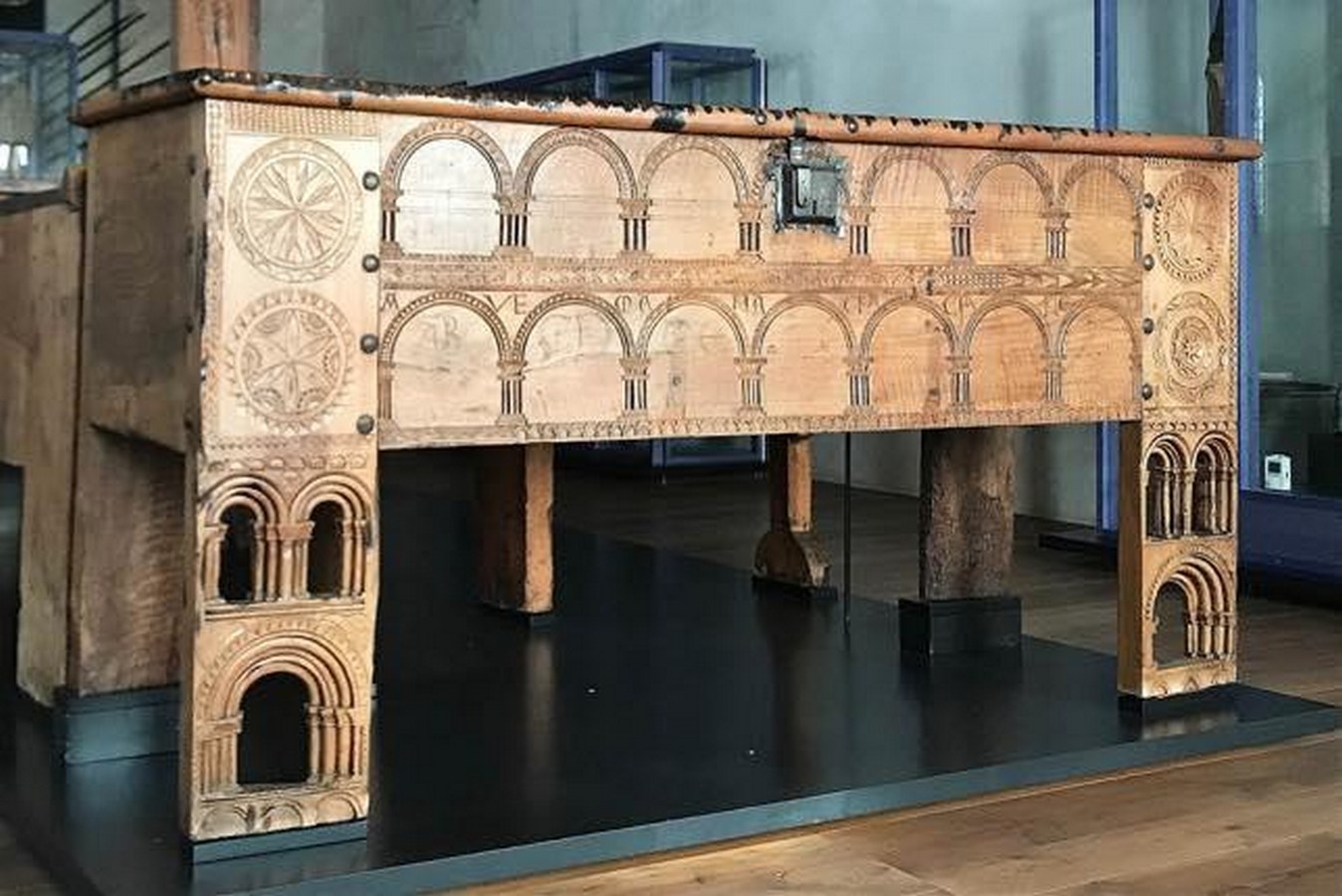
The Gothic architectural style emerged throughout the Middle Ages, and it was also influential in the design of furniture during that time. Cathedrals and castles were furnished with seats and tables made of elaborately carved wood, which reflected the opulence and religious devotion of the historical period. At the beginning of the Renaissance period, furniture took on a more humanistic attitude, borrowing inspiration from classical antiquity. This trend continued throughout the Renaissance. The designs of craftsmen such as Michelangelo and Leonardo da Vinci had an impact on the development of furniture, which led to the resurgence of classical patterns and shapes.
Baroque and Rococo Period: Extravagance and Ornamentation
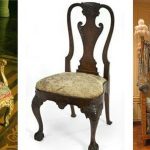
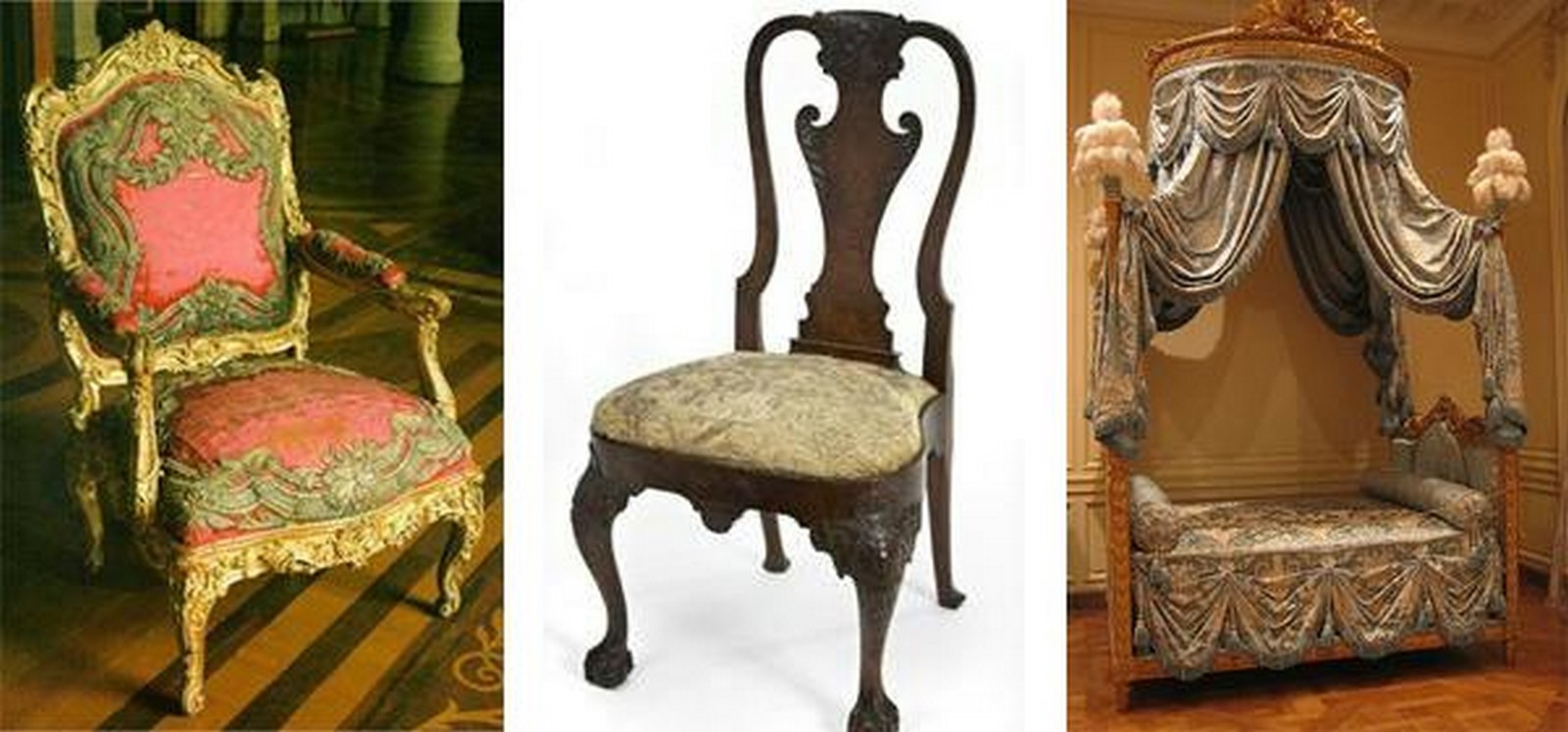
Throughout the Baroque and Rococo eras, furniture reflected opulence and extravagance. Rich materials, such as gilded wood and opulent fabrics, were utilized in the construction of baroque furniture. In contrast, the French Rococo style adopted asymmetries, lightness, and playful ornamentation. The Chateau de Versailles exemplifies the artistry and craftsmanship of the Rococo period with its magnificent Rococo furnishings.
Art Nouveau: Nature as Inspiration
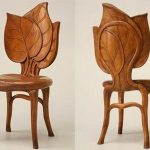
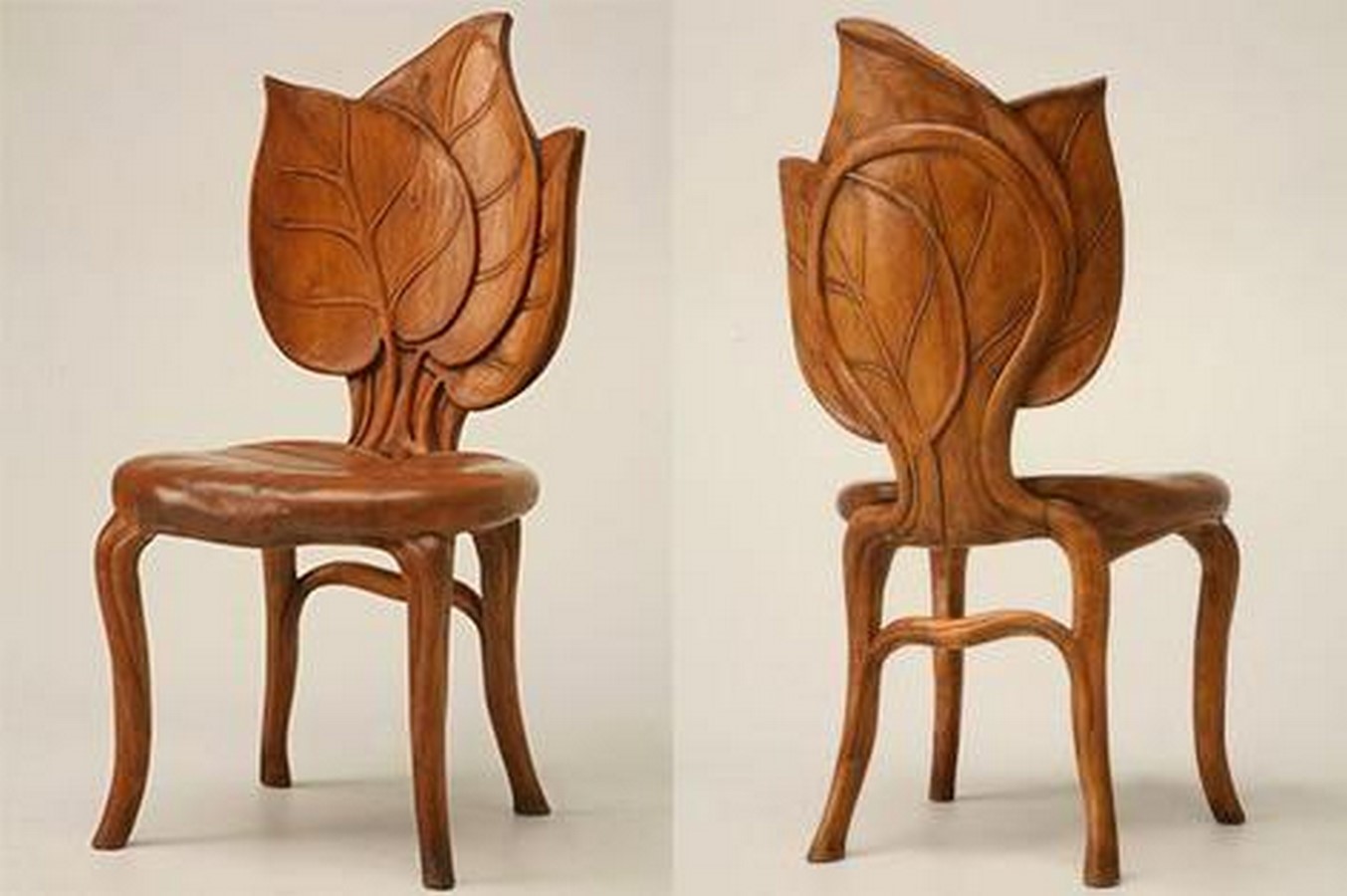
In the era of industrialization and mass production, there was a desire among artists to produce Art Nouveau pieces of artistic quality. This style of art was to display art for ordinary life. Furniture from this period focused on intricate details, curves, flowing lines, innovative material, and floral motifs. Some renowned Art Nouveau artists, including Charles Rennie, Hector Guimard of France, and Mackintosh of Scotland, have worked in multiple design fields. Art Nouveau influenced the creation of furnishings, lamps, and other household objects. René Lalique, the famous French artist and designer, incorporated glass elements into furniture pieces, producing exquisite and unique works of art that celebrated nature’s beauty.
Art Nouveau did not diminish the value of other artistic styles. One of the reasons for this was the high cost and high level of expertise required to create this art form. The intricate curves and turns on the artefacts had to be created by hand. This certainly was a complex task. When such furniture or pieces were created with such expertise and labour, the price was bound to be higher than usual.
Modernism: Where form follows function
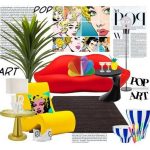
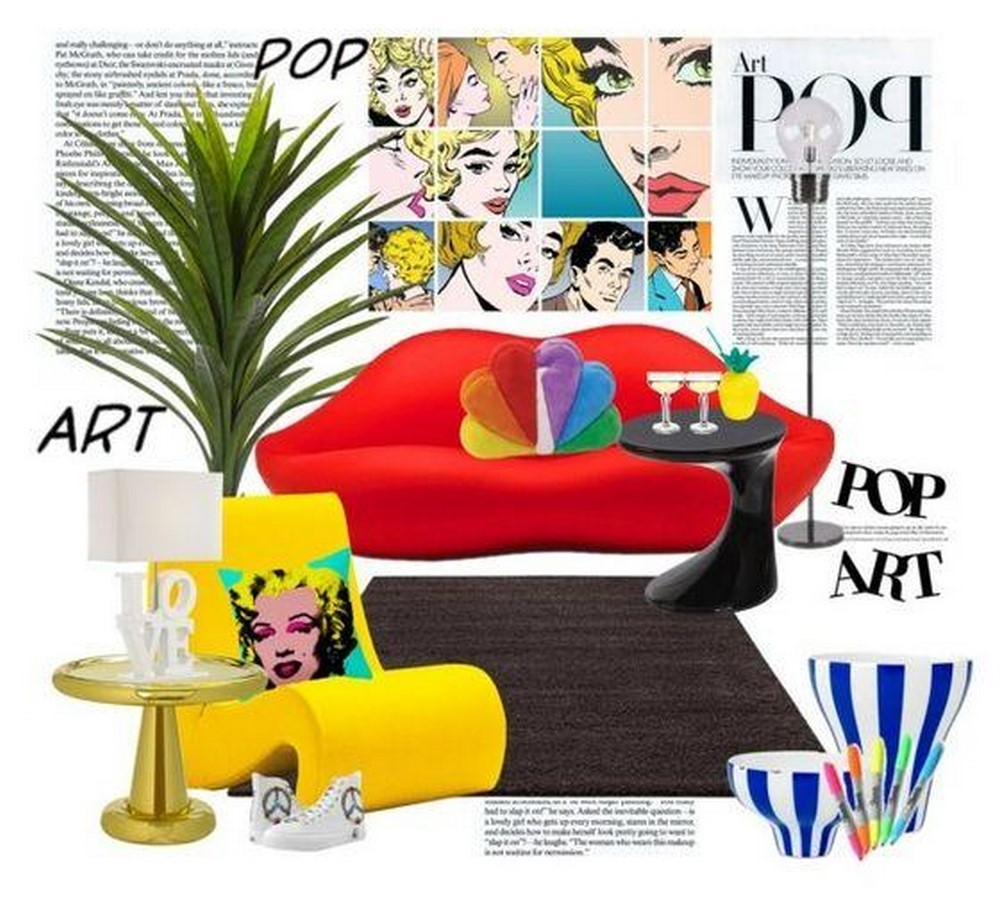
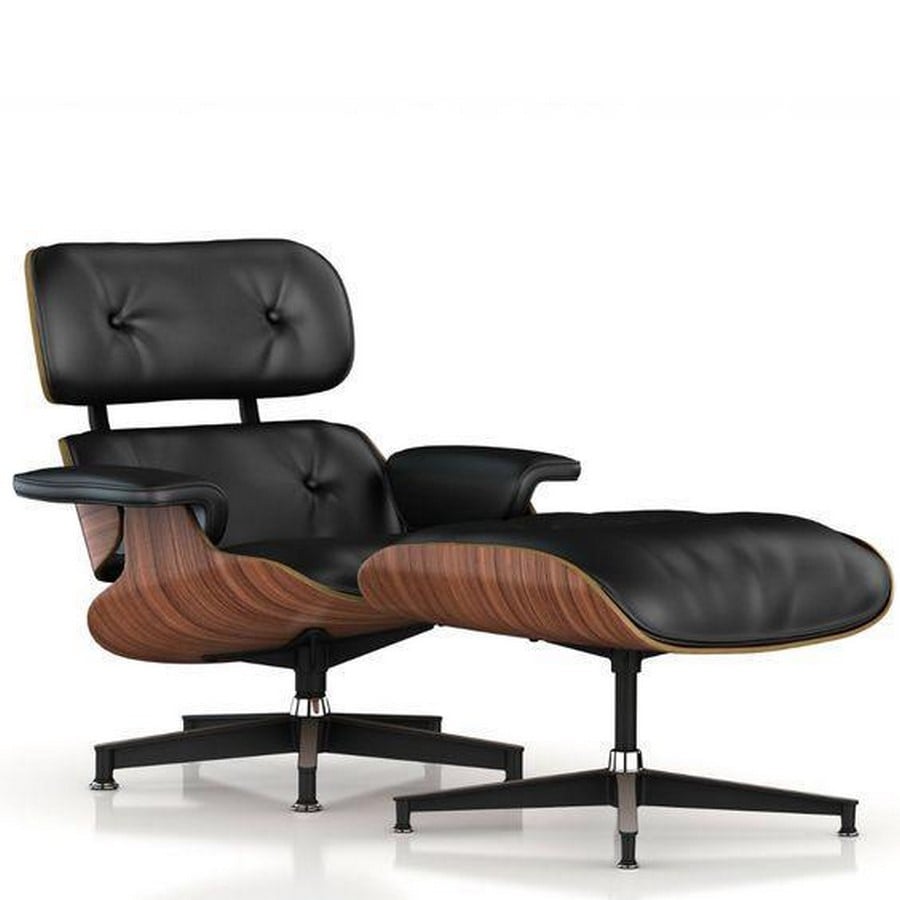
The first three-quarters of the twentieth century are frequently viewed as the Modernist advance. Art Deco, De Stijl, Bauhaus, Wiener Werkstatte, and Vienna Secession artists all contributed to the Modernist style. Postmodern design, which intersected with the Pop art movement, acquired momentum in the 1960s and ’70s and was promoted in the 1980s by groups such as the Memphis movement based in Italy. Transitional furniture is meant to bridge the gap between traditional and contemporary styles.
The iconic Eames Lounge Chair and Barcelona Chair exemplify the modernist approach—sleek, functional, and timeless.
Fusion of Furniture and Art
Several 20th-century artists explored furniture as an integral component of their artistic body of work. The fusion of art and furniture design is evident in these creations, which successfully combine practicality with a distinctive style.
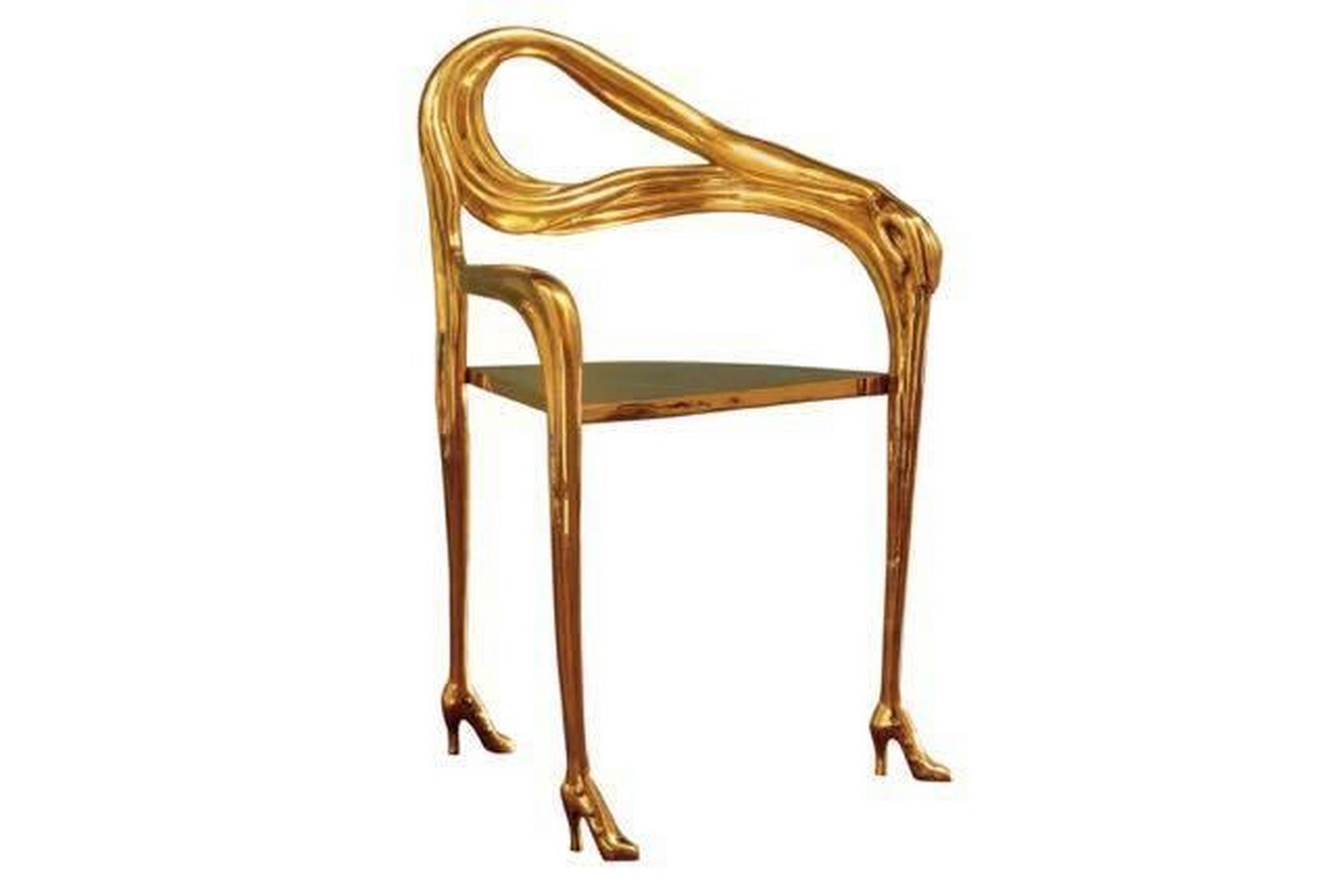
Surreal Dali
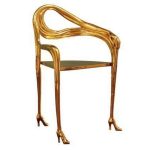
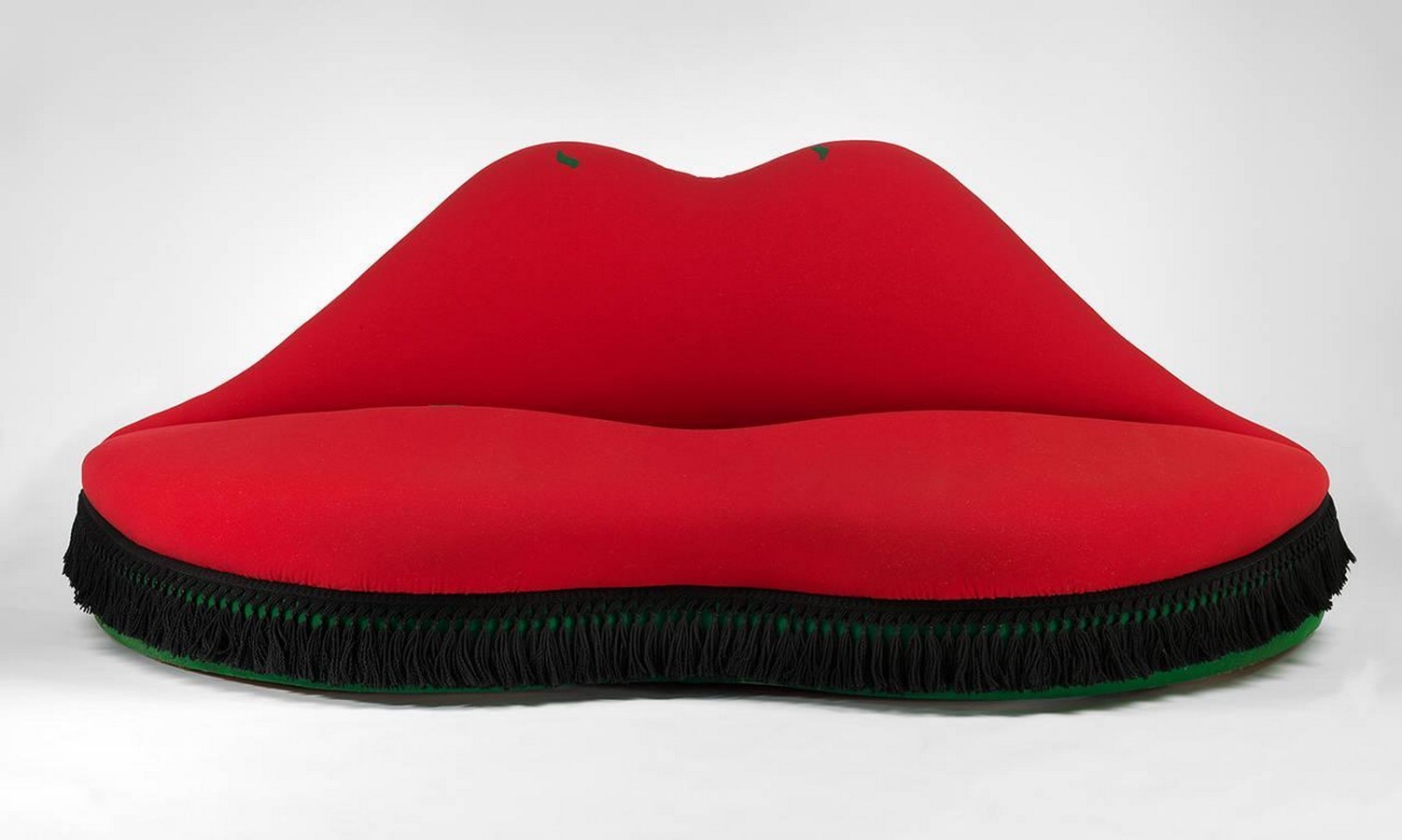
Dalí was a highly renowned artist during his era. Throughout his artistic career, the surrealist artist Salvador Dalí created a diverse range of artistic works, including prints, paintings, sculptures, and even furniture, which remains relatively unknown to the general public. The Mae West Lips Sofa, among other designs, has gained significant popularity and has been replicated by various mainstream furniture manufacturers. The Leda Armchair and Leda Coffee Table, like other objects, exhibit the artist’s signature twisted and languid limbs. These objects possess a fluid and expressive form that starkly contrasts with their weight, resulting in a nearly immovable quality. Despite their extravagant appearance, these objects remain functional and usable.
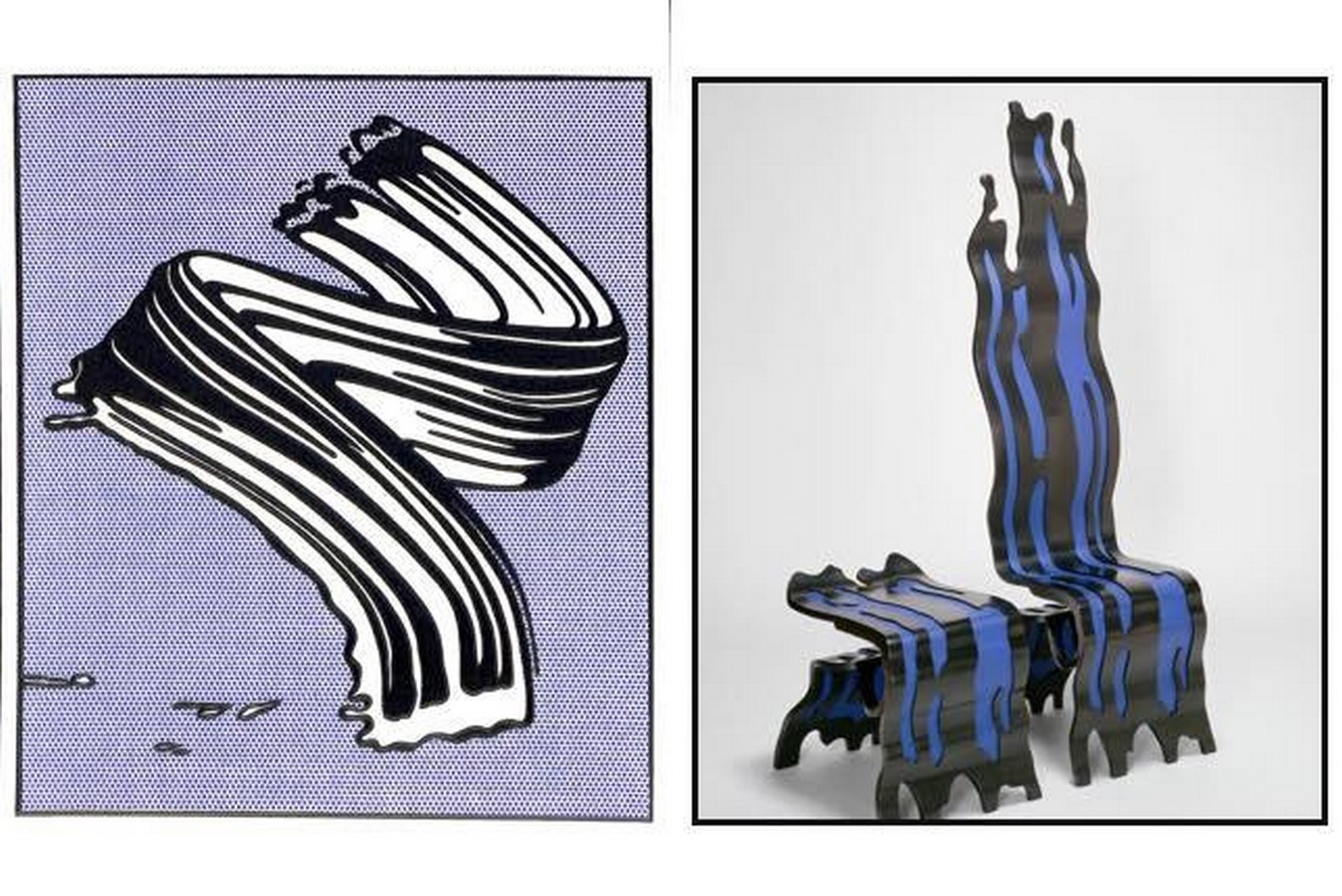
Roy Lichtenstein Pop Art and Abstraction
Roy Lichtenstein, a prominent artist of the 20th century, integrated art and furniture. The artist is renowned for his significant role in the Pop Art movement, where he explored transforming two-dimensional paintings into three-dimensional objects. Lichtenstein’s notable creation, the Brushstroke Chair and Ottoman was inspired by a series of paintings he completed in 1965. He transforms abstract-expressionist brushstrokes into functional and durable objects. The chair effectively translates the artist’s iconic imagery into a functional furniture item.
Haas Brothers Furnishing Fantasies
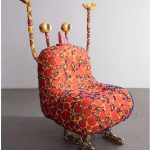
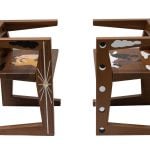
Haas Brothers, Simon and Nikolai Haas, are well-known for their innovative and imaginative approach to furniture and art, which results in a unique style that challenges traditional boundaries. Their work skillfully combines sculpture, design, and craftsmanship, resulting in enchanting and visually captivating pieces. The Haas Brothers draw inspiration from nature, fantasy, and surrealism to imbue their creations with playfulness and storytelling elements. Their designs frequently incorporate organic shapes, textured surfaces, and unconventional materials such as fur, bronze, and ceramic. The Haas Brothers’ furniture combines meticulous attention to detail and an experimental approach, blurring the boundaries between traditional categorizations and creating a space where function and art intersect. Their work exemplifies a harmonious equilibrium between bold artistic expression and functional design, captivating a wide range of viewers and making a lasting impact on the realm of contemporary furniture and art.
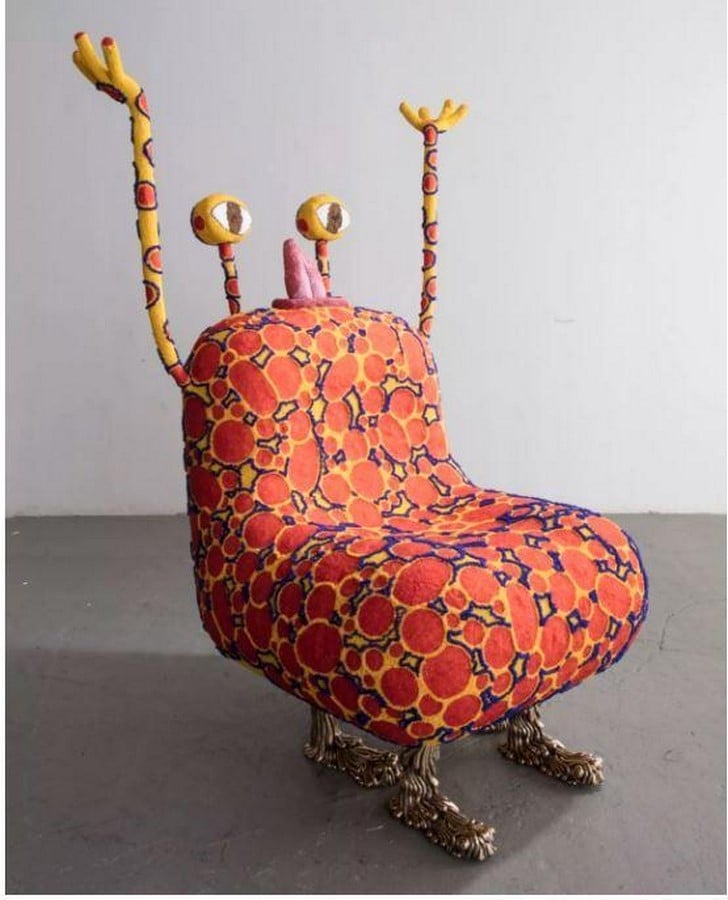
Courtesy of the artists; R & Company, New York; and Marianne Boesky Gallery, New York and Aspen. Photo by Joe Kramm.
Misha Kahn’s Furniture as NFT Art
Misha Kahn, an artist and designer, has established a unique presence in the field of furniture design by challenging traditional norms and expressing his artistic autonomy. His style combines whimsy, playfulness, and unapologetic innovation. Kahn’s furniture designs deviate from conventional forms and materials. In contrast, he embraces unconventional elements such as unique textures, vibrant colours, and organic shapes, which imbue his furniture with captivating sculptural qualities.
Misha Kahn distinguishes himself through his innovative project, “Furniture Unhinged,” which effectively combines technology with NFTs (Non-Fungible Tokens) and furniture. This innovative project combines physical artistry and digital ownership, examining the potential of blockchain and NFT technology in the field of furniture design. Kahn’s “Furniture Unhinged” showcases distinctive and irreplaceable furniture pieces, each embodying a singular and unparalleled creation. Every artwork is associated with a non-fungible token (NFT), which serves as a digital proof of ownership that is safeguarded by blockchain technology. Misha Kahn disrupts the conventional perception of furniture as functional objects by combining physical and digital elements, transforming them into unique works of art.
The NFTs linked to each furniture item enable collectors and art enthusiasts to own both a physical masterpiece and a digital representation, thereby preserving the artwork’s essence in the virtual realm. This innovative approach not only expands opportunities for collectors but also redefines the dynamic between the artist, the artwork, and its audience.
Samira Rathod’s Organic Contemporary Harmony
Samira Rathod is an innovative architect and designer who has successfully merged art, architecture, and furniture in her conceptual approach to furniture design. Her style is a captivating combination of functionality, artistic expression, and environmental consciousness.
Rathod’s work is centered around a profound admiration for the natural world and its intrinsic aesthetic qualities. The furniture design style she employs showcases an organic charm, characterized by forms that imitate contours found in nature. Through the utilization of sustainable materials and innovative construction techniques, she creates artworks that evoke a sense of harmony and balance, both in relation to their environment and the individuals who interact with them. She tries to integrate architectural concepts into her furniture designs. Each piece is not only a standalone object, but also a crucial component of a broader spatial narrative. Rathod’s designs are carefully selected to enhance the architectural spaces she envisions, establishing a harmonious relationship between the built environment and the furniture.

Rooshad Shroff’s Furniture meets Craftsmanship
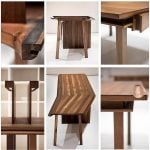
Rooshad Shroff is an architect known for his innovative approach that transcends traditional distinctions between art, architecture, and furniture design. His work exemplifies a distinctive and modern style that effortlessly integrates practicality with artistic creativity. Shroff’s design philosophy is rooted in a profound respect for craftsmanship and the cultural heritage of India. The artist combines traditional artisanal techniques and local materials with a contemporary perspective to produce furniture that embodies elegance and authenticity. Shroff’s collaboration with local artisans, vendors, and makers not only preserves and revitalizes traditional crafts but also imbues his designs with cultural significance.
Shroff’s work is characterized by a strong focus on customization. The individual holds the belief that each space possesses distinct characteristics, leading to the creation of custom furniture pieces that are designed to accommodate specific contexts and meet the preferences of clients. The customized approach enables him to design furniture that seamlessly blends with his architectural spaces, creating a unified and harmonious environment.
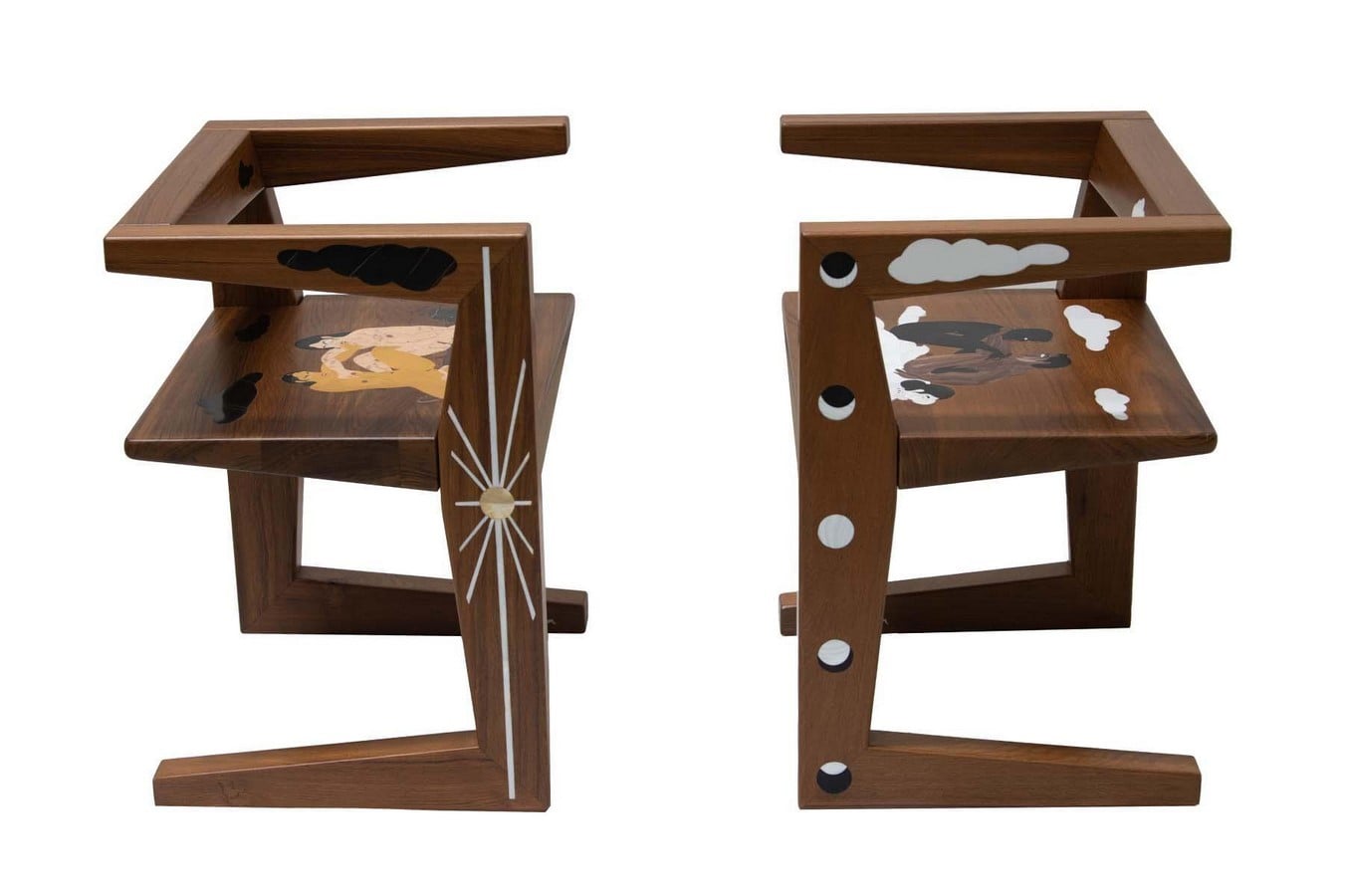
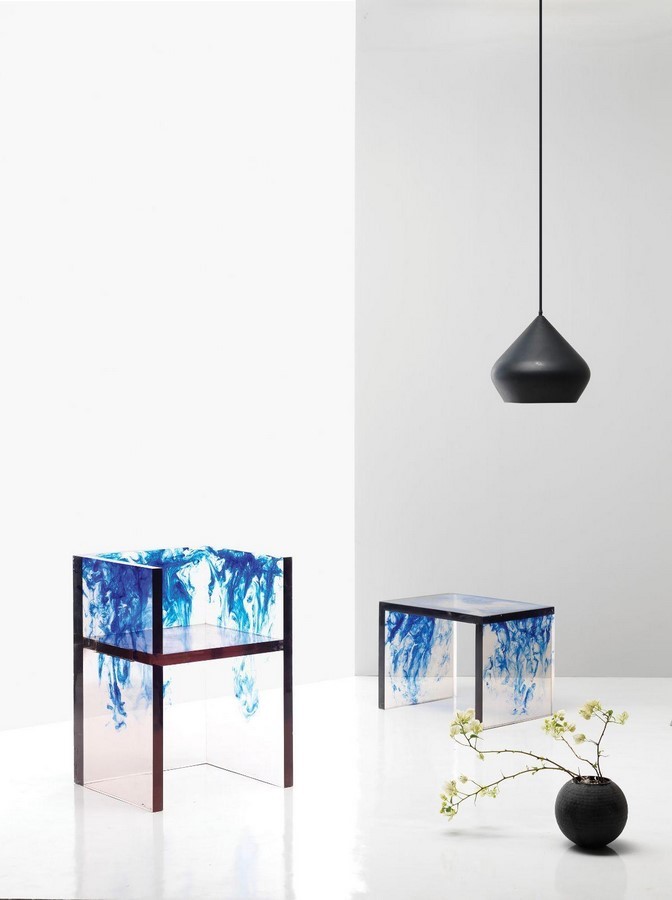
Differniture’s Art and Furniture in Contoured Elegance
Differniture, led by designer Aditi Sharma, is a pioneering studio that pushes the boundaries of furniture design by integrating art and functionality. The creations embody a unique elegance that captures the imagination, drawing inspiration from organic forms and driven by a commitment to innovation.
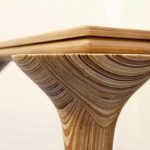
Differniture’s work centres around the appreciation of contours. Sharma’s designs draw inspiration from the natural world, particularly the aesthetic appeal of curvilinear forms found in organic landscapes. The furniture pieces she creates have fluid and sculptural forms that resemble the gentle curves found in nature, creating a harmonious and tranquil atmosphere in the living space.
Sagarika Suri’s Artful Innovations
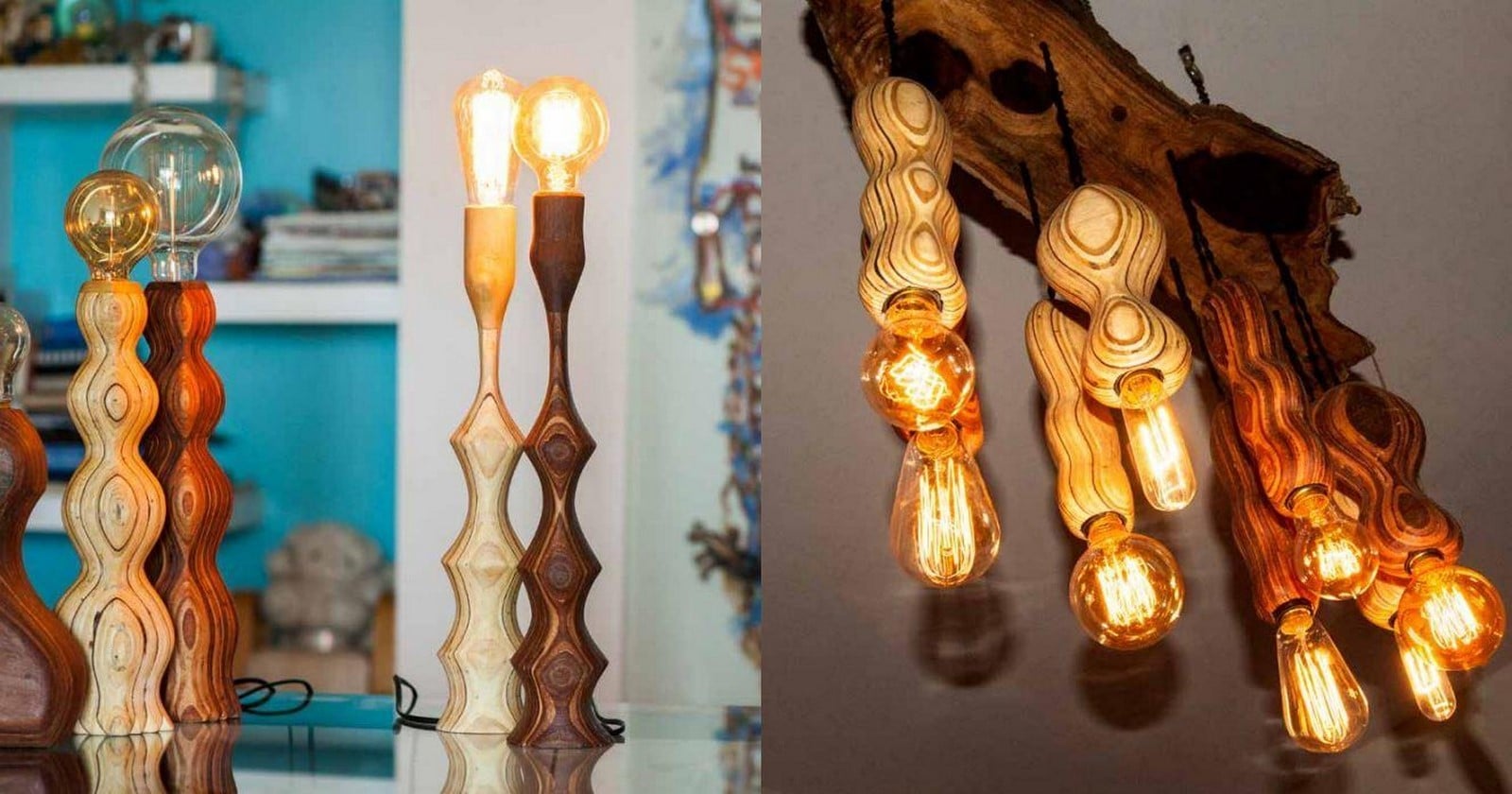
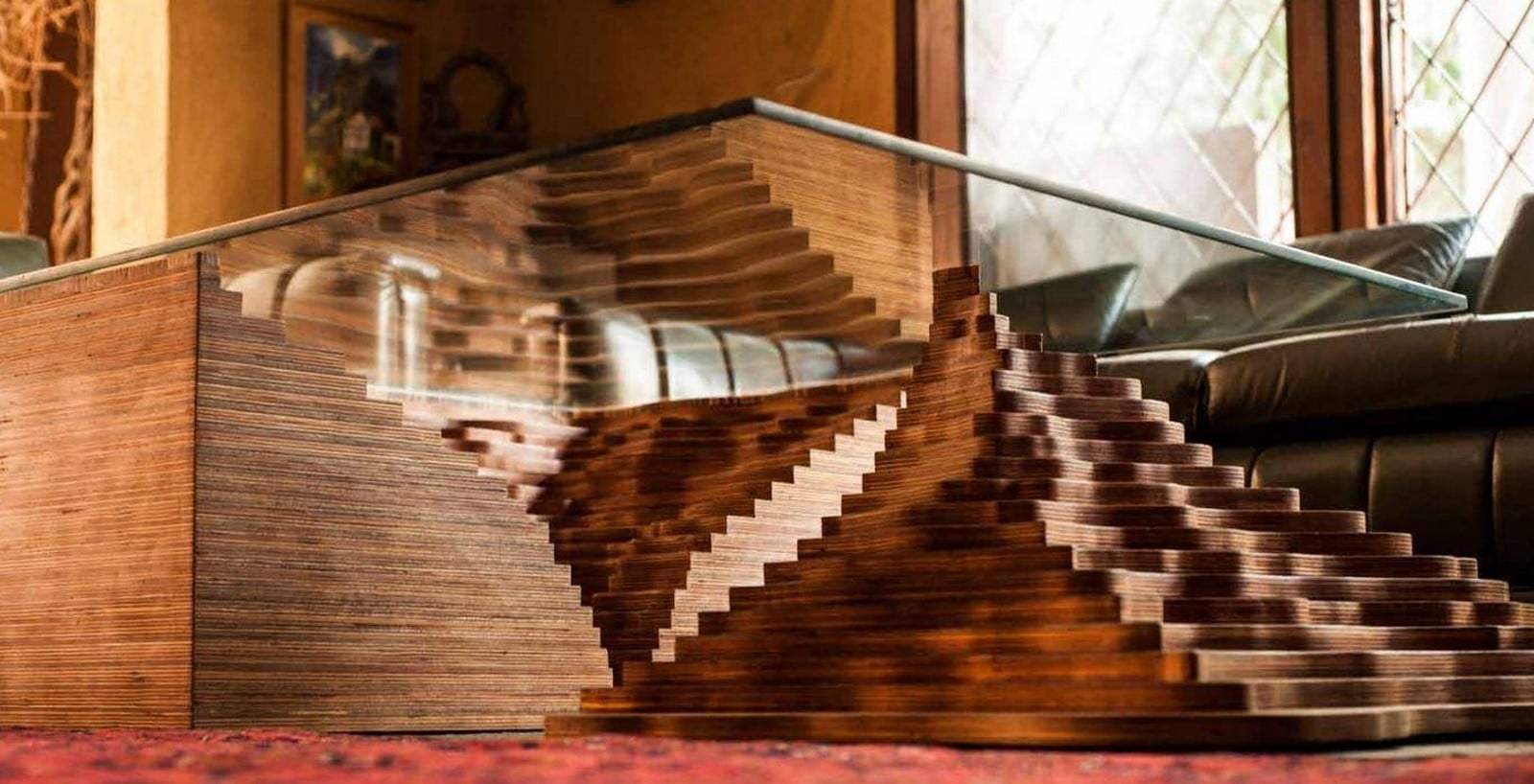
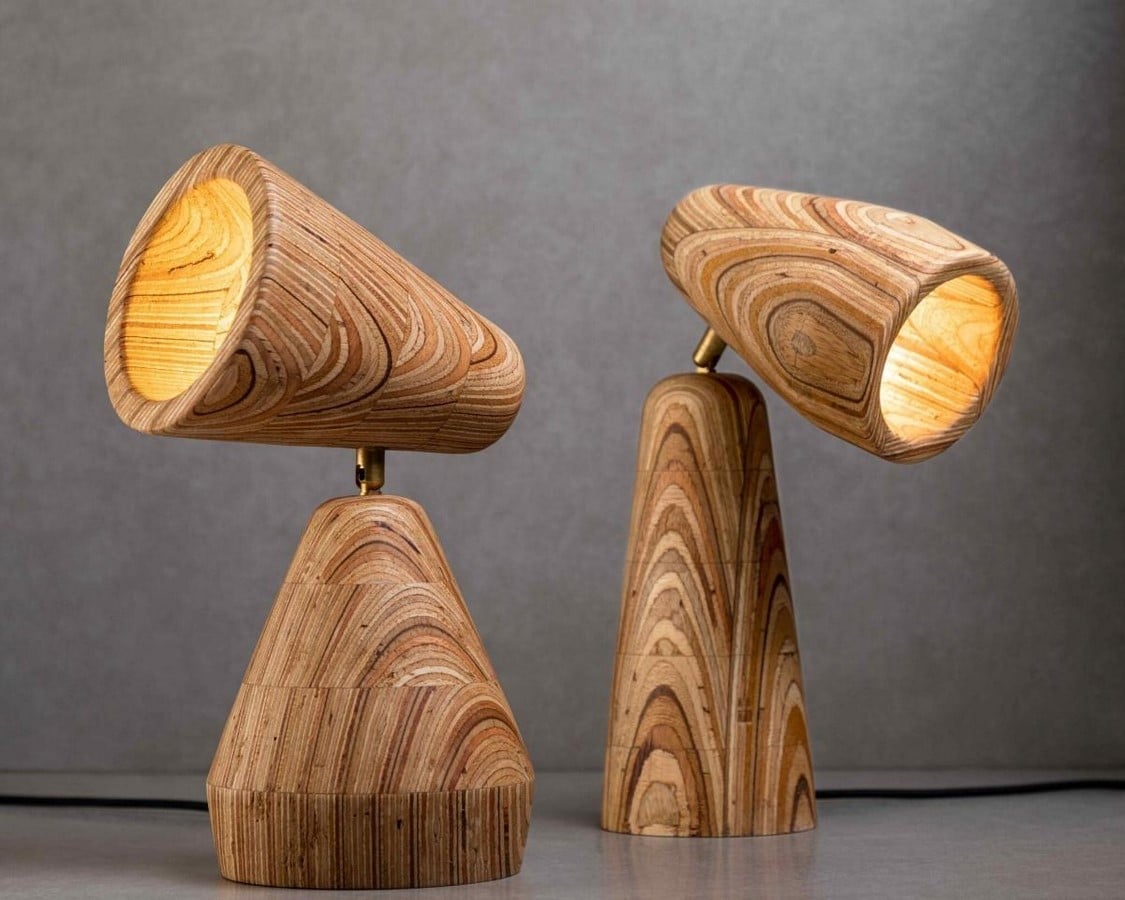
As the visionary founder of Studio Tessera, Sagarika Suri has mastered the art of transforming furniture into mesmerizing storytelling pieces. Her furniture realm, aptly named Rockpaperscissors, embodies an artistic fusion of design and craftsmanship that redefines the very essence of functional pieces.
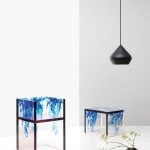
Suri’s furniture concept revolves around her belief that furniture can transcend the ordinary and become a conduit for self-expression. Her Rockpaperscissor realm weaves together contemporary aesthetics with a touch of eclecticism, resulting in pieces that are both visually stunning and deeply meaningful. Each creation showcases her passion for exploring diverse design elements, culminating in a harmonious amalgamation of artistry and functionality. The use of different materials like Liquid-ply, resin, glass and cloth shows the intricacies and her dedication towards art, architecture and furniture. Recycle and Reusing are two important aspects in the usage of materials in Suri’s design.
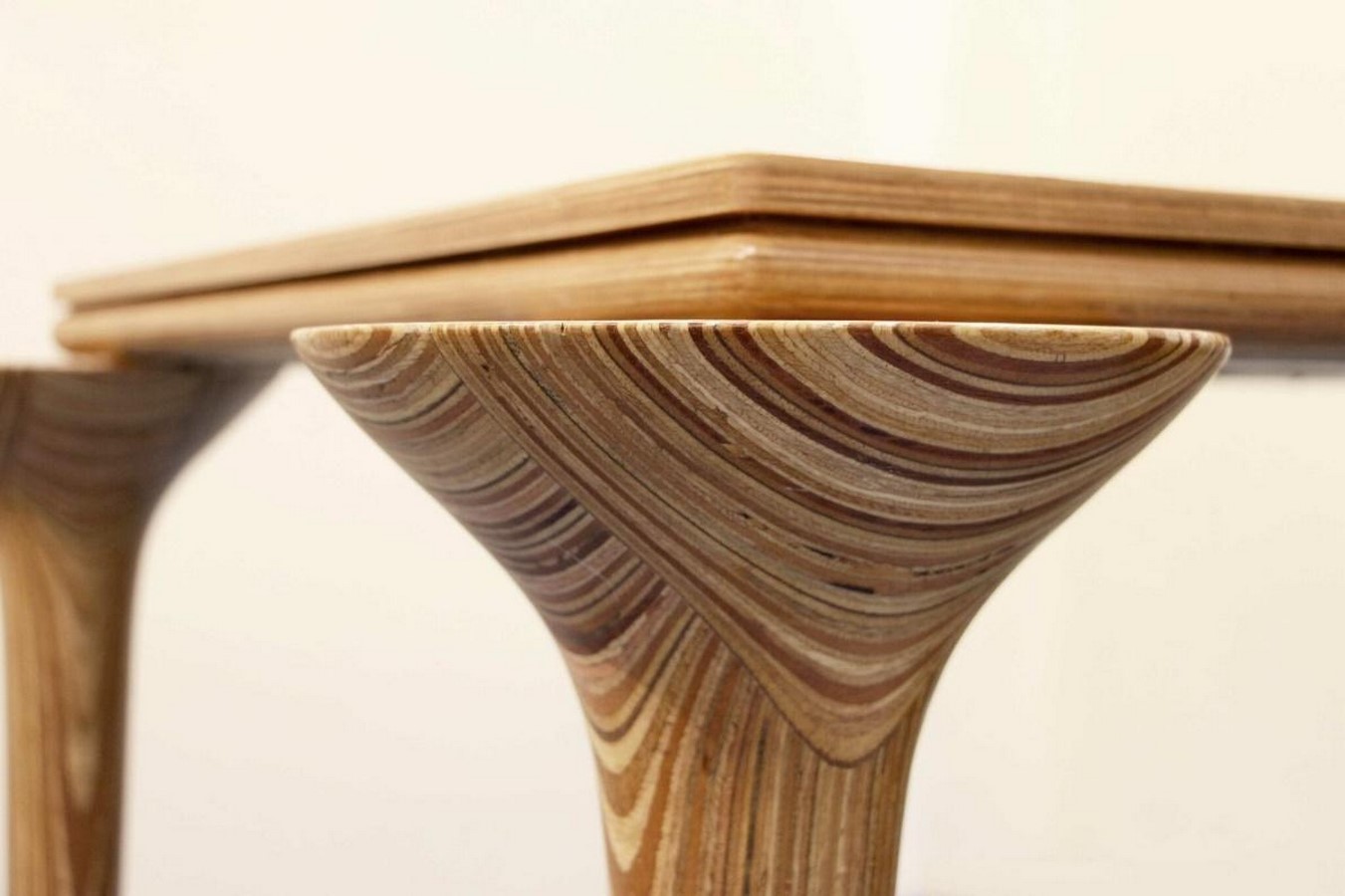
Throughout history, visionary artists and designers have expanded the limits of convention, transforming furniture into a medium for artistic expression. The various styles of art, such as the Renaissance, Rococo, and modernism, each embody the aesthetic preferences of their respective eras.
Contemporary furniture art remains vibrant and flourishing, driven by limitless creativity and advancements in technology. Artists and designers push the boundaries of furniture by experimenting with novel materials, shapes, and ideas, thereby challenging our conventional understanding of its possibilities. The integration of NFTs and physical creations, as well as the fusion of art, architecture, and furniture, in innovative projects, is blurring the distinction between functional objects and artistic installations. As we delve in the future, furniture will keep evolving and there would be constant negotiations, conversations and technological advancements in materials and forms as well.
References:
La Maison Chic (2018). HISTORY OF ART NOUVEAU FURNITURE AND DESIGN: Luxury Furniture.
Ryan Woddoups (2021). Misha Kahn’s Fantastical Furniture goes Digital: SURFACE
Furniture Design History (2016). Opus Web Design: Designteacher.com
The History of furniture as art (2015). Artsper Magazine
Alina Cohen (2018). These Artists would love for you to sit on their work. Artesy.net