Welcome to the world of Aqua architecture, where the essence of water meets the ingenuity of design! Imagine a breathtaking harmony between the fluidity of aquatic elements and the elegance of modern construction, all culminating in a symphony of creativity and innovation. Step into a realm where buildings dance with reflections, where spaces breathe with tranquility, and where sustainability flows seamlessly like a pristine river. Aqua architecture, inspired by the very essence of life itself, brings forth a refreshing perspective on how we interact with our surroundings.
Several innovative developments in aqua architecture brought about a great transformation in the architectural design and construction of buildings and structures in and around water bodies. Here are some of the notable innovations:
Floating Architecture:
Floating architecture involves designing buildings and structures that rest on the water’s surface, rather than on solid ground. These structures can be used for various purposes, such as housing, offices, hotels, and recreational facilities. The innovative use of buoyant materials and engineering techniques allows for safe and stable floating structures.
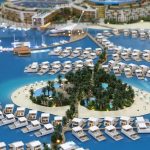
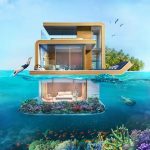
The “Floating Seahorse” Villas in Dubai
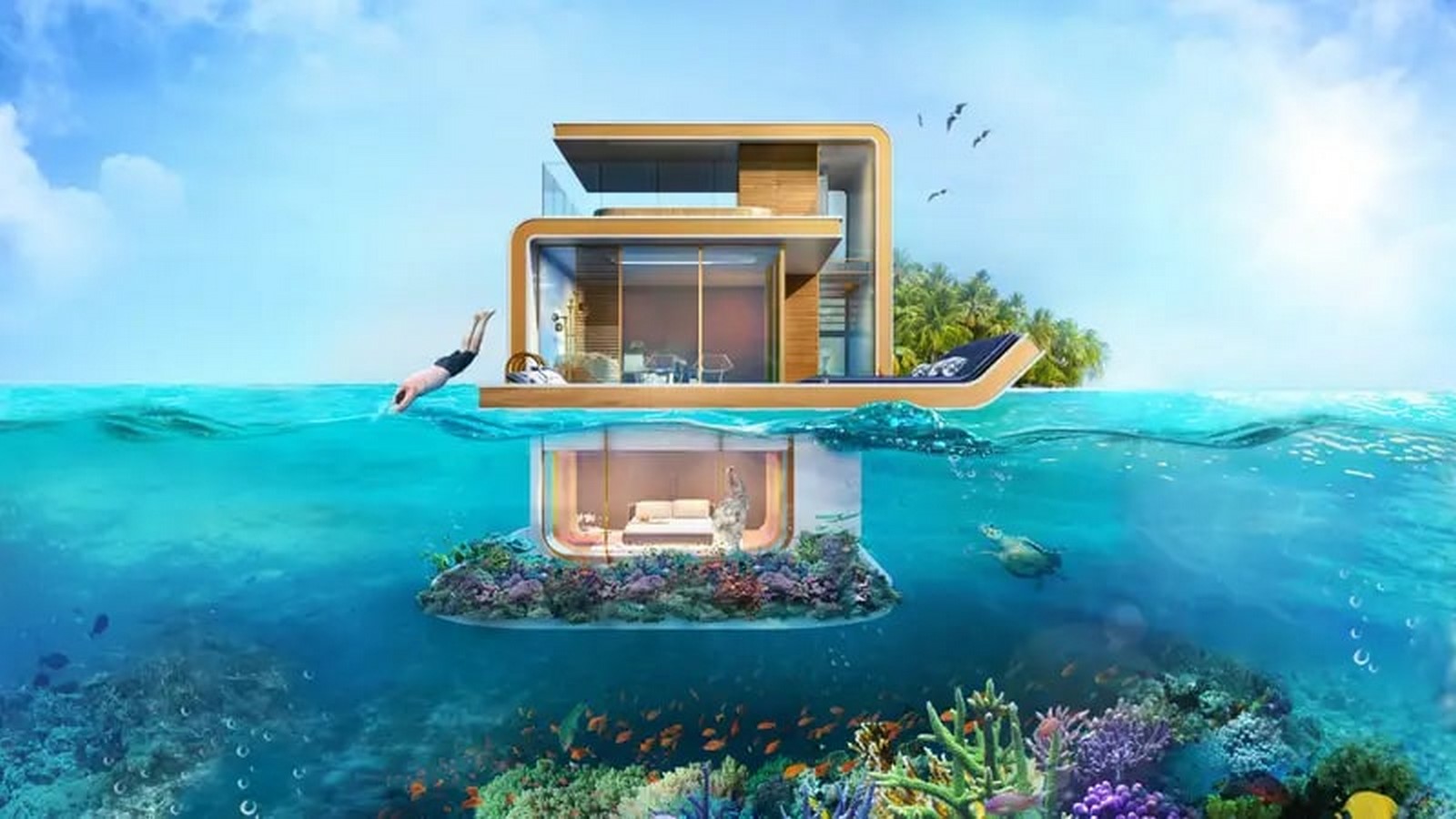
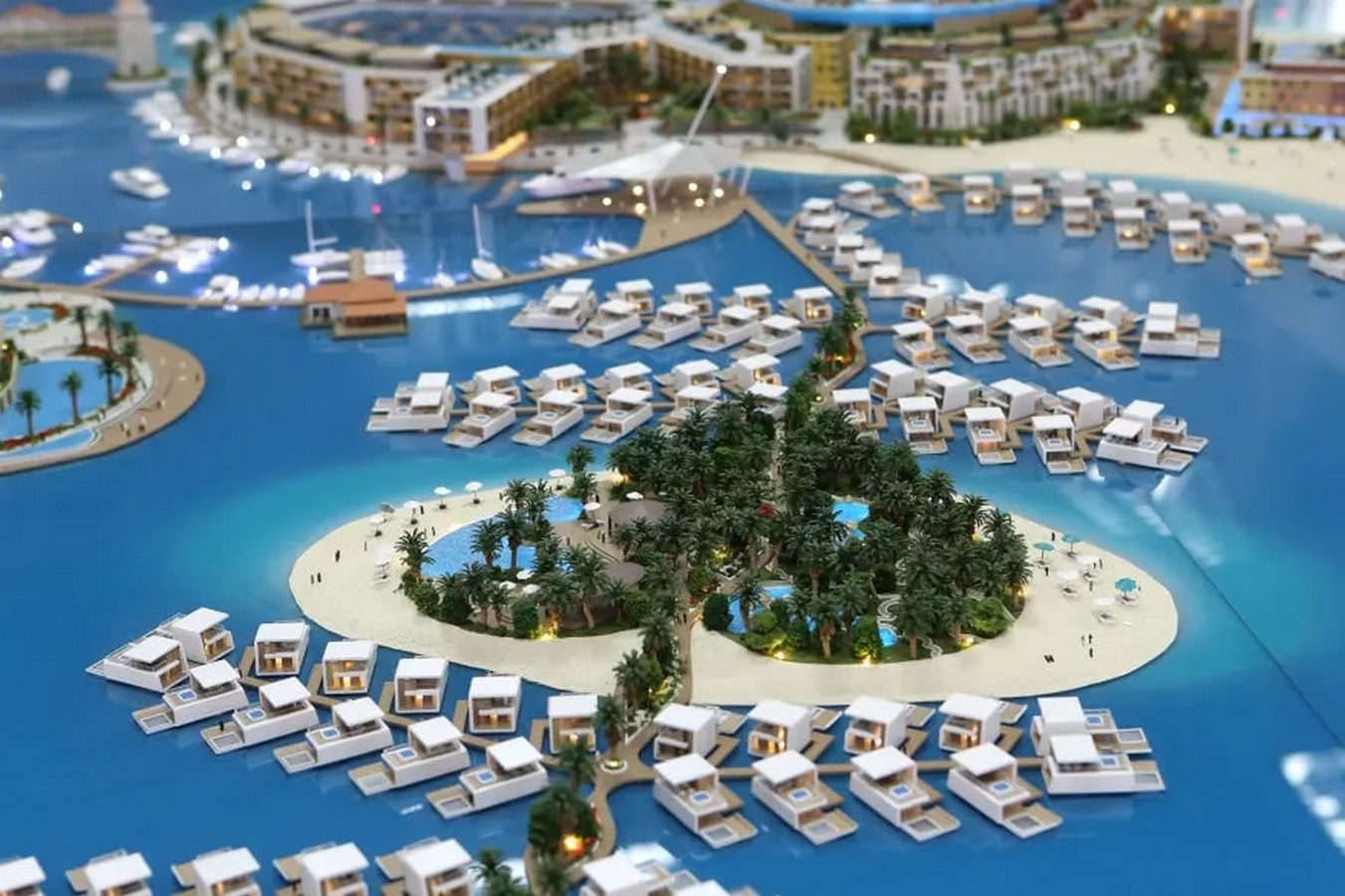
These luxurious mixed-use villas were designed and developed by the real estate company Kleindienst Group and are part of their ambitious “Heart of Europe” project. The main feature of these villas is that they are partly submerged underwater while floating on the surface of the Persian Gulf. The design concept is inspired by the seahorse, with the upper floor resembling the animal’s body and the lower floor partially submerged, akin to a seahorse’s tail. The concept showcases the potential of floating architecture to create innovative and sustainable living spaces in harmony with natural environments, while also providing unique and unforgettable experiences for residents and visitors.
Underwater Buildings:
Underwater architecture focuses on constructing habitable spaces below the water’s surface. These buildings can serve as research facilities, hotels, restaurants, or even residential units. They often feature transparent materials to provide a unique experience of being submerged while still observing marine life and the underwater environment.
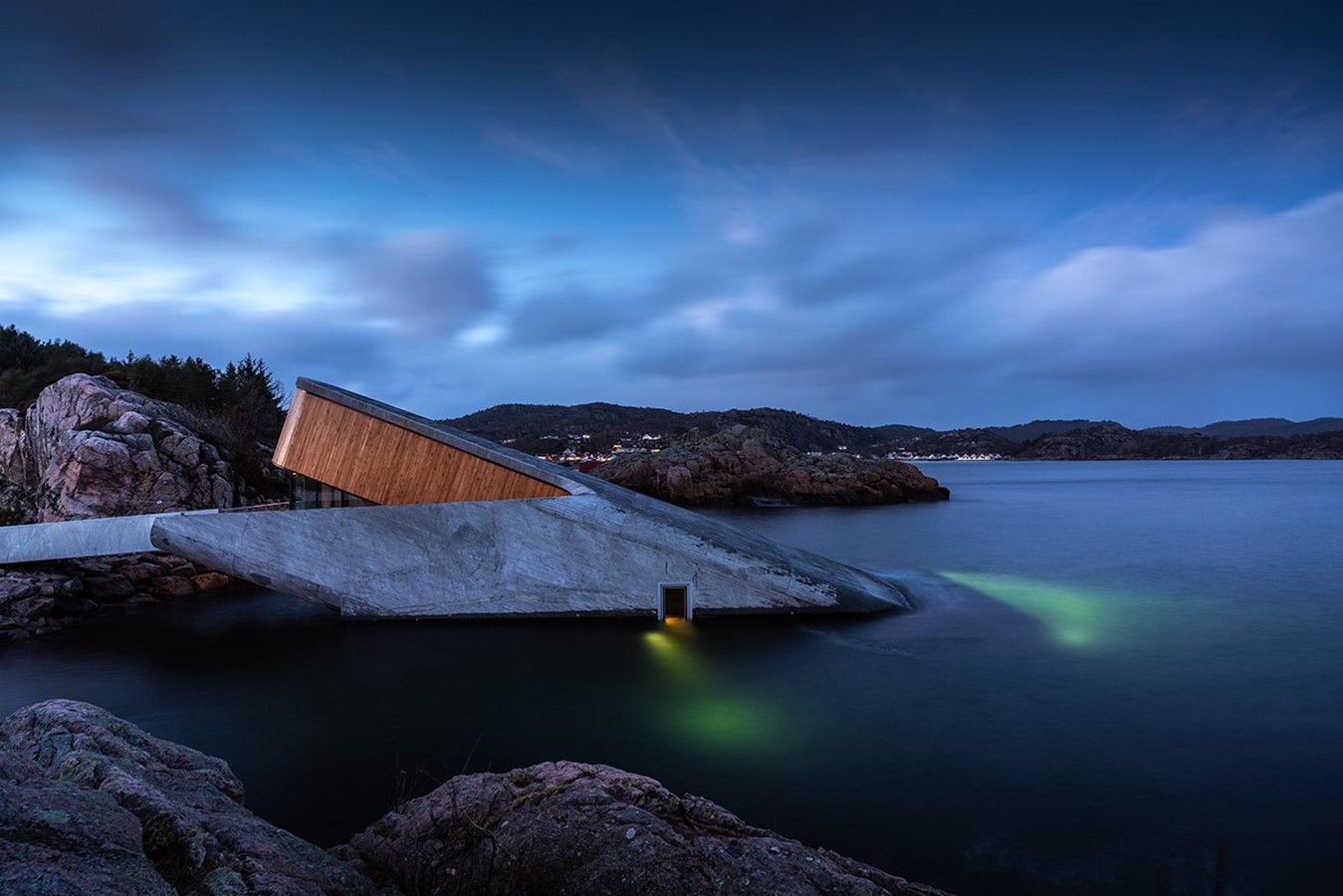
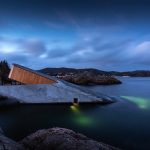
The Under Restaurant in Lindesnes, Norway
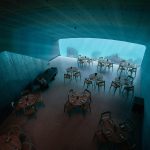
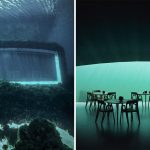
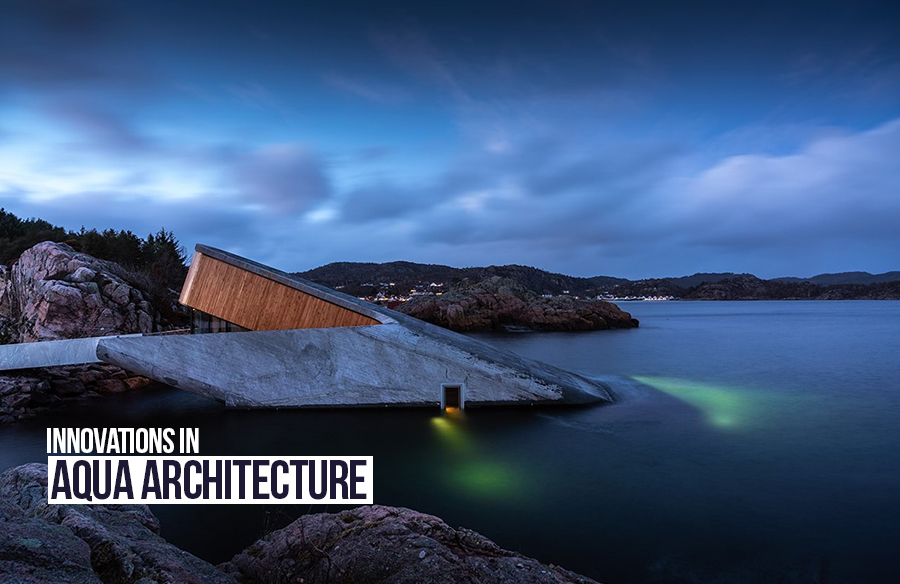
One notable example of an underwater building is the restaurant “Under,” located in Lindesnes, Norway. Under, which translates to “Wonder” in Norwegian, is the world’s largest underwater restaurant and is part of a larger marine research center. The restaurant is designed by Snøhetta, an architecture and design firm known for its innovative and sustainable projects. The structure partially submerged in the North Sea features a large panoramic window that provides diners with breathtaking views of marine life and underwater surroundings.
The restaurant functions not only as a fine-dining restaurant but also as a marine research center. The research activities conducted here focus on marine biology and the study of marine ecosystems. The restaurant can accommodate up to 100 guests, who can access the underwater dining area through a vertical tunnel that connects to the surface.
The building is designed with environmental sustainability in mind, constructed to withstand harsh marine conditions and to integrate with the surrounding marine environment without causing significant disruptions.
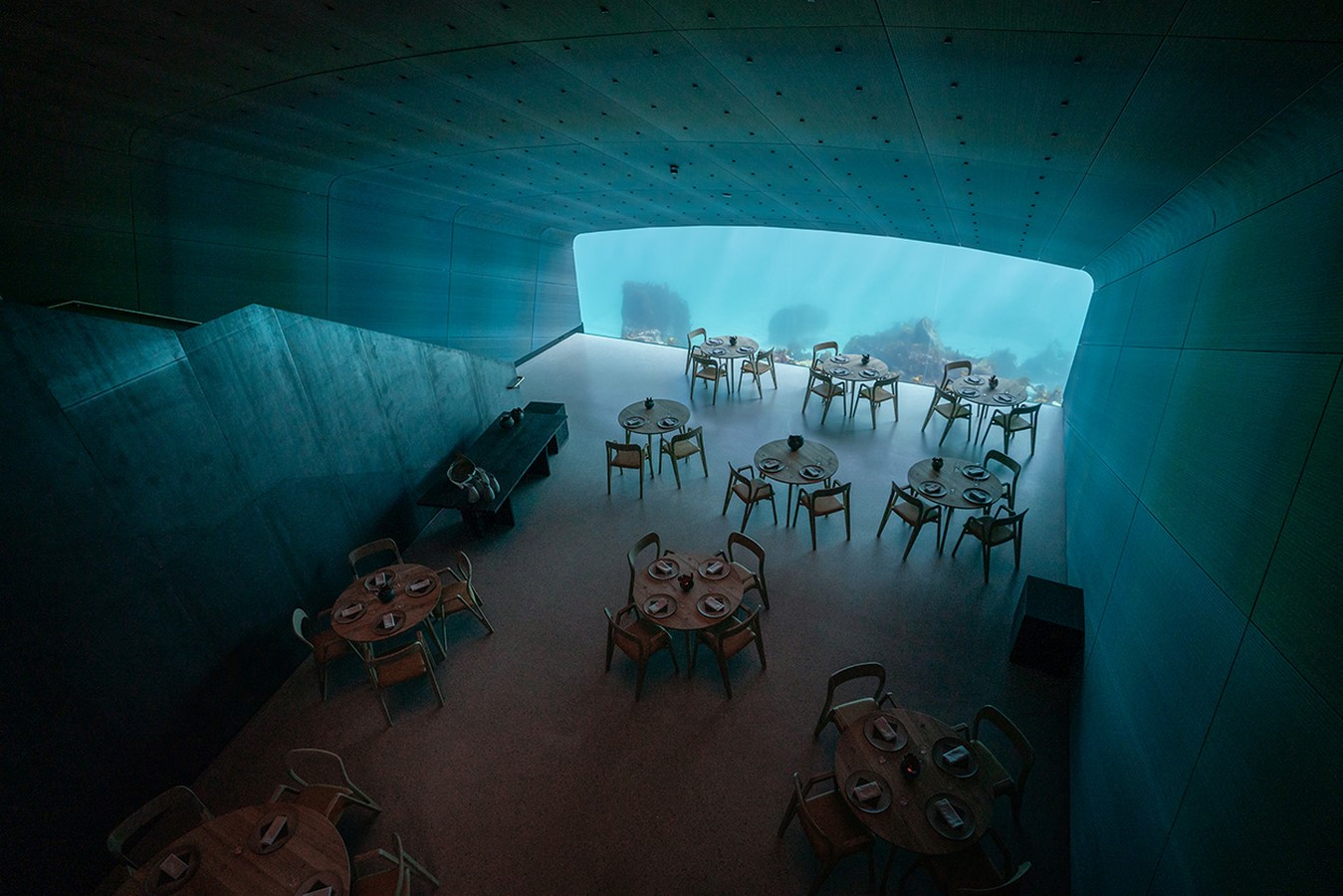
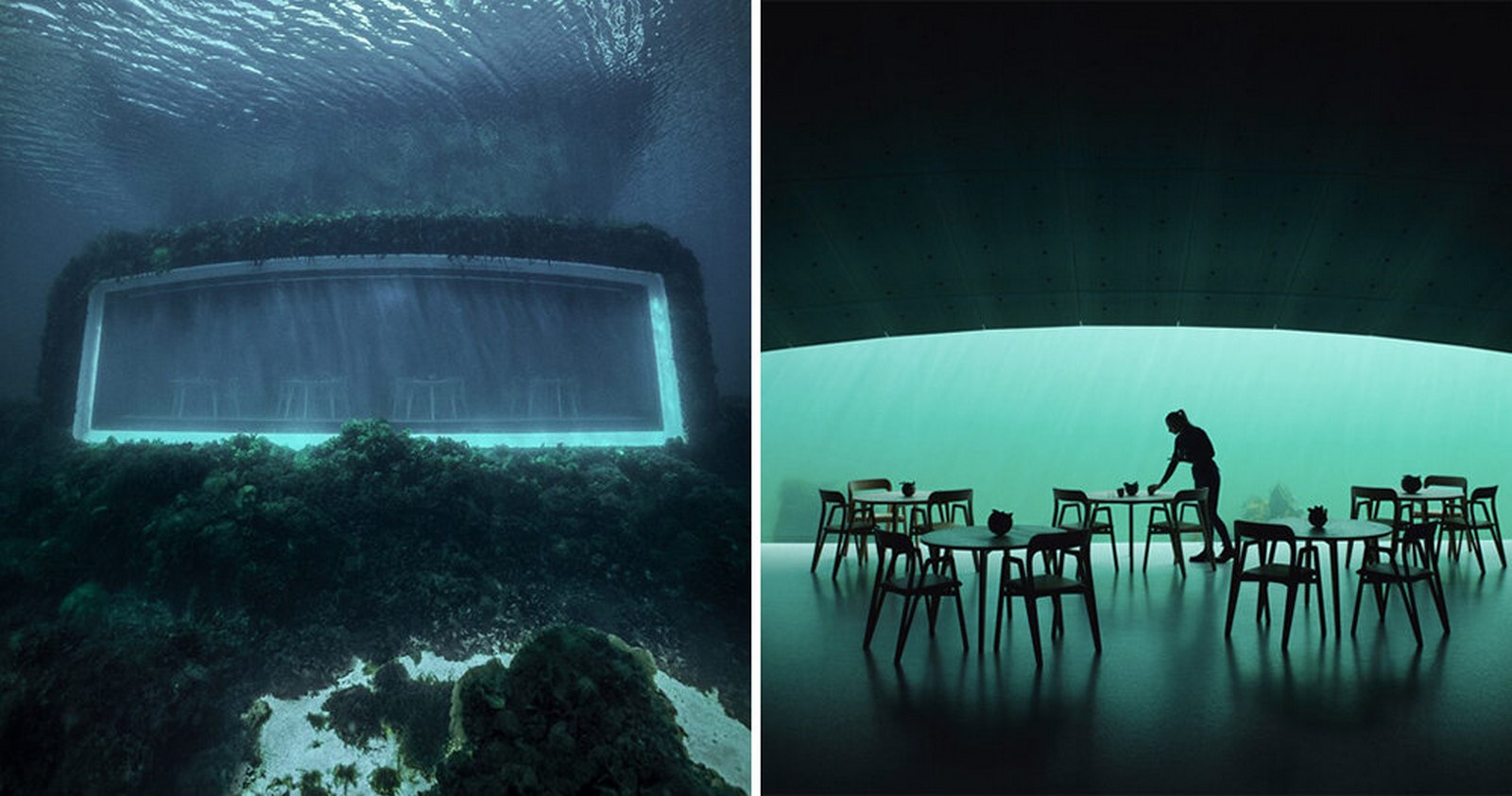
Beyond its aesthetic and culinary appeal, the restaurant also serves as a platform for raising awareness about the importance of marine conservation and sustainable practices.
It’s worth noting that constructing underwater buildings is a highly complex and challenging endeavor, requiring careful engineering, environmental impact studies, and advanced materials to ensure the safety and longevity of these structures while minimizing their ecological footprint. As such, projects like Under showcase the potential for human interaction with marine environments while also promoting responsible development and protection of the world’s oceans.
Floating Cities:
While still mostly conceptual, some architects and urban planners have explored the idea of constructing large-scale floating cities to address issues related to overpopulation and climate change. These hypothetical cities would feature innovative infrastructure, waste management systems, and renewable energy solutions.
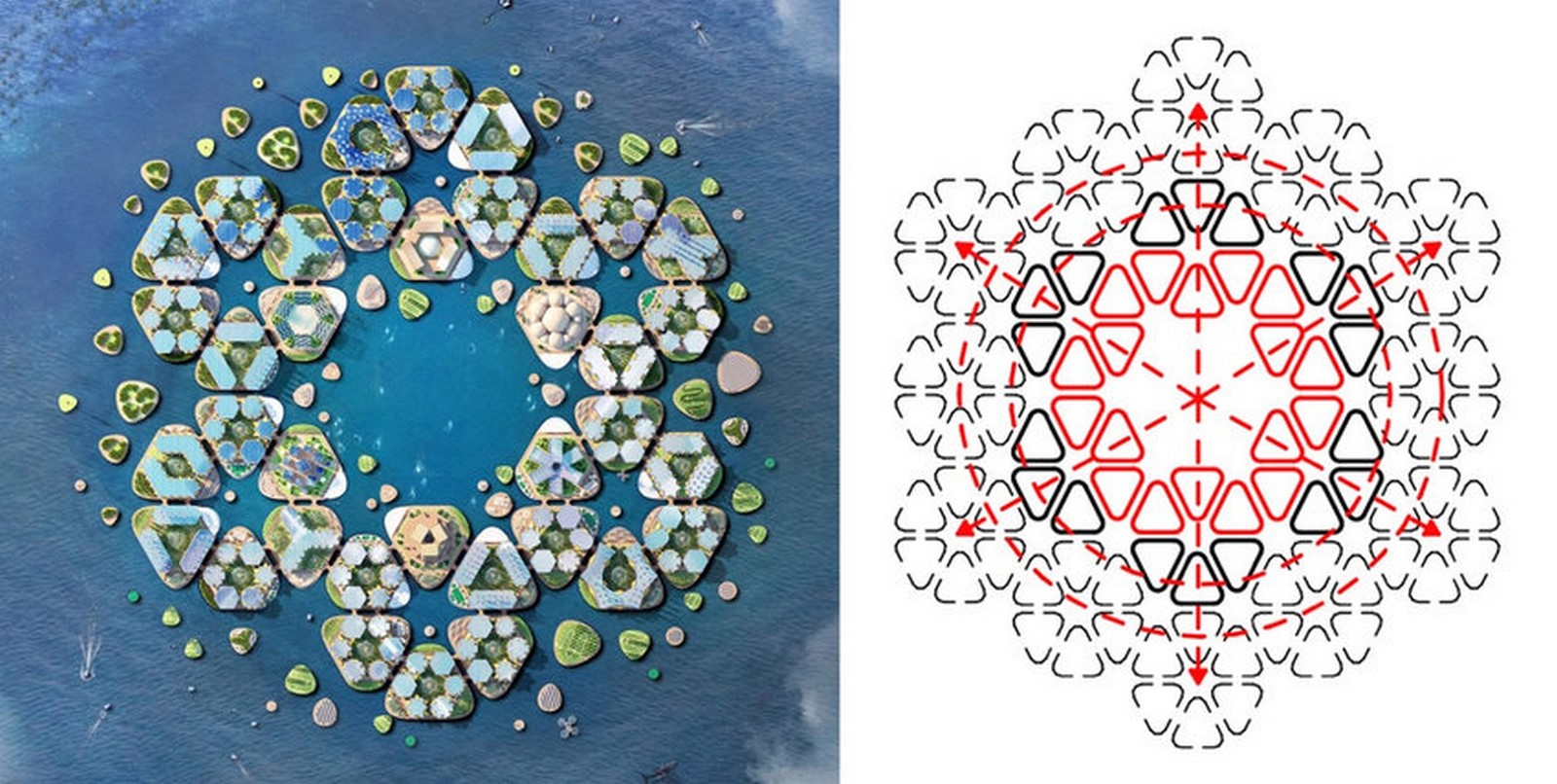
The concept of Oceanix City in South Korea
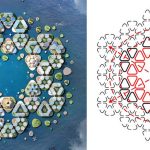
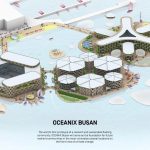
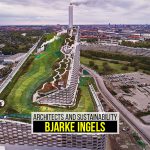
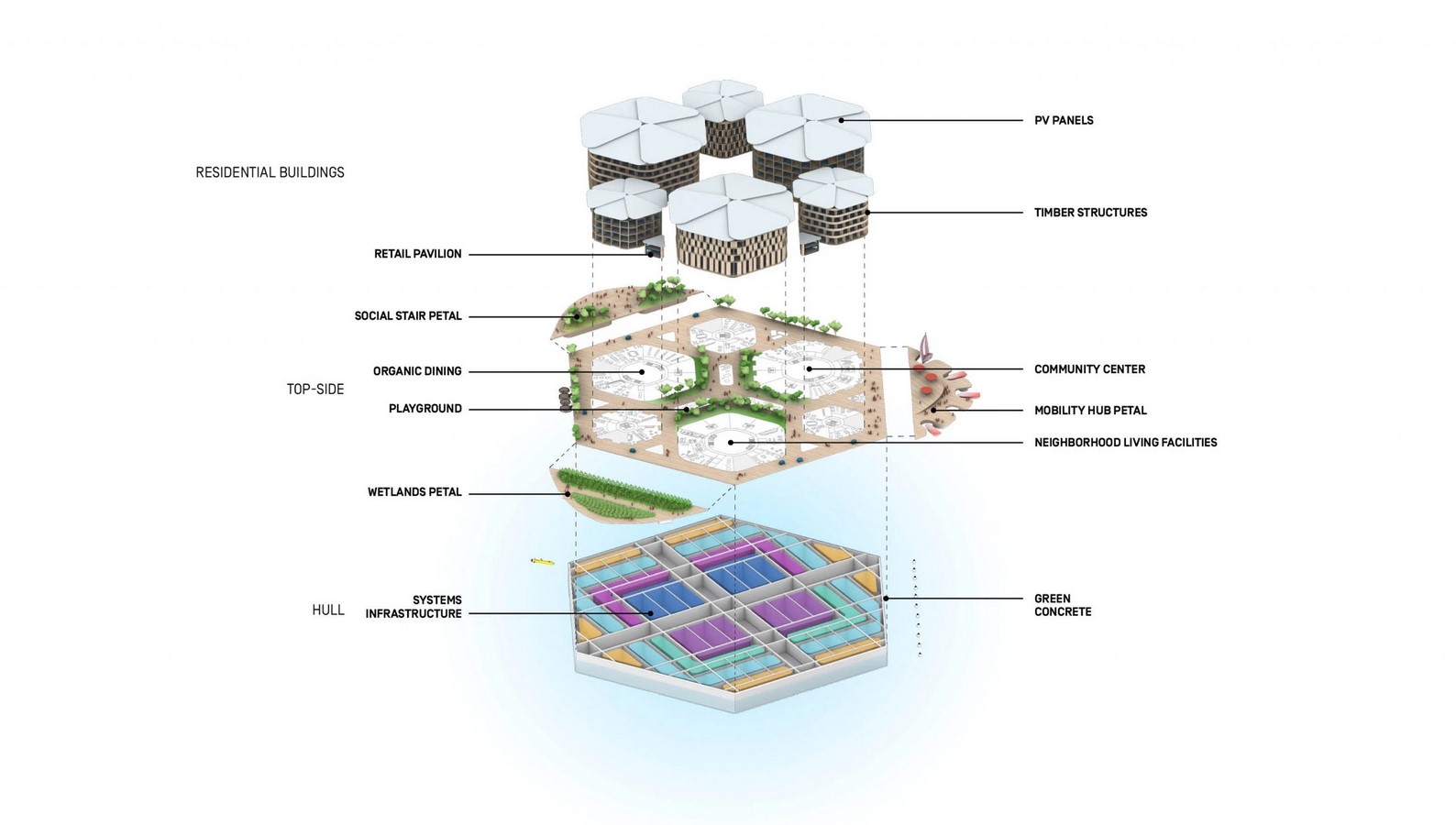
One prominent example of a proposed floating city concept is “Oceanix City.” This concept was developed by the architecture and design firm BIG-Bjarke Ingels Group in collaboration with Oceanix, a company focused on sustainable floating urban solutions.
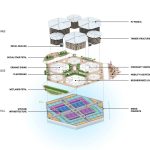
Oceanix City is designed to be modular, meaning it can be constructed in clusters of floating platforms, each capable of accommodating around 300 residents. The city is envisioned to be self-sufficient and sustainable, incorporating renewable energy sources, vertical farming, and water management systems to minimize environmental impact. The floating city is designed to withstand extreme weather events, including storms and rising sea levels, making it more resilient to climate change impacts.
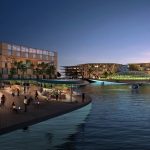
Oceanix City is planned to have a mix of residential, commercial, and recreational spaces, promoting a vibrant and livable urban environment. The concept has been developed in collaboration with UN-Habitat, the United Nations’ program for sustainable urban development, to align with global sustainability goals.
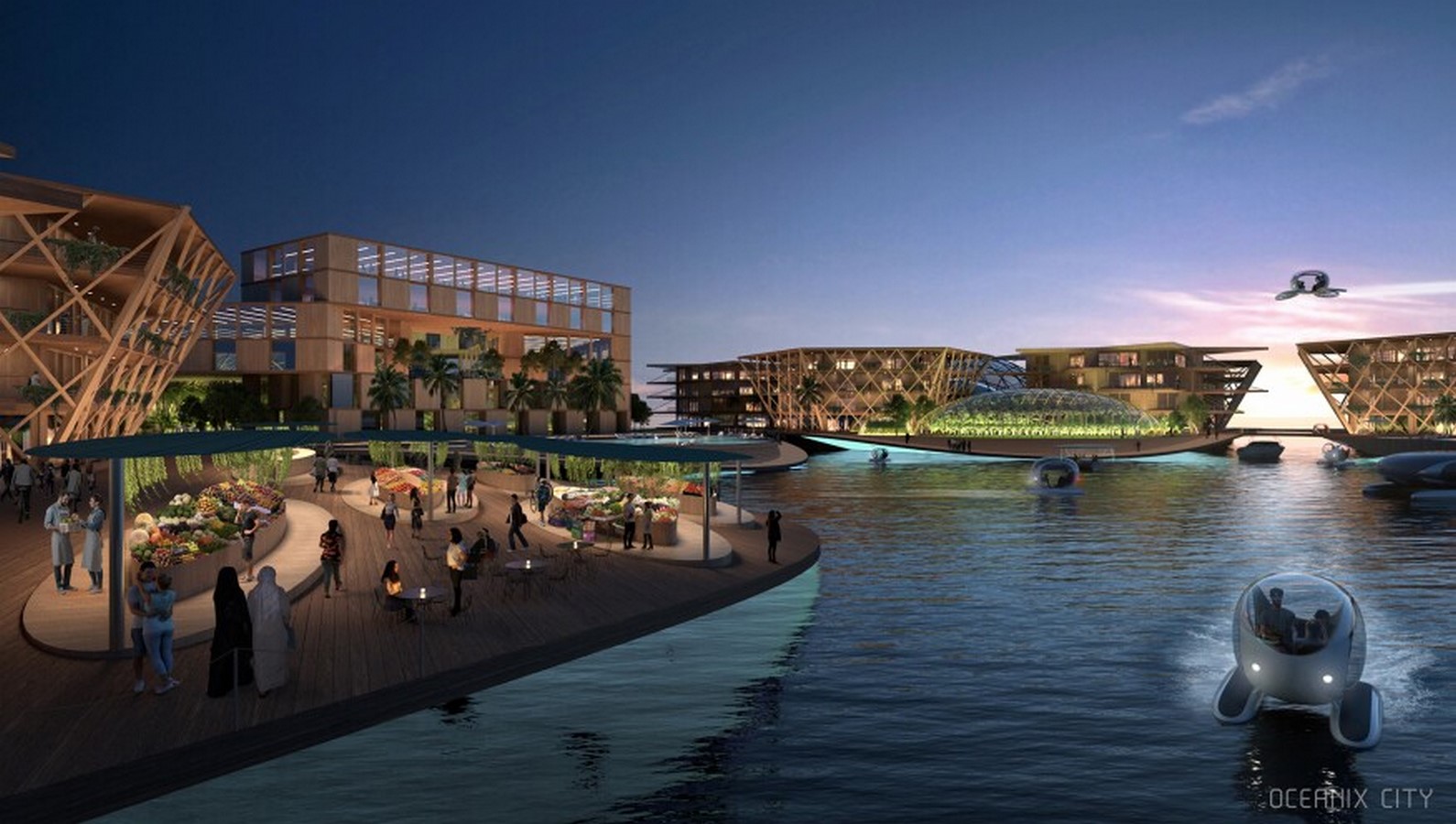

While the Oceanix City concept has received considerable attention and positive feedback, it’s essential to remember that the development of floating cities faces numerous challenges, including technical, regulatory, and financial hurdles. As such, while the idea of floating cities is intriguing and holds promise for the future, the realization of large-scale floating cities remains a complex and ambitious endeavor.
Amphibious Houses:
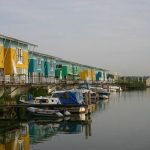
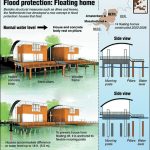
Aqua architecture has introduced amphibious houses that can adapt to fluctuating water levels, particularly in flood-prone areas. These buildings rest on buoyant foundations that allow them to rise with rising water levels, mitigating flood risks and preserving the structure and its inhabitants.
Amphibious House in Maasbommel, Netherlands
One notable example of an amphibious house is located in Maasbommel, a village in the Netherlands. This house, known as “The Dutch Mountain,” was designed by the Dutch architectural firm Waterstudio.
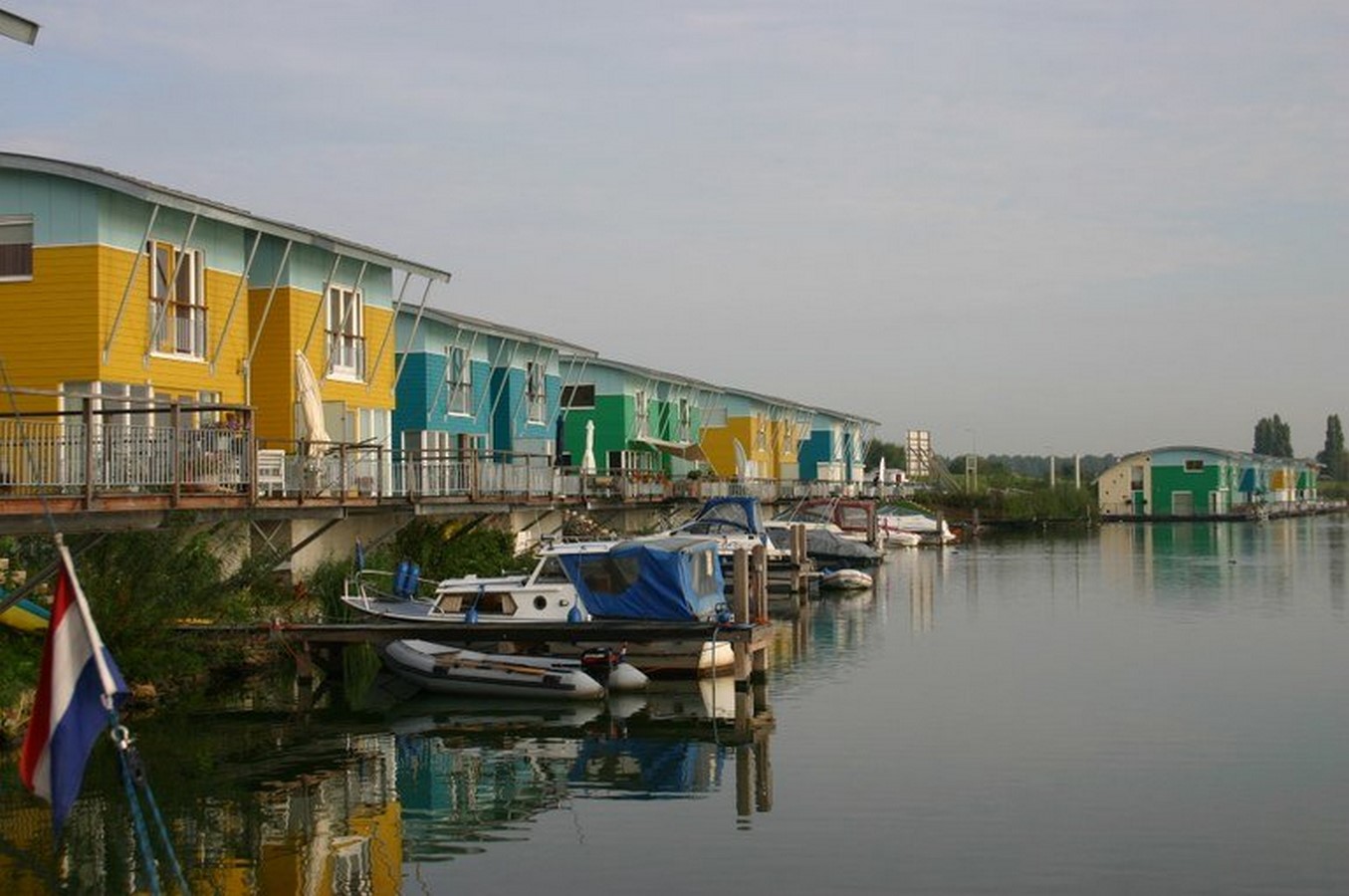
The house sits on a stilt foundation, allowing it to float during times of flooding. When the water level rises, the house moves vertically along the stilts while remaining securely anchored. The Amphibious House in Maasbommel is a pioneering example of flood-resilient architecture, demonstrating how innovative design solutions can address the challenges posed by rising water levels and climate change. Amphibious houses provide an effective way to protect properties and communities in flood-prone areas without compromising on comfort and functionality.
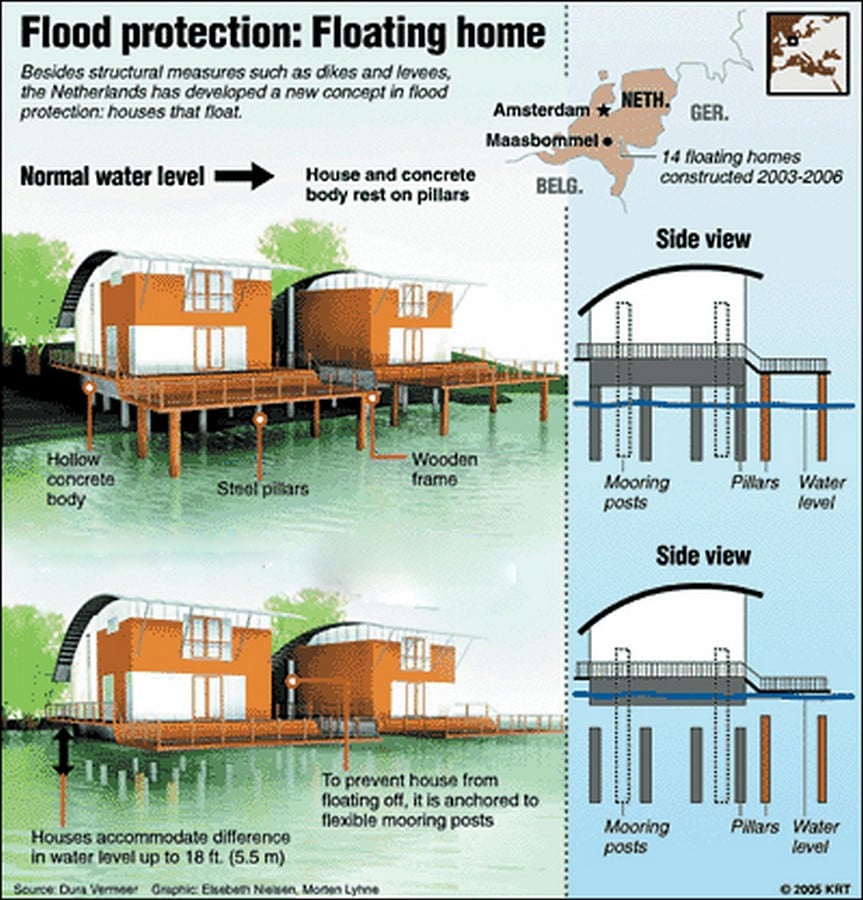
It’s worth noting that amphibious houses are becoming more prevalent in regions vulnerable to flooding, including parts of the Netherlands, the United States, and other countries affected by rising sea levels and extreme weather events. These houses offer a potential solution to adapt to changing environmental conditions and minimize the impact of floods on residential areas.
Seawater Greenhouses:
Aqua architecture has been applied to create seawater greenhouses in arid regions. These structures use seawater to create a controlled environment for growing crops, providing a sustainable and resource-efficient solution for agriculture in water-scarce areas.
The Sahara Forest Project’ in Qatar.
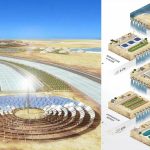
This ambitious initiative was developed as a collaboration between Norwegian and Qatari companies, aiming to utilize seawater and solar energy to grow food crops in the desert. The Sahara Forest Project aims to demonstrate the potential of sustainable technologies to address food and water scarcity in arid regions. By utilizing seawater and renewable energy sources, the project shows how it is possible to create a productive and environmentally friendly agricultural system in some of the world’s most challenging environments.
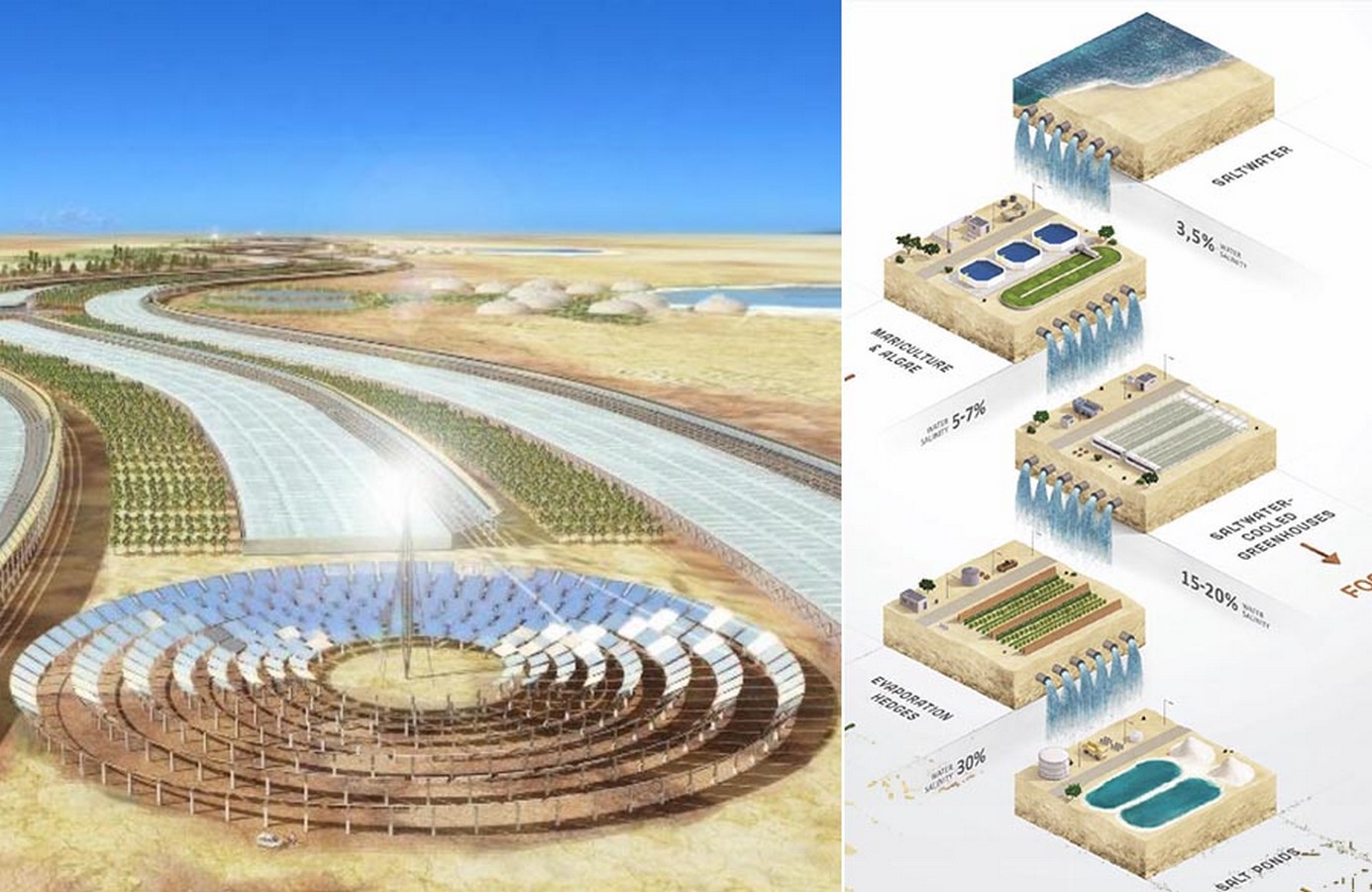
The project utilizes a combination of specially designed greenhouses and seawater to create a controlled environment for growing crops. Seawater is pumped to the greenhouse and evaporated, providing a humid environment that supports plant growth while preventing the greenhouse from overheating.
It’s worth noting that similar seawater greenhouse projects have been explored and implemented in other arid regions worldwide, such as Oman, Australia, and the United Arab Emirates. These projects offer hope for sustainable agriculture in regions where traditional farming methods are not feasible due to water scarcity and harsh climatic conditions.
Floating Farms:
Aqua architecture has enabled the creation of floating farms, where agricultural activities take place on water bodies. These farms can grow crops, raise fish, and support sustainable food production while utilizing otherwise underutilized or unproductive water areas.
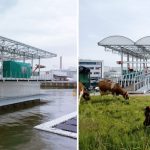
The Floating Farm in Rotterdam
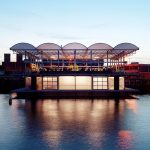
It is an actual operational project that serves as an example of this innovative concept. The farm is a three-story structure floating on the city’s waters, and it focuses on the production of dairy products. It was designed to accommodate around 40 cows, and it utilizes automated systems for feeding, milking, and waste collection.
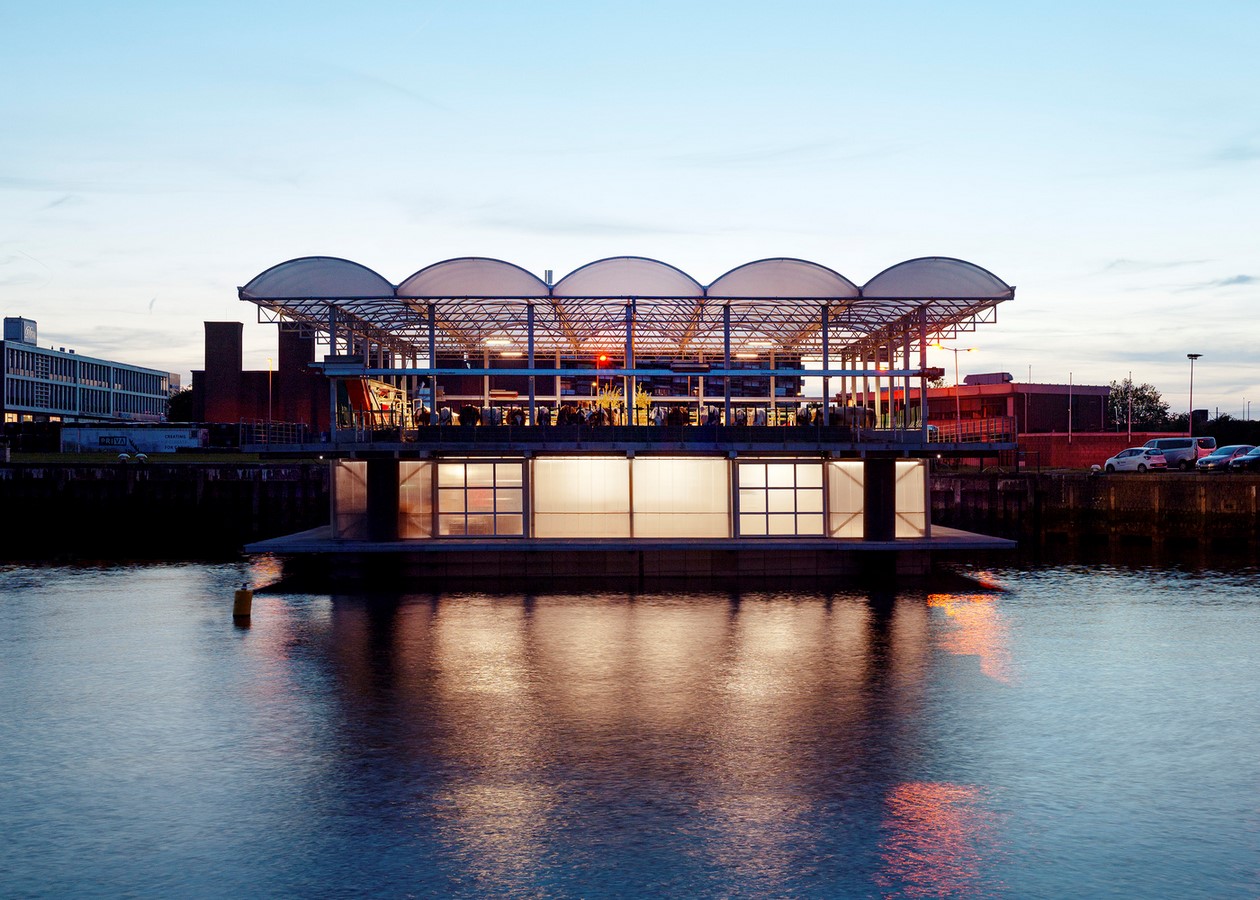
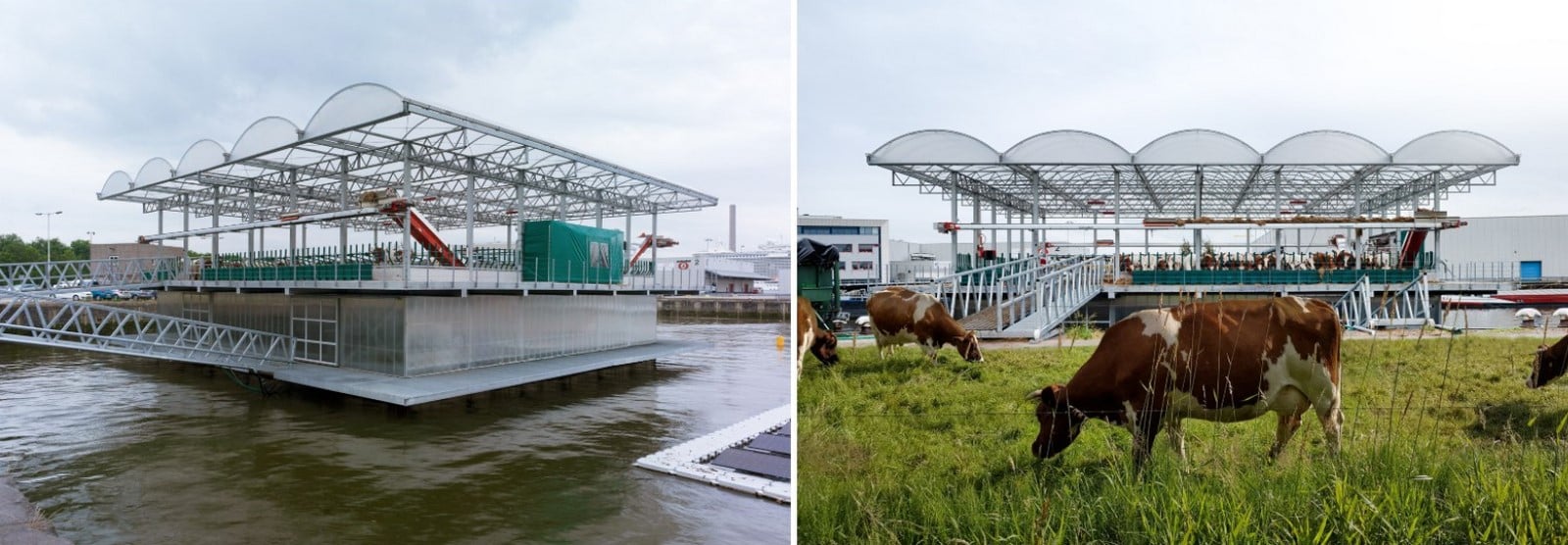
The benefits of the floating farm concept include:
Floating farms allow the use of urban water bodies for agricultural purposes, reducing the demand for land while making use of underutilized water surfaces which is a sustainable land use.
Reduced environmental impact. These farms can contribute to lower transportation emissions since the produce is produced locally and can also incorporate sustainable practices such as water recycling and renewable energy usage. Food security and local production: By producing food within the city limits, floating farms can contribute to local food security, reduce the reliance on imports, and increase the resilience of the food supply chain.
As we sail towards the horizon of tomorrow, we must remember that innovation knows no boundaries. With each passing day, new technologies will emerge, pushing the limits of what we once deemed impossible. Aqua architecture will continue to evolve and redefine itself, riding the waves of progress and sustainability. So, as architects, engineers, and dreamers, let us continue to chart uncharted waters, embracing the spirit of innovation while never forgetting the importance of preserving our delicate ecosystems.
References:
Kizilova, S (January 2019) Aqua-architecture as an autonomous system: metabolic components of the complete ecological cycle | EDP Sciences. Available at: https://www.researchgate.net/publication/337734386_Aqua-architecture_as_an_autonomous_system_metabolic_components_of_the_complete_ecological_cycle (Accessed: 19 July 2023)
FazWaz Group 2023 The Floating Seahorse, FazWaz Group | Available at: https://www.fazwaz.ae/projects/united-arab-emirates/dubai/the-world-islands/the-heart-of-europe/the-floating-seahorse (Accessed: 20 July 2023).
Weller, C (May 3, 2016) See inside Dubai’s ultra-luxurious floating homes that are on sale for $12 million | Business Insider. Available at: https://www.businessinsider.com/dubai-floating-seahorse-underwater-homes-2016-5?IR=T#more-than-200-designers-engineers-and-architects-from-25-countries-have-been-working-to-make-the-underwater-fantasy-a-reality-the-expected-completion-date-is-october-2016-9 (Accessed: 20 July 2023).
Gibson, E (April 4, 2019) BIG unveils Oceanix City concept for floating villages that can withstand hurricanes | Dezeen. Available at: https://www.dezeen.com/2019/04/04/oceanix-city-floating-big-mit-united-nations/ (Accessed: 20 July 2023)
Arquitectura Viva (July 24, 2023) Oceanix Busan | BIG Bjarke Ingels Group . Available at: https://arquitecturaviva.com/works/oceanix-busan (Accessed: 20 July 2023)
Pötz H. & Bleuzé P, SUN architecture, (2009) Amphibious homes, Maasbommel, The Netherlands | Urban Green Blue Grids. Available at: https://www.urbangreenbluegrids.com/projects/amphibious-homes-maasbommel-the-netherlands/ (Accessed: 21 July 2023)
Helmy, P | Sahara Forest Project Foundation, Tunisia: Ecosystem of the Desert | Rethinking the future. Available at https://www.re-thinkingthefuture.com/case-studies/a2481-sahara-forest-project-foundation-tunisia-ecosystem-of-the-desert/ (Accessed: 25 July 2023)
Frearson, A (May 24, 2019) Floating Farm in Rotterdam is now home to 32 cows | Dezeen. Available at: https://www.dezeen.com/2019/05/24/floating-farm-rotterdam-climate-change-cows-dairy/ (Accessed: 25 July 2023)
Pintos, P (June 24, 2019) Floating Farm Dairy, Goldsmith Company | ArchDaily. Available at: https://www.archdaily.com/919542/floating-farm-dairy-goldsmith-company (Accessed 26 July 2023)