Stockholm Wood City: Construction of the World’s Largest Urban Development Project in Wood to Begin in 2025
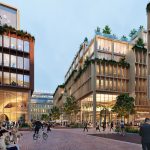
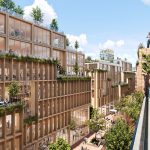
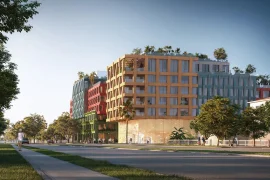
Is it possible to build an entire city out of wood? According to, Atrium Ljungberg, a Swedish company believes it is not only possible but visionary. Stockholm, Sweden is set to become the epicentre of sustainable architecture and urban development with the announcement of Stockholm Wood City, an ambitious project by Atrium Ljungberg. This groundbreaking initiative aims to construct the world’s largest urban development project in wood, showcasing Swedish sustainable innovation at its finest. With construction set to begin in 2025 and the first buildings expected to be completed by 2027, this ambitious project seeks to redefine urban living through a combination of sustainability, innovation, and aesthetic excellence.
Embracing Sustainability, Innovation, and Aesthetic Excellence
Stockholm Wood City seeks to redefine the concept of urban living by incorporating sustainability, innovation, and aesthetic excellence. With a vast footprint spanning 250,000 square meters, this project revolutionizes the construction industry’s approach to wooden structures. Given that buildings contribute significantly to global CO2 emissions, this initiative is a critical step towards achieving a sustainable future. Through the utilization of sustainable materials and construction methods, Stockholm Wood City aims to pioneer a new era of eco-friendly architecture. In a country where energy supply and efficiency are top priorities, the design will focus on self-produced, stored, and shared energy. By utilizing resource-conserving building methods and circular material flows, Atrium Ljungberg aims to change the role of the urban developer.
A Vibrant and Holistic Urban Community
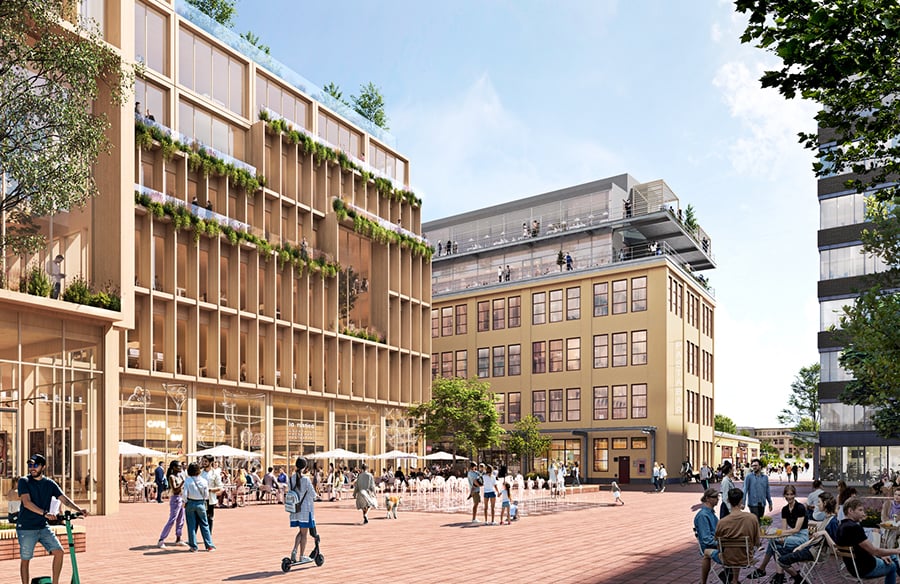
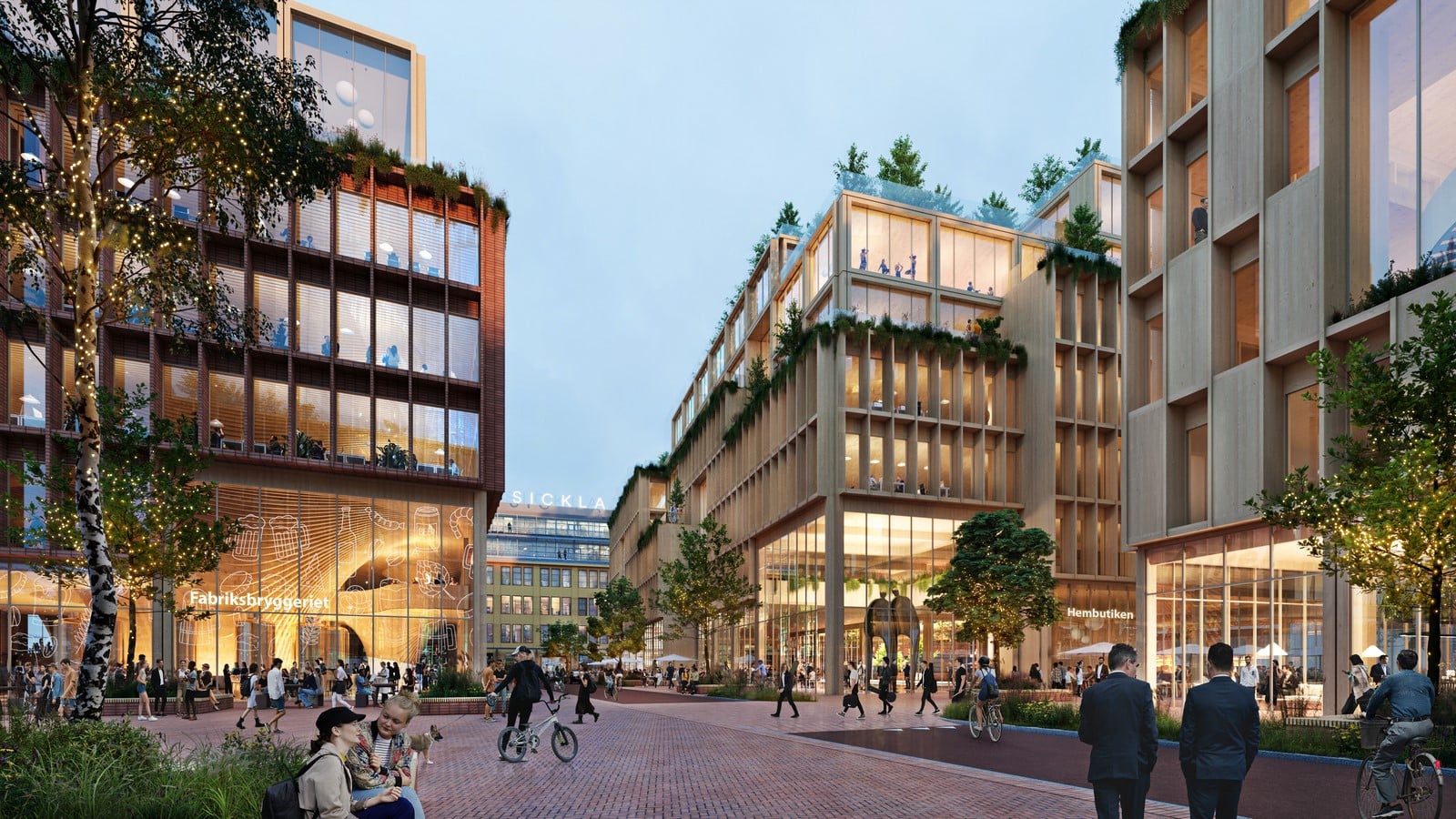
Located in Sickla, southern Stockholm, the project promises a vibrant and dynamic environment that seamlessly blends workplaces, housing, restaurants, and shops. By integrating these elements, Stockholm Wood City aims to create a holistic urban community that fosters a sustainable and enjoyable lifestyle for its residents and workers. The mixed-use design encourages a sense of unity and diversity while promoting sustainable living practices.
According to Annica näs, CEO of Atrium Ljungberg, “Sweden Wood City is something we are proud to introduce.This is not only a significant step for our company but also a historical turning point for Swedish innovation capability. Stockholm Wood City brings our future into being. Tenants have a significant need for cutting-edge, environmentally friendly solutions, which is what this initiative aims to fill.”
Advantages of Wooden Buildings
Although the subject of contemporary wooden construction is widely debated, the projects that have been finished to date typically consist of single buildings or blocks. Wooden buildings offer numerous advantages for both the environment and human well-being. Extensive research demonstrates that wooden structures provide superior air quality, reducing stress levels and increasing productivity. Additionally, wood has a unique ability to store carbon dioxide throughout its lifespan, contributing to carbon neutrality. Compared to steel and concrete, wood construction generates significantly fewer carbon emissions, making it an environmentally responsible choice.
One of the key driving forces behind Stockholm Wood City is its commitment to sustainable urban planning. By utilizing timber as the primary construction material, the project aims to address the environmental challenges faced by Swedish cities. Compared to steel and concrete, wood results in significantly fewer carbon emissions during the construction process. Additionally, timber construction emits fewer pollutants, contributing to cleaner air in the urban environment. Moreover, the use of wood in construction offers a range of other benefits. Wood is a fireproof material, which is particularly crucial in light of the increasing incidence of forest fires caused by climate change. Its fire-resistant properties provide an added layer of safety and resilience to the city. Furthermore, wooden buildings have been proven to provide better air quality, reduce stress levels, increase productivity, and store carbon dioxide throughout their lifespan.
Addressing Environmental Challenges
In recent years, the New European Bauhaus has pushed for more wooden buildings, but outdated customs and ideas have slowed progress. Wooden structures have numerous benefits for the environment as well as for human health and wellbeing. According to numerous research studies, wooden structures have better air quality, lower stress levels, boost productivity, and store carbon dioxide for the duration of their use. Stockholm Wood City not only harnesses the benefits of wood but also tackles other pressing environmental challenges. The focus on office spaces directly addresses the shortage of workplaces in southern Stockholm, reducing commuting times and carbon emissions. The project emphasizes self-produced, stored, and shared energy, aligning with Sweden’s commitment to energy efficiency. By investing in resource-efficient construction methods and circular material flows, Atrium Ljungberg aims to transform the role of urban developers, catalyzing innovation and sustainable practices across industries.
A Model for Future Urban Development
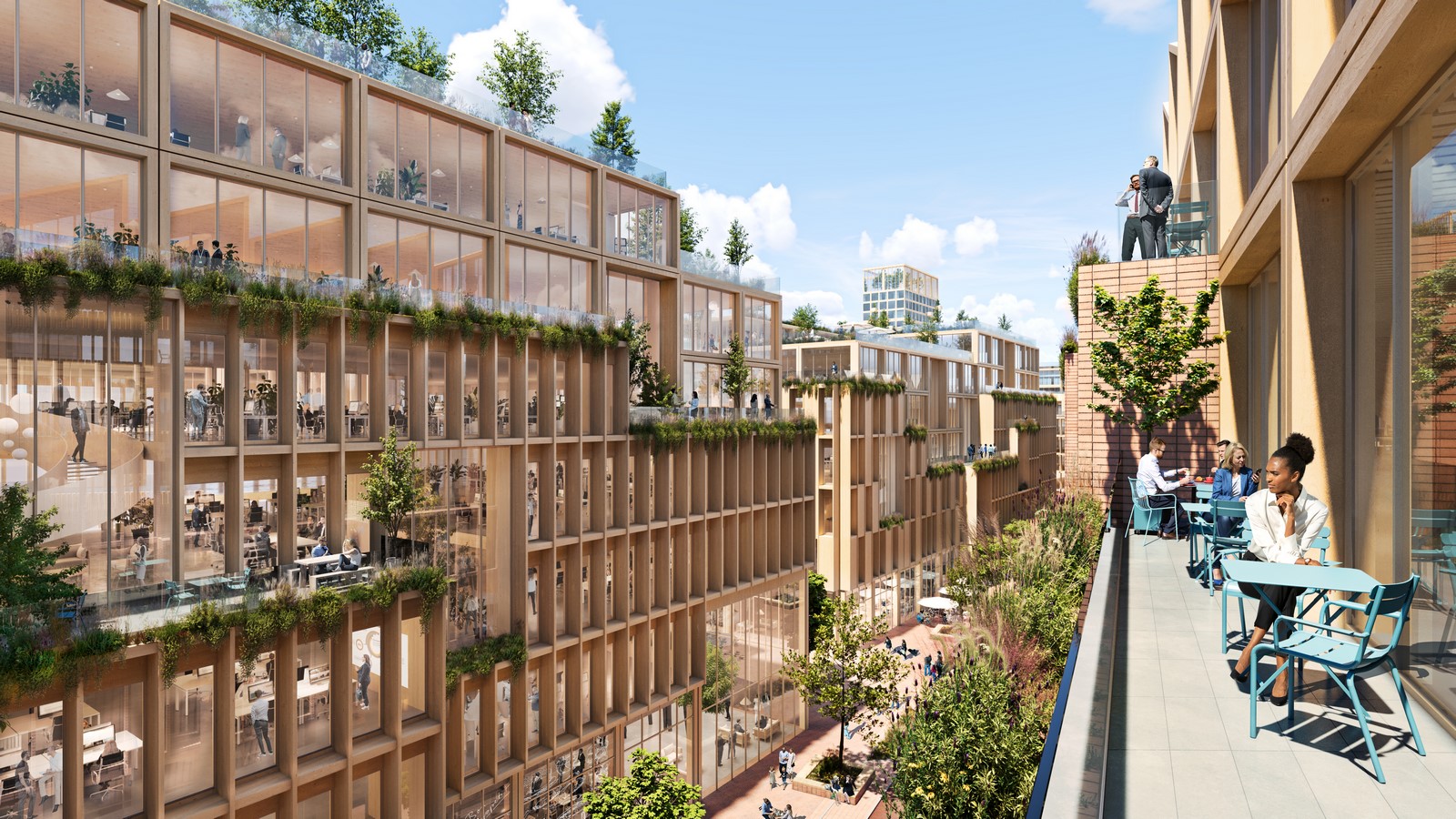
Stockholm Wood City serves as a pioneering model for future urban development projects worldwide. According to a press release, Stockholm Wood City will offer “a vibrant, urban environment with a mix of workplaces, housing, restaurants and shops” and will include 7,000 office spaces and 2,000 homes in the southeast of the city. With its vast scale and comprehensive approach, the project demonstrates the feasibility and benefits of embracing wood as a primary construction material. By adopting this sustainable approach, cities can significantly reduce their carbon footprint while creating resilient, healthy, and aesthetically pleasing living environments. Stockholm Wood City not only showcases Swedish innovation but also represents a global shift towards sustainable and nature-inspired urban design.
Conclusion
Stockholm Wood City, spearheaded by Atrium Ljungberg, represents a groundbreaking endeavor that challenges conventional urban development norms. By embracing wood as the primary material, this ambitious project showcases the potential of sustainable architecture on a grand scale. With its commitment to sustainability, innovation, and aesthetic excellence, Stockholm Wood City paves the way for a greener future while providing a blueprint for future urban development projects worldwide. As construction progresses, this visionary initiative will inspire cities to embrace sustainable practices and create environmentally conscious communities that prioritize the well-being of both inhabitants and the planet.
Online Sources
- www.al.se. (n.d.). The world’s largest wooden city announced in… – Atrium Ljungberg. [online] Available at: https://www.al.se/en/recent/pressreleases/2023/the-worlds-largest-wooden-city-announced-in-stockholm-with-construction-start-in-2025/ [Accessed 2 Jul. 2023].
- ArchDaily. (2023). Stockholm Wood City: Construction of the World’s Largest Urban Development Project in Wood to Begin in 2025. [online] Available at: https://www.archdaily.com/1002823/stockholm-wood-city-construction-of-the-worlds-largest-urban-construction-project-in-wood-to-begin-in-2025 [Accessed 2 Jul. 2023].
- Staff, A.O.L. (2023). World’s largest ‘wood city’ to be built in Stockholm. [online] www.aol.com. Available at: https://www.aol.com/news/world-largest-wood-city-built-062031317.html [Accessed 2 Jul. 2023].