Let us dive into a time that is only a vision. It is a series of calculations and statistically understood provisions. Where do we see ourselves in 10, 20 or even 30 years? This is a question that will always define our future. It will conduct the course of our lifestyles, economy, habitability and the global outlook.
“As humans, we have the power to give form to the future.” – Bjarke Ingels.
As architects, we can give a scientific yet art-specific vision of how our habitats will change over time to impact our lives.
The Future of Architecture can be a visionary disposition of changing patterns of liveability. It can be adaptive to climatic changes over time, economic statuses of different places, technological advances and scientific affirmations. The future will not only be about the sustainable functionality of the buildings and urban structure; it will also be about the formulation and creative designing of a better view.
INNOVATION AND DESIGN
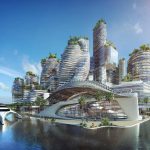
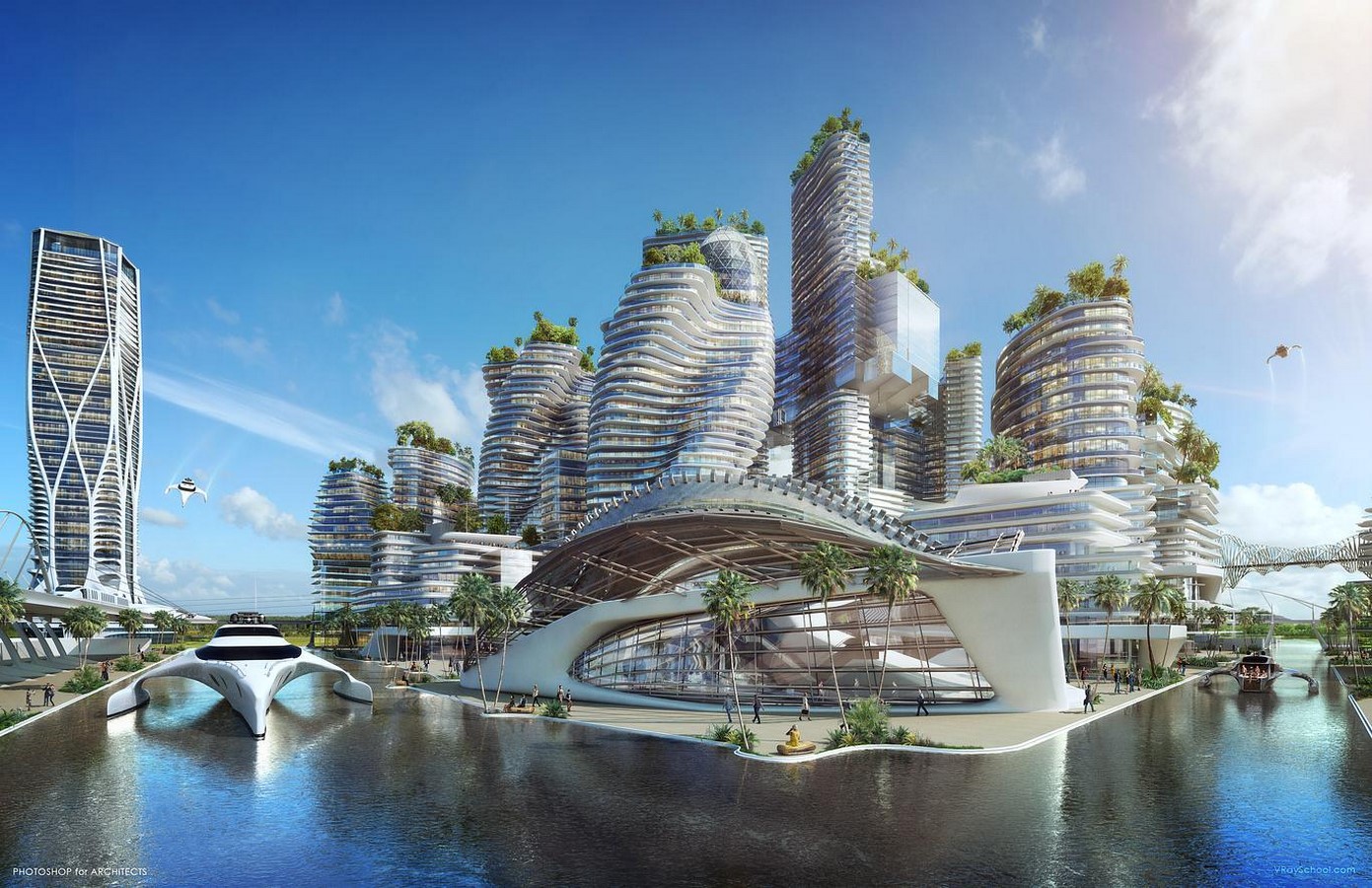
Imagine it’s the year 2075; you wake up to a rotating view of the City skyline, with shape-shifting buildings, floating gardens, flying cars etc. You move around with controls to follow your daily routine at the palm of your hand. Be it preparing breakfast, deciding apparel from the closet, cleaning the place or even watering the plants outside. This is the future. It is a vision of changing, evolving habitats and what makes it better is the evolving design.
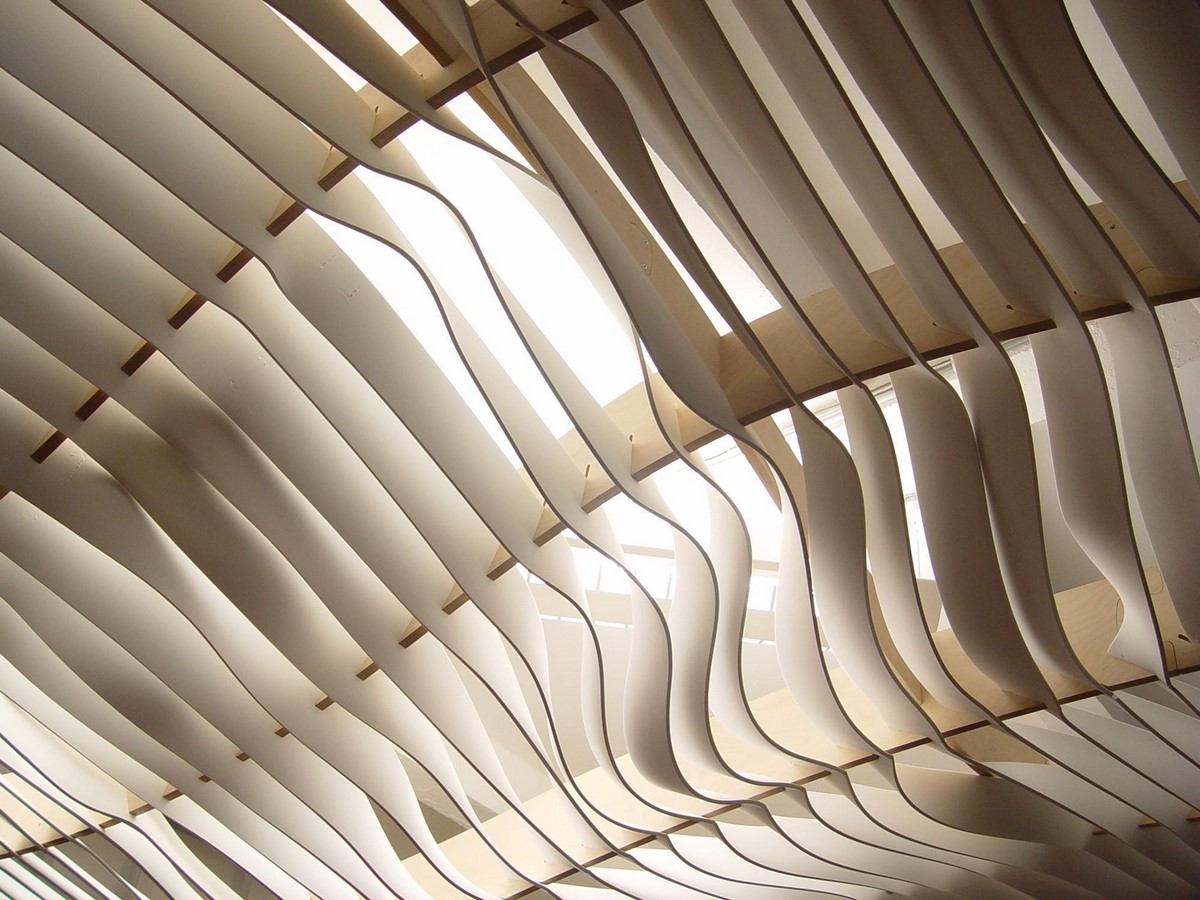
Innovation is the nature of design that improves the overall quality of architecture. It not only adds to the authenticity, but it also envisions social and economic welfare. The future of architecture will have its foundation built on innovations that are not only appealing to the eye but also hassle-free in functionality.
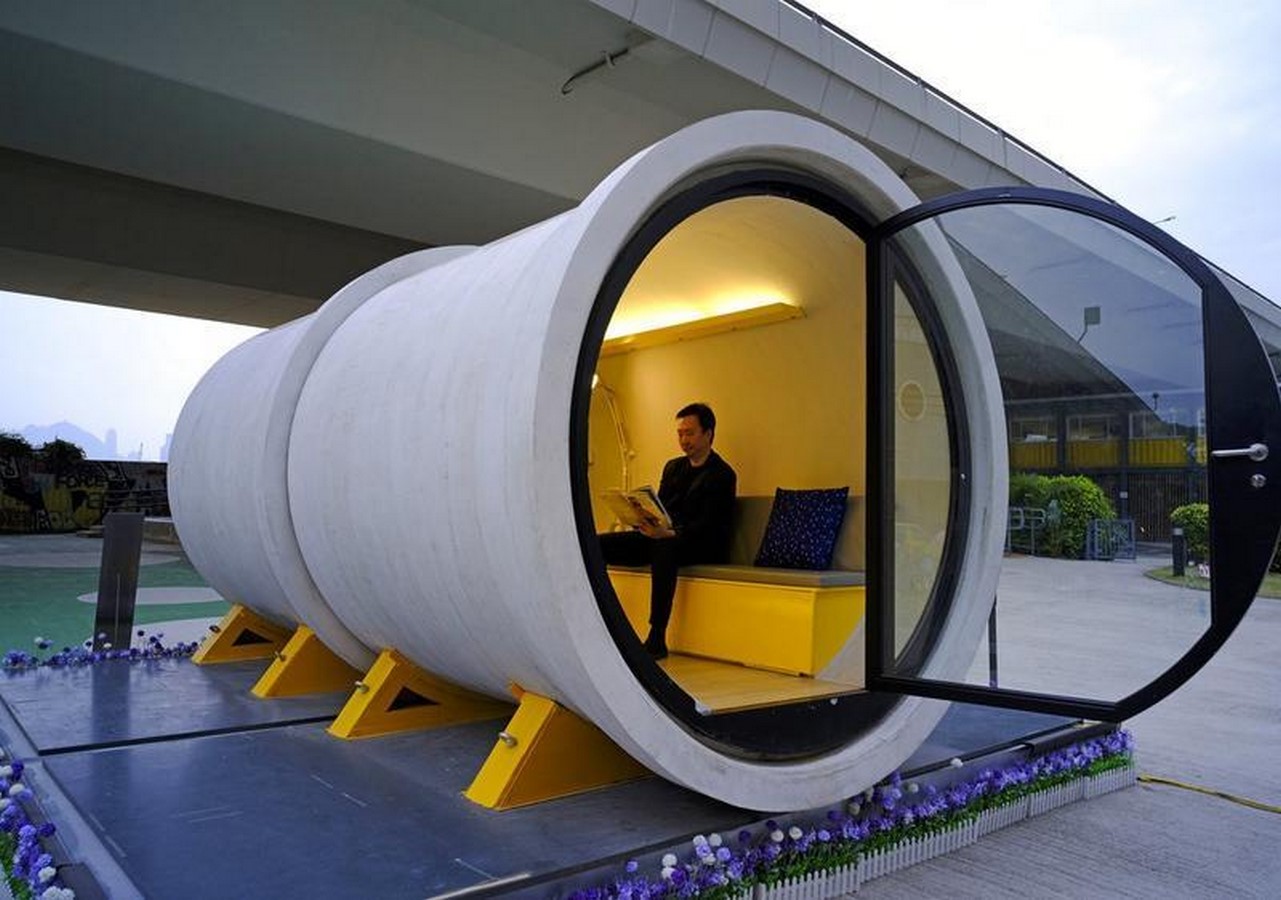
The future will be demanding of architects to be able to solve not just global design issues but also local and civic issues. The unpredictability of the future makes it even more important for architects to envision and innovate long term design solutions. For example, Hong Kong‘s Opods or micro-apartments is an innovative solution to the current housing crisis of Hong Kong. It involves building multiple compact apartments using concrete water pipes.
TECHNOLOGY AND ARCHITECTURE
Technological advances in the future come as an asset and a liability for architects and the overall field of design. Technology that is already underway globally will enhance the user experience at every stage—for instance, experiencing the designing and construction process for better visualization using VR technology, which will help the clients to view the building from the comfort of their home.
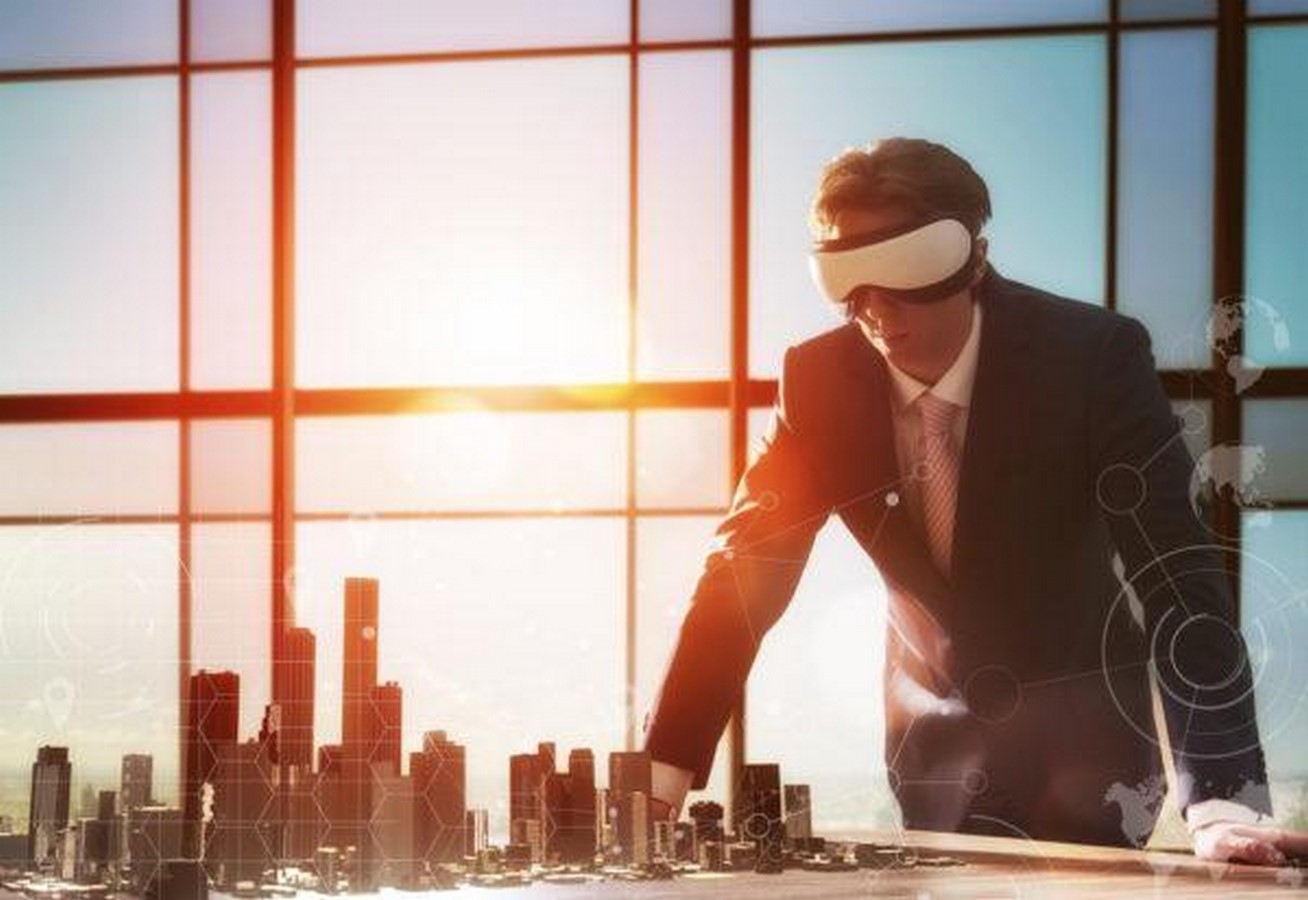
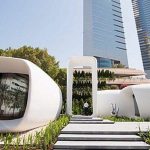
Similarly, the technological advances will also ease the construction process in a way that everything will be computable using artificial intelligence. For example, we already see a glimpse of these advances in the parametric designs of Zaha Hadid, who uses software and electronic technologies to produce brilliant and extraordinary forms of design. Along with this, we also see one of its kind 3d printed ‘Office of the future’ in Dubai.
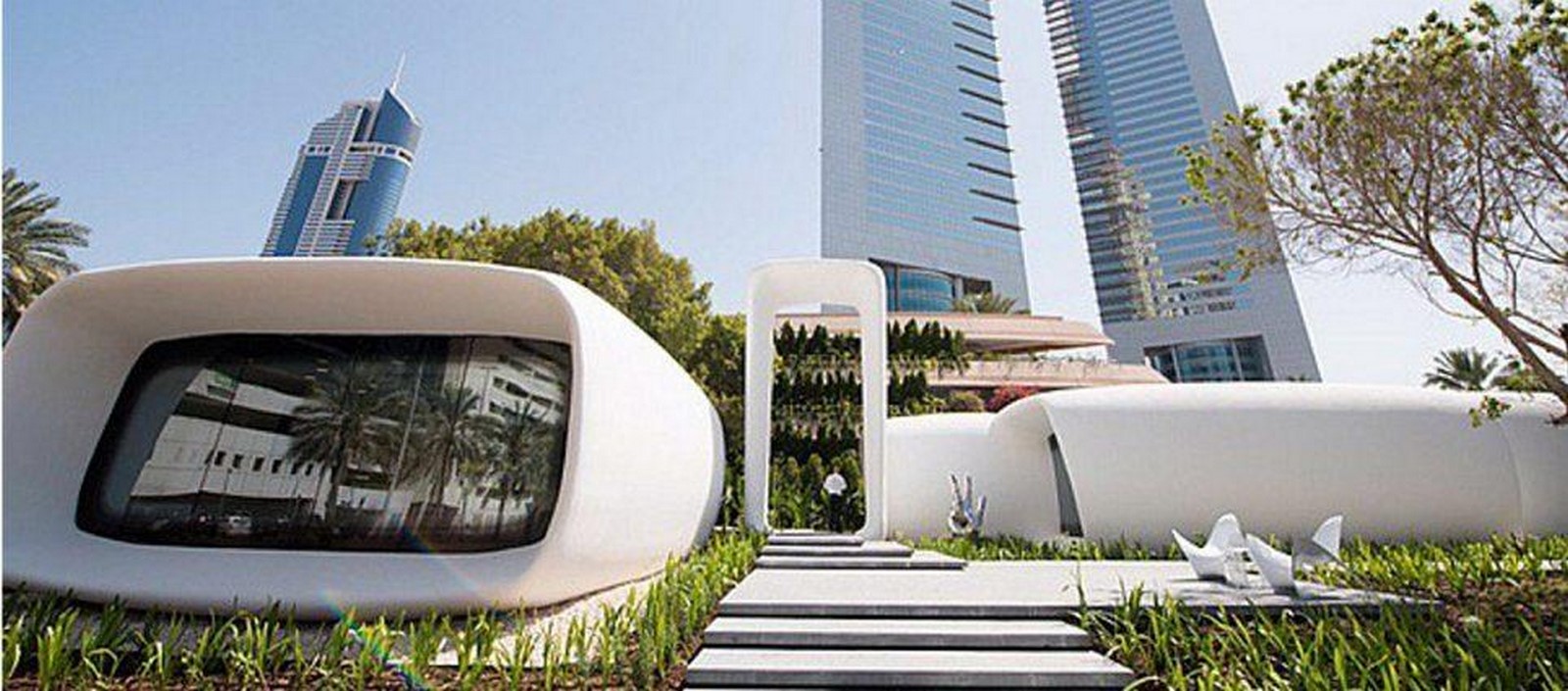
However, the advancement in artificial intelligence holds a scope to eliminate the personal presence and touch of work by Architects, which is a fear that a lot from the fraternity hold. With robotics and computer power, there is a fear that the future will hold a reduced scope of work subjectively for Architects. The architects must be accepting of these advancements to be able to coexist with the machines of the future and make it an even better place to live in. To state so, the value of personal touch even in the building designs will always be of the utmost importance.
EXTRATERRESTRIAL COLONIZATION
Whenever we talk about the future, we often get a glimpse of the likelihood of extraterrestrial settlements, which are already underway of visualization across the globe. These lunar habitats are a vision of many space engineers and architects working round the clock to form schemes for colonizing space. There are still a lot of constraints in building outside of the Earth’s atmosphere and on other planets or even the Moon.
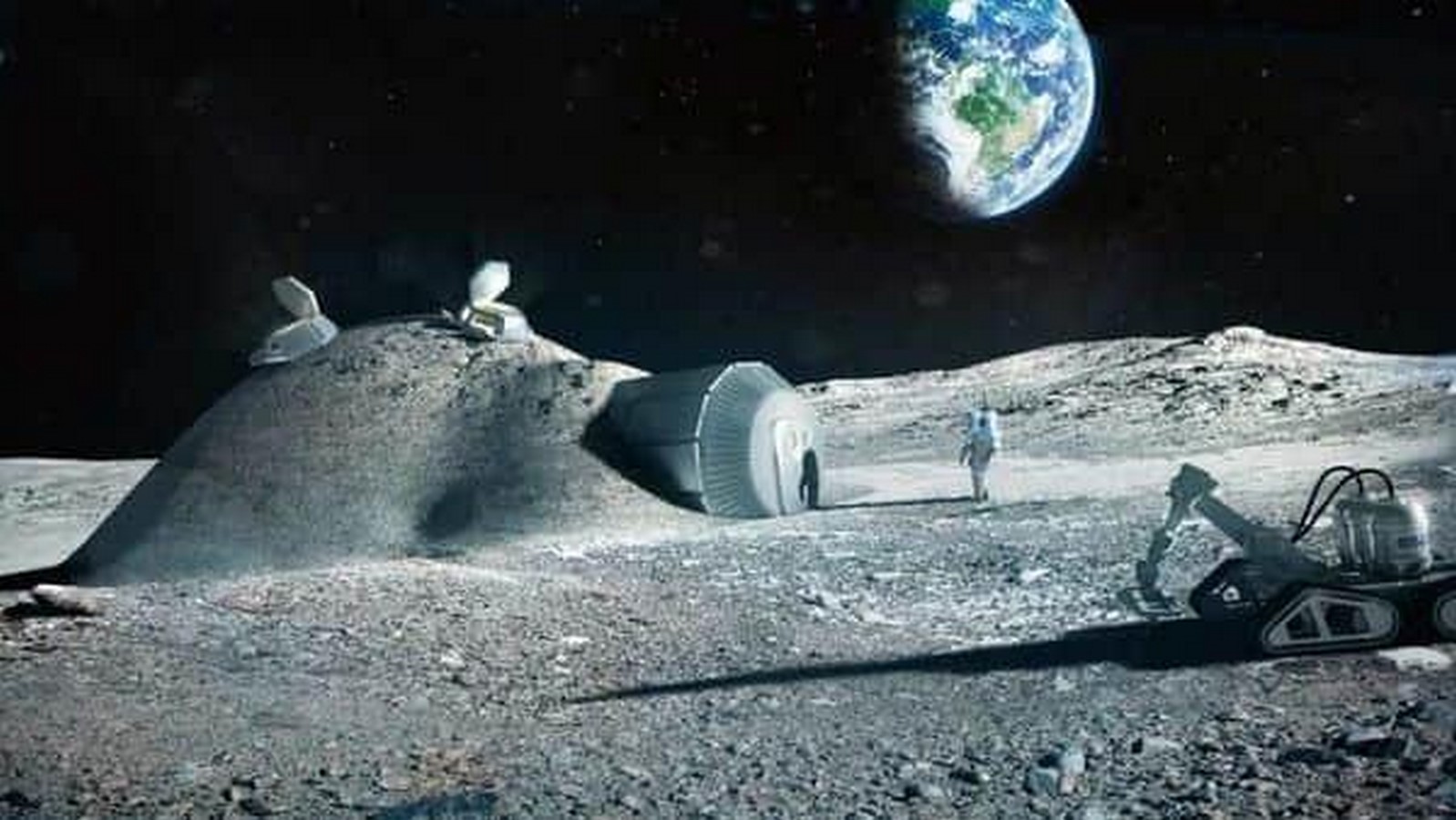
These constraints include temperature differences, transportation cost of materials, procurement of local materials, creating artificial atmospheres for the survival of the human race, etc. There are people and institutions NASA, European Space Agency, and professionals like Bjarke Ingels, Elon Musk, Xavier de Kistelier, working hard on getting solutions for these practical problems in space. They are trying to compute technology, which will be useful for people to travel across space and if technology persists, even settle in space!
THE SUSTAINABLE FUTURE
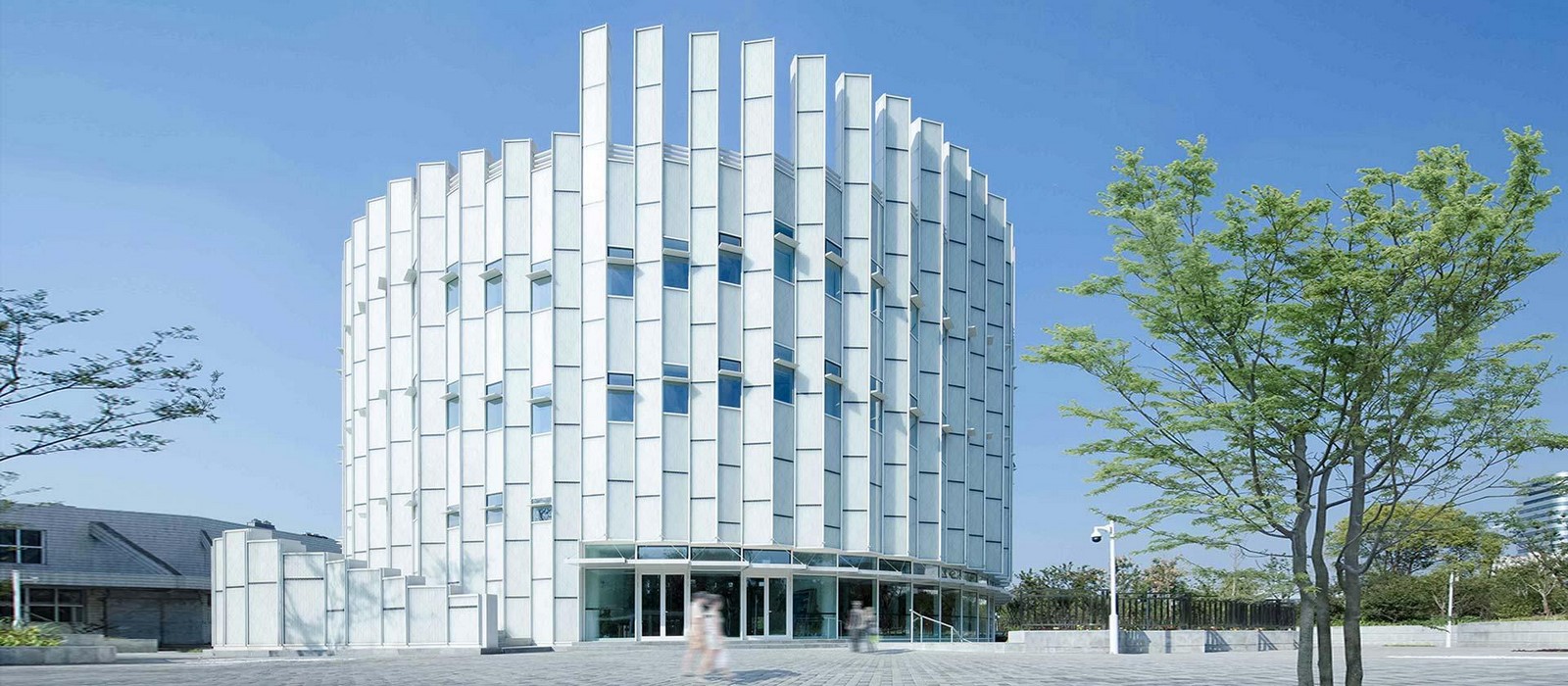
Sustainability will be an important key for building in the future. This is mainly because of the depleting resources and massive demand for these resources. The future of architecture must have its foundation laying on sustainable solutions, which consume less of the already depleting resources. The future must hold the scope of creating more and more buildings and townships, which have minimal impact on the environment. For instance: The Nanjing green lighthouse of China is a building that offers a great solution for reduced carbon footprints and its zero net energy status.
CULTURE AND THE FUTURE
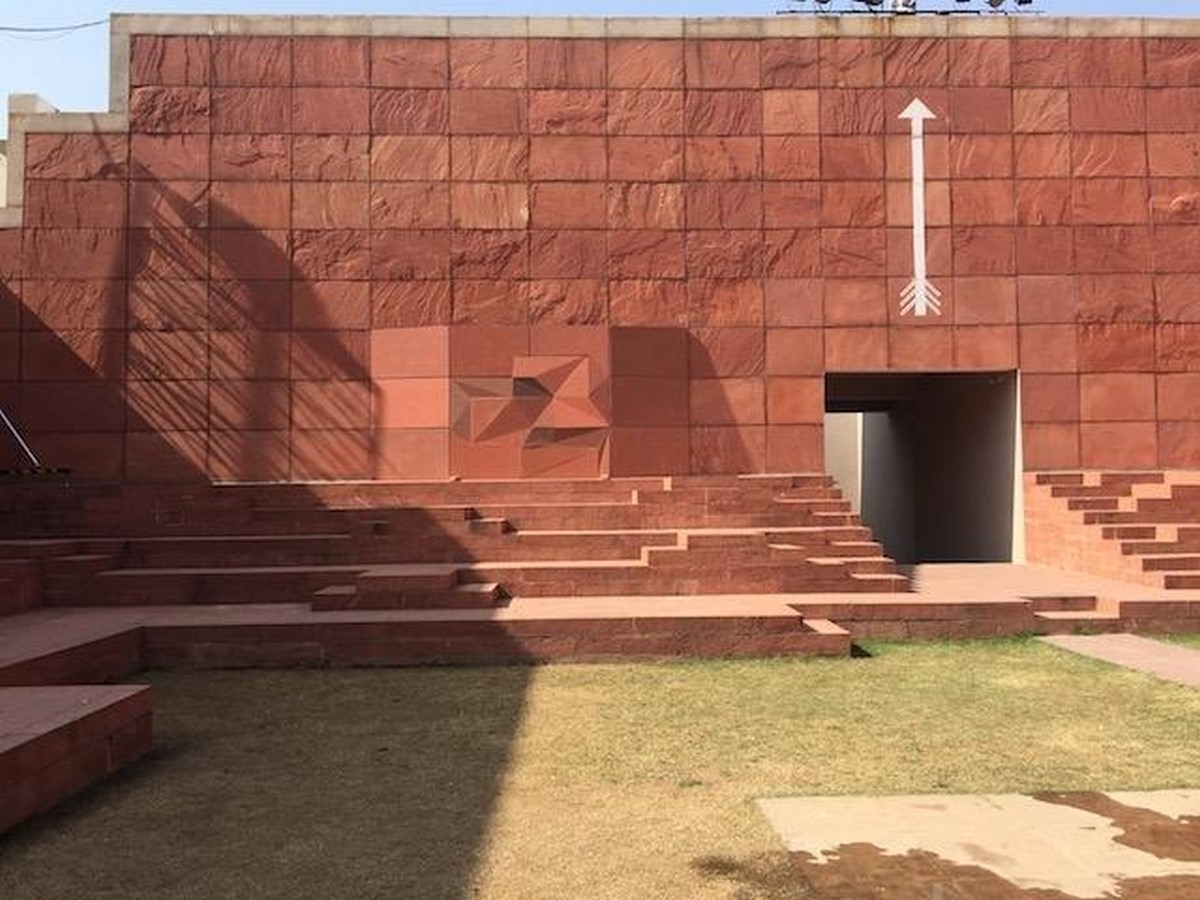
The one thing that we, as architects and designers, must keep in mind is that we never lose our cultural and traditional roots to the future. We must always ensure that however modern and technologically advanced we might become, we must always incorporate our culture and traditional values in our designs and our conceptualization of the future. Cultural authenticity plays an important role in grounding and forming an image of any place. And to maintain the image and authenticity of each place, the culture and traditions must be preserved or at least incorporated in the futuristic designs. We see one such place with cultural practice in Rajasthan, India; the Jawahar Kala Kendra shows a great design with cultural values incorporated in it.
The future of architecture holds an abundance of possibilities and innovations. This will never be a forgotten practice. It’s something that will only be more developed and well understood as a skill in the future. Architecture holds the immense possibility of crafting and carving itself into a more refined version of itself with the help of computerization and Artificial technologies. As we have already understood, the scope of work for architects and architecture as a practice in the future will be more area-specific, based on sustainability and even harsher challenges. This is something that goes hand in hand with the evolving human race and will be an important accompaniment for a sustainable yet modern future.