Before planning our Homes on Mars, let us make the Earth Livable!
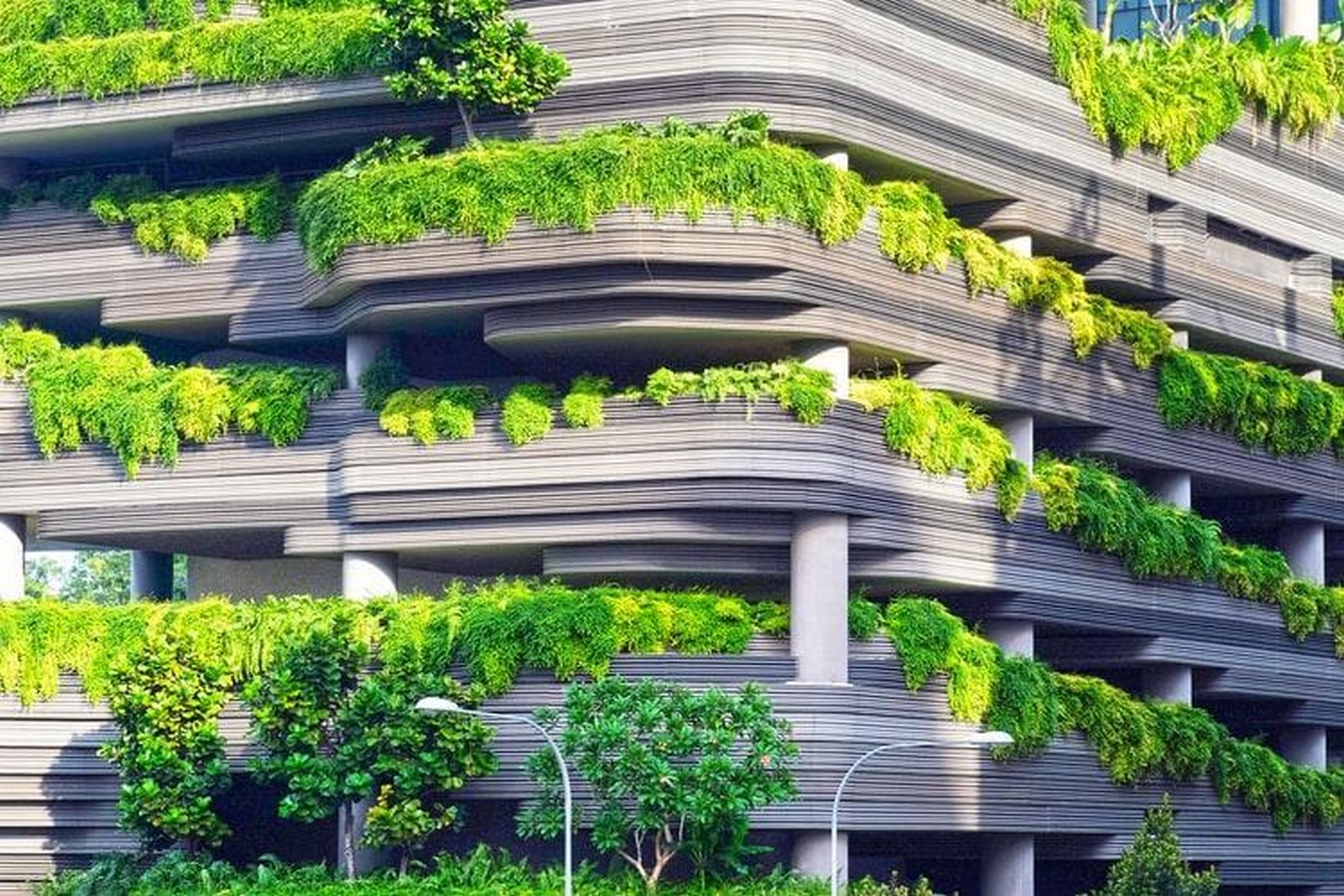
Architecture has come a long way, from castles and indigenous row houses to malls and apartments. As the population is multiplying each day, different needs are coming up to envisage a third way for the concept of design and architecture. To concoct a green and livable future, we have to correct our measures in the present.
The human race has evolved and developed architecture from the Mohenjo-Daro epoch to the parametric era. As they say, “Necessity is the mother of invention,” we have designed and invented technology and materials to cater to the population growth and needs. High-rise apartment buildings have become vital for housing in a city, and public places have taken a turn from just open gardens and squares to plazas and alleys. Markets have turned into malls and shopping complexes, and amphitheaters / open-air theatres are now enclosed within four walls that are halls and movie theatres. But every development comes with a price, and here, our ‘mother earth’ is paying for it. The architectural fraternity has been working towards shaping the future for our essentials, but what future do we wish for?
Concrete Jungles or Natural Forests?

Though we have developed technology that has sped up our construction techniques, we are losing the character and uniqueness of places in the race of technological advances. If we analyze our development today, we can predict uniform and replicating buildings in the future! The question is, do we want the mundane and identical milieus around us? Due to the increasing population, we are limited with the distribution and use of land; subsequently, similar building techniques and designs are leading us to create jungles of concrete. We wish for more and more skyscrapers, but what we do not notice in these structures is the higher the building is, the deeper its foundation goes. For high-rise buildings, it is mandatory to use concrete up to a few floors. Using concrete in such high volumes is affecting the land and our resources. Moreover, the increased use of concrete is escalating the carbon footprint every day.
Material Innovations for a Change!

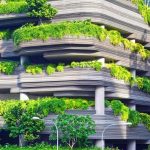
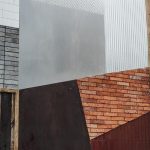
The alarming issue of climate change and global warming has driven a very important concept of sustainability. As much as the term is known to all, architects are trying to contemplate and design sustainable built environments to address the profoundly intensifying issue of climate change. The combinative effect of overpopulation and rapid urbanization has caused significant problems like ecological deterioration and social divide due to unequal resource distribution. To foresee a bright and developed future, catering to these concerns is the need of the hour! Efforts are being made to incorporate climate responsiveness in designs, but there is also a need for climate receptive materials to bring about a change. People are trying to develop building materials from factory waste products and also by the new pollution creating elements, ‘the masks. The future holds a window for new materials such as pollution-absorbing bricks, porous tiles, bricks made from masks and other wastes, and other indigenous materials.
Bring in the Lost Indigeneity

If we take a look at the recent Indian trends, the material palette is majorly comprised of brick and concrete. While, if the ethnic architecture of India is considered, materials used were more than just bricks and concrete. The local material availability was different for different areas, which made the architecture of a place unique and sustainable. Our indigenous material palette includes stones, lime plasters, earthen plasters and bricks, wood, etc., which gives us a diverse assortment for explorations and innovations.
Indigenous styles of architecture are climate responsive and unique. Moreover, by using different environment-friendly materials, we could increase the uniqueness factor, give character to a place, and cut down the carbon footprint. With the advancement in technology, we have BIM and 3d printing techniques now, which can be used in the future, and local materials could be coalesced with technology to build new sustainable and resilient materials.
Shift in Paradigms
With the onset of COVID19, our lifestyles have changed radically, and so has our use of spaces. With markets going digital, we have a lot of practices to rethink in the public and private sectors. People’s perspective towards the use of built spaces has changed vividly. The rapid emergence of work from home culture has turned the tables, and workplaces have lost their character. So, what type of buildings should be designed for the future? With the changing trends, we need more multifunctional, convertible, and expandable spaces. For example, the deserted office spaces could be used to expand the health care establishments. On policy-making levels, the new development policies of the cities should have elasticity and multifunctionality in the planning. Overcrowding one or two cities with job opportunities is not the solution. The resources and workforce should be planned and distributed among the major cities of all the states to ensure equal opportunities and ecological balance.
Include the Inclusivity Factor!
In ancient times, architecture was only for normal human beings; specially-abled were not in the dictionary of architecture. Today, with reforms in policies and awareness among the mass, physically handicapped have made their way through the architectural dictionary yet, architecture needs to be more inclusive, not just to human beings but also to animals and plants. For the future of architecture to be progressive and worthier, it should include all genders, physical and mental conditions, and all other living beings.
In conclusion, to make our earth livable, future architectural practices must be sustainable, inclusive, and unique. The amalgamation of technology and indigeneity could bring out unique character and make the environment breathable.
References:
Medium. 2021. Emerging Trends That Will Shape the Future of Architecture. [online] Available at: <https://medium.com/studiotmd/emerging-trends-that-will-shape-the-future-of-architecture-356ba3e7f910> [Accessed 24 June 2021].
CHEPELIANSKAIA, O., 2019. WHY SHOULD ASIA BUILD UNIQUE CITIES?. In: ISOCARP Review 15.