A city is more than hard concrete, tall buildings, and skylines; it is the warmth, the conviviality, and the human connection that give it its true essence. Strangers meeting at a tea stall, starting up conversations; children playing in the park; friends sharing a bench; people talking, debating, bonding. These quotidian interactions are a vital part of urban life. However, Modern Indian cities have seen a transition from public spaces that foster such interactions to consumption-focused private spaces.
Social Spaces in India and their Evolution over Time
Sociologist Ray Oldenburg‘s coined the term “third place” in his 1989 book The Great Good Place. Beyond the first place of home and the second place of work, third places are informal environments where people meet voluntarily and regularly. India has historically possessed a diverse range of social spaces that did not require paying for an experience. Streets, chowks, bazaars, maidans, ghats, temple precincts, neighbourhood courtyards and tea stalls have often acted as a space for commerce, conversation, recreation and community life. Yet this history should not be glamourized. Traditional public spaces were never truly democratic. Caste, gender, religion and occupation could determine who occupied particular spaces and how they were allowed to behave within them.
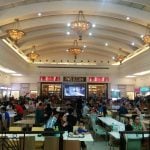
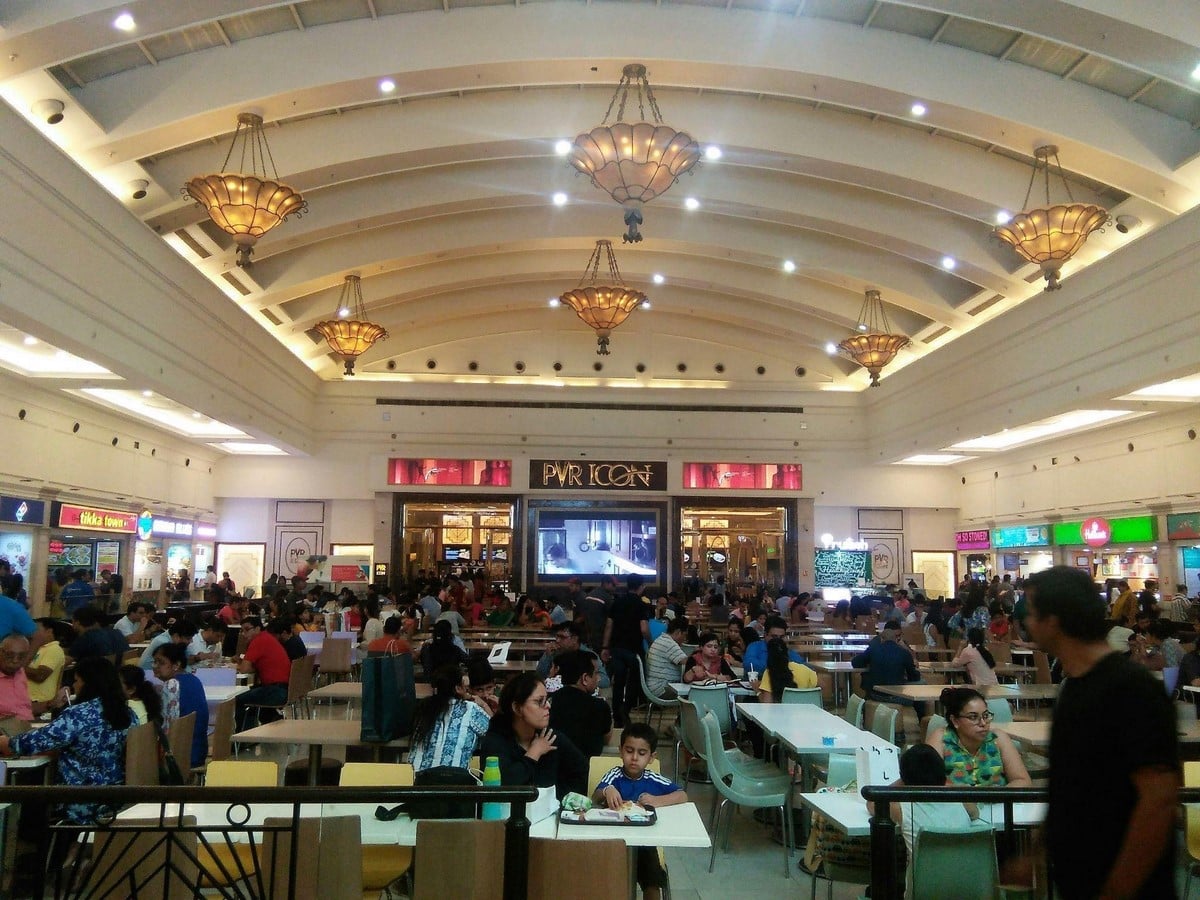
Contemporary urban environments are causing new forms of exclusion while masquerading as universally accessible. A space which is formally open to everyone can still be socially or economically inaccessible for certain groups to dwell. In recent years, India has experienced a massive boom in malls and cafes; youth is increasingly preferring cafe culture as a primary social activity, spending anywhere between rupees 300 and upwards per visit.
Architecture and Design Influenced by Neoliberalism
Throughout history, every political system, whether autocratic regimes or decentralized democracies, has used Art, architecture, and Design as tools for ideological expression. Neoliberalism is rising in India; it’s changing architecture and design into tools of socio-spatial exclusion, where physical, psychological, and geographic separators are used to divide people based on their economic and social standing.
Design features, which include raised entrance ways, border walls, security checks, and biometrics, serve as psychological as well as physical barriers. These design elements make lower-income citizens, street sellers, and informal workers feel unwanted, thereby successfully performing what sociologists call “spatial purification” (Chaudhuri, 2021). Privatisation of spaces is not just a consequence of urbanisation; rather, it is planned. Citizens are being considered consumers in today’s world, by giving priority to private ownership over public places, thereby increasing the inequality gap between the rich and the impoverished.
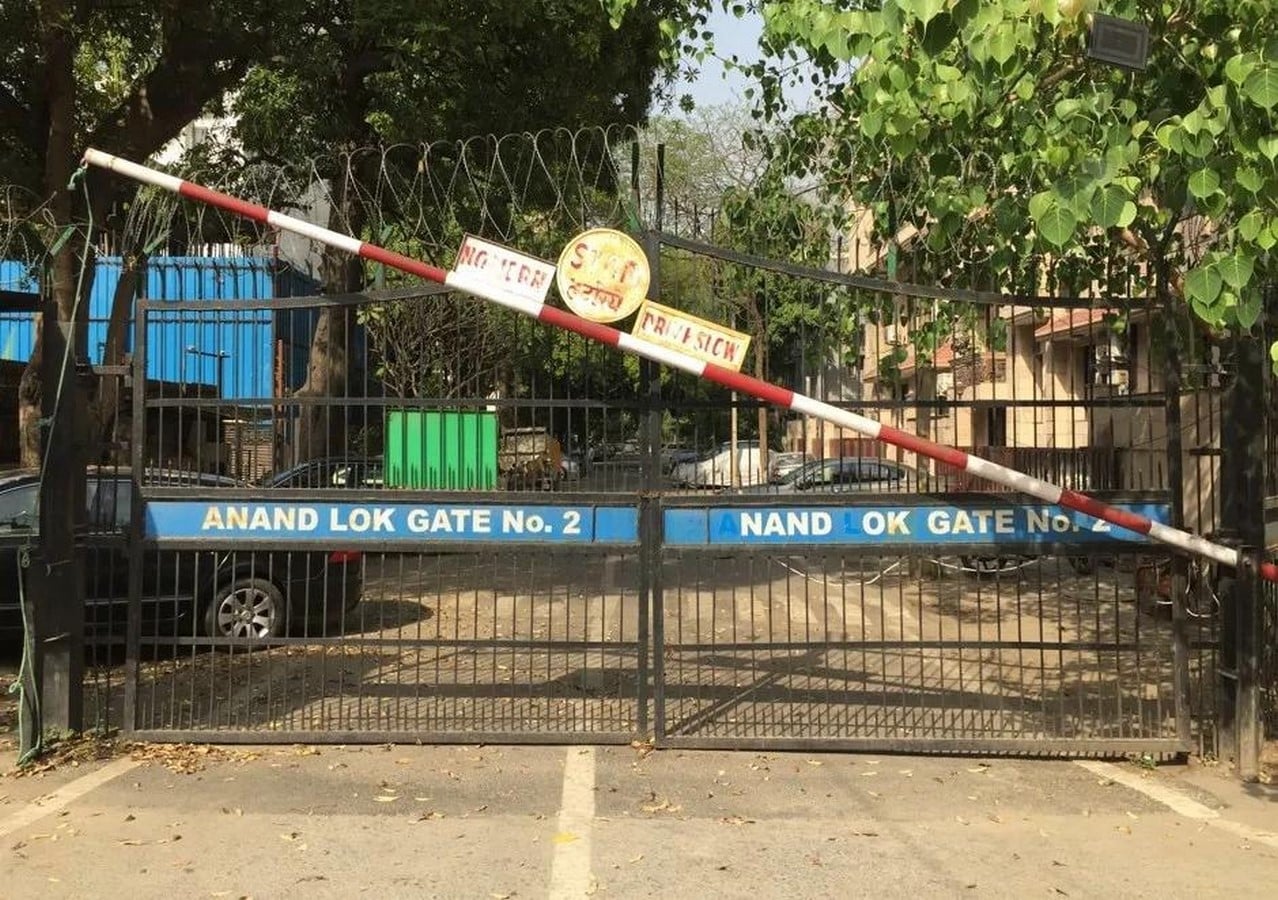
The segregation is evident in the architecture of the gated residential buildings that now form nearly fifty percent of all urban housing in large Indian cities, according to a Redseer Strategy Consultants (2020) report. Gated buildings heavily depend on low-paid labour, yet they continue to enforce socio-economic boundaries through hostile architectural designs that have separate elevators, service entrances, as well as inefficient public facilities, such as shaded areas or washrooms.
Government Organization Guidelines and The Reality
Oldenburg said, “In the absence of informal public life, living becomes more expensive. Where the means and facilities for relaxation and leisure are not publicly shared, they become the objects of private ownership and consumption.”
Architecture and design now condition human comfort on individual purchasing power rather than treating it as a fundamental civil right. In hot and humid Indian cities, simply walking outdoors is brutal. Limited footpaths, pollution, extreme heat, and an almost complete absence of shade, public seating, or clean water force pedestrians into air-conditioned private malls or coffee shops. Research on pedestrian infrastructure in Indian megacities shows that over 70% of urban roads lack continuous, walkable footpaths. Malls don’t just attract people from public spaces; people are forced to go because public places fail to provide basic necessities like safety, cleanliness, and shade. This created an architectural paradox: privately managed spaces end up feeling far more welcoming, safe, and dignified than public land.
According to the URDPFI (Urban and Regional Development Plans Formulation and Implementation, 2014) guidelines, it is mandatory that Indian cities allocate 10 to 12 square meters of open recreational space per capita. In reality, large cities like Mumbai have only ~1.08 to 1.24 square meters, and Chennai has under 1 square meter of accessible public space per person.
State-Organised Spatial Cleansing
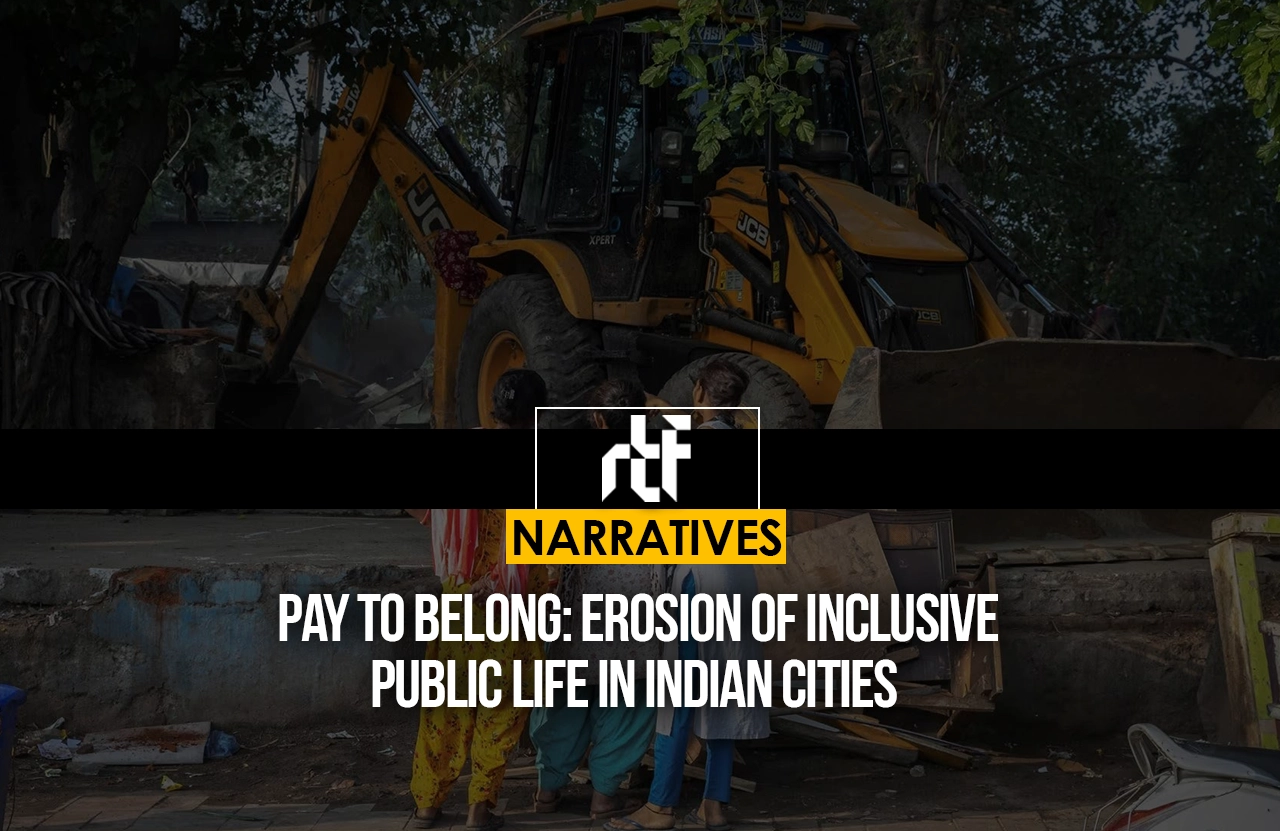
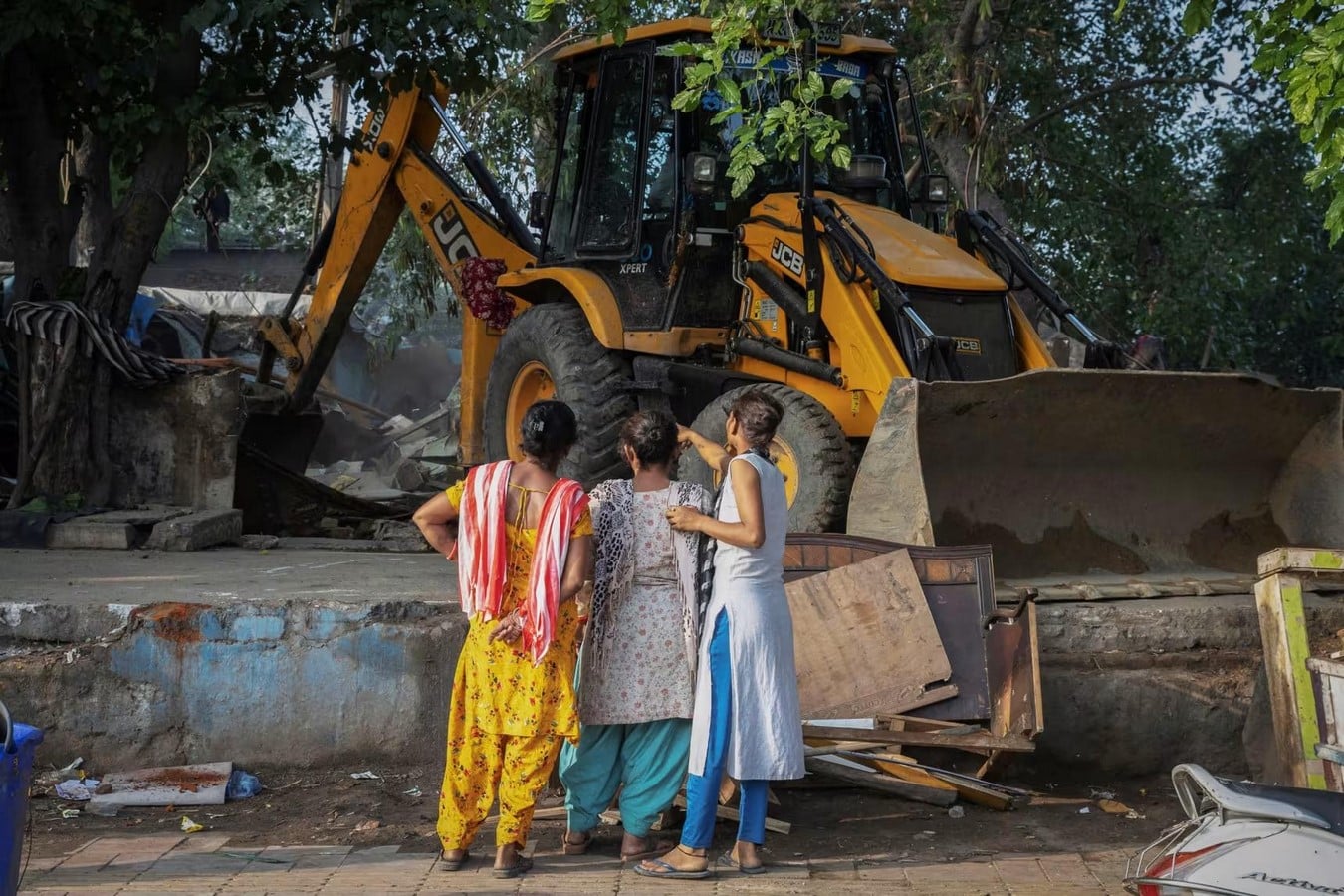
When cities have to host international events, it turns into spatial cleansing. As per the reports, before the G20 summit 2023, New Delhi’s municipal authorities handed out eviction notices to the informal slums of Bhairon Marg, which lie right opposite the Pragati Maidan convention. Thus, architecture and design are being used to create a false setup, hiding poverty behind the polished narrative of the country.
Ultimately, a city gets lost when it is prioritizing capitalism over its citizens. Common places are destroyed for the benefit of capitalism, and ultimately empathy, discussion, and community get lost with it. Indian cities must move away from this neoliberal model and instead focus on building public spaces that anyone can enter, regardless of their economic standing.
REFERENCES:
Abidi, A. (2023) Women watch as an excavator destroys their home at a slum next to the G20 Summit venue in New Delhi [Photograph]. Reuters, New Delhi, India.
Chakraborty, R. (2024) A large group of people sitting at tables in a restaurant and shopping mall [Photograph]. Unsplash. DLF Promenade, New Delhi, India.
Malhotra, A. (2019) A gated colony in New Delhi [Photograph]. CityLab/Bloomberg, New Delhi, India.
Bhan, G. (2023) ‘Washing away the poor: urban governance and the G20 demolitions in New Delhi’, The India Forum. Available at: https://www.deccanherald.com (Accessed: 22 August 2026).
Chaudhuri, S. (2021) ‘Spatial purification and the neoliberal city’, Journal of Urban Studies, 15(2), pp. 45–60.
Oldenburg, R. (1989) The Great Good Place: Cafes, Coffee Shops, Community Centers, Beauty Parlors, General Stores, Bars, Hangouts, and How They Get You Through the Day. New York: Paragon House.
Patel, R. and Vedagiri, P. (2020) ‘Pedestrian infrastructure deficits in Indian megacities’, Transport Policy, 88, pp. 112–125.
Redseer Strategy Consultants (2020) The Rise of Gated Communities in Urban India: Market Assessment and Growth Projections. Bengaluru: Redseer Management Consulting. Available at: https://redseer.com (Accessed: 22 August 2026).
Srivastava, S. (2014) Entangled Urbanism: Slum, Gated Community and Shopping Mall in Delhi and Gurgaon. New Delhi: Oxford University Press.
Urban and Regional Development Plans Formulation and Implementation (URDPFI) Guidelines (2014) Ministry of Urban Development, Government of India, New Delhi.