A romantic melancholy written and directed by Sofia Coppola tells a story about two people exploring themes of alienation and disconnection against a cultural backdrop in Japan. The story revolves around Bob, a fading American movie star who arrives in Tokyo, Japan to film an advertisement. On the other hand, Charlotte is a young college graduate, left behind in her hotel room by her husband as he leaves for a photography assignment in Tokyo.
The story unfolds when Bob and Charlotte have brief encounters each night at the hotel bar and she invites him to meet up with some of her local friends. As they explore Tokyo together and learn about the contrasts between Japanese and American culture as well as their generations, the two develop a friendship and a bond.
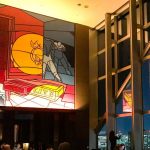
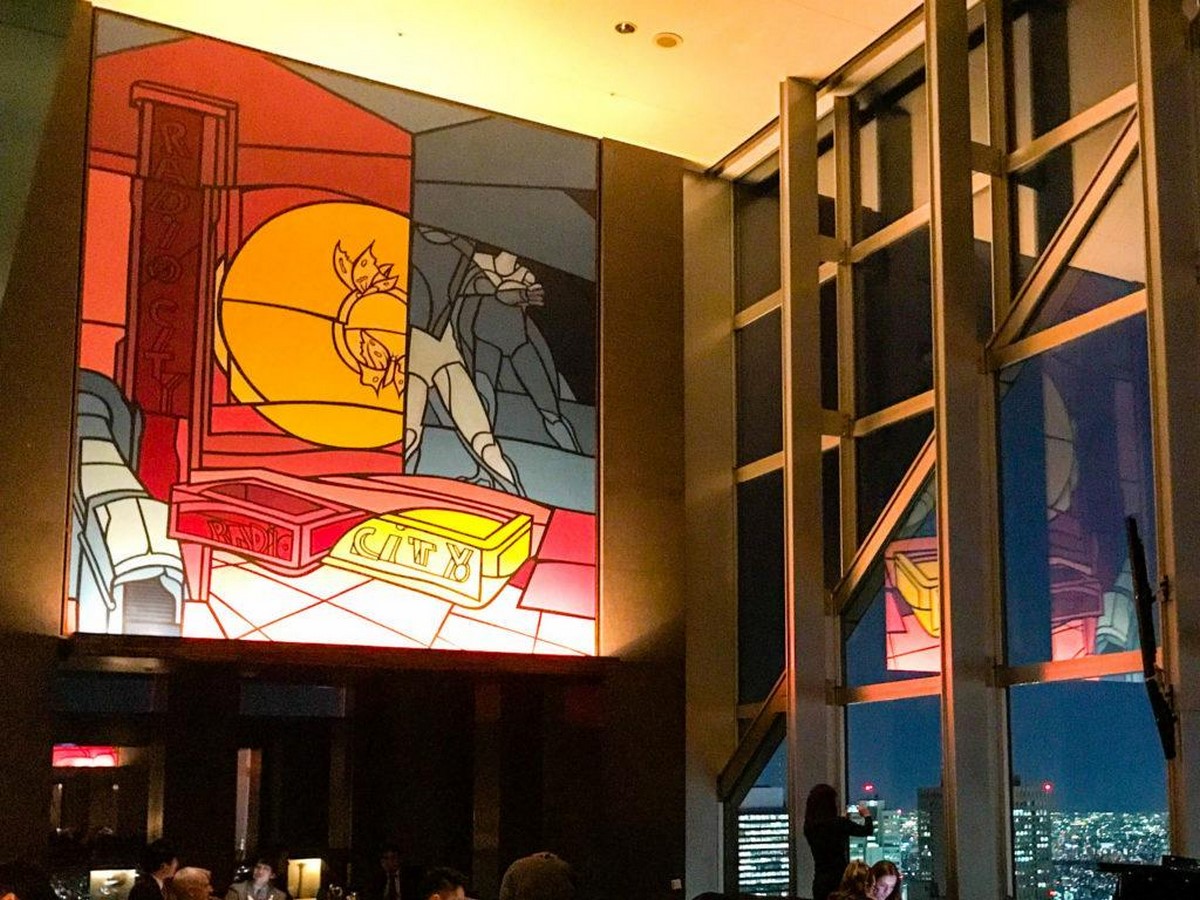
The movie takes place at the Park Hyatt Tokyo. It is the residence of the protagonists and blends beautifully as a background for the scenes as it captures the loneliness of the characters using soft wrapping lights and muted tones. With its choices for food and entertainment, the hotel itself blends worlds and cultures. The place where Bob and Charlotte meet is the New York Bar. The fact that Sofia Coppola chose to put her movie in such a cutting-edge, well-liked hotel is proof that she is interested in places that fascinate her as a foreigner. The hotel is regarded as a top destination for tourists to the city, mostly celebrities. She is interested in actual places rather than staged locations, as evidenced by the fact that the hotel is described as an “elegant oasis of space”.
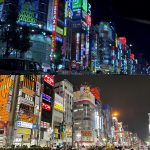
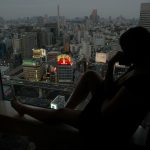
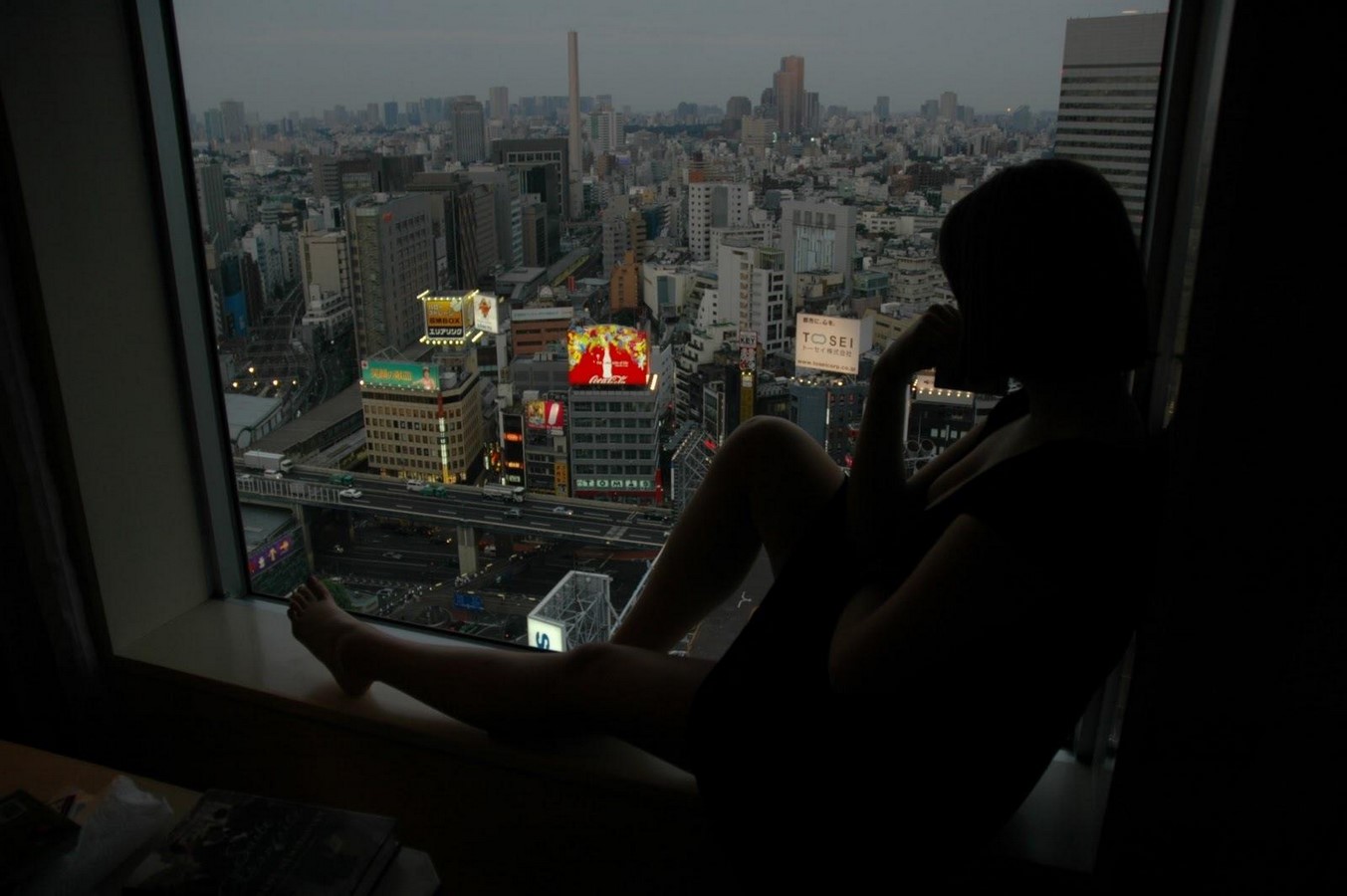
The beautiful view of the city is seen through the hotel windows which shows the architecture of the city. The city is densely populated hence it amplifies the feeling of being “lost at sea”. Much like the American cities, Tokyo also signifies how one is anonymous and unrelated to anyone. It contributes to the overwhelming feeling of being surrounded by people and yet feeling utterly alone. The background music effectively depicts Japan’s nightlife, complete with bright lights and giddy onlookers. The technology effectively conveys the clashing and vibrant colors that metaphorically symbolize Charlotte’s mood.
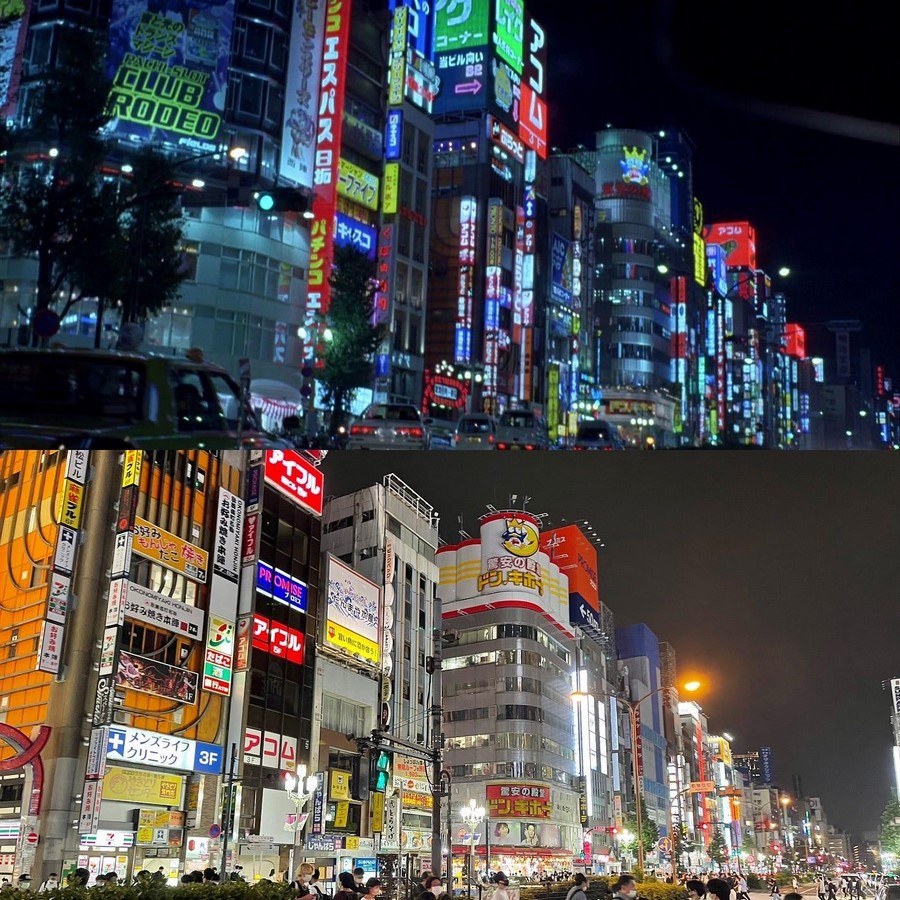
The serene ambiance of the monasteries Charlotte visited, which examines the spiritual and religious aspects of Japan, has been perfectly depicted. As people find friendship in one another, the desolate city is now turned into a vibrant one. Lost in Translation presents a lit world that is very similar to our own when we examine how light is expressed in the film. The lighting is not exaggerated. Theatrical and cinematic lighting designers generate hyper-real lighted situations to foster an emotional response in the viewer in both theatre and film. We perceive that lighting in films is generally more realistic than in real life.
Scenes, where Charlotte travels through a train witnessing a Japanese wedding, engaging through bonsai trees, and facing the language barrier, convince the audience that she is alone in this busy city. The movie uses tags like lost worlds for broken relationships using moody tones and silent music. The themes in the movie give a naturalistic feel to the point where one can feel raw. The movie relies mostly on the existing lighting conditions, which minimizes the visual hierarchy and focuses on what needs to be shown. It’s intriguing to consider how a location that seemed monotonous to us through the characters’ views becomes interesting towards the end.
Sound is also important for an architect hence Lost in Translation’s diegetic sounds should also be taken into account. These are the sounds heard in the movie’s setting. Just like the audience, Bob and Charlotte are aware of and present during this sound design. Bob and Charlotte are frequently depicted in their hotel rooms alone. Usually, they are unable to get any rest. In these sequences, sounds are employed to highlight unease, annoyance, and dissatisfaction. The silence is broken by snores, alarm clocks, or midnight faxes. Unobtrusive instrumental music is heard in the background of several of these scenes.
Lost in Translation decides against drowning out the audience with sound. The two main protagonists, Bob and Charlotte, are not the source of the majority of the sounds in the movie. The constant noise from outside mostly drowns out Bob and Charlotte as they attempt to recuperate from this bombardment interrupting the exterior noise. The only escape from the cacophony of pointless noise is to spend some peaceful time together at the bar or watching a strange movie. It is a method to break free from the never-ending monologues, where you chat to someone else yet feel that everyone is only looking inward at themselves.
Being an architect, I’ve come to understand that people are what truly complete architecture. The nightlife of the city gives a visual treat, while the stationary shots contrast the feeling. The environment is either lively, spiritual, or boring, depending on the people and their moods. This is a truly fantastic film that examines several facets of life, including friendship, love, loneliness, and midlife crisis.
Refernces:
Ahi, M. J., 2012. Interiors. [Online]
Available at: https://www.intjournal.com/0812/lost-in-translation
Ebert, R., 2012. Roger Ebert. [Online]
Available at: https://www.rogerebert.com/reviews/great-movie-lost-in-translation-2003
Mikulec, S., 2020. Cinephilia & Beyond. [Online]
Available at: https://cinephiliabeyond.org/lost-translation-sofia-coppolas-poetic-exhibition-love-humor-understanding/#:~:text=Shot%20by%20cinematographer%20Lance%20Acord,a%20film%20so%20full%20of
Portilla, D., 2012. Archdaily. [Online]
Available at: https://www.archdaily.com/242040/films-architecture-lost-in-translation
Wikipedia, 2020. Wikipedia. [Online]
Available at: https://en.wikipedia.org/wiki/Lost_in_Translation_(film)#