Architectural school, among various things, teaches us the gradual shift from manual to digital work. The different grades of pencils to different software that justify the pencil grades on screen. The only thing that doesn’t change in the process is the aim to be perfect, which has proven to be difficult in the field of architecture. As difficult as it is, yet Professors want you to aim higher than perfection which might just be unattainable and hence the highest bar of standards to be set. Be it manual work or digital neither of the options seems to make the strive easier to making the process to be synonymous with the phrase “sky is the limit”. Even with all the uphills, there is always this one time when you “touched the sky”. Well, almost.
Architectural Construction is the only subject whose submission has never been converted into digital form, that is, it is pure labor-intensive manual work. It includes the technicalities and details of the architectural elements like walls, slabs, staircase, which we don’t know for what reason have to be hand-drawn. While most of us don’t like it because of its intricacies and the time it requires, it is the only way to be creative in a technical subject. How is that? By presenting the most beautiful sheet that is ever there and fusing our creative aspect with the analytical and technical work. This might have made you feel overwhelmed or maybe even intimidated that is because it is.
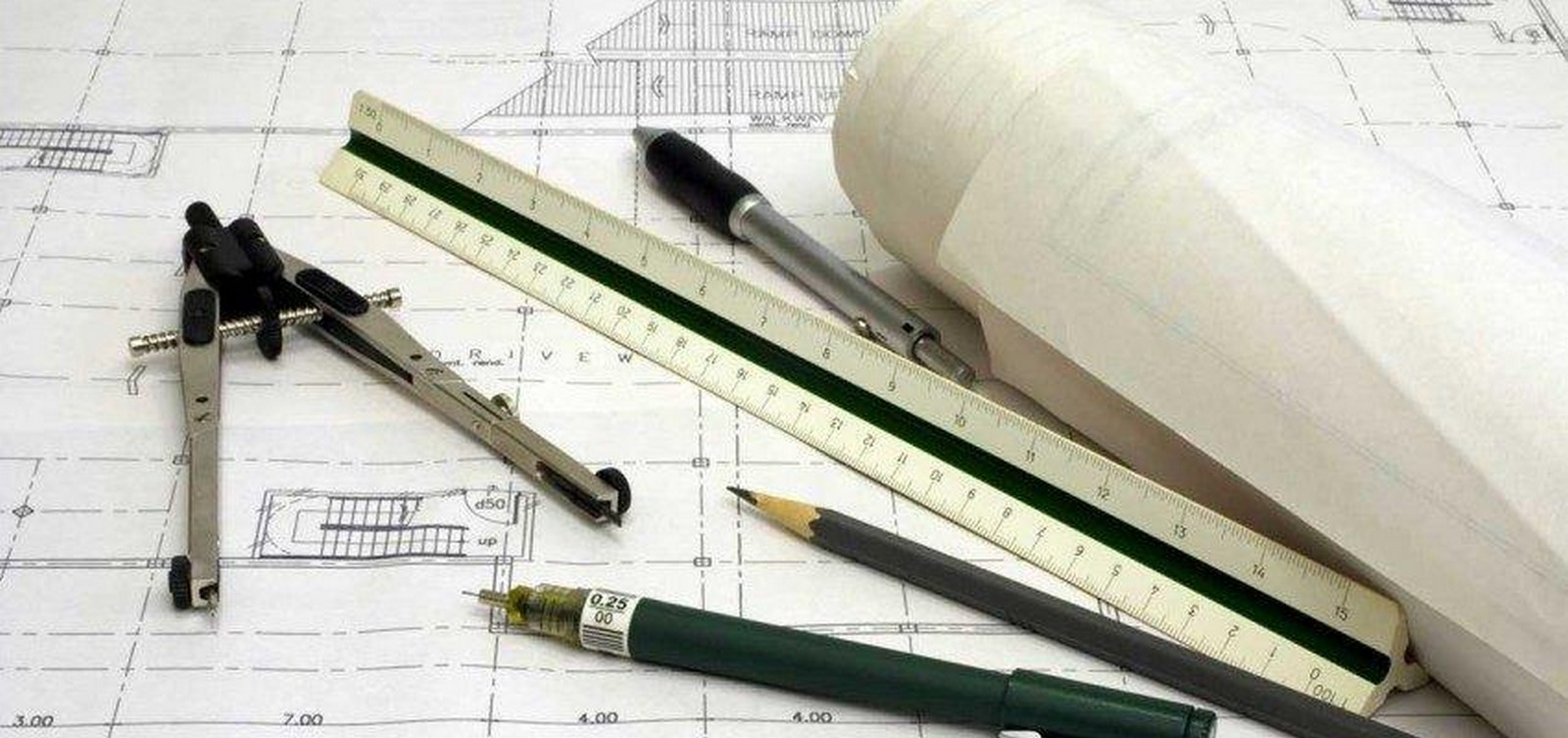
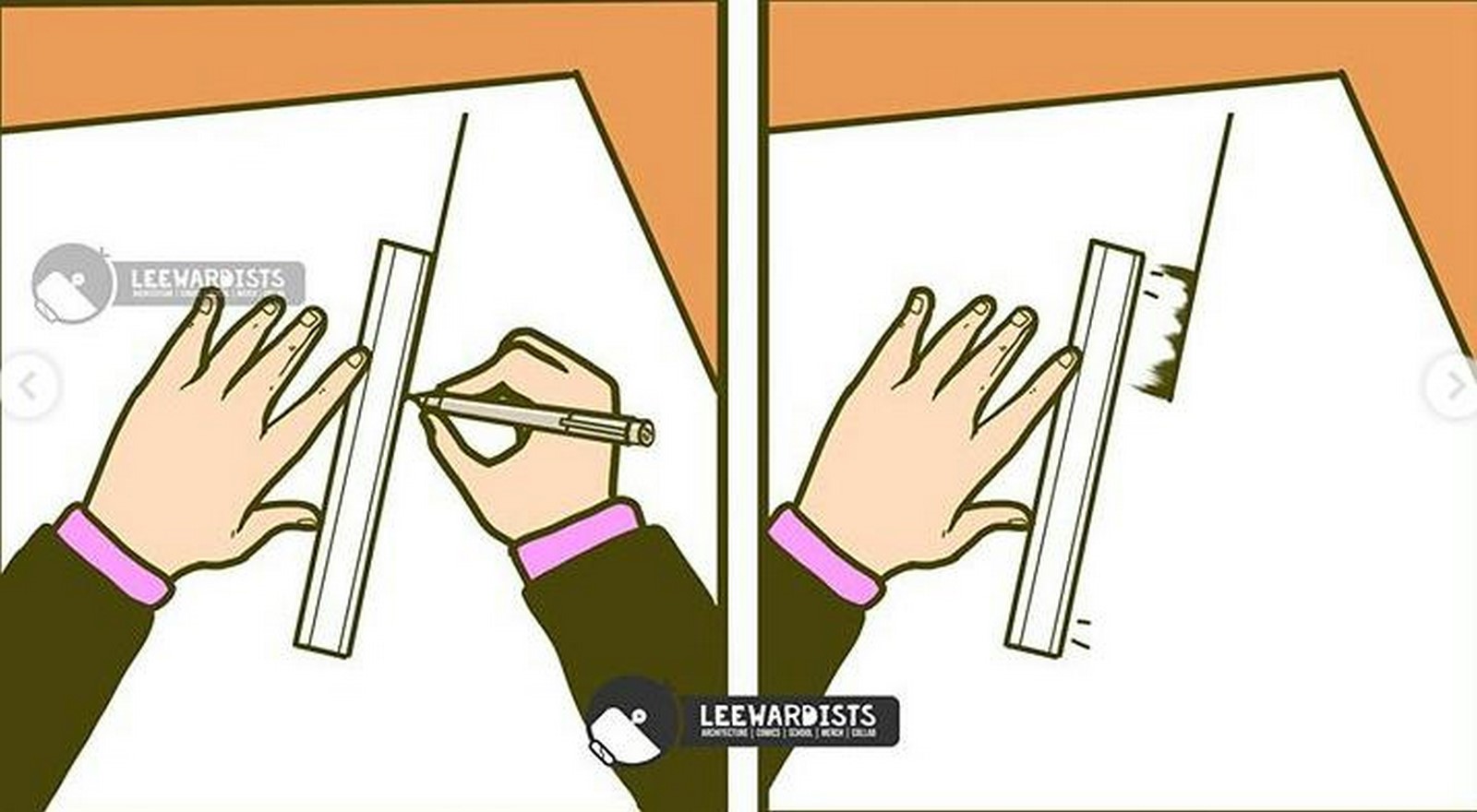
Even if you put a hundred percent concentration in making one sheet in the entire semester you end up spilling coffee or ink all over the sheet or even worse the Juror finding mistakes in it. Since, it is to be done by hand the various equipment to be used can also be overwhelming, Rotring pens? How to hold it, which angle, have to refill the ink again! Set square? Do we have to switch between the big and small ones to get the precision? Do we have to provide line weights, there’s another switch between pens of different grades! And this isn’t even the complete list. All of this demands time, patience, and most importantly motivation.
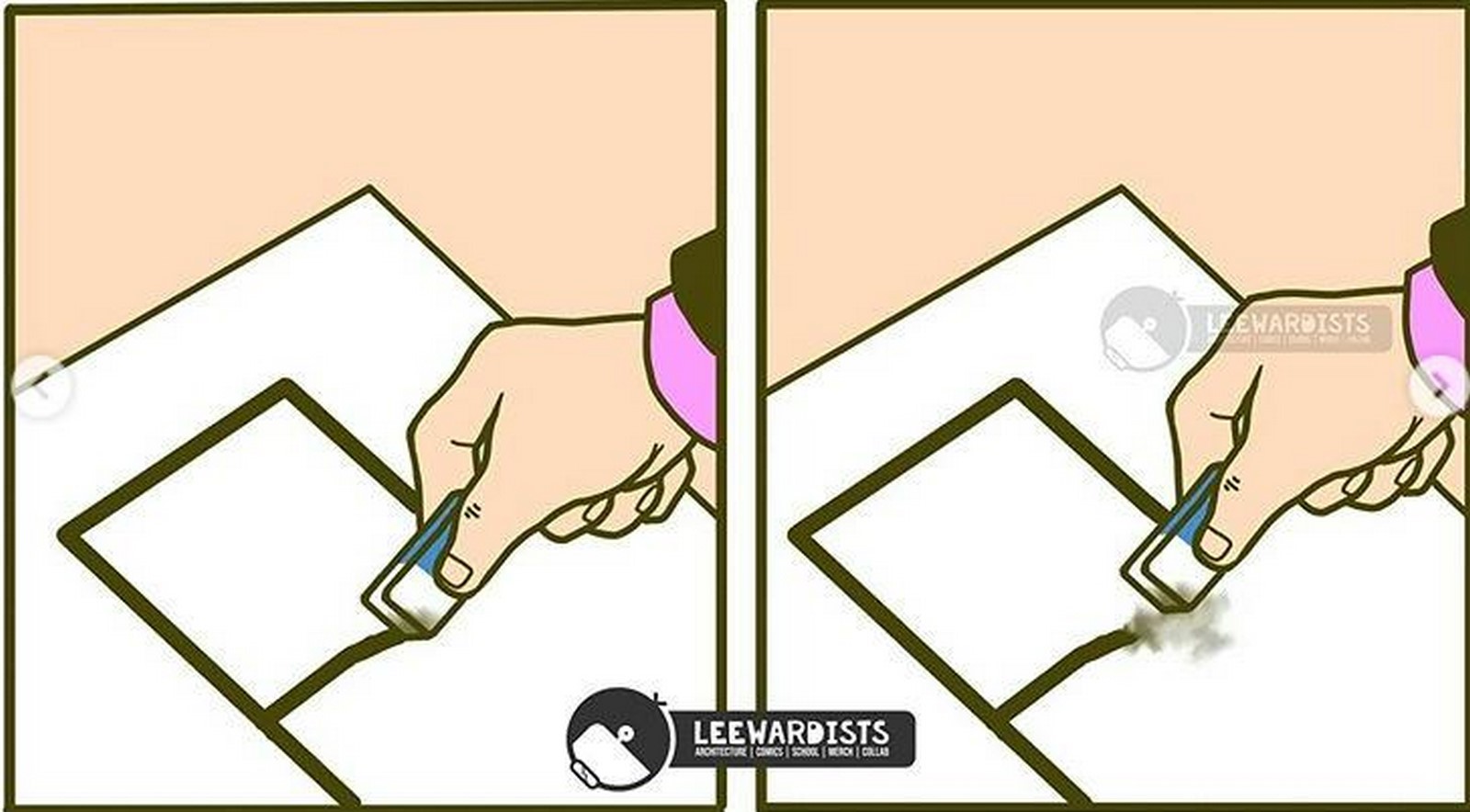
Over the years, students have made this into an excuse of not doing their work, every one of us has because the time allotted to complete a sheet is just isn’t enough and if not submitted on the due date there goes your internal marking. Sometimes, if you just beg and cry enough, it just happens that a miracle strikes and the professor agrees to extend the date of submission. But this will never happen when it comes to you, even when you have spilled ink or coffee on your sheet. Not just the spills there are so many more things that don’t let you make that perfect sheet that you set out to make like time along with all the overwhelming equipment.
Time will never be on your side neither will be your pens, inks, parallel bar thread, or even your paper. It just seems like that the universe is conspiring to not let you make your sheet, resulting in loss of motivation. And even if by god’s grace you complete your sheet on time and it is good enough to be presented, there is always someone who does it better and then the professors and jurors are ready to grill you with “if he/she could do it why couldn’t you?”

Manual work may be labor-intensive and tedious but the amount of creativity that can be expressed will always surpass the difficulties faced. Even with the technological advancements which help you recreate the textures and designs that are brought out by hand the originality comes out on the work done by hand. Many would beg to differ but everyone starts with a pen and paper, don’t they?
Professors might not accept the little mistakes and downs that are bound to happen but that is what makes us learn new ways to overcome those. Even if you’re working on digital when prefered to chalk it out on paper before applying his/her idea on software. Architectural Construction, though tedious and tiresome is the only way to be in touch with your beginnings, it’s like a reminder as to how you started, and since the subject is here to stay with you for four long years and even beyond it is better to just go with the flow and mistakes that come up in your way. More importantly, to keep your creative side alive one should always practice manual work no matter how much of your patience it tests and time it takes. It only adds up to become a memory of the hard work that paid off.