When asked about the word architecture to people, their usual answer is that it relates to building or designing something. Although a major part of an architect’s job revolves around designing, it’s a little more than that. An architect stretches out a rough plan of an entire project first, then he is to execute it, and then comes the final result. The result not only satisfies the client but that the building becomes part of the real world. The building becomes the persona of the owner, a part of the street on which it is located, the district, the city, and the country. In other words, it impacts the street style, the city style, and so on. When looking at the outer aspect, a building’s style may be influenced by the people around it. Another possibility is that the presence of a unique style may influence the people around it. From providing us comfortable spaces to ensuring good health, architecture plays an important role, although it may not seem like it.
Effect of People and Culture on Architecture
The major factor that affects (any designer while designing) the building is the people and their culture. Since architects take inspiration from form, shapes, and so on from them.
But on the other hand, architecture heavily influences people around it. To elaborate, architecture directly or indirectly impacts the psychology of people. From ancient times, architecture has heavily influenced people. Beautiful monuments are cherished to this day. History talks about civilisations through their city planning. Often humans are astonished by the way ‘wonders of the world’ are built, be it the Pyramid of Giza, the Taj Mahal, or any other monument. Beautiful designs and properly planned cities have a great impact on the population. It increases the functionality and productivity of the population as well as of the cities. The same applies to the micro setting, meaning that one single building also has a huge impact on the whole. But on the other hand, several cases of housing projects show that the mindless designing of architects led to a decreased quality of life in terms of health, safety, etc. (How can housing affect mental health? 2017)
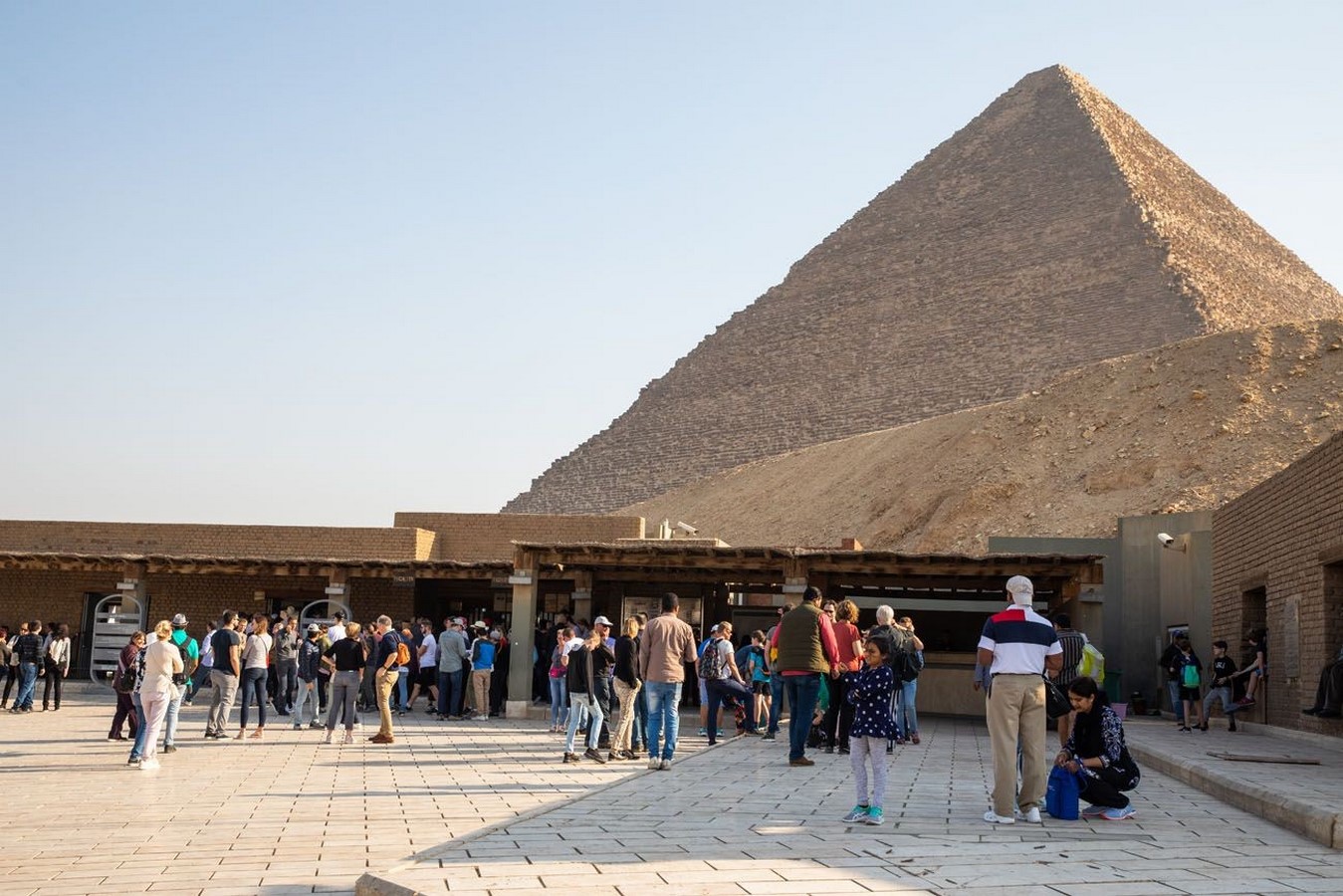
Effect of Architecture on People
When seen in the micro setting, the building affects only the user dwelling inside the unit. When seen at the macro level, the building affects its surrounding environment. The reason why facades are given much importance is that humans tend to spend more time outside rather than inside. From early times, the word ‘shelter’ is used to describe something that protects one from external harm. The idea behind the word shelter remains the same but its factors have changed. What started off using nature, where ancient people built their homes using leaves or took shelter in caves, has now completely been dependent on man-made materials. The primary intention behind a home was to take shelter or protect oneself from external threats like the weather and the outside world. However, this idea slowly changed into ‘luxury‘. The history of architecture showcases that mankind started competing in building monuments to showcase their power. What we see today and what we practice today in the architectural industry are different from ancient times.

Spatial Perception
Architecture allows us to view spaces from different perspectives. Each individual may perceive the same space differently. A space may affect one positively, but the same space may affect another person negatively. A man perceives any space through all his five senses. (Thearchspace & Archspace, 2023)
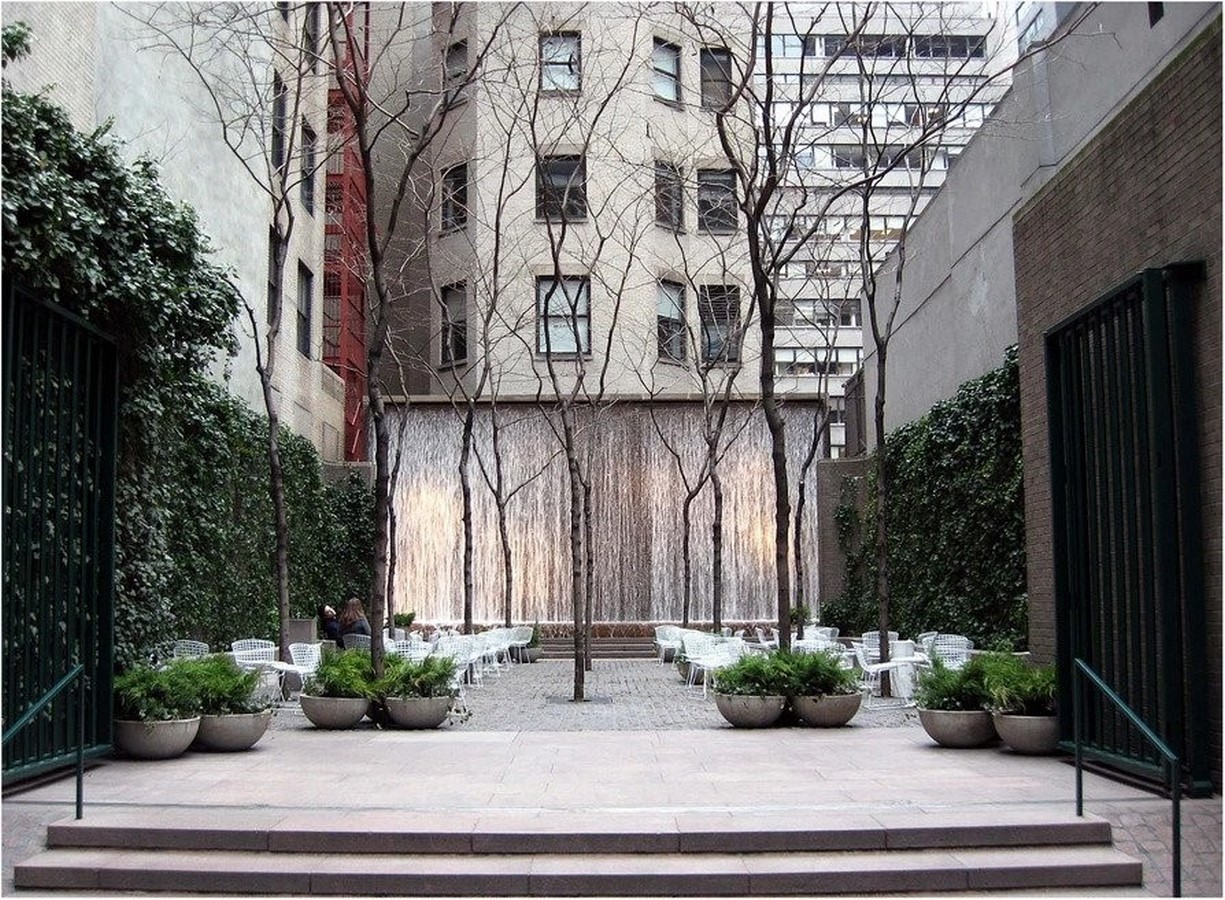
The spaces that are designed are felt by the entire human body. This means that all the senses are active while perceiving any space. The eyes see the things around them. The nose smells different fragrances of the spaces. Feet and skin touch the spaces. As for taste, it refers to the environment, e.g. classy, grand, minimal, etc. It is a human tendency to refer to past experiences when experiencing something new. Therefore it should be a mandatory exercise for architects and designers to design such spaces that will be experienced by the entire human body and not just the eyes. The visual experience dominates all others but any place always has qualities that are experienced by other sensory organs. The design of space depends on materiality and lighting. Through these a place or space is felt – tactile experience, visual images are created, olfactory experience is present, the place is heard and an overall quality leading to the taste of the place is created. Places are heard by the echoing of people’s chatter, sometimes even silence is experienced as an aural experience. When a project is designed where all the five senses are taken care of, each participant’s senses are activated leading to an active participation. This leaves an impact on the user for a longer time. Which in turn results in a successful architectural project. (Spence, C, 2020)
Good architecture leaves a good impression on its users. Ancient urban planning and ancient monuments are all cherished by mankind to this day. Therefore architects need to keep in mind that they are designing for the future, they are shaping the future! Dull designs and plans affect humans negatively. If designs can ensure comfort and security, they can also become factors of the threat if proper care is not taken. Since humans perceive a place with all their five senses, it becomes important to carefully execute a design proposal that satisfies all. People and architecture both go hand in hand. Thus, a careful integration of both gives great designs and aesthetics, since architecture is a major factor that brings communities together.
References:
- C;, S. (no date) Senses of Place: Architectural Design for the multisensory mind, Cognitive research: principles and implications. Available at: https://pubmed.ncbi.nlm.nih.gov/32945978/ (Accessed: 08 July 2023).
- How can housing affect mental health? (no date) Mind. Available at: https://www.mind.org.uk/information-support/guides-to-support-and-services/housing/housing-and-mental-health/#:~:text=Housing%20problems%20can%20affect%20our,might%20experience%20stress%20or%20anxiety (Accessed: 07 July 2023).
- Thearchspace and Archspace, T. (2023) Impact of architecture in our lives · the ARCHSPACE, the archspace. Available at: https://thearchspace.com/impact-of-architecture-in-our-lives/ (Accessed: 08 July 2023).
- Julie (2023) Pyramids of giza: The Complete Guide for First-time visitors, Earth Trekkers. Available at: https://www.earthtrekkers.com/how-to-visit-pyramids-of-giza-egypt/ (Accessed: 09 July 2023).
- Abduljalil, R. (2023) Skyscrapers-an urban status or architectural trauma?, PlanRadar. Available at: https://www.planradar.com/skyscrapers-city-image/ (Accessed: 09 July 2023).