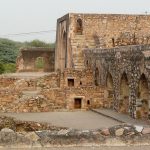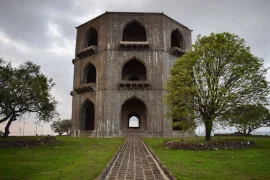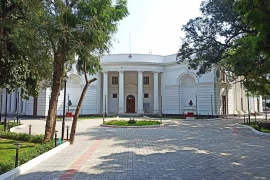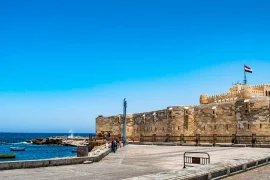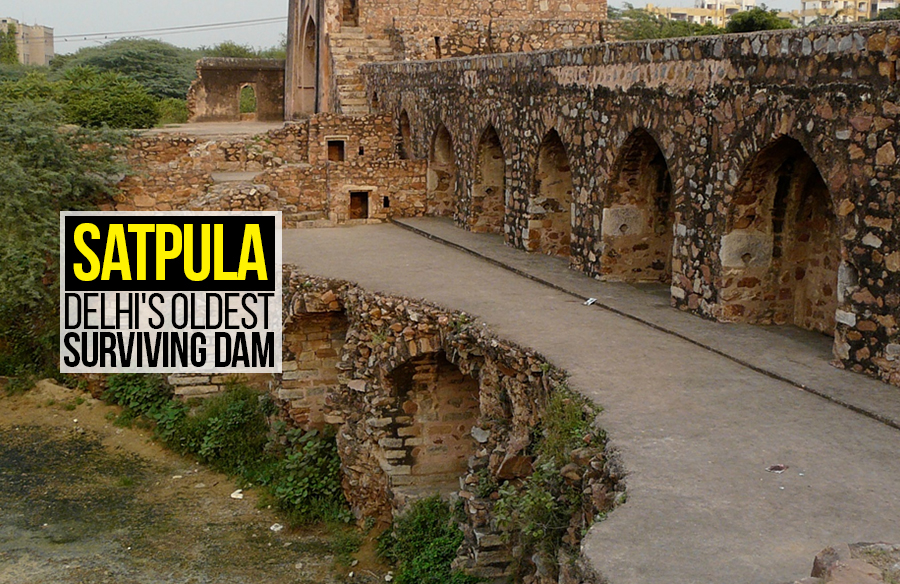
Heritage is a remarkable representation of our culture and history built upon a solid basis (Foundation). The robust built form that lasts for many generations and meets every type of fundamental lifestyle demand for public as well as private use, was more prevalent in those earlier times. The heritages are the most preserving gems. Satpula Meaning “Bridge of Seven Piers,” Satpula. The words “Sath” and “Pula” both denote seven.
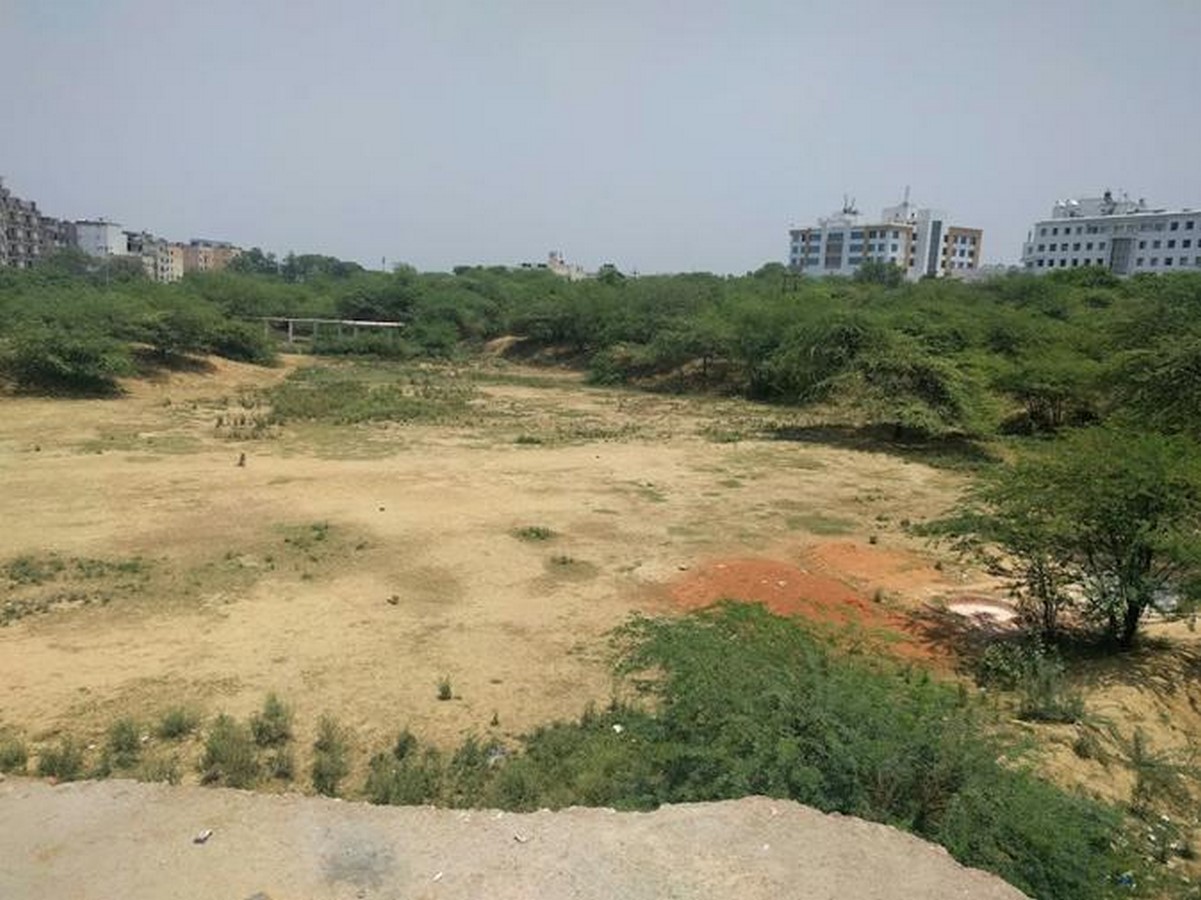
Dam in a Delhi
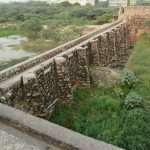
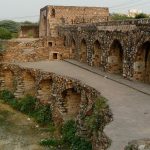
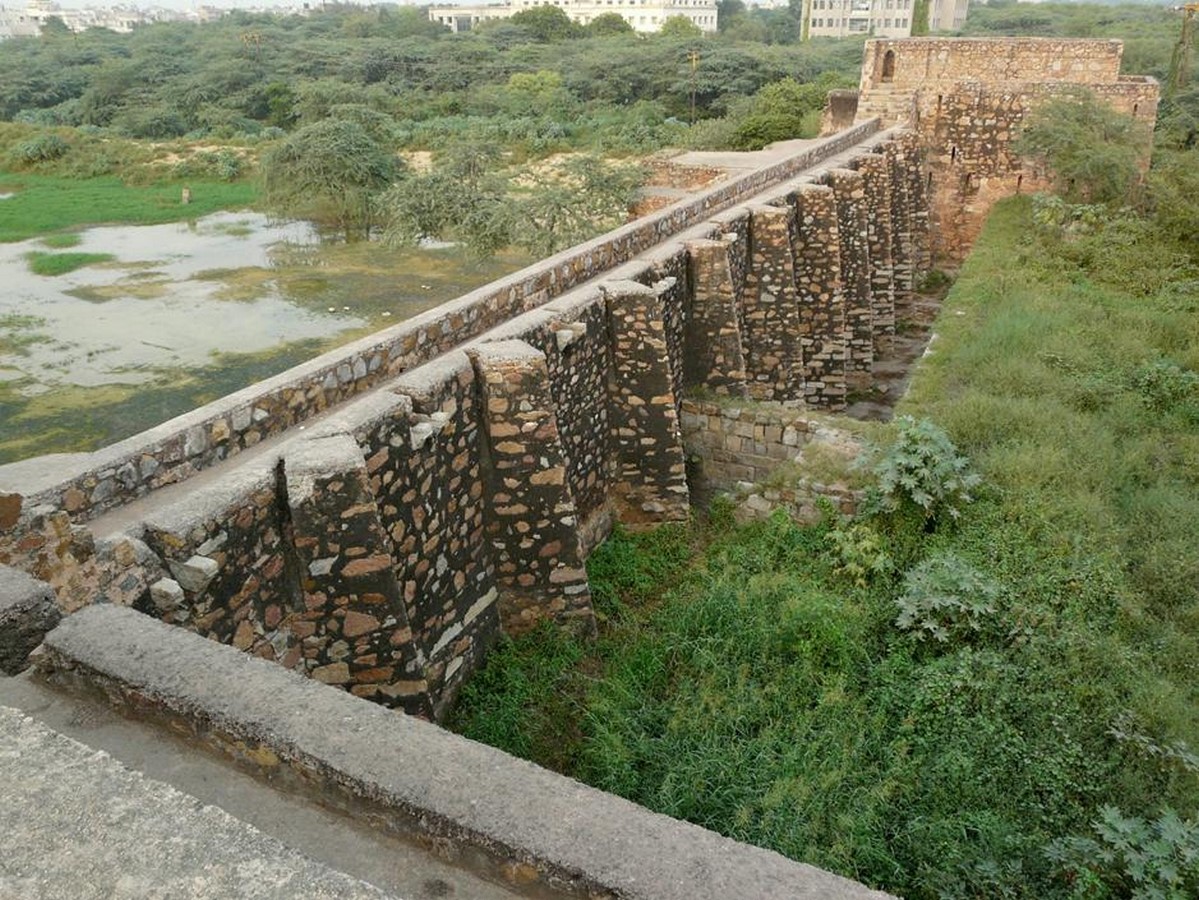
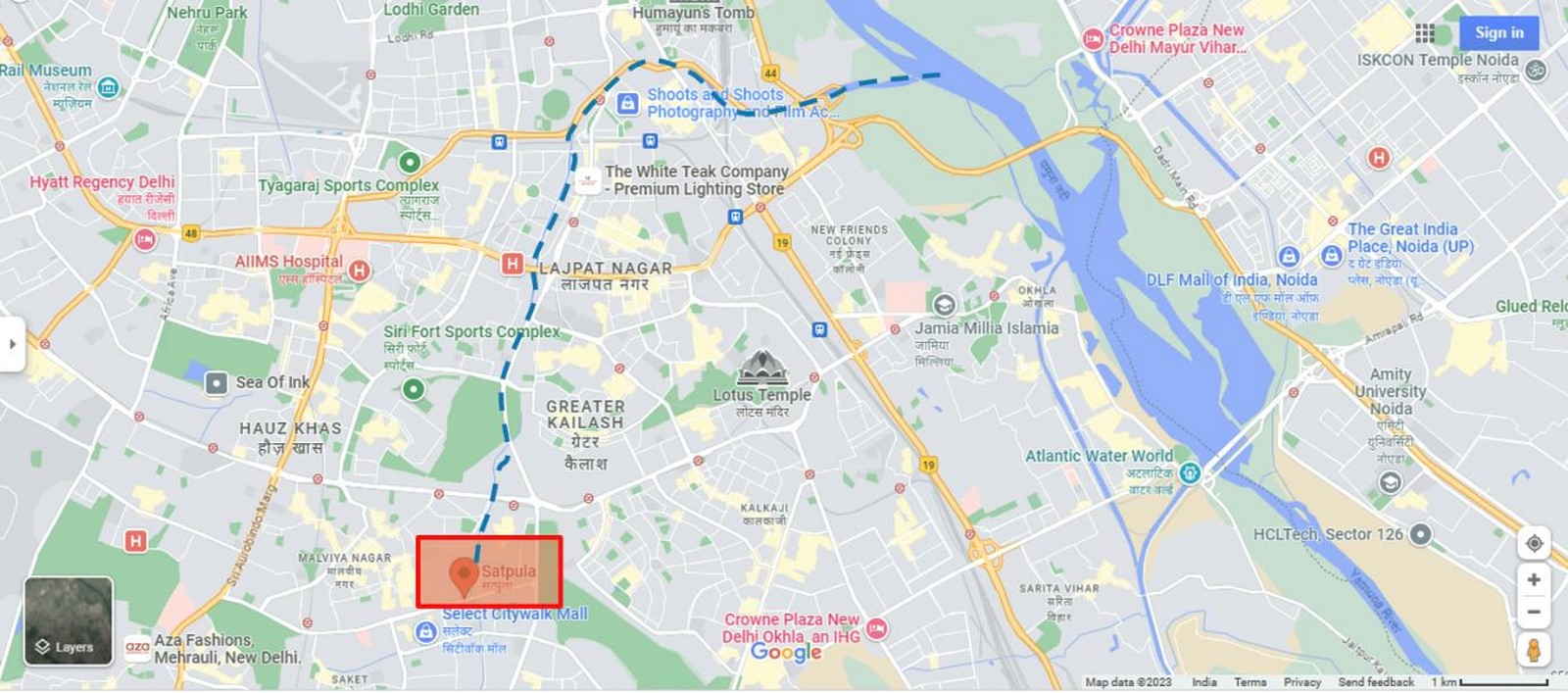
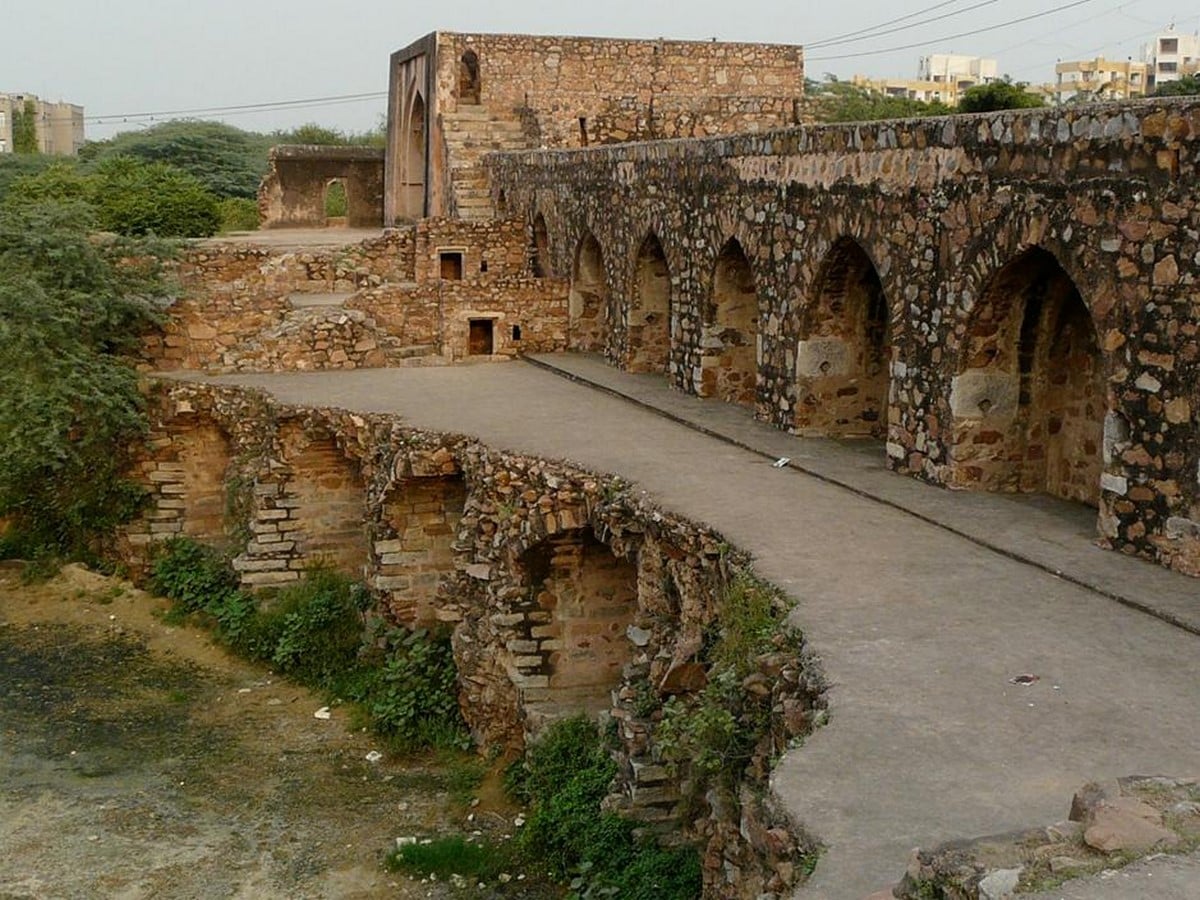
The water harvesting dam or weir older than 600 plus years is located near Saket Mall khidki village, Delhi, with coordinates 28°31′54.23″N 77°13′24.61″E / 28.5317306°N 77.2235028°E. Satpula (1343 AD) means ‘seven bridges’, and the structure has seven arches on the base or ground story.
Park area: 19.8 Acres (approx.)
Lake area: 3.1 Acres (approx.)
Depth of lake is 6.6-8.2 feet (approx.) (hassan, 2022)
The objective of the building or the structure was to provide water by preventing or storing it for everyone. It acts as a weir which is made in the era of the Tughlug dynasty, purposefully storing and redirecting water and also for protecting and defending purposes to the Jahanpanah city (Fourth city of Delhi). Additionally, it irrigated vast tracts of nearby flat countries, worsening famine.
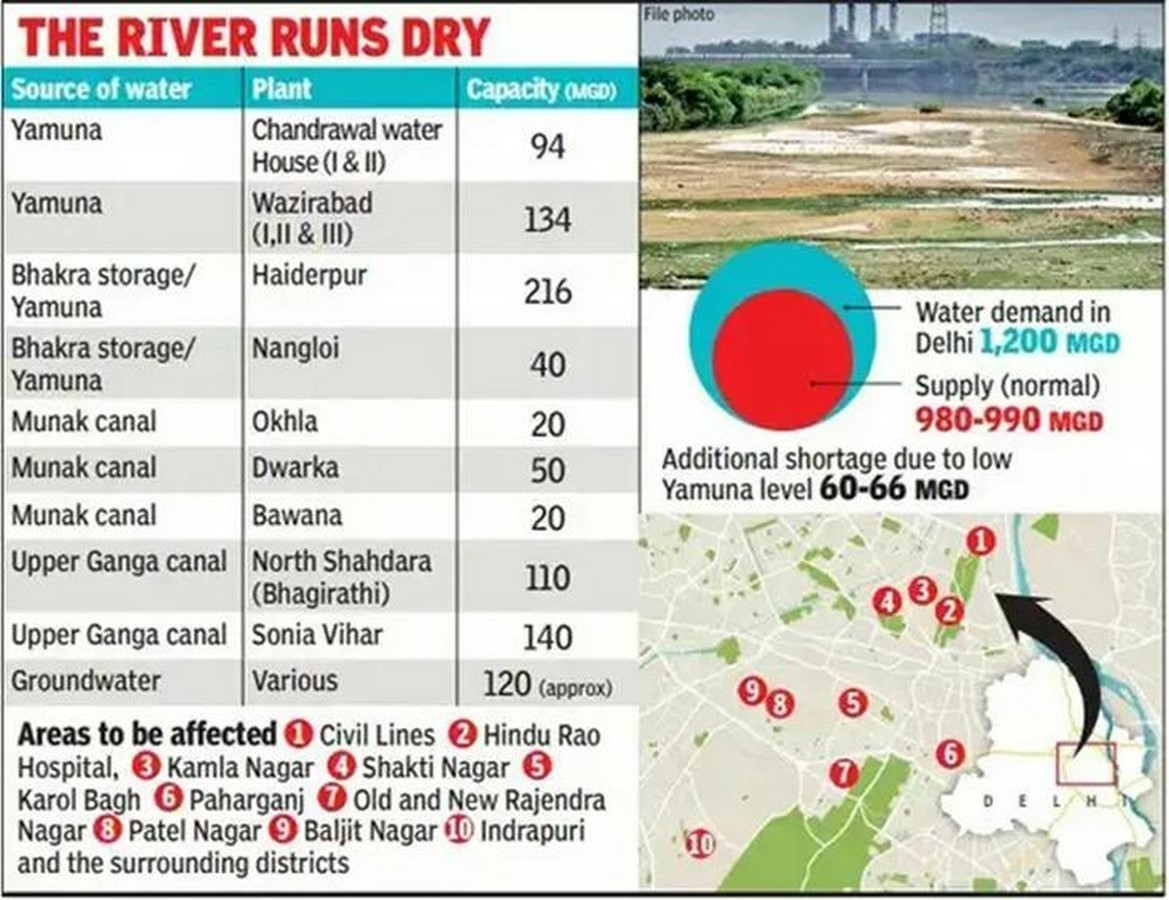
Blemished condition of drinking water in Delhi
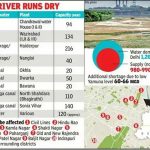
Each day, an individual requires 3–4 quarters of a gallon. In Delhi, one-fourth, i.e. 40% of the population, does not have access to piped water, creating a severe water deficit because now it is difficult to plan water piped in unplanned areas. According to government figures, Delhi’s population requires 12 billion gallons of water daily, while Delhi’s Water Board can only supply 900 billion gallons to the general population daily. The rest of the population, particularly those living in unofficial or illegal regions, are getting used to the private water tanker mafias or adjusting their need by storing rainwater in particular months, some with illegal bores, tube wells, and bottled water. They must deal with daily struggles just to get enough water for the day.
Main sources of water in Delhi –
- Yamuna River
- Groundwater
- Bhakra Storage
- Upper Grand Canal
Delhi Jal Board provides 900 tankers to these areas per day, yet it is not enough due to the population increase. Population increases widely due to migration. The 2.6 million to 6.2 million population has increased within 20 years, says Delhi’s Urban Planners report.
There are more than two lacs or illegal bore wells from which the groundwater gets flushed to an extreme level. The South Delhi area is facing severe issues with Groundwater recharge because it has no percolated space to recharge groundwater. Hence, Delhi people, or even worldwide, are facing scarcity of untreated drinking water. This leads to many health issues in society. (Gupta, 2022)
Architectural aspects
The architecture of the building is based on the old heritage as it was constructed near 14 A.D.
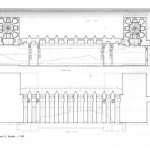
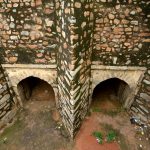
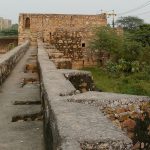
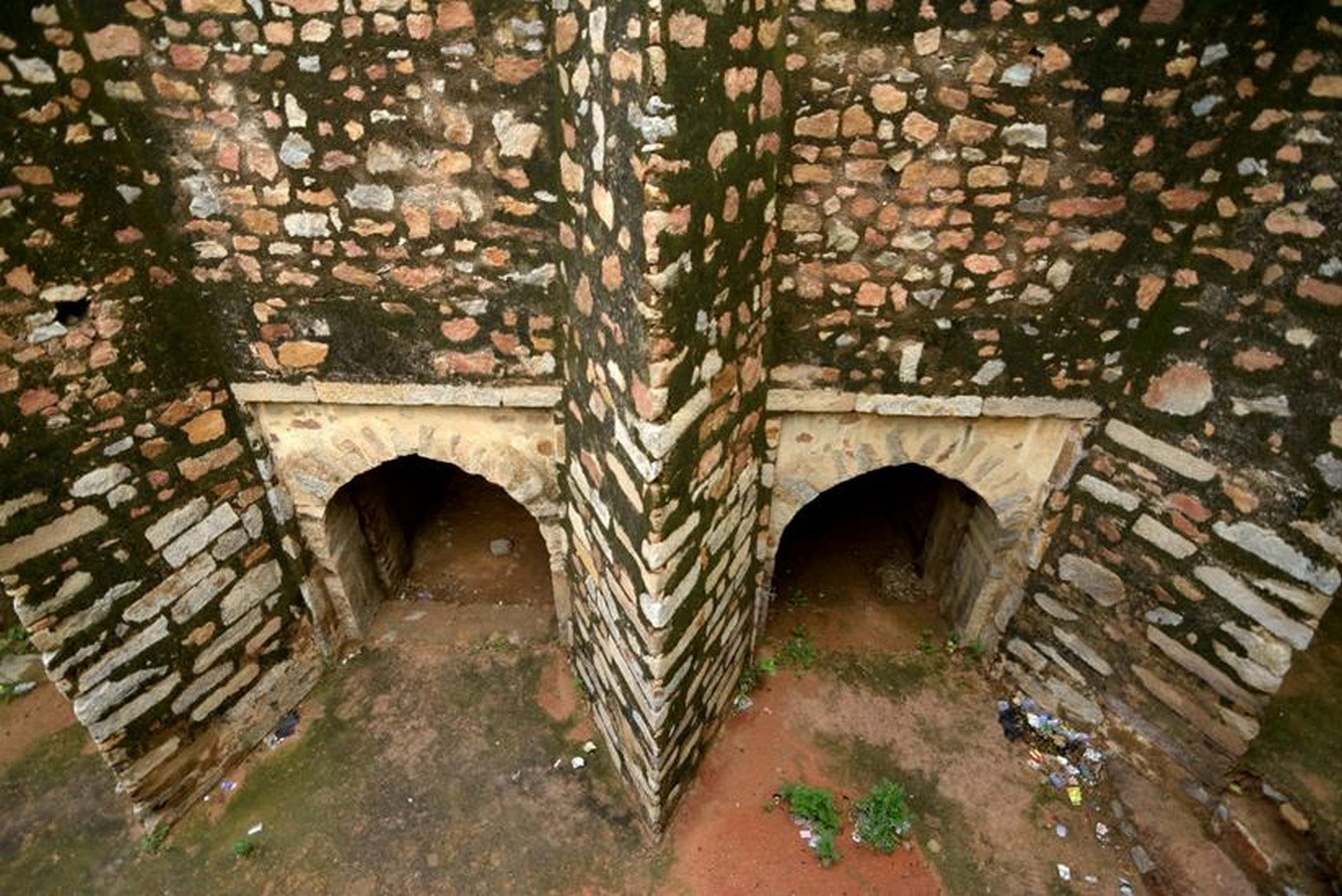
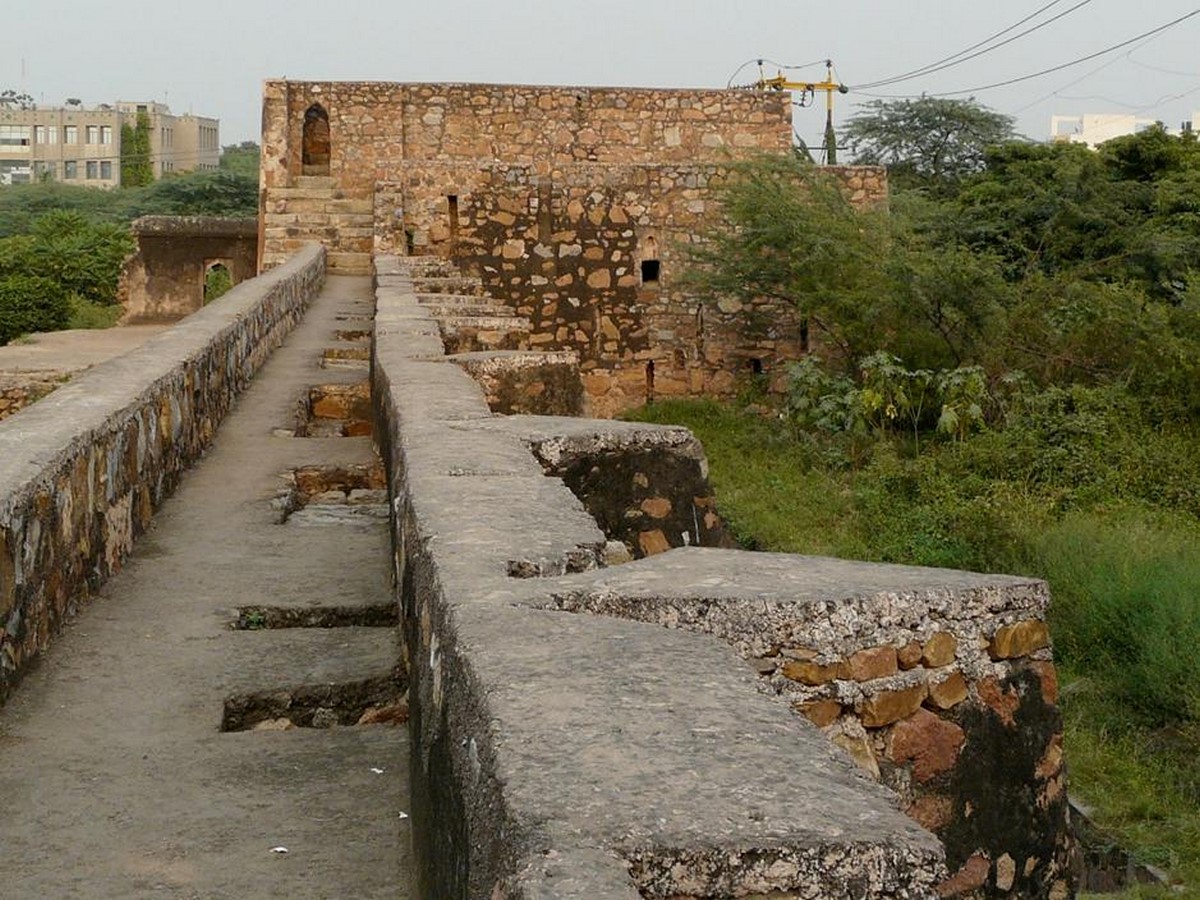
The structure’s design fulfils its purpose by serving every part of planning, such as the slop, which is the most important factor in weir designs. They have constructed thick rubble masonry walls considering the water load, a Rampart area for accessing the top of the dam, and both Side octagonal spaces, arches, and sluice gates are intelligently designed by them. Guards were stationed in these octagonal chambers, which served as guardrooms, to protect the structure from attacks.
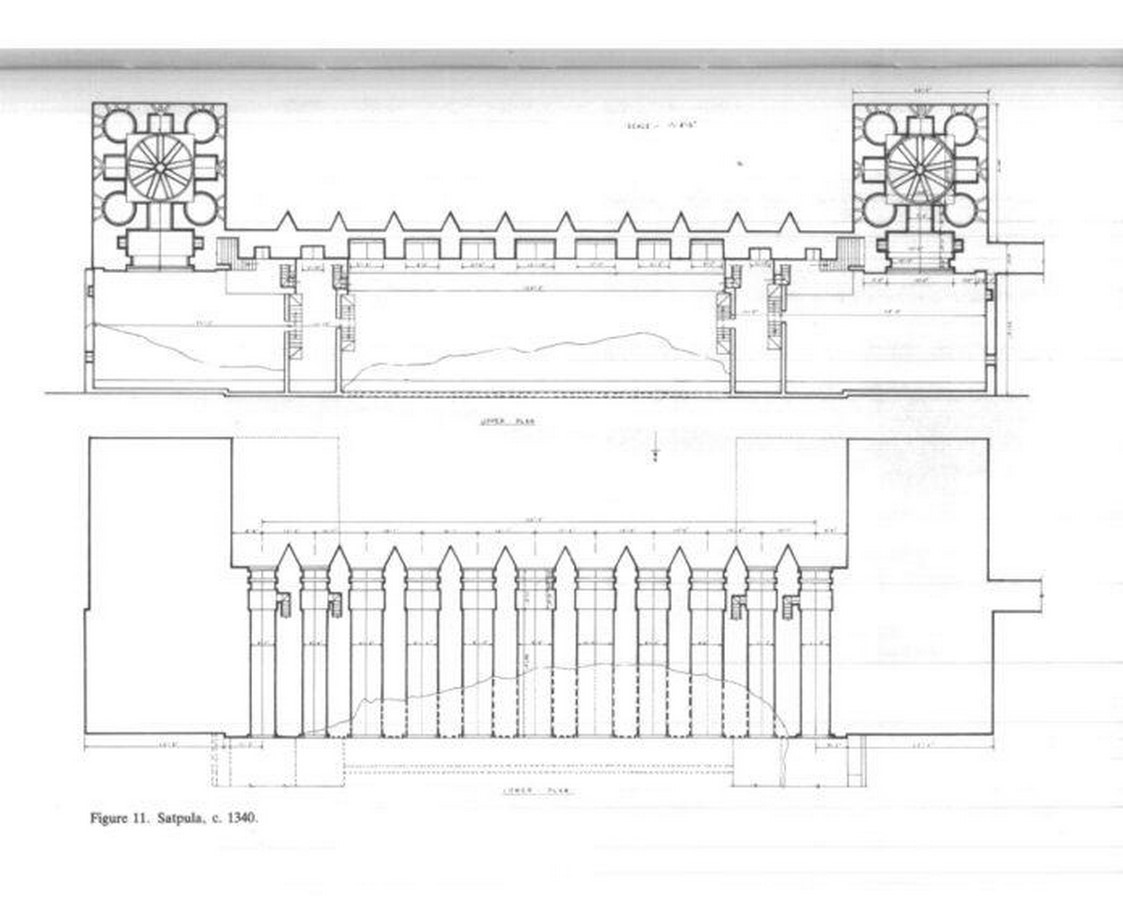
The width of the Satpula as a whole is 255 feet (approx.). . The flank turrets are 39 feet wide, and the bund is 177 feet long (approx.). Each of the three central arches is the widest of the eleven arches; the others are each 9 feet wide.
Thus, the force of the stream coming from the south was regulated through these sliding gates. The gate system, which was used to control the water flow, was operated by a rope and pulley system.
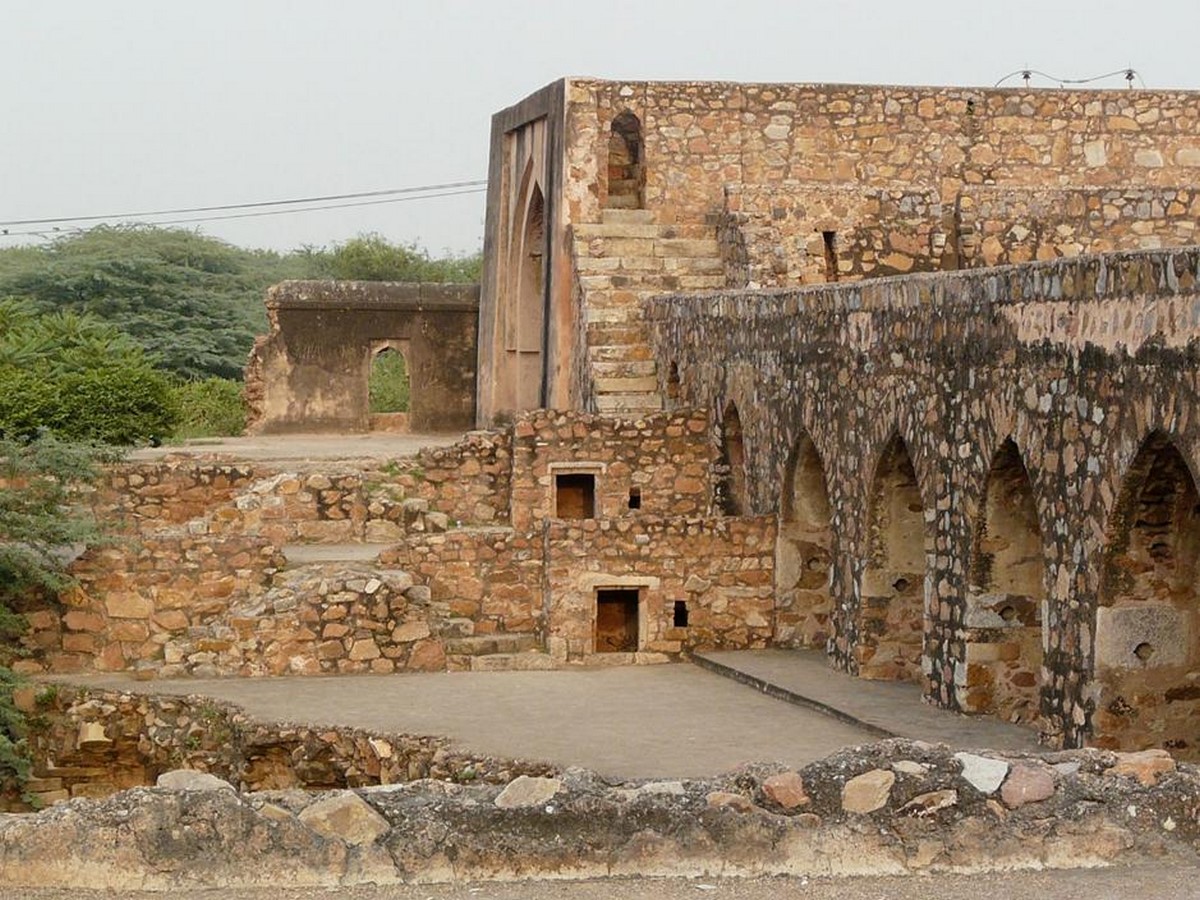
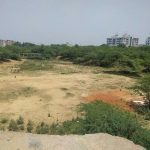
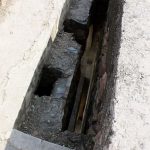
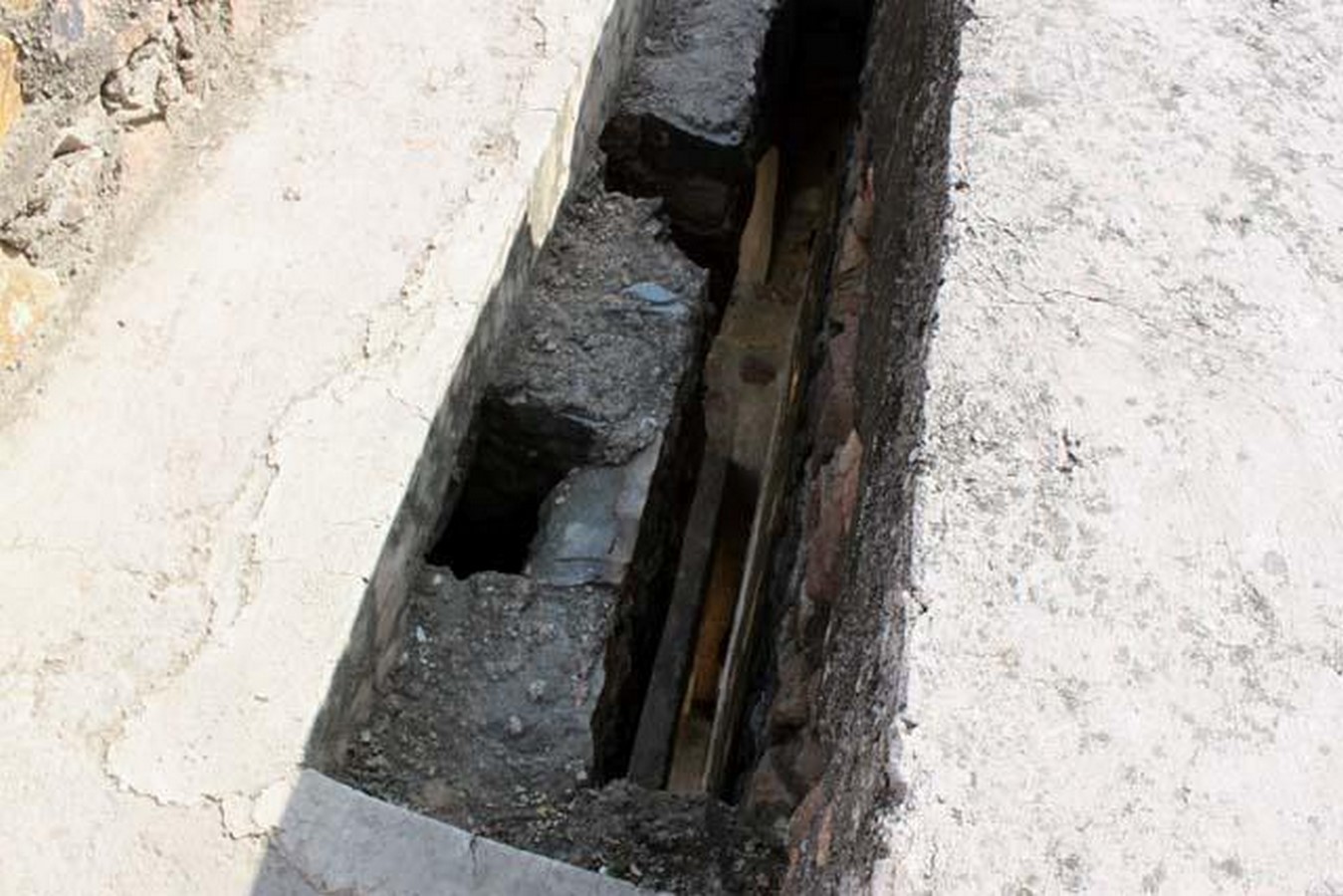
The surrounding region is arid due to rising temperatures and irregular rainfall. Because of normal deterioration, a section of the lower wall on the interior side appears to have broken off. In addition, it is obvious that there is no water and that it no longer fulfils the function of a dam and is incapable of functioning because it is right next to the main road and in the middle of so much traffic.
More plaster comes off because the neighbourhood boys use it as a play area than would have happened naturally over time. Additionally, it is still terribly common for couples to write their names, messages, and hearts on the walls, further damaging it.
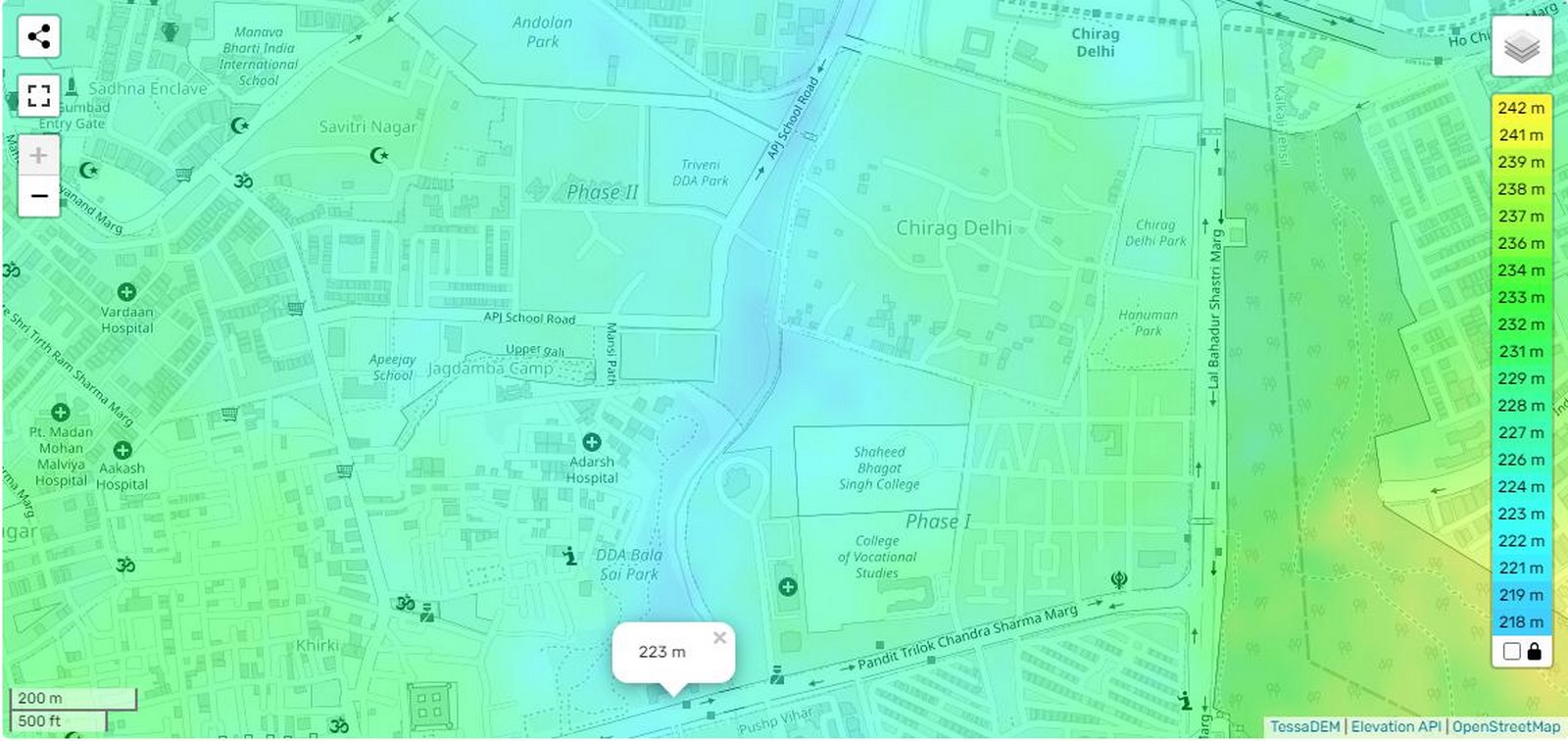
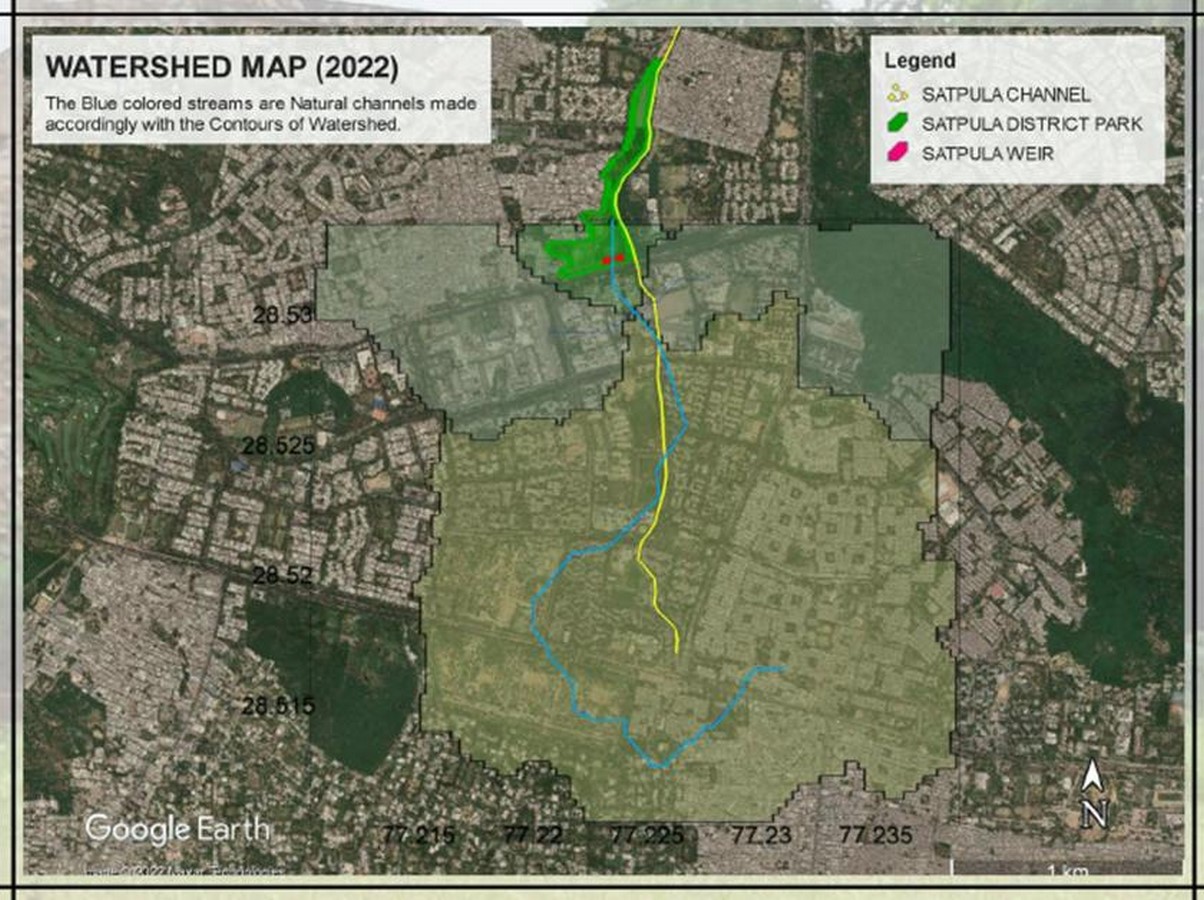
The decrease in green catchment areas has now affected the infiltration. Thus, Run-off of rainfall or collected water happens. Delhi increased in Urbanization areas drastically, it is affecting the waste in Satpula channel which keeps it blocked. It can be recreate by Recreating the Lake and improving the slope of Satpula Drain to recharge Yamuna and collect rainwater.
Rejuvenate the Heritages to the modern use
The dam can be used again for its old purpose by conserving and protecting it. Delhi is still facing many issues related to drinking water supply due to the Yamuna River and Groundwater exploitation.
The reservoir will get about 1,000 KLD per day of treated water discharged from the Chirag Dilli drain. 15% of the water, according to the DJB’s examination, will seep into the soil by building it as a rainwater collection tank and connecting it to a drain that may be used to transfer water into the Yamuna or any other water treatment facility.
The rival plan includes the construction of phytorid beds along with a screen chamber, collection tank, sedimentation tank, and hypo-dosing system before sending water to the lake, it will be treated at a hybrid Sewer Treatment Plant.
This architectural innovation has many benefits –
- Creating this Satpula bridge as a Rainwater harvesting area that can be converted into a museum or a tourist spot to make people and future generations aware of the importance of harvesting water and how to use old heritage structures to some innovative ideas which can be beneficial for Mother Nature and humanity by balancing both together. Thus, creating revenue for the same.
- Creates a different level of microclimate for approximate kilometres of Delhi and reduces the heat island effect on the surroundings. Similarly, Mehrauli archaeological park acts as a small breathing area for its surrounding such as Qutub Minar residential areas, Chattarpur enclave, Saket, Saduljabad, and other such nearby zones.
In addition to contributing to a “Green City” are ways lined with vegetation, pathways, maidans (large open spaces for public activities), public parks, riverfront gardens, agricultural fields, and private gardens. However, the drains are natural elements of the city’s landscape that connect the various sensitive areas of the city, making them an important resource for creating an open space system for the city. Other than this, the following are a few additional desirable qualities of the drainage system that suggest the possibility of creating an open space system along it. The natural drainage system provides linearity/ linkage/ continuity in the spaces.
- Some sections along the less-polluted drains have the potential to be transformed into open greens and recreational areas with minimal effort.
- The availability of water, however, its quality may be in question right now.
- Provides chances to work toward resolving the city’s drainage, sewage, and groundwater recharge-related problems in a resource-efficient and environmentally beneficial way.
- Provides ways to enhance the city’s sociocultural, physical, and aesthetic environments. (Sultan, 2019)
Conclusion
Today we are facing many problems except water resources but this is the main resource on which we depend so desperately. Producing anything good or needed from reusing any building, material, structure, product, technique, etc. is the best way to solve recent urban problems. These little things can be really helpful and create a major difference in the society we live in for better quality of resources by not wasting and creating more waste in the form of construction or any other.
References:
Gupta, A., 2022. How Water Mafias are exploiting Delhi ? Case Study By Adarsh Gupta | UPSC Current Affairs, Delhi: Youtube
hassan, P. Q., 2022. WATER CHANNEL AT SATPULA, Delhi: Jamia milia islamia .
Kapur, V. S., 2008. Flickr. [Online]
Available at: https://www.flickr.com/photos/varunshiv/3010418314/in/photostream/
[Accessed 11 July 2023].
Reddy, D. K. S., 2021. Satpula: The Water Harvesting Dam of Jahanpanah [PHOTO STORY]. AVAAZ 24 (The unsrcripted voice), 03 September .pp. 1-24.
Singh, V., n.d. Satpula. Delhi(Delhi): s.n.
Sultan, P., 2019. Revival of Delhi’s Satpula lake. The new Indian Express, 25 August.pp. 1-6.
The Times Of India, 2022. Yamuna levels drop, water scarcity worsens in Delhi. The Times Of India, 18 May, Volume 1, pp. 1-4.
topographic-map.com, 2023. https://en-gb.topographic-map.com/. Delhi: s.n.