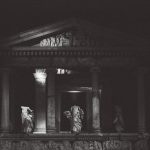
Have you ever looked at a building and thought to yourself how the designer came up with this design? Have you ever wondered what story the designer could’ve wanted to tell? Because architecture is not just buildings. It is an Art and Science. And the Art of Architecture almost always has a story associated with it.
Throughout history, folktales and mythology had a significant role in shaping the architecture of many cultures and civilizations. It has become an inspiration for both artists and architects that influenced the creation of such exquisite art and buildings. Different communities have their own culture and folktales. Thus, the architectural interpretations of these folktales and legends are unique to each of them.
Architectural Storytelling
Each human creation, art, architecture, or anything, tells a story. At times anyone can easily understand and deduce the story behind it though others need careful analysis and research to understand it. The stories vary from something as simple as a metaphor to something more complex like a novel.
Communicating through their design and buildings has been the long-term goal of architects. And this resulted in the creation of different Architectural Styles throughout history. Incorporating stories in a building invokes the curiosity and imagination of people, which compels them to stay longer and appreciate the architect’s creation.
Architectural storytelling is practiced even in ancient times. The architectural interpretation of their stories and myths is depicted in a more religious aspect. They represent their gods and goddesses through sculptures and carvings. Their beliefs and practices are incorporated through the spatial organization of their buildings.
Greek Mythology
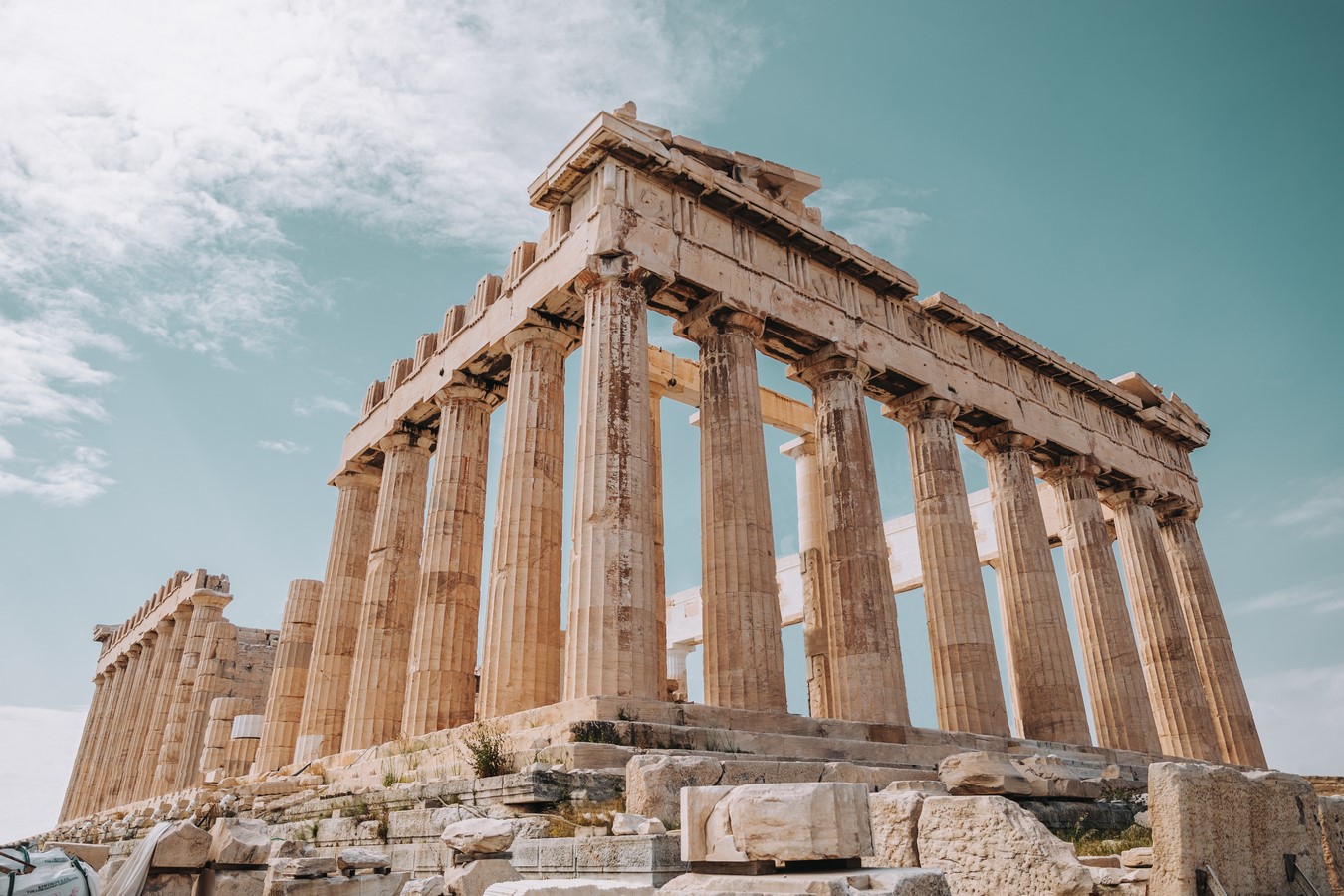
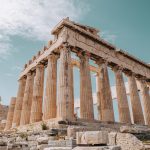
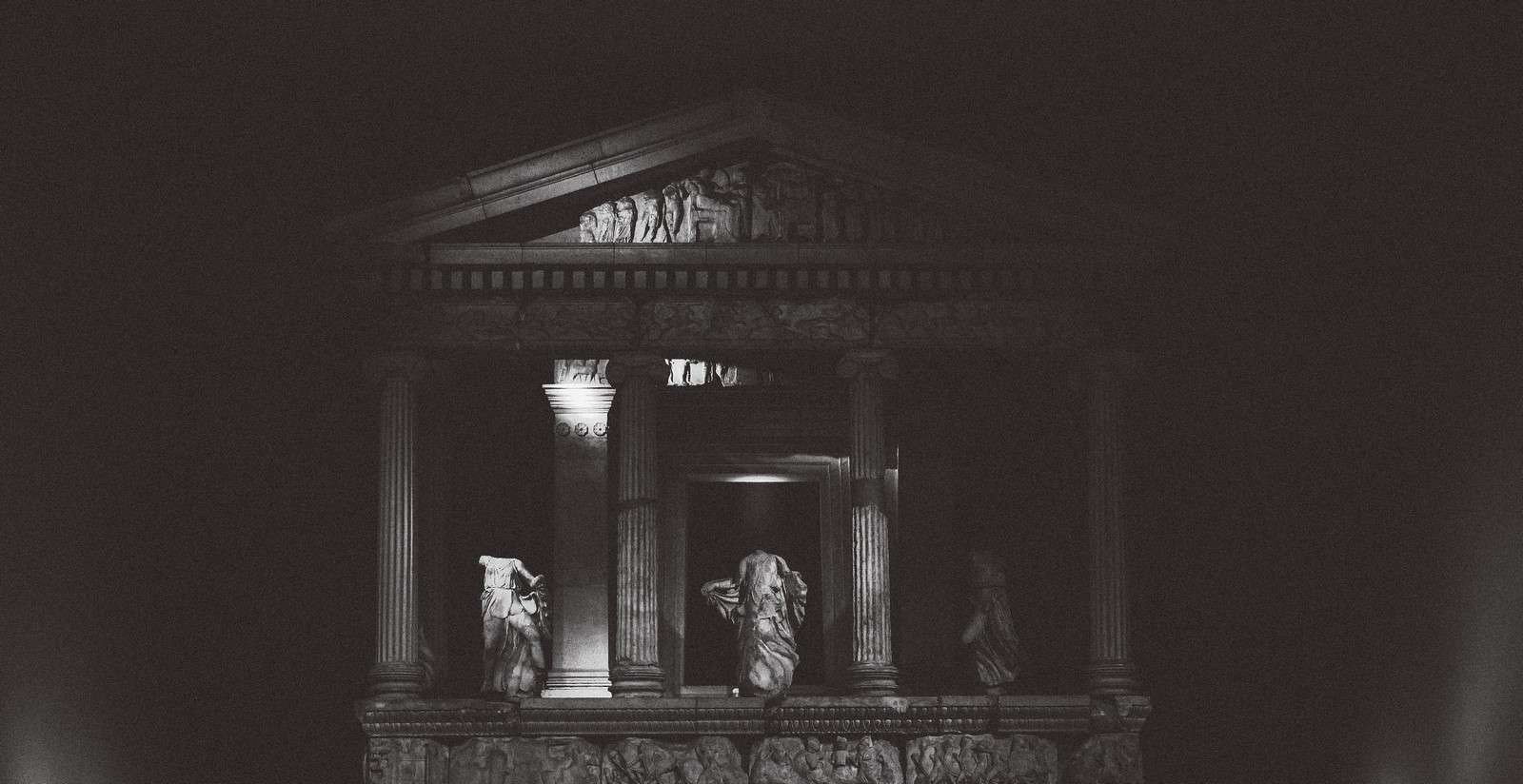
In ancient Greece, Mythology, Art, and Architecture were closely related. It was the source of inspiration for their art and architecture. It revolves around the gods and heroes in the Greek religion. One of the most notable examples is the Parthenon in Athens. Dedicated to the goddess Athena, the city’s patron goddess, it features sculptures that depict their gods and heroes. The architectural interpretation of Greek Mythology is evident in the motifs used in this temple. For example, the Parthenon frieze depicts a procession of gods and heroes. Another one is the pediments of the temple that feature sculptures of scenes from the myths of Athena and Poseidon. You can also find a massive statue of the goddess Athena made of gold and ivory. The architectural interpretation in Greek Mythology often depicts the stories and deeds of their gods and heroes.
Egyptian Mythology
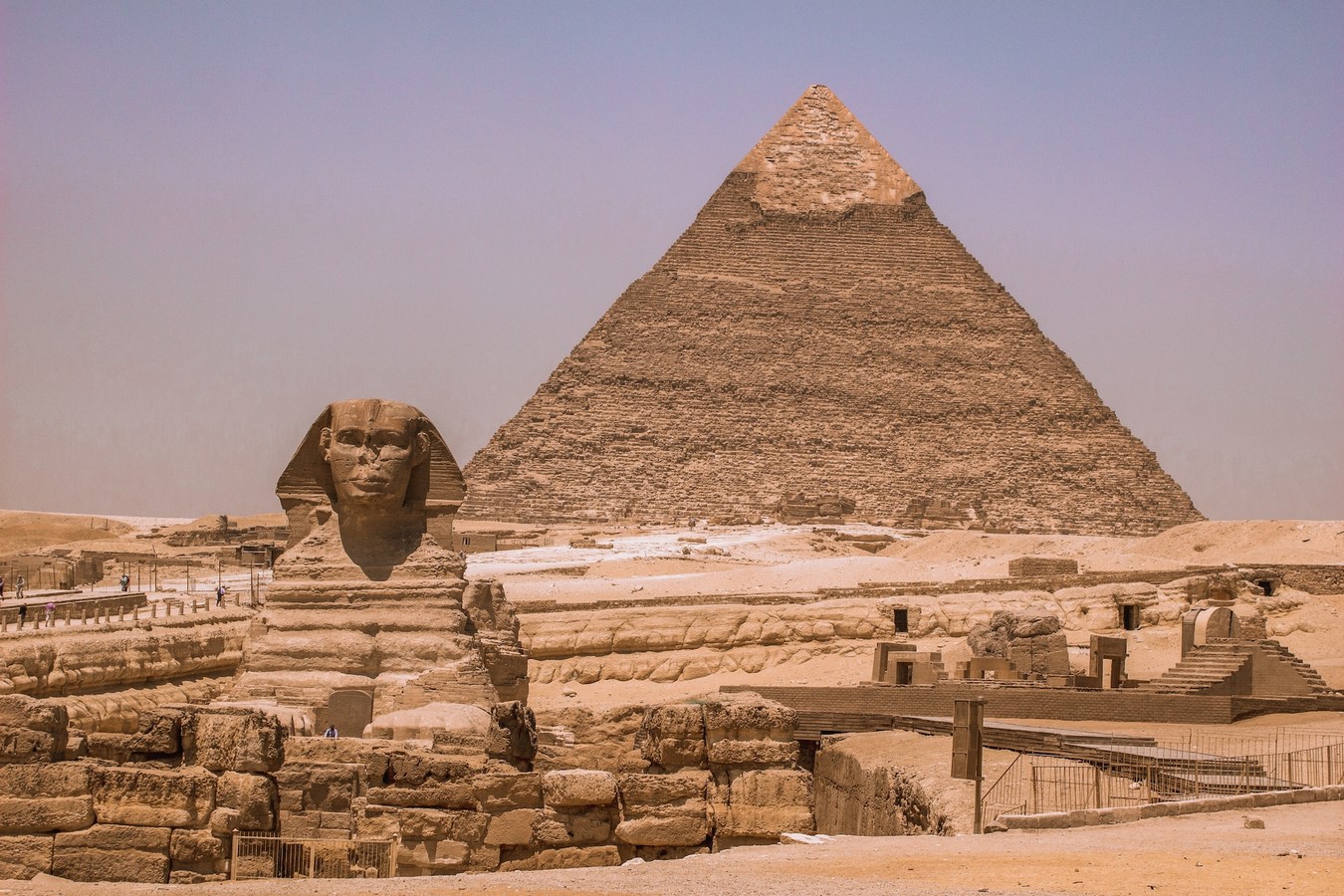
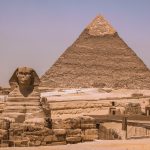
In Ancient Egypt, religion and mythology were interconnected with art and architecture. Their gods and goddesses were the inspiration for the design of their buildings and temples. They also have a strong belief in the afterlife, which is reflected greatly in their architecture. One example is the Great Pyramid of Giza, built as a tomb for Pharaoh Khufu. It features a series of hieroglyphs that depicts the stories of their gods and goddesses. The Egyptians built massive and grand tombs because they believed them necessary for the easy travel of their Pharaohs to the afterlife.
Mayan Mythology
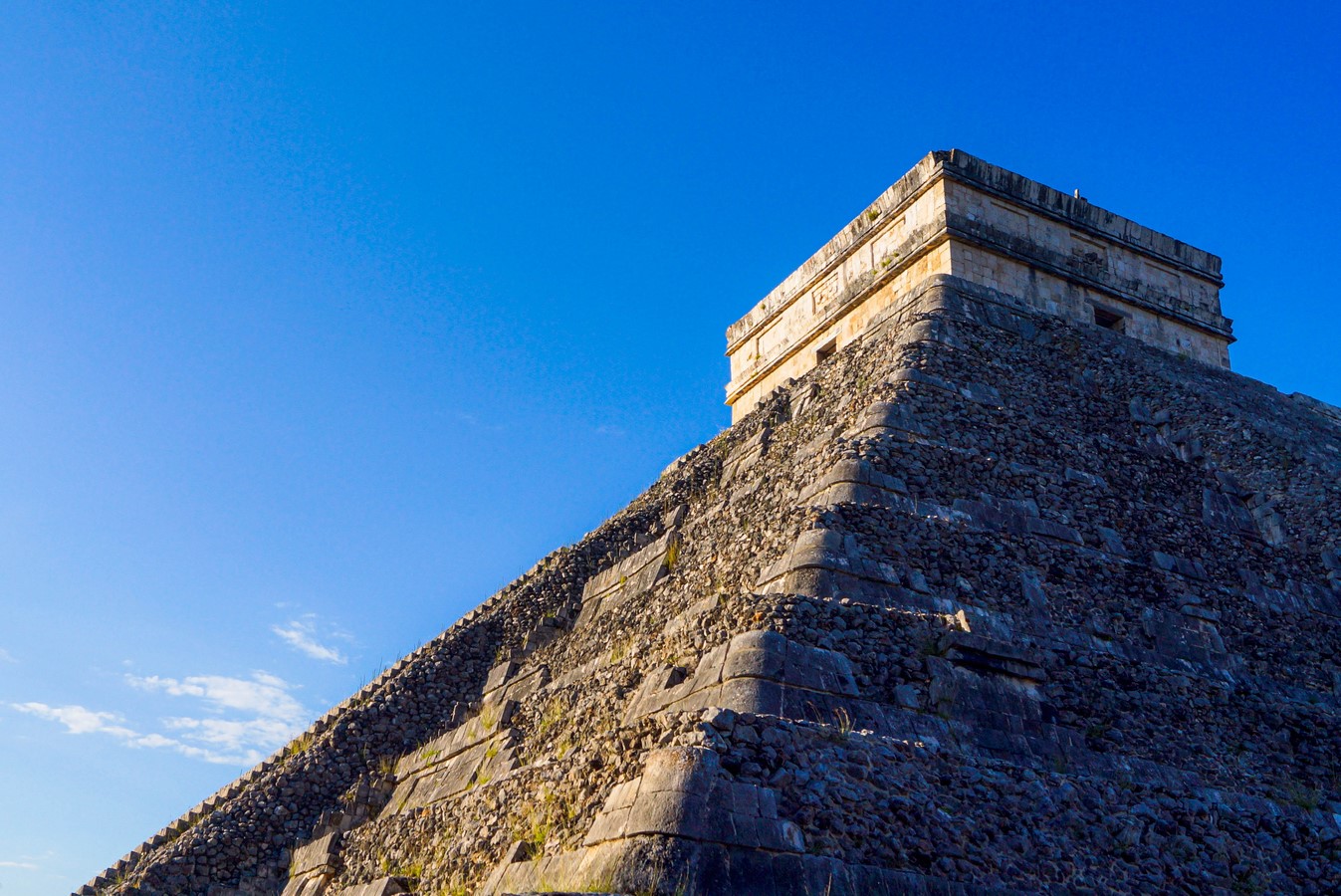
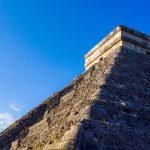
In Ancient Mesoamerica, the Mayans and the Aztecs have their myths and gods often depicted in their sculptures and art. They also decorate their temples and religious buildings with it. Aside from that, they also believed that the will and actions of the gods could be read through astronomy. Thus, their buildings were built with astronomy and their gods in mind. One example of this would be the Mayan Pyramids. For example, the Temple of Kukulkan at Chichen Itza, dedicated to the serpent deity, Kukulkan, features intricate carvings that depict the Mayan gods and goddesses. Like the Greek and Egyptian Mythologies, they also feature sculptures of their gods. It is also believed that it served as a symbolic representation of the Mayan Calendar and Cosmology. Each step is a day of the year, and the platform represents one day to get the 365 days of the solar year.
Hindu Mythology
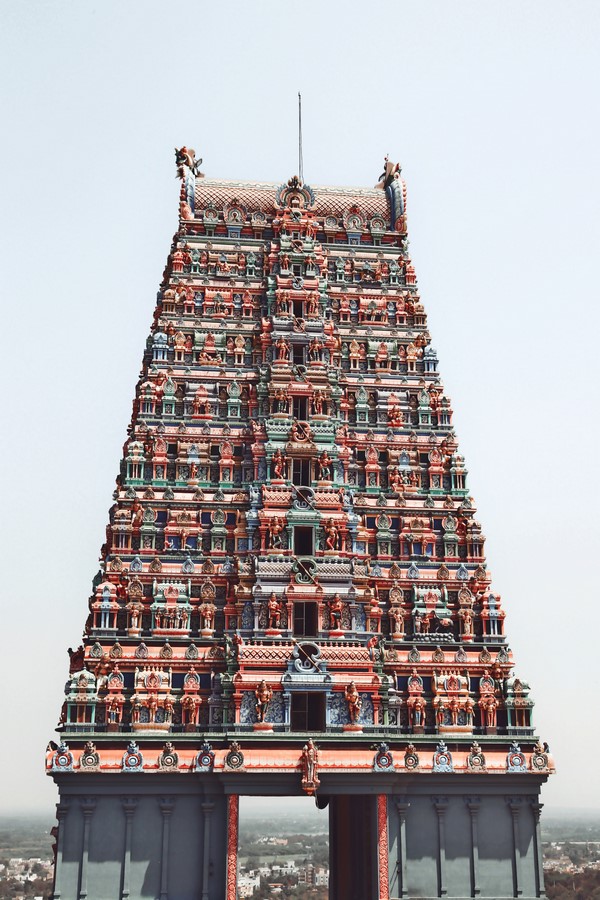
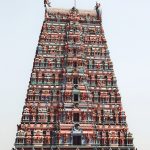
In Hindu Mythology, there are a lot of gods and goddesses that have their own stories and roles. They play a significant part in the religious practice of the Hindus, and they are often invoked in their prayers, rituals, and ceremonies. Thus, their temples and religious buildings are decorated with carvings and sculptures of these gods and goddesses. Some examples are the Meenakshi Temple in Madurai and the Kailasa Temple in Ellora. Both temples feature carvings and sculptures of the god or goddess it is dedicated to and other gods and goddesses related to it. The Kailasa Temple, the largest of the rock-cut Hindu Temples at Ellora, is considered one of the most remarkable cave temples. Within the courtyard of this temple, there is a shrine dedicated to Shiva and an image of his mount Nandi.
Chinese Mythology

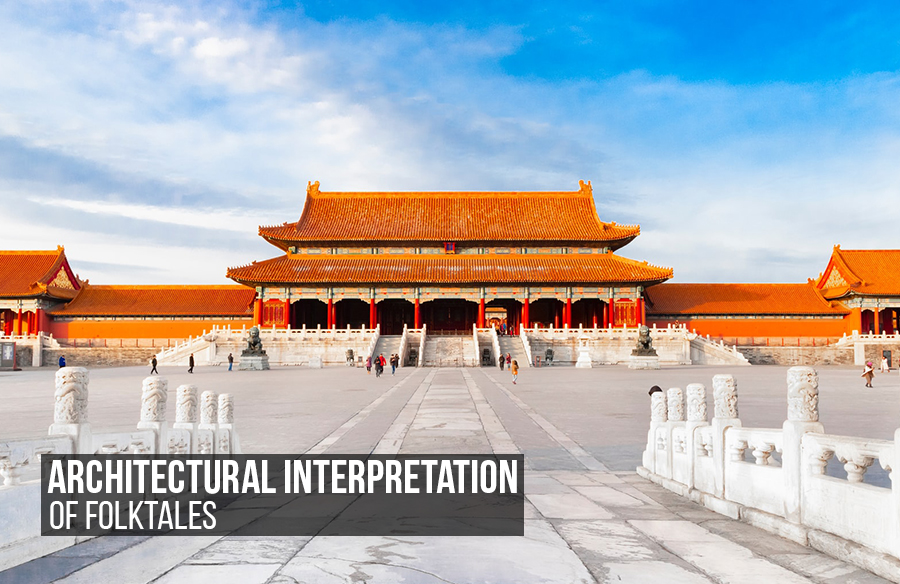
In Chinese Mythology, their gods and goddesses were represented with natural elements like the sky, earth, and sea. They were powerful beings who controlled the natural elements. One example would be the Forbidden City in Beijing. The Forbidden City is an imperial palace complex in China. The architecture of this walled complex observes the Traditional Chinese practice of Feng Shui. Its orientation follows a north-south line—all the most important structures within the complex face south to honour the Sun. The structures within the complex are adorned with intricate carvings and sculptures of gods and goddesses, as well as dragons. It also features the mythical bird phoenix that represents good luck and prosperity.
Christian Mythology

In Christianity, the Bible and Christian Beliefs play a significant role in their art and architecture, which is most evident in their Churches, Cathedrals, and other religious buildings. The influence of the Bible greatly influences the architecture of these religious buildings. Many of these are adorned with carvings, sculptures, and frescoes that represent stories and scenes from the Bible. These religious buildings have sculptures of Jesus Christ and the Virgin Mary, angels, saints, and other religious figures. One example would be the Chapel of San Pedro Calungsod, dedicated to the first Visayan Saint San Pedro Calungsod. The architectural interpretation of what spirituality is in the present times is evident in the feature that the chapel is most well-known, its 100 walls. It represents that there is not only one way to God, but different people also experience God in different ways.
Conclusion
The architectural interpretation of myths, legends, and culture vary for each civilization and religion. Each believes in their gods and goddesses and reveres them in diverse ways. They also have similarities like featuring sculptures and carvings of the stories and deeds of their gods and goddesses. But one most common thing is that their Architecture almost always has a story to tell. Some may blatantly show the story they are trying to tell while others hide it in the most intricate details. By utilizing these abstract narratives, architects can translate these into the built environment into something tangible and easier to appreciate. With architects continuing to explore the rich folklore and culture of humans, architectural interpretation and storytelling will continue to grow and enrich the quality of architecture in the future.
References:
Austin-Smith:Lord (2018) Modern Architecture meets ancient mythology – austin-smith:lord, Austin-Smith:Lord. [online]. Available at: https://www.austinsmithlord.com/modern-architecture-meets-ancient-mythology/ (Accessed: 08 July 2023).
Browne, W.A. (2010) Storytelling in architecture, Planetizen Features. [online]. Available at: https://www.planetizen.com/node/46878 (Accessed: 06 July 2023).
The Editors of Encyclopaedia (2023) Forbidden City, Encyclopædia Britannica. [online]. Available at: https://www.britannica.com/topic/Forbidden-City (Accessed: 08 July 2023).
Mindspace Architects (2018) Architecture and Storytelling, Mindspace Architects. [online]. Available at: https://mindspacearchitects.wordpress.com/2018/04/05/architecture-and-storytelling/ (Accessed: 05 July 2023).
Sergio (2022) Kukulkan Pyramid in Chichen Itza, Mayan Peninsula. [online]. Available at: https://mayanpeninsula.com/en/kukulkan-pyramid/#:~:text=It’s%20thought%20that%20this%20pyramid,erected%20in%20honor%20of%20the (Accessed: 08 July 2023).
Shashank (2023) Influence of mythology on art and architecture, GoBookMart. [online]. Available at: https://gobookmart.com/influence-of-mythology-on-art-and-architecture/ (Accessed: 04 July 2023).
United Kingdom Architecture News (2014) Why Fairy tales matter to architects, World Architecture Community. [online]. Available at: https://worldarchitecture.org/architecture-news/chfff/why-fairy-tales-matter-to-architects.html (Accessed: 07 July 2023).