A brand is a voice, and a product is a souvenir. – Lisa Gansky
Branding helps people create unique identities for their businesses, products, services, or individuals, including setting up images, name symbols, or designs. Branding requires a lot of strategic planning, shaping and communicating a distinct identity, personality, and perception associated with a specific entity.
The architecture and design industry has always played a significant role in shaping the identity and creating differentiation of brands. These disciplines can construct unforgettable experiences that improve brand acknowledgement and establish a unique brand identity, from iconic buildings to innovative interior spaces.
Architecture and design firms need to stay ahead of emerging and latest trends in the ever-evolving branding landscape, especially to meet the needs of their clients and audiences effectively. This article explores the future of branding in architecture and design, focusing mainly on emerging trends and how firms can prepare for these changes.
Emerging Trends in Branding and Design
Immersive Brand Experiences
In this increasingly digital world, brands are looking for new ways to create immersive experiences that can connect with their audiences on a deeper level. Immersive brand experiences mean designing spaces that engage within multiple senses, incorporating elements such as interactive installations, virtual reality, augmented reality, and sensory branding. These experiences help transport visitors into a wisely curated world that conveys and delivers the brand’s values and message directly. Branding will create a memorable and emotional connection that will leave a lasting impression on the audience.
Brand Collaborations and Co-creation

Collaborations between brands have become a popular trend in recent years. Branding in architecture and design will also incorporate and leverage clients’ or stakeholders’ strengths and reach new audiences. These collaborations will focus on understanding their client’s unique requirements and aspirations to engage them throughout the design process and co-creating solutions that align with their brand values and vision. Architecture and design firms can collaborate with other brands to create branded spaces or experiential installations that align with both parties’ values. These types of collaborations can result in unique and innovative designs that capture the essence of both brands, generating excitement and engagement.
Sustainability and Green Design Branding
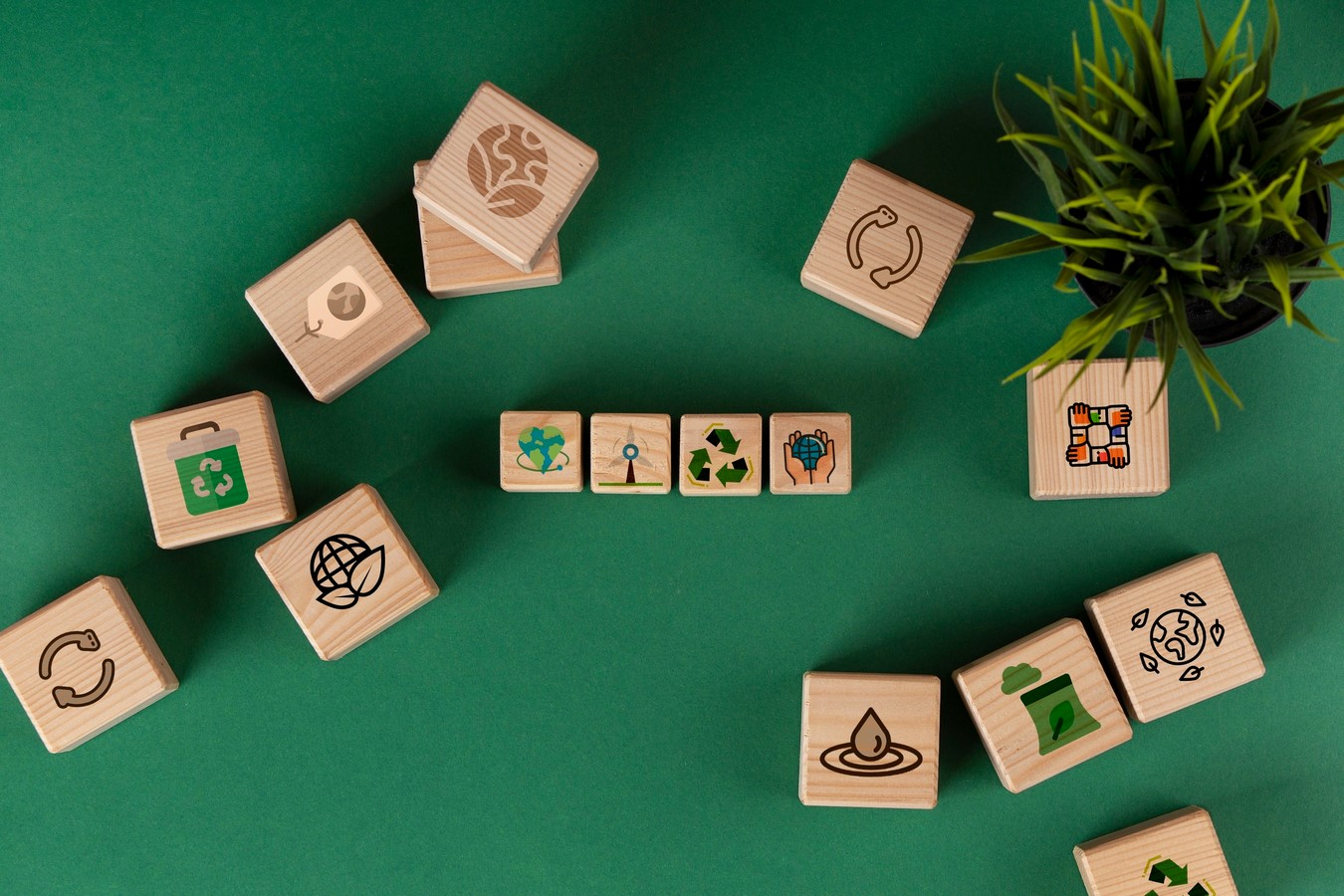
As the world deals with a challenging environment, sustainability has become a major focus for brands across various industries. And this increasing focus on sustainability will impact branding in the architecture and design field. Clients and stakeholders are prioritising environmentally conscious design, energy efficiency, and ethical practices. In today’s world, brands prioritising sustainability and incorporating sustainable design principles into their projects will likely gain a competitive edge and appeal to a broader audience as clients and consumers increasingly seek eco-friendly future and energy-efficient solutions.
Technology Integration

Technology is completely transforming how we interact with spaces, and it shows exciting opportunities for branding in architecture and design firms. Firms can create smart spaces that familiarise with users’ needs and preferences by making advancements in smart buildings, incorporating the Internet of Things (IoT), artificial intelligence (AI), virtual reality (VR), and augmented reality (AR). For instance, integrating sensors and data analytics can optimise energy consumption and enhance user experience. Moreover, digital interfaces and interactive features can improve brand storytelling and create personalised experiences within a space.
Emphasis on Unique Brand Identity
As the architecture and design industry is becoming more competitive, it becomes crucial for firms to establish a unique brand identity and differentiate themselves from others. Brands must deliver a clear and compelling narrative that reflects their values, design philosophy, and expertise. This differentiation or unique identity will extend beyond the visual aspects to incorporate the complete client experience, from initial engagement to project delivery.
Emphasis on Storytelling
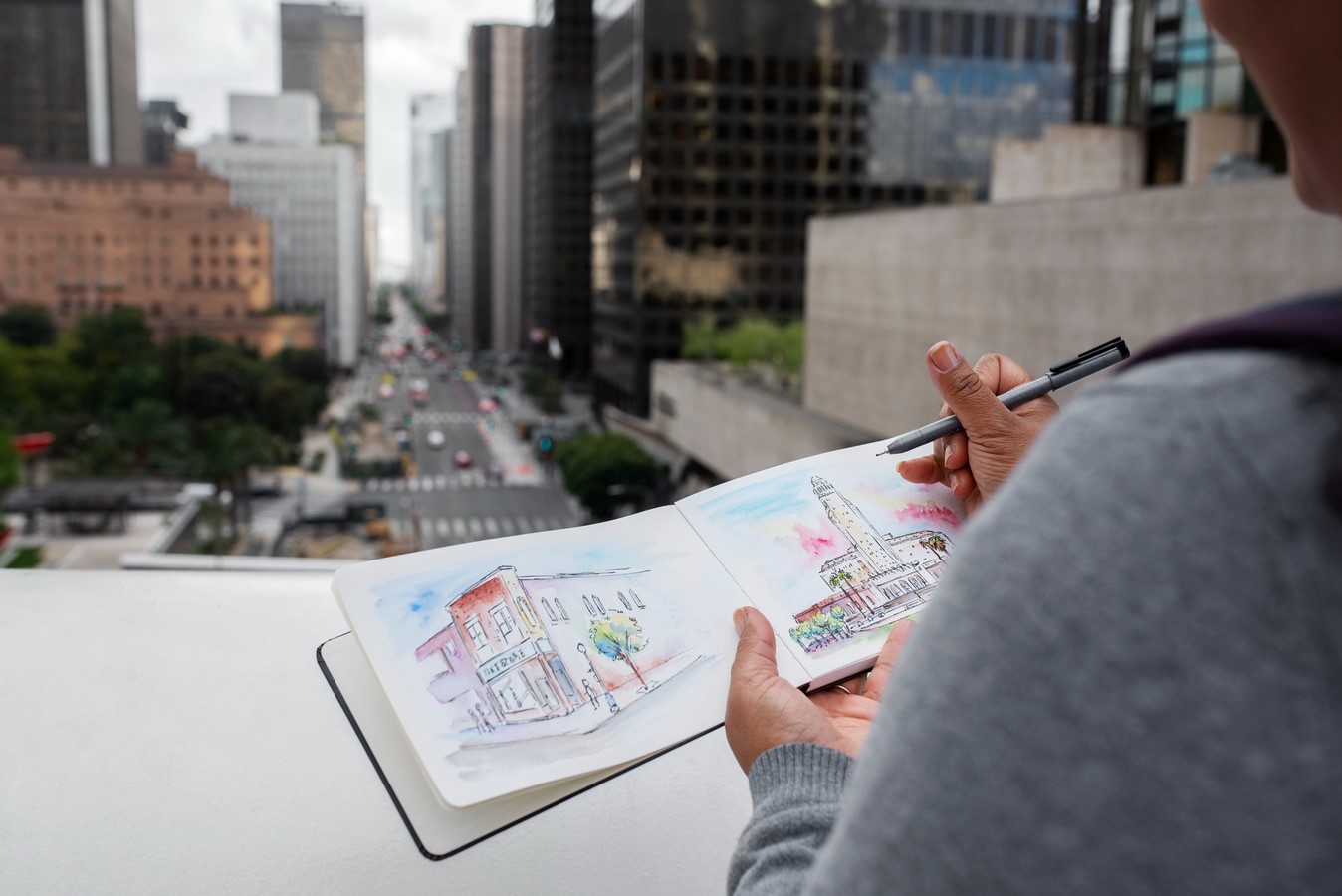
Brands will continue to leverage storytelling techniques to establish narratives around their projects. Architects, designers and their associated branding teams will be tasked with crafting unique stories that convey the essence and purpose of their work that will connect with audiences on a deeper level.
Personalisation and Customization
Brands will aim to create more personalised experiences for clients and consumers. Customisation will become a gradual priority as architects and designers tailor their services to meet individual needs and preferences. This could also offer modular or adaptable designs that can be personalised to match specific requirements.
Cross-disciplinary Partnerships
Architects and designers will start collaborating with professionals gradually from other disciplines, including marketing strategists, psychologists, and data analysts. This multidisciplinary approach will allow brands to understand user behaviour, craft impactful designs better, and deliver unforgettable experiences.
Cultural Sensitivity and Localization

In this globalised world, brands must be culturally sensitive and responsive towards their local contexts. The architecture and design field will focus on regional aesthetics, cultural values, and social norms that will allow brands to reflect with diverse audiences and establish stronger connections.
Lastly, the future of branding in architecture and design carries immense potential to transform our built environment into engaging, purposeful, and unforgettable experiences. As technological advancements are changing our world completely, architects and designers need to recognize the power of branding in creating holistic and cohesive narratives that connect people with spaces. Architects and designers can establish themselves as storytellers and influencers by leveraging the latest tools and strategies, embracing sustainability, fostering inclusivity, and staying attuned to evolving needs of society, creating a new path towards a more immersive, meaningful, and human-centric built environment. The future of branding in architecture and design is a compelling journey that promises to reshape our world, leaving lasting impressions and enriching lives in ways we have yet to imagine.
Reference:https://martinroll.com/books/the-future-of-branding/