Bart Goldhoorn, the creator and editor of Russia‘s top architecture newspaper Project Russia, quickly attracts readers by conjuring up personal visuals and adopting an unconventional first-person perspective.
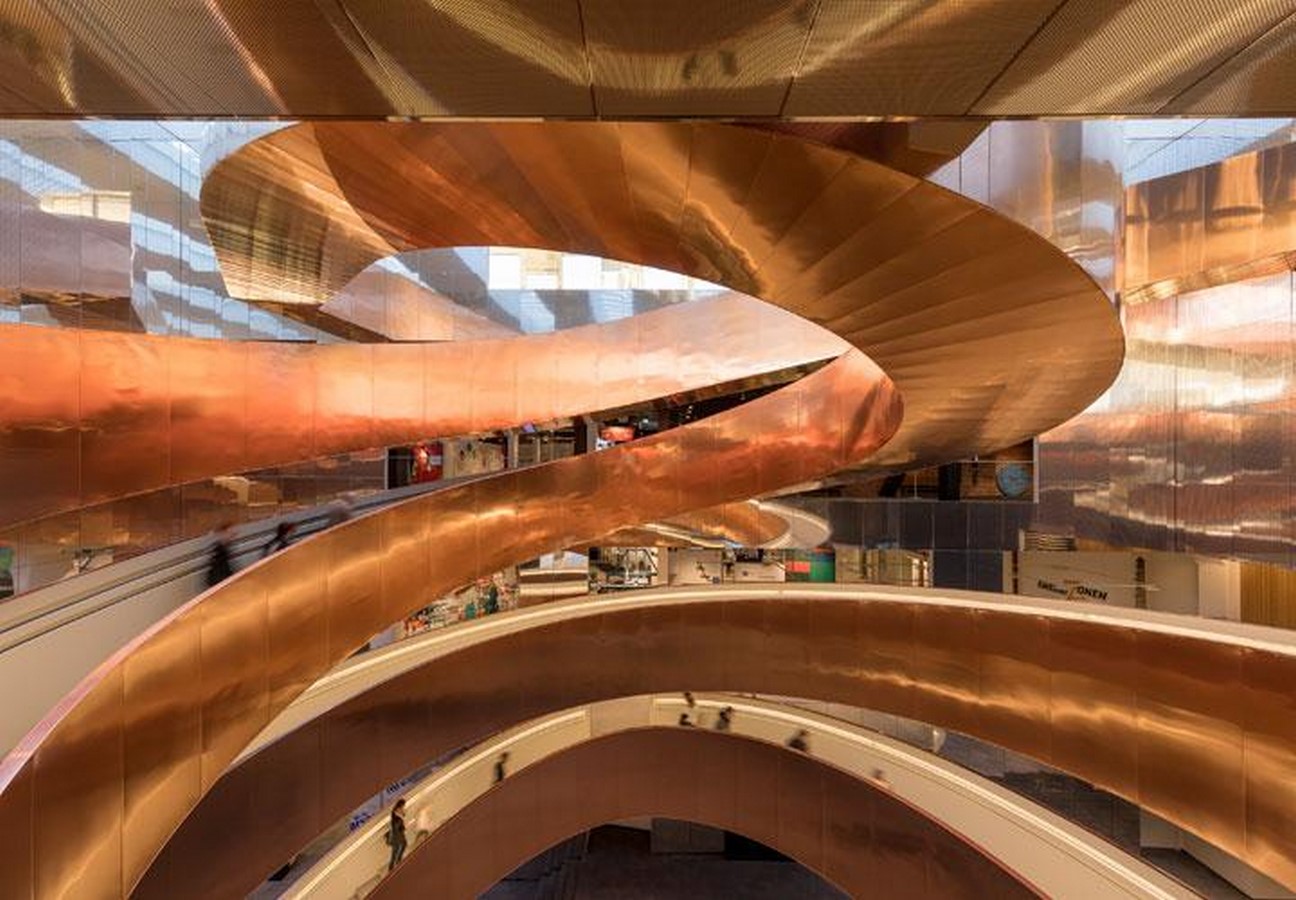
When outlining the novel approach of the avant-garde designers at CEBRA, he challenges his assumptions: When I thought of Danish architecture ten years ago, I had an image of hushed, pipe-smoking, corduroy-clad men who were perhaps a little boring, but who produced responsible, ecologically sound building with a hint of postmodernism. One may at most hope for clean modernity. The CEBRA architects… do not suit this stereotype of Danish architects.
Asking Rhetorical questions
What ideas and beliefs influenced its evolution? What role does it play in society? What does it mean to the neighborhood or a certain group? What approach is being taken to avoid project liabilities? What is the most important feature of the design, and how is it highlighted? In terms of strategy to cover architecture, some things to look for are whether it focuses on a certain material, place, or construction technique, a societal problem, or has a new outlook on a typology. It is vital to understand the intricacy of the project and the architecture of the edifice in question.
Understanding the evolution of architecture involves delving into the ideas and beliefs that have shaped its development. It is crucial to examine the role architecture plays in society and its meaning to specific neighborhoods or groups. Additionally, a key consideration is the approach taken to mitigate project liabilities and ensure a successful outcome. Identifying the most important feature of the design and understanding how it is highlighted becomes essential.
In terms of covering architecture strategically, there are certain aspects to observe. These include whether the project focuses on specific materials, places, or construction techniques, addresses a societal problem, or presents a fresh perspective on a typology. To provide comprehensive coverage, it is vital to comprehend the intricacies of the project and the architectural elements that make up the structure in question.
Art Of Writing For Architecture
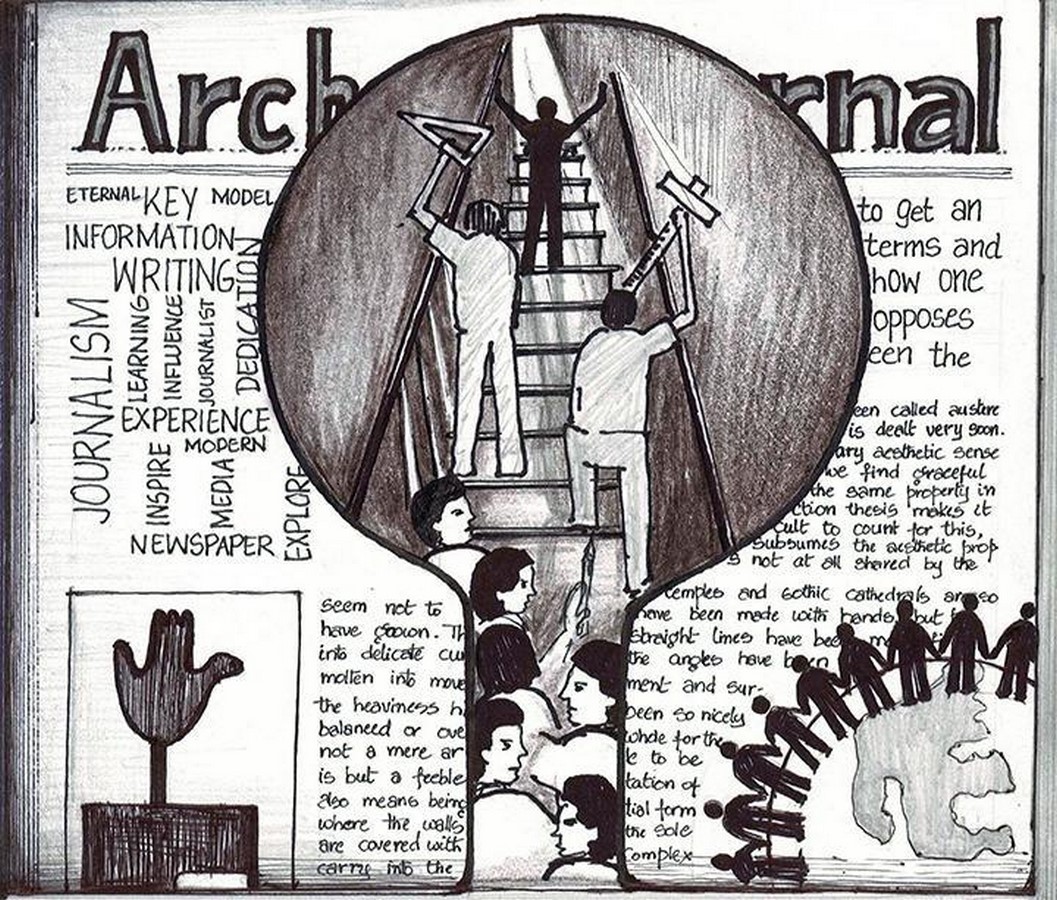
Writing that is clear, concise, and compelling has the power to attract the right audience. However, professionals in architecture often use technical jargon that can make it difficult for non-experts to grasp design principles and important concepts. As architectural writers or architects, we must move away from gatekeeping architecture and make it accessible for everyone to understand and appreciate architectural design. Understanding your target audience is paramount to effective writing. You must categorize your work by asking yourself: Who is my intended audience? How much depth should I explore to benefit the readers? Am I addressing the right group of individuals, such as students, professionals, or those with a general interest in architecture? Having a thorough understanding of the subject matter and the ability to convey your thoughts, ideas, and perceptions is essential. In addition to the content itself, readers should be able to follow your thought process and understand the direction you are taking.

Challenges to covering architecture
When it comes to architectural work or design, we confront obstacles due to technical complexity, such as successfully grasping and expressing architectural design concepts to the community in simpler terminology.
Personal perspectives on the design differ from person to person and can be very subjective, making it difficult to obtain balanced input and opinion on the design. Furthermore, because architects and designers are typically concerned with actual projects, obtaining access to them for interviews or unique information might be challenging.
Opportunities to covering architecture
While covering architecture, there are a plethora of opportunities. Imagine having the opportunity to investigate unique and cutting-edge pieces that push the boundaries of creativity and functionality. Some of the topics one can cover are sustainable practices, emerging trends, unique ways of utilization of material, one-of-the-kind concepts, and much more, offering readers inspirational projects to look upon, even help out people in reviewing a product or architectural work. Journalists can also investigate the historical and cultural contexts of architectural landmarks and design movements to preserve and promote cultural heritage.Furthermore, architecture and design have a tremendous impact on the built environment and society, allowing journalists to shine a spotlight on projects that improve communities, promote sustainability, and solve social issues.
Having said that, it’s crucial to keep in mind that writing about architecture and design has a variety of difficulties, including technical difficulty, subjectivity, a lack of information, and a smaller audience. However, as a creative outlet, it can offer chances to pique interest, inspire, investigate, highlight societal impact, promote cultural relevance, highlight multidisciplinary collaboration, and offer assistance to consumers looking to learn more. Through your role as a journalist, you stimulate creativity, knowledge acquisition, a deeper understanding for architecture and design, and you make a significant contribution to the propagation of knowledge.
References
Experimentarium – Science Museum (2022) CEBRA architecture. Available at: https://cebraarchitecture.dk/project/experimentarium/ (Accessed: 25 June 2023).
Keskeys, A.P. (2022) Young architect guide: 10 tips for writing about Architecture – Architizer Journal, Journal. Available at: https://architizer.com/blog/practice/details/how-to-write-about-architecture/ (Accessed: 25 June 2023).